Chalcedony Gemstone: A Complete Guide
Chalcedony is a fascinating and versatile gemstone prized for its calming beauty and spiritual significance. Whether you're new to crystals or an avid collector, chalcedony’s allure is undeniable. In this blog, we'll dive deep into what chalcedony is, how it’s pronounced, its varieties, and even its rarer forms. Ready to learn all about this captivating gemstone? Let’s explore.
What is Chalcedony?
So, what is a chalcedony gemstone? Chalcedony is a type of microcrystalline quartz, meaning it has a fine, compact structure that gives it a smooth, lustrous appearance. Unlike typical quartz, chalcedony has tiny crystals, making it less transparent and more silky in texture.
It’s important to note that chalcedony is not just a specific stone but also a family of stones. Varieties include agate, onyx, and jasper. These variations make chalcedony one of the most diverse and versatile stones in the world of gems and minerals.

Is Chalcedony a Real Gemstone?
You might wonder, is chalcedony a real gemstone? Yes, chalcedony is very much a real gemstone! It has been used for centuries in jewelry and carvings due to its wide array of colors and ease of shaping. Its rich history dates back to ancient civilizations where it was used as amulets, seals, and in decorative arts.
How to Pronounce Chalcedony
Now, how to pronounce chalcedony can be tricky, as it’s a bit of a tongue twister. The correct pronunciation is kal-SED-uh-nee. Many people mistakenly pronounce it as "chal-see-doh-nee," but remember the “ch” sounds like a “k.” Get it right, and you'll sound like a gem expert yourself!
Chalcedony Stone: Colors and Types
Chalcedony comes in a stunning variety of colors, though the most well-known is blue chalcedony. This serene and calming shade often has a dreamy, translucent appearance, making it a popular choice for jewelry and meditation practices.
What is the Rarest Color of Chalcedony?
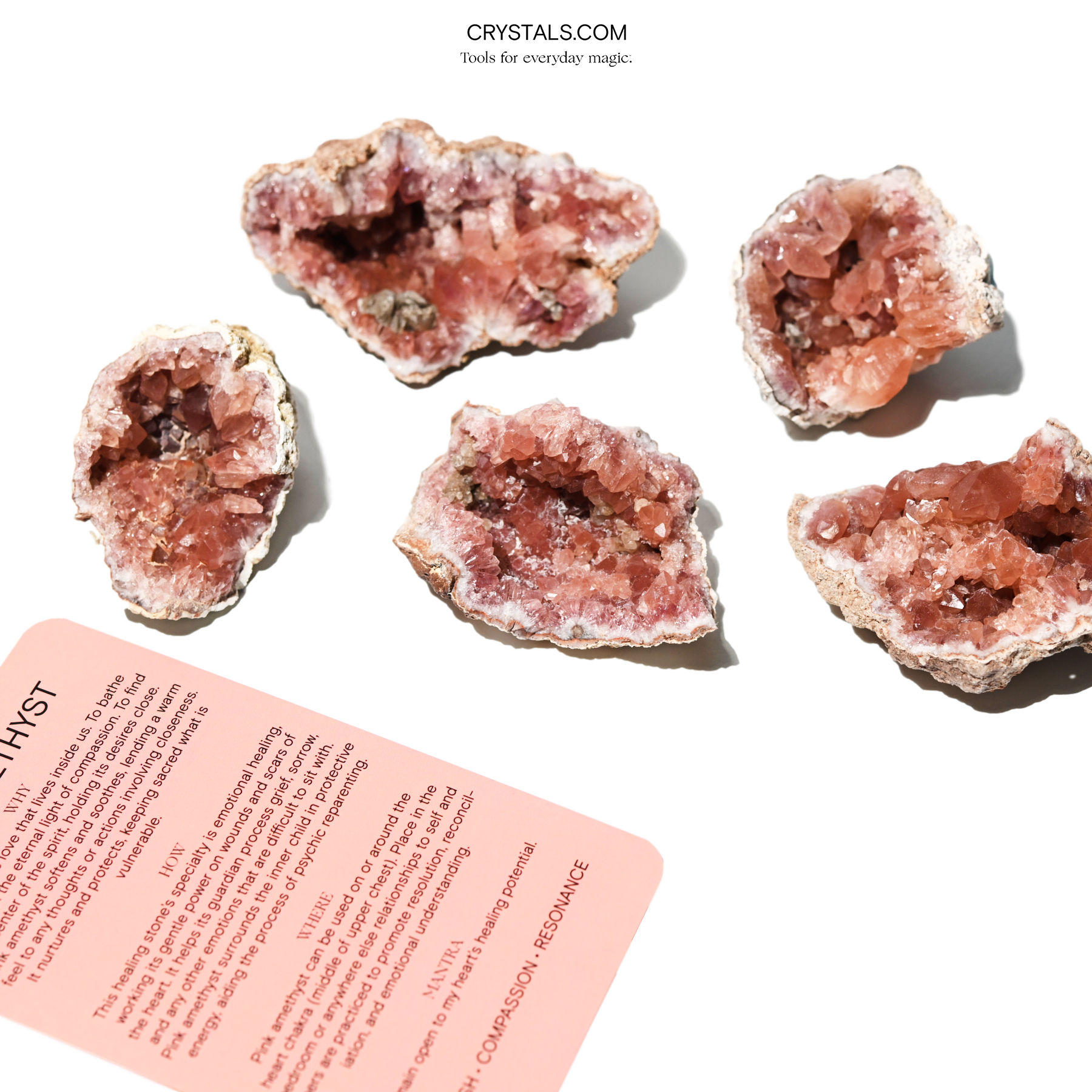
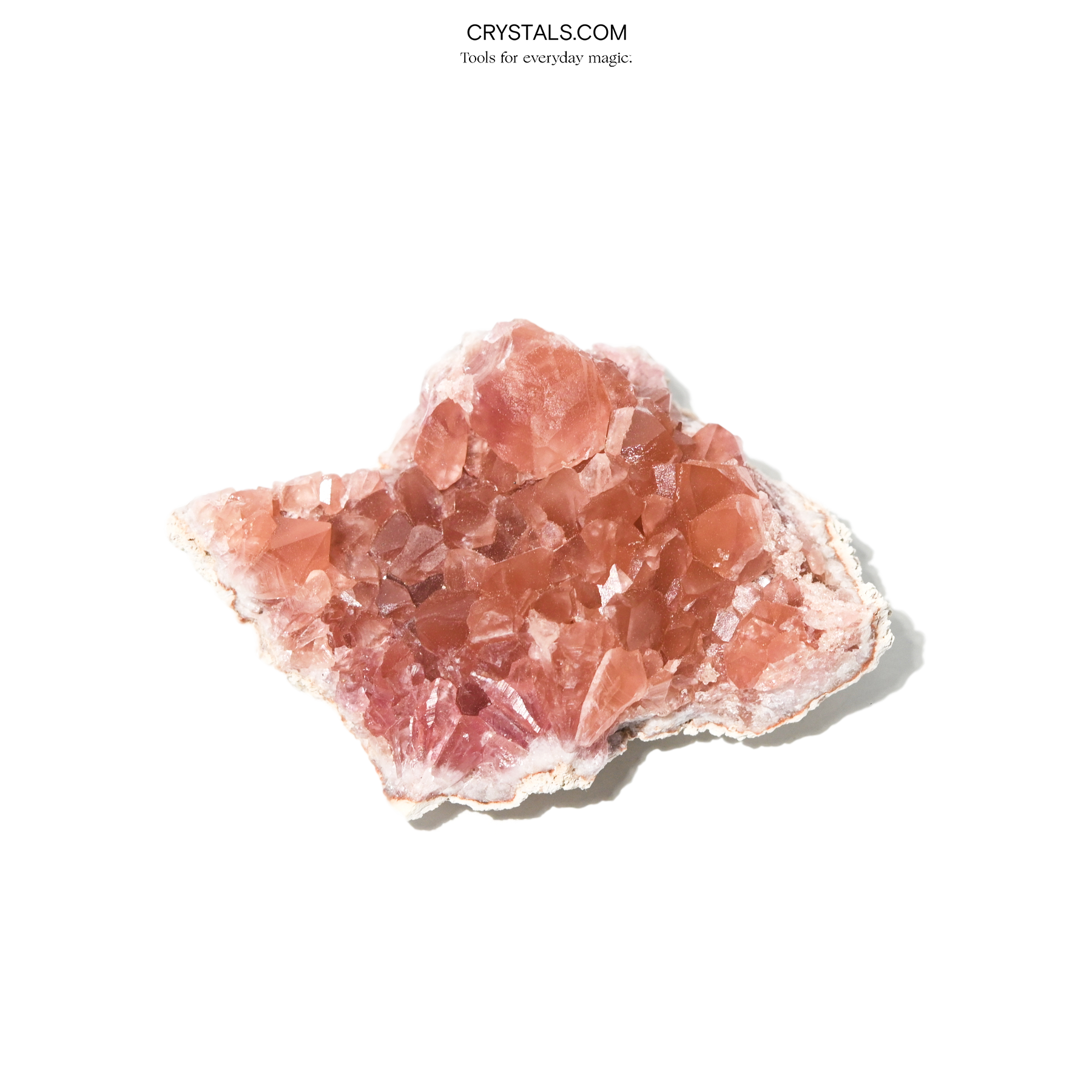
While chalcedony comes in many hues—white, grey, blue, green, and even pink—the rarest color is lavender chalcedony. This soft, pale purple shade is highly sought after due to its delicate and unique coloration, making it difficult to find in large quantities.

What Does Raw Chalcedony Look Like?
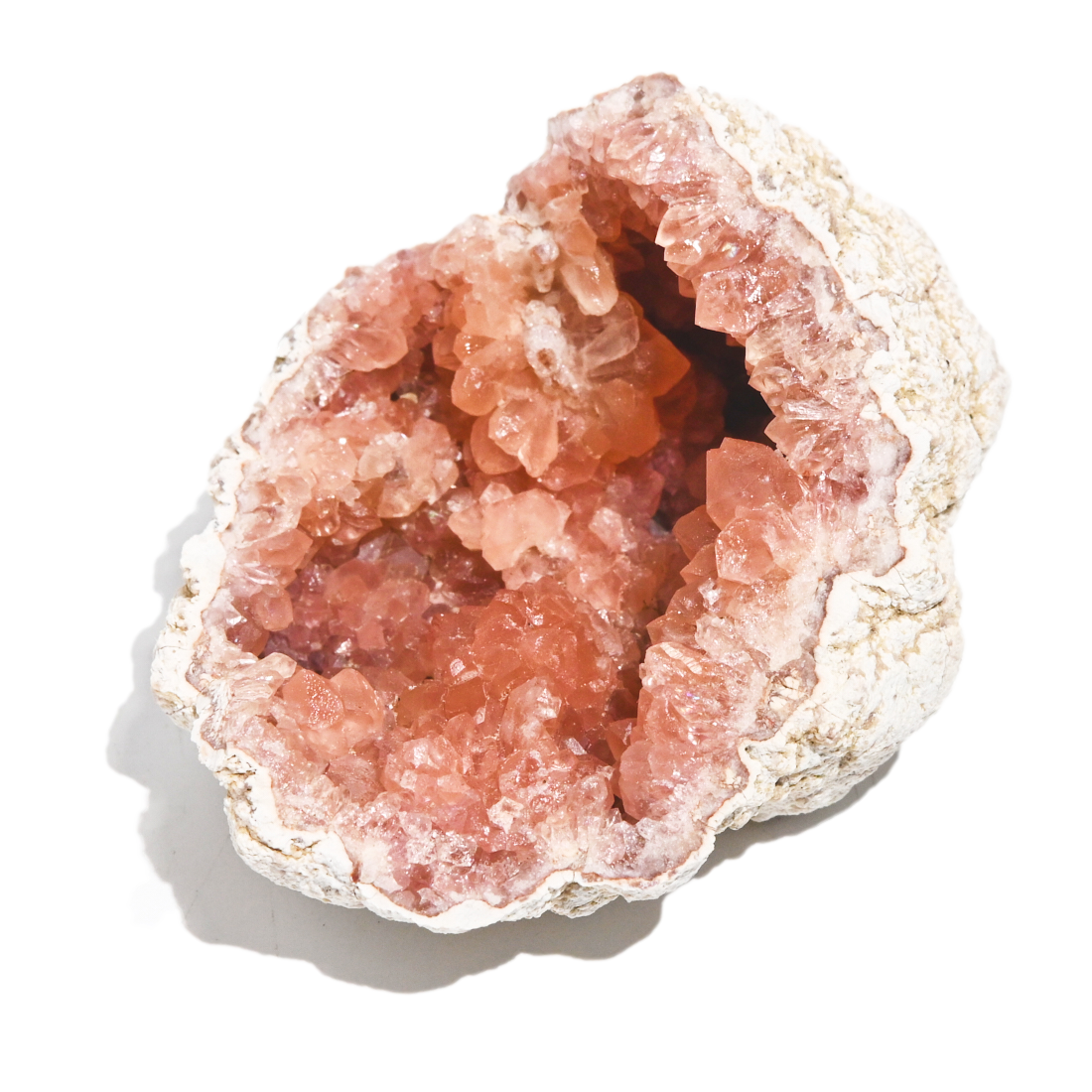
Before it’s cut and polished, raw chalcedony looks quite different. In its natural state, it often appears as a rough, opaque stone with a waxy or matte finish. The color can be muted compared to the polished gem but becomes more vivid once it’s treated. Raw chalcedony is often found in rounded or botryoidal formations, resembling tiny bubbles or nodules.
Chalcedony Meaning and Spiritual Significance
Chalcedony isn’t just beautiful—it carries deep spiritual significance. The chalcedony meaning revolves around calmness, emotional balance, and communication. Known as a nurturing stone, it absorbs negative energy and promotes feelings of goodwill and generosity. It is often used in meditation to bring inner peace and mental clarity, making it a favorite among spiritual healers.
Blue Chalcedony Meaning
Among the varieties of chalcedony, blue chalcedony holds a special place for its calming, peaceful energy. It is believed to assist in communication, helping the wearer express themselves clearly and confidently. Blue chalcedony is also known to calm emotions and alleviate stress, making it an excellent stone for those seeking emotional balance.

What’s Another Name for Chalcedony?
What’s another name for chalcedony? Sometimes, chalcedony is referred to as “agate” or “onyx,” depending on the specific type. For instance, agate typically features banded layers of chalcedony, while onyx is a black-and-white variety of chalcedony. Jasper, another variety, often comes in earthy tones with intricate patterns.
How is Chalcedony Used in Jewelry and Healing?
Chalcedony is a highly versatile stone, making it a favorite for both jewelers and crystal enthusiasts. Because it can be cut and polished into many forms, it’s commonly used in rings, necklaces, bracelets, and earrings.
In terms of healing properties, chalcedony is often worn to absorb negative energy and reduce feelings of anxiety. Crystal healers recommend placing chalcedony in your living space to create a peaceful atmosphere or wearing it close to the skin to harness its soothing energy throughout the day.
How to Care for Chalcedony
Taking care of your chalcedony stone is simple but essential to preserve its beauty and energy. To clean, gently wash the stone with warm, soapy water and avoid harsh chemicals or ultrasonic cleaners, which could damage the surface. Chalcedony is a durable stone, but like all gemstones, it should be stored separately to prevent scratching.
Conclusion: Unlock the Power of Chalcedony
Chalcedony is truly a gemstone with many faces—beautiful, calming, and steeped in spiritual significance. Whether you're drawn to its soft colors or its emotional healing properties, chalcedony is a perfect addition to any crystal collection. From blue chalcedony to the rare lavender chalcedony, this stone offers endless possibilities for those seeking both beauty and balance.

If you’re curious about owning your own piece of this mystical stone, explore our Zodiac Crystal Bracelet collection to find the perfect chalcedony bracelet for you!
Explore our full Crystal Encyclopedia — meanings, healing properties, and chakra connections for 280+ crystals.
Not Sure Which Crystal Is Right for You?
Take our 60-second crystal quiz and get a personalized recommendation based on what you need right now.
Take the Crystal QuizDiscover Your Human Design
Crystals amplify energy — but do you know your unique energy type? Human Design reveals how you're wired to make decisions, work, and rest. It's the owner's manual you were born with.
Explore Human DesignGet 10% Off Your First Order
Plus early access to new arrivals, collector drops, and crystal guides. Join 15,000+ crystal lovers.