Crystals.com
Chrysoprase
Authentic natural minerals, thoughtfully sourced and individually photographed.

Chrysoprase Crystals
Chrysoprase is a cryptocrystalline variety of chalcedony (SiO₂) and one of the most valuable members of the quartz family. Its distinctive apple-green to deep jade color comes from dispersed nickel silicate inclusions — specifically nickel-bearing clay minerals like willemseite and kerolite. Unlike emerald (colored by chromium) or peridot (colored by iron), chrysoprase's green is uniquely attributable to nickel, making it mineralogically distinct from other green gemstones.
Chrysoprase rates 6.5–7 on the Mohs hardness scale with a waxy to vitreous luster and excellent toughness, making it one of the most durable green gems available. The finest material comes from Western Australia (Marlborough region), where lateritic weathering of nickel-bearing serpentinite deposits creates gem-quality chrysoprase in seams and nodules. Other notable sources include Tanzania, Poland (where it has been mined since the Middle Ages), Brazil, and Madagascar.
Ancient Greeks and Romans prized chrysoprase for cameos and intaglios. Alexander the Great reportedly wore chrysoprase into battle. Frederick the Great of Prussia decorated the Chapel of St. Wenceslas in Prague with chrysoprase panels in the 14th century. Today it remains one of the most sought-after chalcedony varieties among collectors and jewelry designers.
Explore related green minerals in our Green Crystals collection, or compare with other chalcedony varieties like Agate and Carnelian. For similar collector-grade stones, browse Malachite and Green Aventurine. Free shipping on orders over $150.
Frequently Asked Questions
What is chrysoprase?
Chrysoprase is a cryptocrystalline variety of chalcedony (microcrystalline quartz) colored green by nickel silicate inclusions. It is one of the most prized and valuable chalcedony varieties, distinguished by its vivid apple-green to deep jade color.
What makes chrysoprase green?
Unlike most green gemstones (colored by chromium or iron), chrysoprase gets its color from dispersed nickel-bearing clay minerals — primarily willemseite and kerolite — within the chalcedony matrix. The intensity of green depends on nickel concentration.
Where is chrysoprase found?
The finest chrysoprase comes from the Marlborough region of Western Australia, where lateritic weathering of nickel-rich serpentinite creates gem-quality material. Other sources include Tanzania, Poland, Brazil, and Madagascar.
Can chrysoprase fade in sunlight?
Yes. Prolonged exposure to direct sunlight or heat can cause chrysoprase to lighten or lose some of its green intensity. This is because the nickel-bearing clay inclusions can dehydrate. Store chrysoprase away from direct sunlight and heat sources to preserve its color.
How is chrysoprase different from jade?
Despite similar appearance, they are completely different minerals. Chrysoprase is a silica (quartz family) mineral colored by nickel, while jade refers to either nephrite (calcium-magnesium silicate) or jadeite (sodium-aluminum silicate). Chrysoprase is less dense and slightly softer than jadeite.

Let customers speak for us
Beautiful piece! Incredible quality and shipped perfectly!

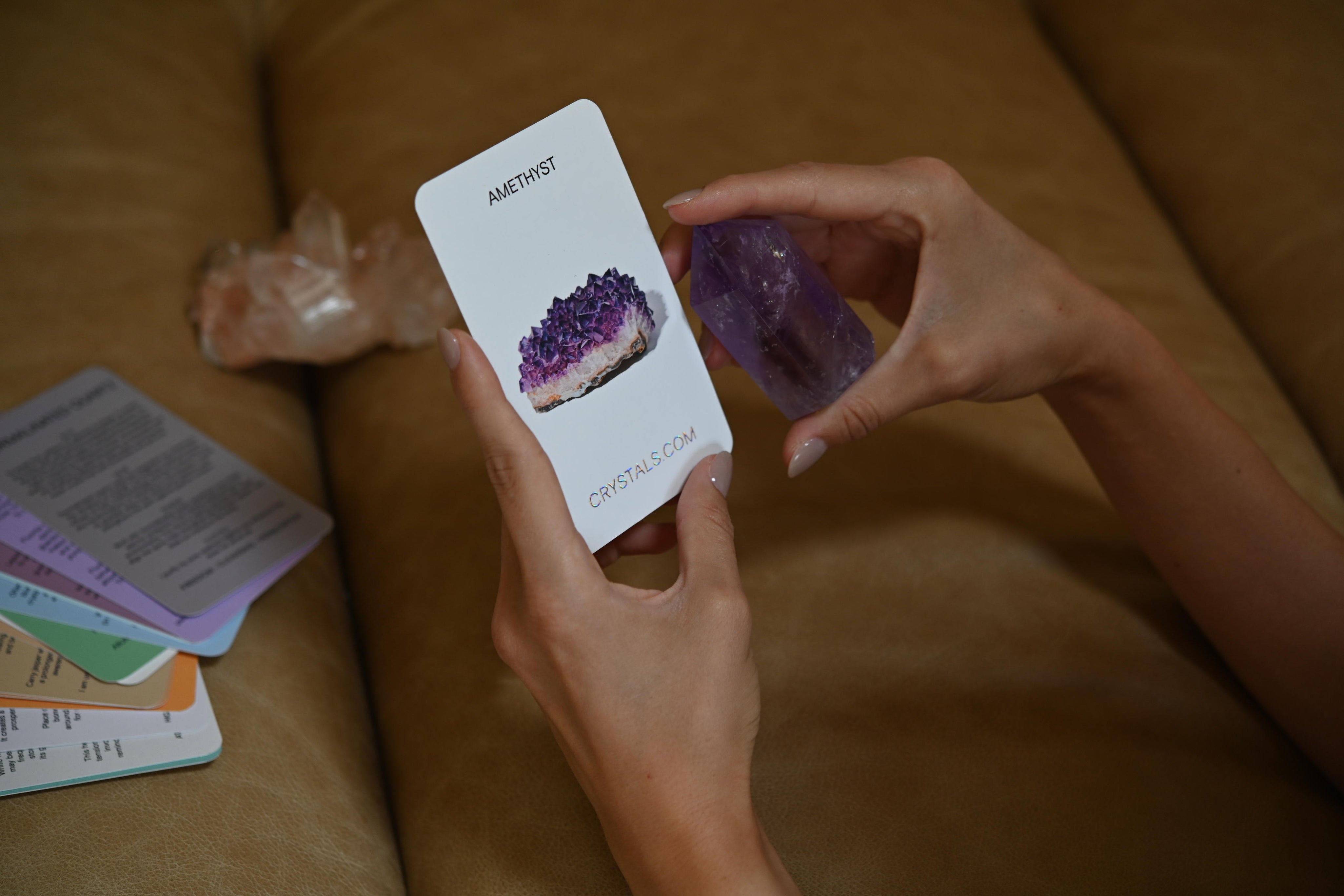
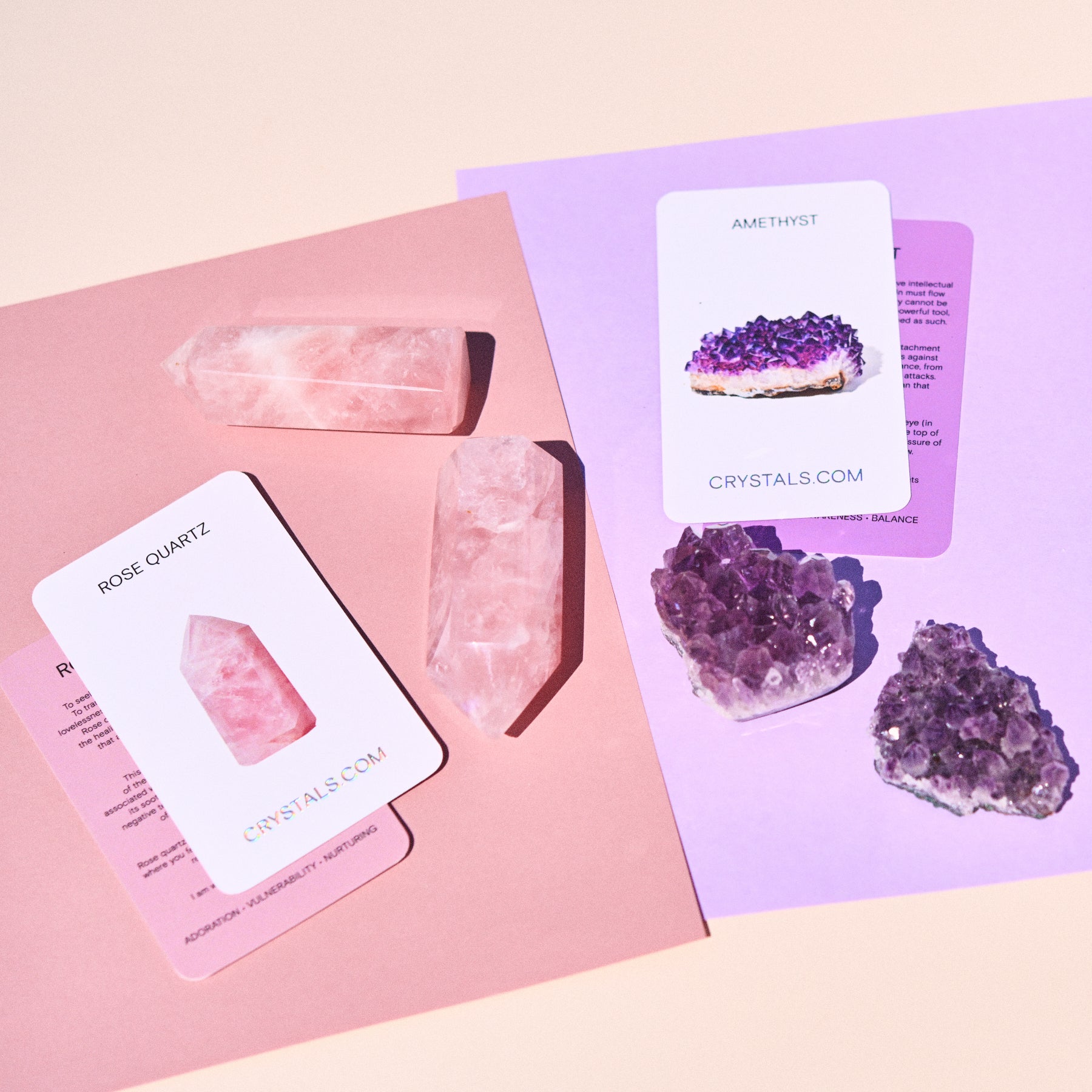
Great quality and I loved the information cards.
Great quality and I loved the information card it came with.

I have purchased several pieces from Crystals.com and keep coming back for more. :) This is my second amethyst piece. The color of the amethyst is a deep purple. Great craftsmanship!!

The smaller bead size was even more beautiful!
Really pretty!

Beautiful! The size of each rock is perfect!

Beautiful piece. Just as described

Amazing looks better in person

I love it but it could have been a little bigger

Enjoyed and appreciated by person who received it. The three types of stones look amazing together too!

Very reputable online and they did not disappoint!
Absolutely stunning!

Absolutely stunning!

Absolutely stunning!

A Sanctuary of Natural Beauty
Every crystal here was discovered by hand, selected with intuition, and photographed in its true light.
One-of-a-Kind. Forever Pieces.
Let the Universe Decide


