Crystals.com
Yellow Crystals
Authentic natural minerals, thoughtfully sourced and individually photographed.

Confidence · Abundance · Joy
Yellow Crystals
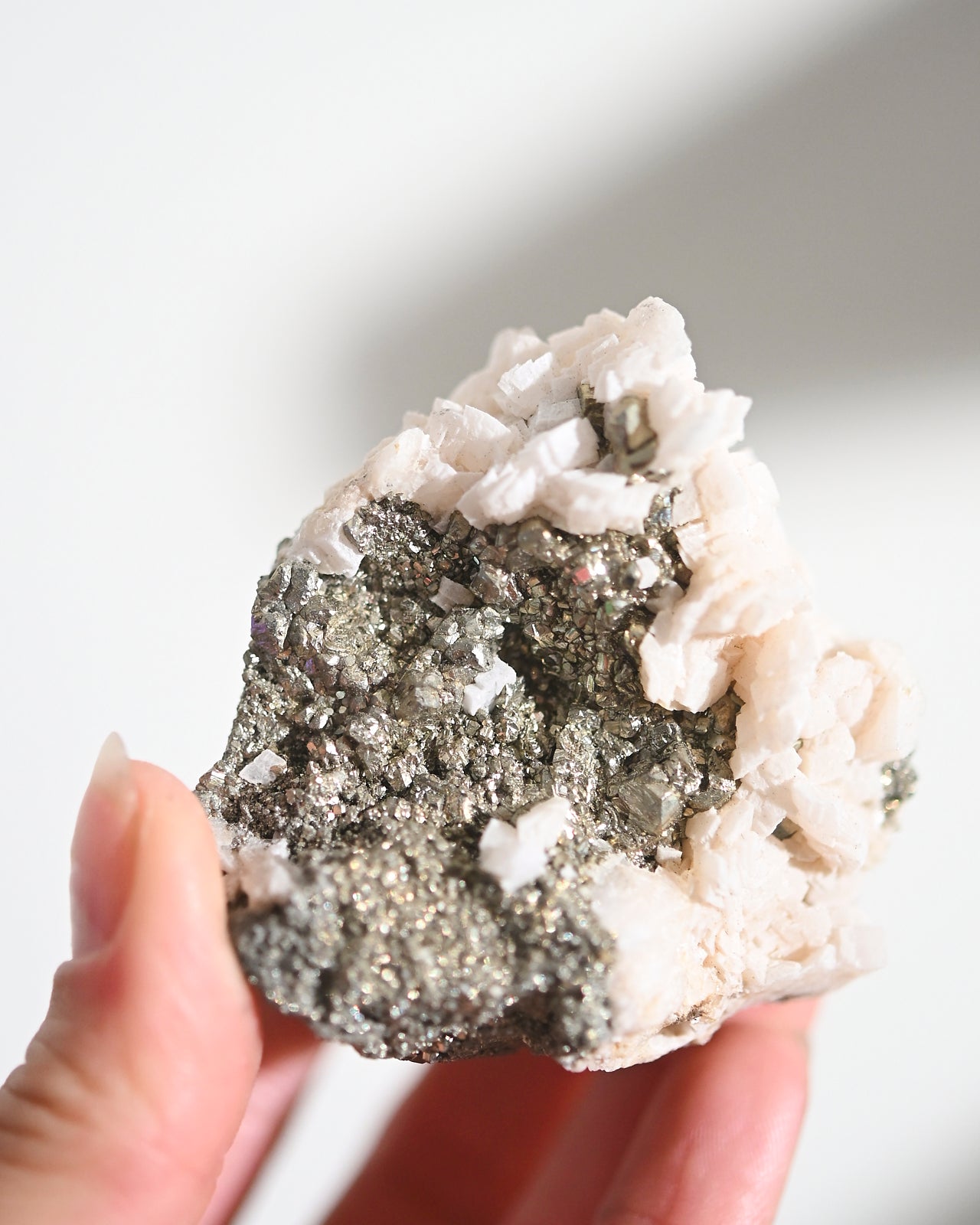
Yellow and golden stones carry solar energy — warm, confident, abundant. Natural citrine gets its gold from trace iron heated deep in the earth over millions of years. Pyrite is iron sulfide — geometrically perfect cubic crystals that ancient cultures mistook for gold. Tiger's Eye gets its chatoyancy from crocidolite fibers replaced by quartz.
Every crystal is natural, unaltered, and hand-selected. We source directly from mines and trusted suppliers — no synthetic stones, no coatings, no heat treatment unless explicitly noted.
Explore the Crystal Encyclopedia






Let customers speak for us
Just as featured! This stone is actually more beautiful in person is a understatement. The natural, soft pale yellow color is incredible and it always feels cold and heavy. The authenticity of it, on top of the energy this piece gives off leaves something to be desired. It draws me in several times a day to the point its indescribable, I just stare at it! 100% satisfied. I am keeping a watchful eye on other stones from this business. If you are curious to know, I am a Leo.

Strong communication through the process. Items was exactly as described and pictures.

Well thought out calendar. Lots of useful information.
The pictures are great.

Beautiful piece, exactly what was needed.

My home is Tech Central - Multiple Lap-Tops, Mini Pads, too many Phones to count and the Wi-Fi to connect them all in a 3 bedroom, 1 office and 1 studio house. Yes, my husband is one of those guys who has had a computer since the early 80's. So, when I found out that Shungite was a natural at absorbing electromagnetic fields I had to have some. I put this Pyramid on out bedside table which has 3 to 6 phones/ipods charging every night. This should be a good test! BIG PLUS Pyramid! We're both a bit reverent when it comes to sacred shapes and symbols. This one is BEAUTIFUL!

The onyx pyramid was stunning and better than I had hoped.

As advertised, the pieces are amazing and beautiful. The first place I go to shop for crystals and stones online.
Another amazing piece. It's beautifully balancing and intuitive.

This necklace is amazing and just the right piece for healing and transformation.

Shopping was easy to navigate. I received my shipment in a reasonable time.
A beautiful bracelet to add to my loving collection.

Not only is this necklace beautiful, I feel calmer when I wear it. LOVE IT
Stunning piece of rock!

Incredible specimen! Lovely for the collection

Beautiful crystals!The quality is excellent, with gorgeous color and natural details. Very happy with my purchase and would definitely recommend!

A Sanctuary of Natural Beauty
Every crystal here was discovered by hand, selected with intuition, and photographed in its true light.
One-of-a-Kind. Forever Pieces.
Let the Universe Decide


