Black Tourmaline Crystals
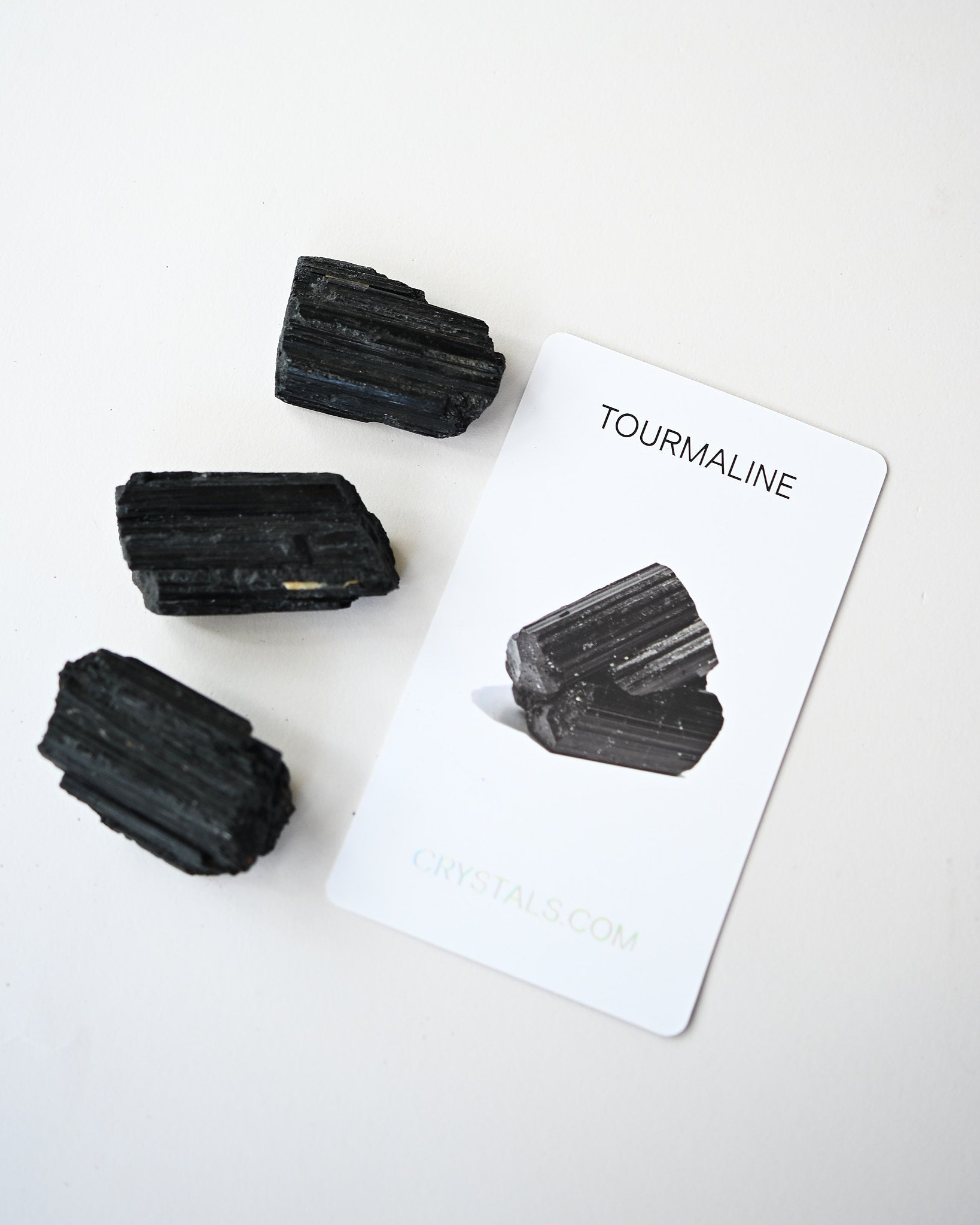
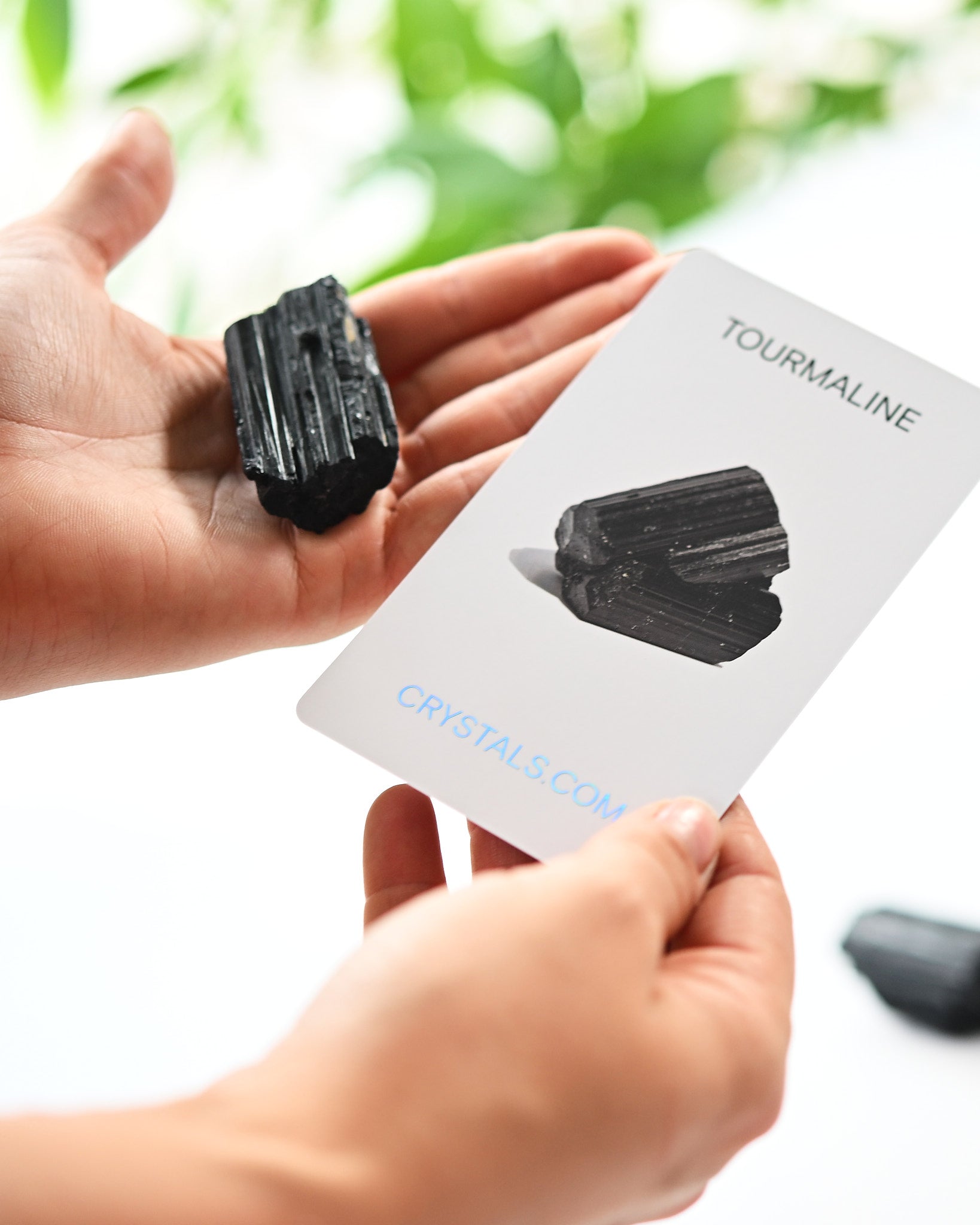
Black tourmaline, known to mineralogists as schorl, is the most common member of the tourmaline family and one of the most popular collecting minerals. Its deep black color comes from iron within its complex boron silicate structure, and it typically forms glossy, striated prismatic crystals in granite pegmatites. Black tourmaline rates 7–7.5 on the Mohs hardness scale, making it exceptionally durable. Major sources include Brazil, Pakistan, Afghanistan, Madagascar, and Namibia.
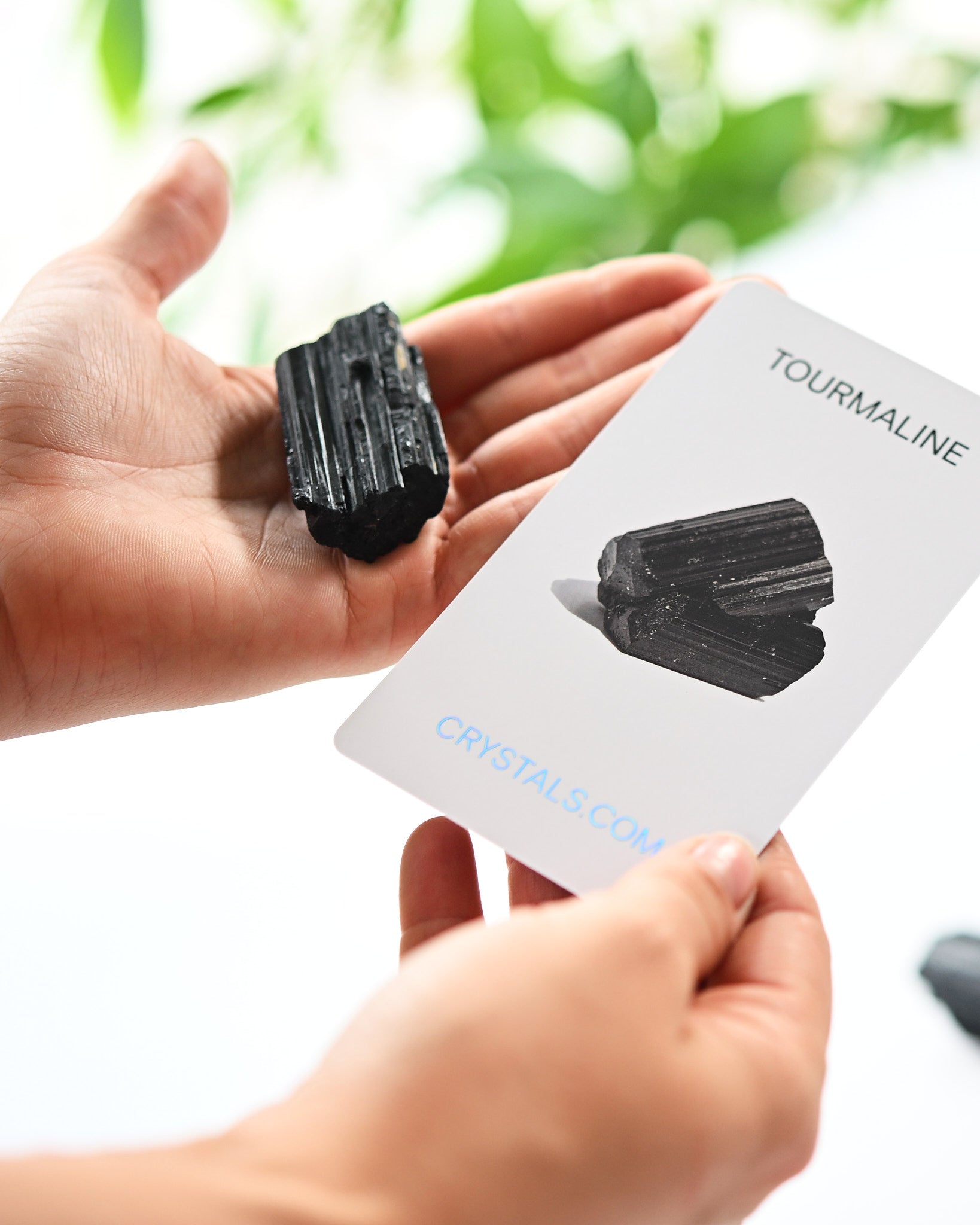
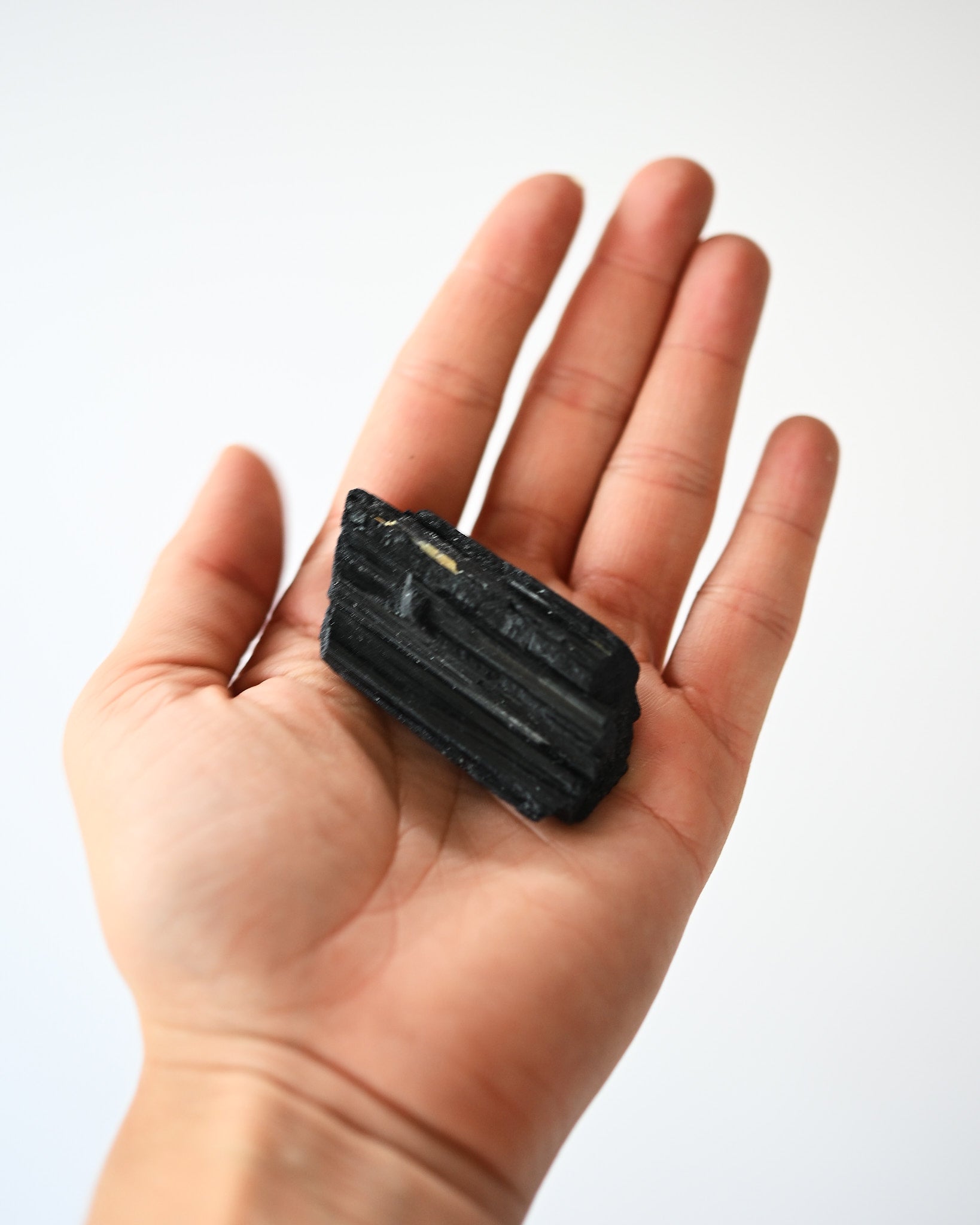
One of black tourmaline's most interesting properties is piezoelectricity — it generates a small electrical charge when subjected to mechanical pressure. This makes it scientifically notable beyond its visual appeal. The elongated, columnar crystal habit with parallel striations along the c-axis is characteristic and makes even rough specimens immediately recognizable.
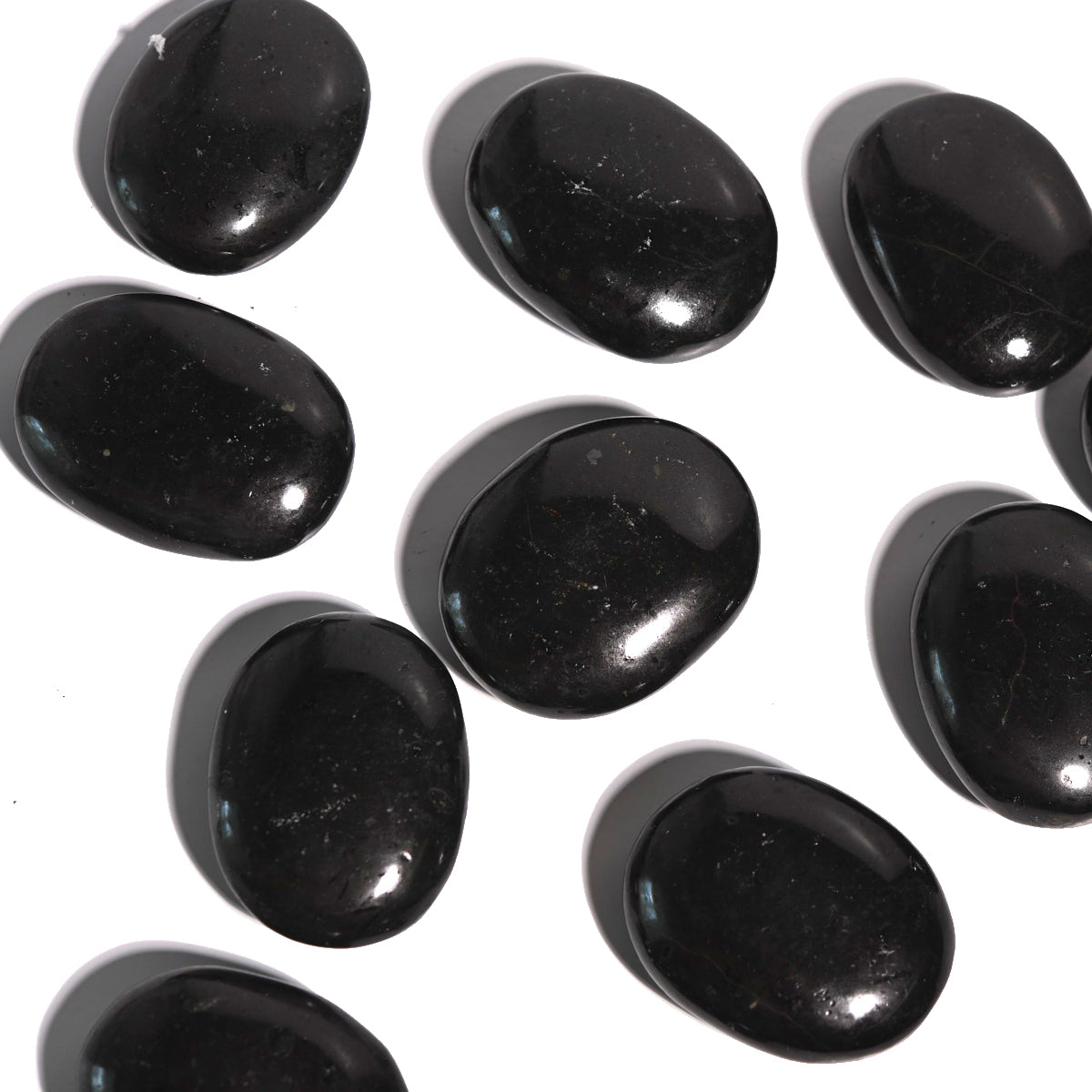
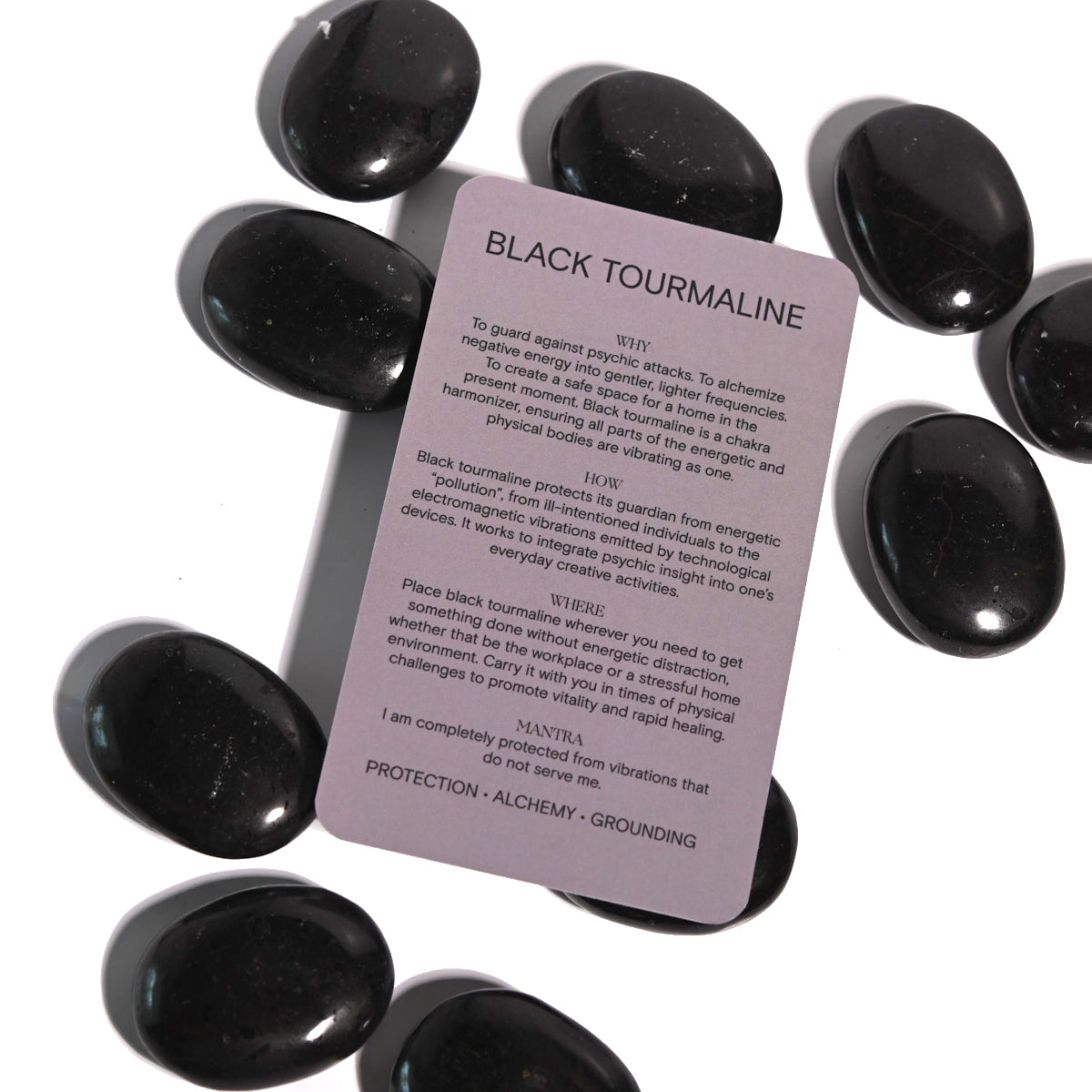
Available forms include raw specimens, polished palm stones, towers, tumbled pieces, and bracelets. For other dark minerals, see our obsidian and smoky quartz collections. Compare with other tourmaline varieties including pink, green, and watermelon. Browse our protection crystals collection for curated sets. Free shipping on orders $150+.
Frequently Asked Questions
What is black tourmaline?
Black tourmaline (schorl) is an iron-rich boron silicate mineral and the most abundant member of the tourmaline group. It crystallizes in the trigonal system, forming elongated prismatic crystals with characteristic vertical striations. It rates 7–7.5 on the Mohs hardness scale.
What is the difference between black tourmaline and obsidian?
Black tourmaline is a crystalline mineral (boron silicate, Mohs 7–7.5) with visible striations and prismatic crystal habit. Obsidian is volcanic glass — an amorphous solid (Mohs 5–5.5) with conchoidal fracture and no crystal structure. Tourmaline is harder, has piezoelectric properties, and forms defined crystal shapes.
Where does black tourmaline come from?
Major sources include Brazil (Minas Gerais), Pakistan and Afghanistan (large prismatic crystals), Madagascar, Namibia, and the United States. Brazilian schorl is particularly valued for well-formed, gem-quality crystals suitable for both collecting and cutting.
Is black tourmaline durable?
Yes. At Mohs 7–7.5 with no cleavage, black tourmaline is one of the more durable collecting minerals. It is suitable for all jewelry types and will not scratch from normal daily wear. Clean with warm soapy water and a soft brush.
What makes black tourmaline piezoelectric?
Black tourmaline generates a small electrical charge when subjected to mechanical pressure or temperature changes. This property — shared with quartz — results from its non-centrosymmetric crystal structure. While the charge is too small to be practically useful, it is scientifically measurable and makes tourmaline important in materials science.
Related Guides





Know your crystal
Black Tourmaline
Black tourmaline, known to mineralogists as schorl, is the most common member of the tourmaline family — its deep black color comes from iron. The crystal is both pyroelectric and piezoelectric: it develops an electrical charge when heated or put under pressure, a property scientists have documented since the 18th century. Most schorl forms as glossy, striated prisms in granite pegmatites in Brazil, Pakistan, and Africa.
Let customers speak for us
The smaller bead size was even more beautiful!
Really pretty!

Beautiful! The size of each rock is perfect!

Beautiful piece. Just as described

Amazing looks better in person

I love it but it could have been a little bigger

Enjoyed and appreciated by person who received it. The three types of stones look amazing together too!

Very reputable online and they did not disappoint!
Absolutely stunning!

Absolutely stunning!

Absolutely stunning!

Absolutely stunning!

Absolutely stunning!

Absolutely stunning!

Absolutely stunning!

A Sanctuary of Natural Beauty
Every crystal here was discovered by hand, selected with intuition, and photographed in its true light.
One-of-a-Kind. Forever Pieces.
Let the Universe Decide


