Crystals.com
Rough Crystals
Authentic natural minerals, thoughtfully sourced and individually photographed.

Rough Crystals & Raw Minerals
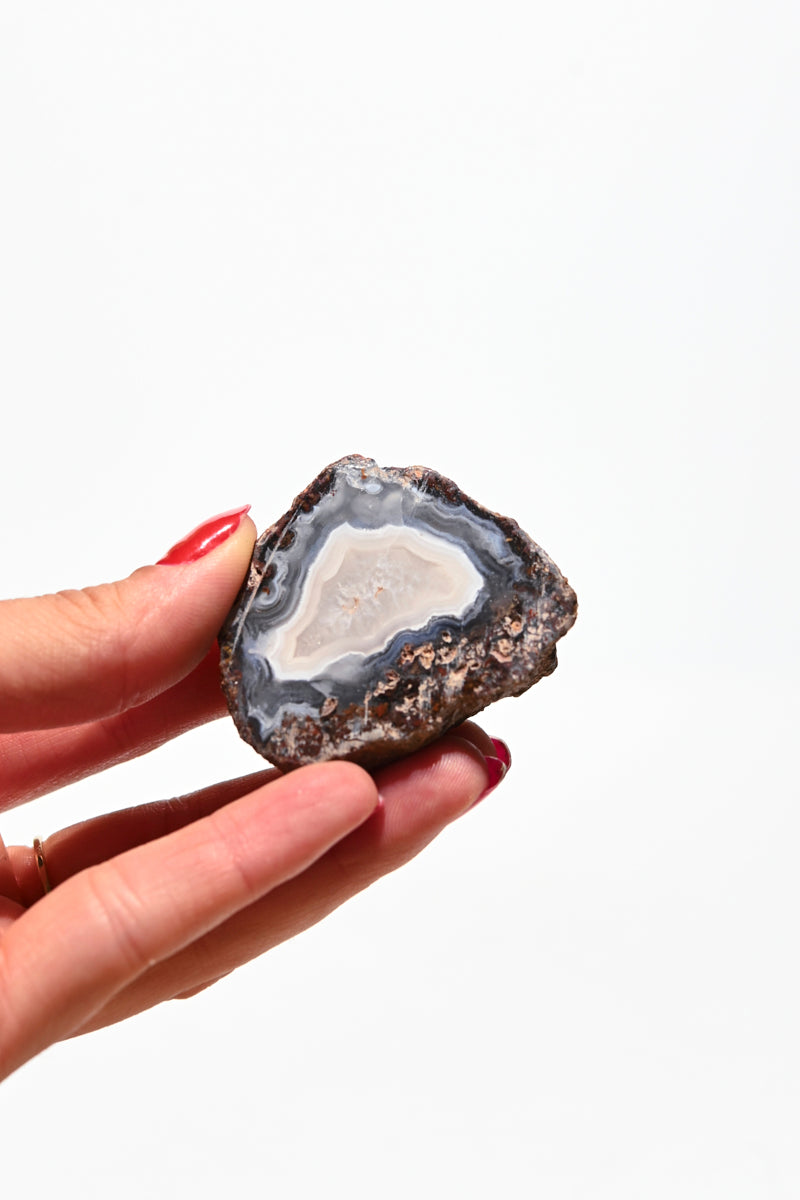
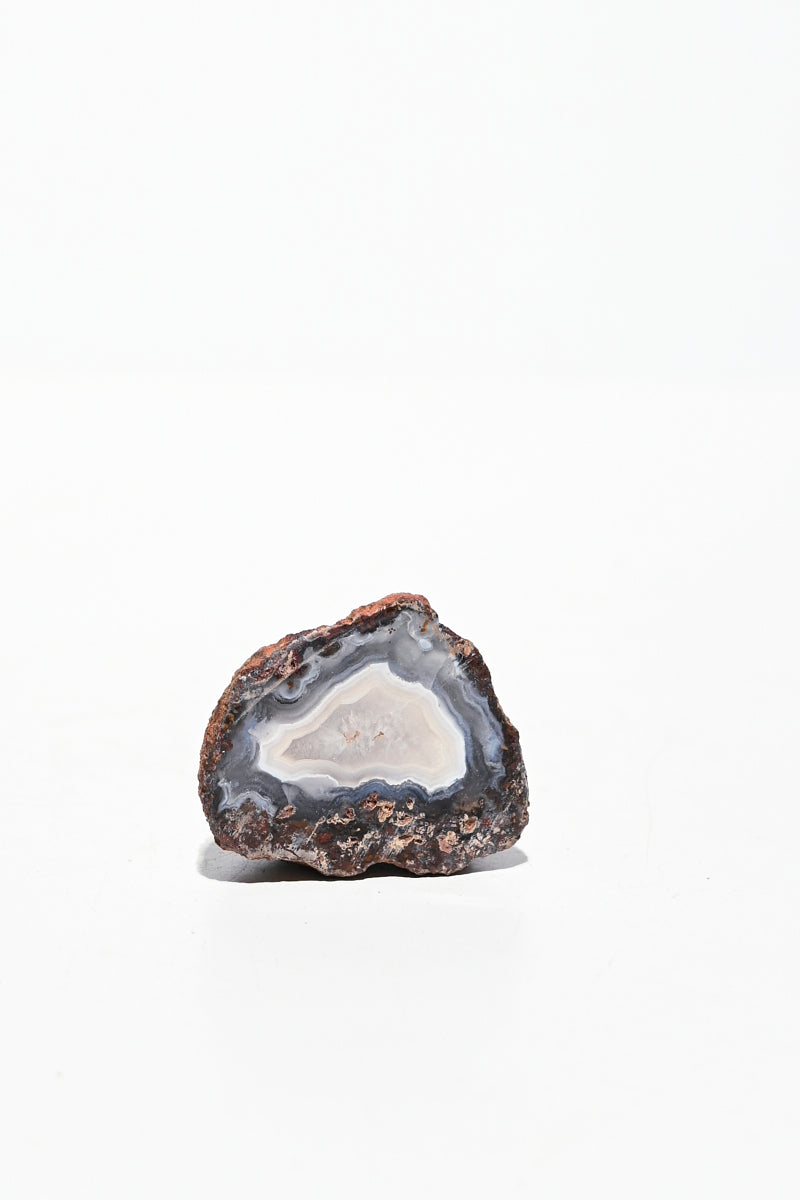
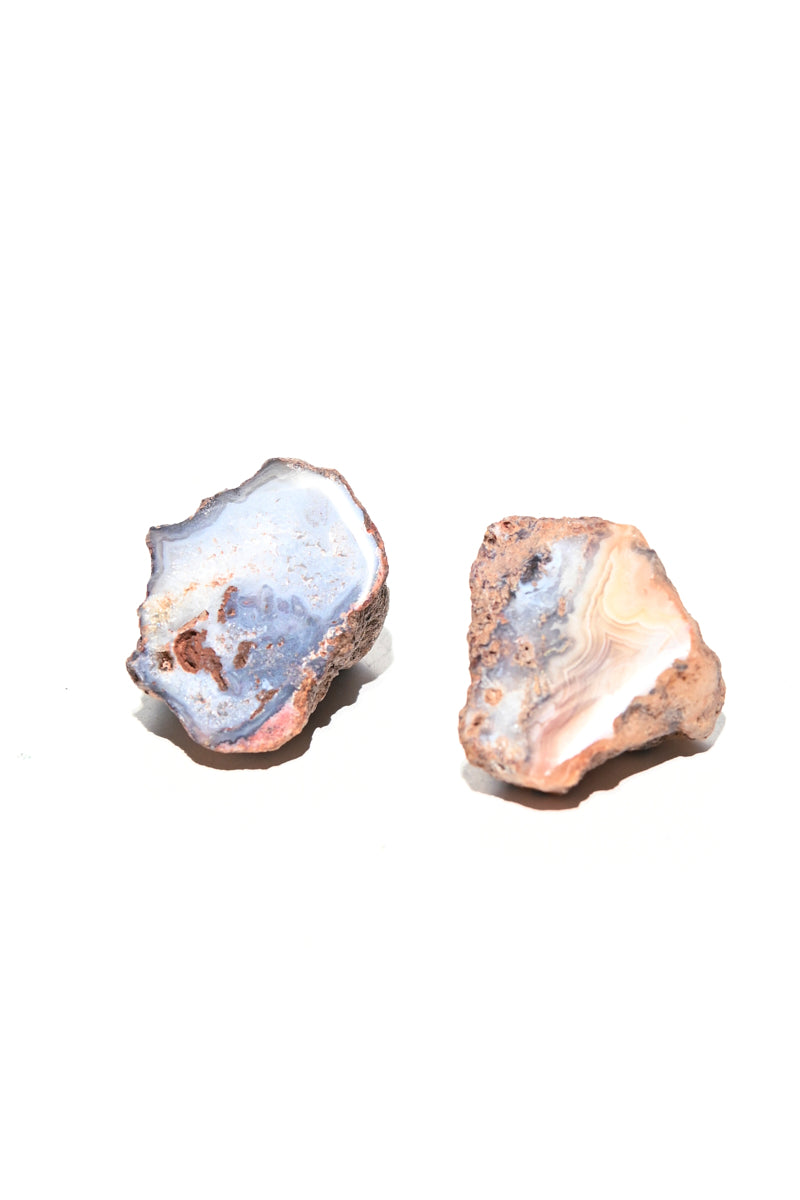
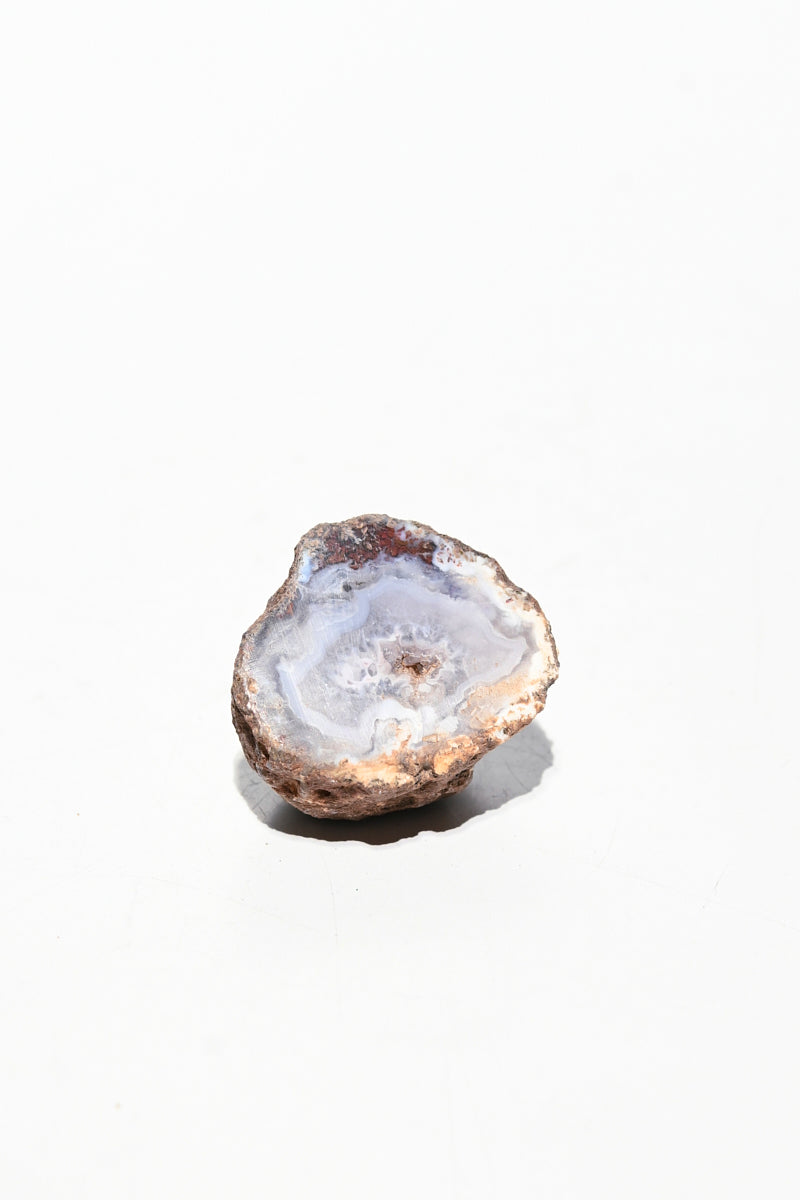
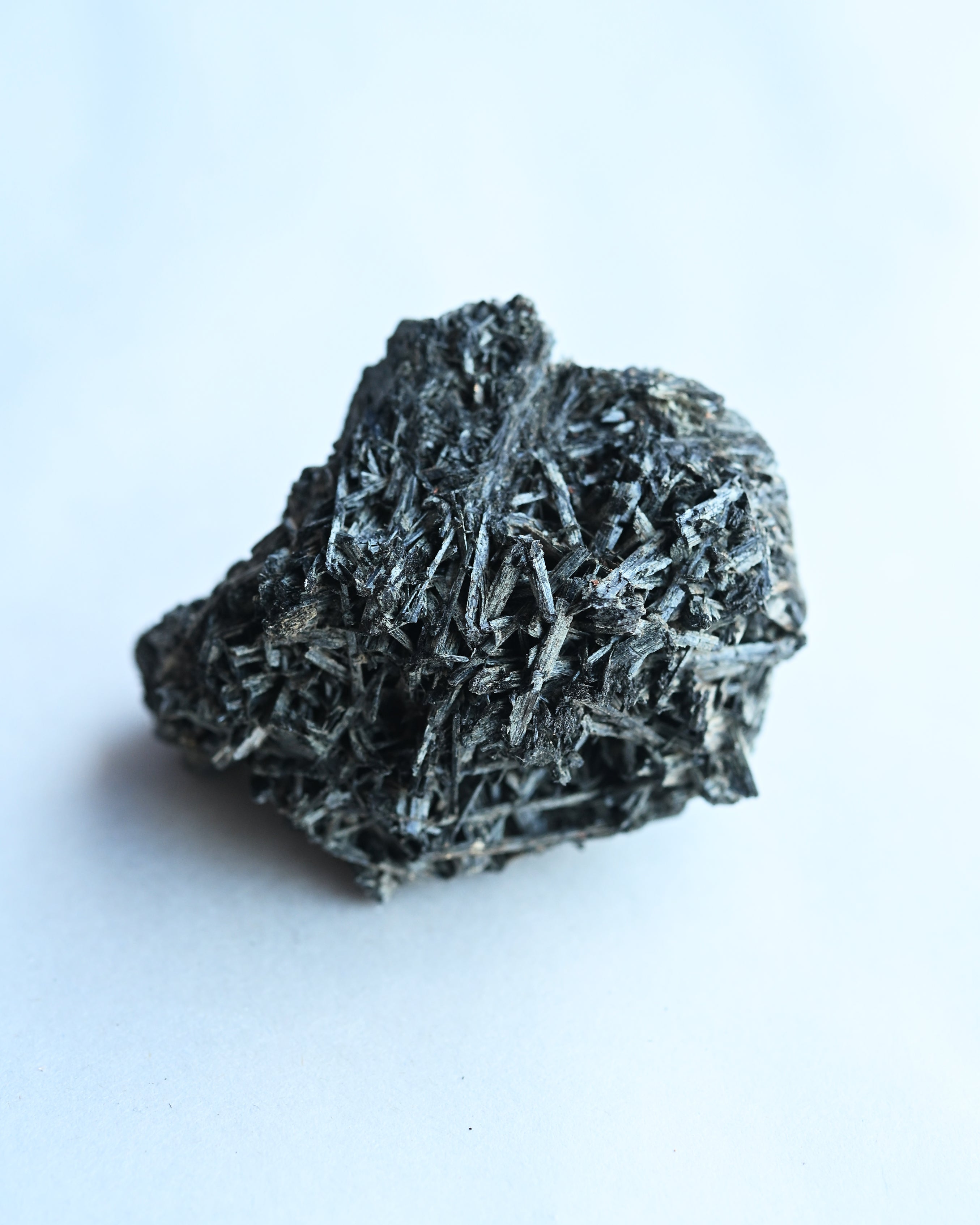
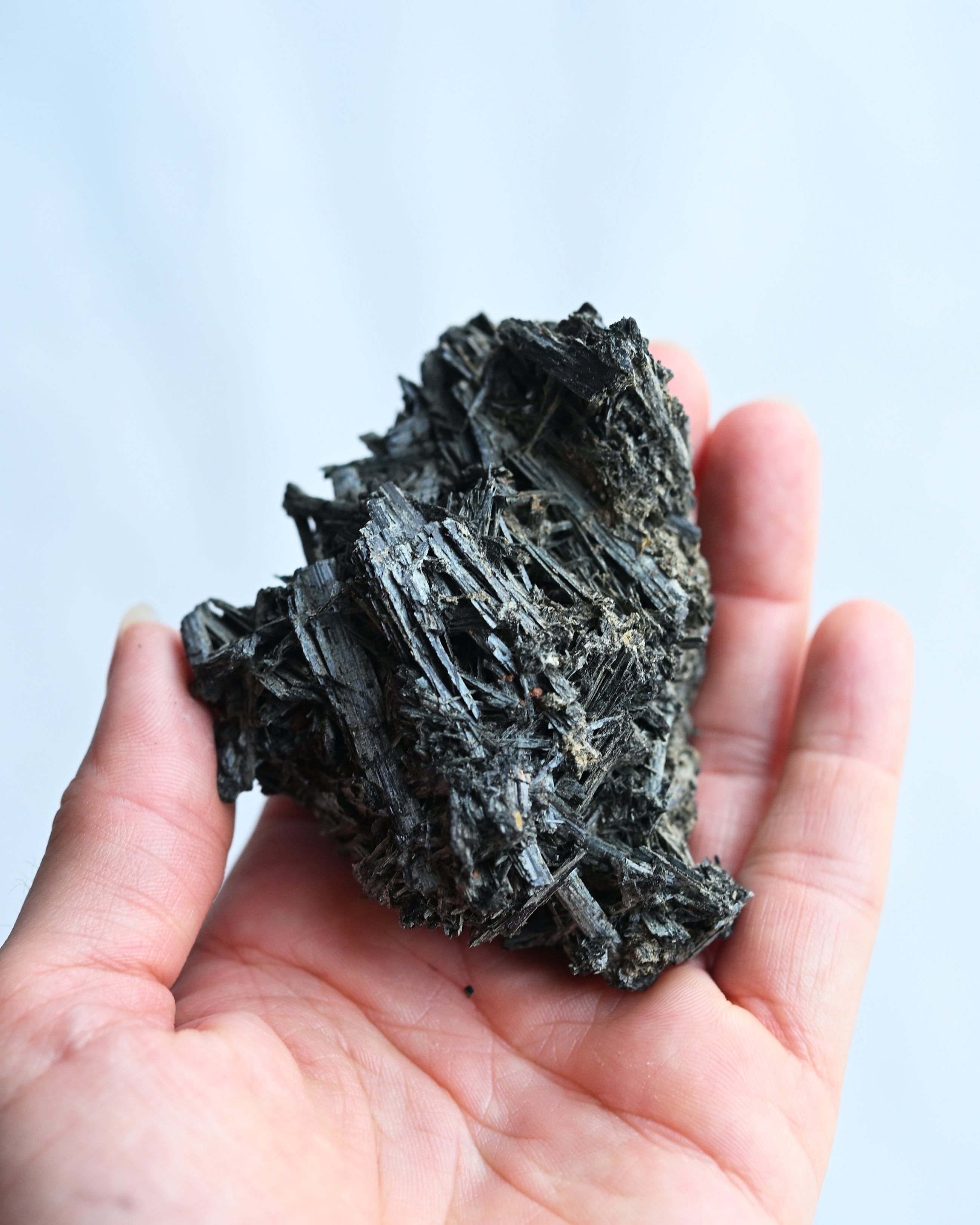
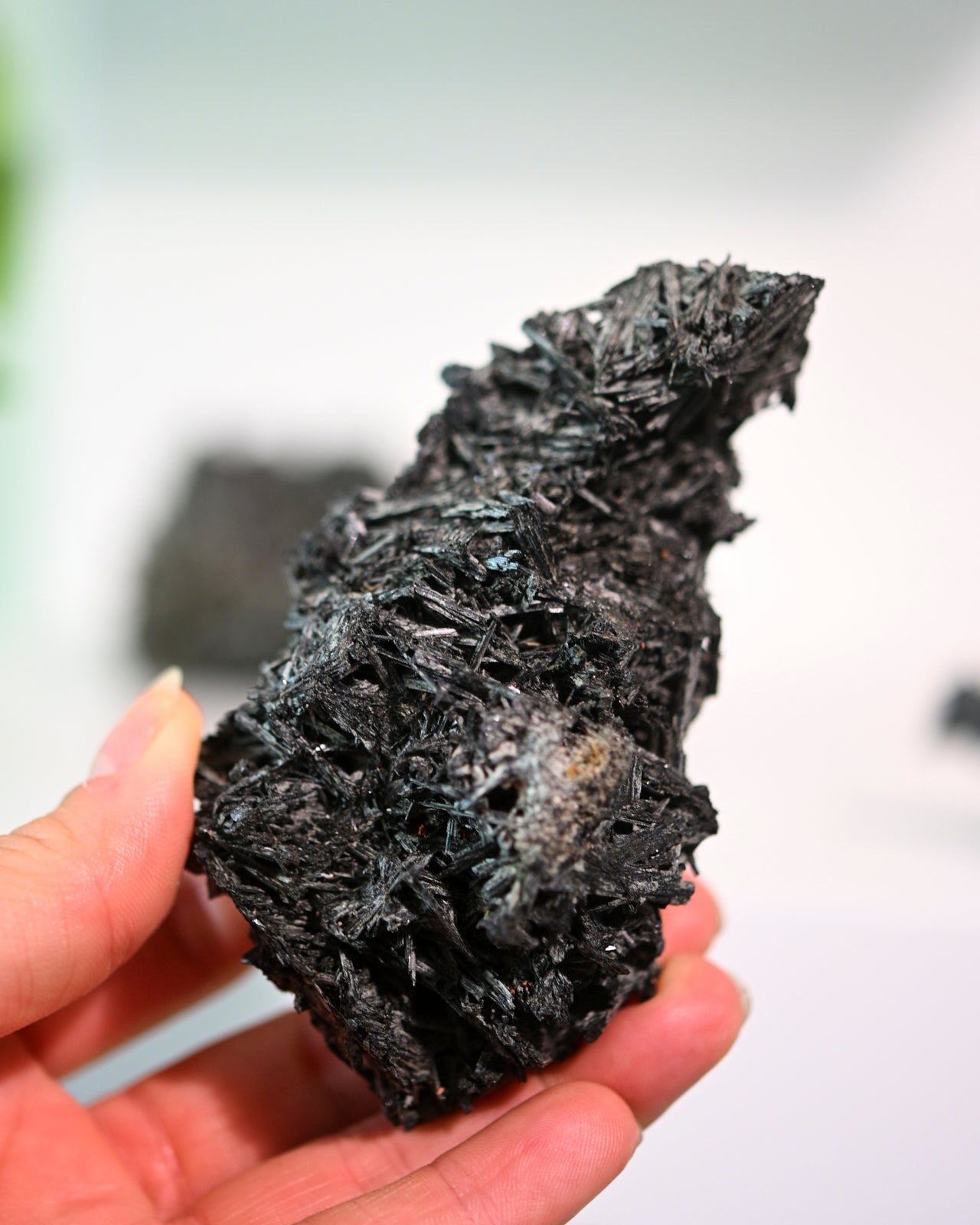
Rough crystals are minerals in their natural, unpolished state — exactly as they formed underground over thousands to millions of years. For many collectors, rough specimens represent the purest expression of a mineral's character: you can see the natural crystal habit, growth patterns, matrix relationships, and surface textures that polishing removes.
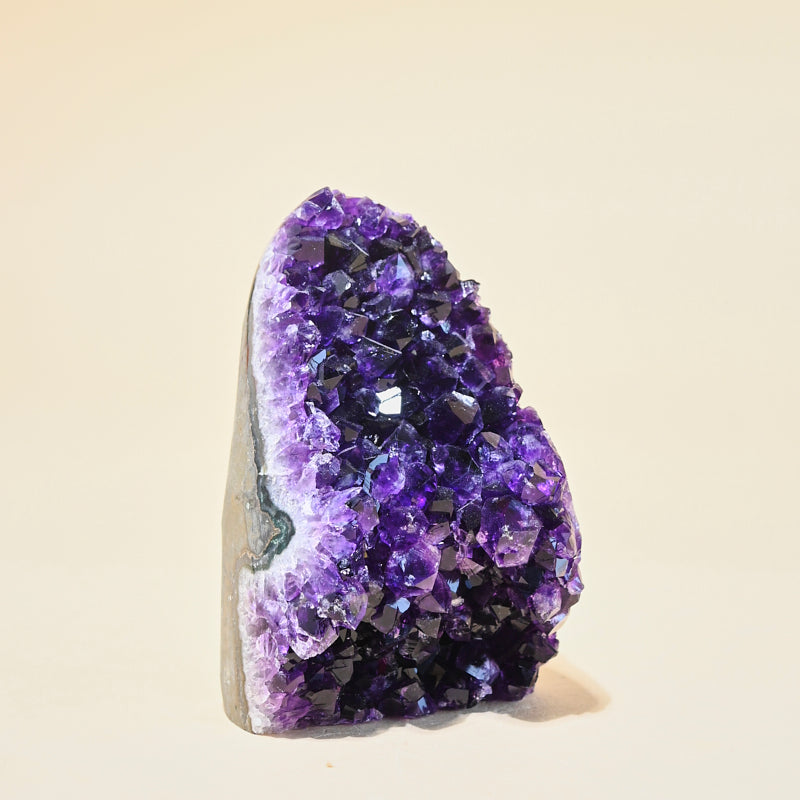
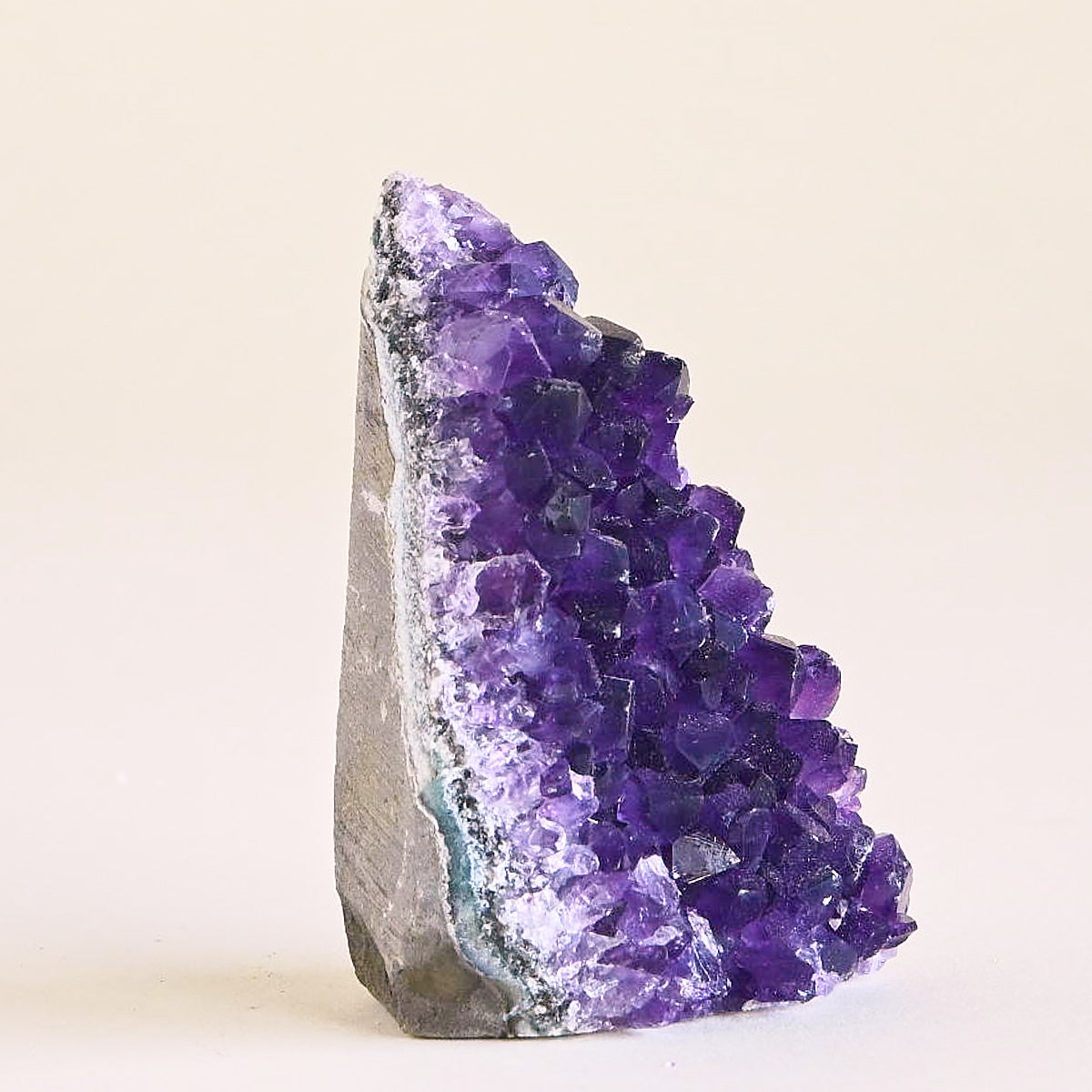
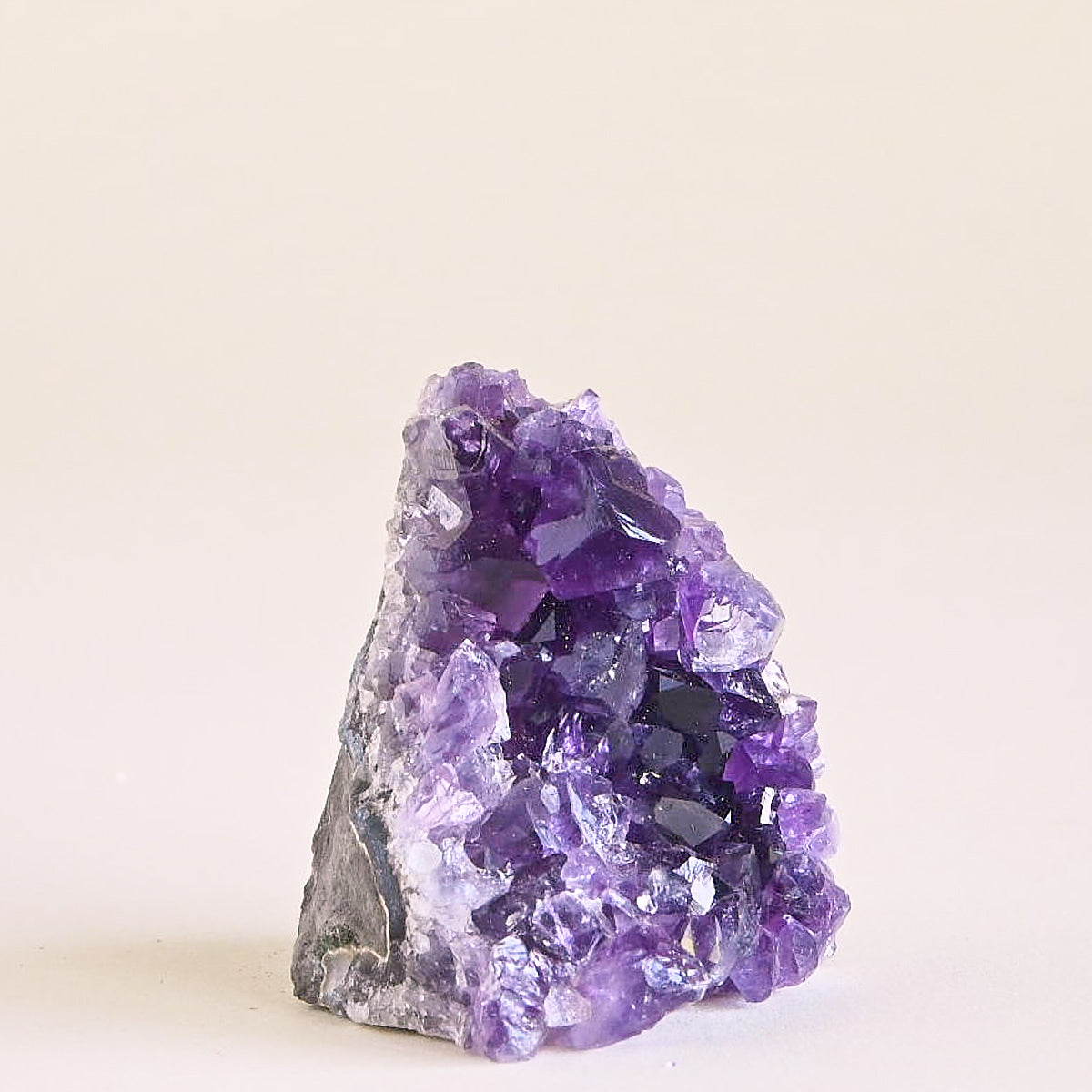
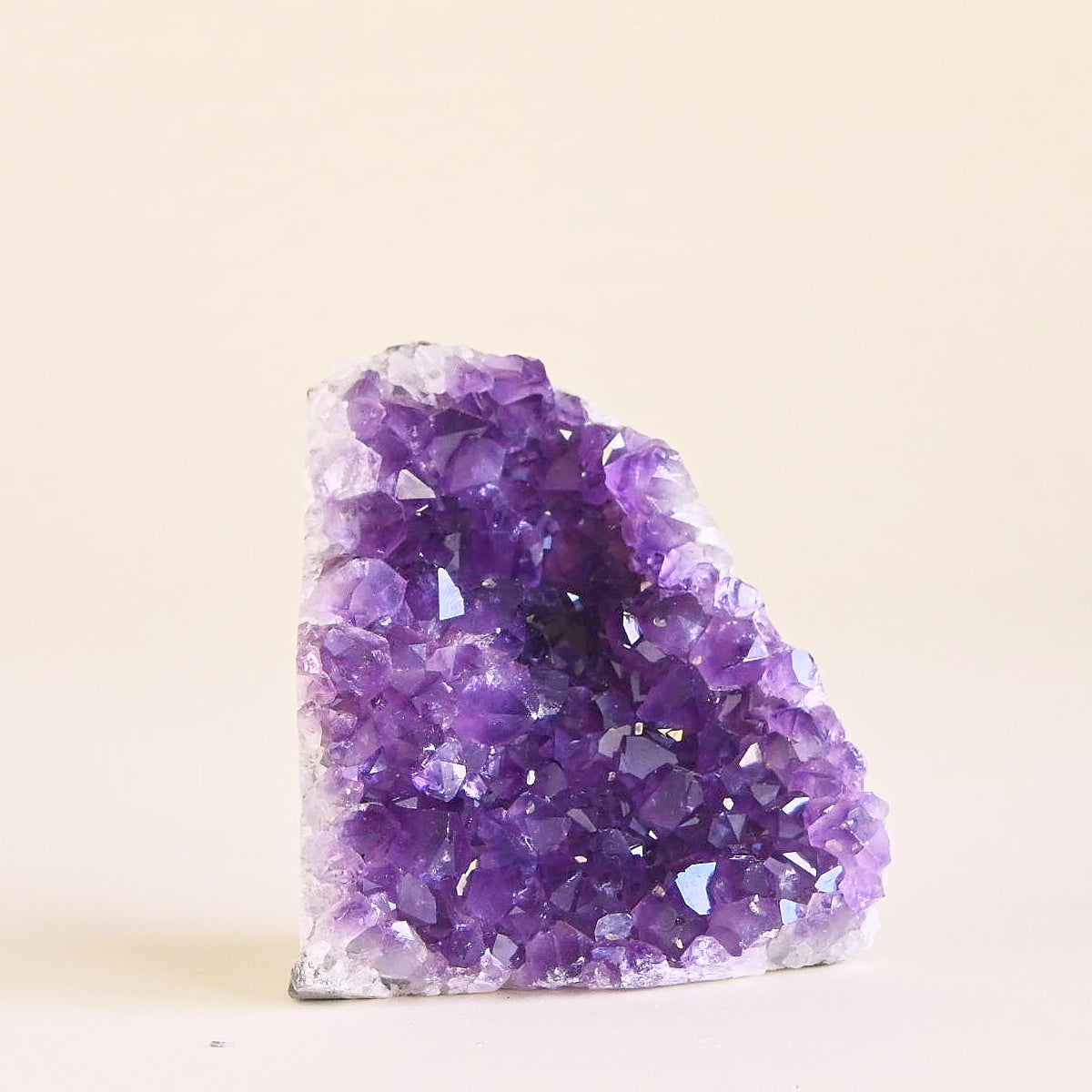
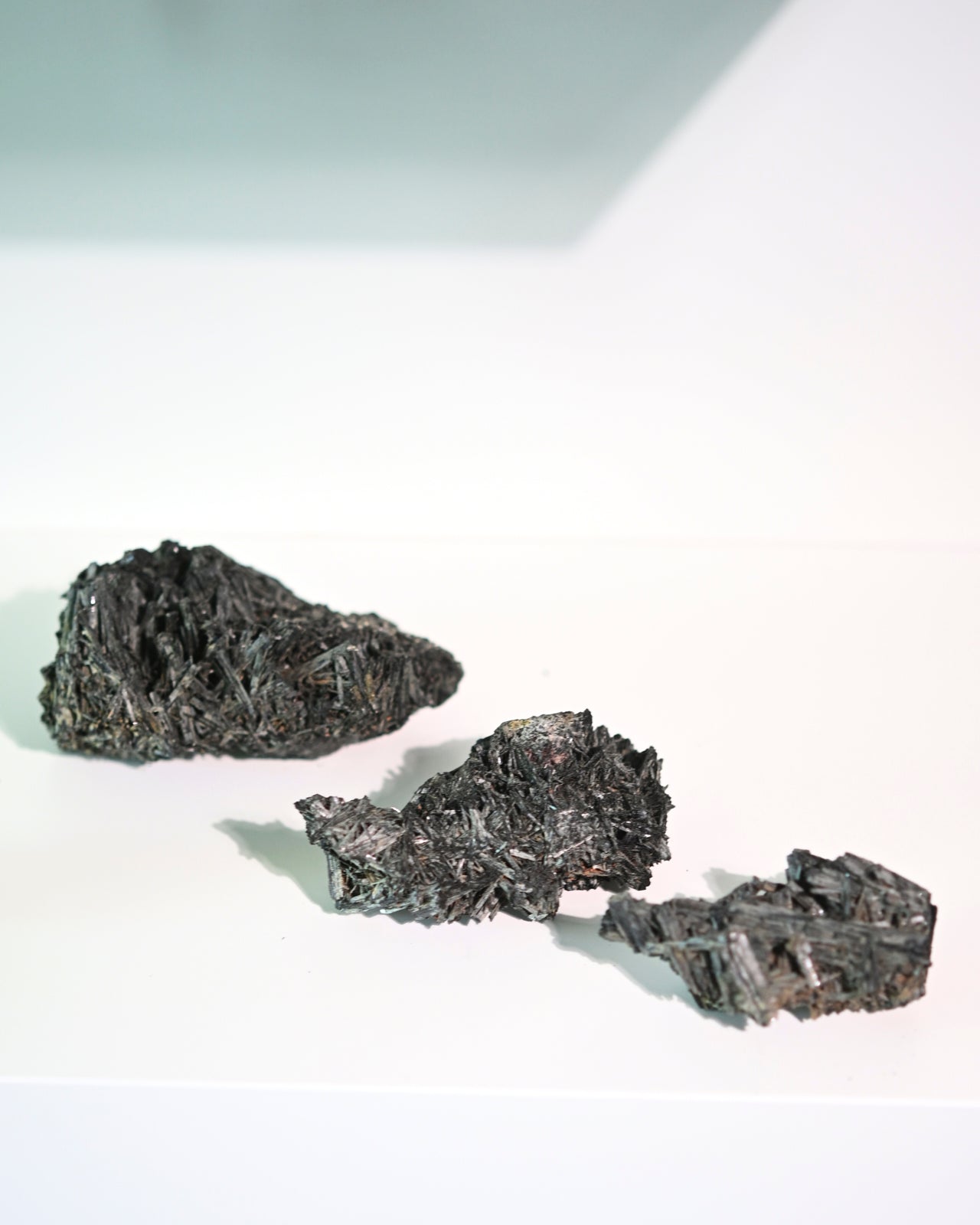
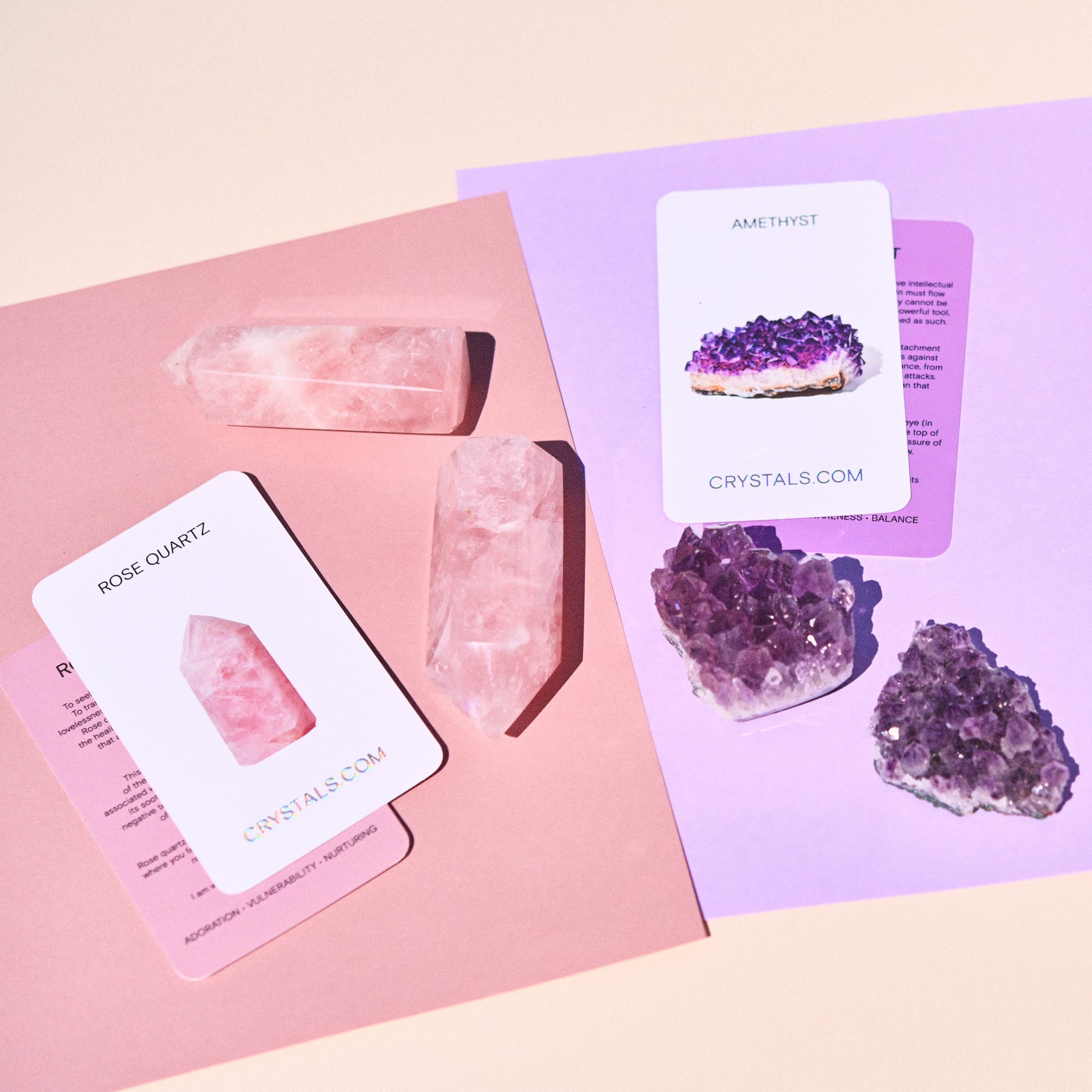
This collection features over 220 raw, uncut specimens sourced directly from mines and trusted dealers worldwide. Browse natural specimens including raw amethyst clusters with hexagonal terminations and druzy surfaces, rough rose quartz in massive translucent chunks, natural citrine points in pale smoky-gold (distinguished from heat-treated material by their color), raw black tourmaline logs with deep vertical striations, and rough fluorite in cubic and octahedral habits.
Rough specimens are ideal for collectors who value geological authenticity, for naturalistic display arrangements, or as raw material for lapidary work. They also tend to be more affordable than polished pieces of equivalent size, making them excellent entry points for new collectors. Every piece is hand-selected for character, formation quality, and mineral interest.
Compare with our polished collections: Tumbled Stones, Palm Stones, Towers, and Spheres. For specimen-grade clusters, see Crystal Clusters. Free shipping on orders over $150.
Frequently Asked Questions
What does "rough" mean in crystal collecting?
Rough (or raw) crystals are minerals in their natural, unpolished state — they have not been tumbled, carved, or polished. They show the mineral's natural crystal habit, surface texture, growth patterns, and matrix exactly as formed in the earth.
Are rough crystals more valuable than polished?
It depends on the specimen. Museum-grade rough crystals with perfect terminations and rare formations can be extremely valuable. For common minerals, rough specimens are typically more affordable than equivalent polished pieces because no lapidary labor was required. Serious collectors often prize rough specimens for their geological authenticity.
How should I display rough crystals?
Rough specimens display beautifully on mineral stands, in shadow boxes, or grouped by color or mineral type on shelves. Smaller pieces work well in glass-top display cases. Avoid direct sunlight for light-sensitive minerals like amethyst and fluorite, which can fade with prolonged UV exposure.
What is matrix on a rough crystal?
Matrix is the host rock in which a crystal grew. Many rough specimens are sold "on matrix," meaning the crystals are still attached to their original surrounding rock. Matrix specimens show the geological context of how the mineral formed and are often preferred by collectors for display.
Can rough crystals be used for jewelry?
Yes — rough crystals are increasingly popular in jewelry design. Raw stone jewelry uses wire-wrapping, bezel settings, or prong settings to secure unpolished specimens. The result is an organic, natural aesthetic. However, softer minerals (below Mohs 6) may not be suitable for rings or pieces that see daily wear.



Authenticity First






Let customers speak for us
Great
Nice sparkle, and I always very much appreciate that crystals.com stud earrings have notches on the post to keep the backing from sliding off.

Beautiful stone, love the color, shape, and size. If I can, I might remove it from the earring wire and put a stud earring from crystals.com thru it to create my own custom earring, because the angle isn't right for my ear for the stone to show.

Super pretty stone - color, shape, and size. Pairs beautifully with other necklaces I've purchased from crystals.com.

This was a great product! Authentic, and smooth and has a nice energy about it! I bought two more!

great item

I’m in love with the malachite! Just beautiful. I purchased the tigers eye for my friend who is going through some health issues.

Love my crystals.. everything is always great. Obsessed with my new amethyst
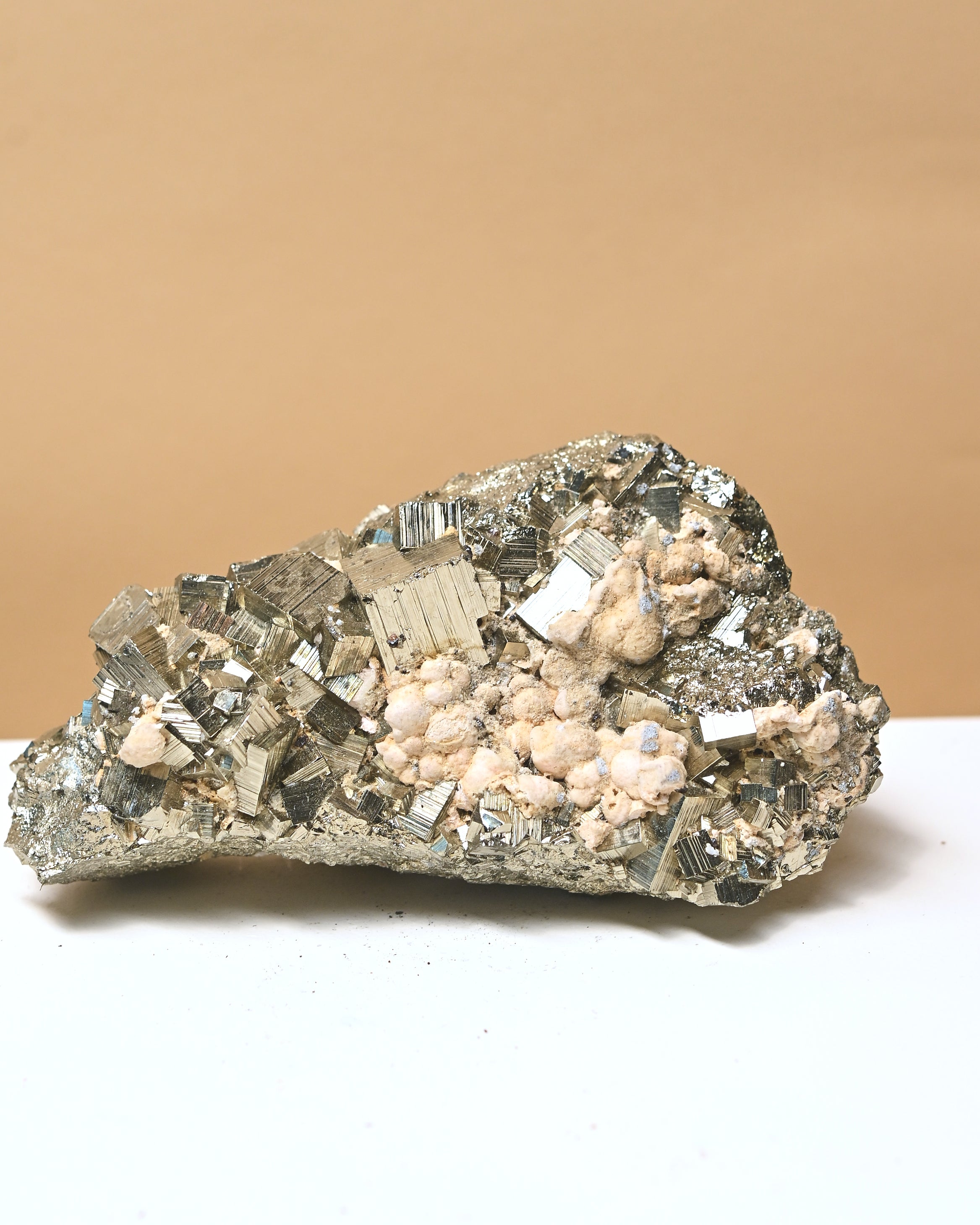
This a beautiful piece of Pyrite.

Very lovely. I am very happy with it.

Love it

Very pretty crystals very solid piece nice display

My faborite, the bix is beautiful

Smells so good

this - 🤩✨✨ BLEW my mind. absolutely stunning!!! the feel and the color is just everything i feel so boujee when i wear it 🧑🩰🦋 definitely has been a daily “must wear” bracelet of mine. the quality is insane!! the best quality ive seen/felt on a crystal bracelet i was beyond happy i was able to snag this when i did 🥰 truly a DREAM and the photos dont do it justice!

A Sanctuary of Natural Beauty
Every crystal here was discovered by hand, selected with intuition, and photographed in its true light.
One-of-a-Kind. Forever Pieces.
Let the Universe Decide


