Crystals.com
Chrysocolla Crystal
Authentic natural minerals, thoughtfully sourced and individually photographed.

Chrysocolla Crystals
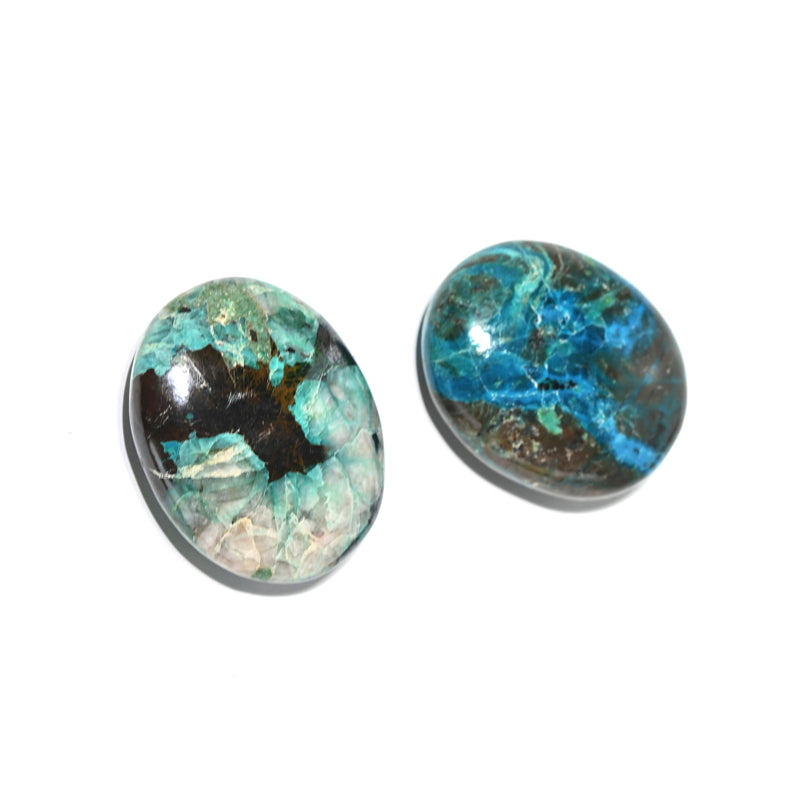
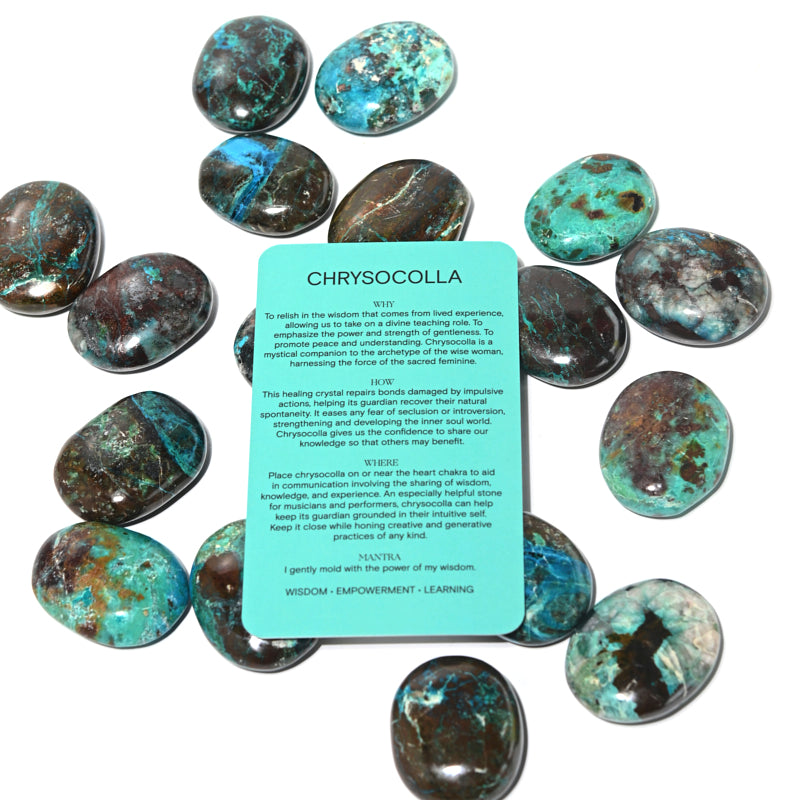
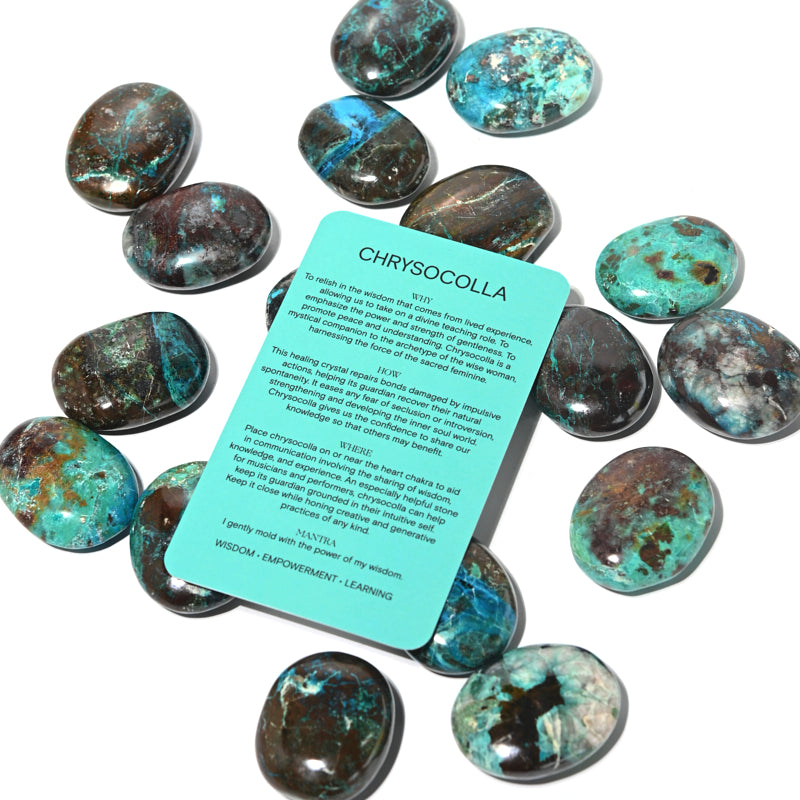
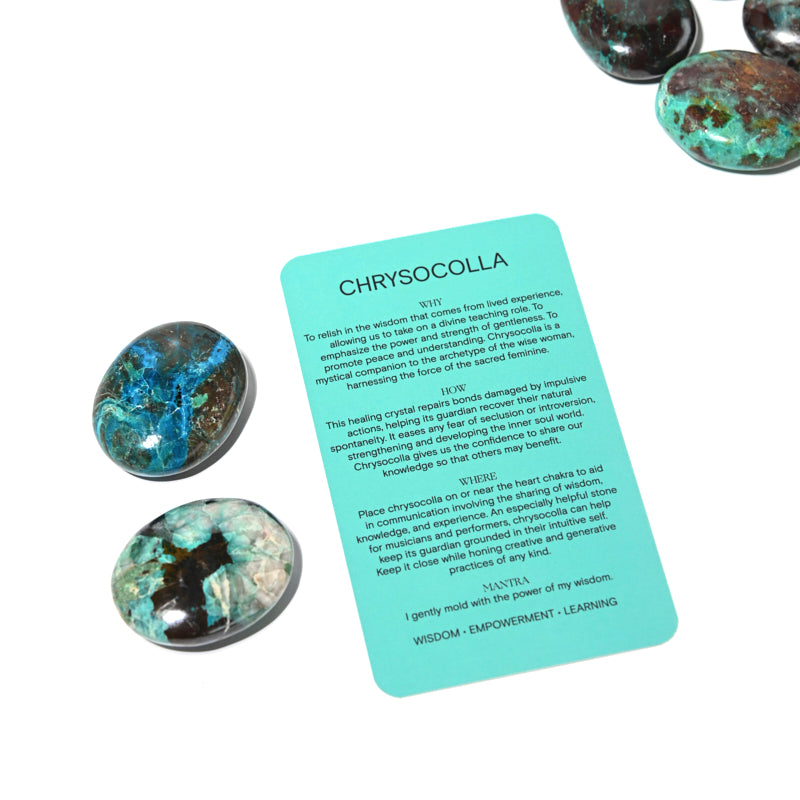
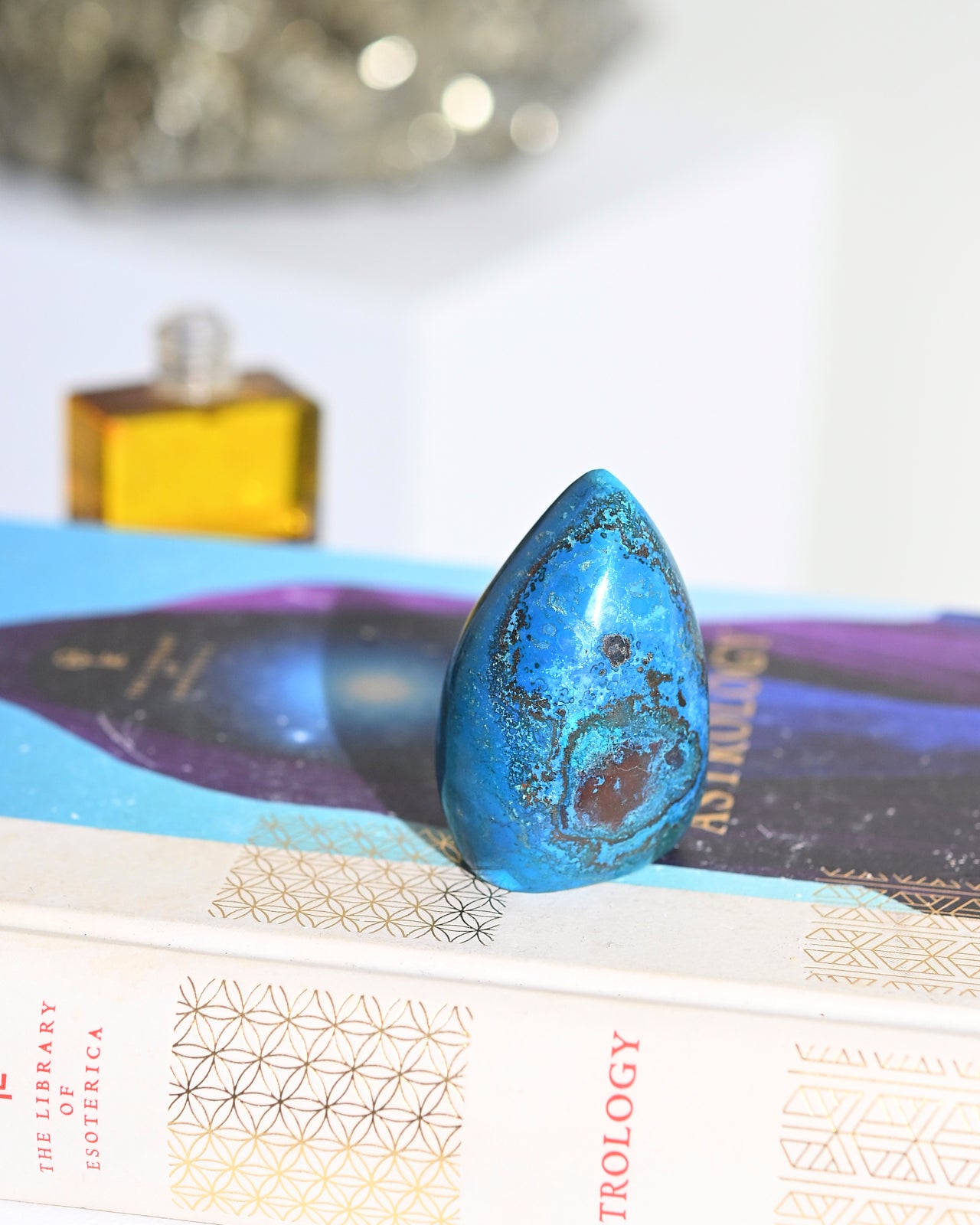
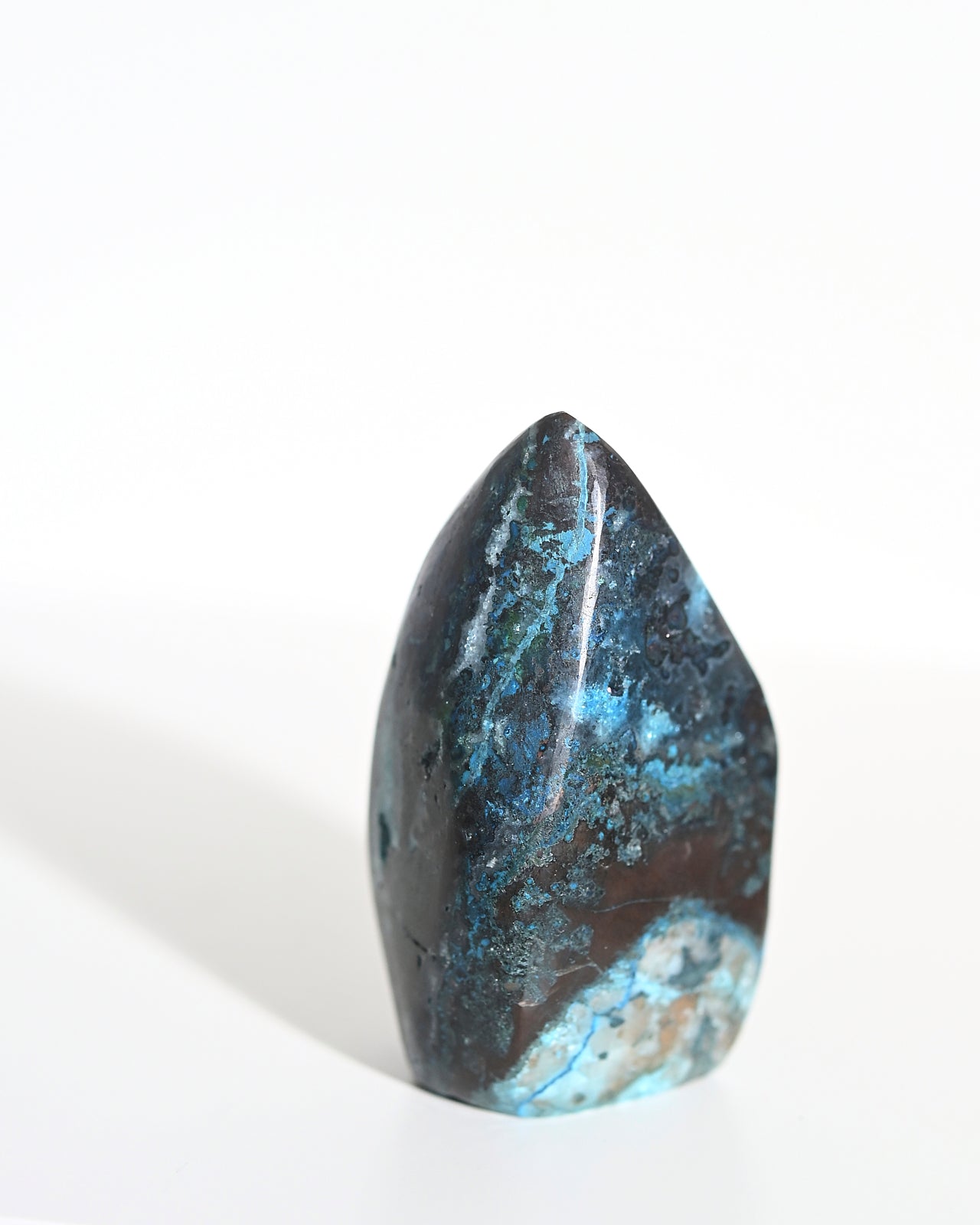
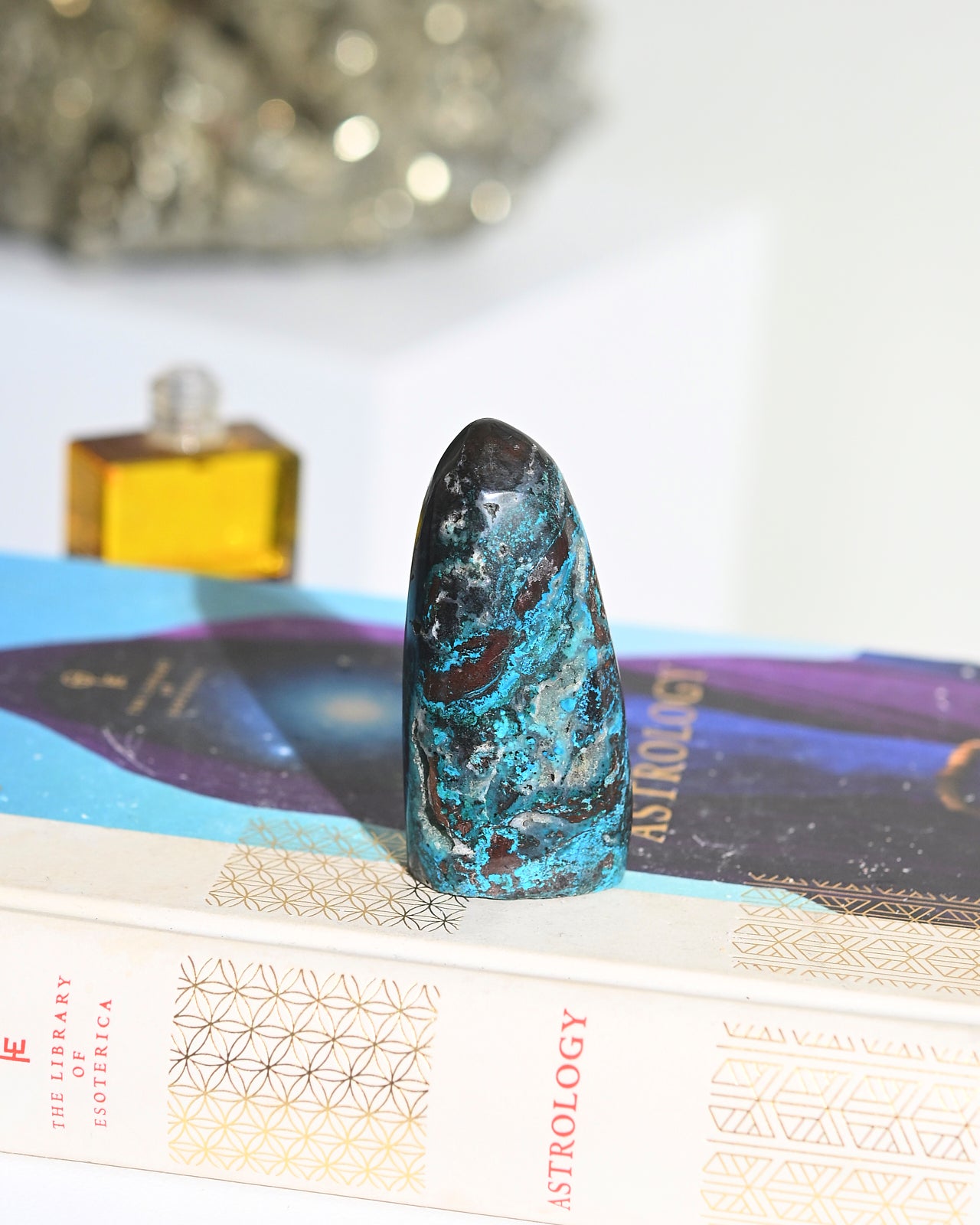
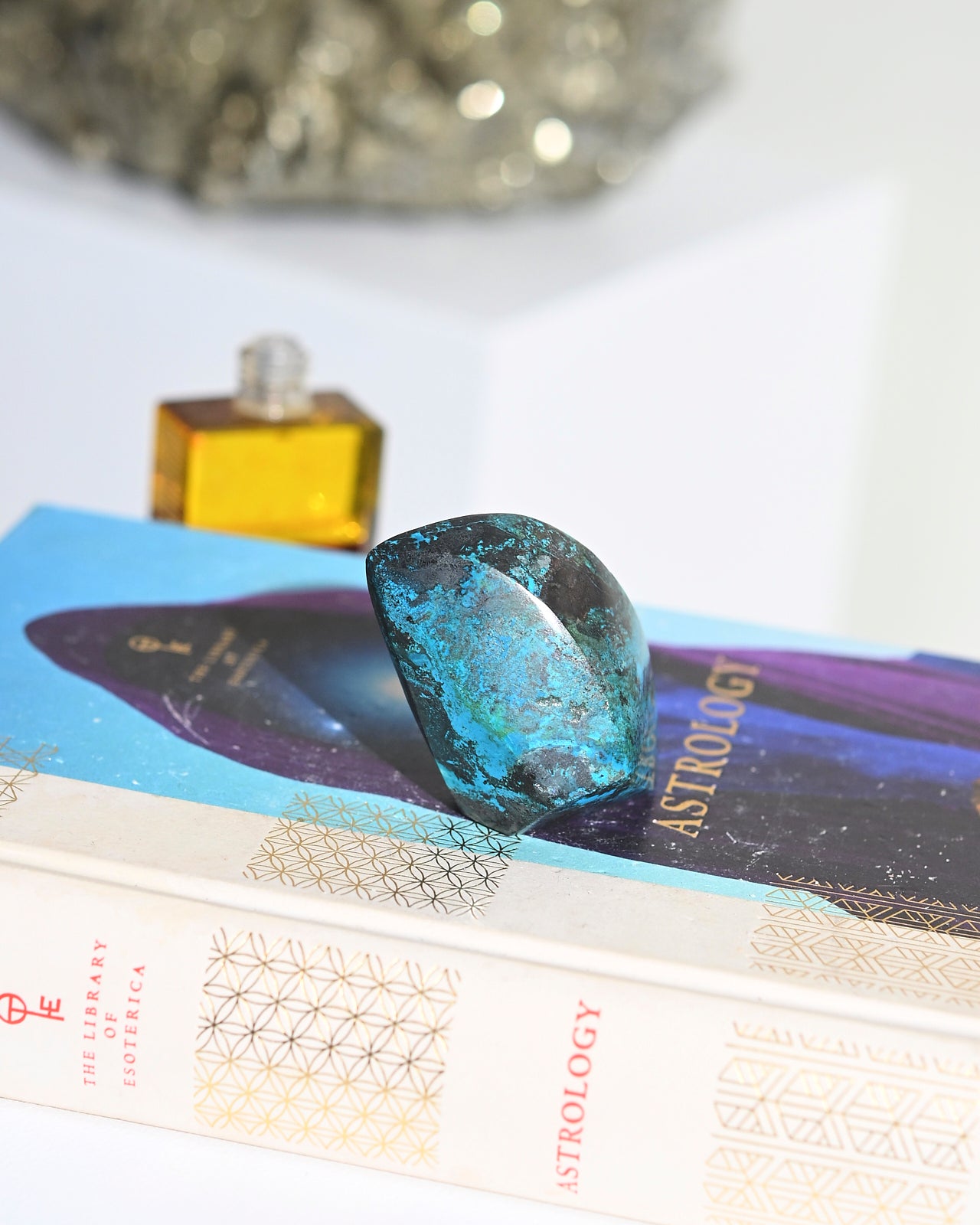
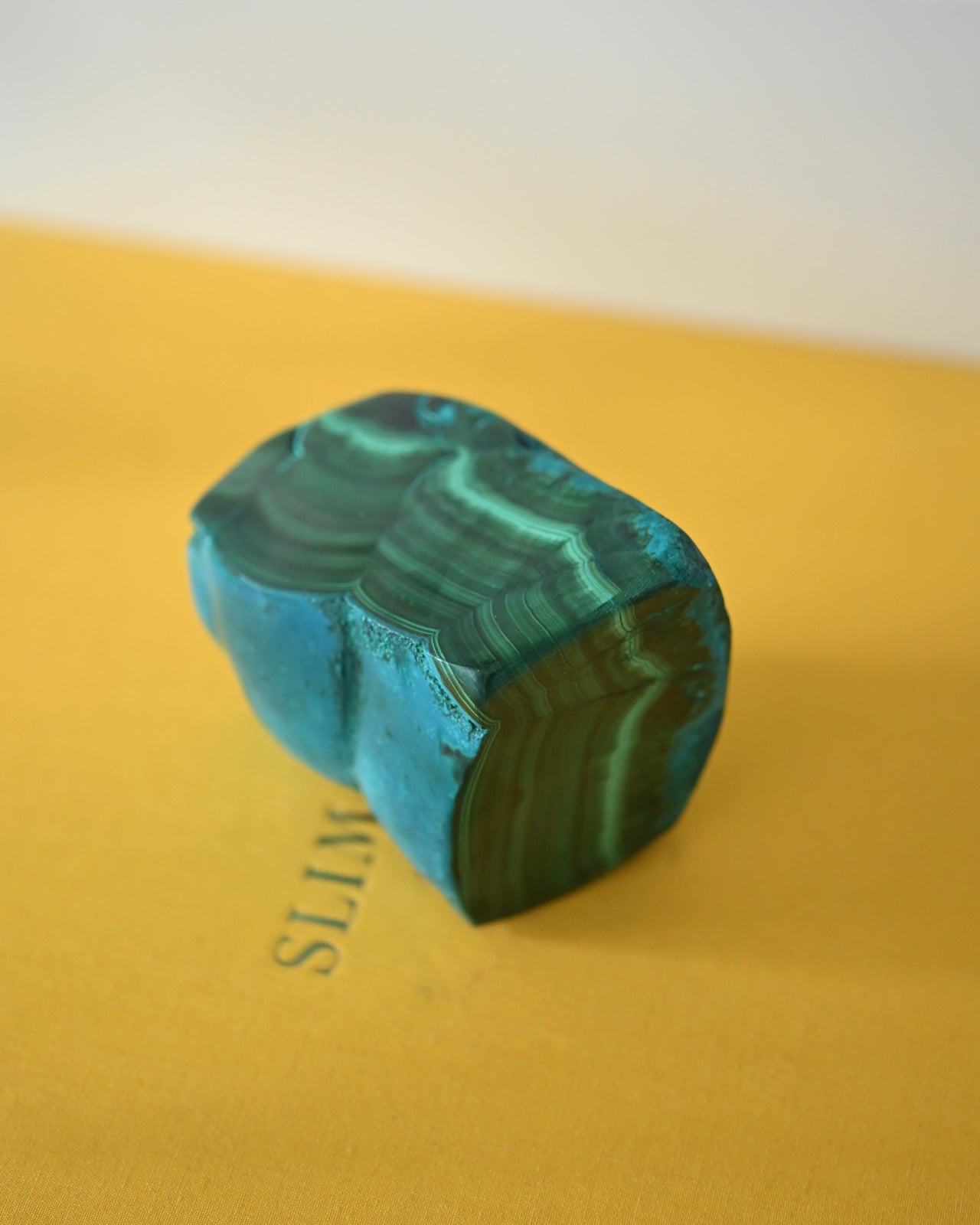
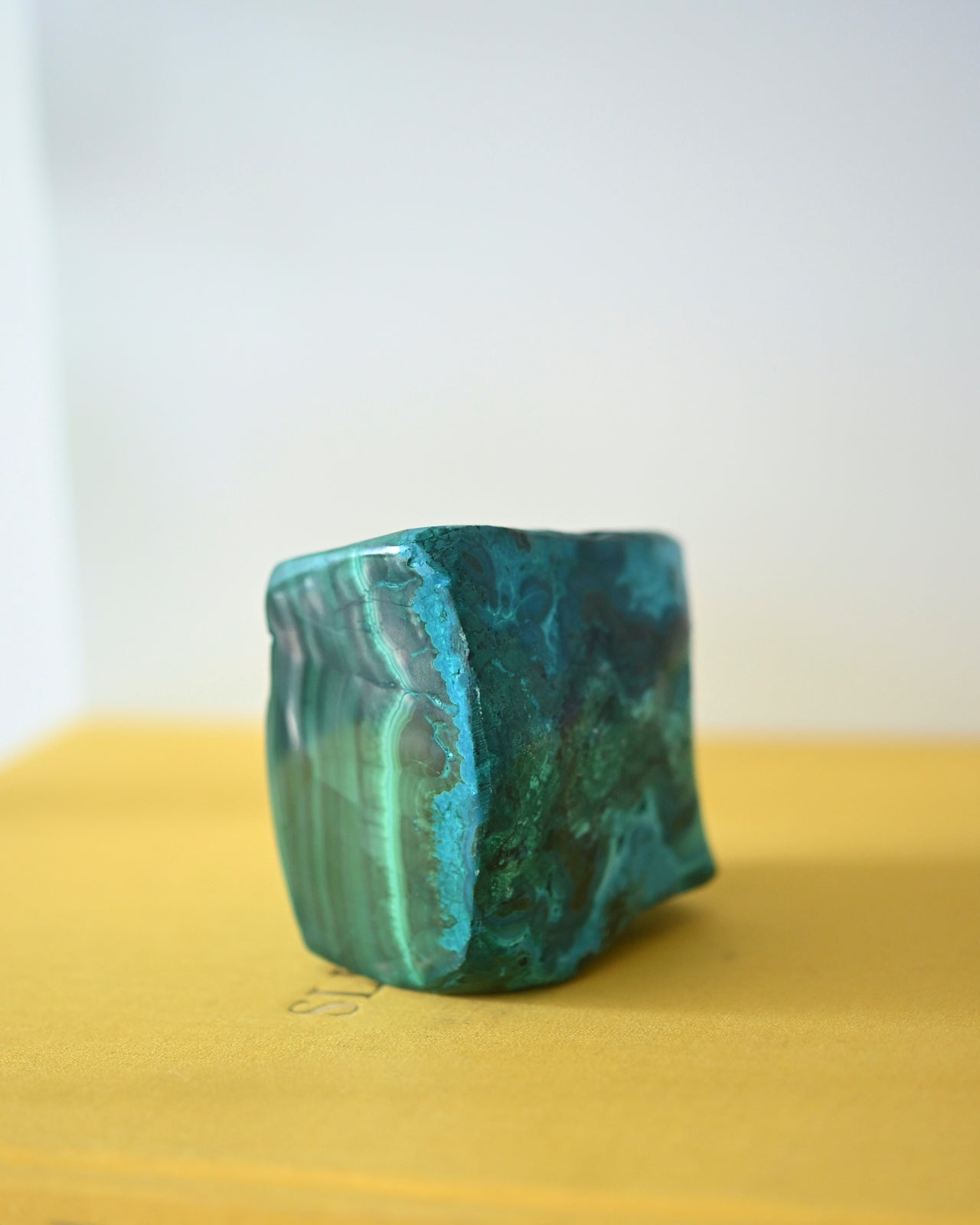
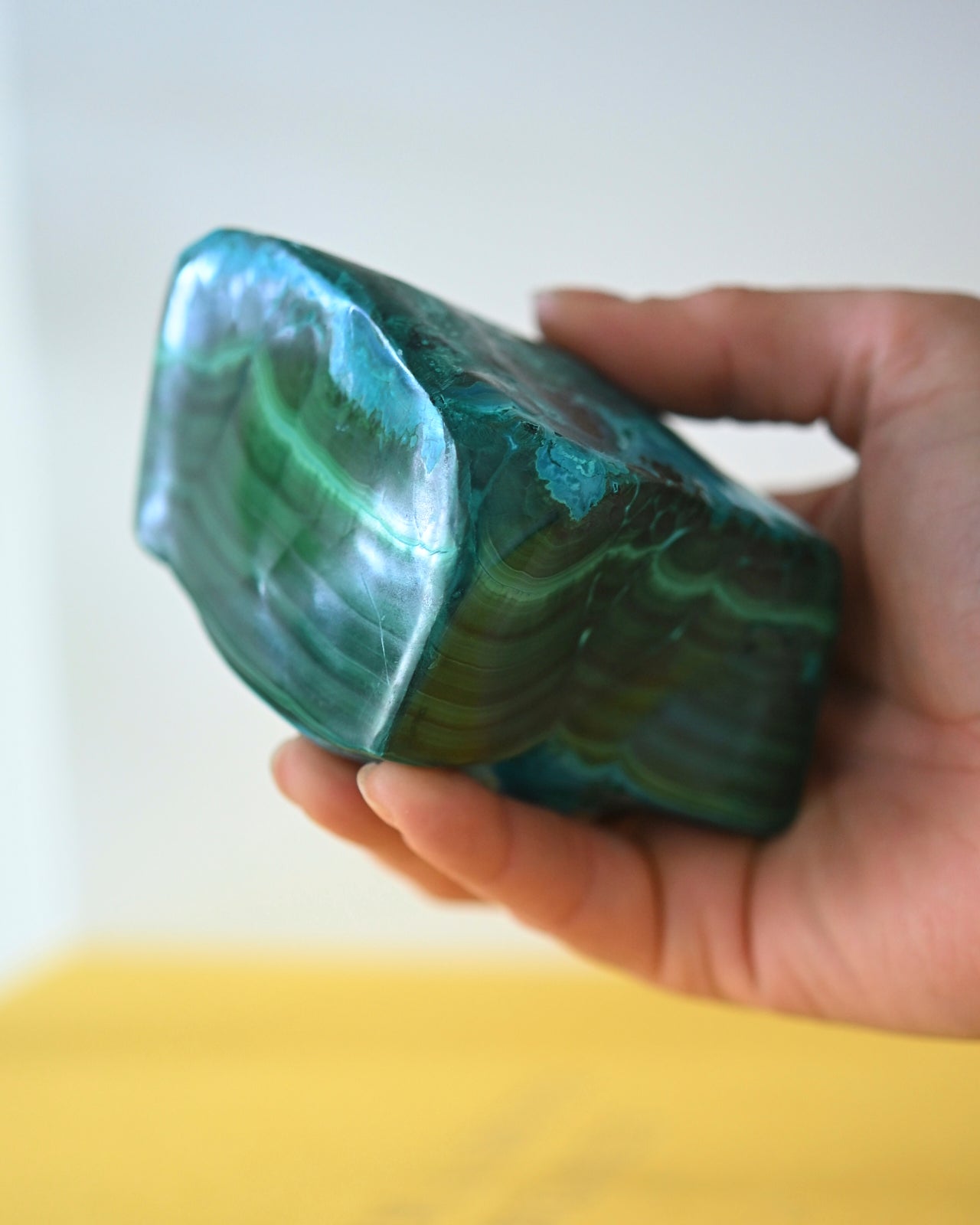
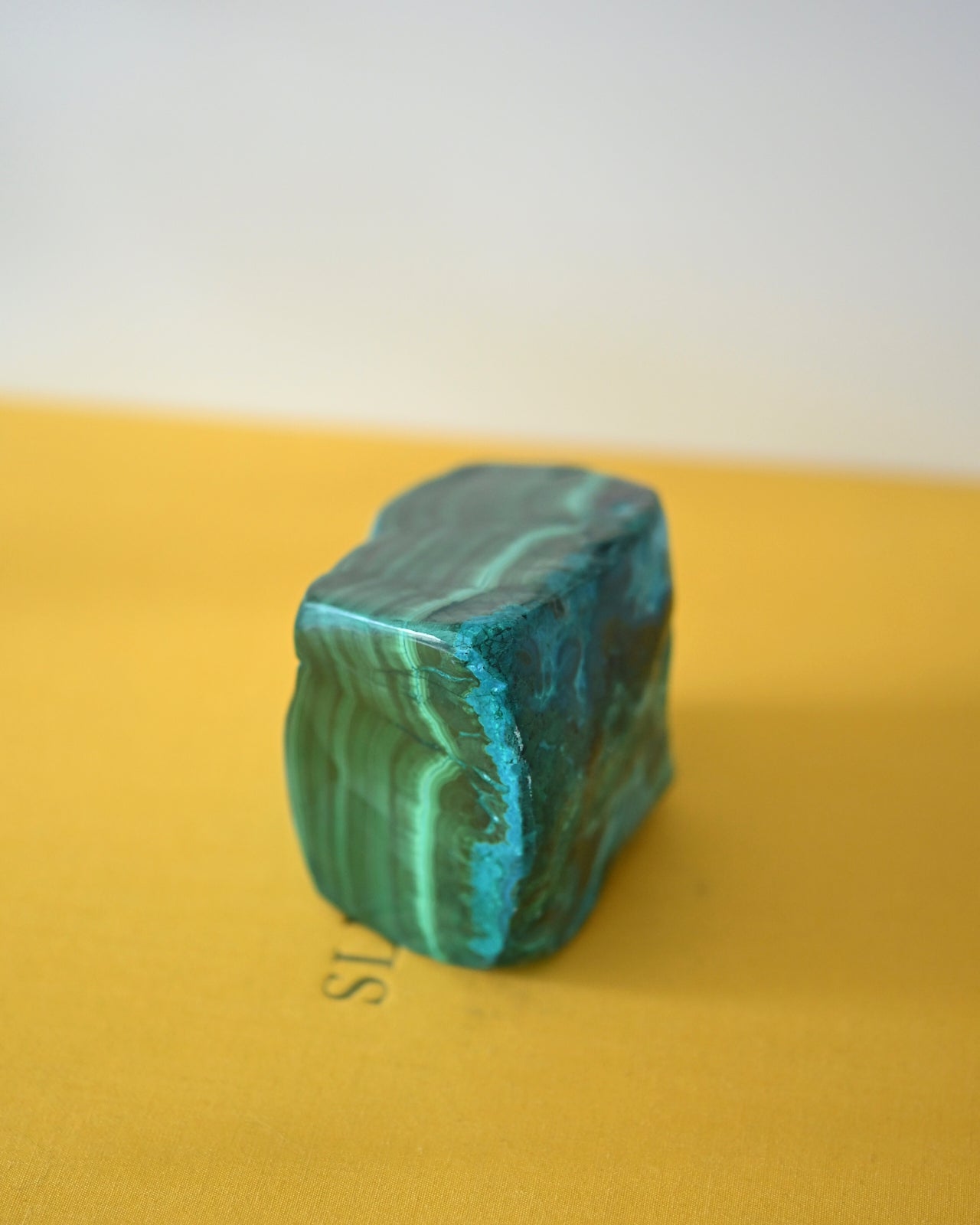
Chrysocolla displays vivid blue-green patterns that look like aerial views of tropical coastlines. A copper silicate mineral, chrysocolla often forms alongside malachite and azurite in copper ore deposits, creating multi-mineral specimens with layers of blue, green, and sometimes red cuprite. The finest specimens come from Peru, Congo, and Arizona.
Most polished chrysocolla has been naturally silicified — infused with quartz during formation — which raises its hardness from a soft 2.5 to a durable 6-7 on the Mohs scale. This natural process creates the glassy, translucent quality that makes gem-grade chrysocolla so striking. Raw specimens show the mineral in its softer, more earthy state with botryoidal (bubbly) formations.
Chrysocolla pairs beautifully with other copper minerals like malachite and azurite for a dramatic green-to-blue gradient display. See also our blue crystals and green crystals collections for more color-matched specimens. Free shipping on orders over $150.
Frequently Asked Questions
What is chrysocolla?
Chrysocolla is a hydrated copper phyllosilicate mineral that forms in the oxidation zones of copper ore bodies. It displays vivid blue and green colors from its copper content. When naturally infused with quartz (silicified), it becomes gem-grade chrysocolla with a glassy luster.
Where does chrysocolla come from?
The finest chrysocolla specimens come from Peru (especially the Lily Mine and Ica region), the Democratic Republic of Congo, and Arizona in the United States. Israel and Chile also produce notable material.
Is chrysocolla durable enough for jewelry?
Gem-grade chrysocolla that has been naturally silicified (infused with quartz) reaches Mohs 6-7 and is suitable for jewelry. Pure chrysocolla without quartz is only Mohs 2.5 and is too soft for wear — display only.
Can chrysocolla get wet?
Silicified chrysocolla can handle brief water contact for cleaning. Pure, unsilicified chrysocolla is porous and should be kept dry. When in doubt, wipe with a soft dry cloth rather than rinsing.




Let customers speak for us
I have ordered a lot of pieces from here and they are beautiful and always arrive as described and packed and shipped fast. Always very satisfied with my purchases and appreciate buying from Brittany and her business.
Beautiful piece! Incredible quality and shipped perfectly!

Great quality and I loved the information cards.
Great quality and I loved the information card it came with.

I have purchased several pieces from Crystals.com and keep coming back for more. :) This is my second amethyst piece. The color of the amethyst is a deep purple. Great craftsmanship!!

The smaller bead size was even more beautiful!
Really pretty!

Beautiful! The size of each rock is perfect!

Beautiful piece. Just as described

Amazing looks better in person

I love it but it could have been a little bigger

Enjoyed and appreciated by person who received it. The three types of stones look amazing together too!

Very reputable online and they did not disappoint!
Absolutely stunning!

Absolutely stunning!

A Sanctuary of Natural Beauty
Every crystal here was discovered by hand, selected with intuition, and photographed in its true light.
One-of-a-Kind. Forever Pieces.
Let the Universe Decide


