Crystals.com
Blue Crystals
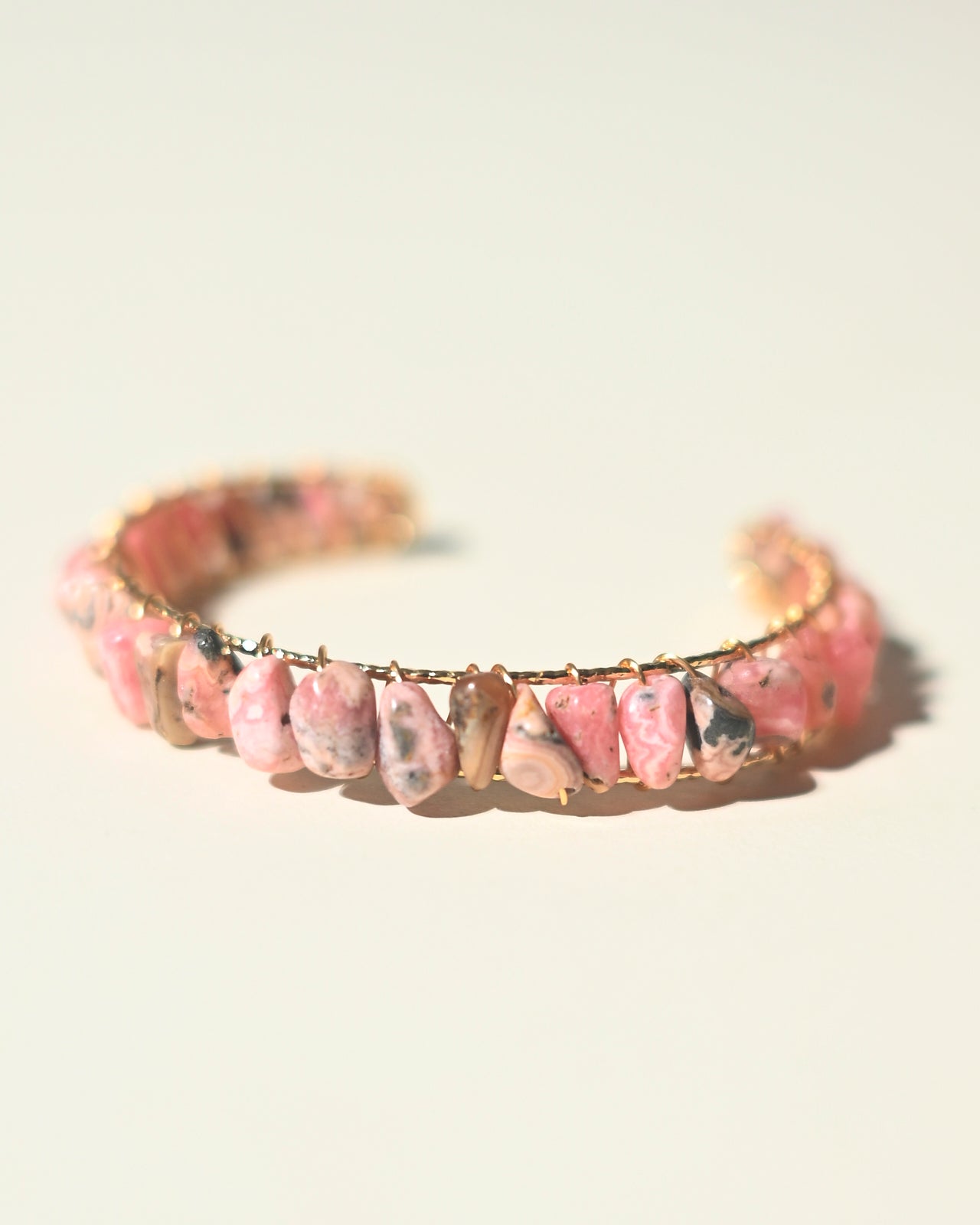
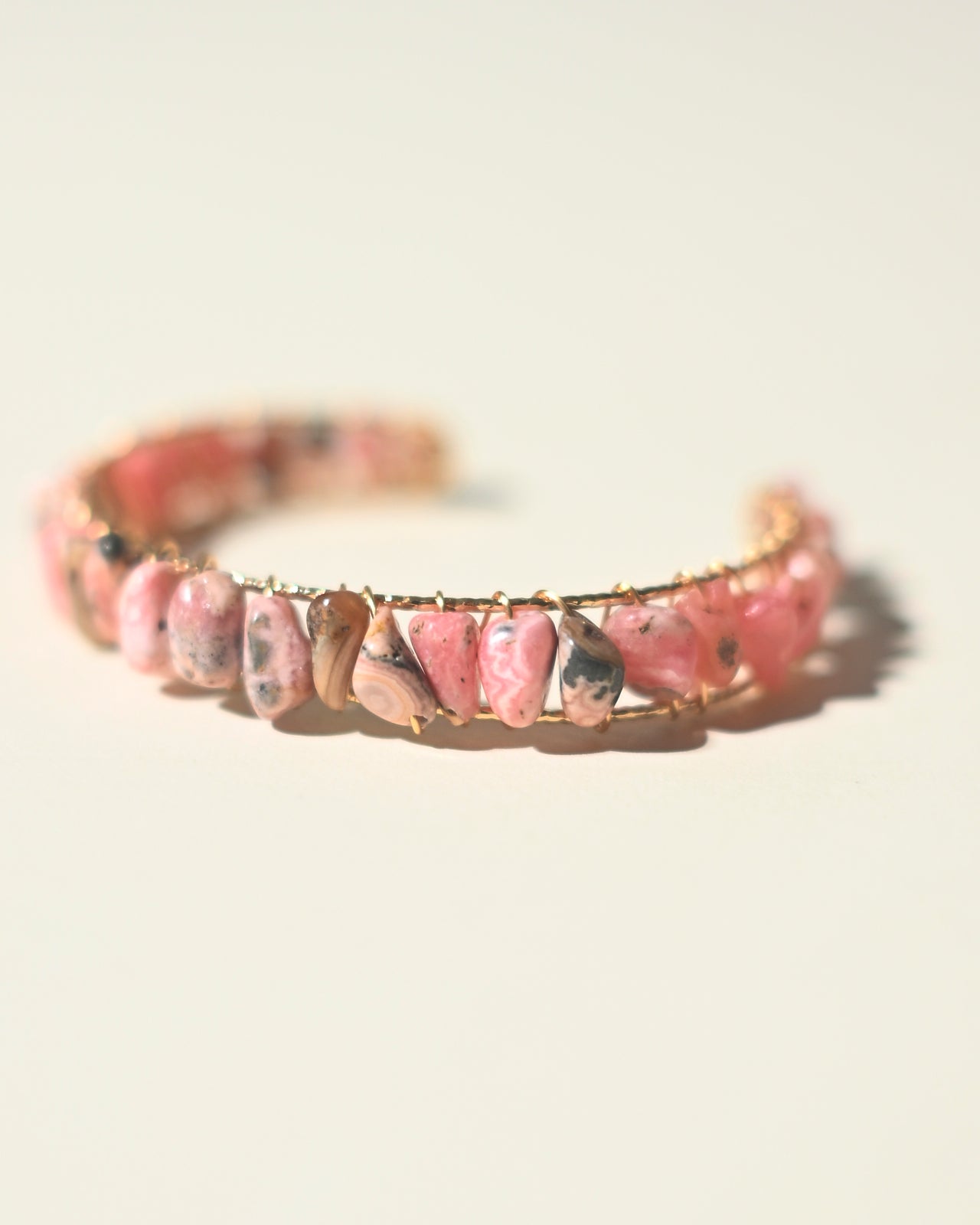
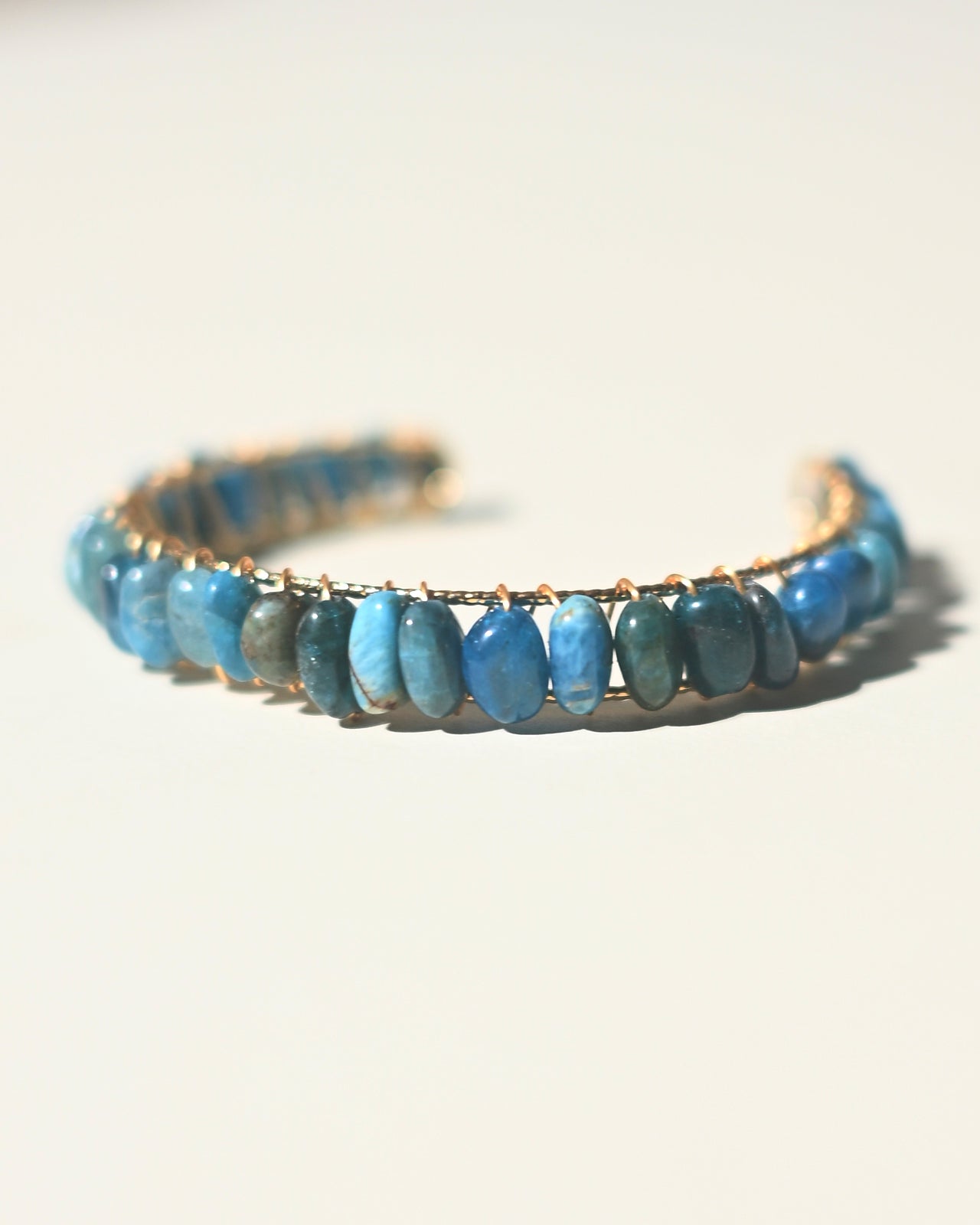
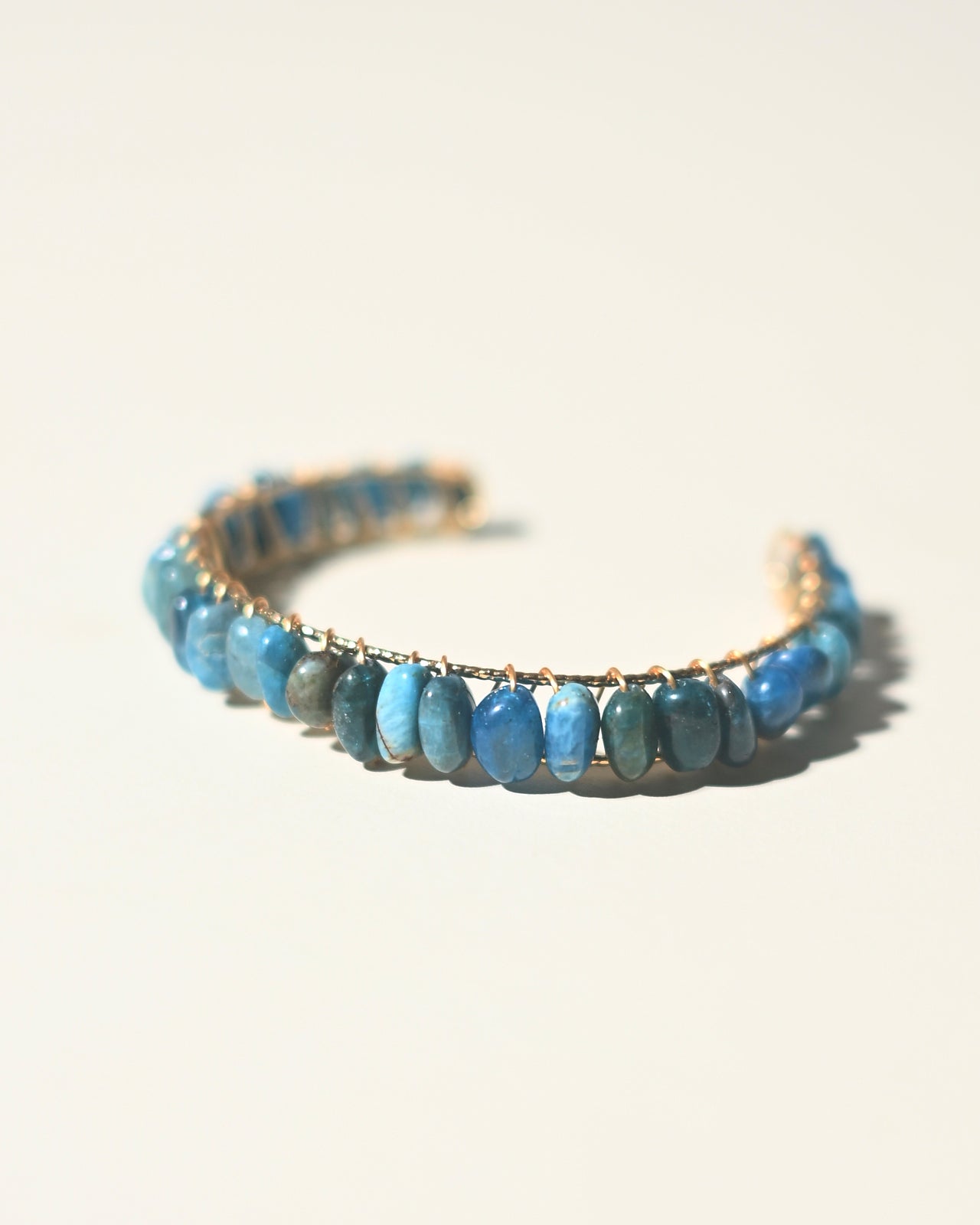
Authentic natural minerals, thoughtfully sourced and individually photographed.

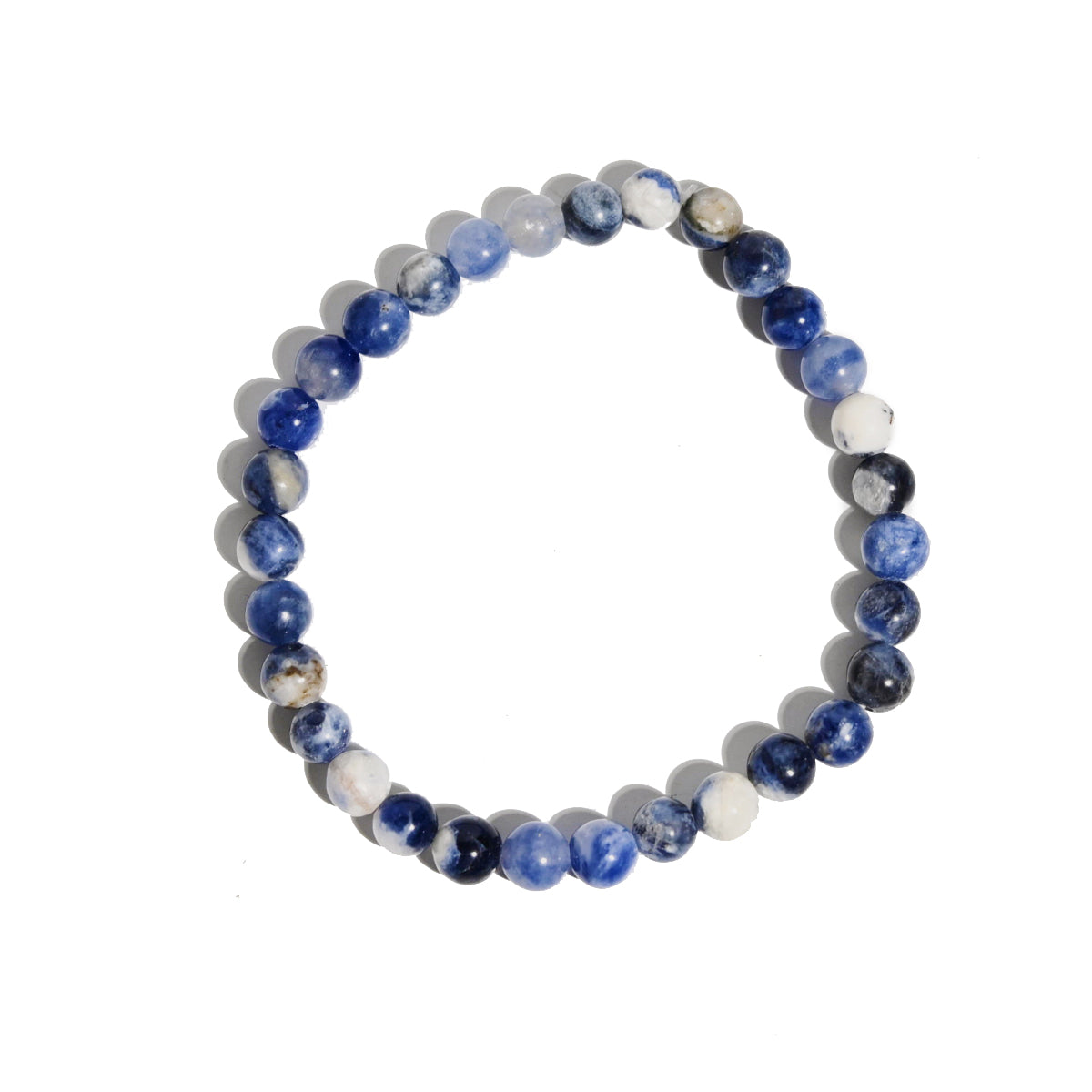
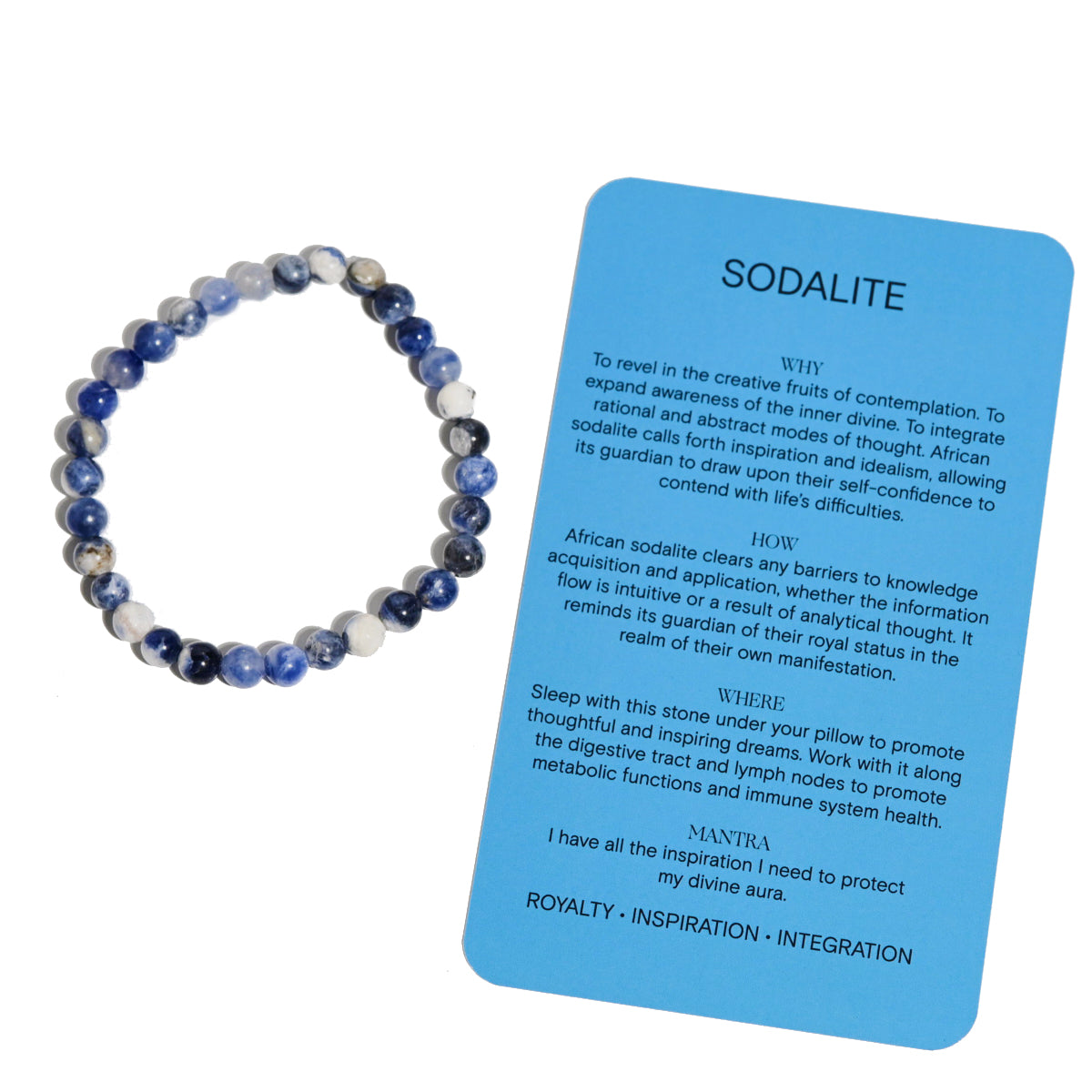
Blue crystals span a remarkable range of minerals, from the deep indigo of sodalite to the translucent aqua of celestite and the vivid azure of azurite. The blue color in minerals typically comes from copper, iron, or cobalt within the crystal structure. At Crystals.com, we source blue specimens from mines across Madagascar, Brazil, Morocco, and beyond.
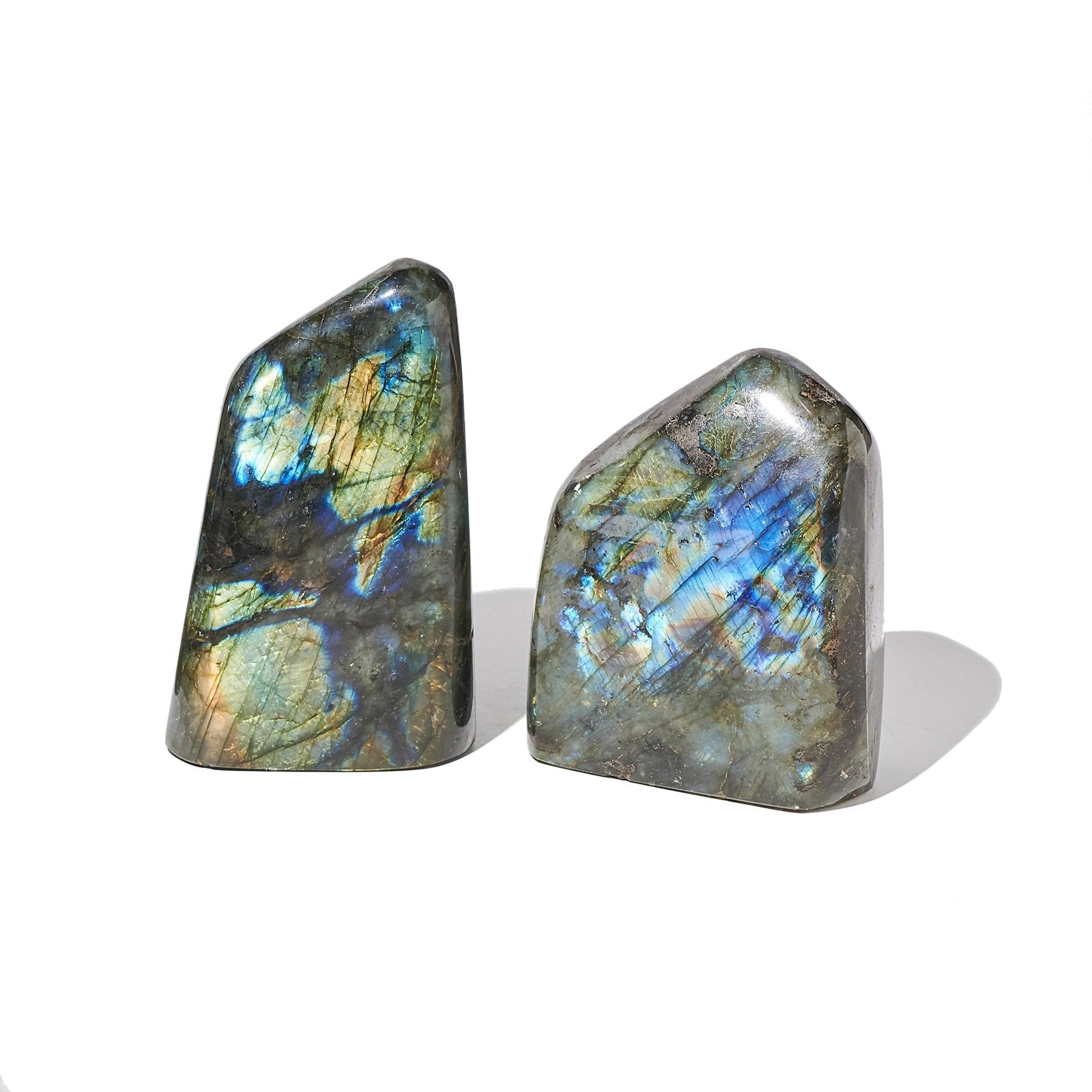
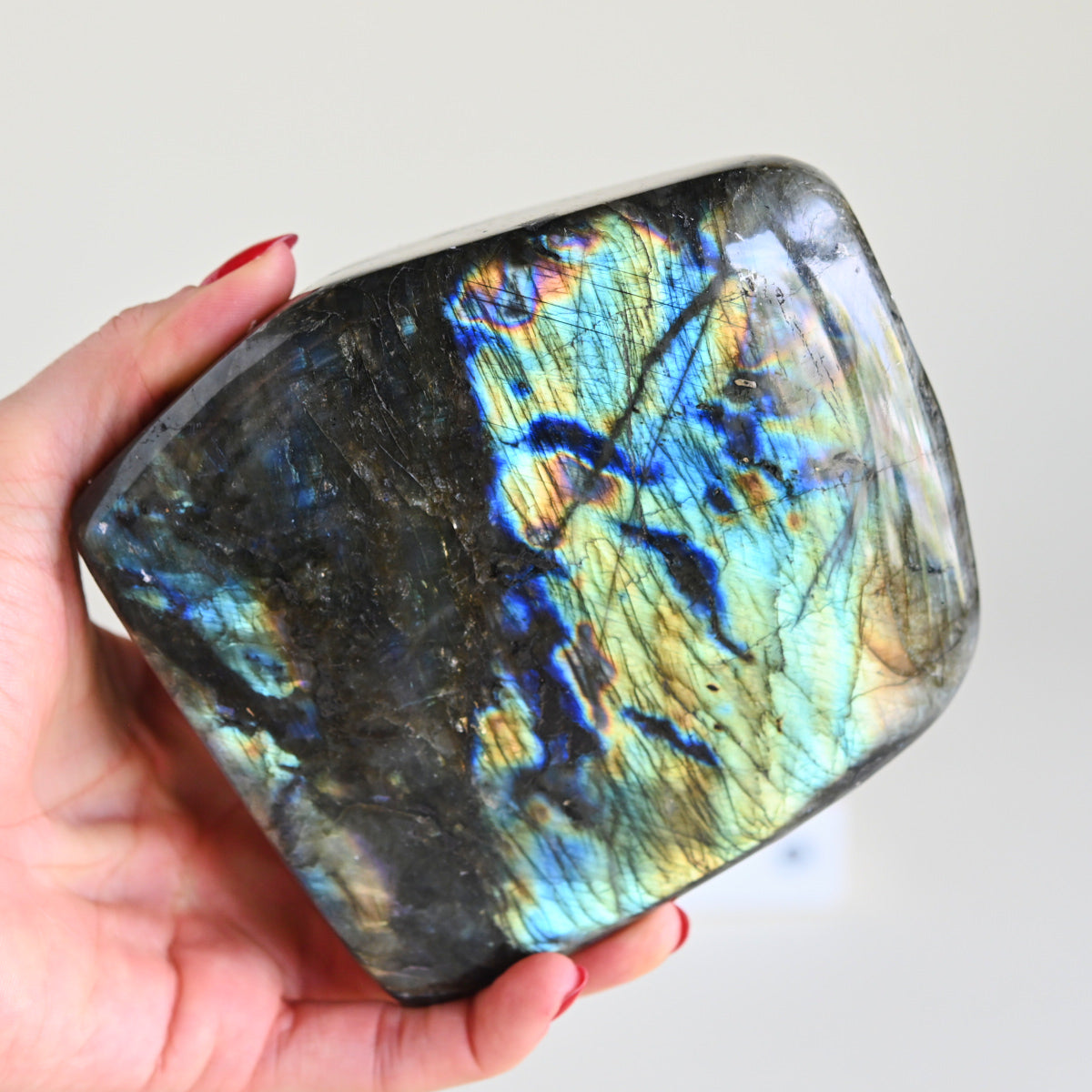
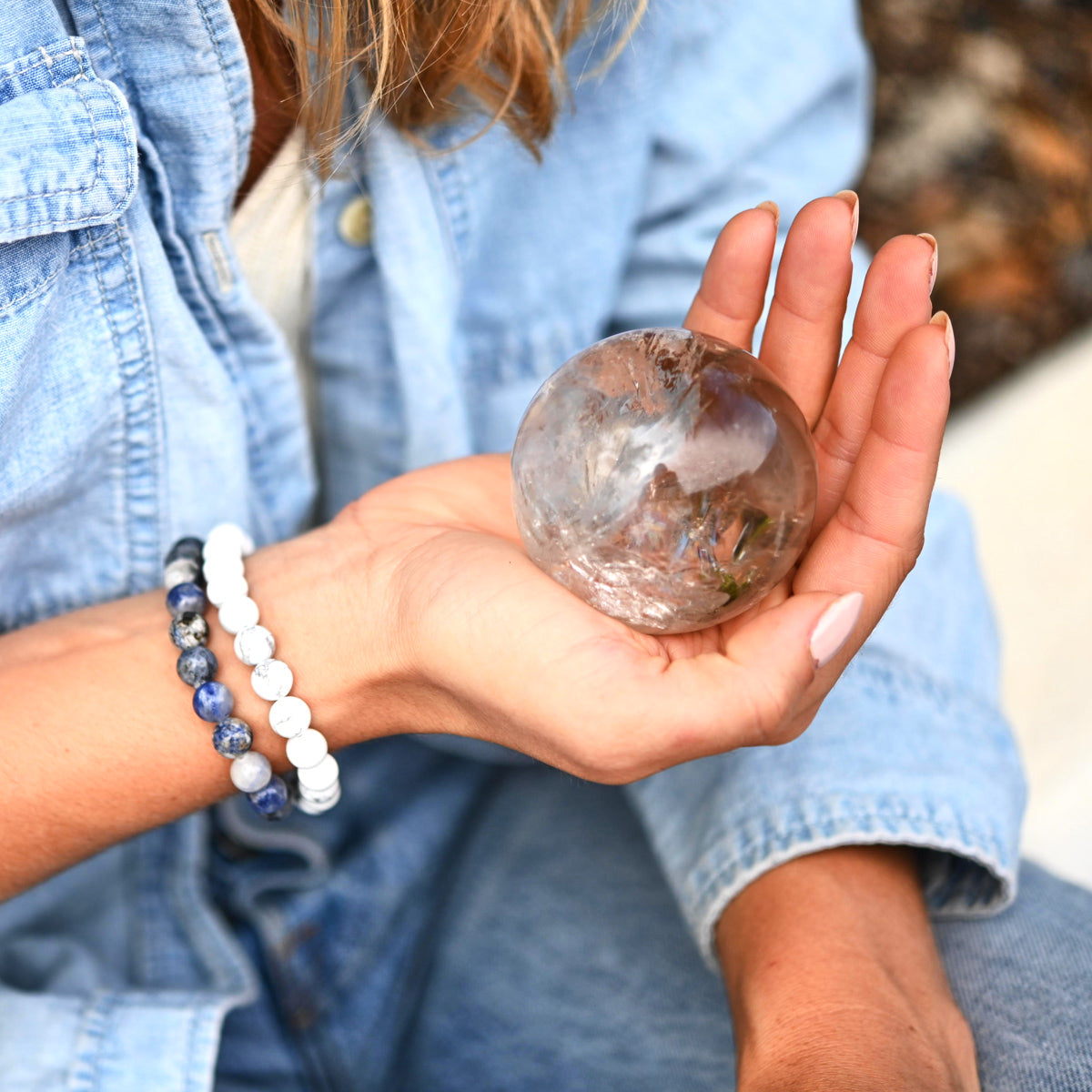
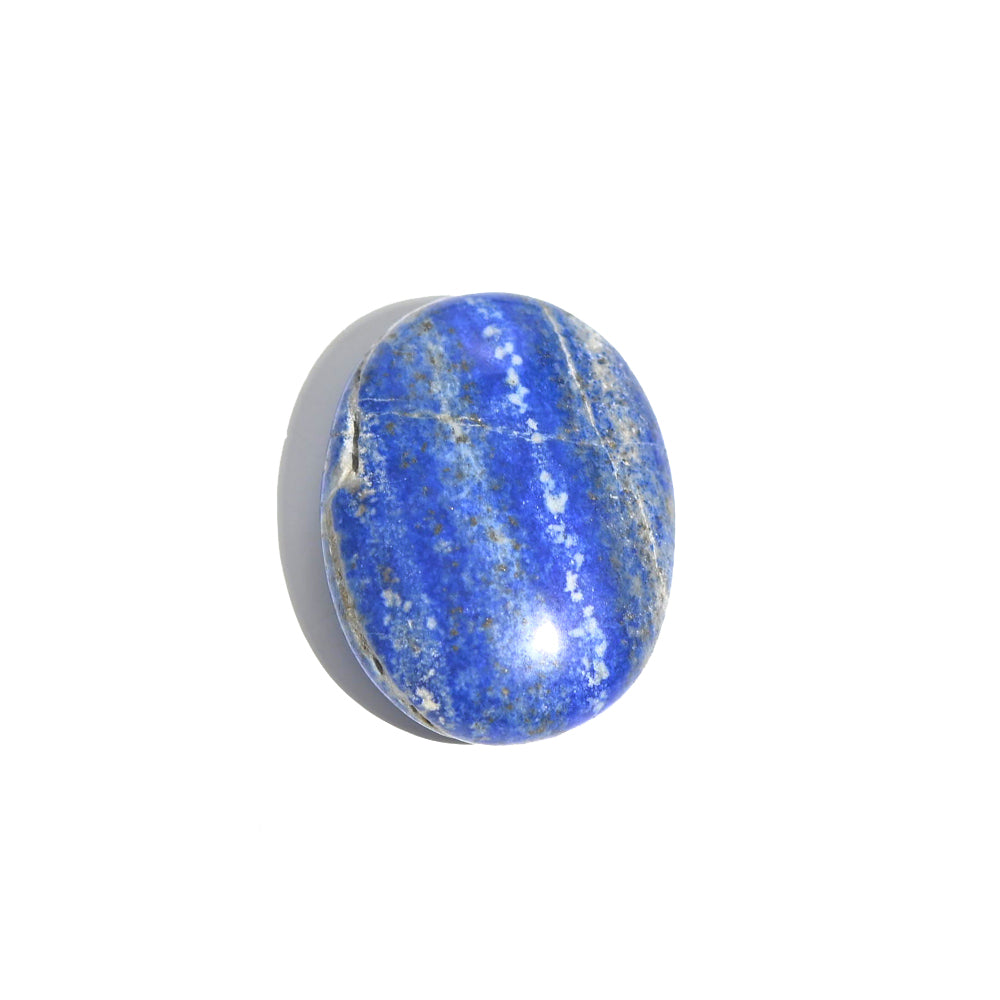
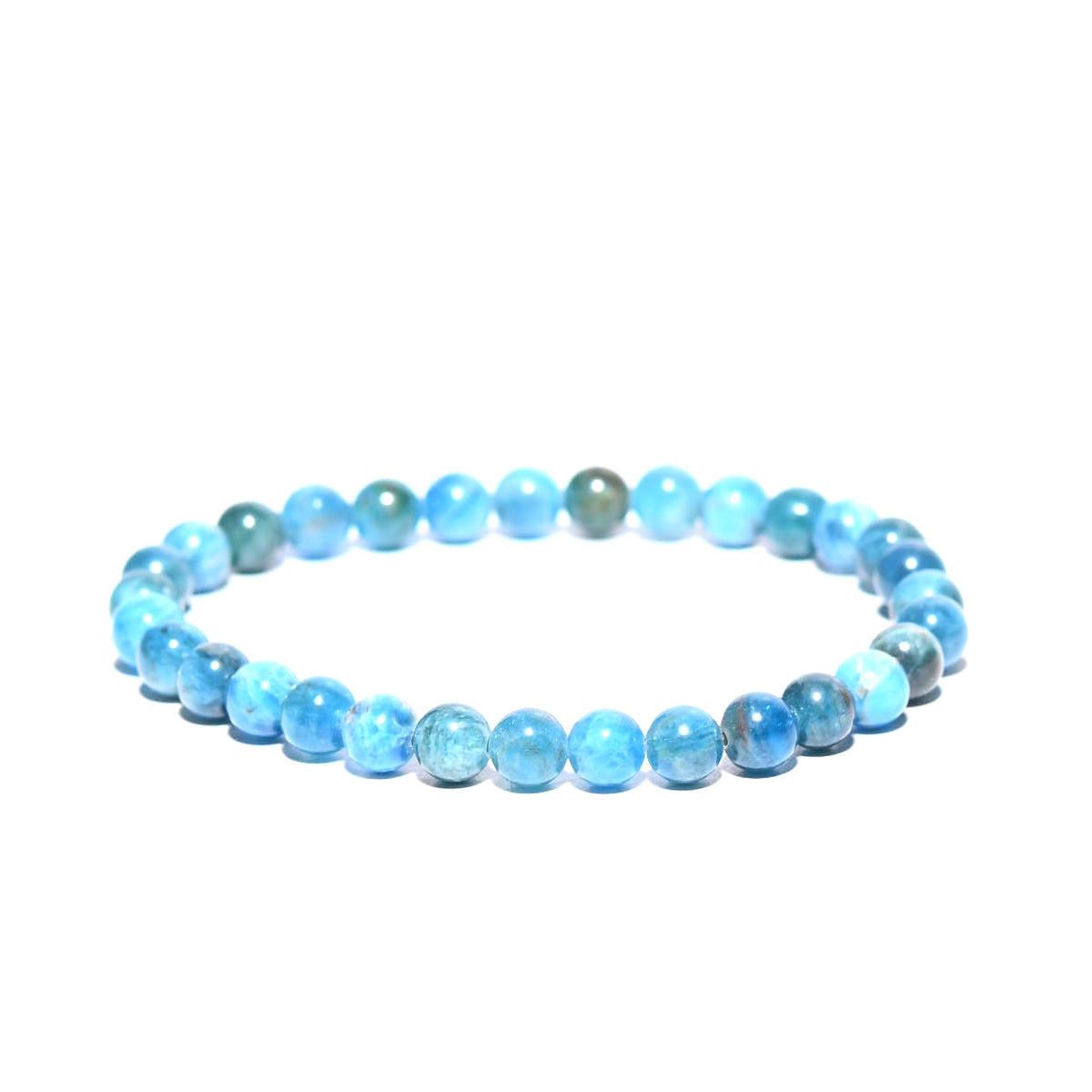
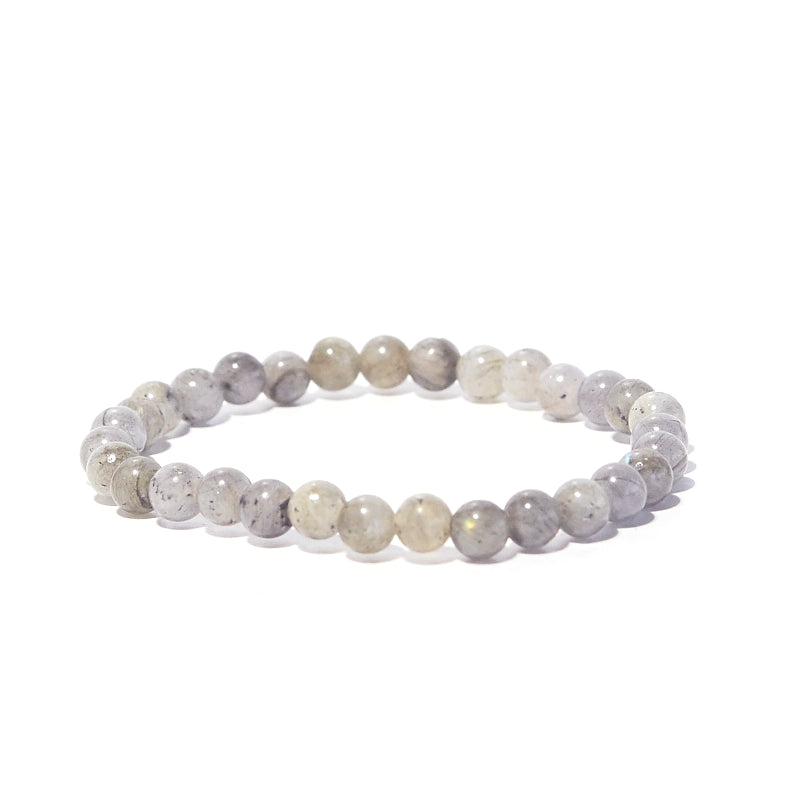
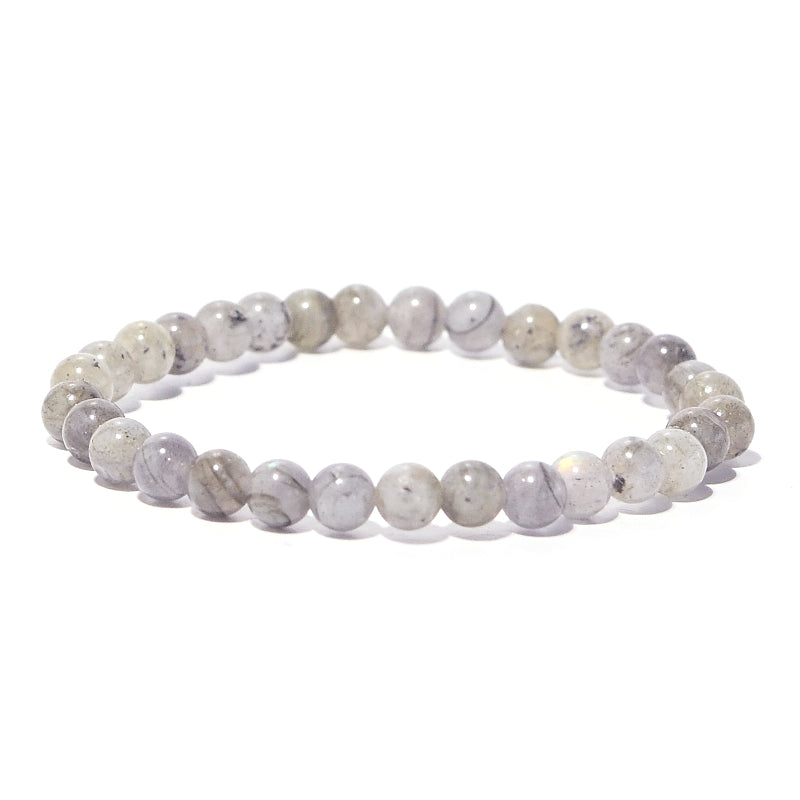
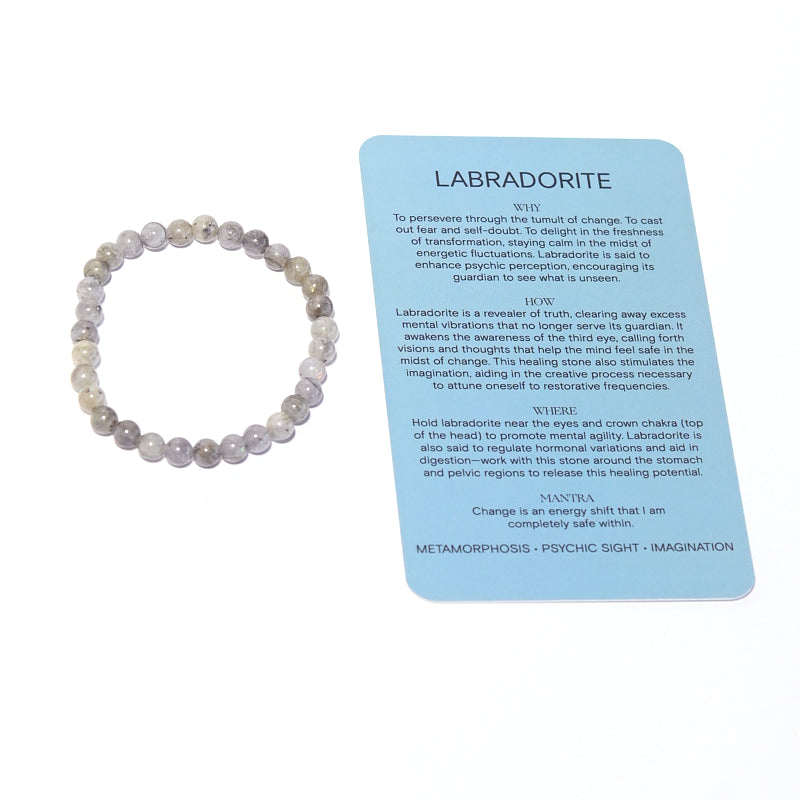
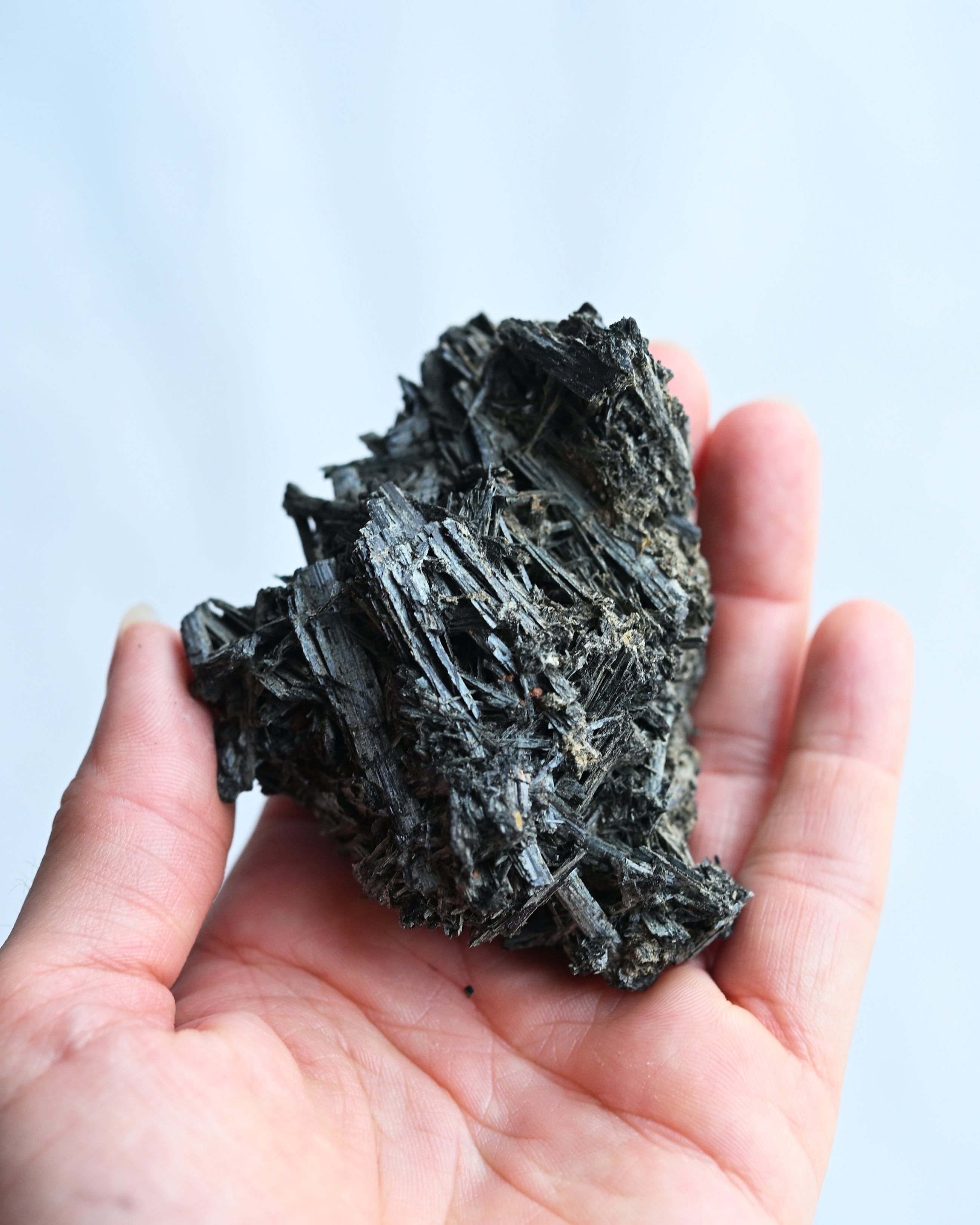
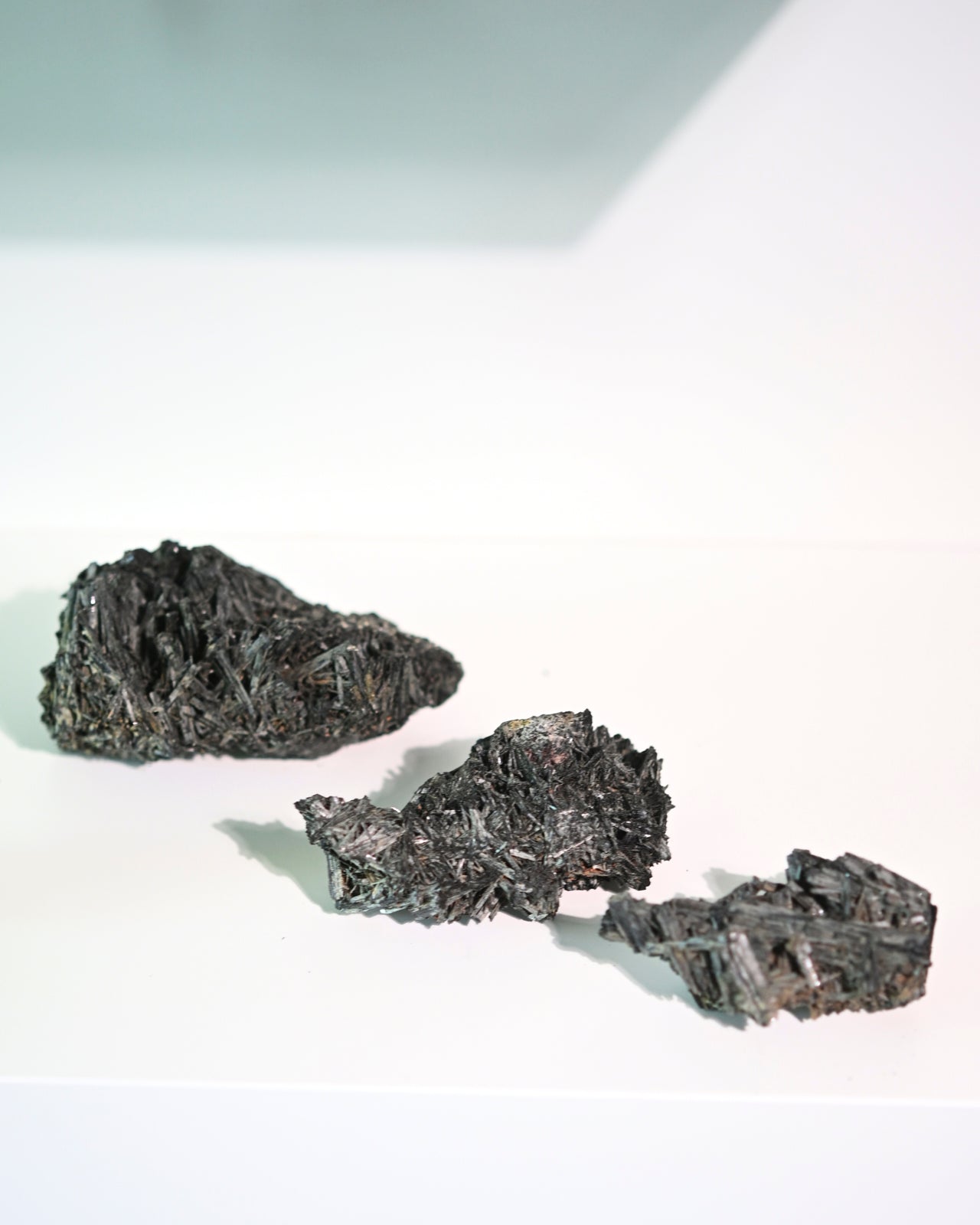
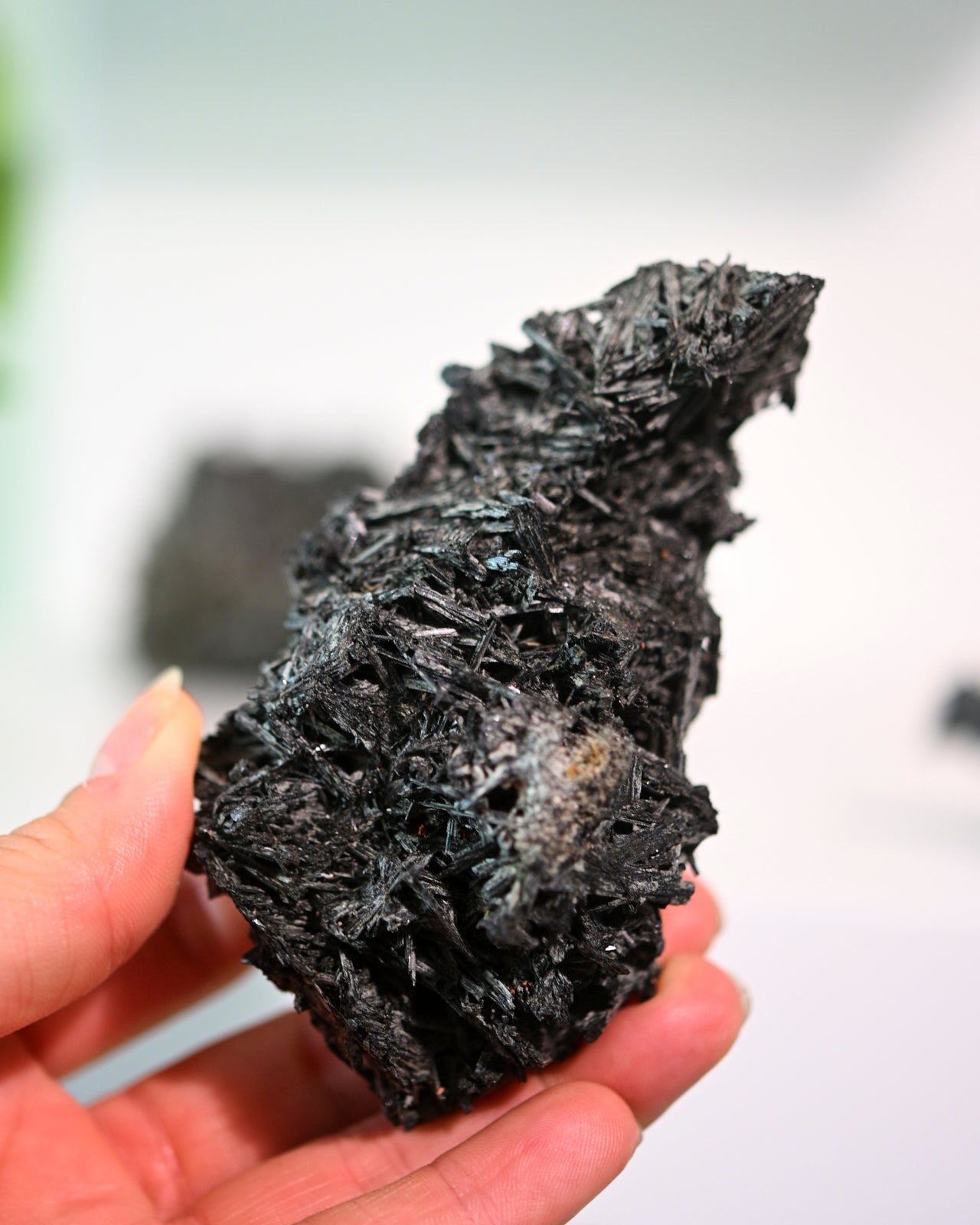
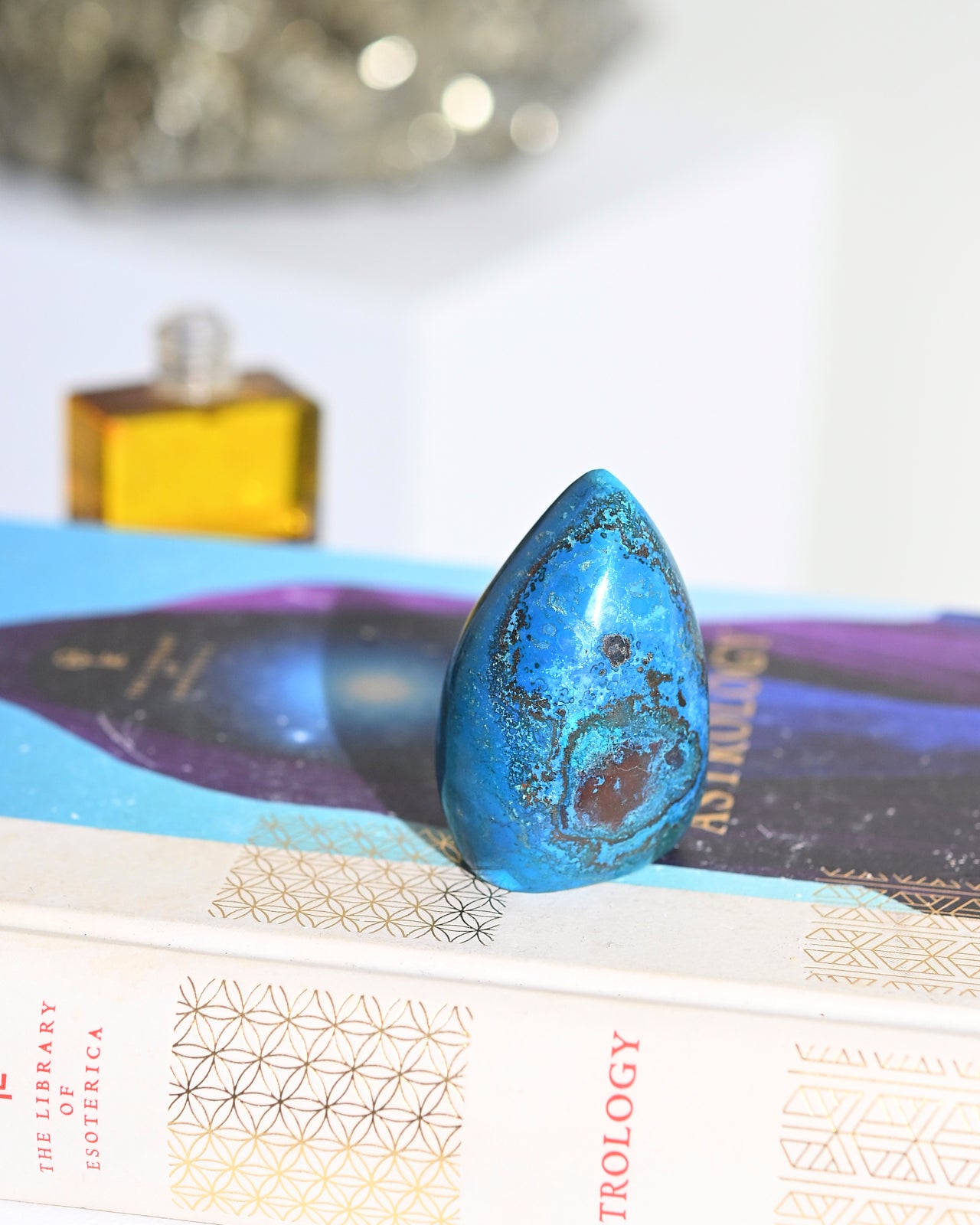
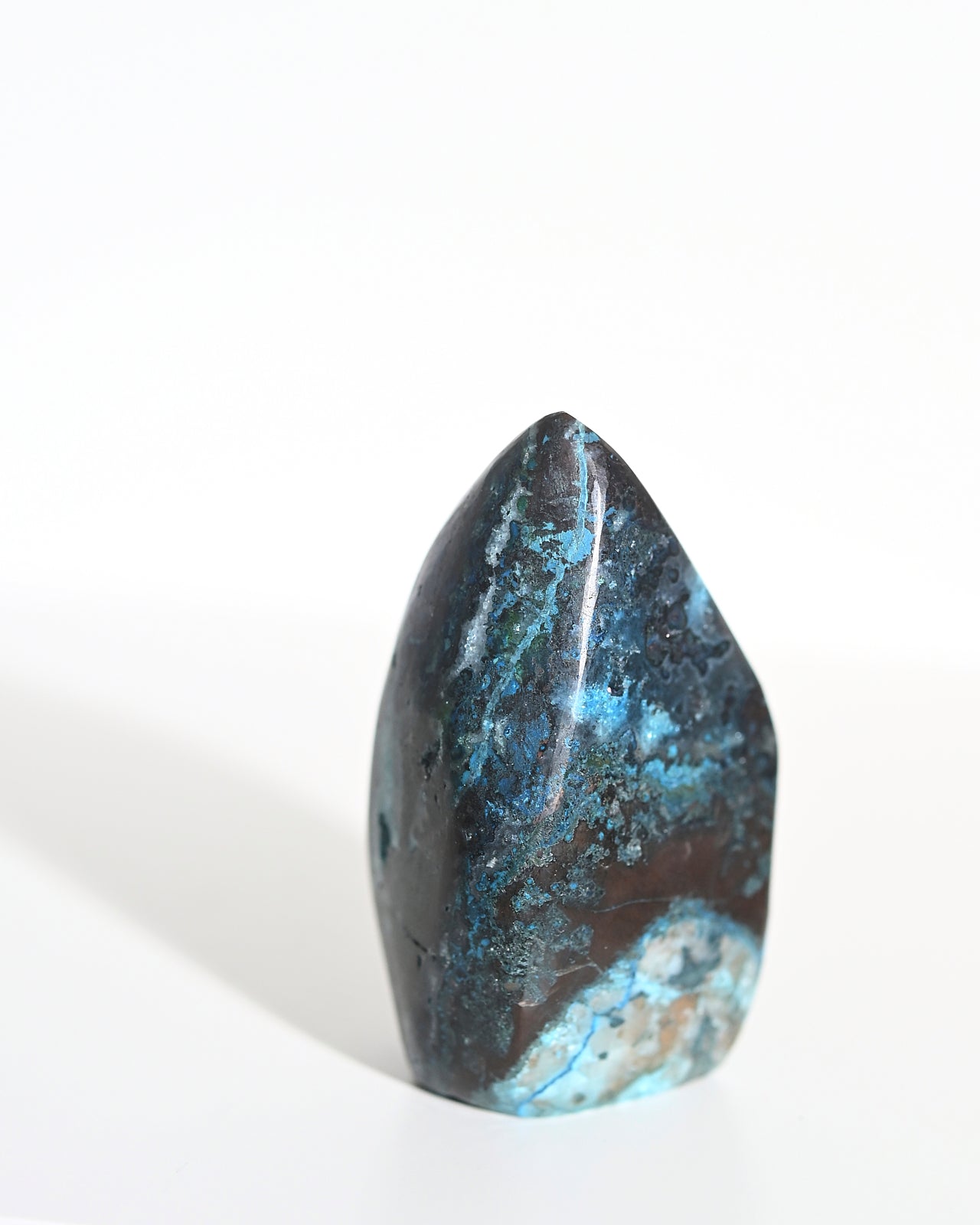
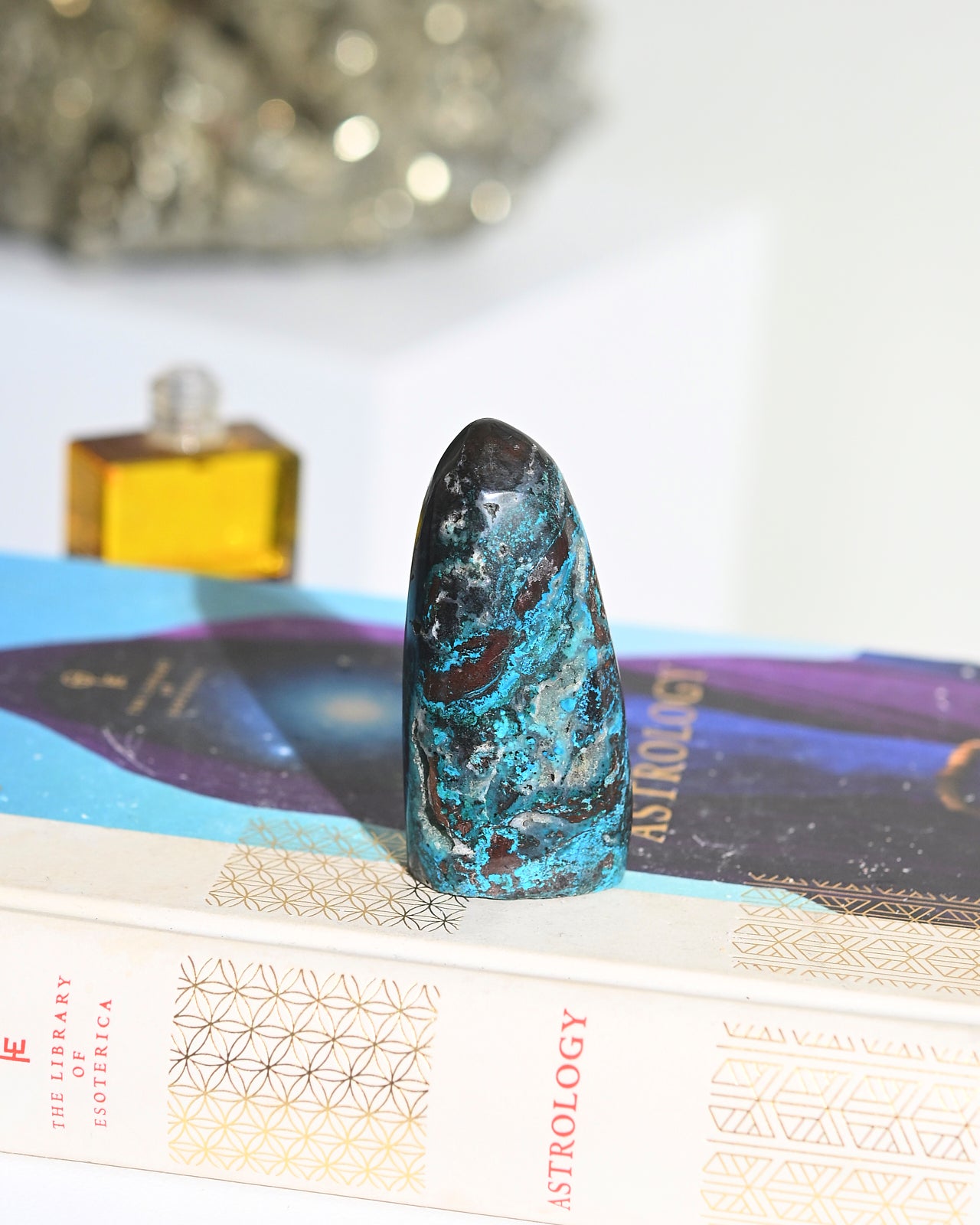
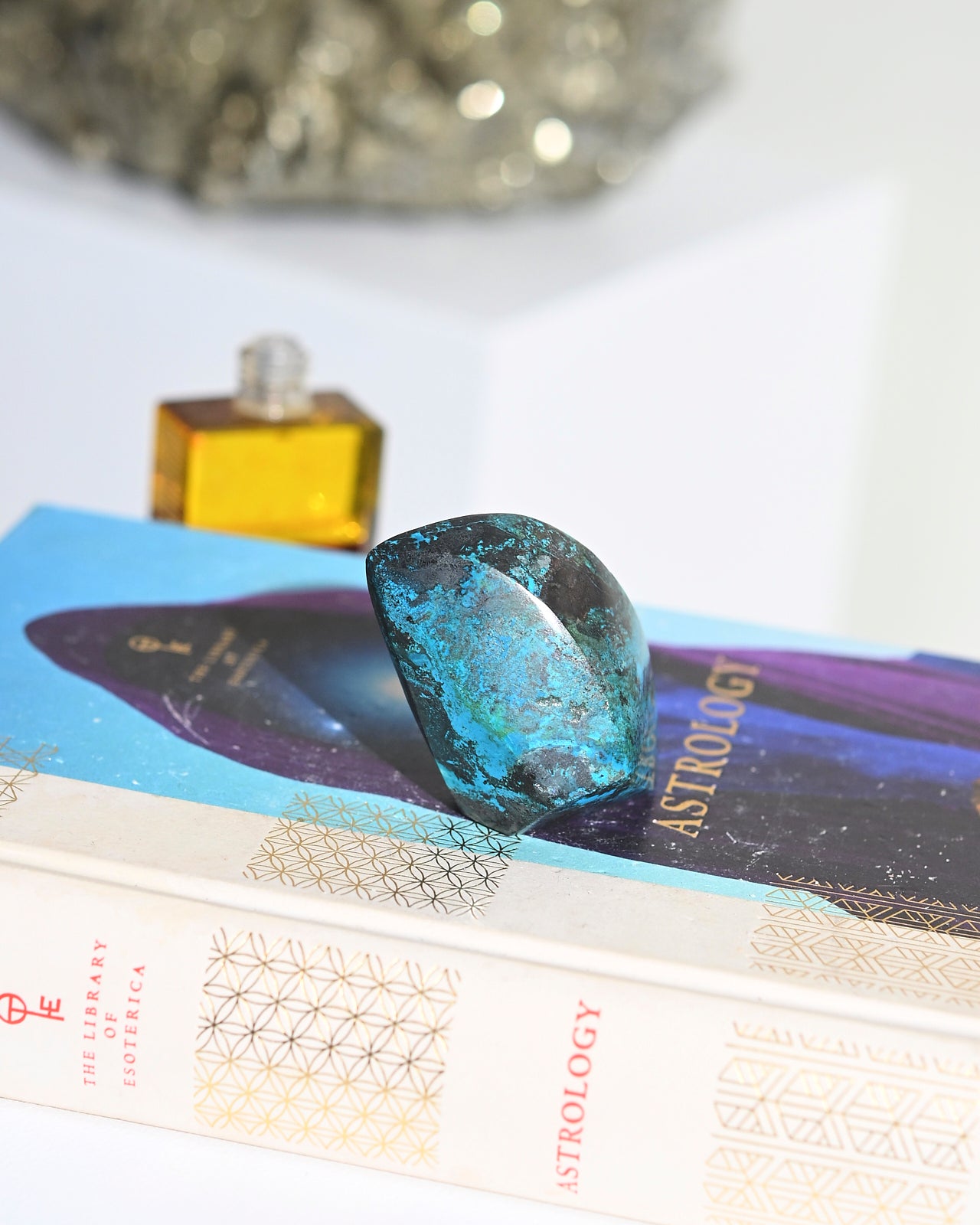
Whether you're drawn to the calming presence of a large celestite geode or the striking color of a lapis lazuli specimen, our collection features genuine, hand-selected pieces. Every crystal is individually photographed — you receive the exact piece pictured, never a stock photo substitute.
What causes the blue color in crystals?
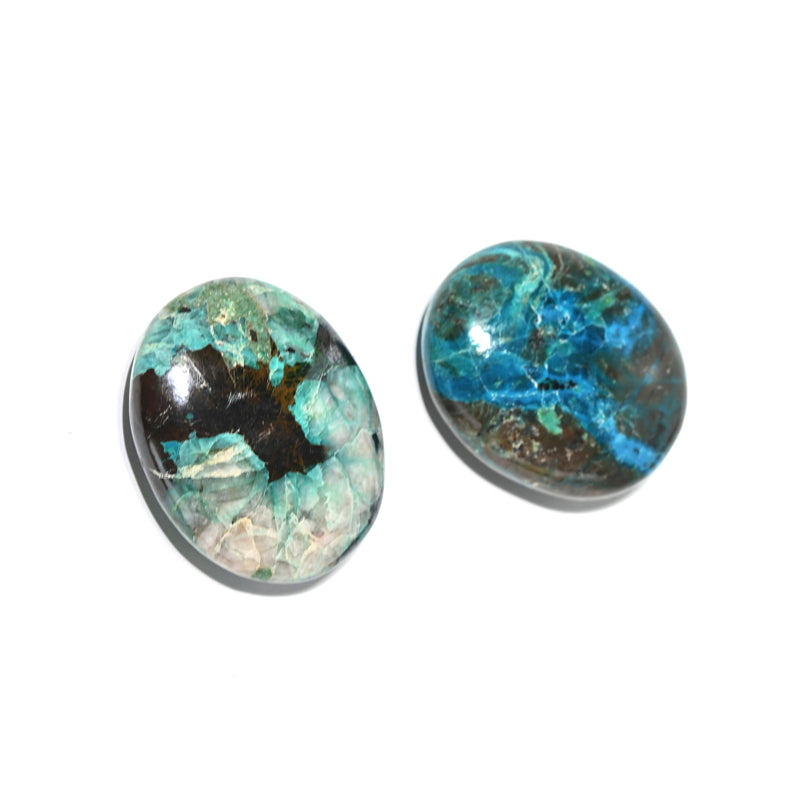
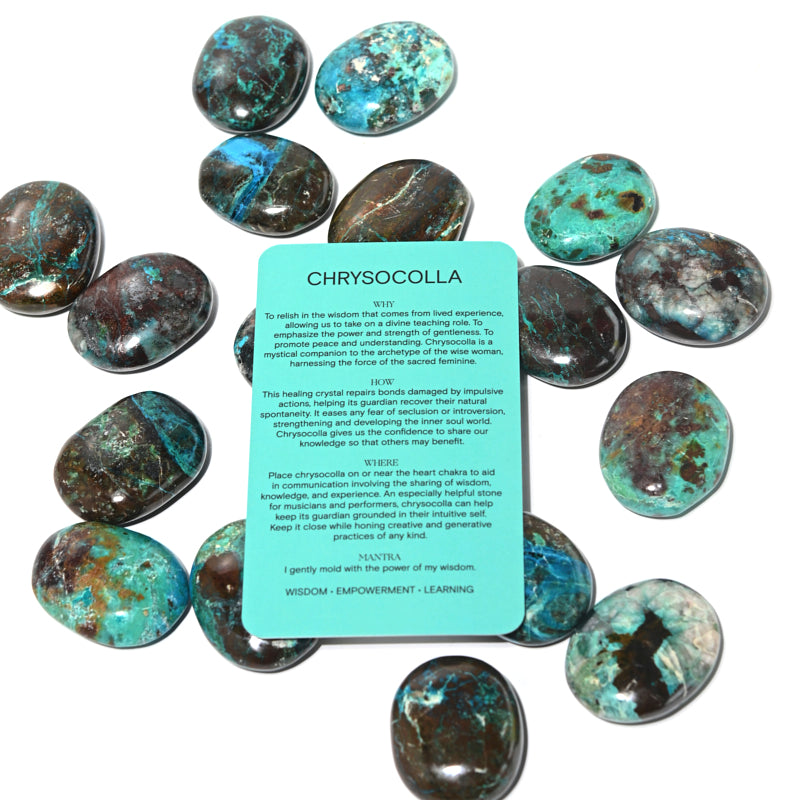
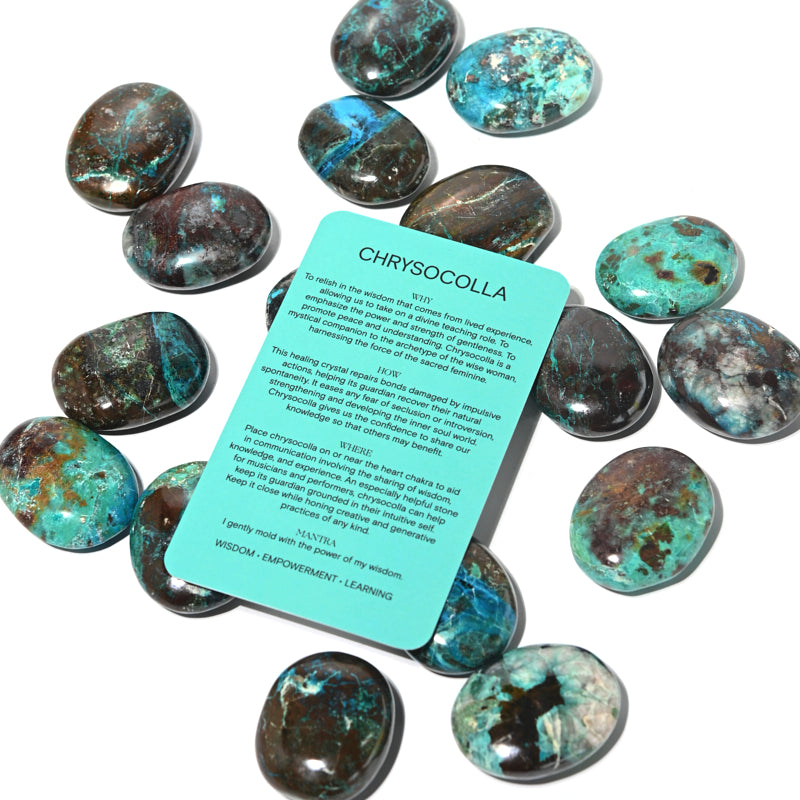
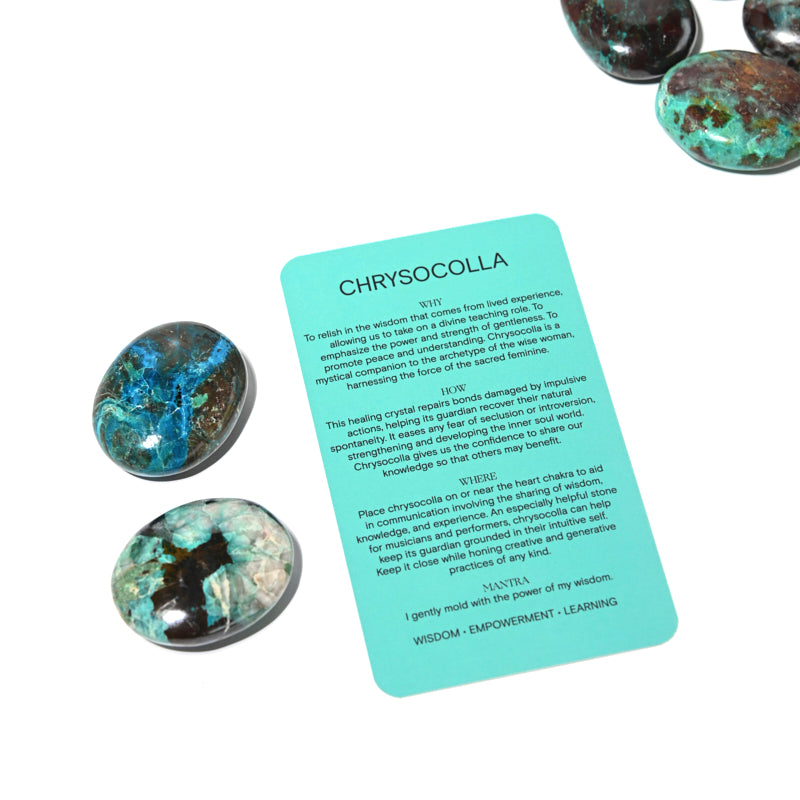
Blue coloring in minerals comes from several sources. Copper produces the vivid blue of azurite and chrysocolla. Iron in specific oxidation states creates the blue in aquamarine and sapphire. Sodalite and lapis lazuli get their blue from sulfur-containing mineral structures. The specific shade depends on the mineral's chemical composition and crystal structure.
What are the most valuable blue crystals?
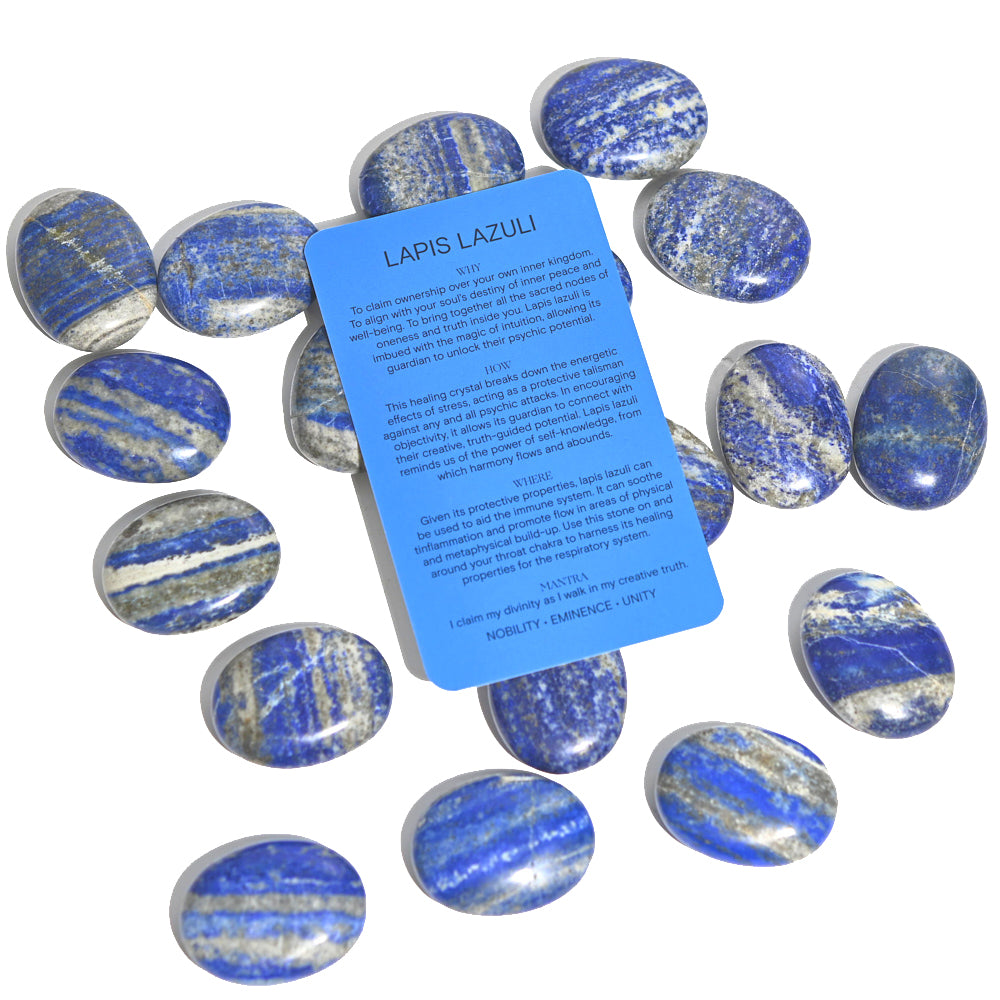
Among the most valuable blue minerals are gem-quality aquamarine, tanzanite, and larimar. Paraiba tourmaline in neon blue is among the world's most expensive gemstones. For collectors, large museum-quality celestite geodes and well-formed azurite crystals command significant prices. Afghan lapis lazuli with minimal calcite inclusions is also highly prized.
Which blue crystals are best for display?
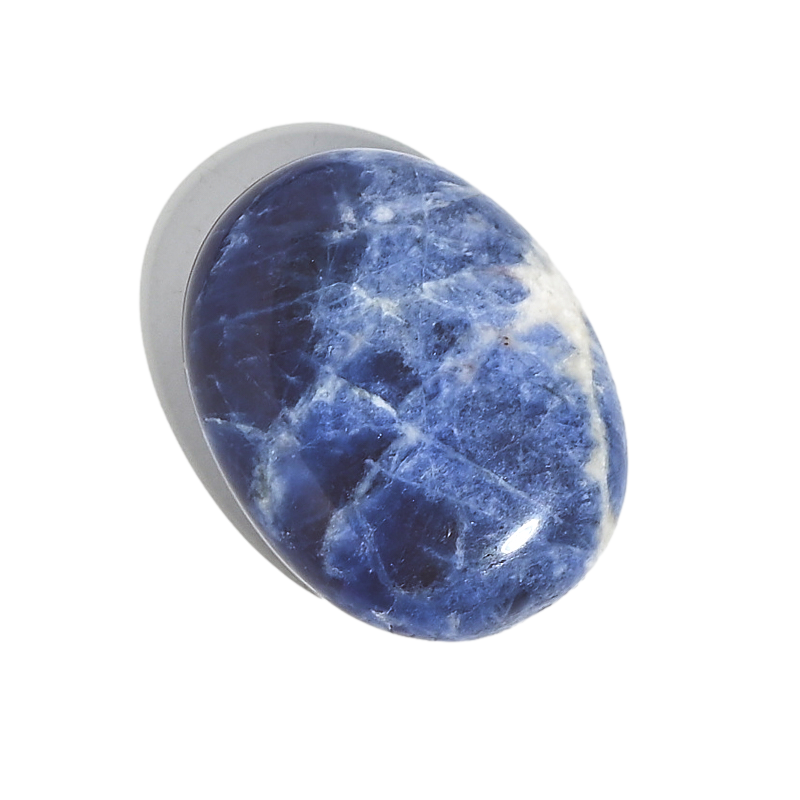
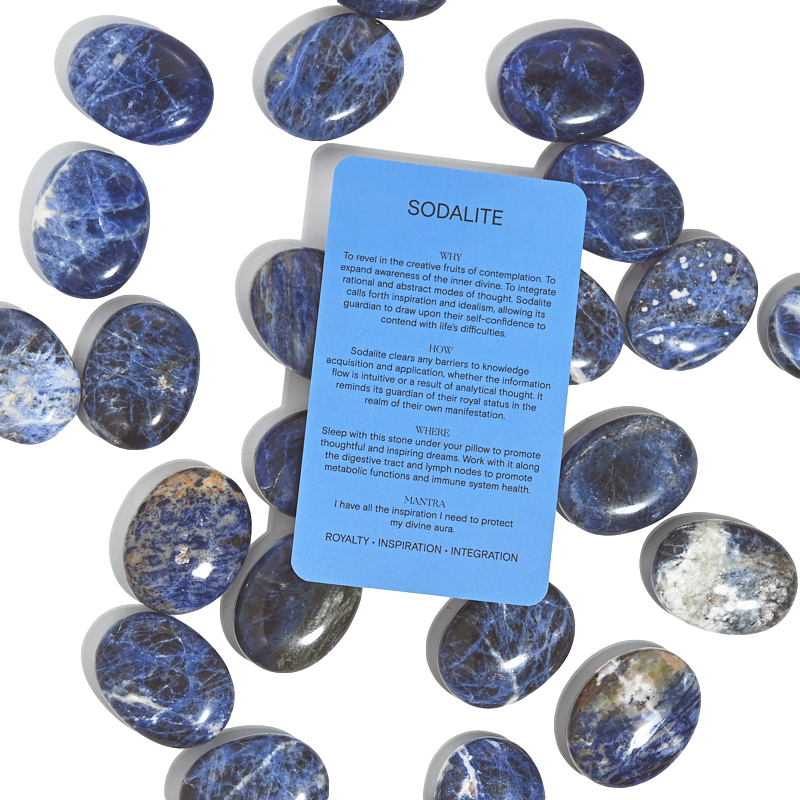
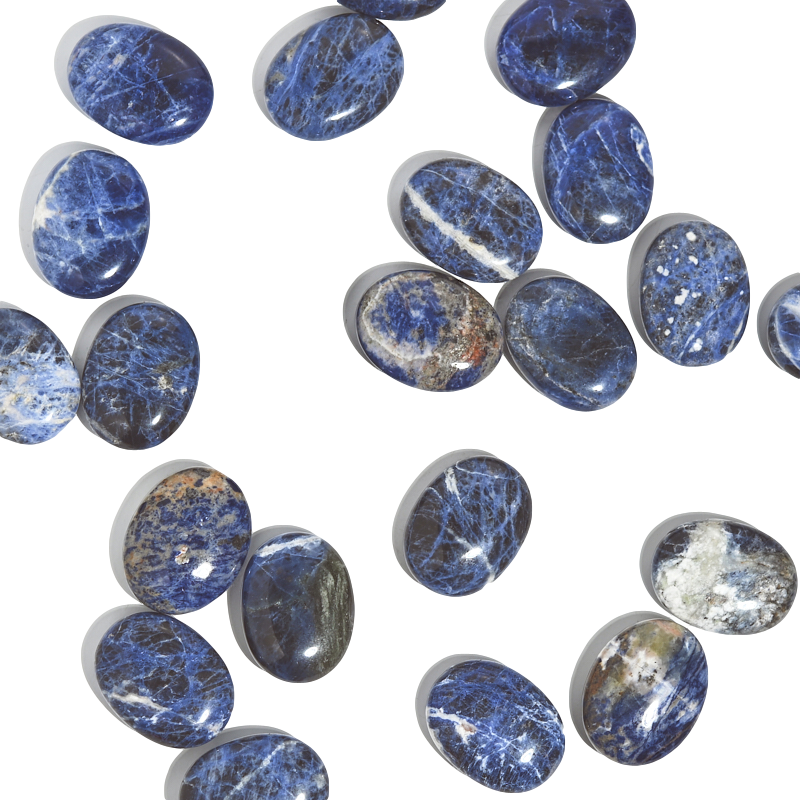
Celestite geodes are among the most popular display pieces due to their ethereal pale blue color and crystal-lined cavities. Sodalite bookends and slabs work beautifully on shelves. Large azurite specimens create dramatic focal points. Fluorite in blue shades offers exceptional transparency. Consider the lighting in your space — blue crystals look best in natural light.
How do I care for blue crystals?
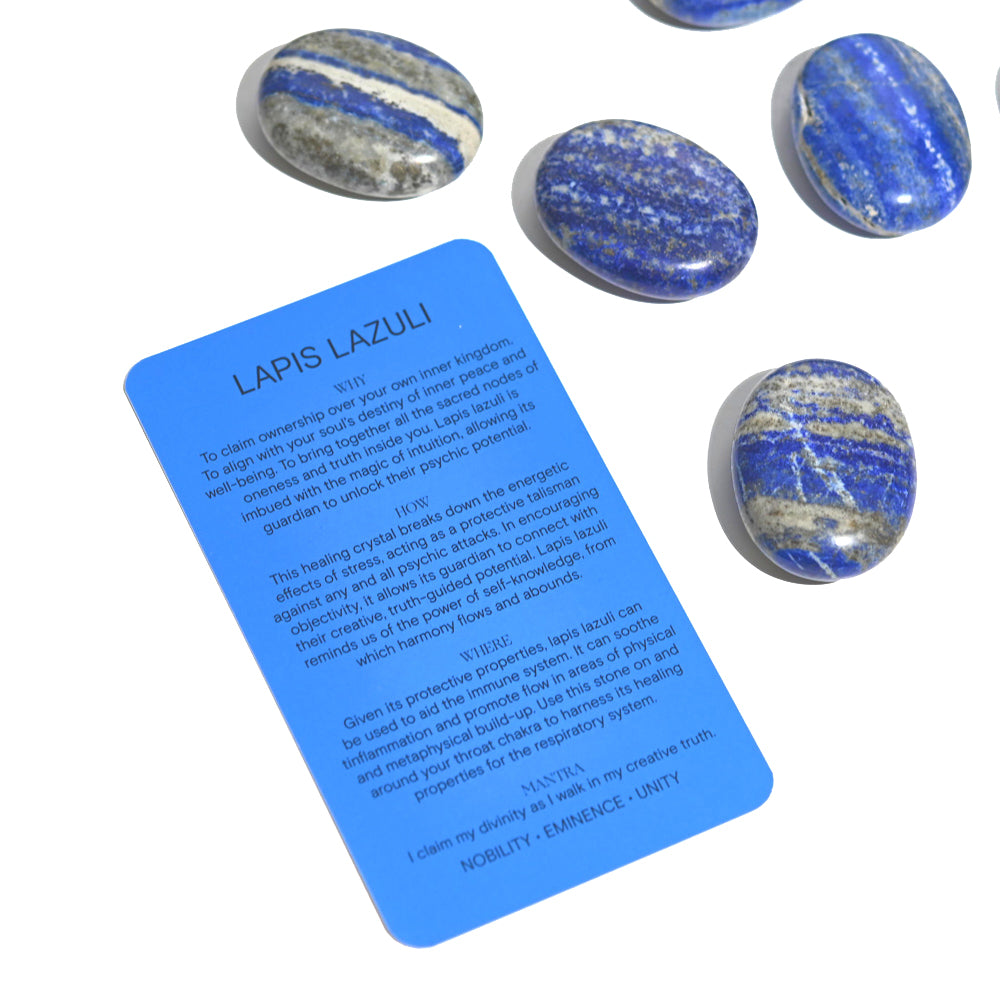
Care varies by mineral. Celestite is fragile at 3-3.5 on the Mohs scale — handle gently and keep away from moisture. Lapis lazuli (5-5.5) is more durable but should avoid chemical cleaners. Aquamarine and blue tourmaline (7-8) are quite durable for everyday display. All blue crystals should be kept out of prolonged direct sunlight to prevent color fading.
Are blue crystals good gifts?
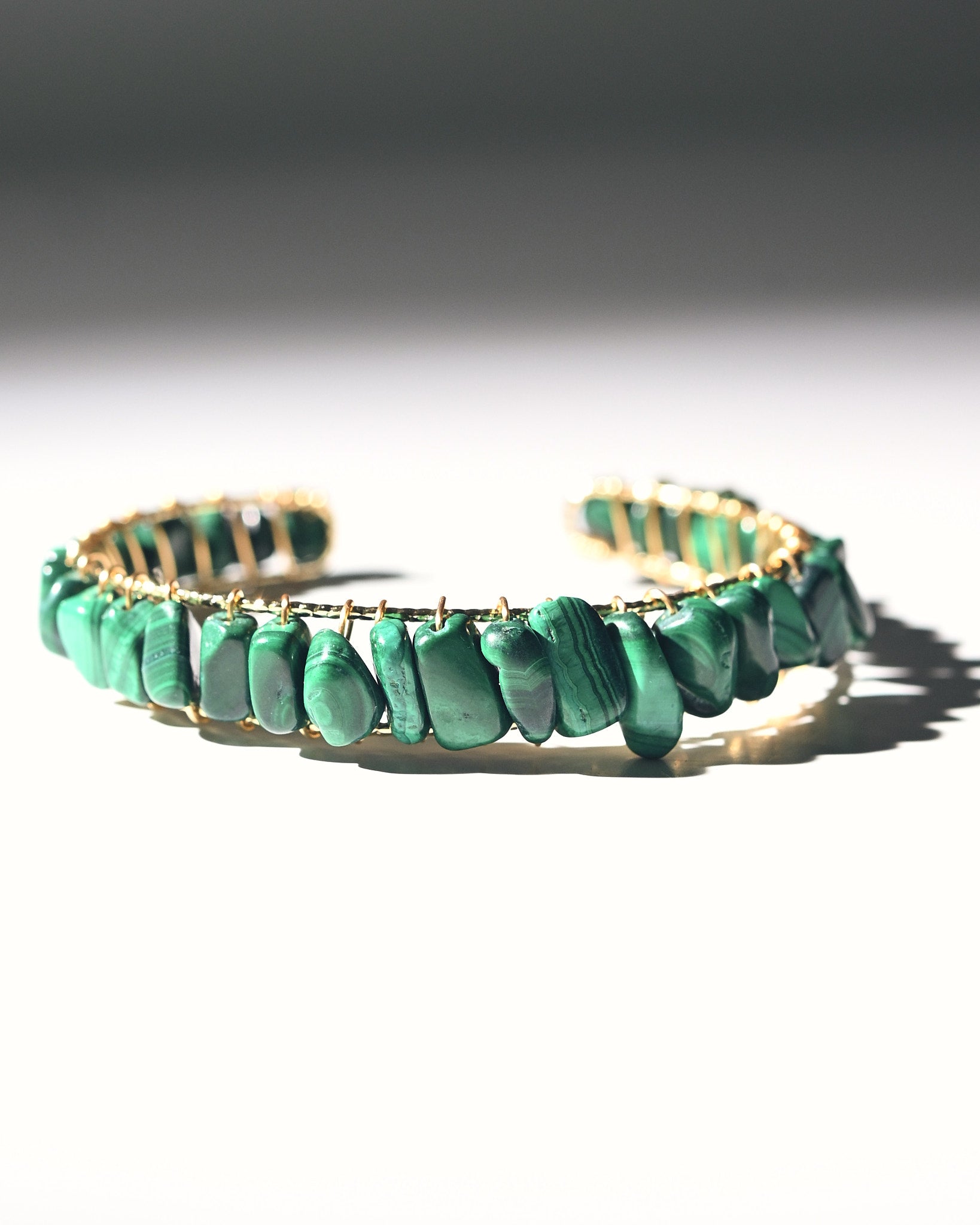
Blue crystals make exceptional gifts for any occasion. Celestite clusters are popular for their calming aesthetic. Blue calcite and sodalite specimens are accessible price points for newcomers to crystal collecting. For milestone gifts, aquamarine (the March birthstone) or a large blue fluorite specimen makes a memorable impression. We offer free shipping on orders over $150.









Authenticity First


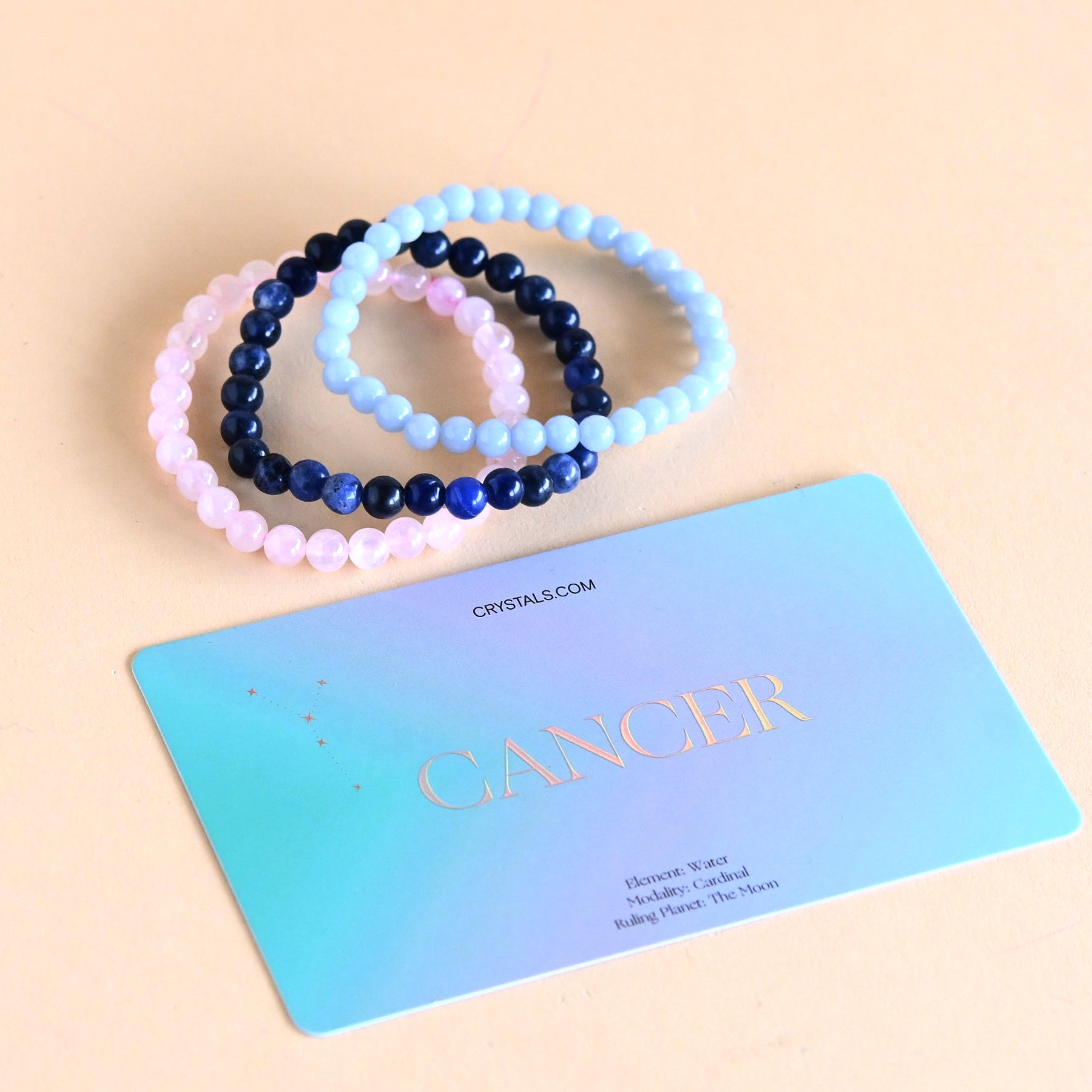
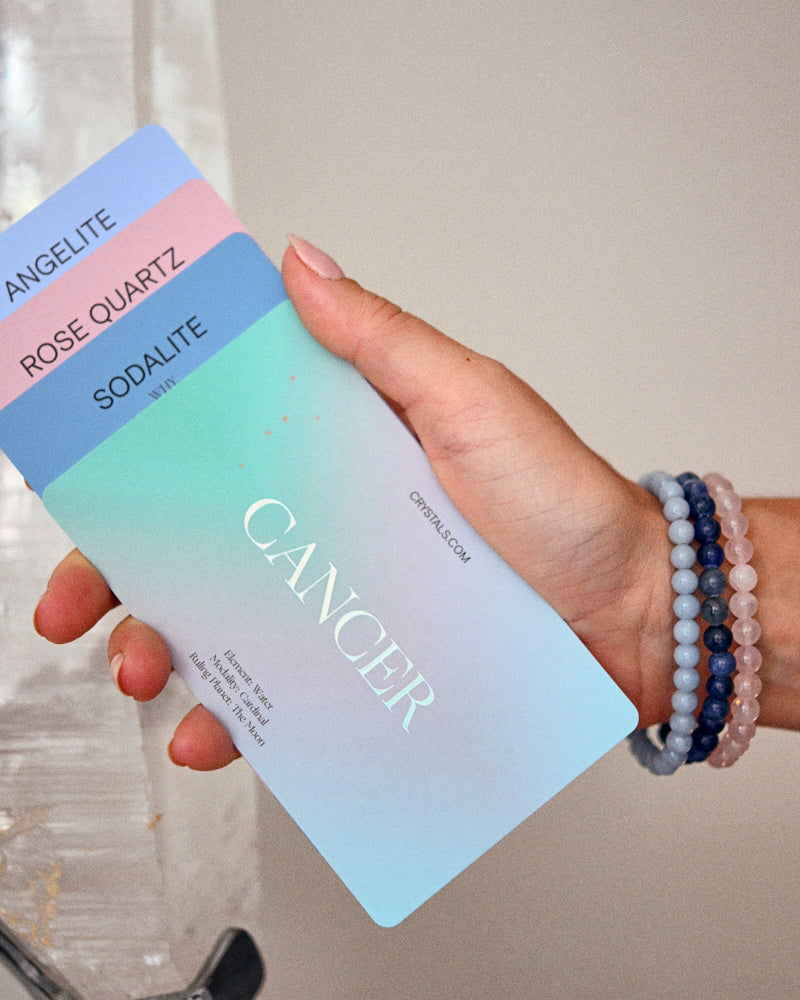


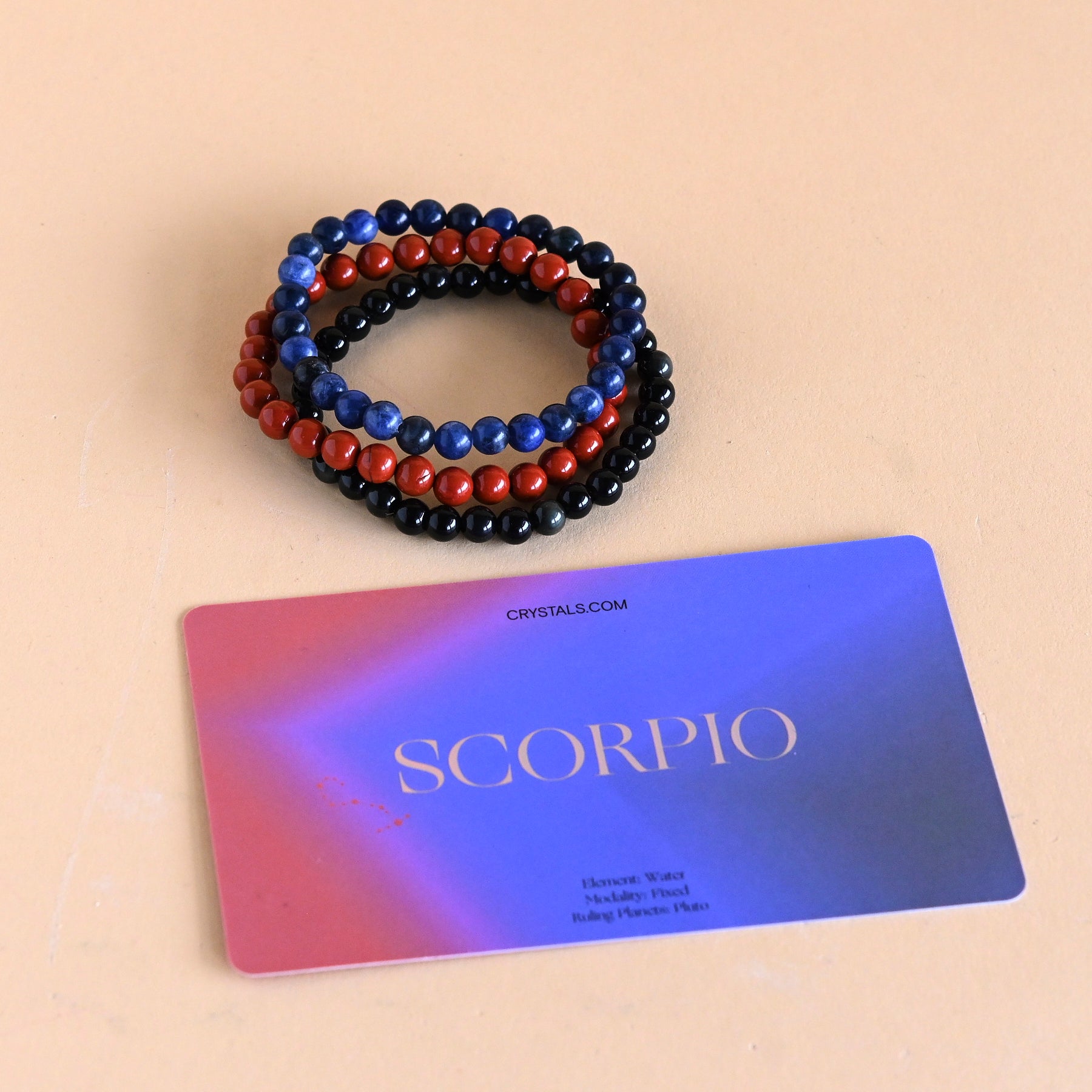
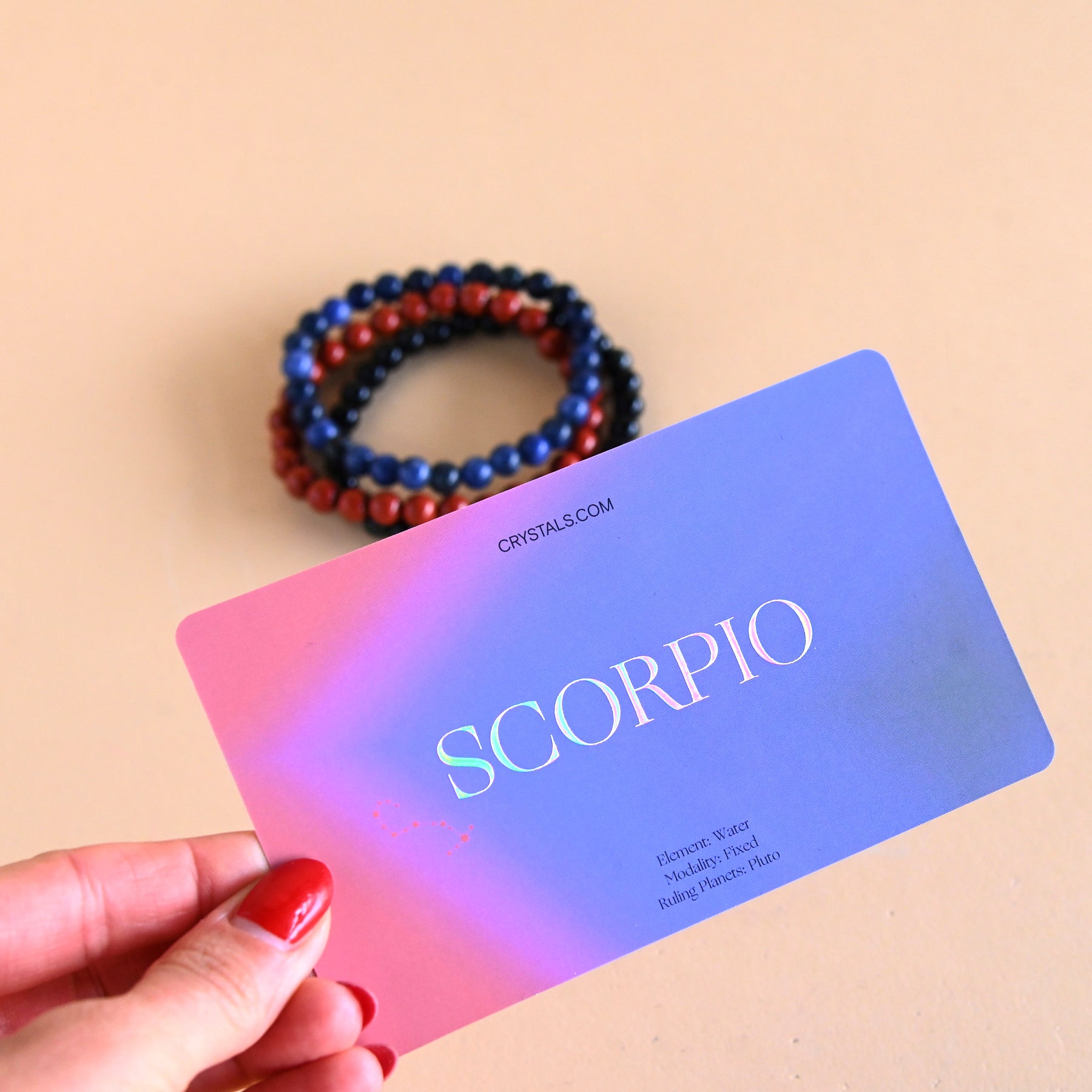












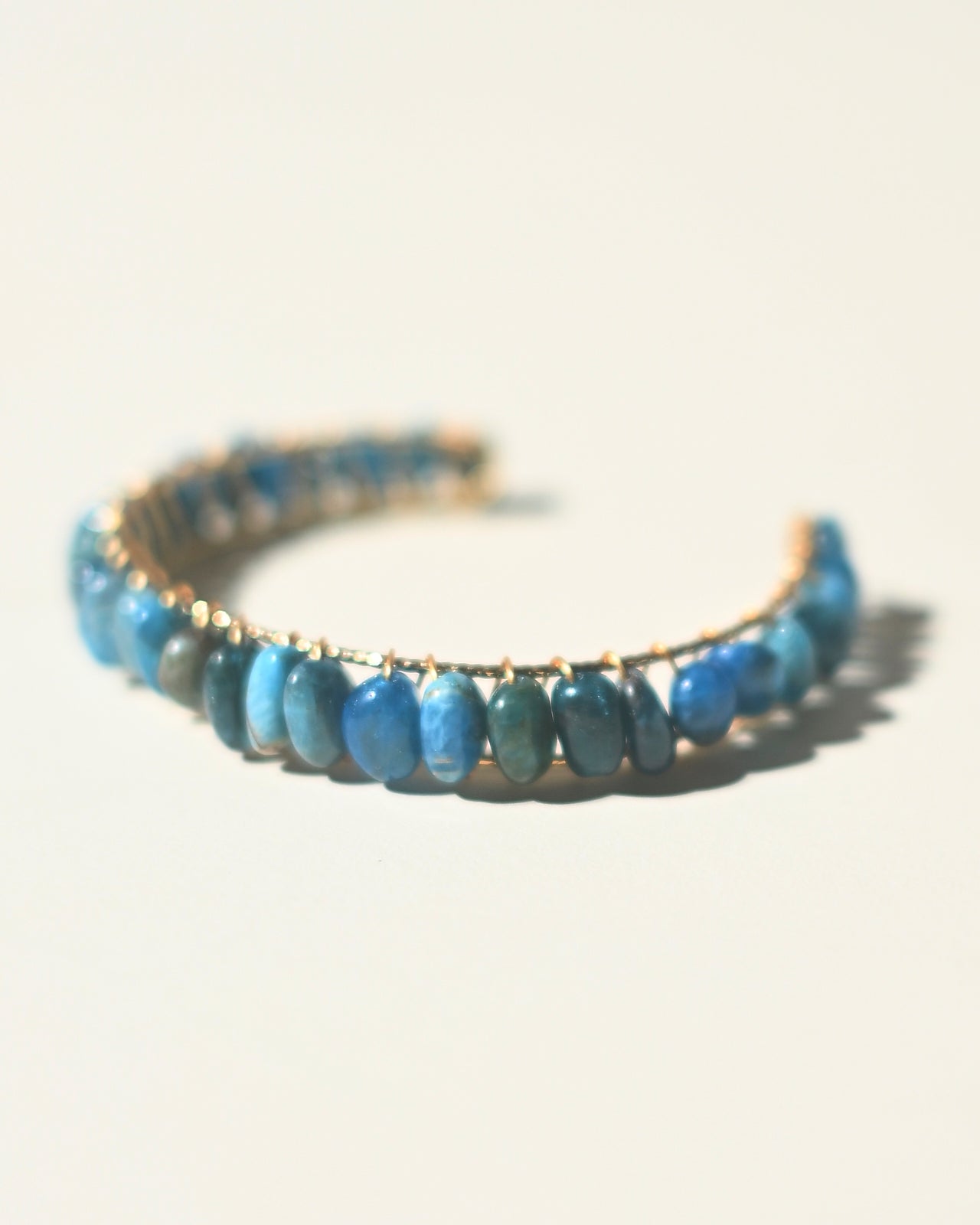
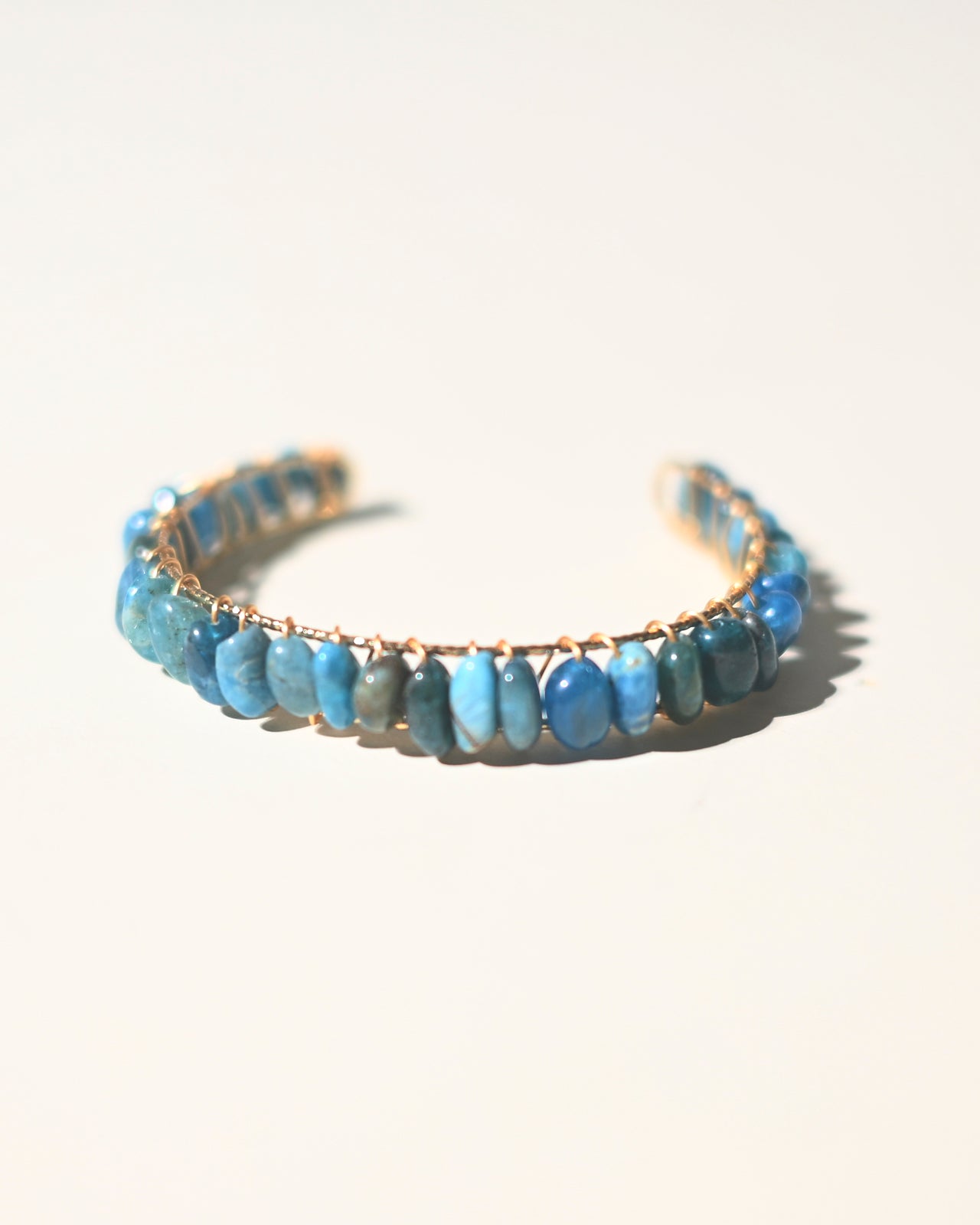


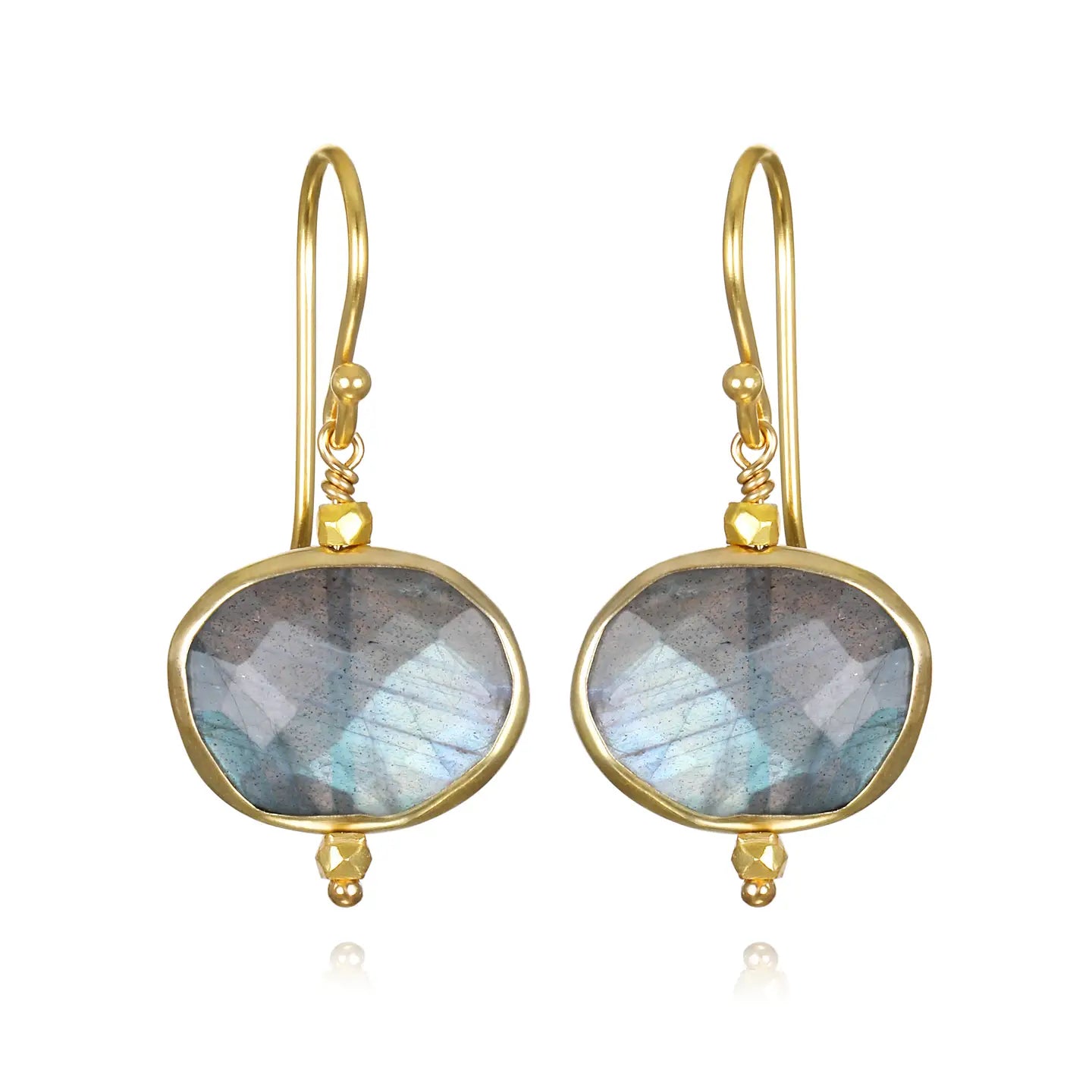


Let customers speak for us
The smaller bead size was even more beautiful!
Really pretty!

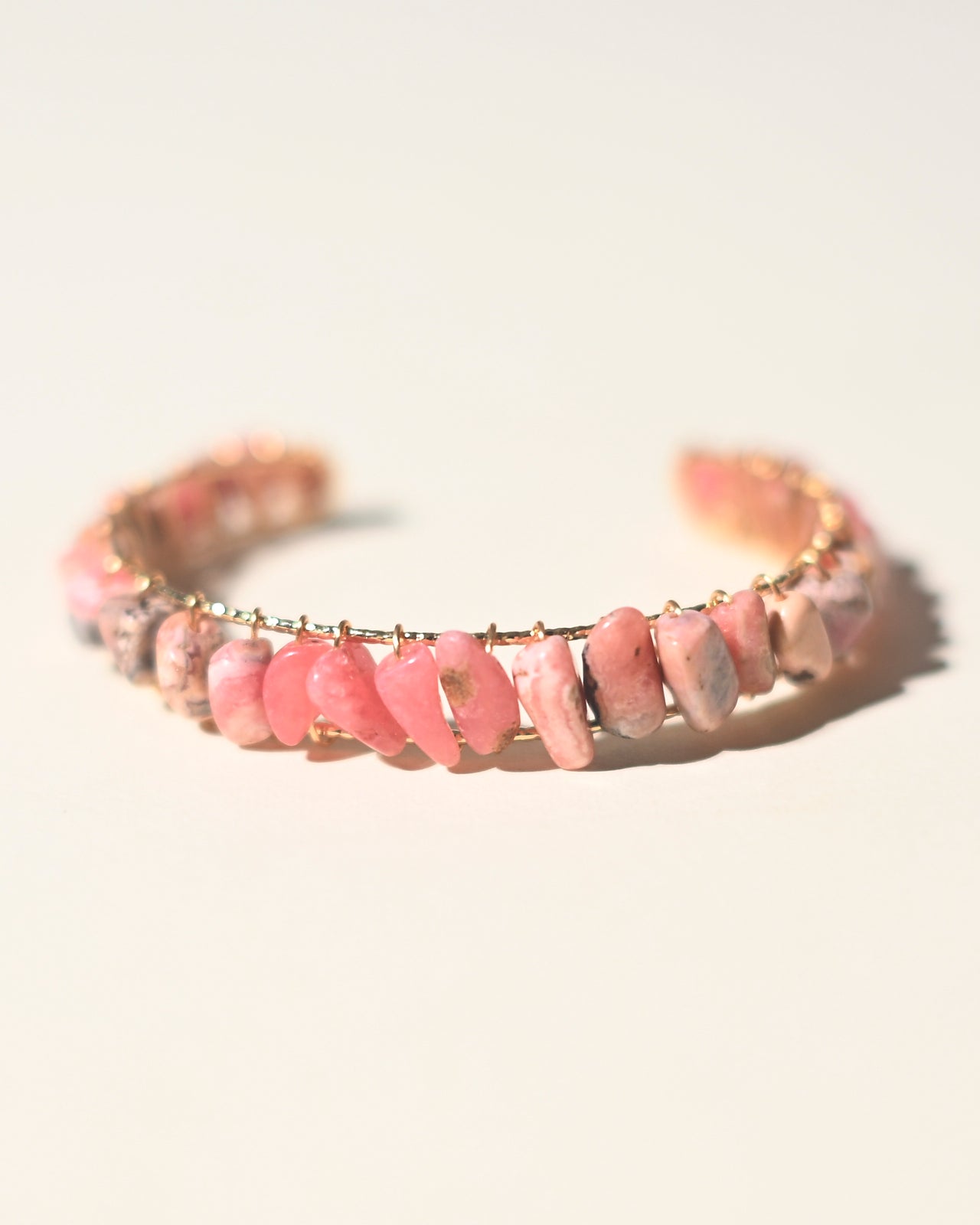
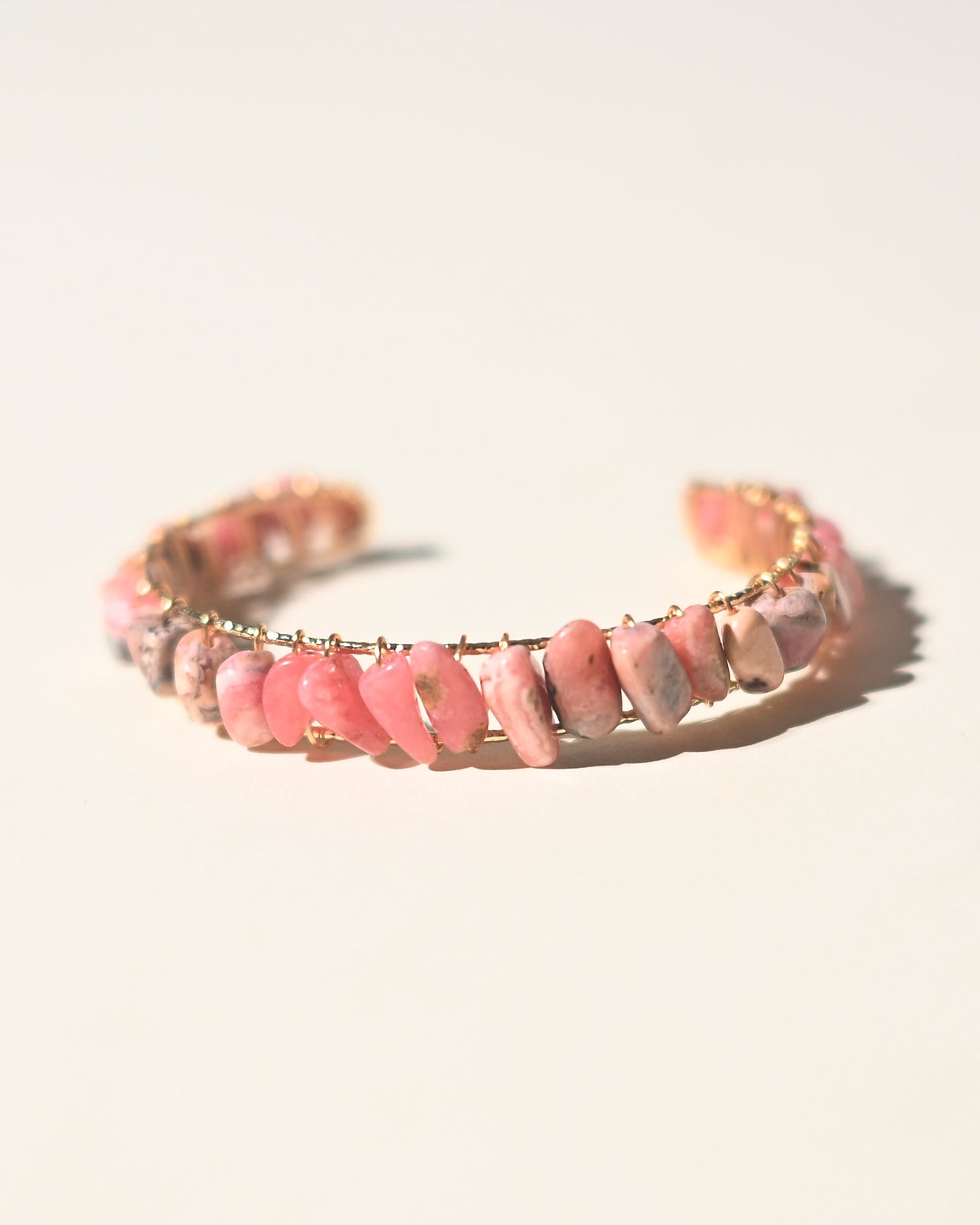
Beautiful! The size of each rock is perfect!

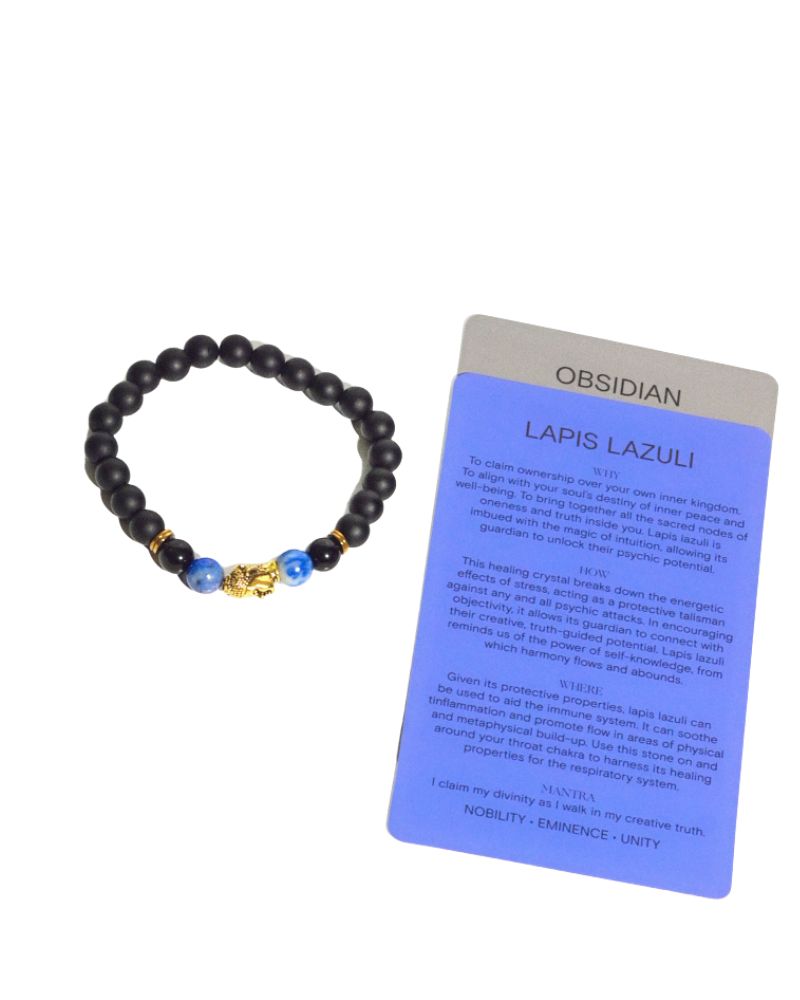
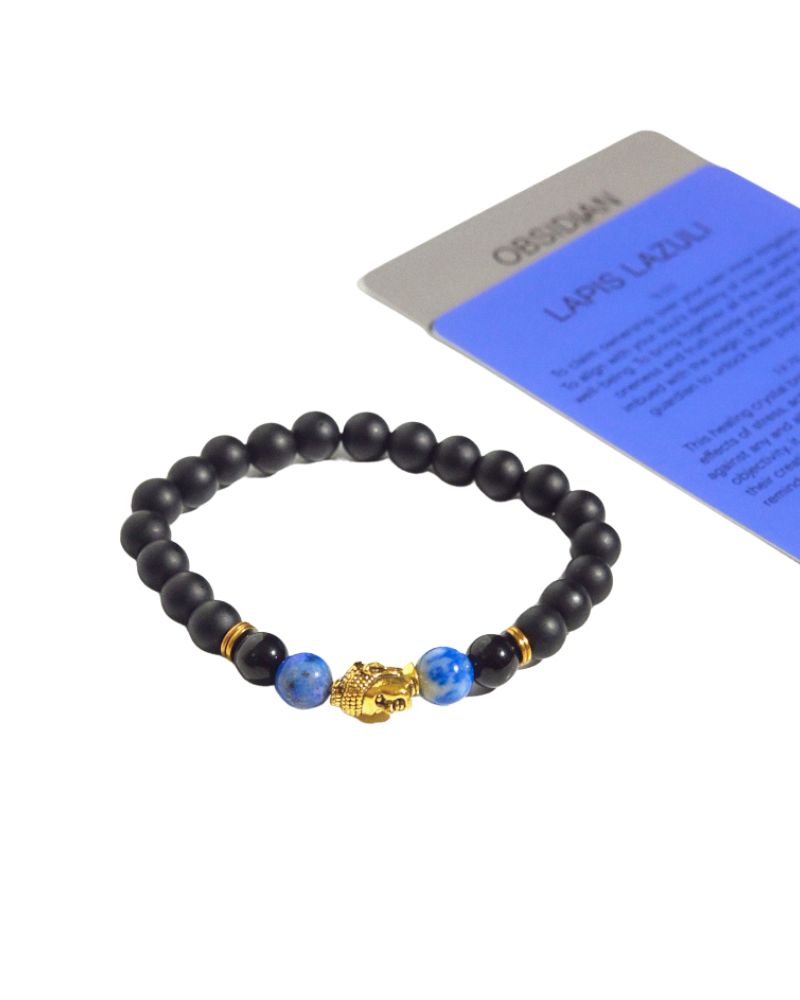
Beautiful piece. Just as described

Amazing looks better in person

I love it but it could have been a little bigger

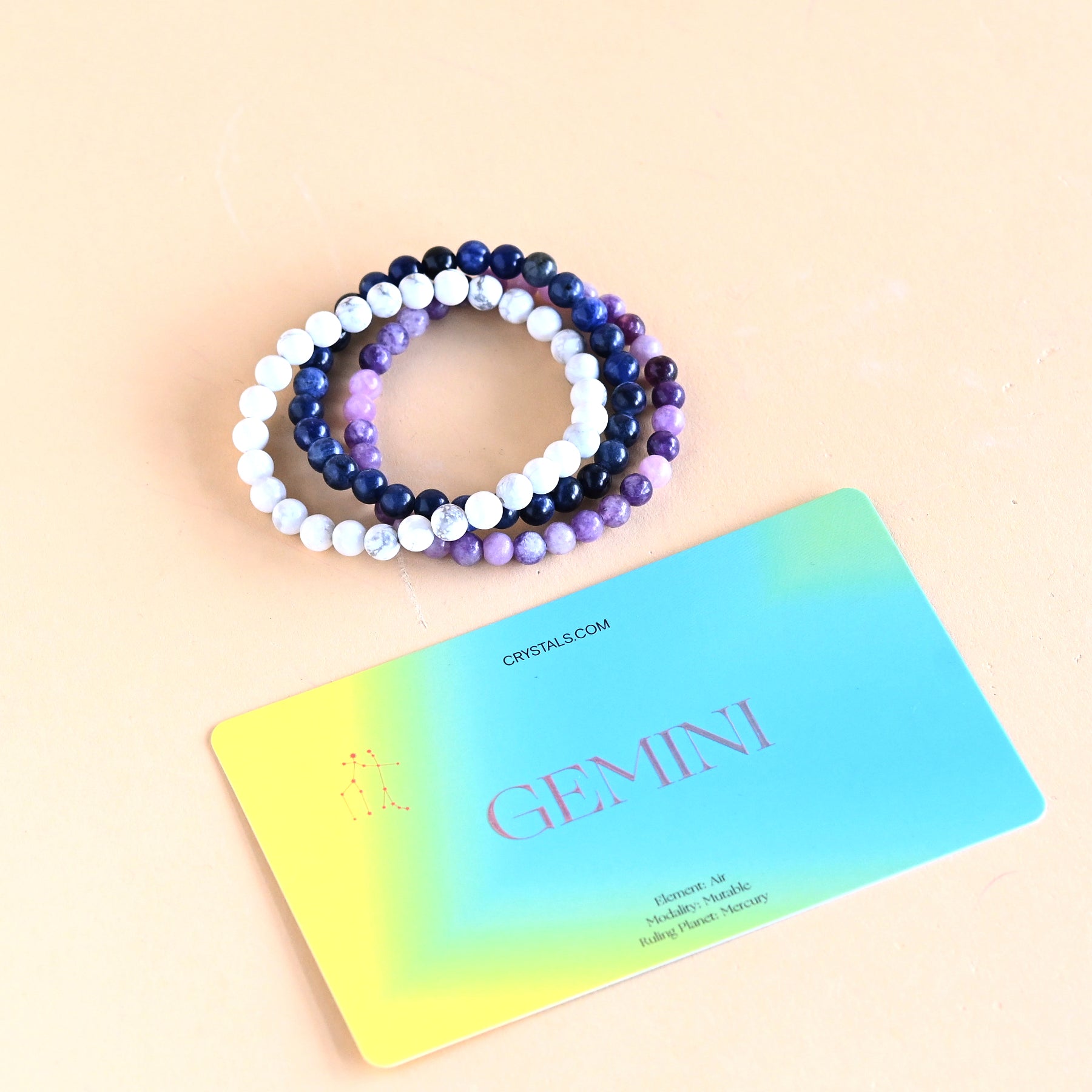
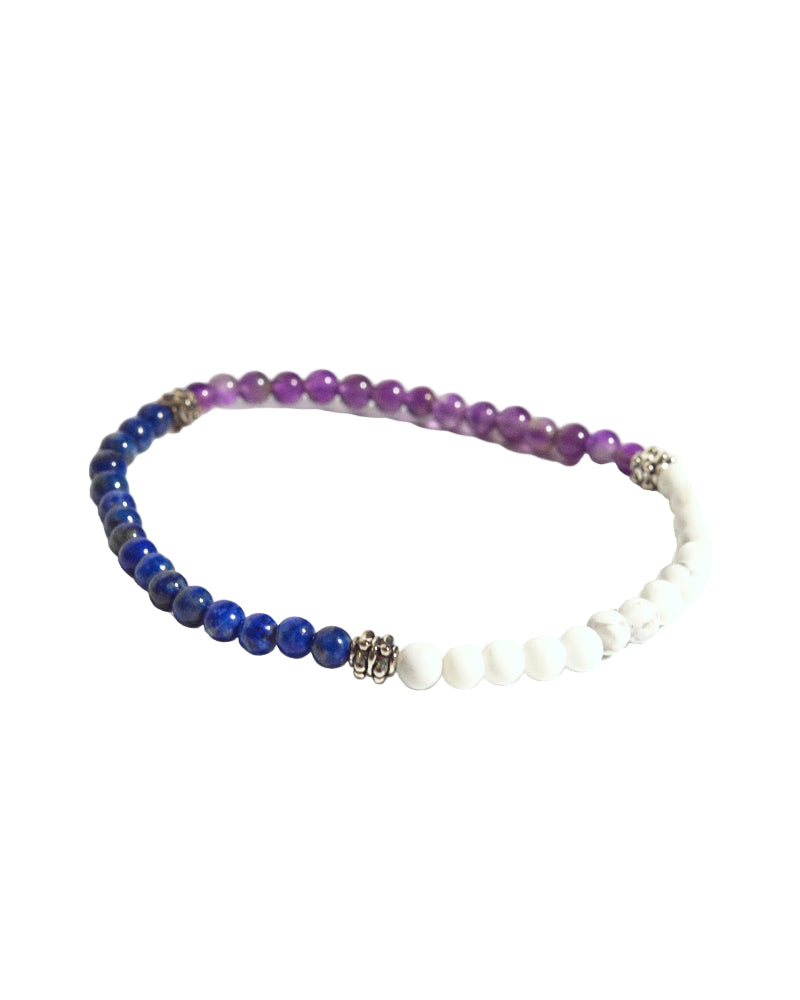
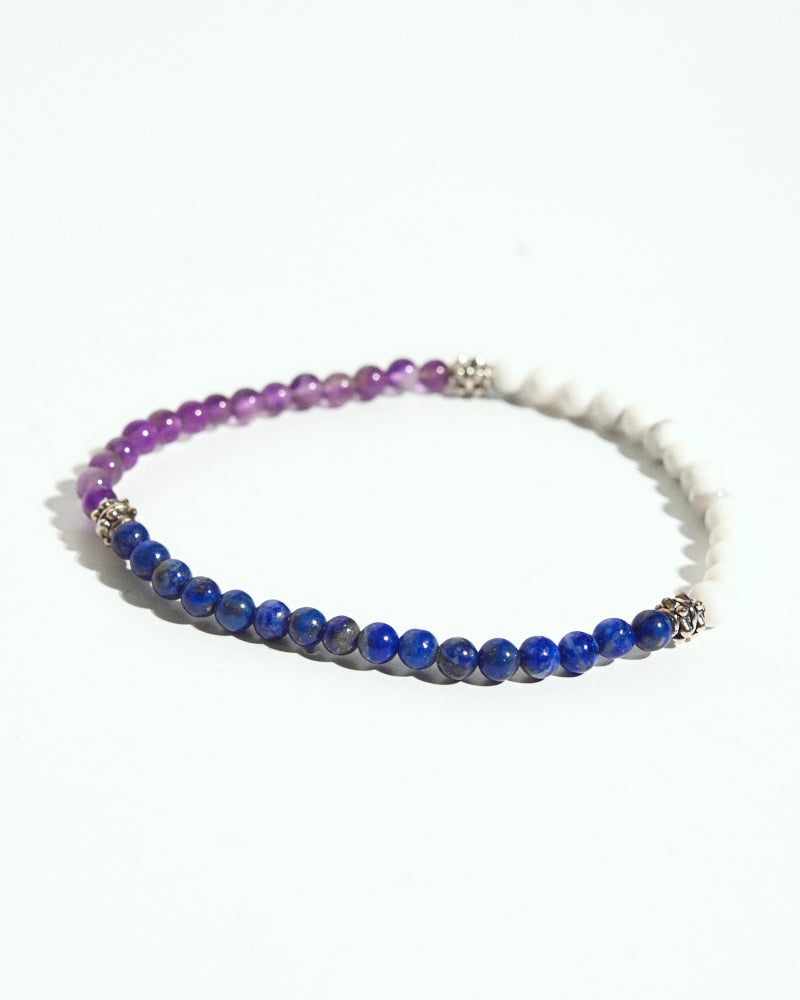
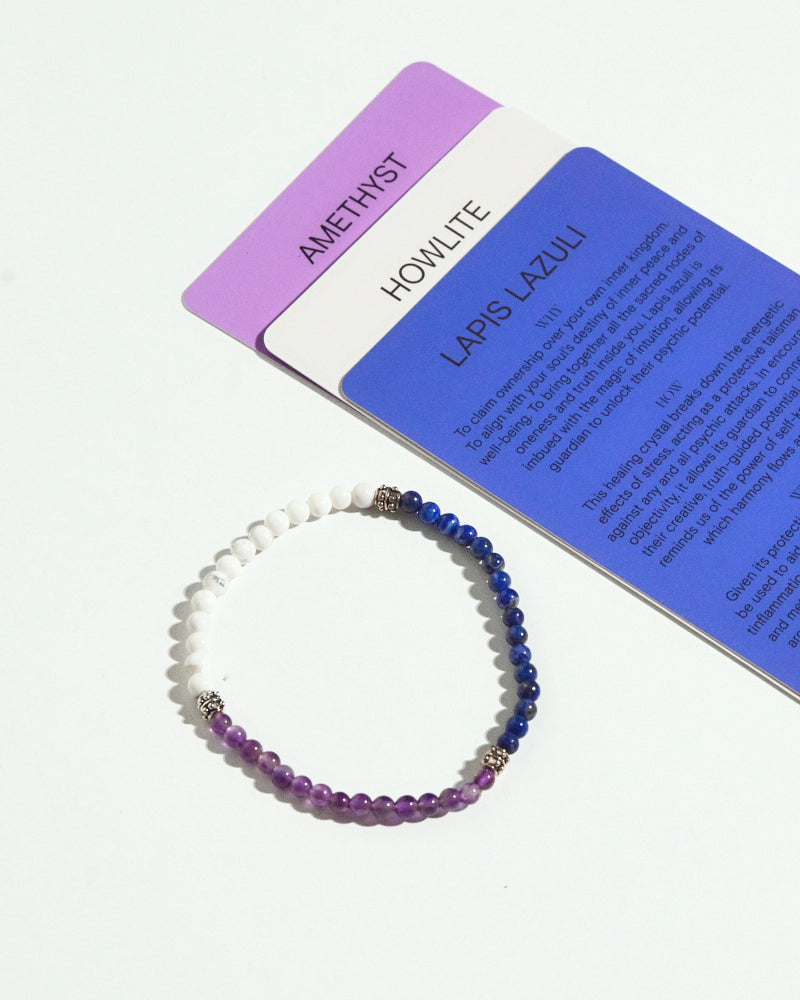
Enjoyed and appreciated by person who received it. The three types of stones look amazing together too!

Very reputable online and they did not disappoint!
Absolutely stunning!

Absolutely stunning!

Absolutely stunning!

Absolutely stunning!

Absolutely stunning!

Absolutely stunning!

Absolutely stunning!

A Sanctuary of Natural Beauty
Every crystal here was discovered by hand, selected with intuition, and photographed in its true light.
One-of-a-Kind. Forever Pieces.
Let the Universe Decide


