Crystals.com
Hematite
Authentic natural minerals, thoughtfully sourced and individually photographed.

Hematite Crystals
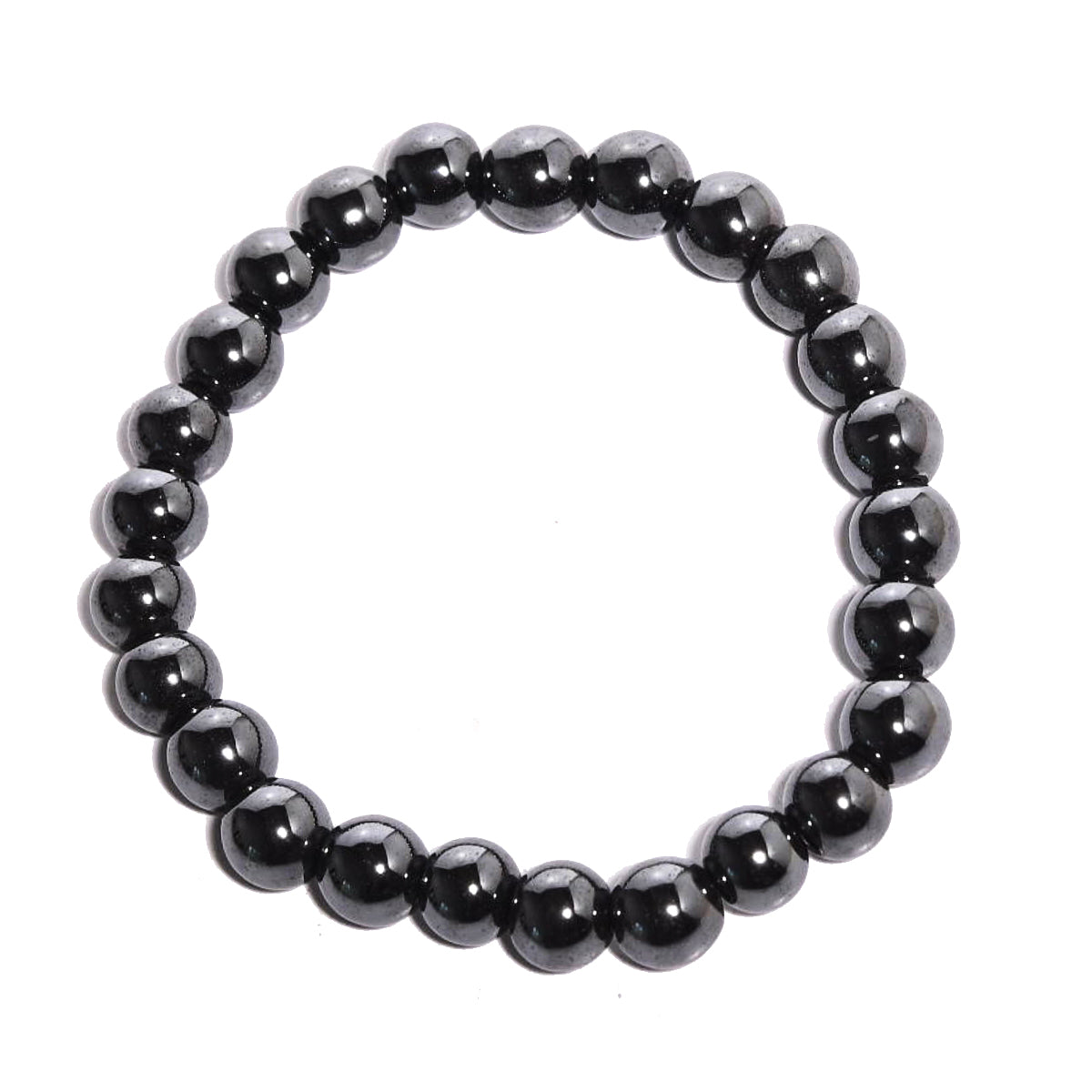
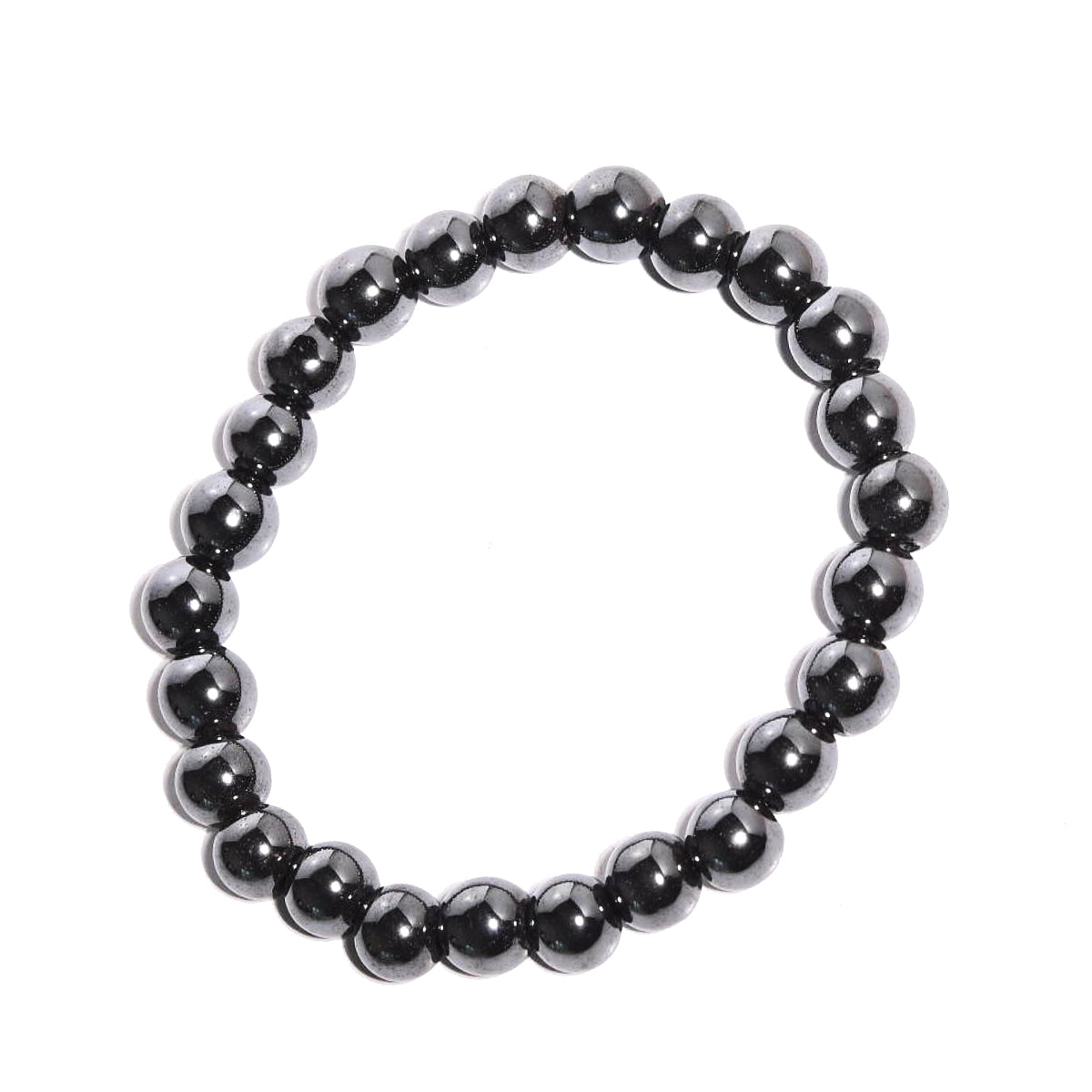
Hematite is an iron oxide mineral (Fe2O3) with a Mohs hardness of 5.5-6.5 and a distinctive metallic-to-submetallic luster when polished. It is one of the most important iron ore minerals on earth and one of the most grounding stones to hold — its high iron content gives it a density that feels noticeably heavier than most stones its size. Polished hematite achieves a mirror-like silver-black finish, while raw specimens often show botryoidal (grape-like) formations.
Despite its silver-black polished appearance, hematite's streak (the color left when scratched across unglazed porcelain) is blood-red — a property that gave the mineral its name, from Greek haima meaning "blood." Major sources include Brazil, Australia, Venezuela, and the Lake Superior region of North America, where banded iron formations (BIFs) hold some of the world's oldest hematite deposits at over 2 billion years old.
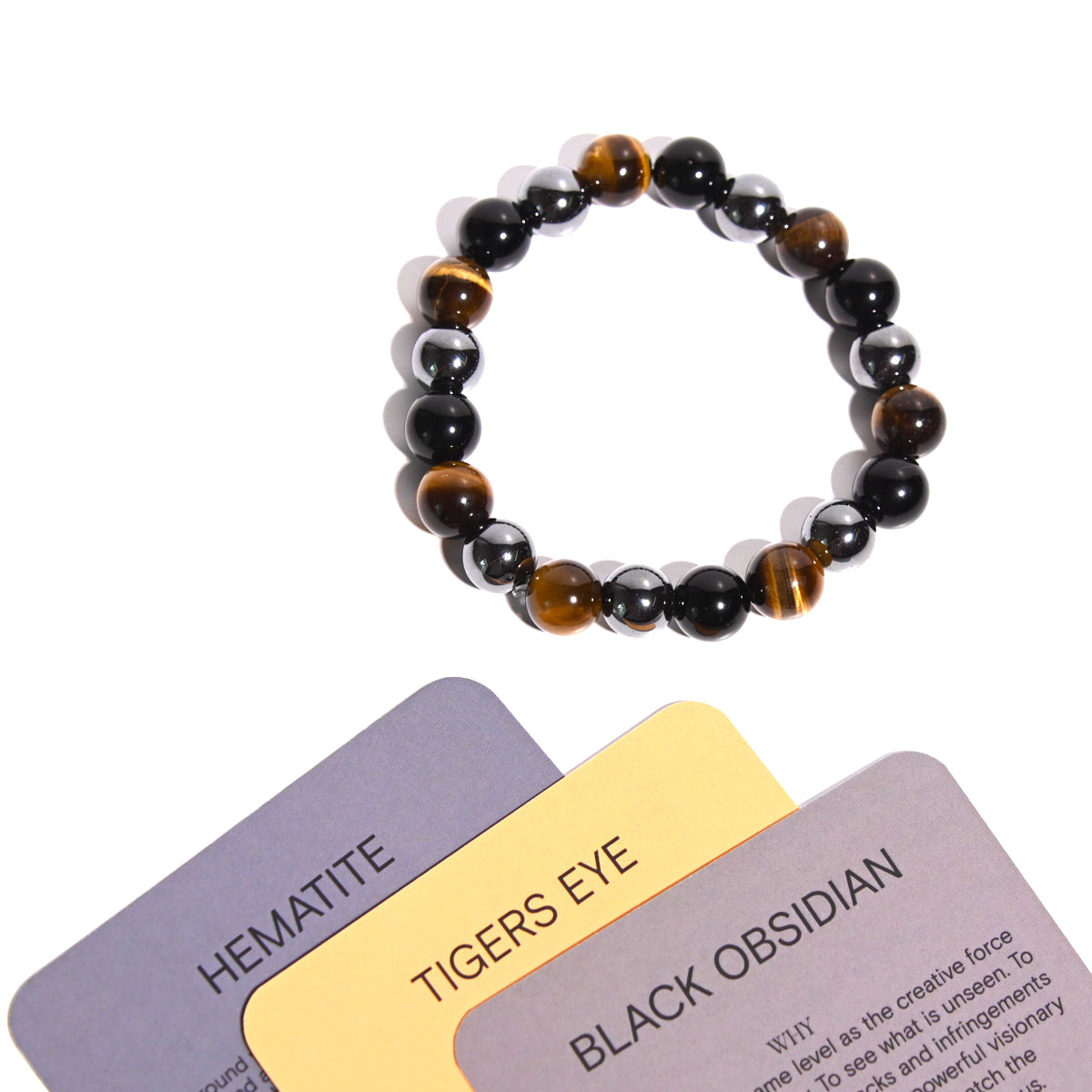
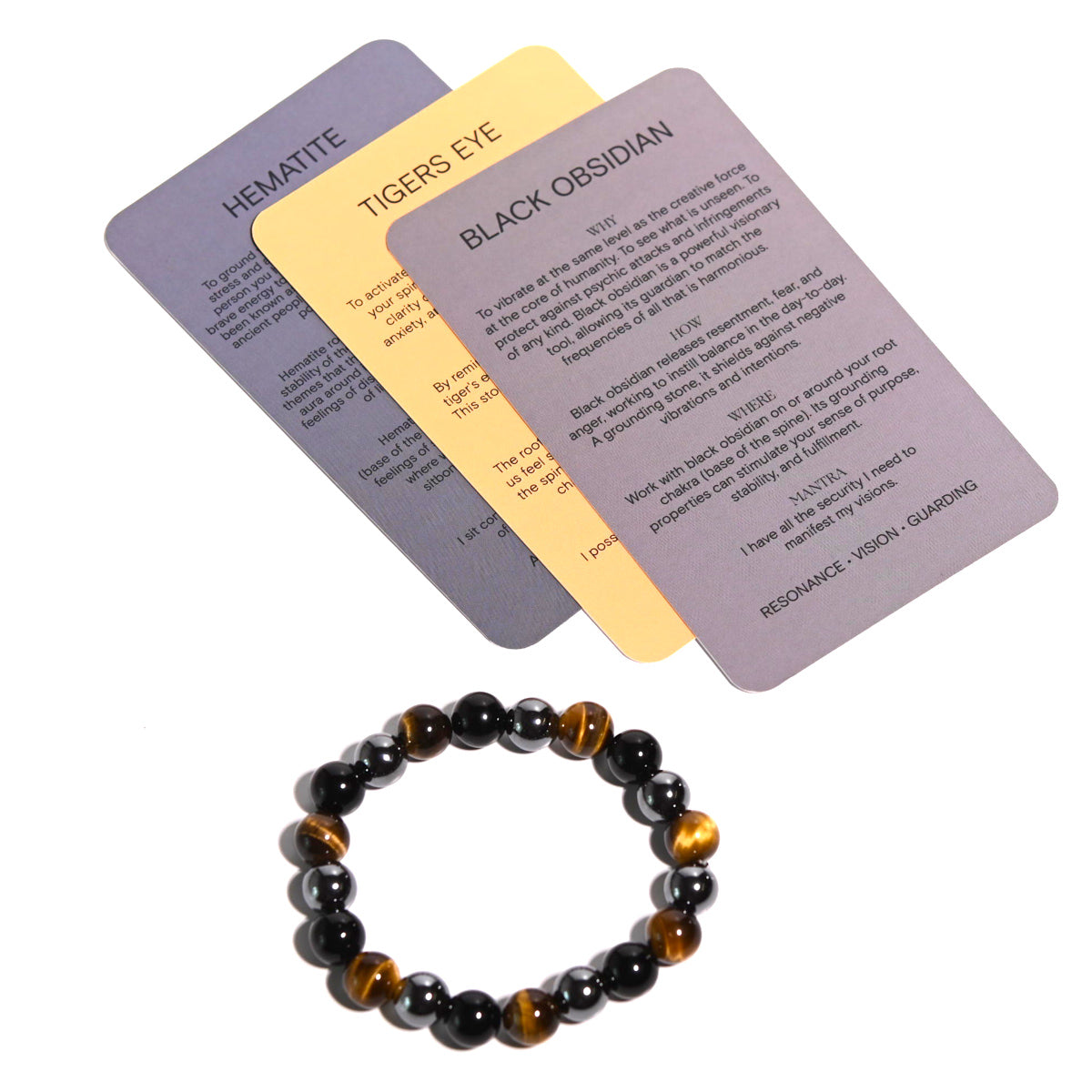
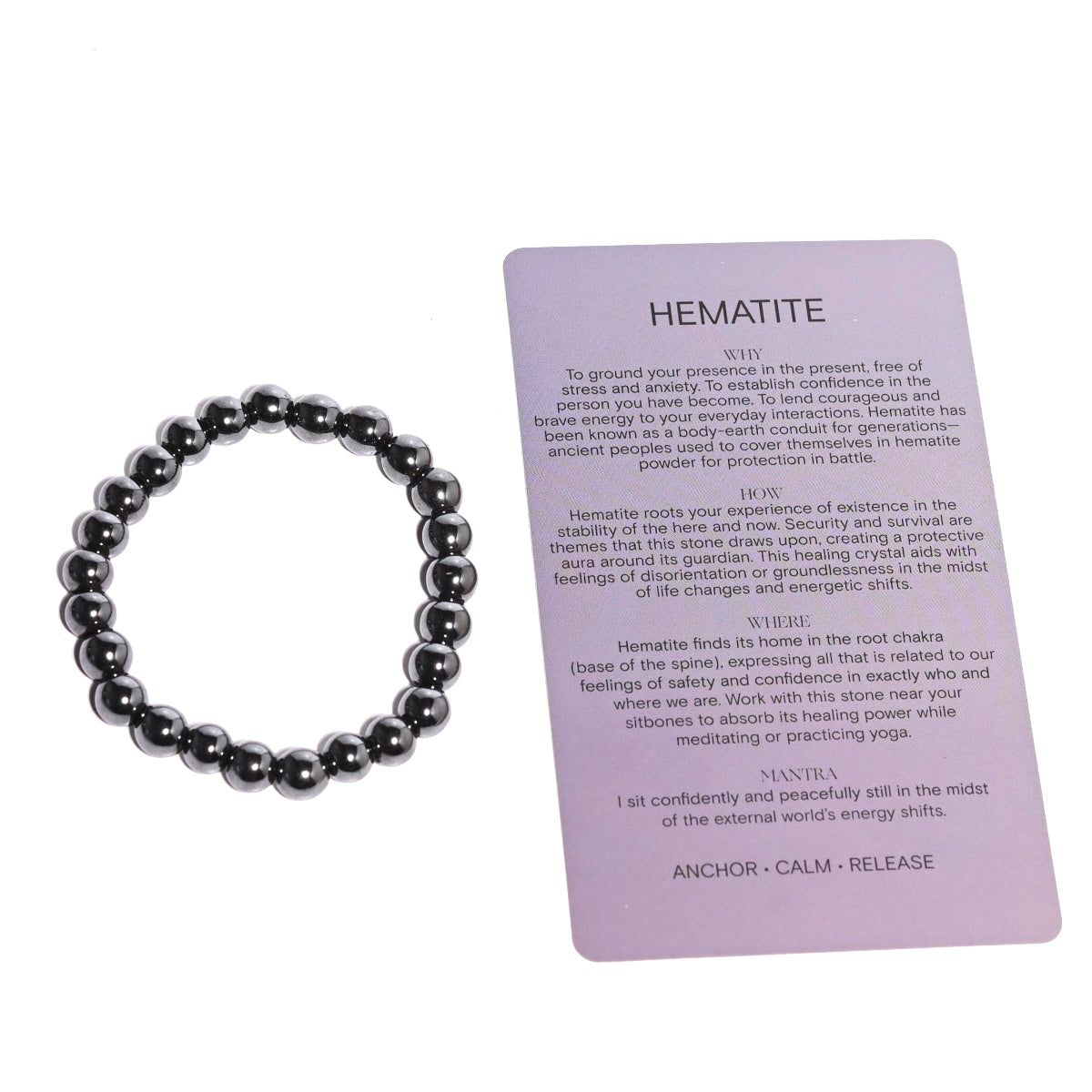
This collection includes polished specimens, tumbled stones, bracelets, palm stones, raw botryoidal specimens, and carved forms. Hematite pairs naturally with black tourmaline, smoky quartz, and obsidian in grounding displays. Browse our grounding crystals or protection crystals collections. Free shipping on all U.S. orders over $150.
Frequently Asked Questions
What is hematite?
Hematite is an iron oxide mineral (Fe2O3) — one of the most abundant minerals on earth and the primary ore of iron. It has a Mohs hardness of 5.5-6.5, a metallic luster when polished, and a distinctive red streak. It forms in sedimentary, metamorphic, and igneous environments and has been used as a pigment (red ochre) since prehistoric times.
Why does hematite feel so heavy?
Hematite has a specific gravity of about 5.3, making it roughly twice as dense as quartz (2.65). This high density comes from its iron content. When you pick up a hematite specimen, the weight is immediately noticeable — it is one of the densest common minerals that collectors regularly handle.
Is hematite magnetic?
Natural hematite is weakly magnetic at best — it is antiferromagnetic, meaning its internal magnetic moments cancel out. "Magnetic hematite" sold in some markets is typically a synthetic material (ceramic barium ferrite) that is not genuine hematite. All hematite at Crystals.com is natural mineral hematite.
How do I care for hematite?
Hematite is moderately hard (Mohs 5.5-6.5) but can rust if left in water for extended periods, as it is an iron compound. Wipe with a dry cloth. Avoid prolonged water exposure, especially for polished pieces where moisture can dull the metallic finish. Store separately from harder minerals that could scratch the polished surface.
What is the difference between hematite and magnetite?
Both are iron oxide minerals but with different chemistry. Hematite is Fe2O3 (iron(III) oxide) with a red streak. Magnetite is Fe3O4 (iron(II,III) oxide) with a black streak and strong natural magnetism. Hematite has a metallic silver luster when polished; magnetite is typically duller and always strongly magnetic. In a crystal collection, hematite is the more visually striking of the two.






Authenticity First


Know your crystal
Hematite
Hematite is crystallized iron oxide — polish it and it shines like gunmetal, but scratch it across unglazed ceramic and the streak is blood red. That's where the name comes from: haima, Greek for blood. The same mineral, as fine dust, is what makes Mars the Red Planet.
Let customers speak for us
Purchased a dozen Tourmaline, loved them. And, each was beautifully wrapped and intentional. It even came with a sweet note. I would definitely buy again.

Very happy with my stone, better than I expected. Beautiful color and good weight. Definitely would buy again. This is my new go to store for stones

Love the bracelet! I’ve been looking for a new jade bracelet for a while now and this one is perfect.

The crystal is a bright deep shade of light green just like the picture. Could not be happier.

Perfect for travel

I gave this bracelet to my spouse as a gift. She has worn it 24/7 since the first day of its arrival. She says it is lovely, and she likes the meaning of the stones. She describes the energy of the stones feeling “a nice, peaceful empowerment.” I thank you for offering such wonderful stones! Both items I have bought have exceeded my expectations.

Found exactly what I needed quickly and I appreciated that the price was reasonable.
I purchased this as a gift for a friend. I was with her when her former obsidian stone broke. It is beautiful and she loved it. The price was perfect.

I love this bracelet! I wear it everyday and feel strong and energized.
I like it so cute🥰🥰🥰

Very very pleased with the quality of the minerals. Packaging and service are excellent. You can see the care that goes into every order.
Fantastic! I really love the pyrite I got. It's got great shine and faceting. The crystals are a great size relative to the overall piece.

Beautiful, Great color and clarity. I was really pleased with it.

My shopping experience could not have been better. All I need now is more money to buy the beautiful items on her site.
This cluster has absolutely amazing positive energy. It arrived that way. And it is gorgeous. I had been searching for “the right” citrine crystal for over a year. This cluster has exceeded all expectations. Brittany has been fabulous too. All my experiences with crystals.com have been positive.

A Sanctuary of Natural Beauty
Every crystal here was discovered by hand, selected with intuition, and photographed in its true light.
One-of-a-Kind. Forever Pieces.
Let the Universe Decide


