Crystals.com
Lapis Lazuli Crystals
Authentic natural minerals, thoughtfully sourced and individually photographed.

Lapis Lazuli
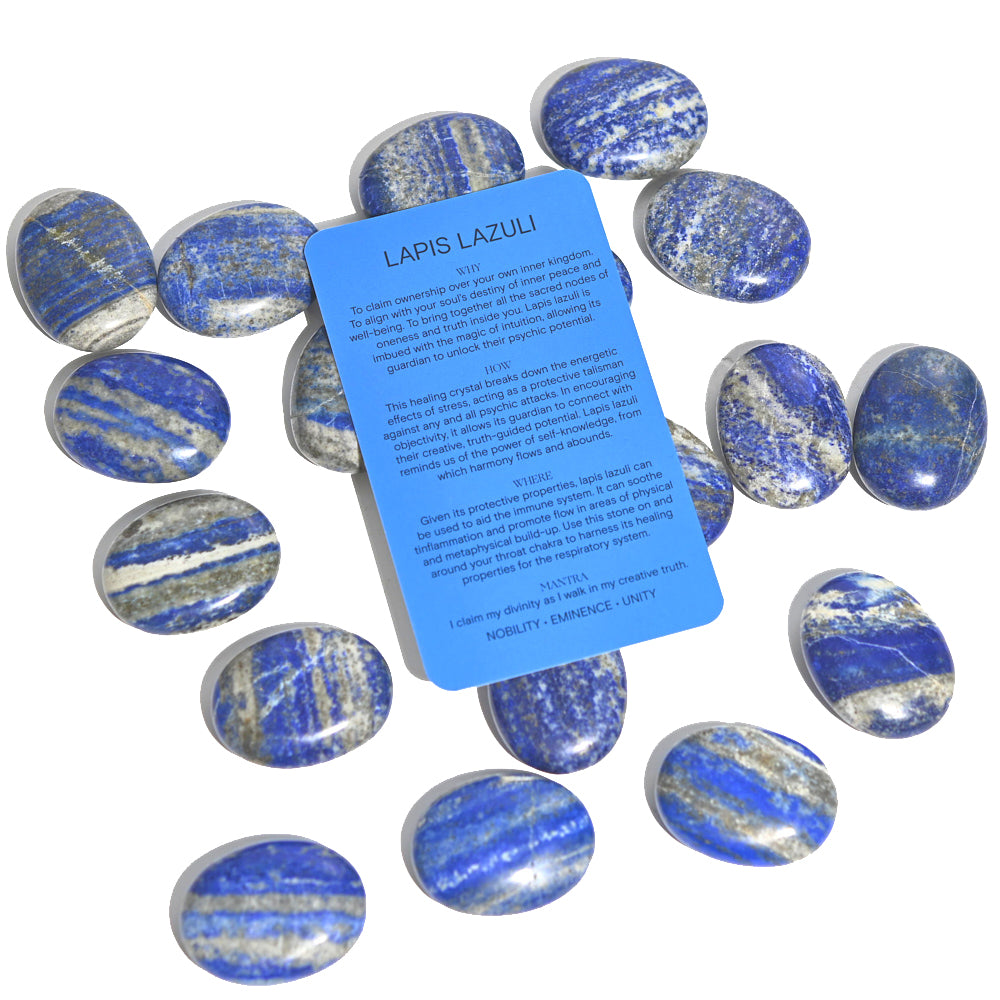
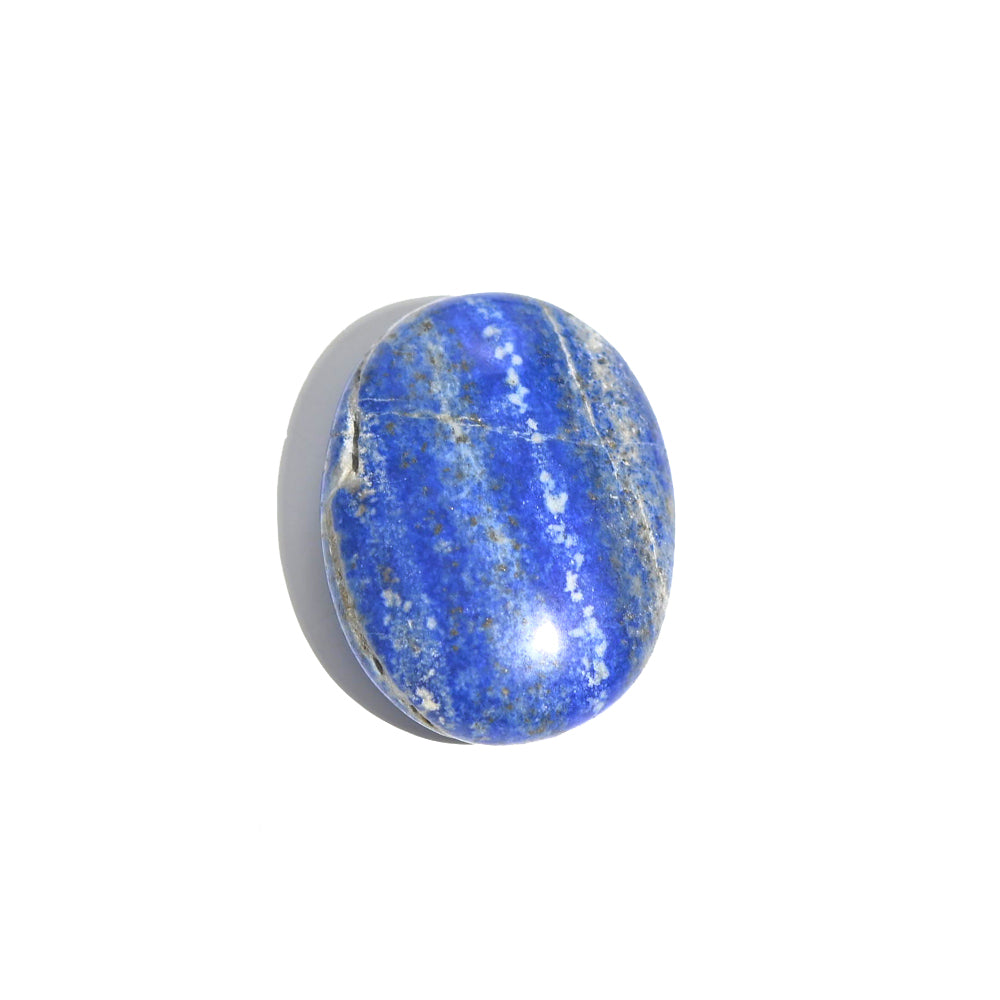
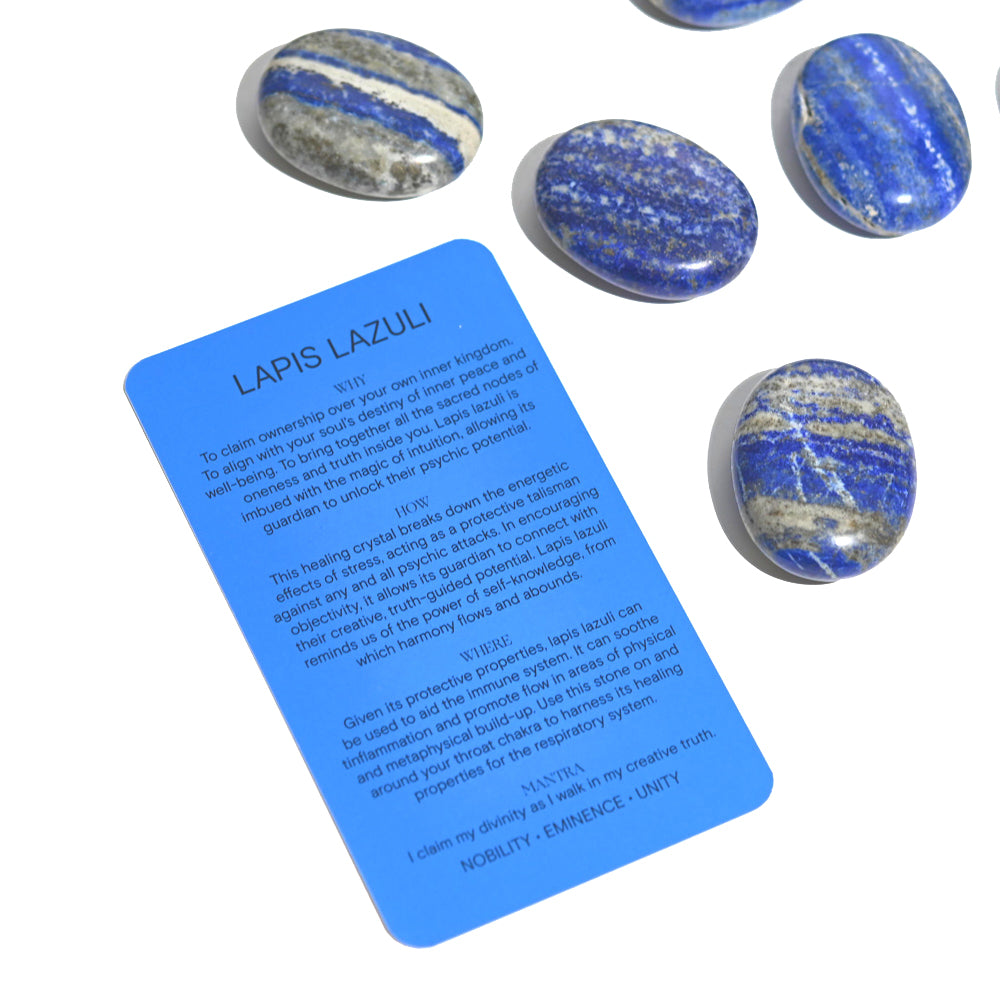
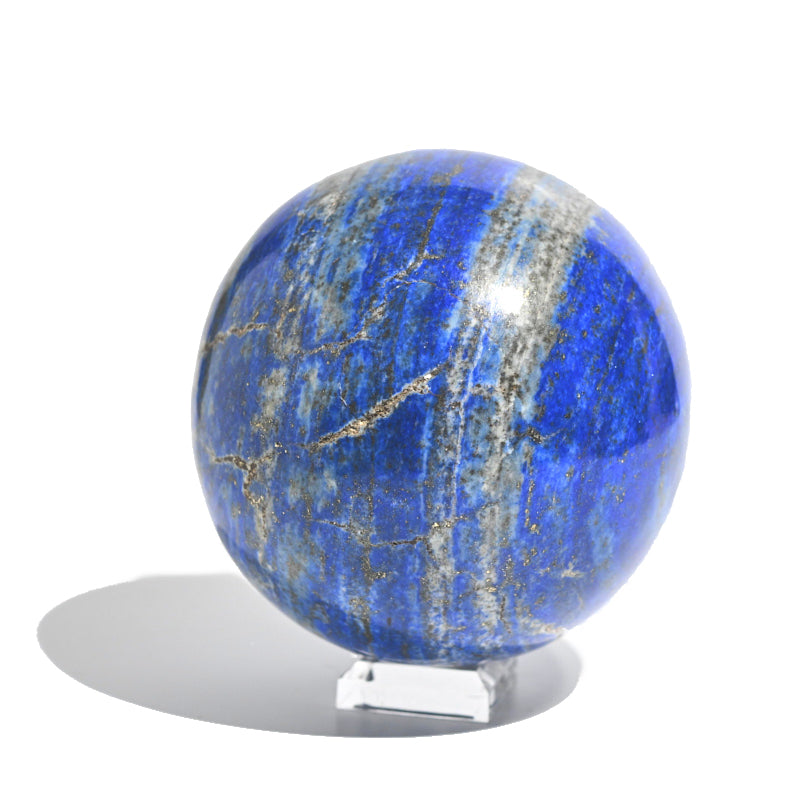
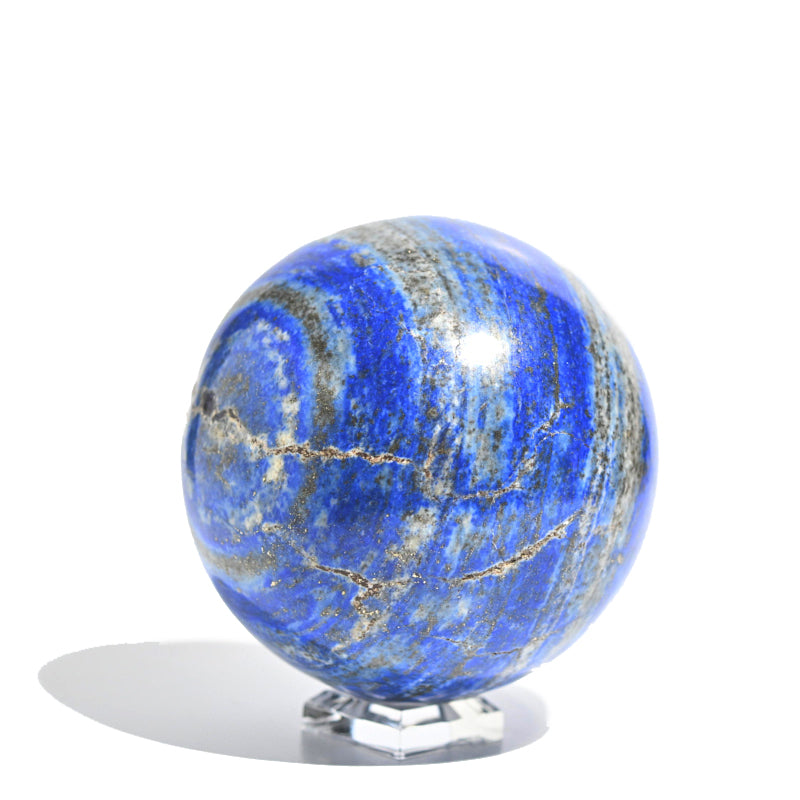
Lapis lazuli is a deep blue metamorphic rock prized for thousands of years as a gemstone, pigment, and symbol of royalty. Composed primarily of lazurite — with varying amounts of calcite, pyrite, and sodalite — lapis lazuli owes its rich, saturated color to sulfur within the lazurite crystal structure. Ancient Egyptians carved it into scarabs and inlaid it into the funeral mask of Tutankhamun; Renaissance painters ground it into ultramarine, the most expensive pigment of its era.
The finest lapis lazuli in the world comes from the Badakhshan province of Afghanistan, where it has been mined for over 6,000 years. Every piece in our collection is hand-selected for color saturation, minimal calcite veining, and attractive pyrite flecks. We carry raw lapis lazuli specimens, polished freeforms, towers, spheres, and cabochon-cut pieces. For blue mineral comparisons, see our sodalite, kyanite, and labradorite collections. Free shipping on orders $150+.
Frequently Asked Questions
What is lapis lazuli made of?
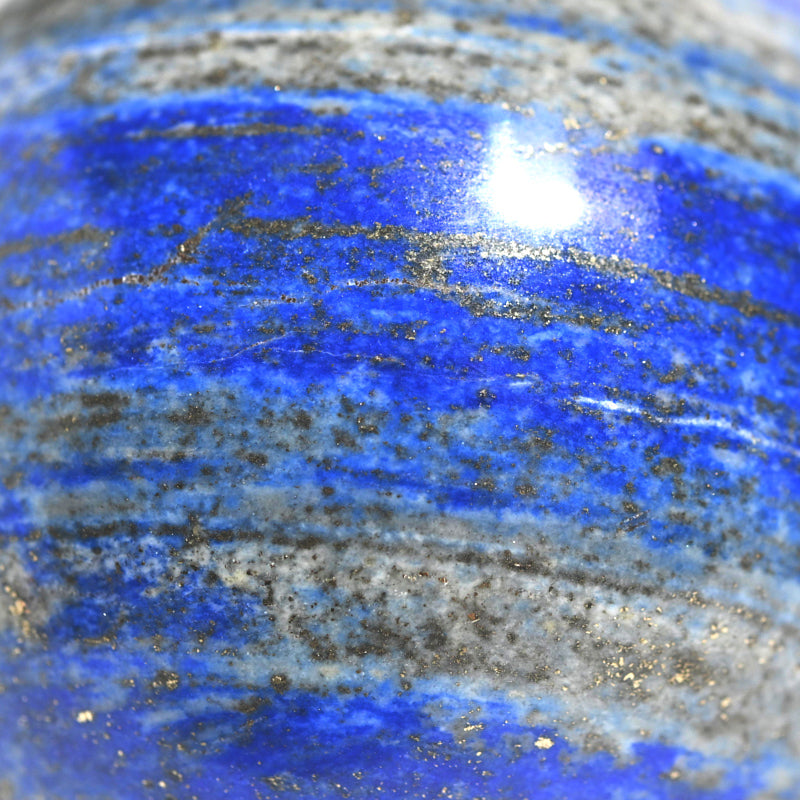
Lapis lazuli is a metamorphic rock — not a single mineral — composed primarily of lazurite (the blue component), calcite (white veining), pyrite (golden metallic flecks), and sometimes sodalite. The finest specimens have deep, uniform blue with minimal calcite and attractive pyrite inclusions.
Where does lapis lazuli come from?
The highest-quality lapis lazuli comes from the Sar-i Sang mines in Badakhshan, Afghanistan — the same source used by ancient Egyptians and Renaissance painters. Other sources include Chile (lighter blue with more calcite), Russia (Lake Baikal region), and smaller deposits in Pakistan, Canada, and Myanmar.
Why does lapis lazuli have gold flecks?
The golden flecks in lapis lazuli are pyrite (iron sulfide, FeS₂) — the same mineral known as fool's gold. Pyrite forms naturally within the lazurite matrix during metamorphism. A moderate sprinkling of pyrite is considered desirable and adds visual depth to the blue. Too much pyrite or calcite reduces the stone's value.
How do I tell real lapis from fake?
Genuine lapis lazuli has a Mohs hardness of 5–6, feels cool and dense, and shows natural variations in color. Dyed howlite or jasper (common fakes) often have overly uniform color and dye concentrated in surface cracks. Real lapis also typically contains visible pyrite flecks — fakes rarely replicate this.
How do I care for lapis lazuli?
Lapis rates 5–6 on the Mohs scale, making it softer than quartz. Store separately from harder minerals. Clean with a dry or slightly damp soft cloth — avoid chemicals, ultrasonic cleaners, and prolonged water exposure. Calcite in lapis is acid-sensitive, so keep away from vinegar, citrus, and acidic cleaners.









Authenticity First


Let customers speak for us
I have ordered a lot of pieces from here and they are beautiful and always arrive as described and packed and shipped fast. Always very satisfied with my purchases and appreciate buying from Brittany and her business.
Beautiful piece! Incredible quality and shipped perfectly!

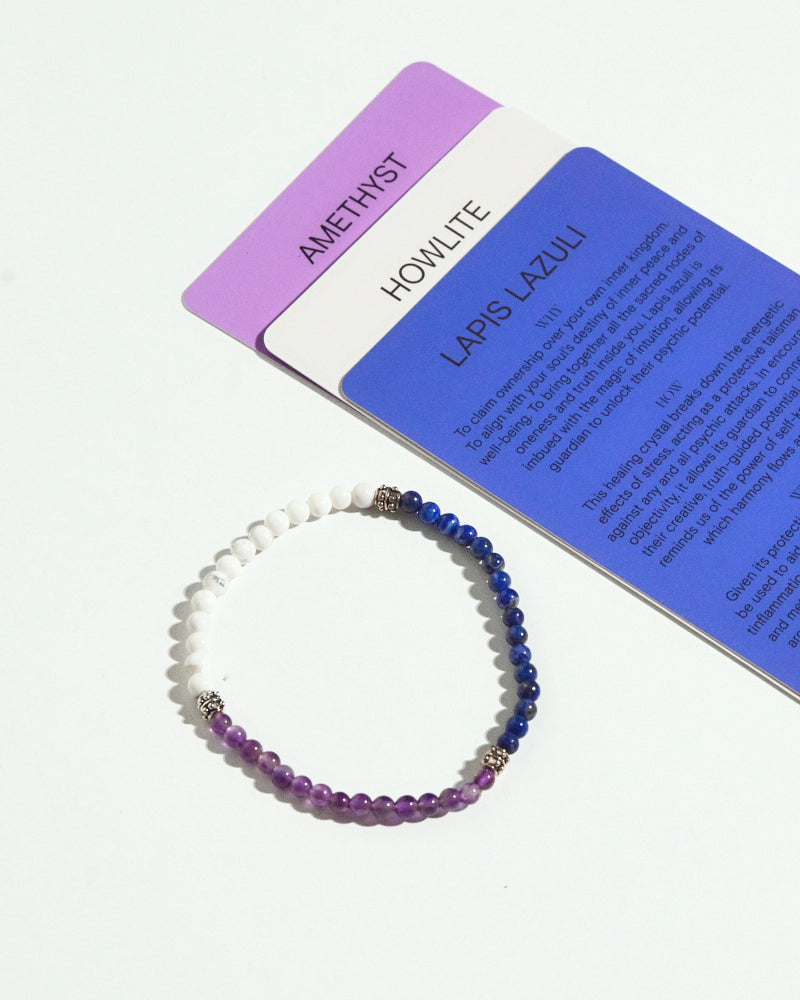
Great quality and I loved the information cards.
Great quality and I loved the information card it came with.

I have purchased several pieces from Crystals.com and keep coming back for more. :) This is my second amethyst piece. The color of the amethyst is a deep purple. Great craftsmanship!!

The smaller bead size was even more beautiful!
Really pretty!

Beautiful! The size of each rock is perfect!

Beautiful piece. Just as described

Amazing looks better in person

I love it but it could have been a little bigger

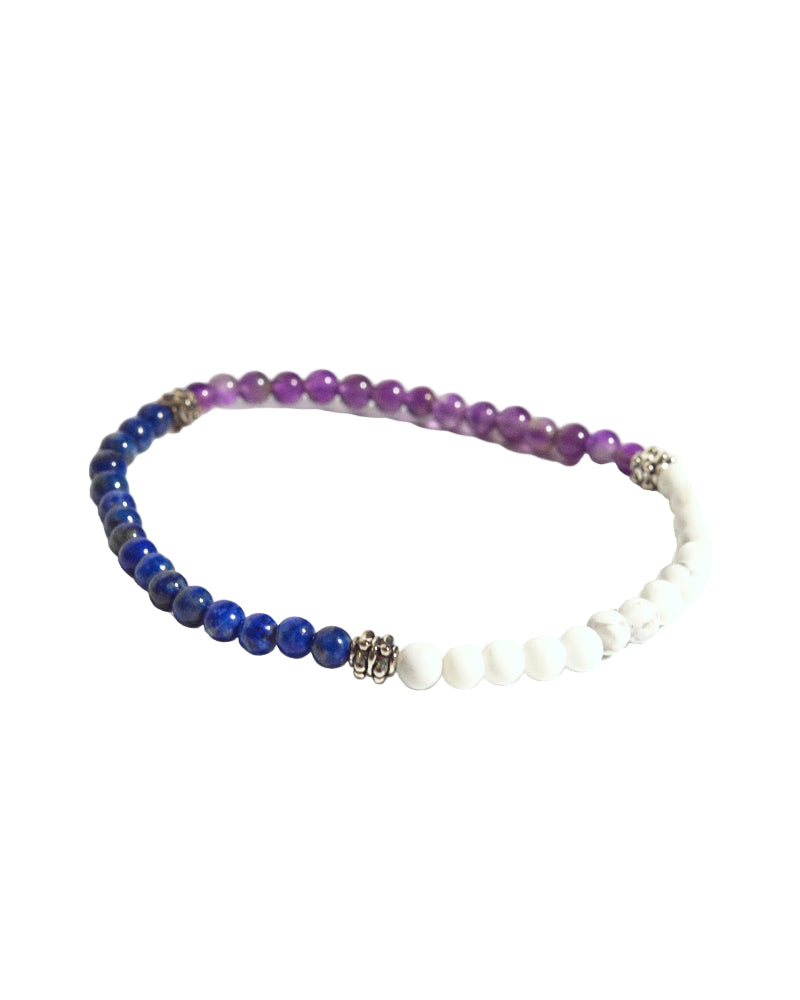
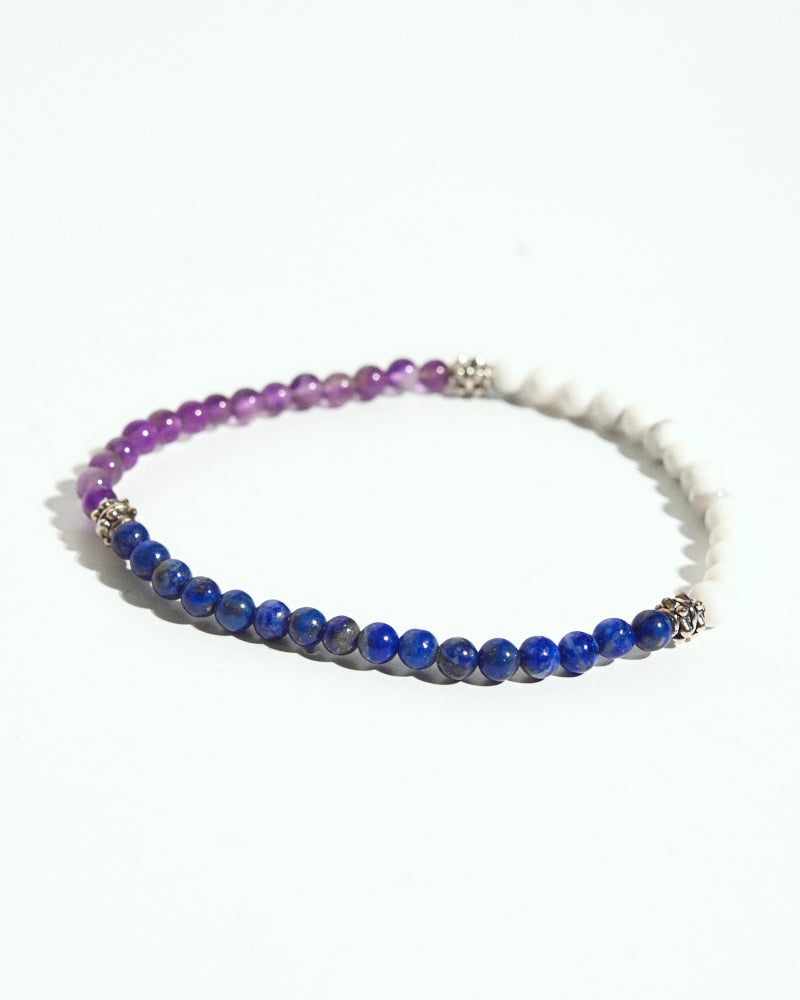
Enjoyed and appreciated by person who received it. The three types of stones look amazing together too!

Very reputable online and they did not disappoint!
Absolutely stunning!

Absolutely stunning!

A Sanctuary of Natural Beauty
Every crystal here was discovered by hand, selected with intuition, and photographed in its true light.
One-of-a-Kind. Forever Pieces.
Let the Universe Decide


