Crystals.com
Shungite
Authentic natural minerals, thoughtfully sourced and individually photographed.

Shungite Crystals
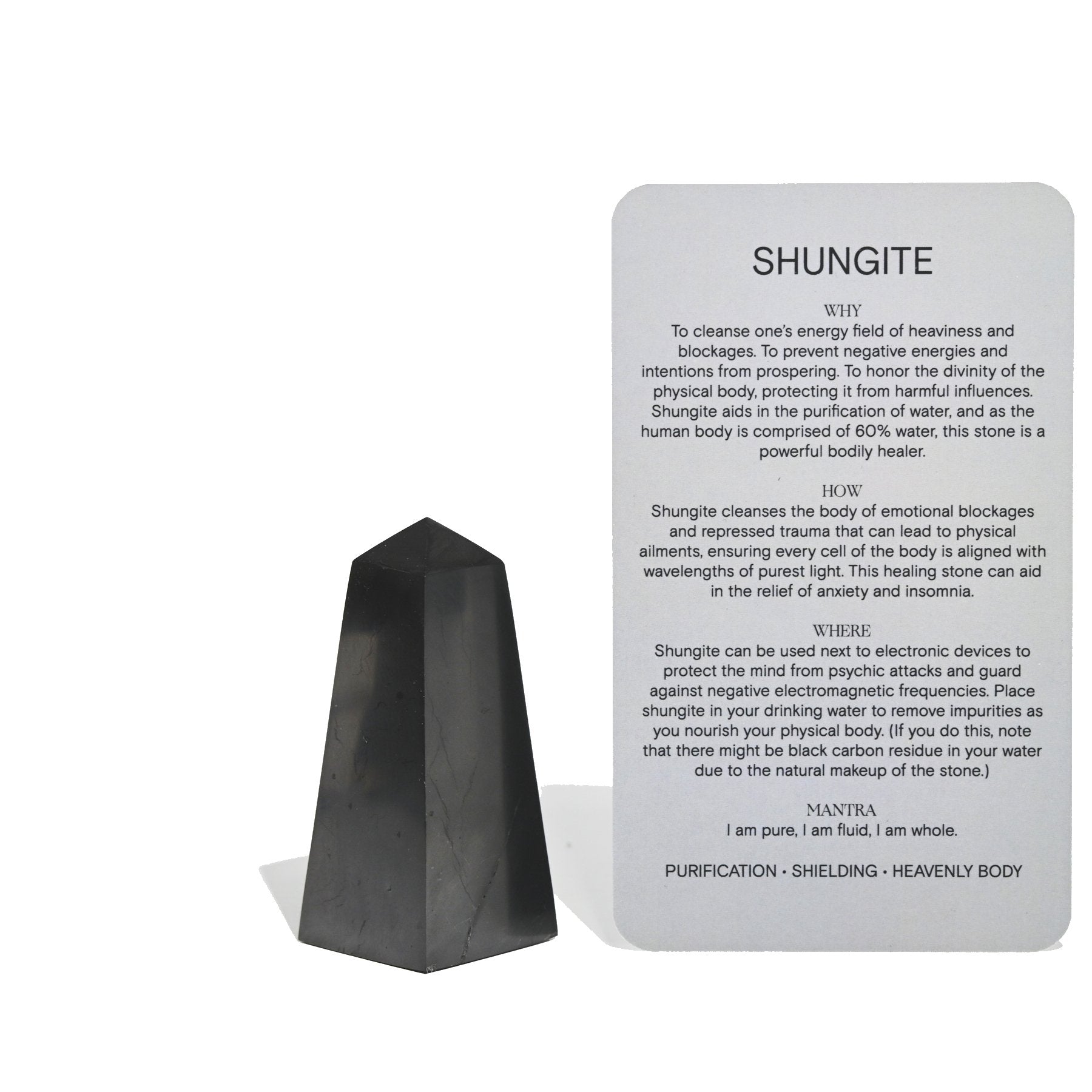
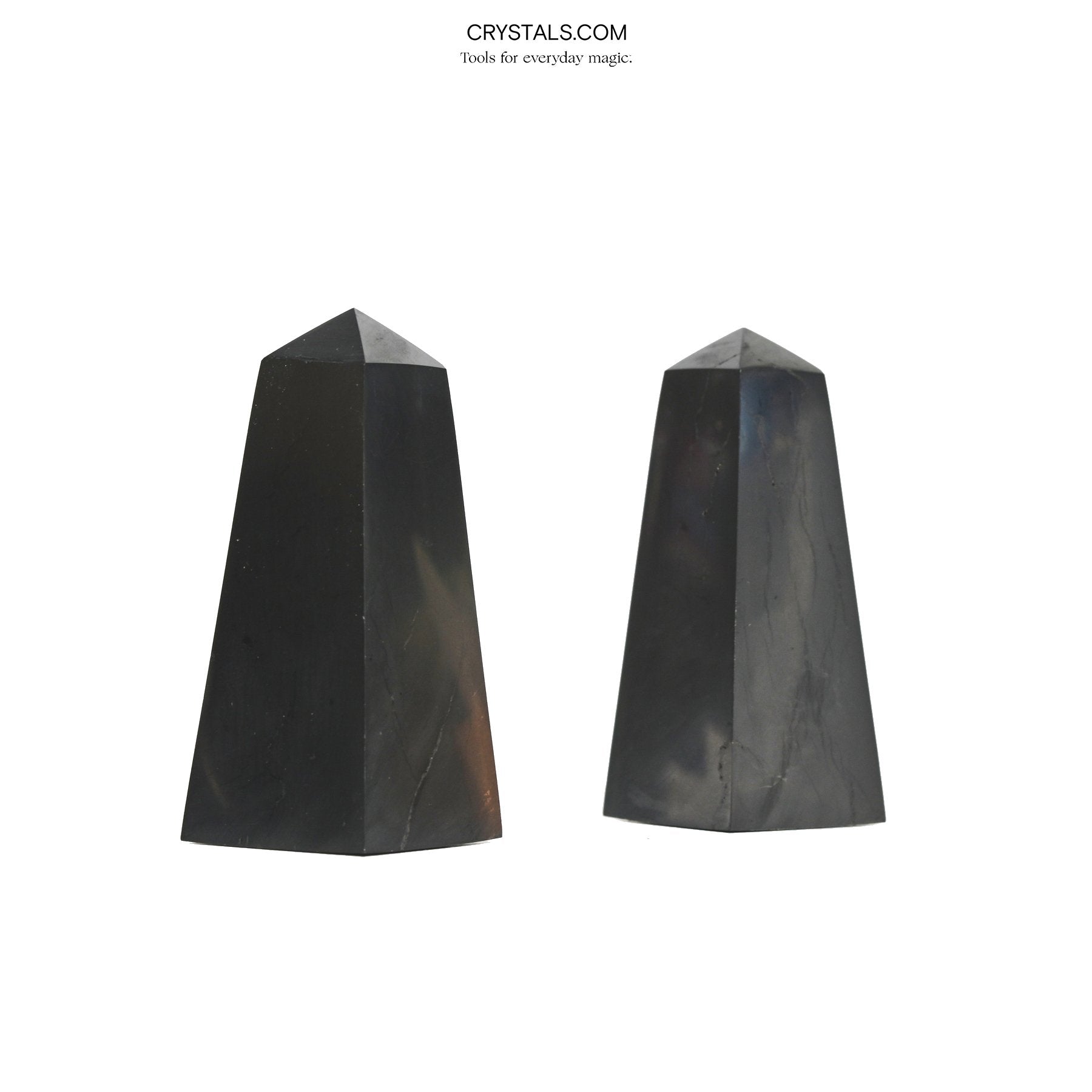
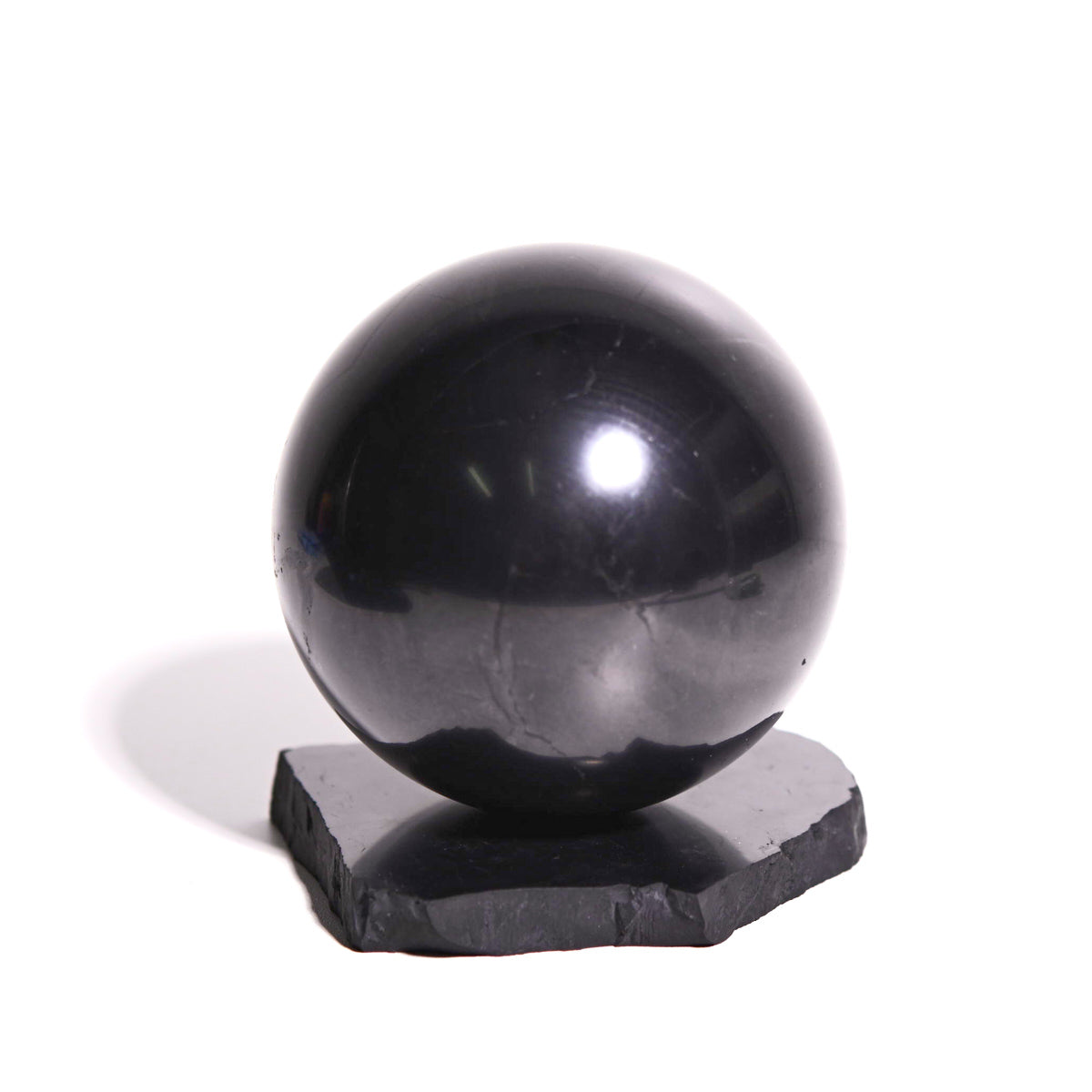
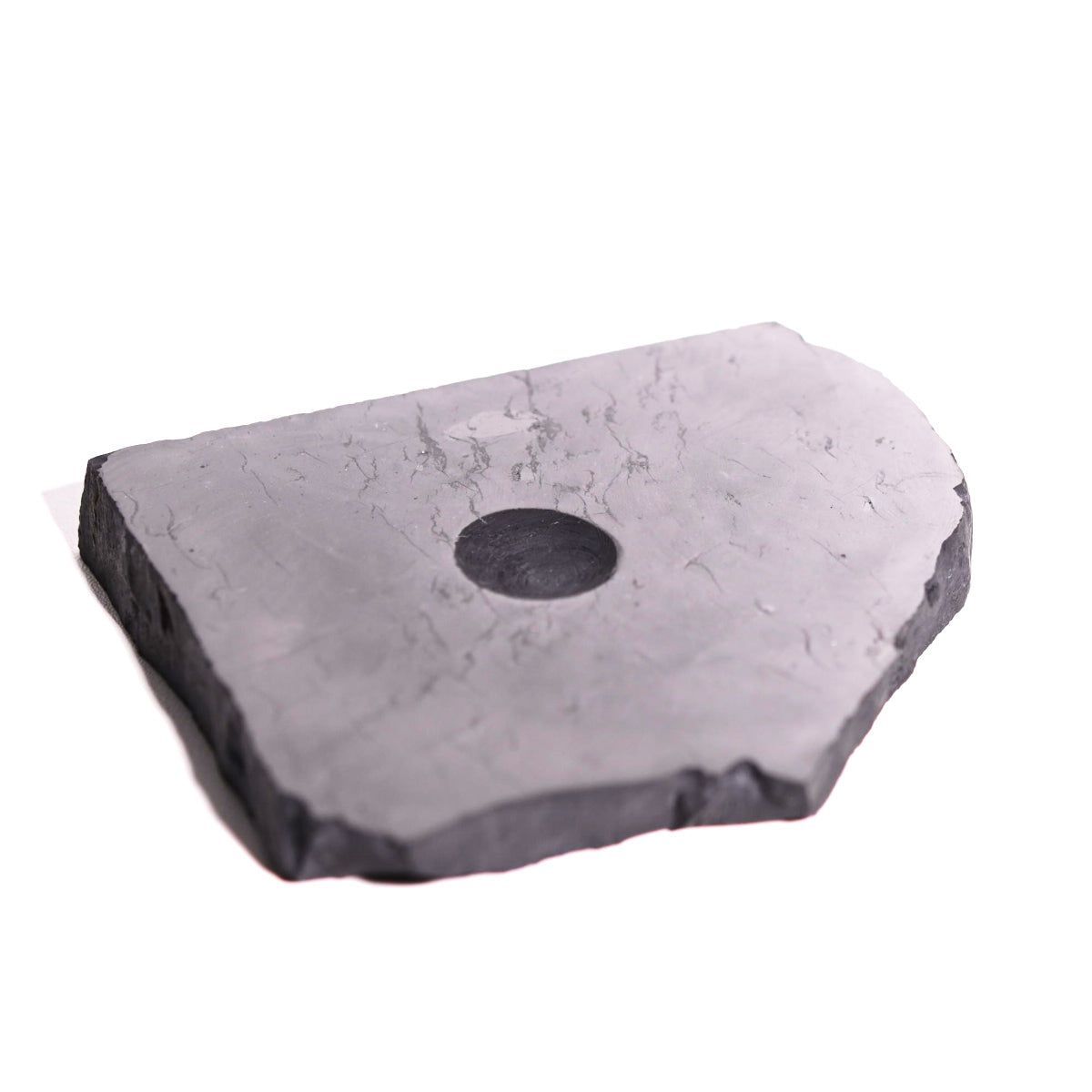
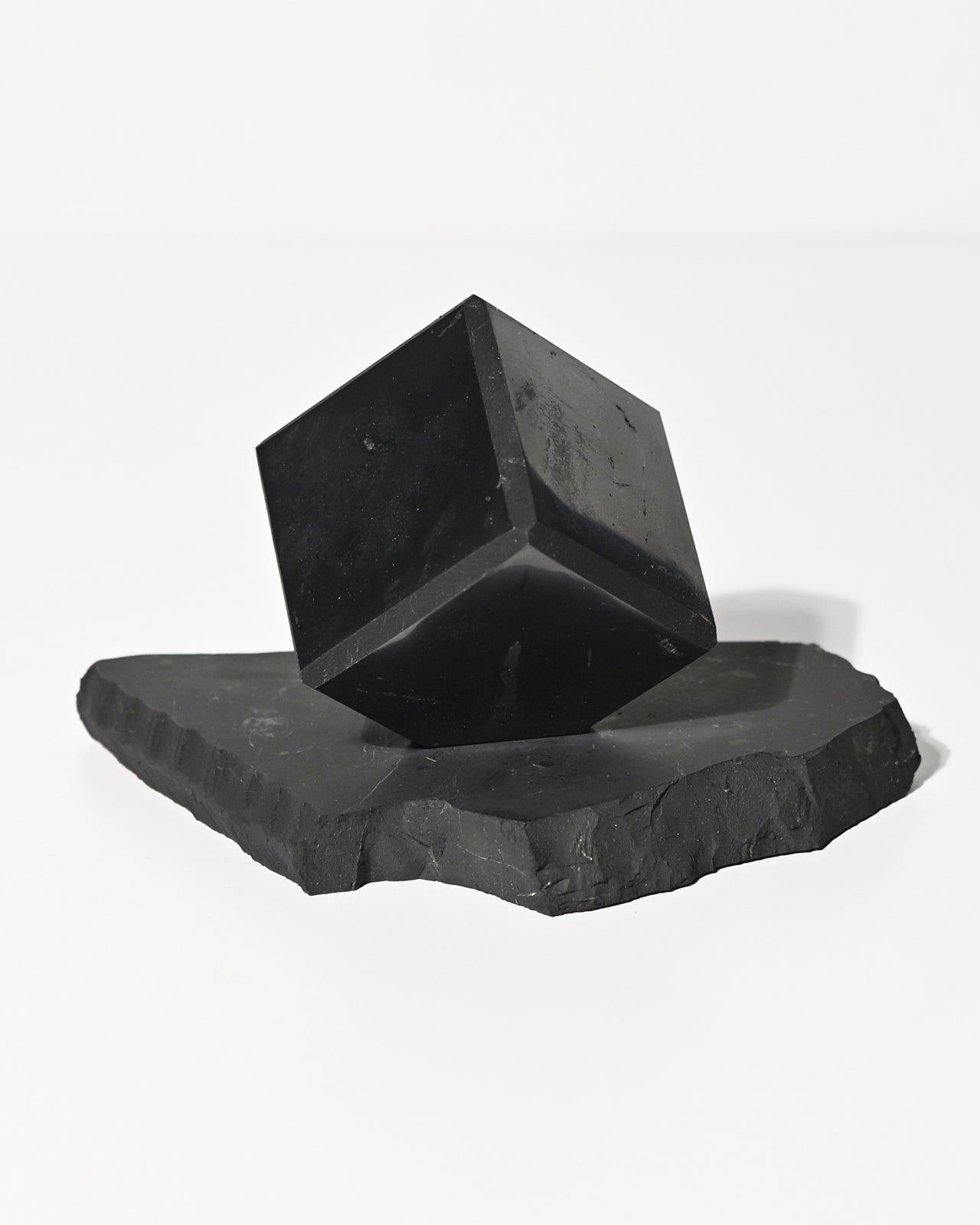
Shungite is a carbon-rich mineraloid found almost exclusively in the Zazhoginsky deposit near Lake Onega in Karelia, Russia. It contains fullerenes — hollow, cage-like carbon molecules that were not synthesized in a laboratory until 1985, yet have existed in this ancient rock for nearly two billion years. Shungite ranges from 30–98% carbon by weight and registers 3.5–4 on the Mohs hardness scale. Its color is a deep, lustrous black with a semi-metallic sheen.
Peter the Great reportedly established a spa at Martial Waters in Karelia that utilized shungite filtration. The distinction between "regular" shungite (30–50% carbon, matte black, can be shaped and polished) and "elite" or "noble" shungite (90–98% carbon, brilliant silvery metallic luster, sold only in raw form) is an important grading consideration for collectors.
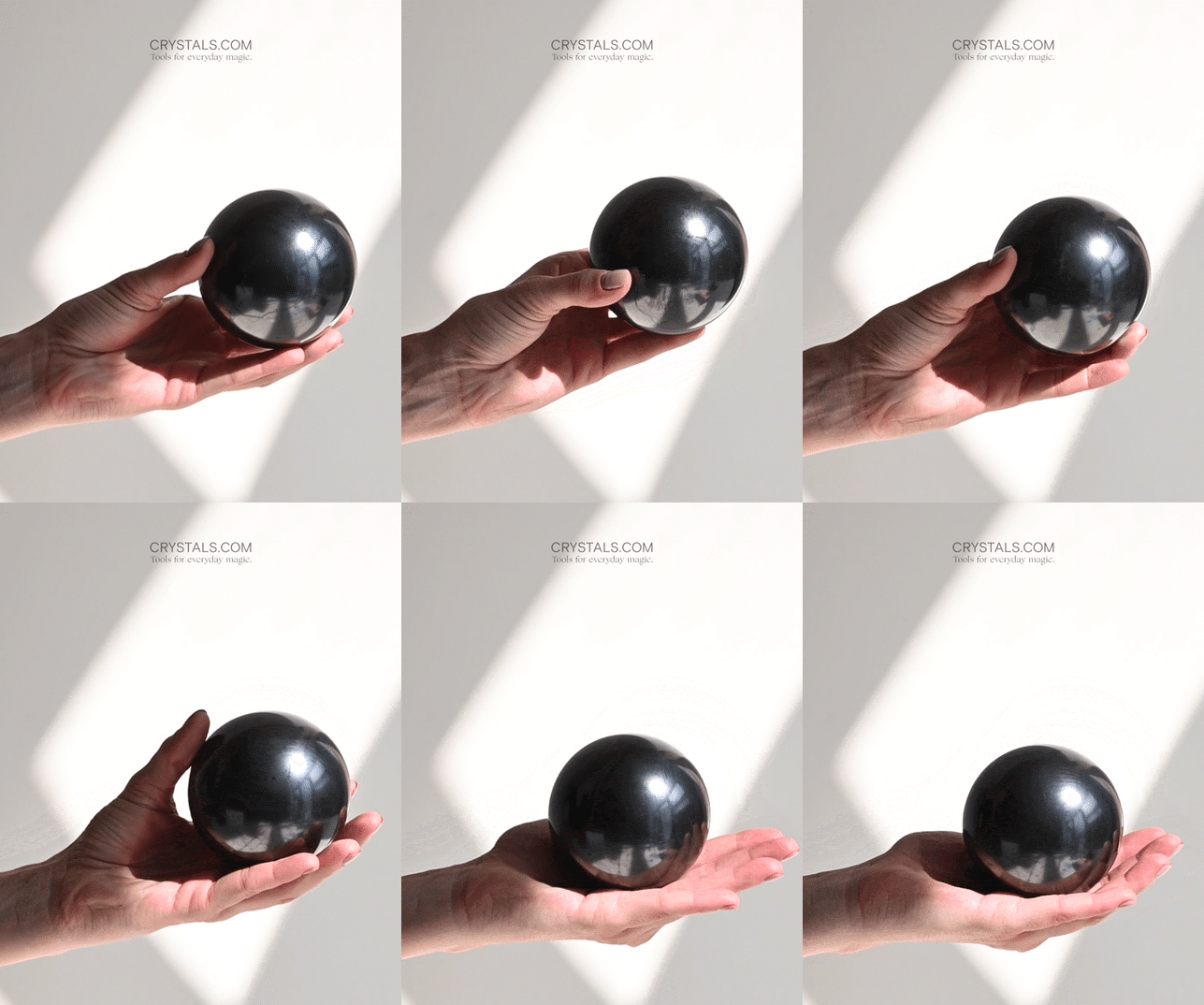
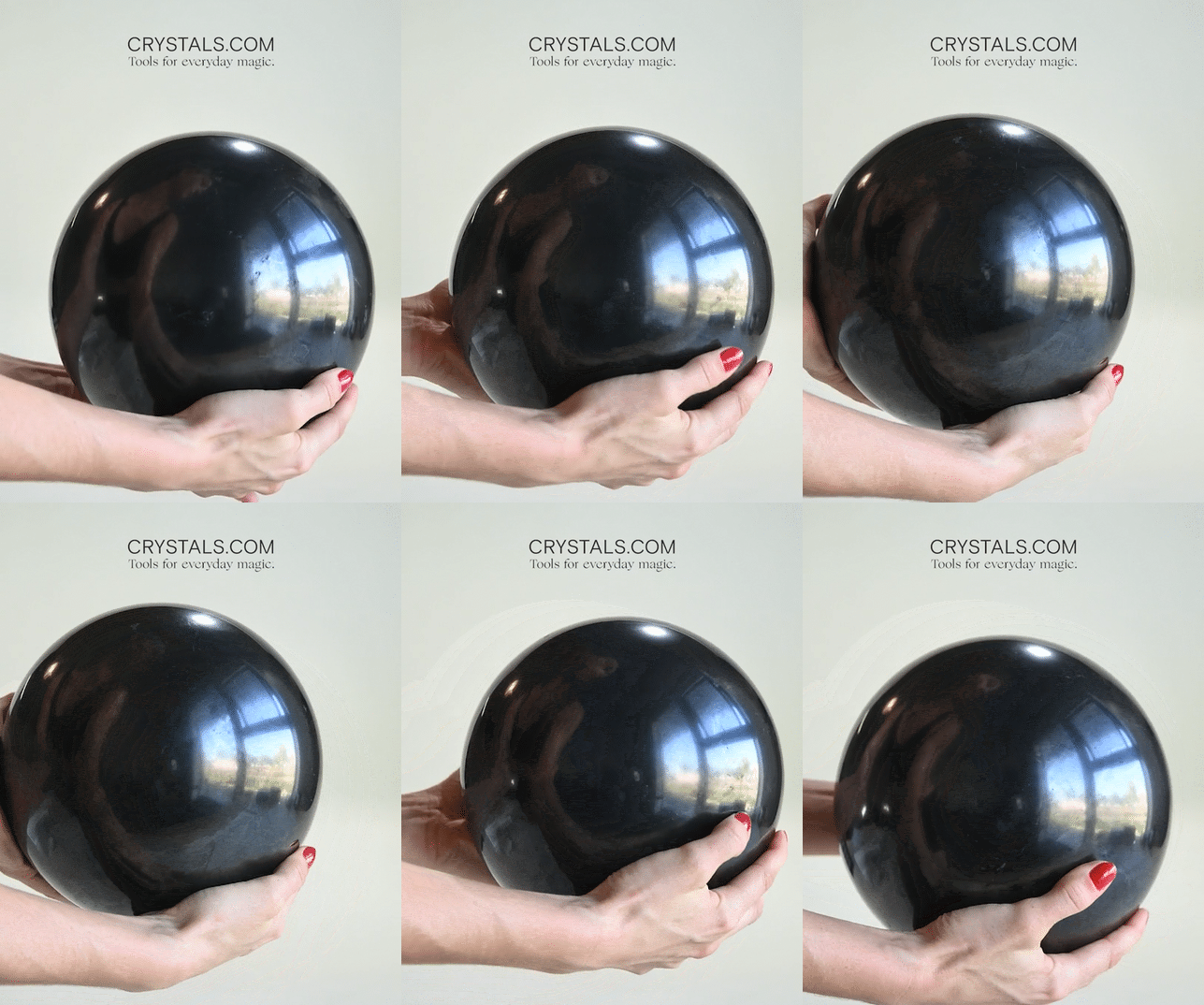
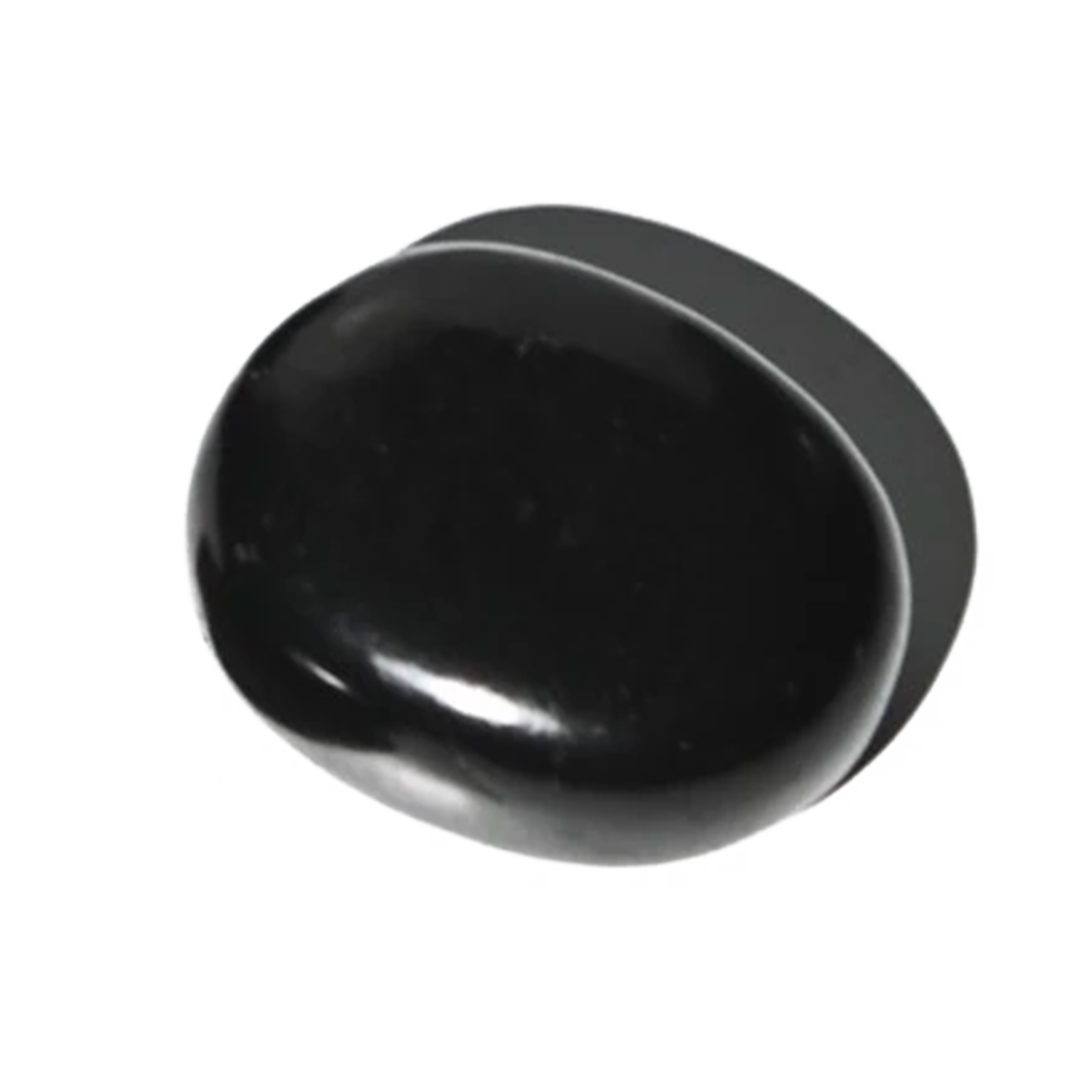
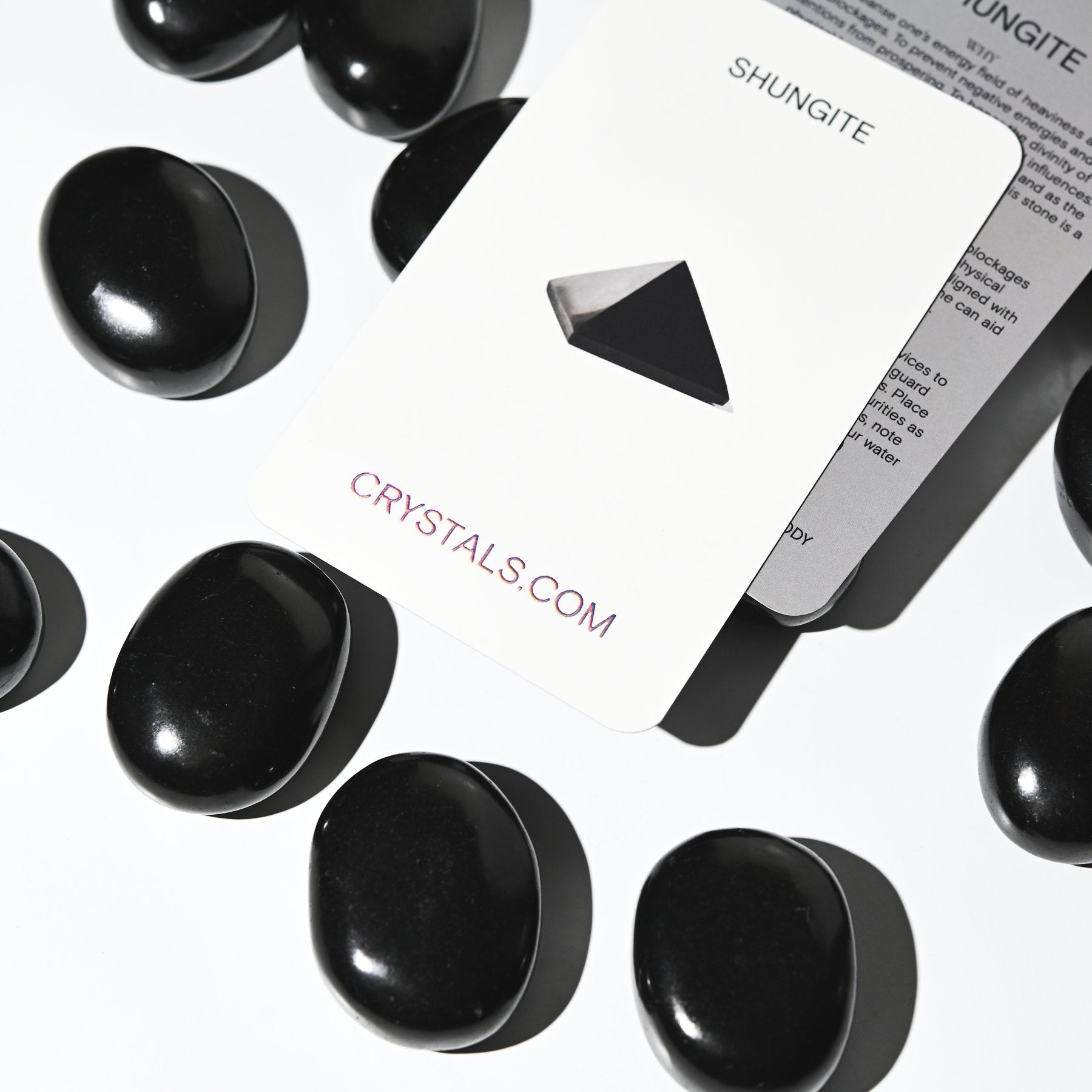
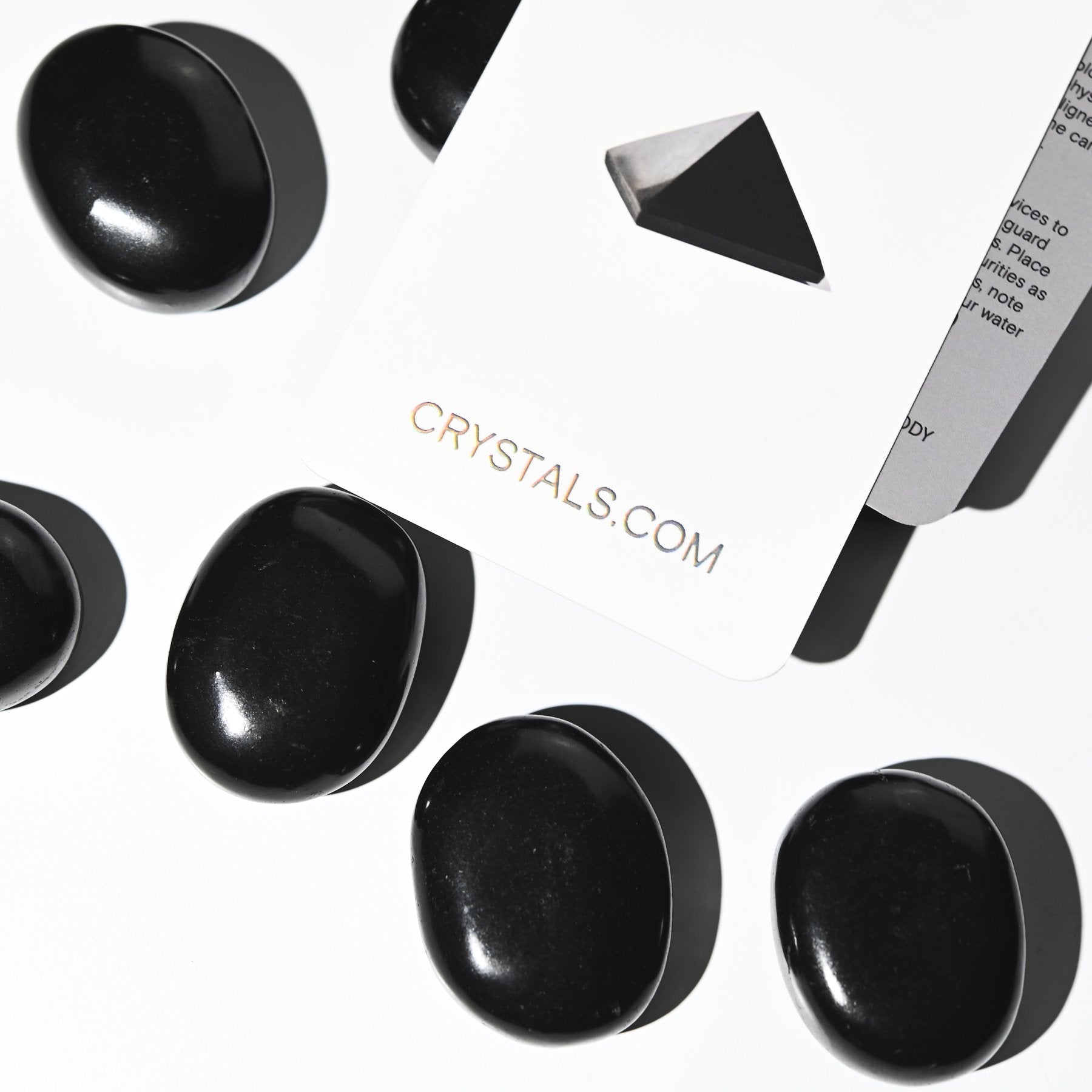
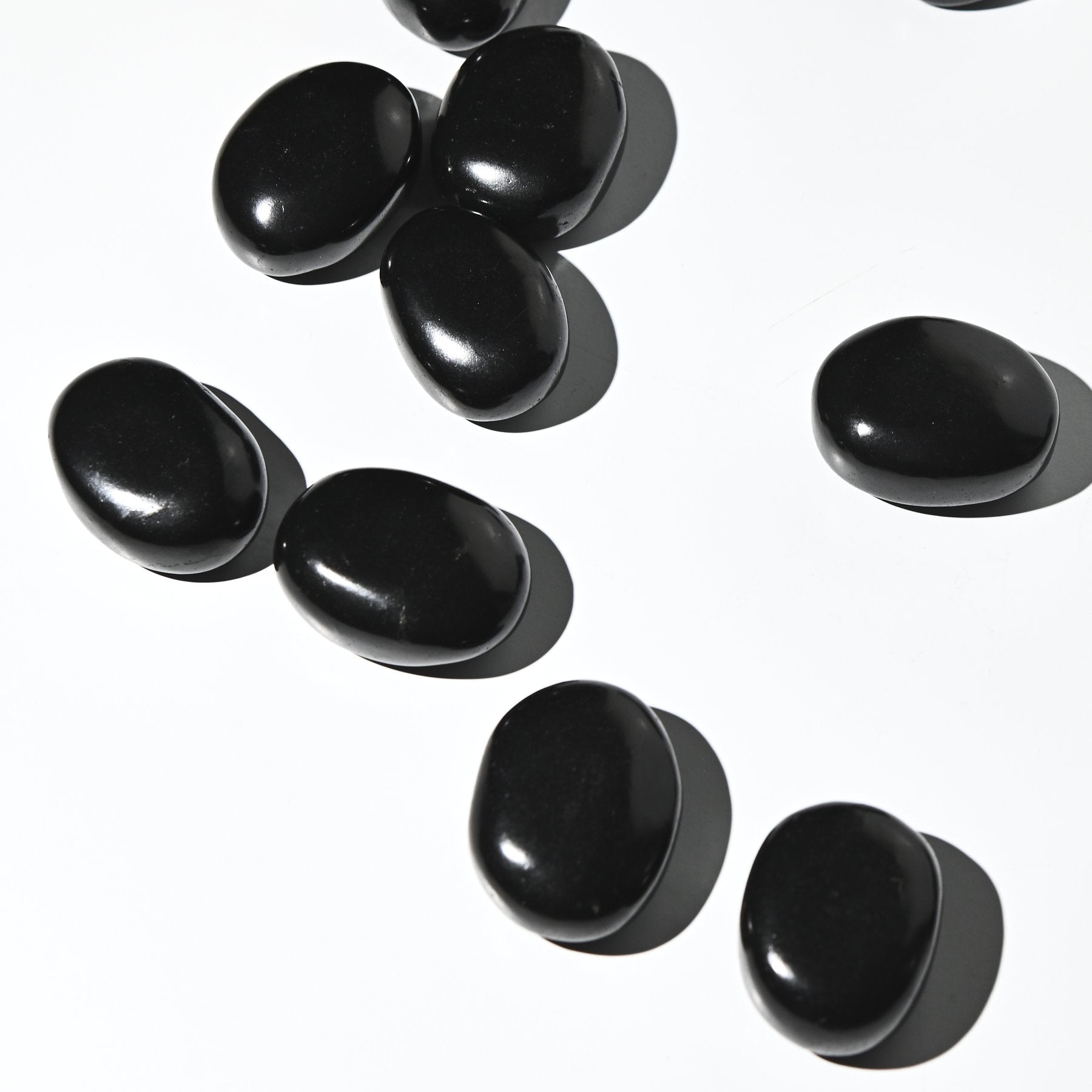
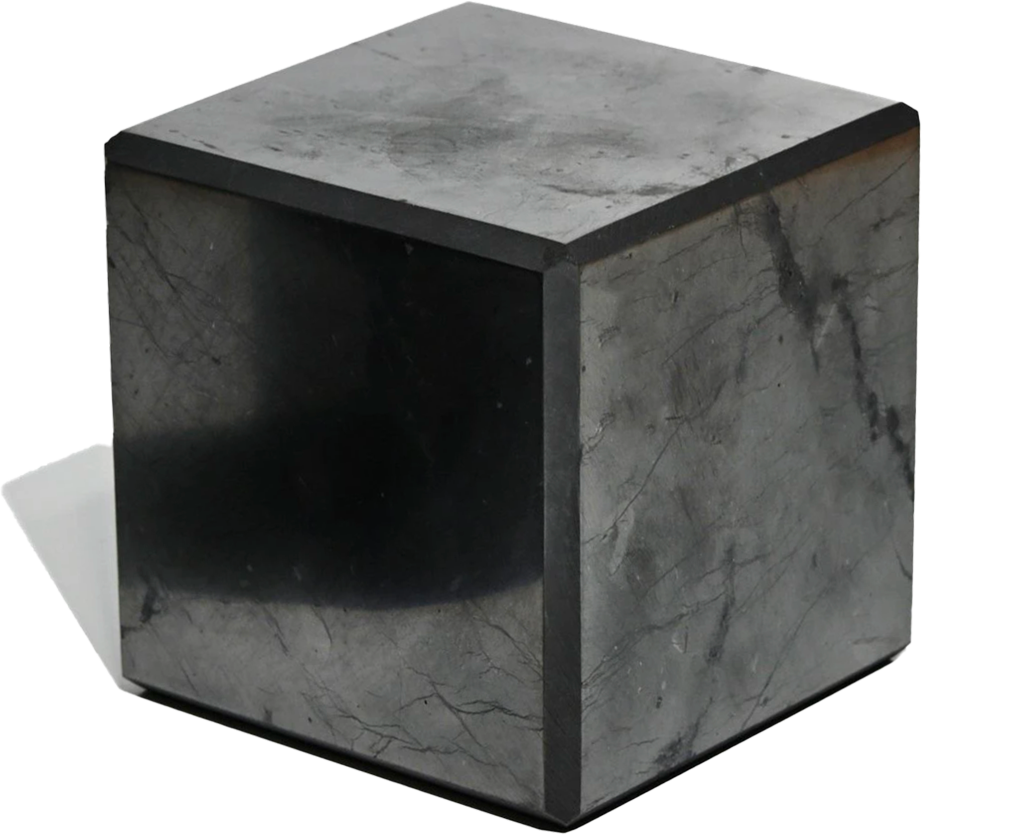
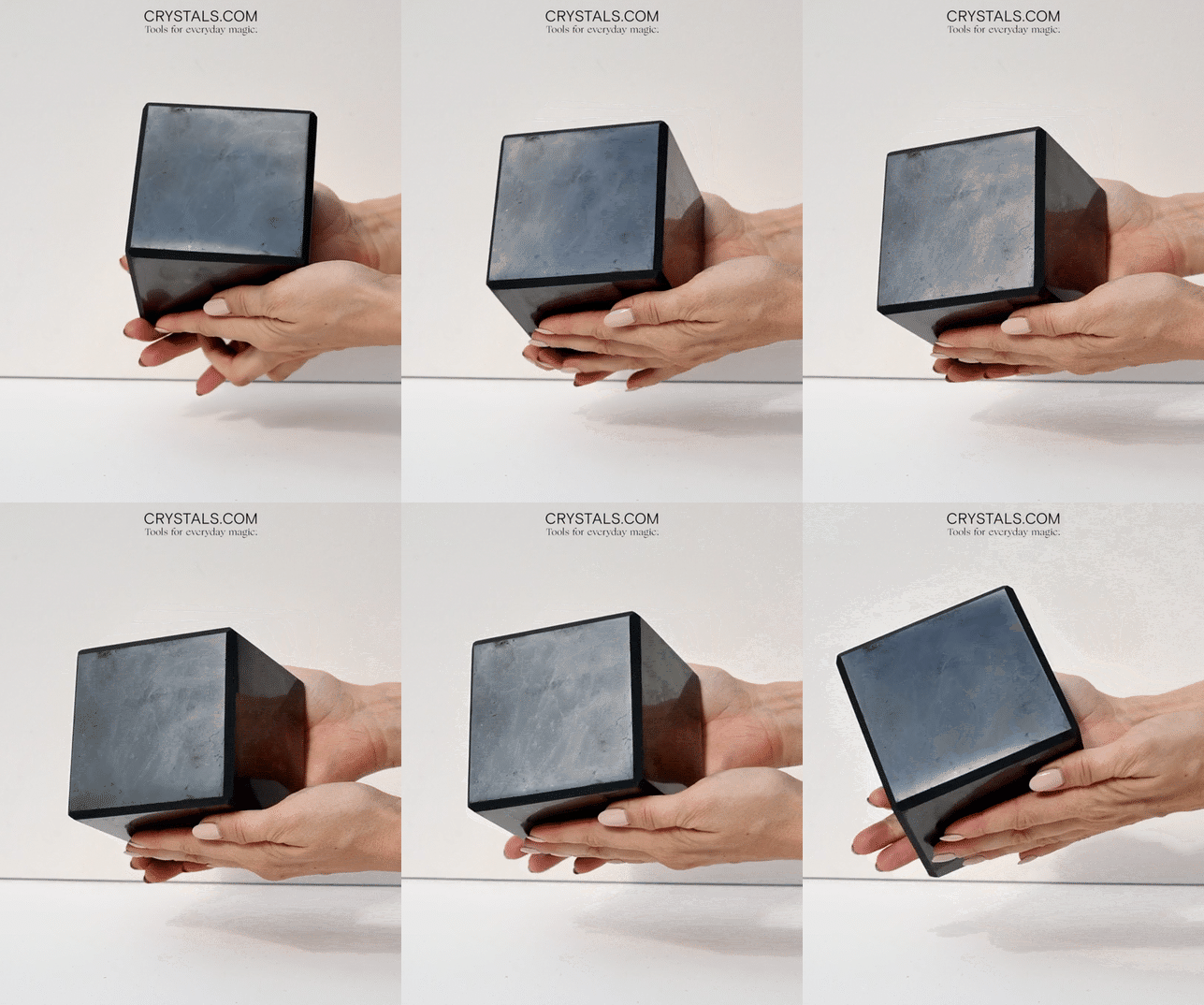
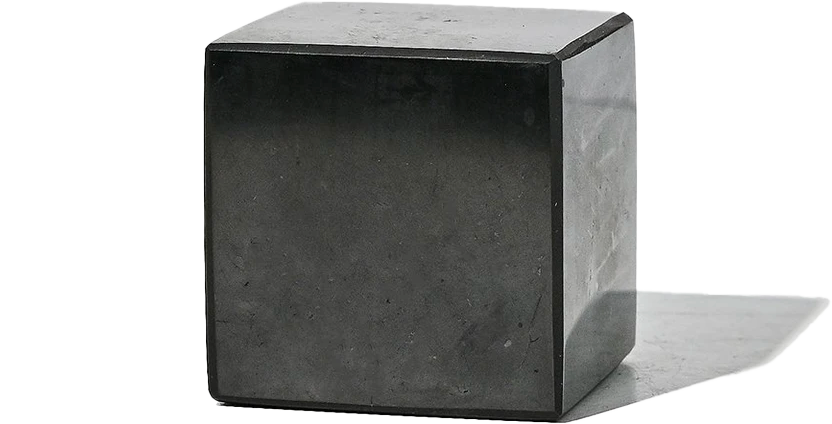
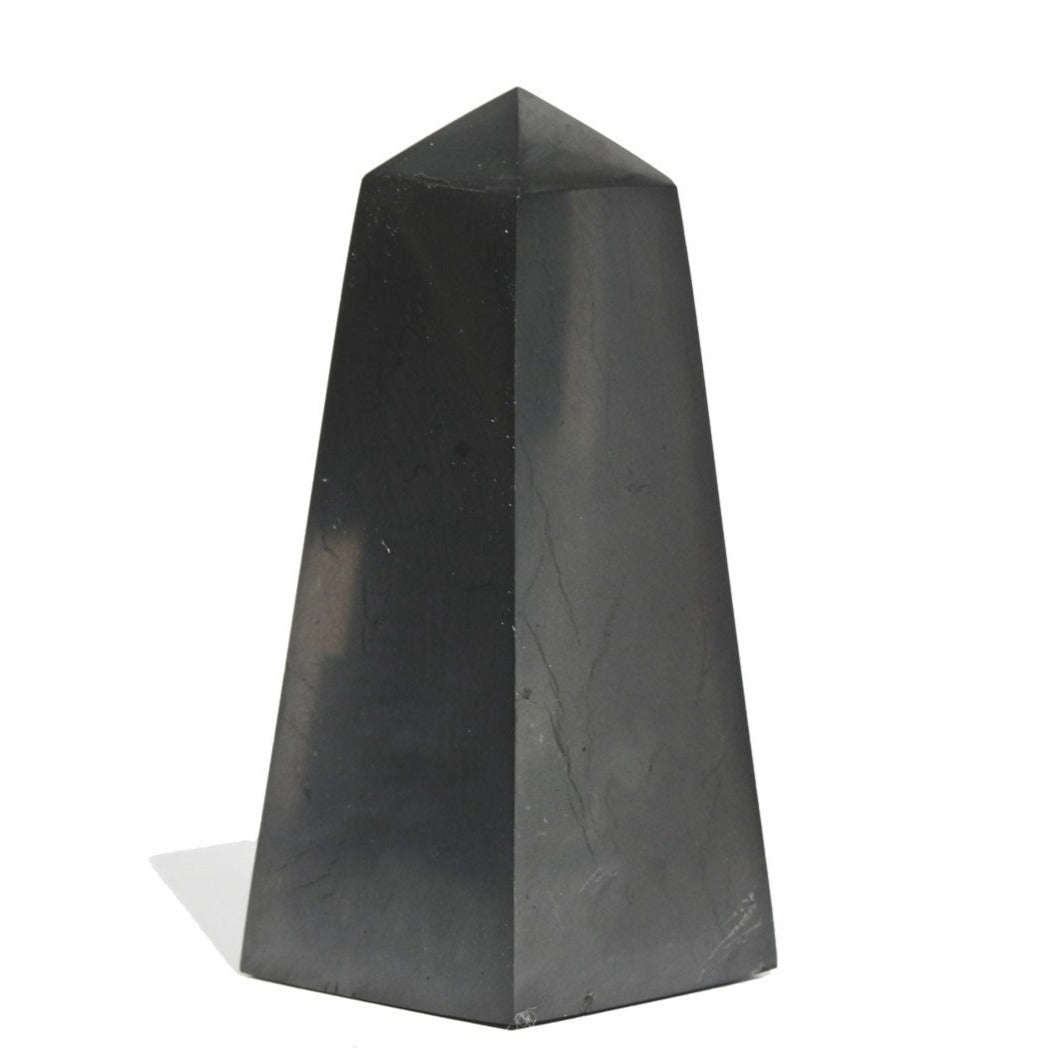
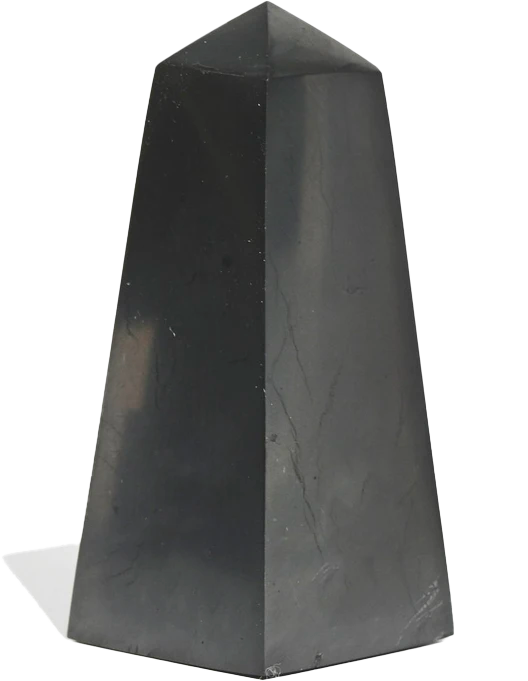
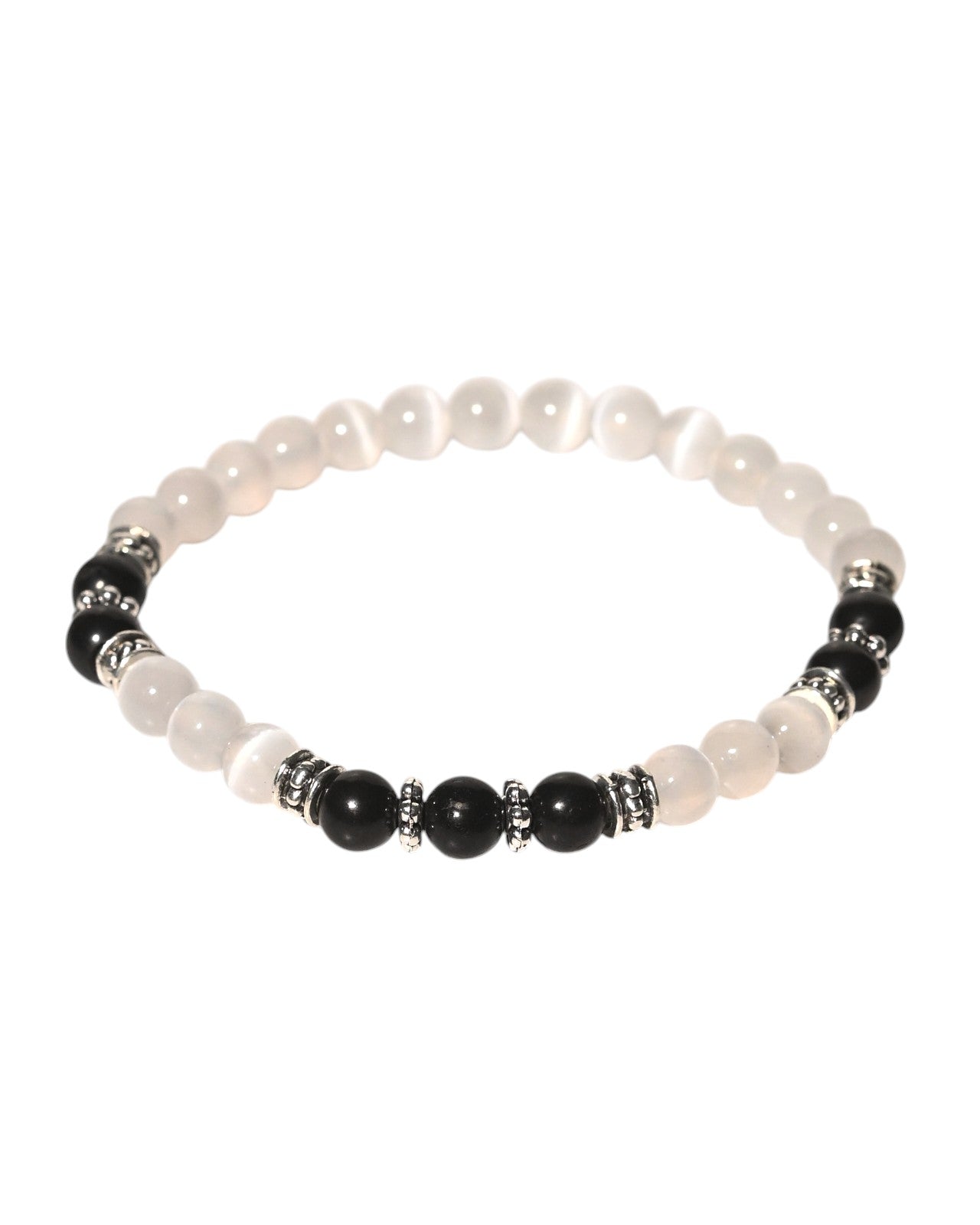
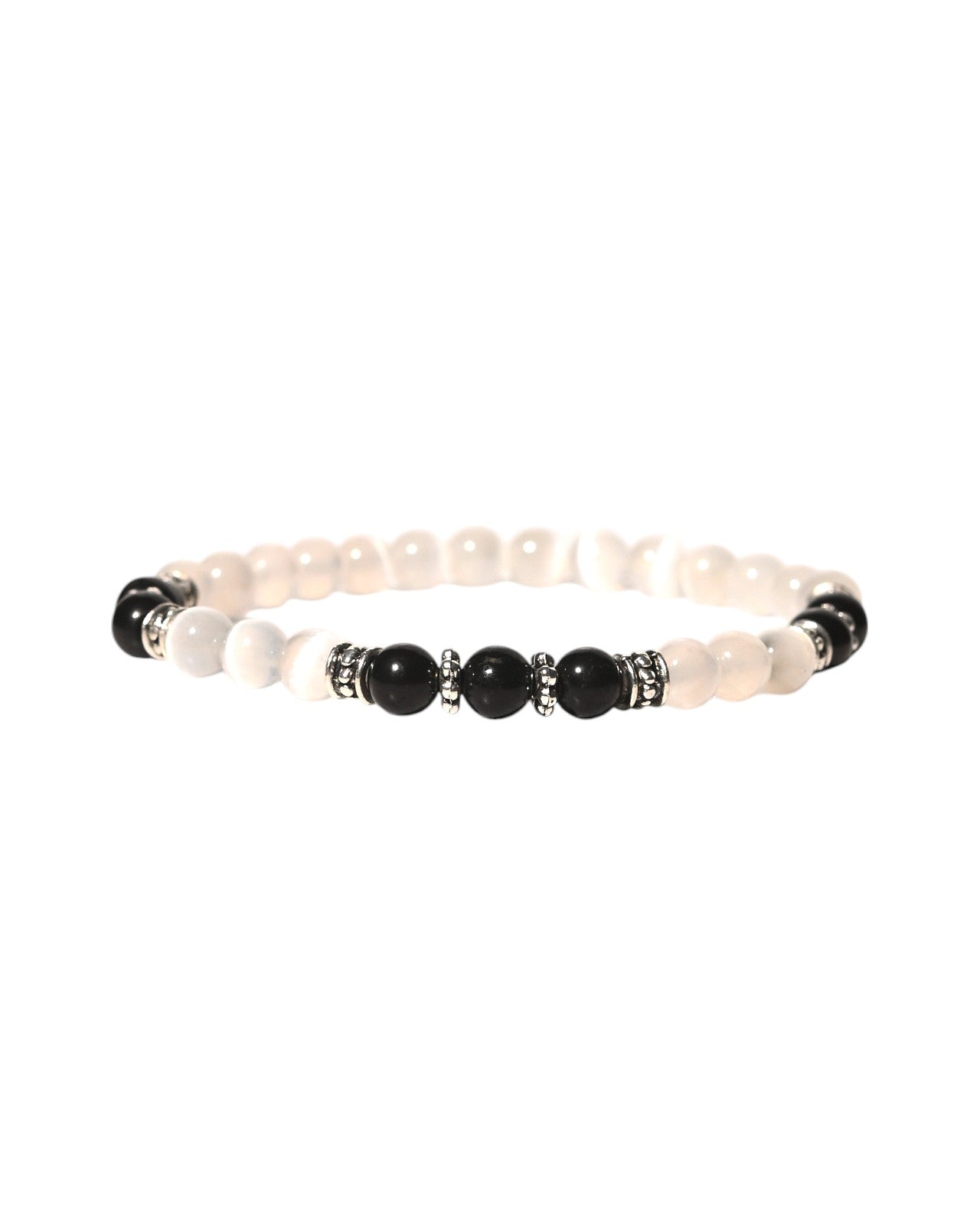
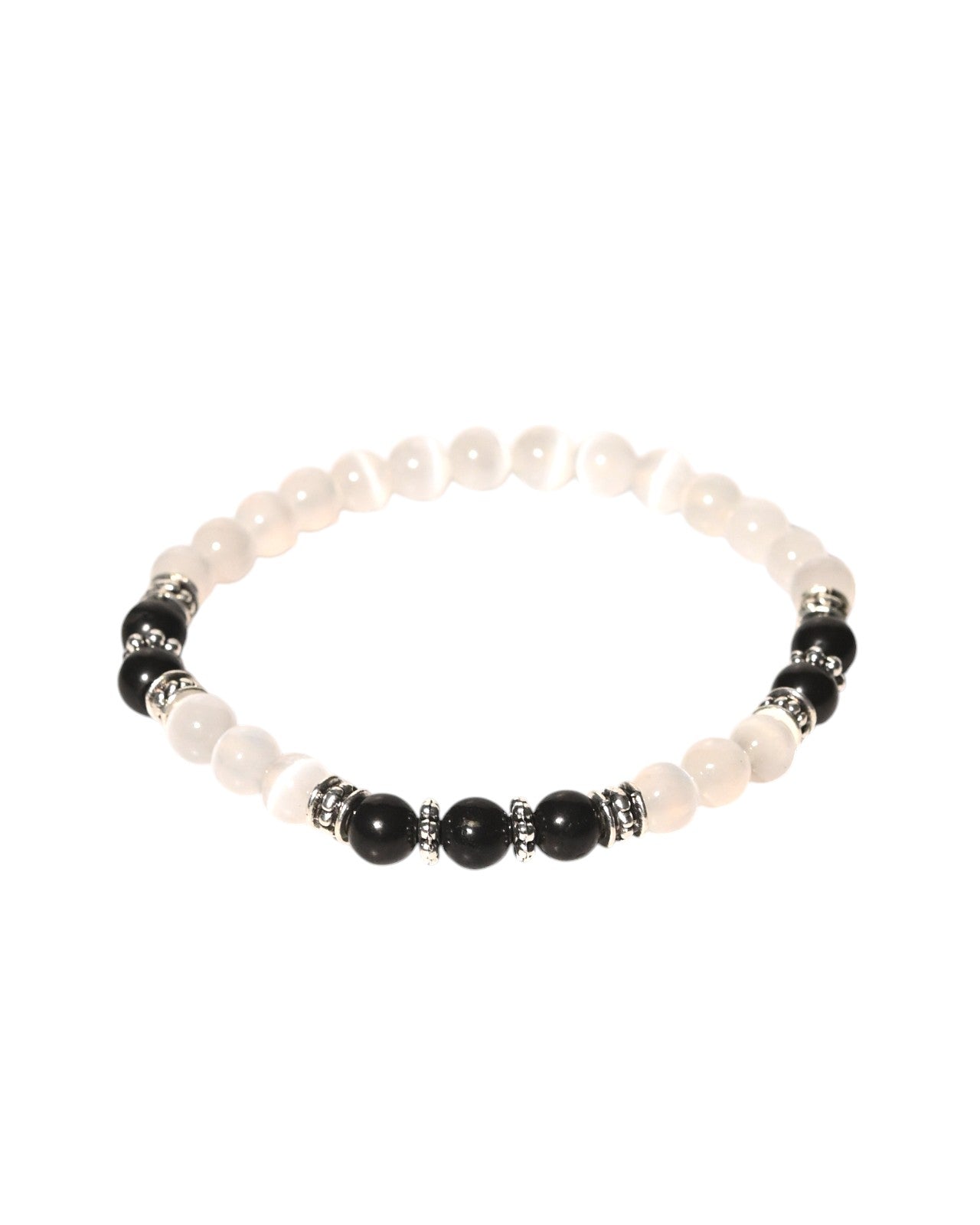
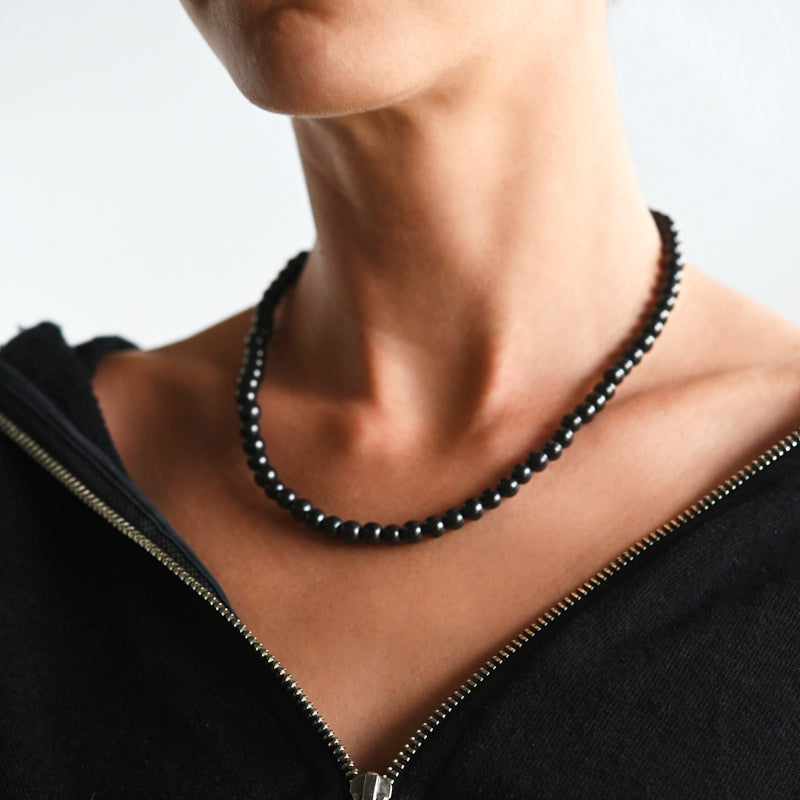
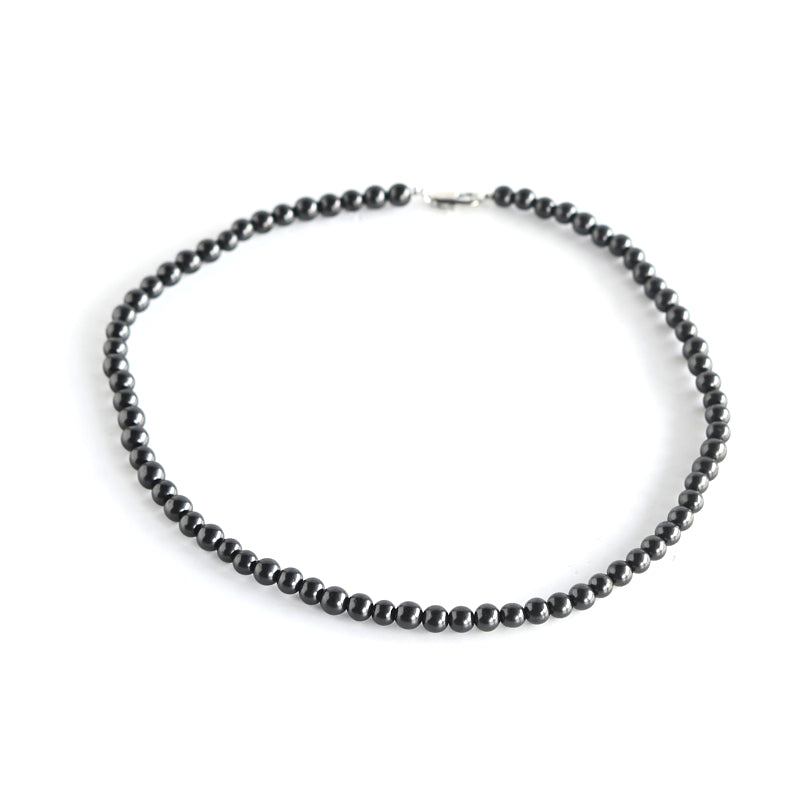
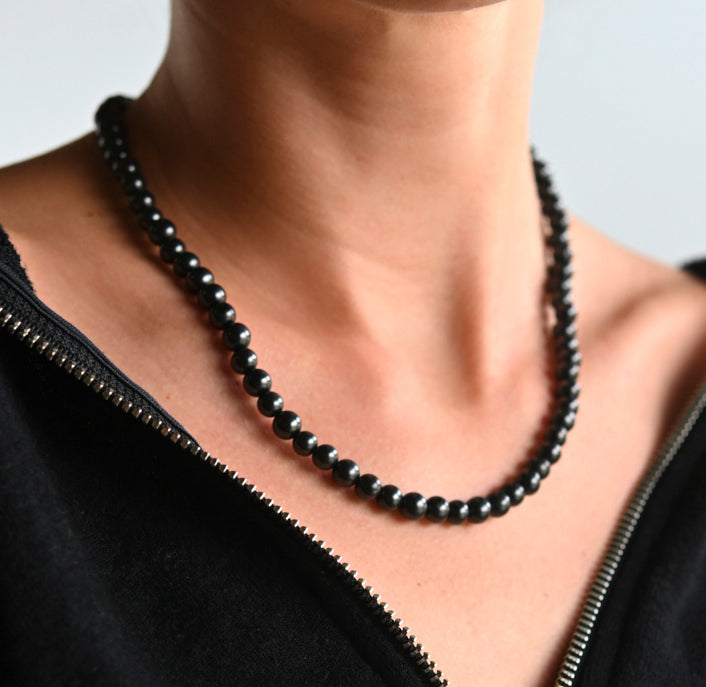
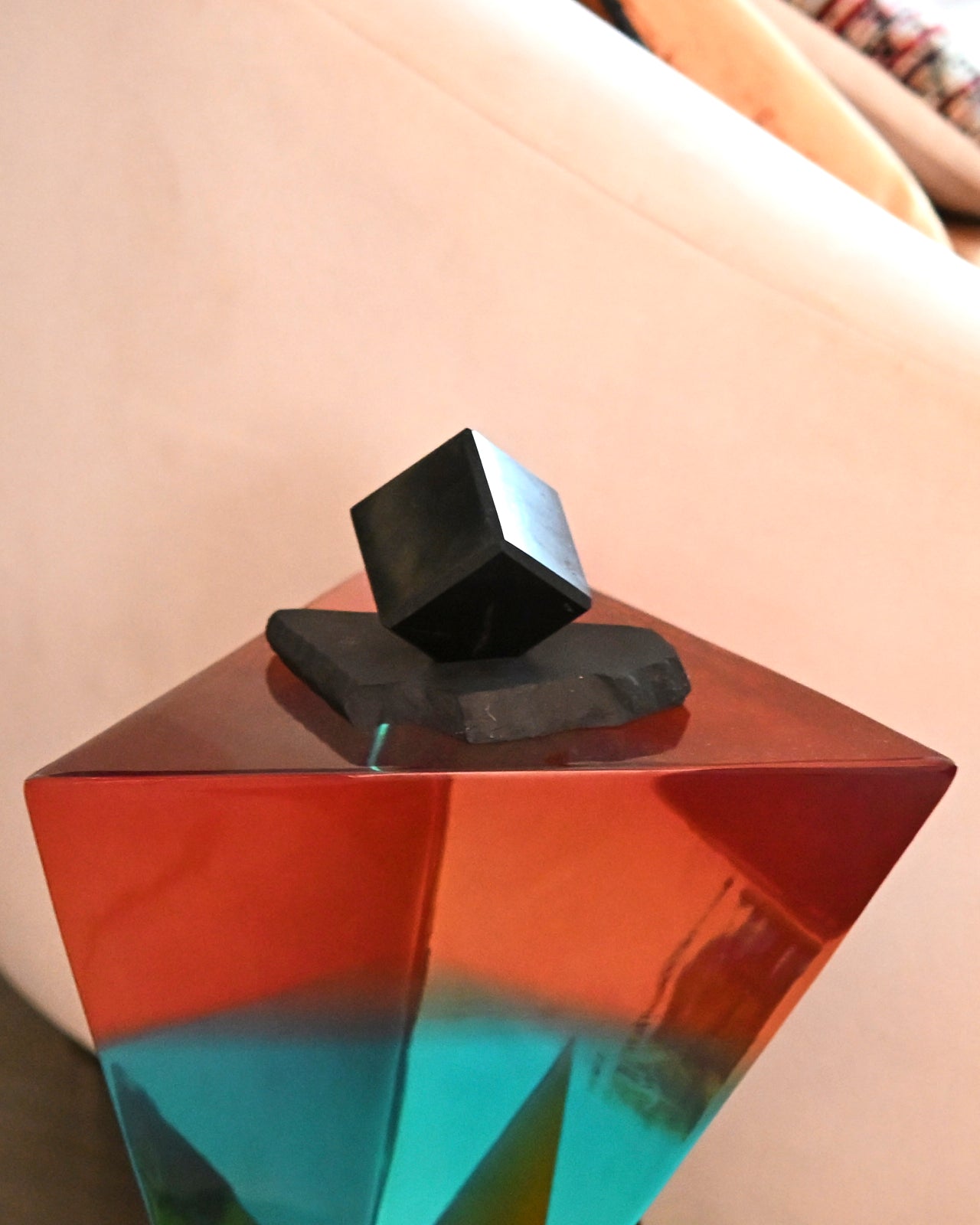
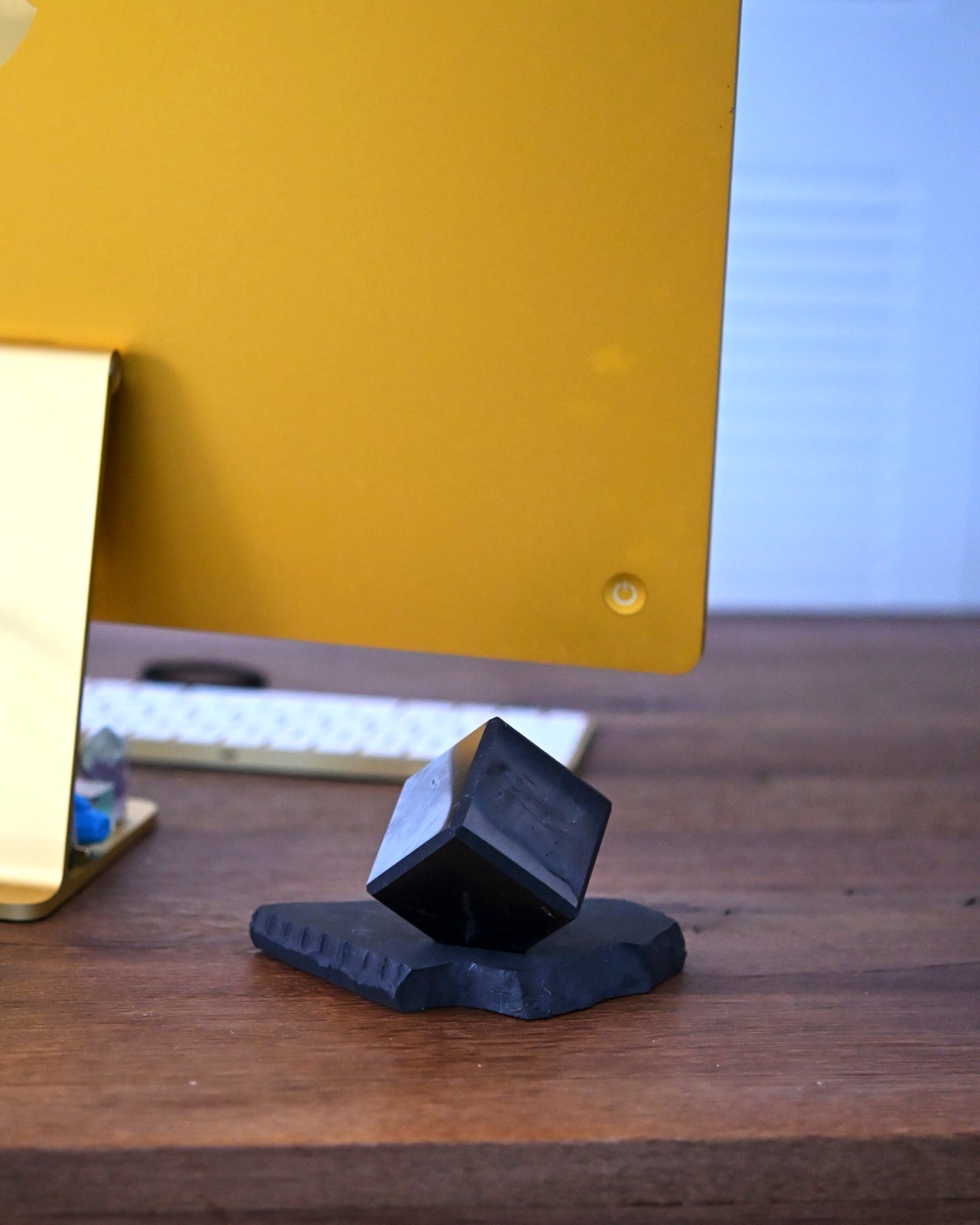
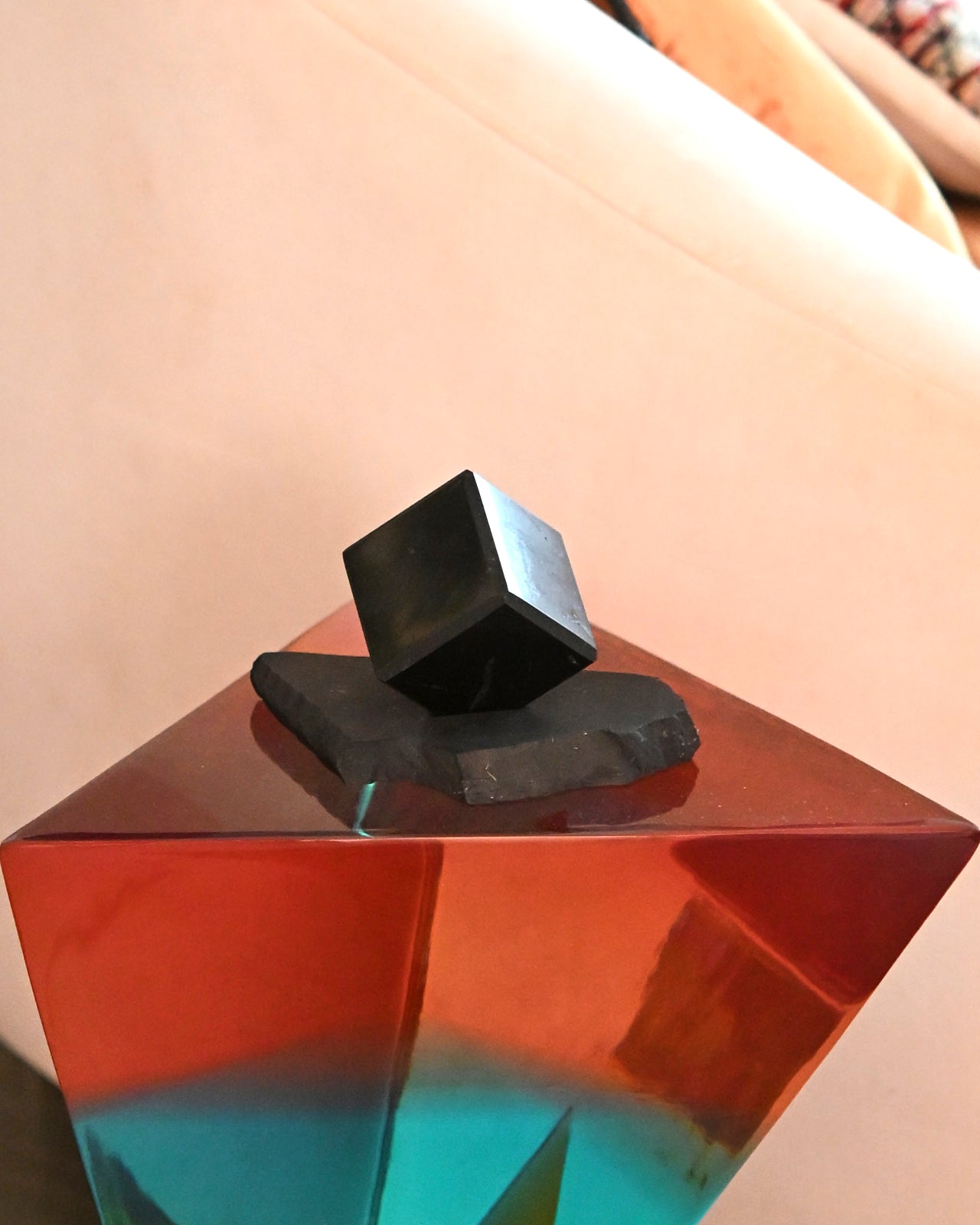
Available forms include polished spheres, pyramids, cubes, raw elite specimens, tumbled stones, palm stones, and bracelets. For other dark minerals, see our black tourmaline and obsidian collections. Browse protection crystals for curated sets. Free shipping on orders $150+.
Frequently Asked Questions
What is shungite?
Shungite is a black, carbon-rich mineraloid approximately 2 billion years old, found almost exclusively in Karelia, Russia. It is one of the oldest known carbon-bearing materials on Earth. Mohs hardness 3.5–4.
What is the difference between regular and elite shungite?
Regular shungite contains 30–50% carbon with a matte black appearance and can be shaped into spheres, pyramids, and other forms. Elite (noble) shungite contains 90–98% carbon with a brilliant silvery metallic luster. Elite shungite is much rarer, more brittle, and sold only in natural raw form.
Where does shungite come from?
Virtually all commercial shungite comes from the Zazhoginskoye deposit near Shunga village in Karelia, northwestern Russia. This is the only known deposit of significant size anywhere in the world. The deposit is associated with Precambrian sedimentary rocks approximately 2 billion years old.
Does shungite contain fullerenes?
Some research has reported finding fullerenes (C60 molecules) in shungite, but this remains scientifically debated. Several peer-reviewed studies found fullerenes in samples, while others could not replicate the results. The presence and concentration of fullerenes is not universally accepted in the scientific community.
Does shungite leave black residue?
Yes, regular shungite can leave black carbon residue on hands and surfaces — this is normal and simply carbon dust. Rinse pieces under water when first received to minimize this. Elite shungite is less prone to residue due to its higher carbon purity and different surface structure.


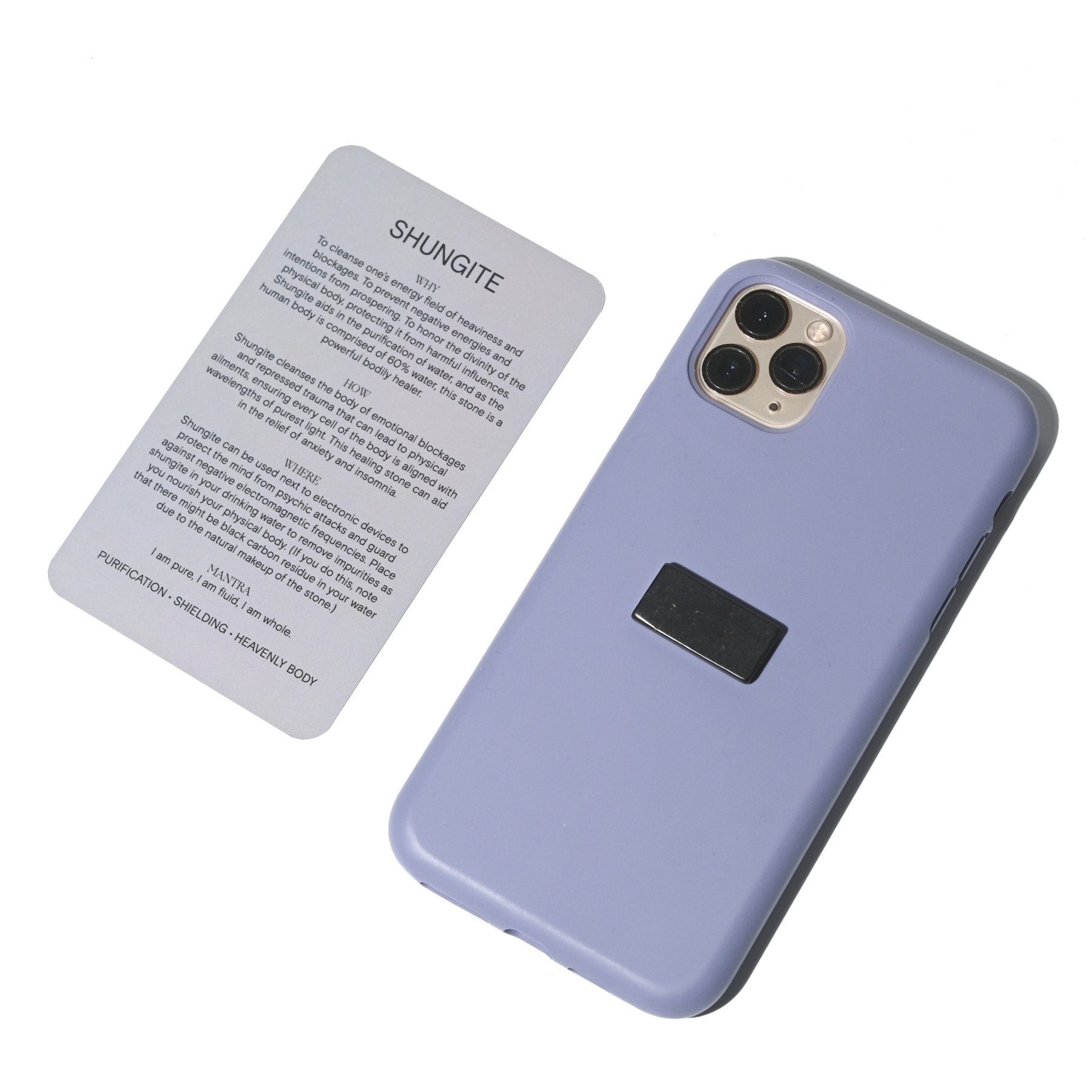
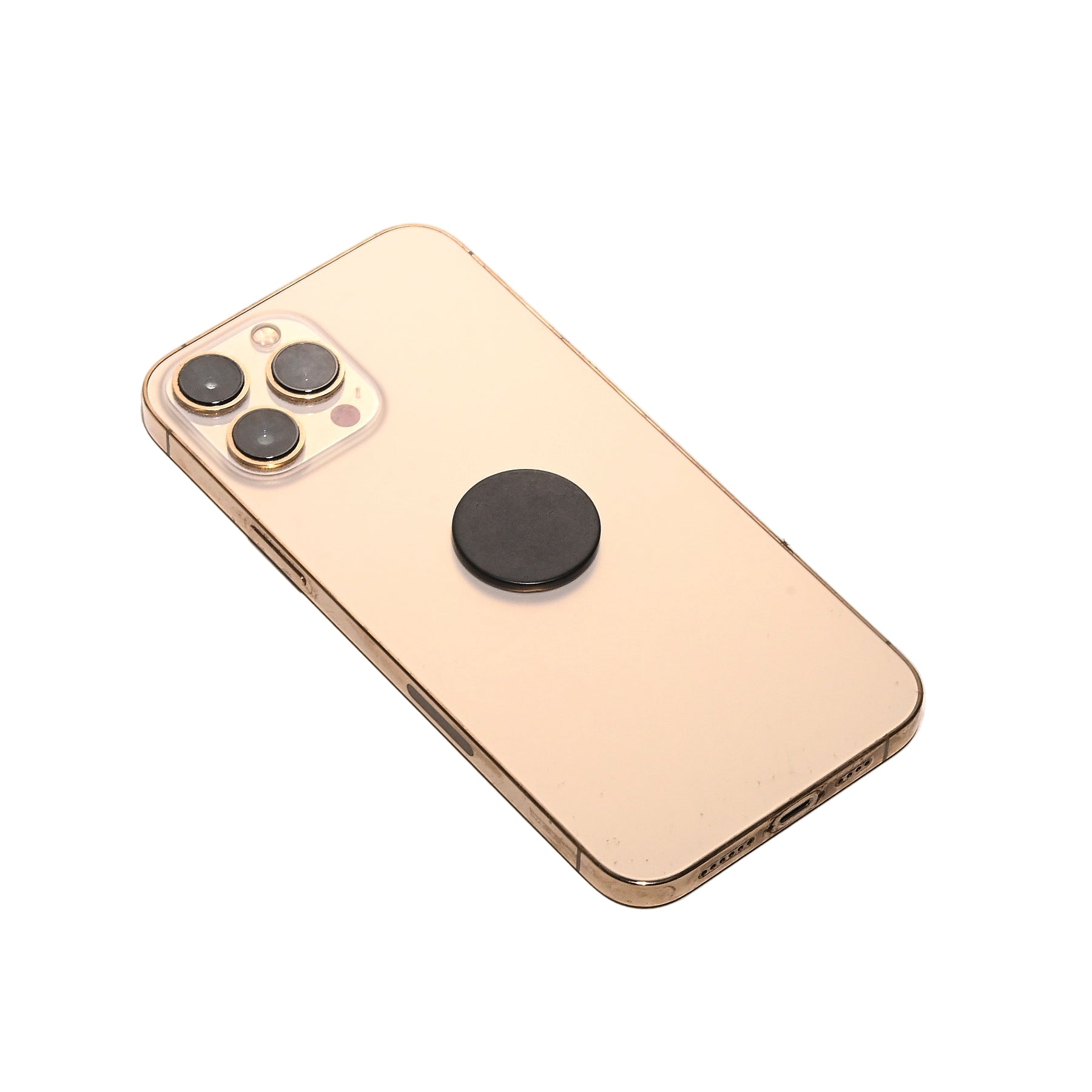
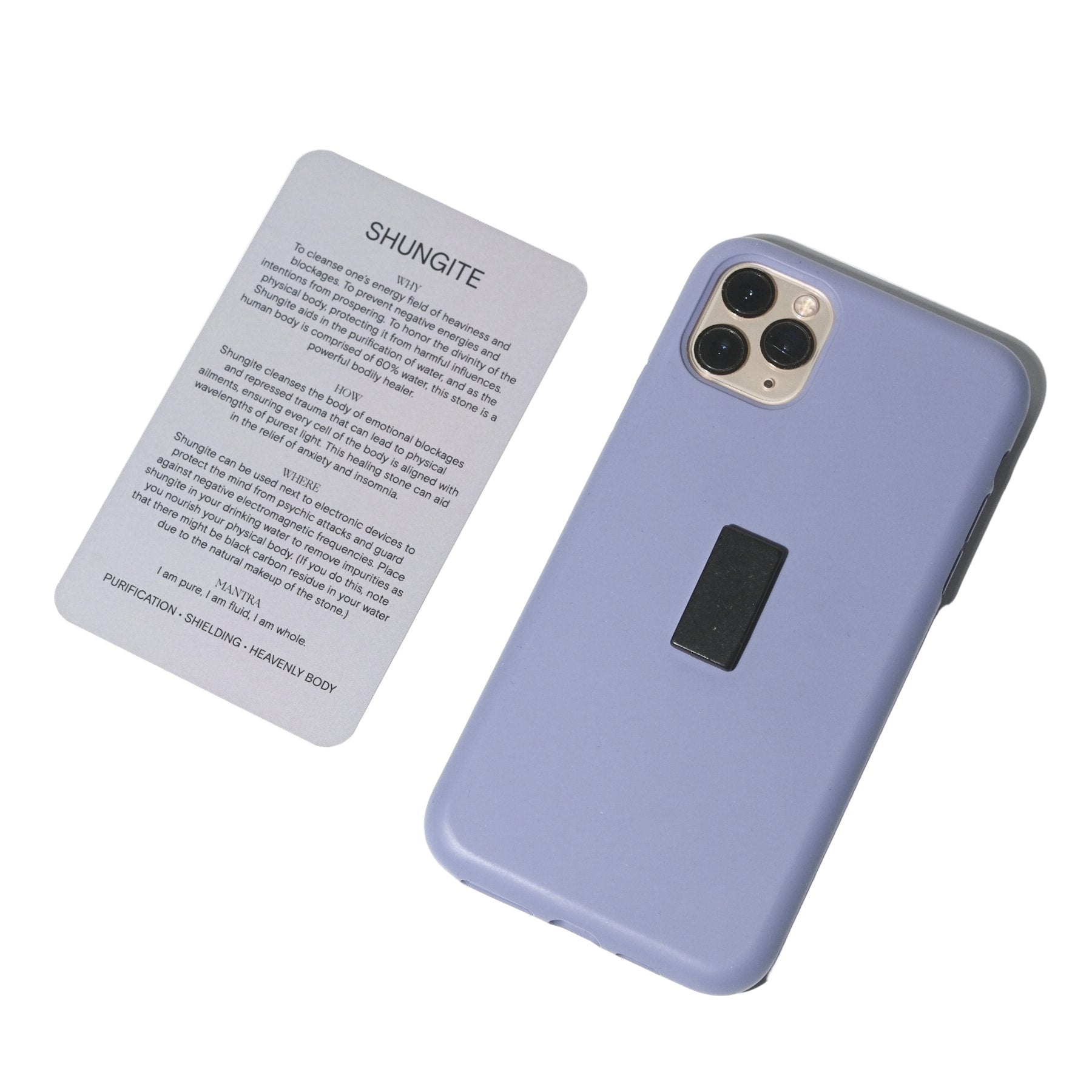

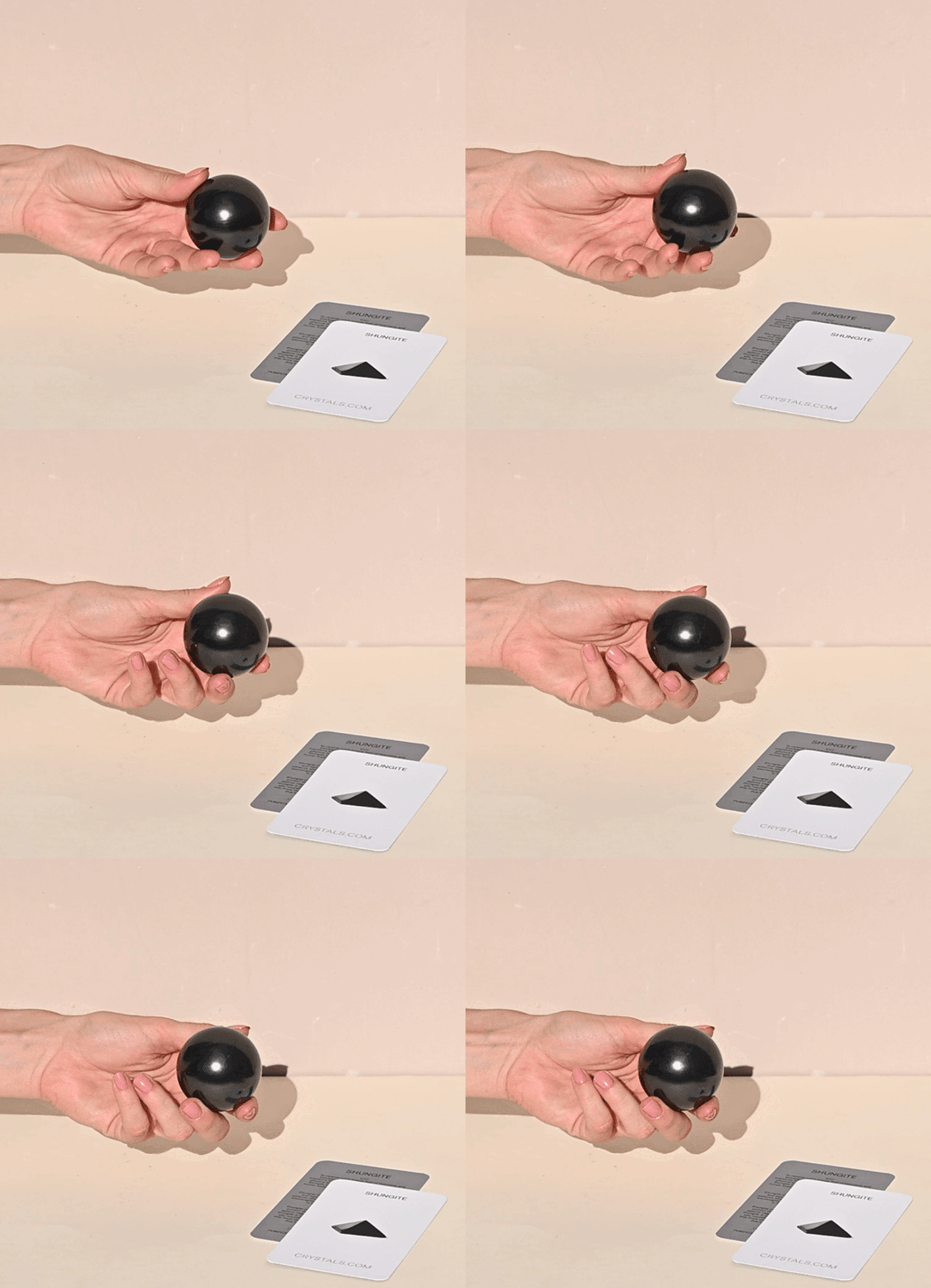


Authenticity First


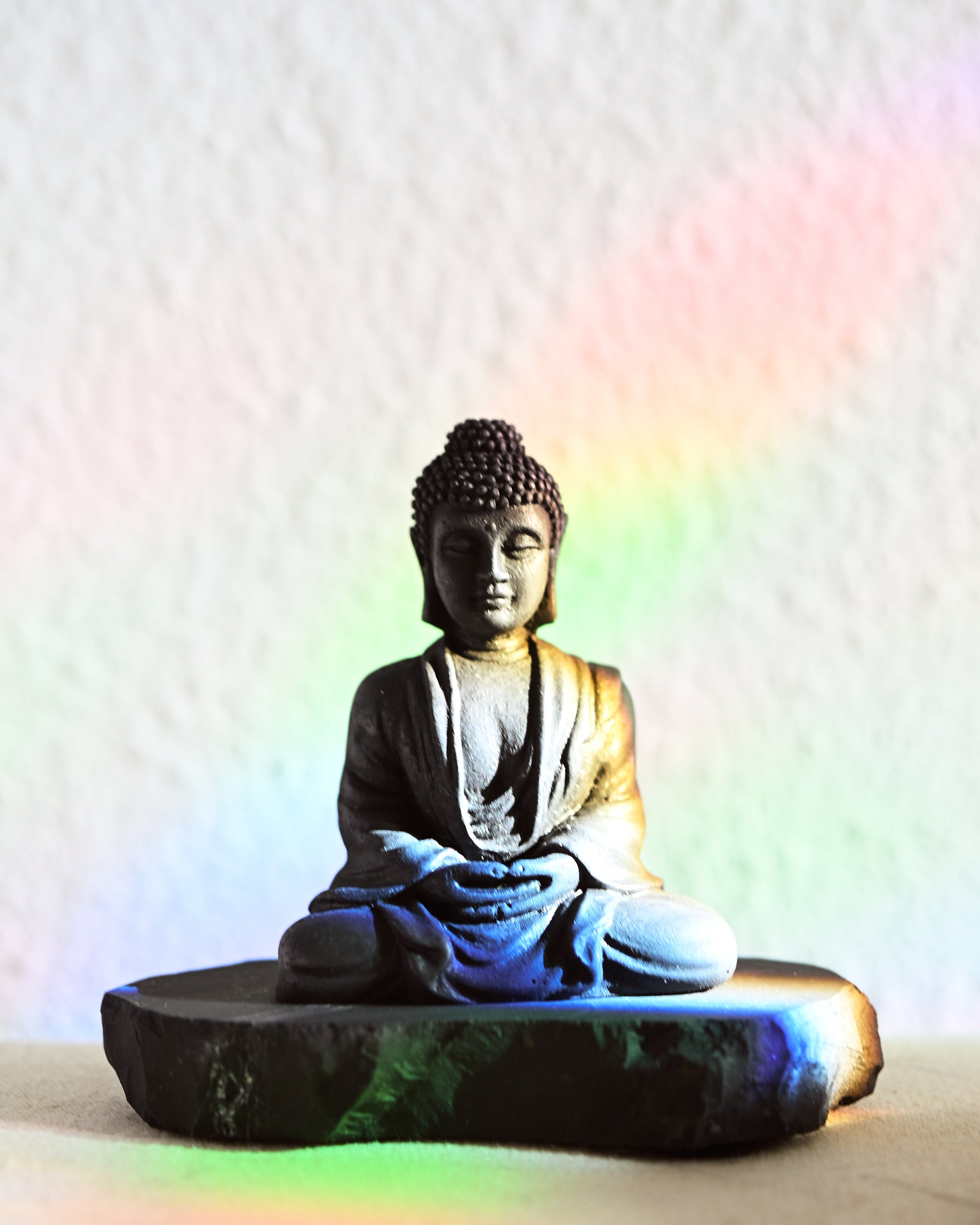
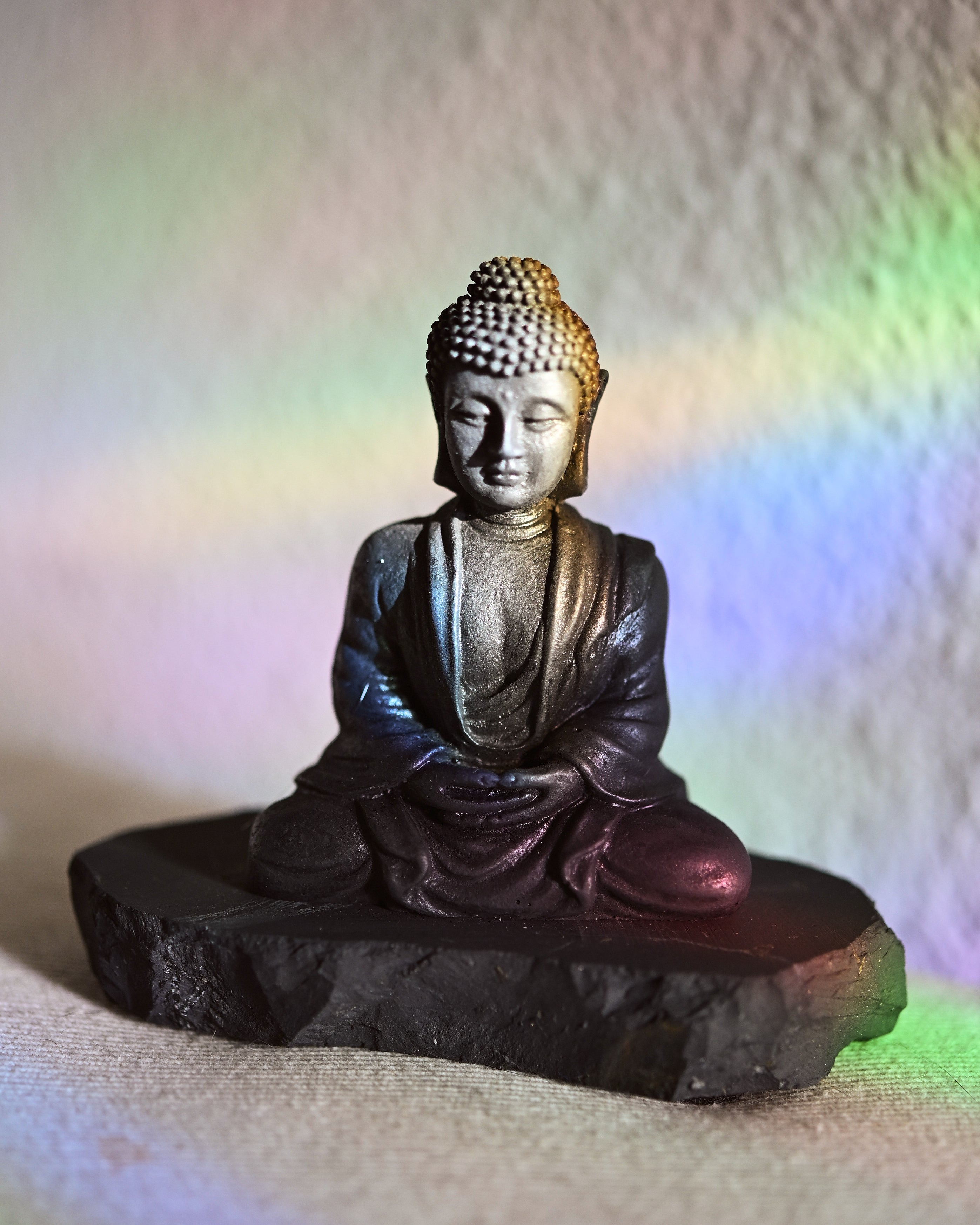
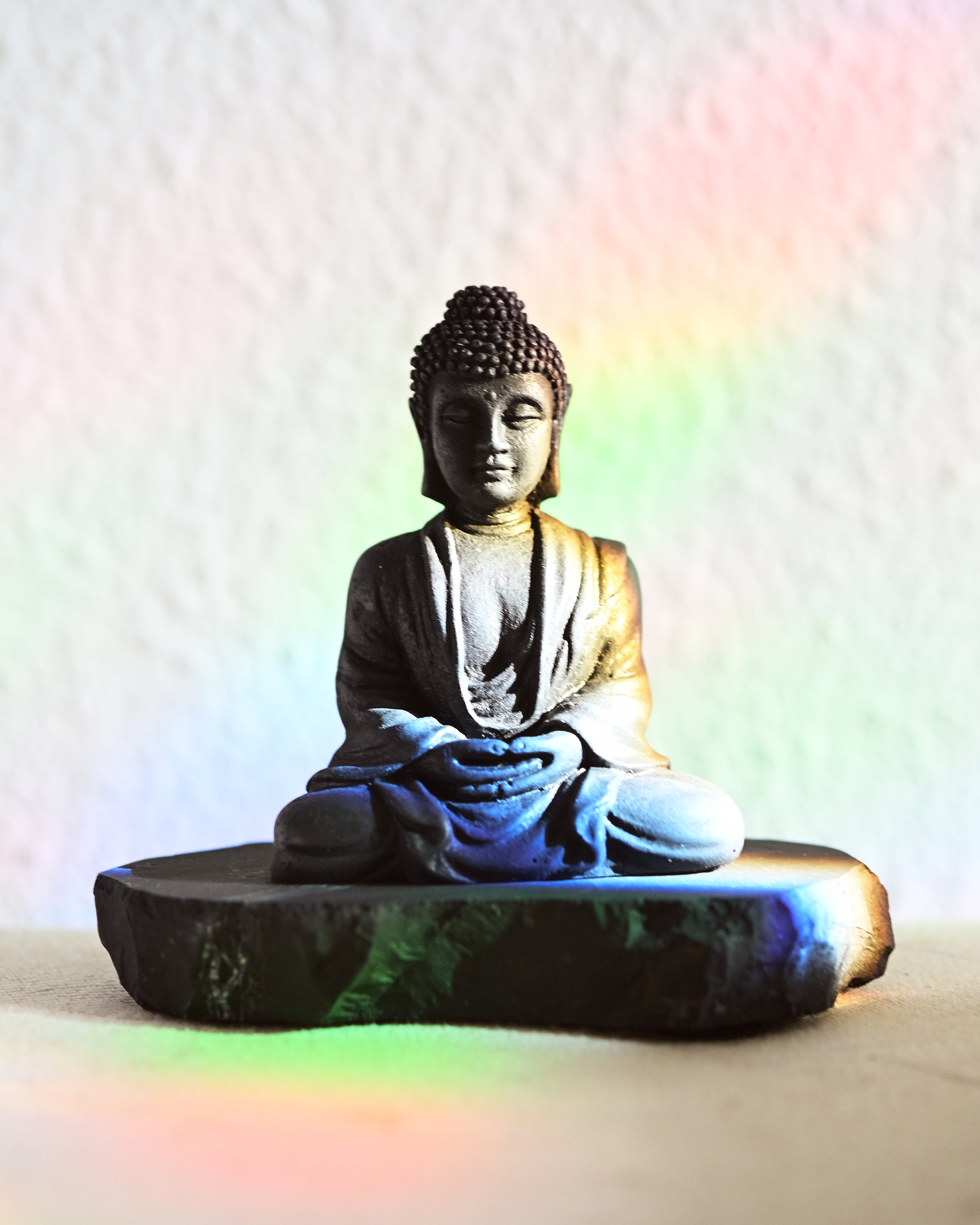
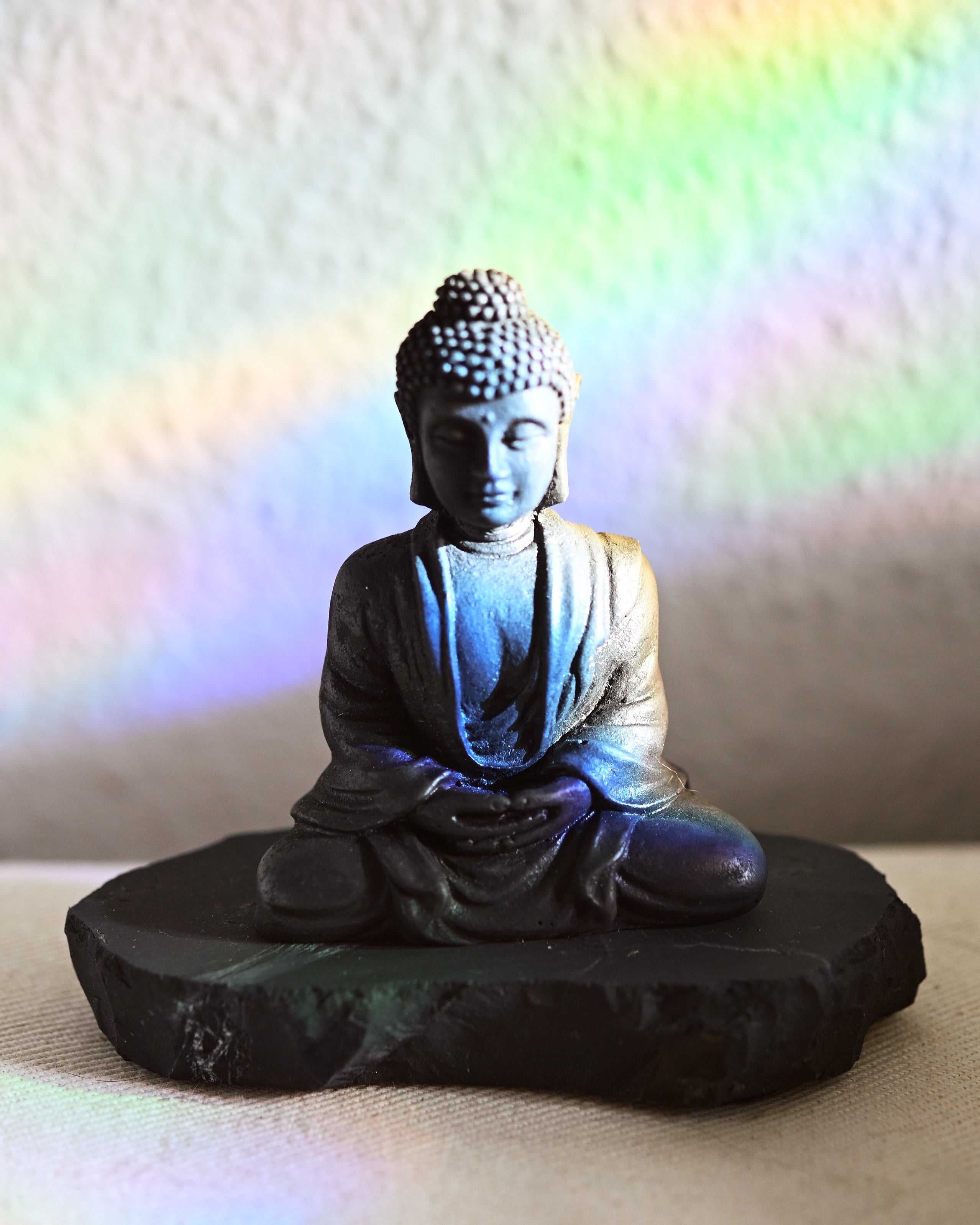






Know your crystal
Shungite
Shungite is a non-crystalline, carbon-rich rock found almost exclusively near the village of Shunga in Karelia, Russia, in deposits roughly two billion years old. High-grade shungite contains trace fullerenes — cage-like carbon molecules first confirmed in nature in shungite in the 1990s. Its high carbon content also makes it electrically conductive, which is unusual for a stone.
Let customers speak for us
Very lovely. I am very happy with it.

Love it

Very pretty crystals very solid piece nice display

My faborite, the bix is beautiful

Smells so good

this - 🤩✨✨ BLEW my mind. absolutely stunning!!! the feel and the color is just everything i feel so boujee when i wear it 🧑🩰🦋 definitely has been a daily “must wear” bracelet of mine. the quality is insane!! the best quality ive seen/felt on a crystal bracelet i was beyond happy i was able to snag this when i did 🥰 truly a DREAM and the photos dont do it justice!

this is my 2nd malachite tumble in my collection and the energy😌🩷 and the fact it’s so high quality 💁♀️ i expected a teeny tiny tumble but the size is so perfect and what it should be (it matches the price point unlike most crystal shops)

when i received this piece i instantly compared to my other 2 that i have in my collection and my oh my!!! such high quality 🤩🥰

Love my purchases!!! Gorgeous Crystal's💜

They are so beautiful 😍

I love it I will get more 100 nice

Beautiful i love it

Wow i lve it

Great
Incredibly lovely. Perfect.

A Sanctuary of Natural Beauty
Every crystal here was discovered by hand, selected with intuition, and photographed in its true light.
One-of-a-Kind. Forever Pieces.
Let the Universe Decide


