Crystals.com
Tourmaline
Authentic natural minerals, thoughtfully sourced and individually photographed.

Tourmaline Crystals
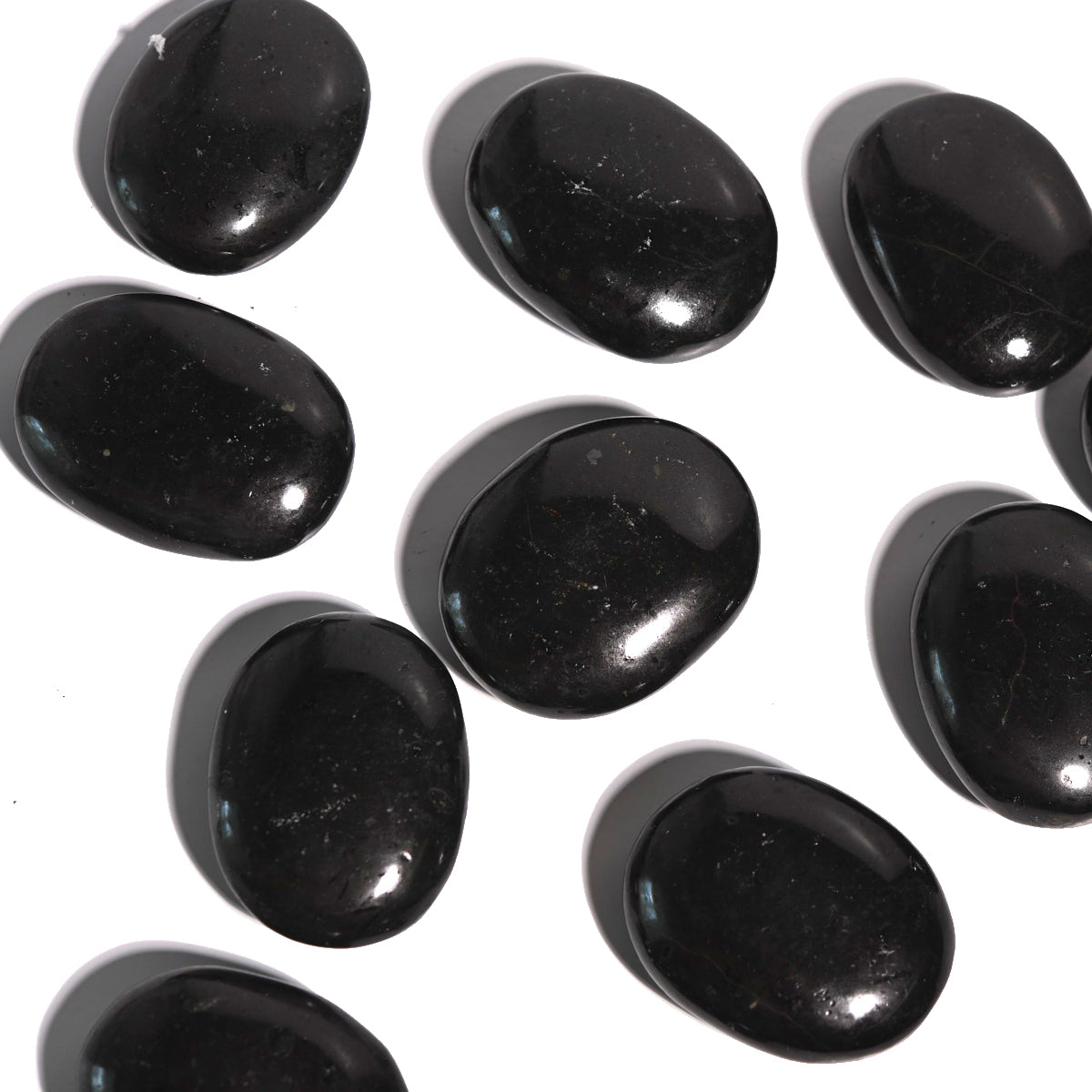
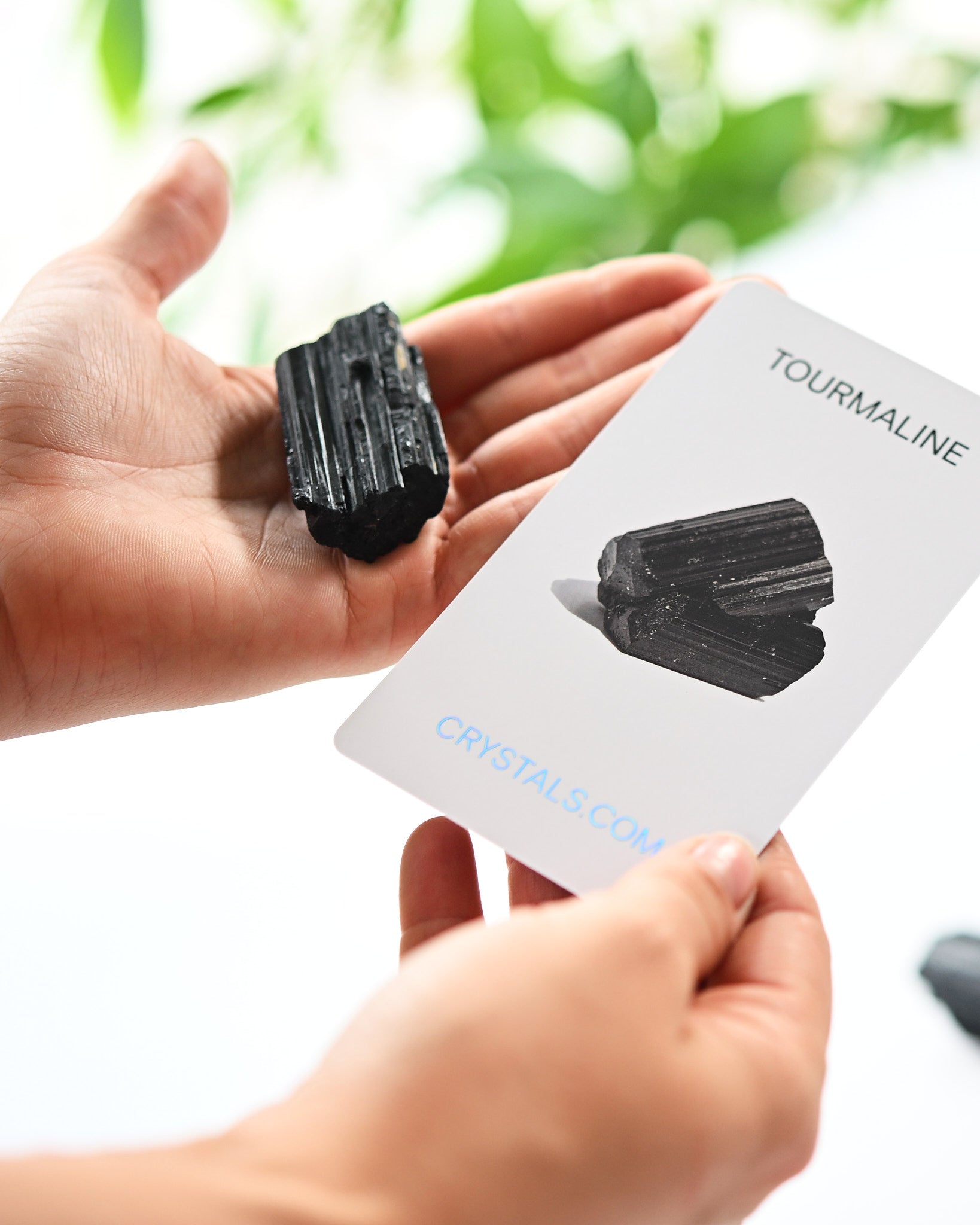
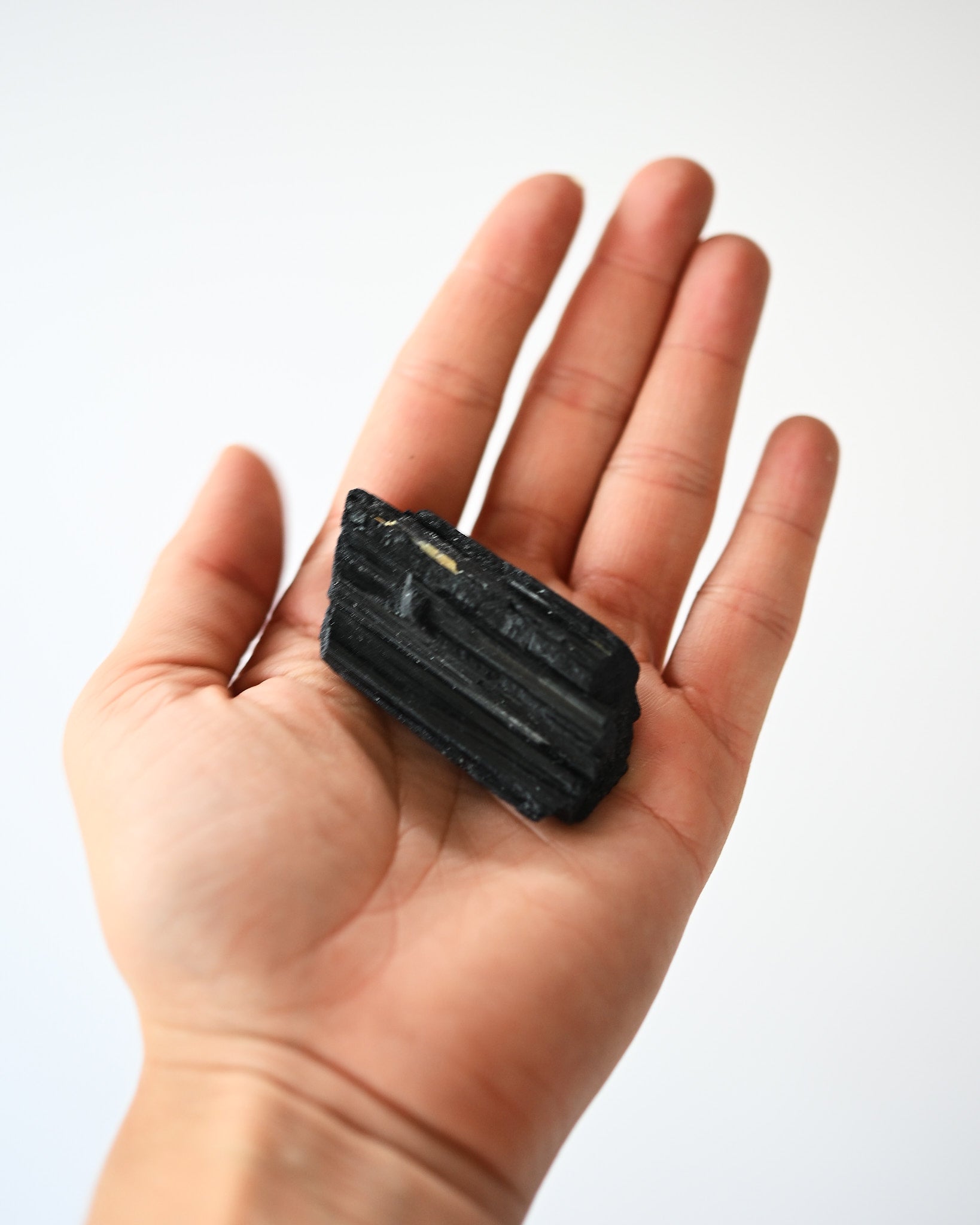
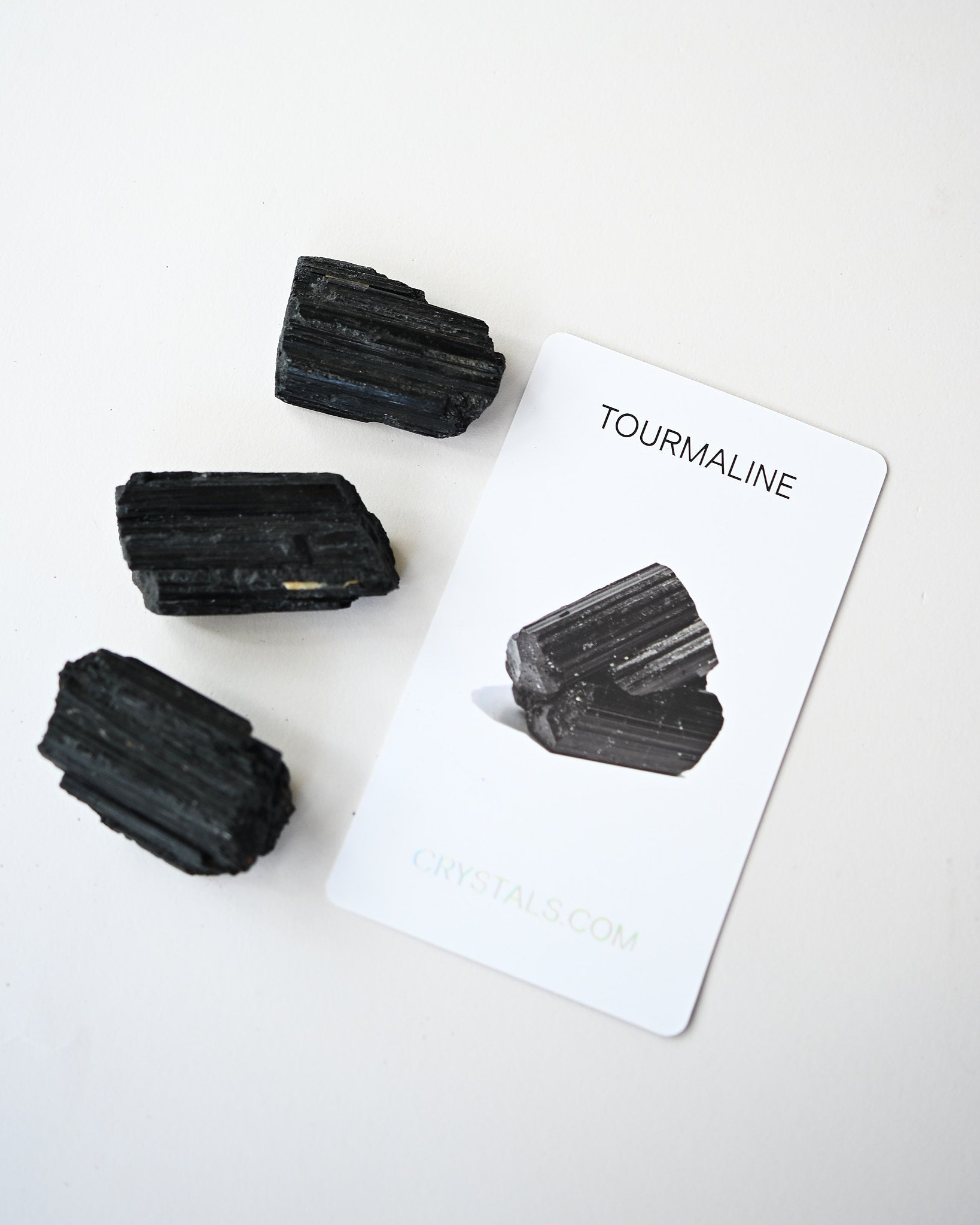
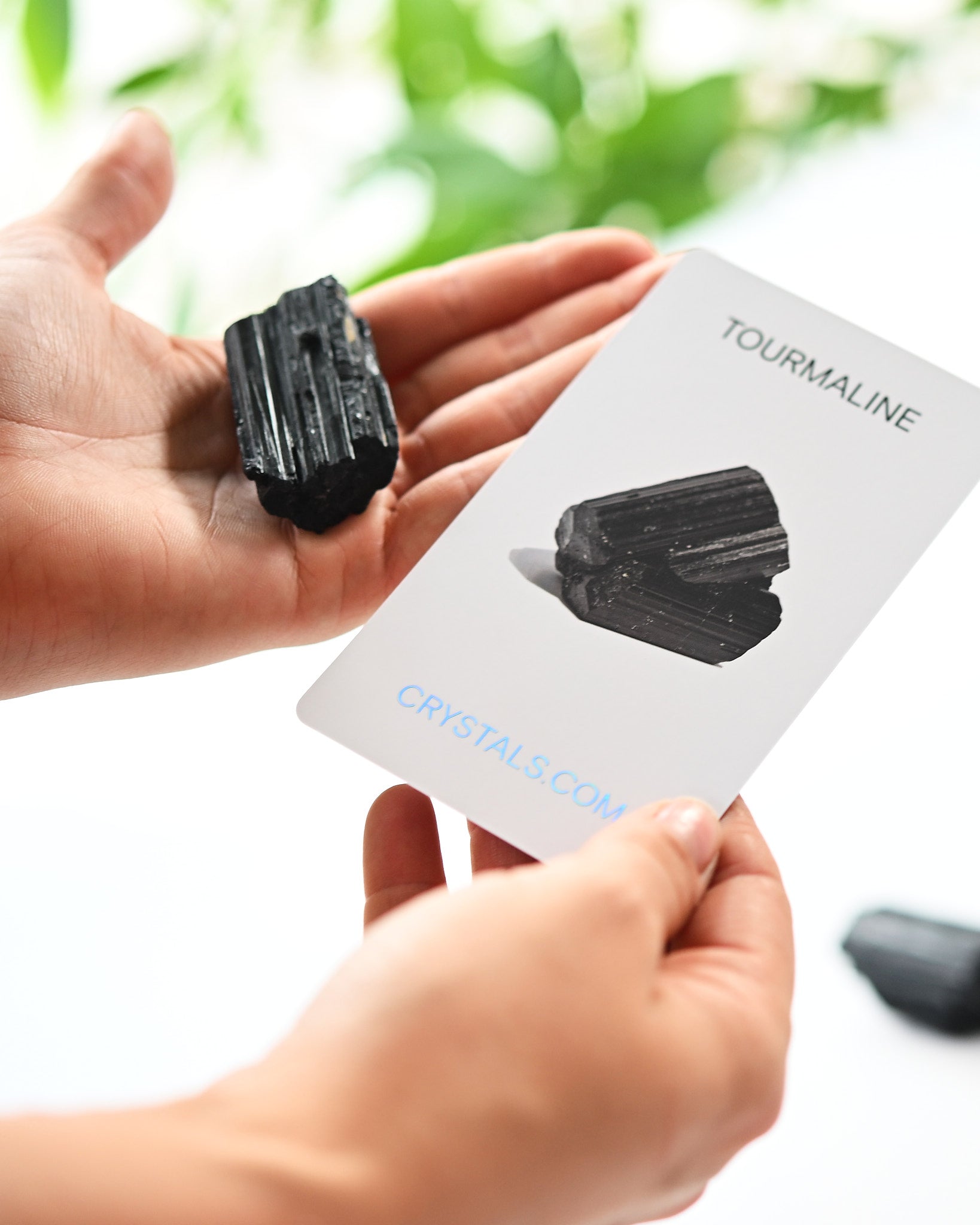
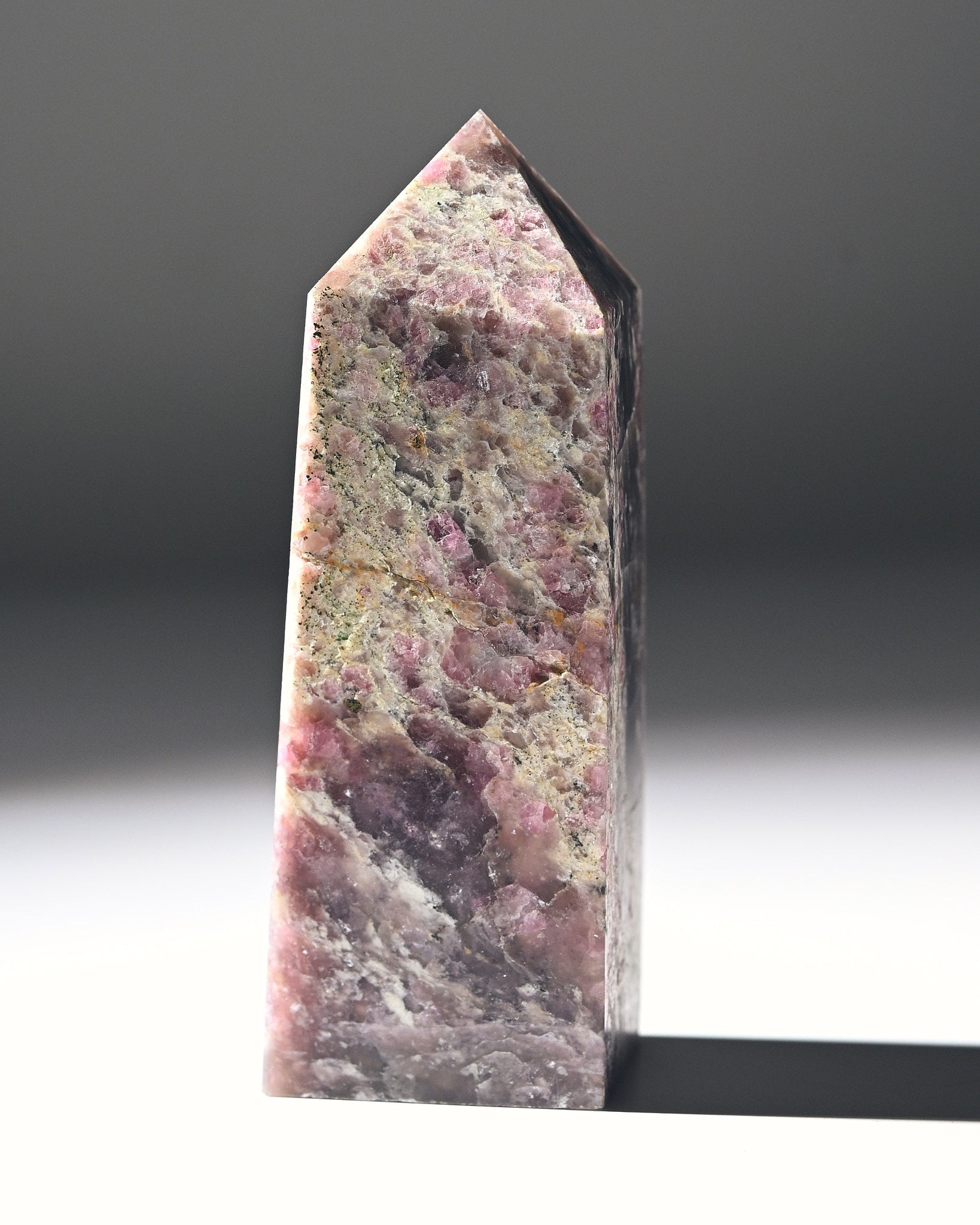
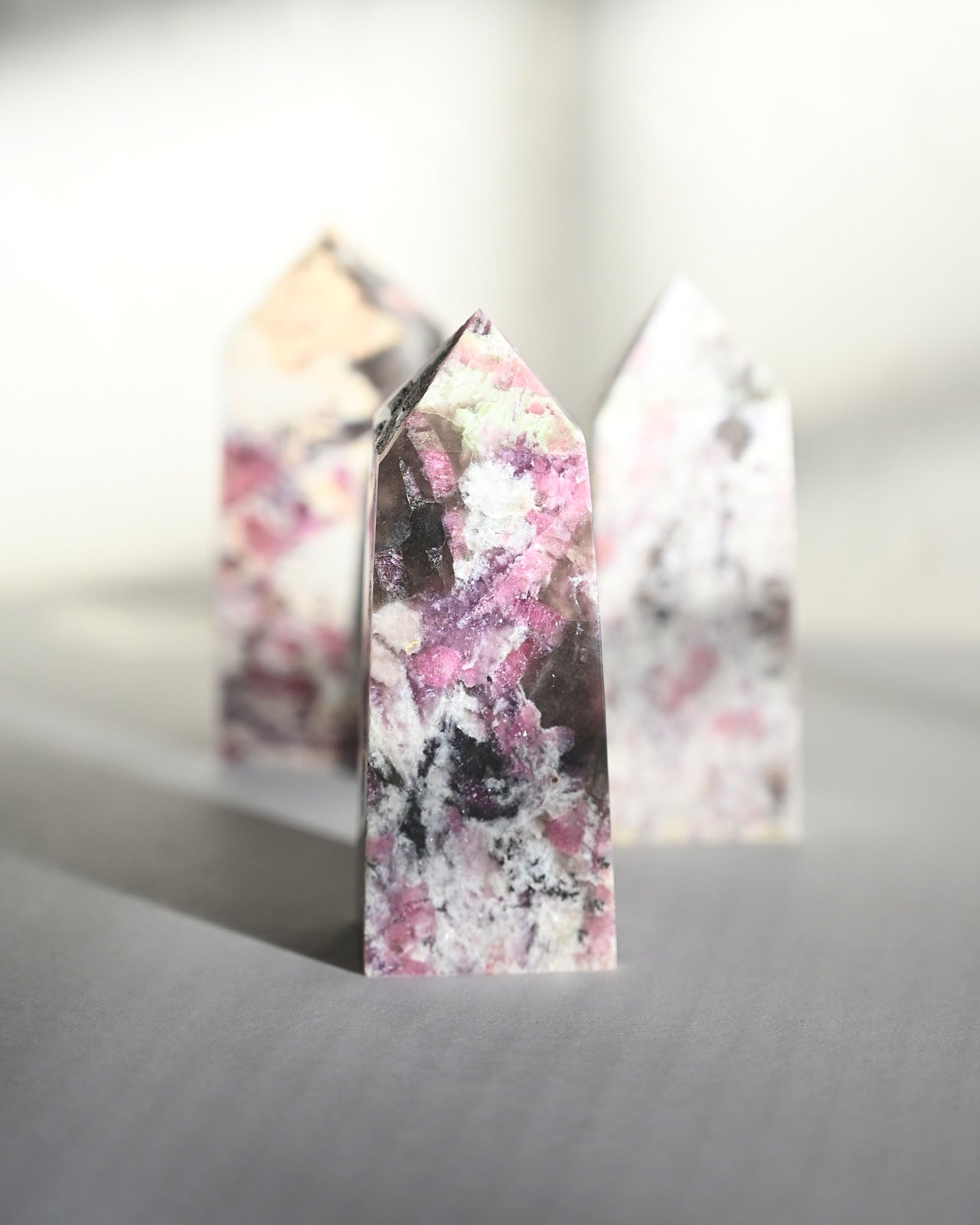
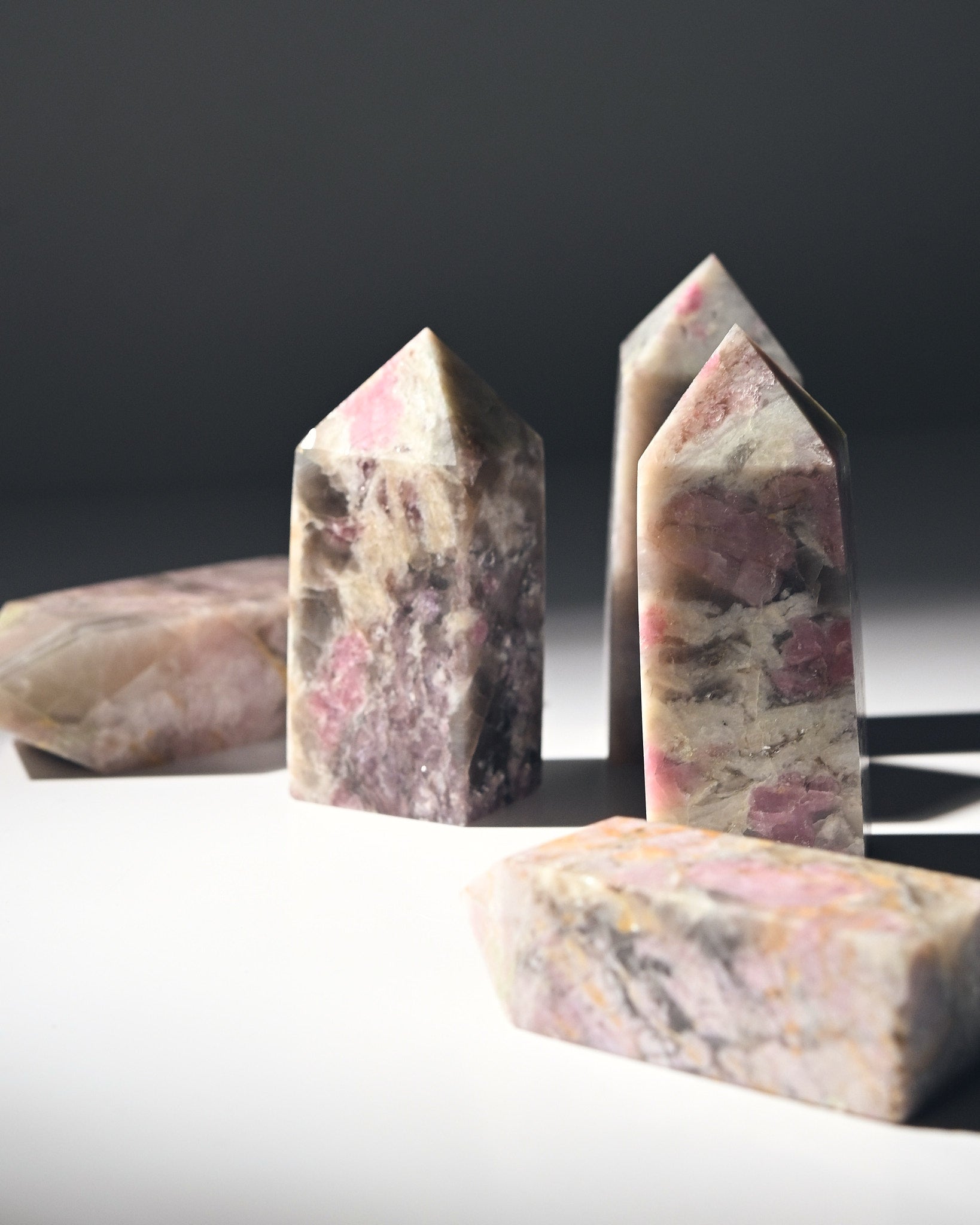
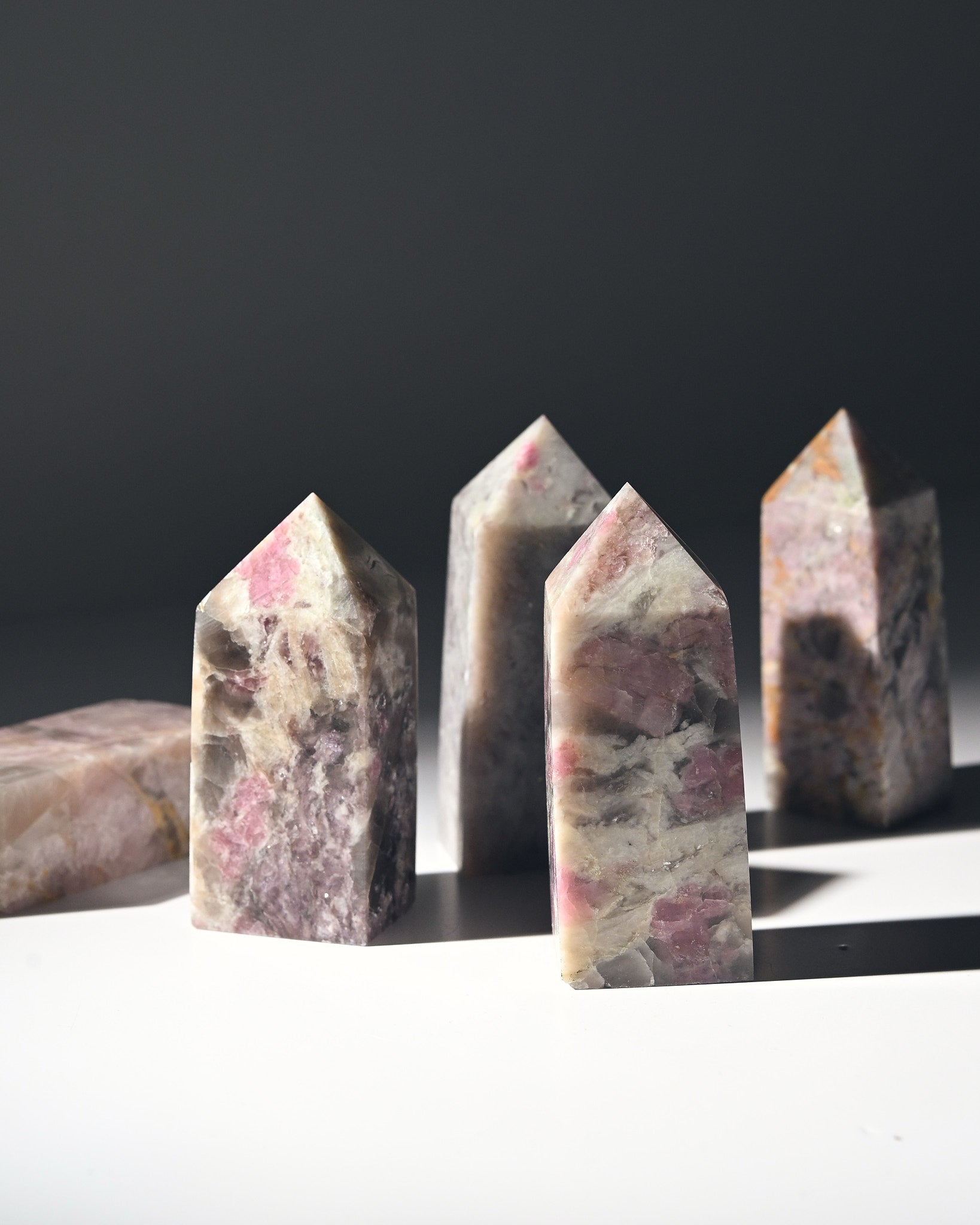
Tourmaline is a boron silicate mineral group that occurs in more colors than any other mineral species. Black tourmaline (schorl) is the most common variety, while pink (rubellite), green (verdelite), blue (indicolite), and watermelon tourmaline are prized by collectors. Major sources include Brazil, Afghanistan, Mozambique, Nigeria, and Maine (USA). Tourmaline rates 7–7.5 on the Mohs scale.
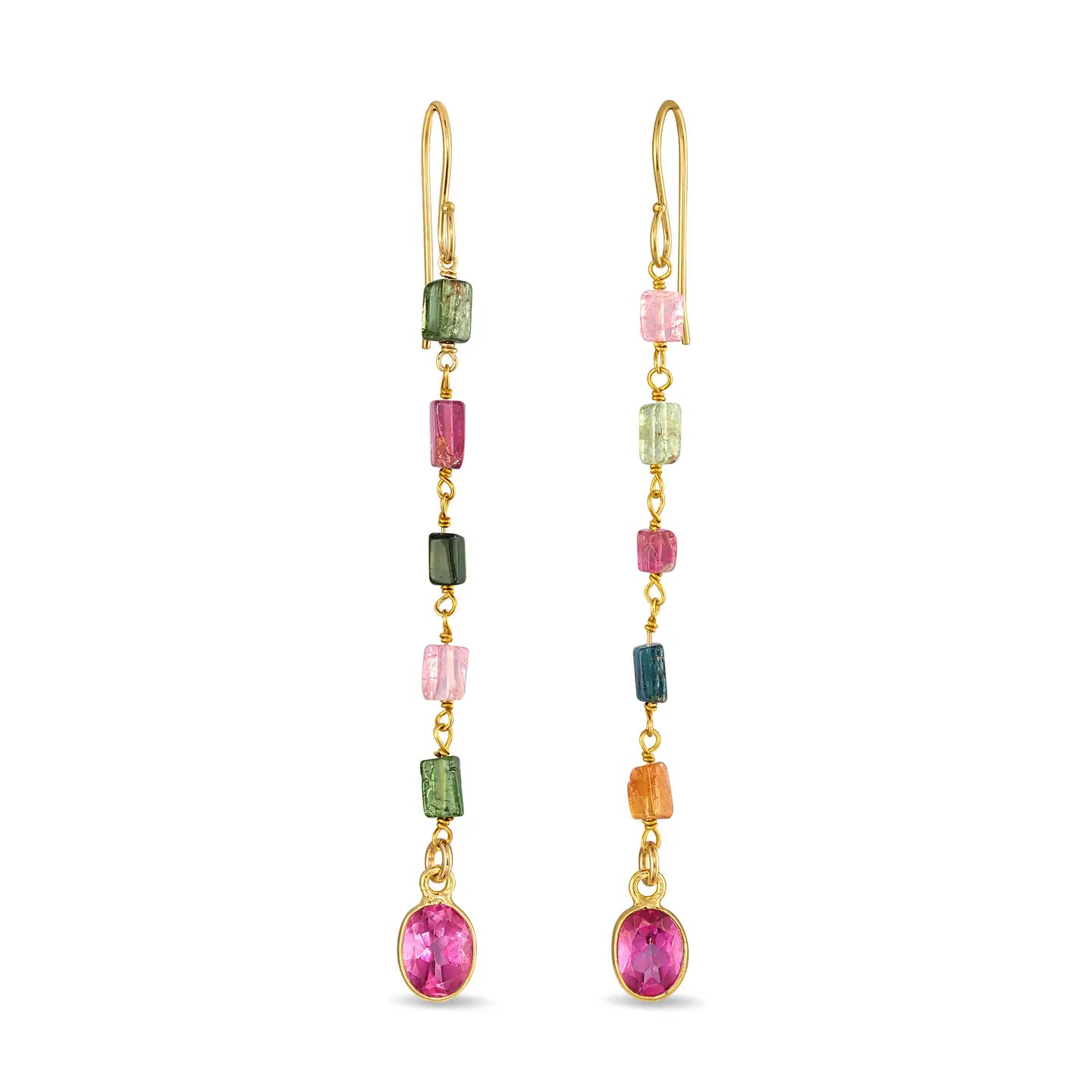
Tourmaline's color depends on chemical composition: iron produces black and brown, manganese creates pink and red, lithium yields green and blue, and chromium produces the rare chrome tourmaline. Some crystals show multiple colors in a single specimen — watermelon tourmaline has a pink center with a green rind. Paraiba tourmaline from Brazil and Mozambique, colored by copper, produces electric neon blue-green unlike any other gemstone.
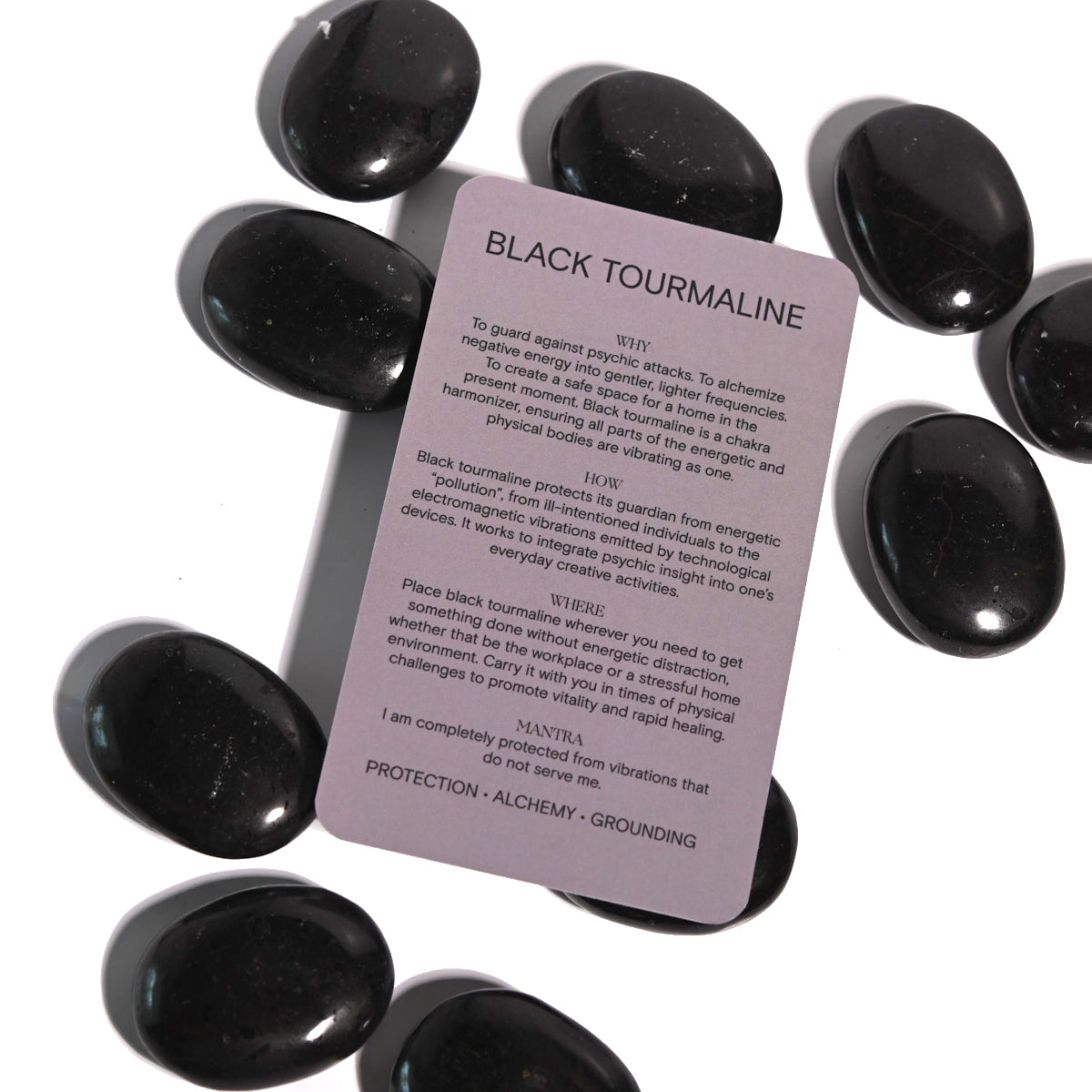
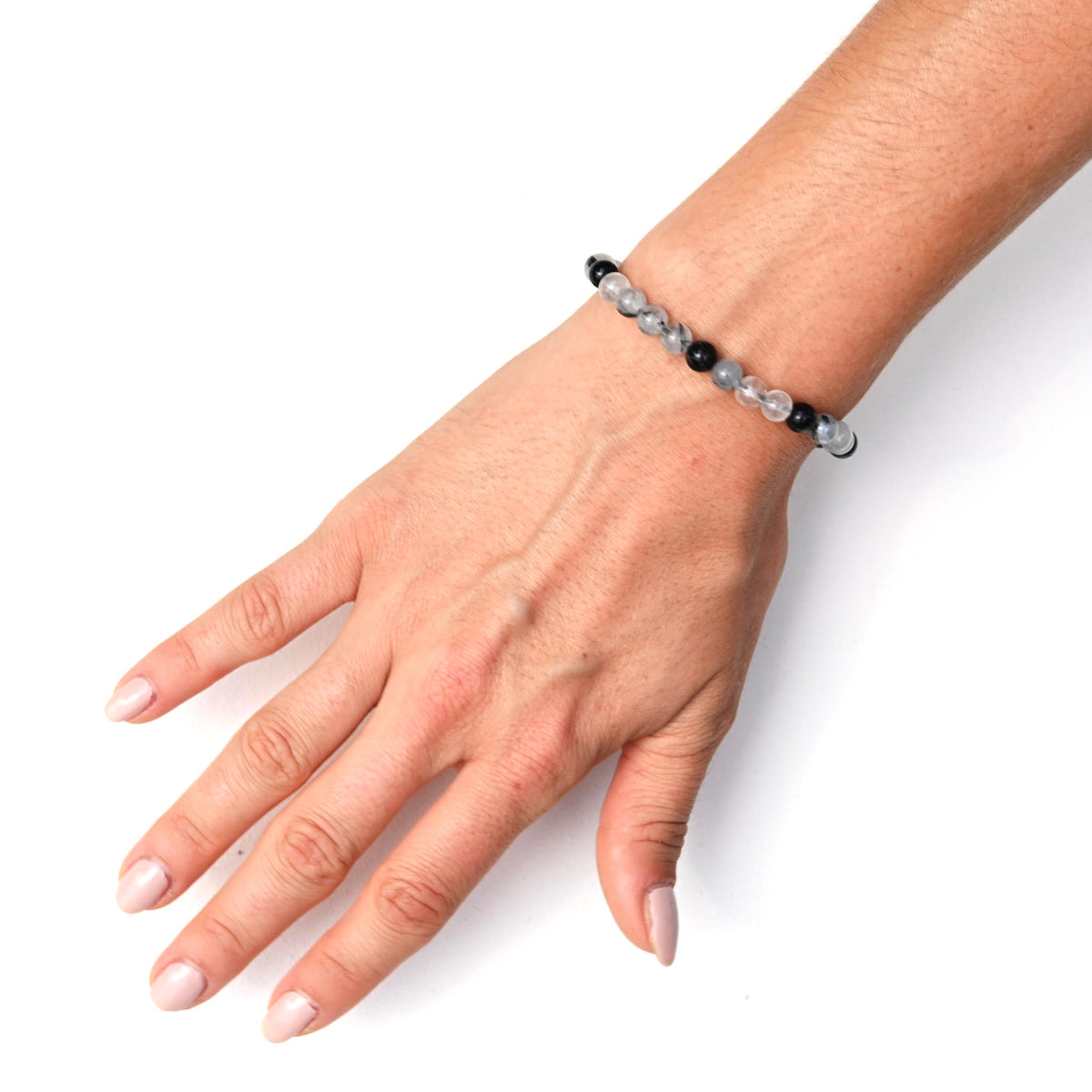
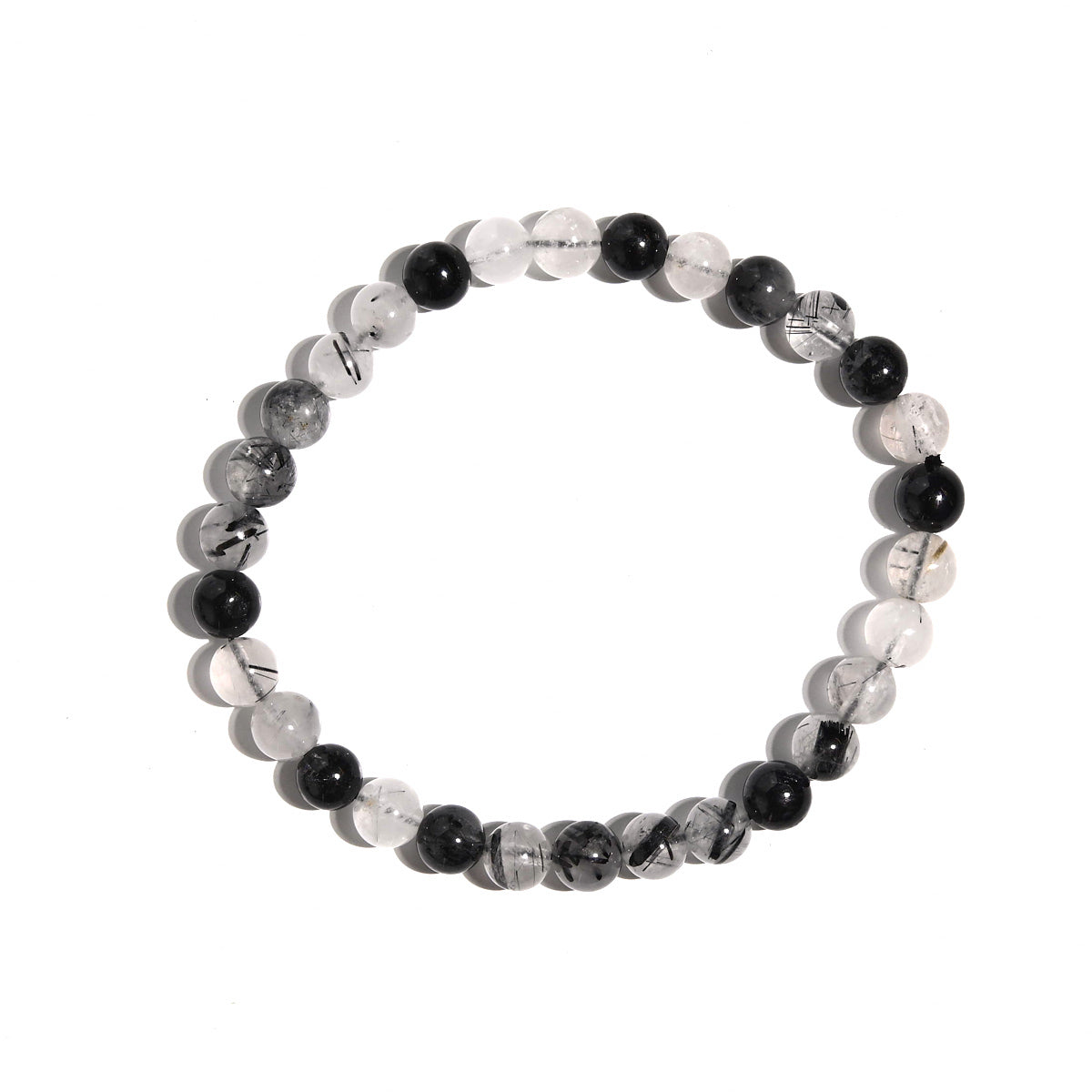
Available forms include raw specimens, polished pieces, bracelets, and jewelry. For the black variety specifically, see our dedicated black tourmaline collection. Tourmaline pairs well with obsidian and smoky quartz for dark mineral displays. Free shipping on orders $150+.
Frequently Asked Questions
Why does tourmaline come in so many colors?
Tourmaline's color depends on which elements substitute into its complex crystal structure. Iron produces black and brown (schorl), manganese creates pink and red (rubellite), lithium yields green and blue, chromium produces rare green chrome tourmaline, and copper creates the electric neon blues of Paraiba tourmaline.
What is watermelon tourmaline?
Watermelon tourmaline shows a pink or red center surrounded by a green outer layer. This occurs when the chemical environment changes during crystal growth — manganese forms the pink core, then iron creates the green rind. Cross-sections are cut perpendicular to the crystal axis to display the zoning.
Where does tourmaline come from?
Brazil (Minas Gerais, including Paraiba), Afghanistan and Pakistan (fine pink and blue), Mozambique and Nigeria (copper-bearing Paraiba-type), Maine USA (historic green and watermelon), and Madagascar. Each locality produces distinct color and crystal characteristics.
What is the difference between black tourmaline and obsidian?
Black tourmaline is a crystalline mineral (Mohs 7–7.5) with visible striations and piezoelectric properties. Obsidian is volcanic glass (Mohs 5–5.5) with conchoidal fracture and no crystal structure. They look similar but are completely different materials.
Is tourmaline good for jewelry?
Yes. At Mohs 7–7.5 with no cleavage, tourmaline is excellent for all jewelry types. It is one of the most popular colored gemstones in fine jewelry worldwide, especially rubellite (pink-red) and Paraiba (neon blue-green).








Authenticity First






Let customers speak for us
My faborite, the bix is beautiful

Smells so good

this - 🤩✨✨ BLEW my mind. absolutely stunning!!! the feel and the color is just everything i feel so boujee when i wear it 🧑🩰🦋 definitely has been a daily “must wear” bracelet of mine. the quality is insane!! the best quality ive seen/felt on a crystal bracelet i was beyond happy i was able to snag this when i did 🥰 truly a DREAM and the photos dont do it justice!

this is my 2nd malachite tumble in my collection and the energy😌🩷 and the fact it’s so high quality 💁♀️ i expected a teeny tiny tumble but the size is so perfect and what it should be (it matches the price point unlike most crystal shops)

when i received this piece i instantly compared to my other 2 that i have in my collection and my oh my!!! such high quality 🤩🥰

I love it I will get more 100 nice

Beautiful i love it

Wow i lve it

Great
Incredibly lovely. Perfect.

Wonderful
LOVE IT. Colors are absolutely beautiful, the fit is perfect, and I'm so glad to say that I'm happy with the size of the crystals - I was afraid I wouldn't like to smaller size as I'm used to 8 mm.

This necklace is beautiful. They were out of it, but I love the substitution. All their jewelry is beautiful.

Love it so much! Looks and feels wonderful.

Perfect
A Sanctuary of Natural Beauty
Every crystal here was discovered by hand, selected with intuition, and photographed in its true light.
One-of-a-Kind. Forever Pieces.
Let the Universe Decide


