Turquoise is arguably the most historically significant gemstone in human civilization — a sky-blue to green mineral that has been mined, traded, worn, and revered for over 7,000 years. From the burial mask of Egyptian pharaohs to Navajo silverwork, from Persian palace mosaics to Tibetan prayer beads, turquoise has held sacred meaning across more cultures than any other gemstone. Its distinctive blue-green color has given its name to the color itself, and its cultural significance is matched only by its geological rarity in fine grades.
The word "turquoise" comes from the French "pierre tourques" (Turkish stone) — not because it originated in Turkey, but because the medieval trade routes that brought Persian turquoise to Europe passed through Turkish bazaars. The stone's true origins span the ancient world: Iran (the finest historical source), the American Southwest (Navajo, Zuni, and Pueblo sacred stone), Sinai Peninsula of Egypt, Tibet, and China.
Mineralogy and Formation
Turquoise is a hydrated copper aluminum phosphate with the formula CuAl6(PO4)4(OH)8·4H2O. Its blue color comes from copper, while greener varieties contain additional iron that shifts the hue. The mineral forms through a complex process of percolating acidic groundwater dissolving copper from copper-bearing rocks and redepositing it in combination with aluminum and phosphorus within fractures and voids in the host rock.
This formation process means turquoise only occurs in arid and semi-arid regions where specific geological conditions converge: copper deposits, aluminum-rich rock (often volcanic), phosphorus sources (from bone or apatite in the surrounding rock), and acidic groundwater in a dry climate. This narrow set of requirements explains why high-quality turquoise deposits are geographically limited.
The "matrix" — the dark veins of host rock running through turquoise — tells the geological story of each piece. Spider-web matrix (fine, even webbing) is highly prized in certain traditions. Clear, matrix-free "robin's egg blue" turquoise from Iran is considered the finest grade historically, while American collectors often prefer pronounced matrix patterns for their visual drama.

How to Identify Real Turquoise
Turquoise is one of the most imitated and treated gemstones in the market. Understanding authenticity is crucial:
Common Imitations
- Dyed howlite: White howlite dyed blue is the most common fake. Test: scratch the surface — dye will often show white beneath. Acetone on cotton will also remove dye.
- Dyed magnesite: Similar to howlite, but with slightly different veining patterns.
- Reconstituted turquoise: Turquoise powder mixed with resin and recompressed. Technically contains real turquoise but isn't a natural stone.
- Block turquoise: Completely synthetic, made from plastic or ceramic. Often perfectly uniform in color (a red flag).
- "African turquoise": Not turquoise at all — it's jasper with turquoise-like coloring. A misnomer perpetuated by the bead trade.
Treatment Types (Natural to Most Altered)
- Natural/untreated: Gem-grade, no enhancement. Extremely rare and expensive. Only the hardest, most dense turquoise qualifies.
- Stabilized: Infused with clear resin to harden soft turquoise and prevent color change. Most commercial turquoise is stabilized. This is widely accepted in the trade.
- Enhanced/dyed: Color-enhanced stabilized turquoise. Adds or intensifies blue color. Less desirable but very common.
- Reconstituted: Crushed and recompressed with resin. Low value.
Turquoise in Native American Tradition
For indigenous peoples of the American Southwest, turquoise is far more than a decorative stone — it is a sacred being. Navajo (Diné) tradition holds turquoise as one of the four sacred stones placed at the cardinal directions during creation. It represents the south, the color blue-green, and the sky itself brought to earth.
Specific cultural significances include:
- Protection during travel (historically attached to horses; today to cars)
- Communication with the spirit world
- Rain-bringing ceremonies (turquoise = water from sky)
- Healing ceremonies and medicine bundles
- Wealth and status indicators
- Offerings to sacred springs and mountains
When purchasing turquoise jewelry, supporting Native artists directly honors the cultural relationship between indigenous peoples and this sacred stone. Look for pieces stamped by registered Native silversmiths.

Metaphysical Properties
Protection
Across virtually every culture that has used turquoise, protection is its primary attribute. It's believed to absorb negative energy directed at the wearer — some traditions say the stone will crack or change color when it has absorbed a particularly strong attack, sacrificing itself to protect its owner. Turquoise worn during travel is said to protect against accidents, theft, and illness away from home.
Throat Chakra and Communication
Turquoise is one of the oldest throat chakra stones, supporting honest, clear, and wise communication. Unlike more intellectual blue stones, turquoise connects speech to wisdom traditions — helping you speak not just what's true, but what's helpful, timely, and compassionate. It's the stone of wise counsel, teaching, and leadership through words.
Wholeness and Integration
Turquoise bridges heaven and earth (sky-blue meeting earth-green), masculine and feminine, spiritual and material. It creates a sense of wholeness and integration within the wearer. For those who feel fragmented, scattered, or divided between different aspects of themselves, turquoise promotes unity of being.
Friendship and Loyalty
In many traditions, turquoise is gifted between friends as a symbol of loyalty and lasting connection. It's said that turquoise given with love will protect the recipient and maintain the bond between giver and receiver regardless of distance. This makes it a meaningful gift stone with thousands of years of precedent.
Care for Turquoise
Turquoise requires careful handling (5-6 Mohs hardness, porous structure):
- Remove before swimming, showering, or applying lotions/perfumes (chemicals and oils can discolor)
- Avoid prolonged sunlight exposure (can fade or shift color, especially in treated stones)
- Clean with only a dry or very slightly damp soft cloth
- Store separately from harder gemstones
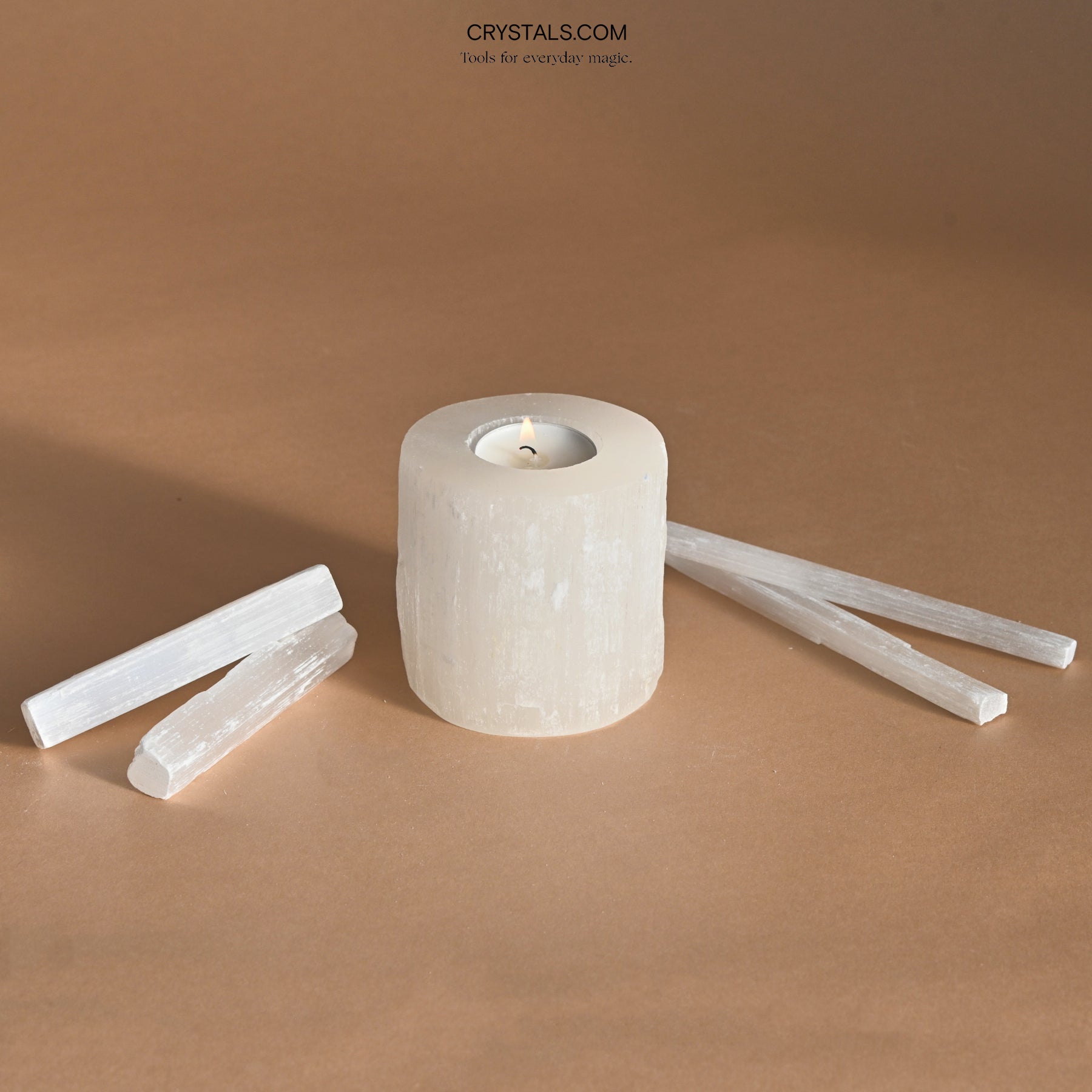
- Energetically cleanse with moonlight or selenite only (avoid water and salt)
Join Our Crystal Community
Weekly crystal insights, new arrivals, and exclusive guides delivered to your inbox.
Crystal healing is a complementary practice and not a substitute for professional medical care.
Shop Crystals for This Energy
Free shipping on orders over $150