Crystals.com
Agate Crystal
Authentic natural minerals, thoughtfully sourced and individually photographed.

Agate Crystal — Banded, Layered & Millions of Years in the Making
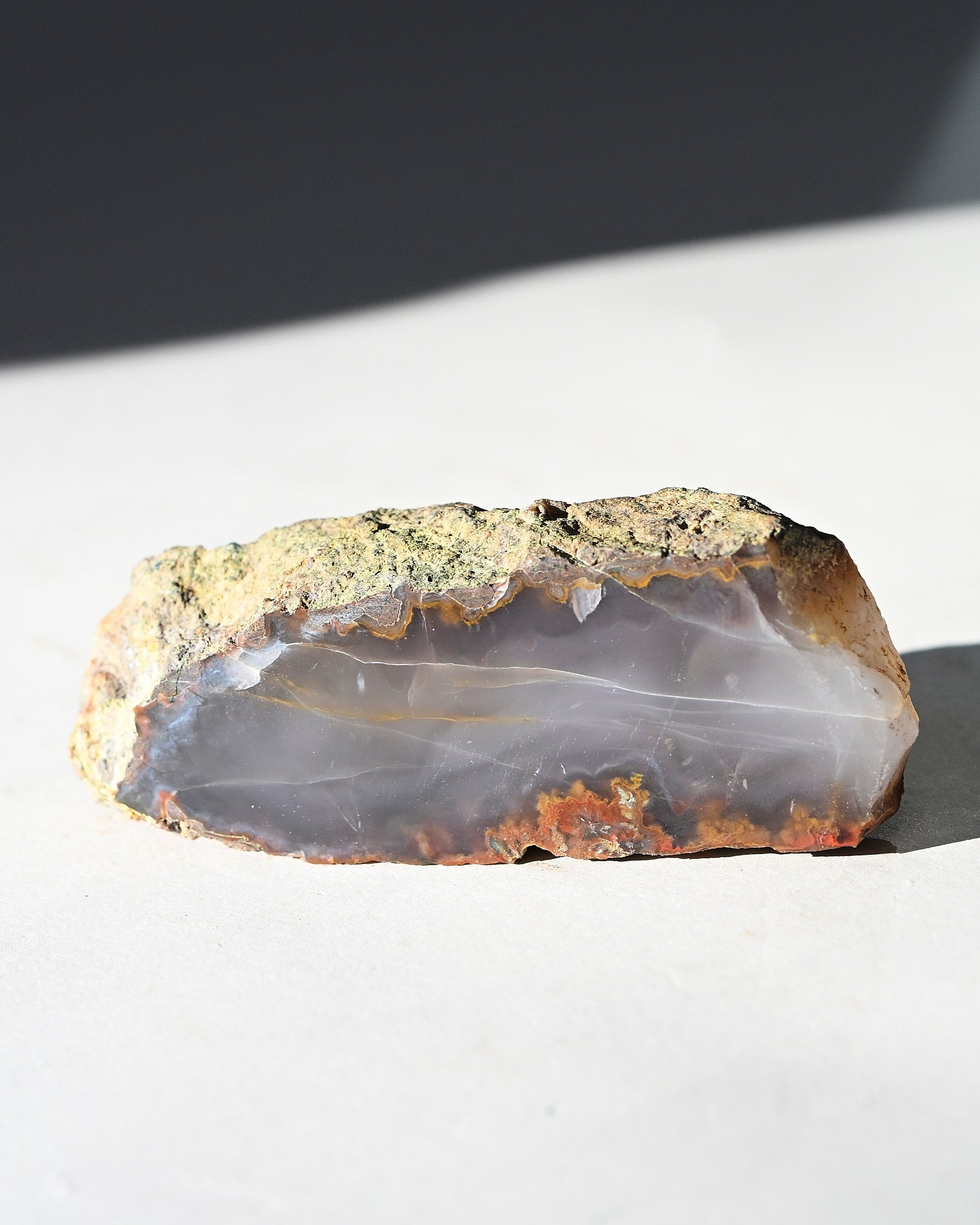
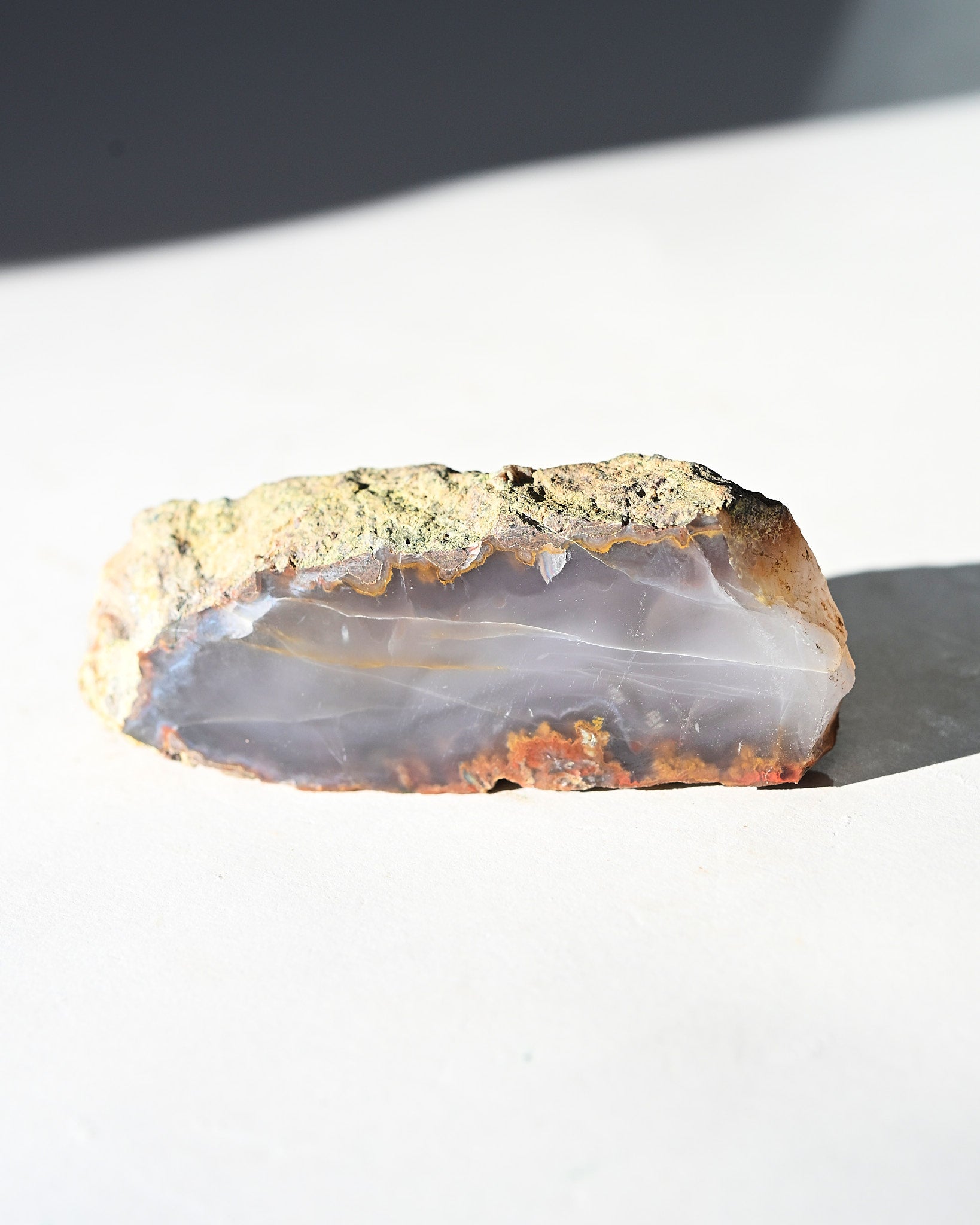
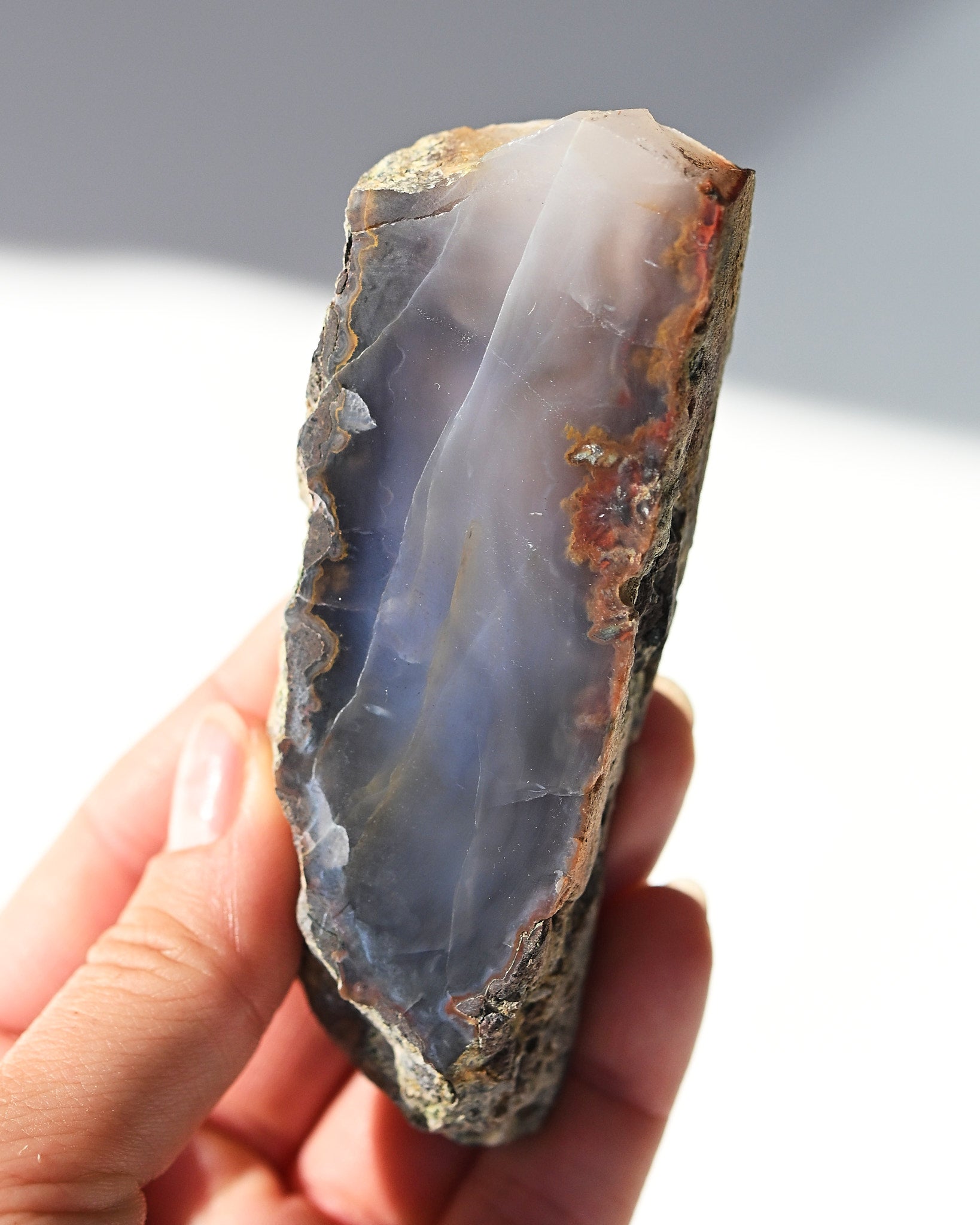
Agate is a banded variety of chalcedony — microcrystalline quartz — that forms inside volcanic rock cavities over millions of years. Silica-rich groundwater deposits layer upon layer inside gas pockets, each band recording a distinct mineral condition at the time of formation. The result is a natural cross-section of geological time: concentric circles, moss-like manganese inclusions, and fortification-style banding that no two specimens share. Mohs hardness: 6.5–7, making agate one of the more durable display minerals available.
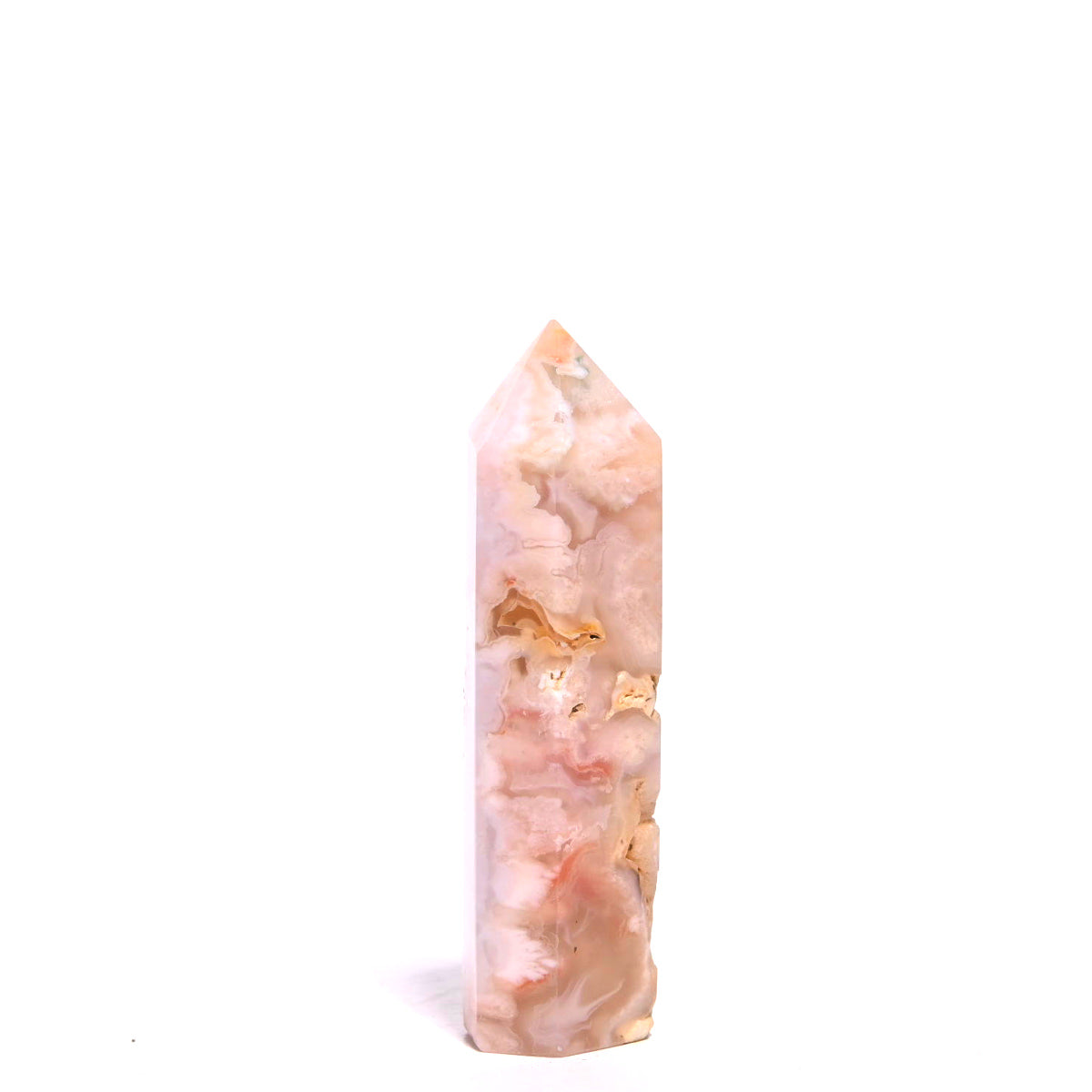
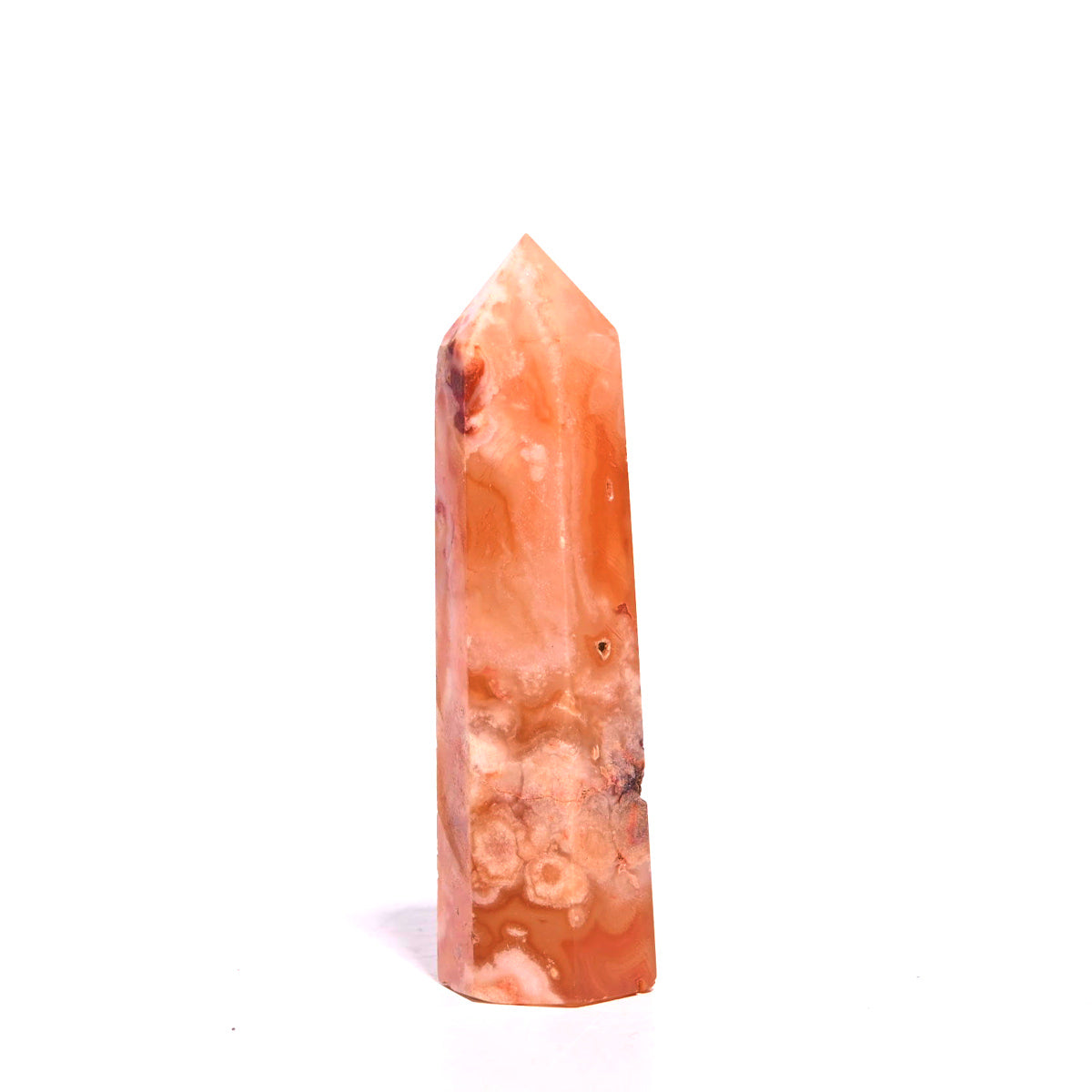
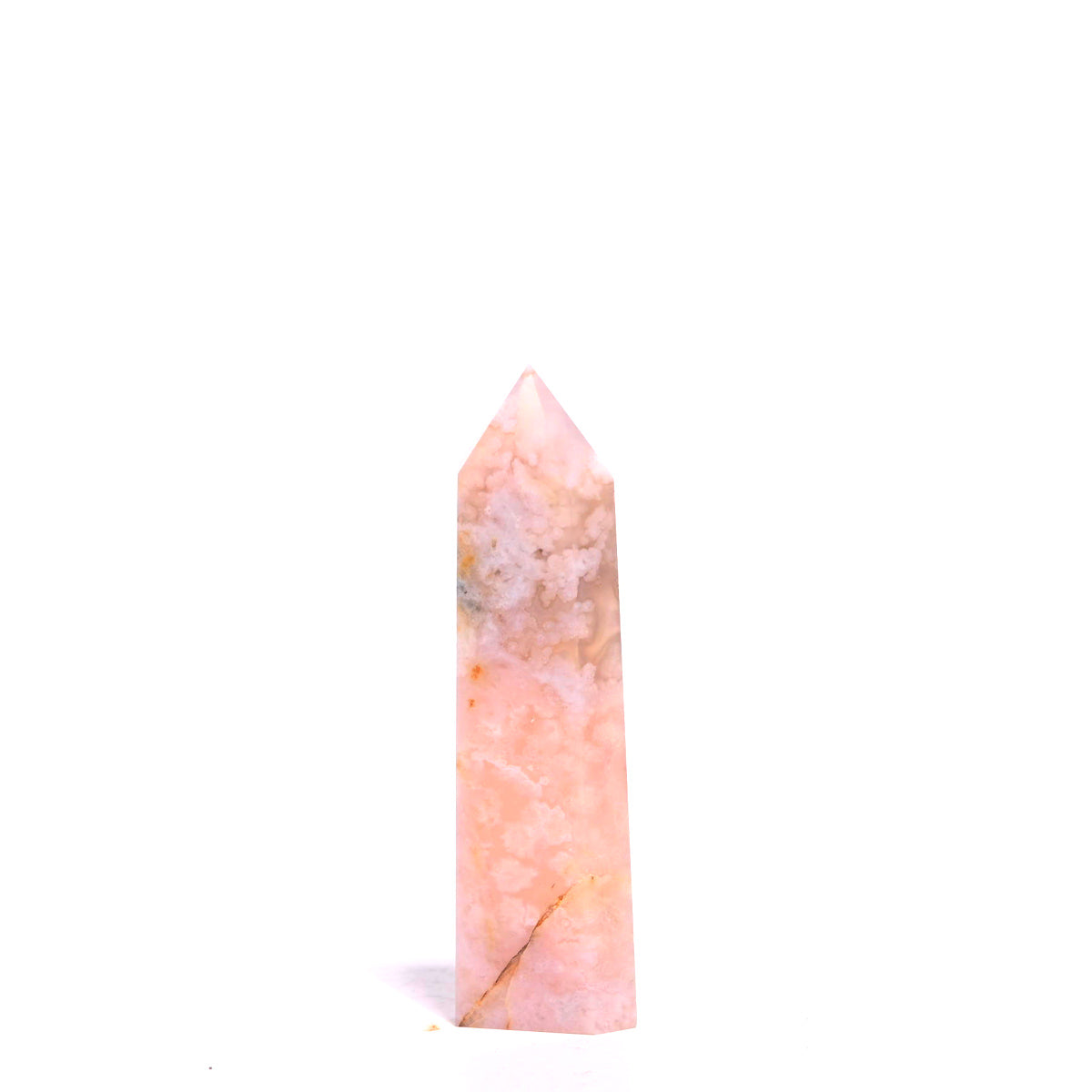
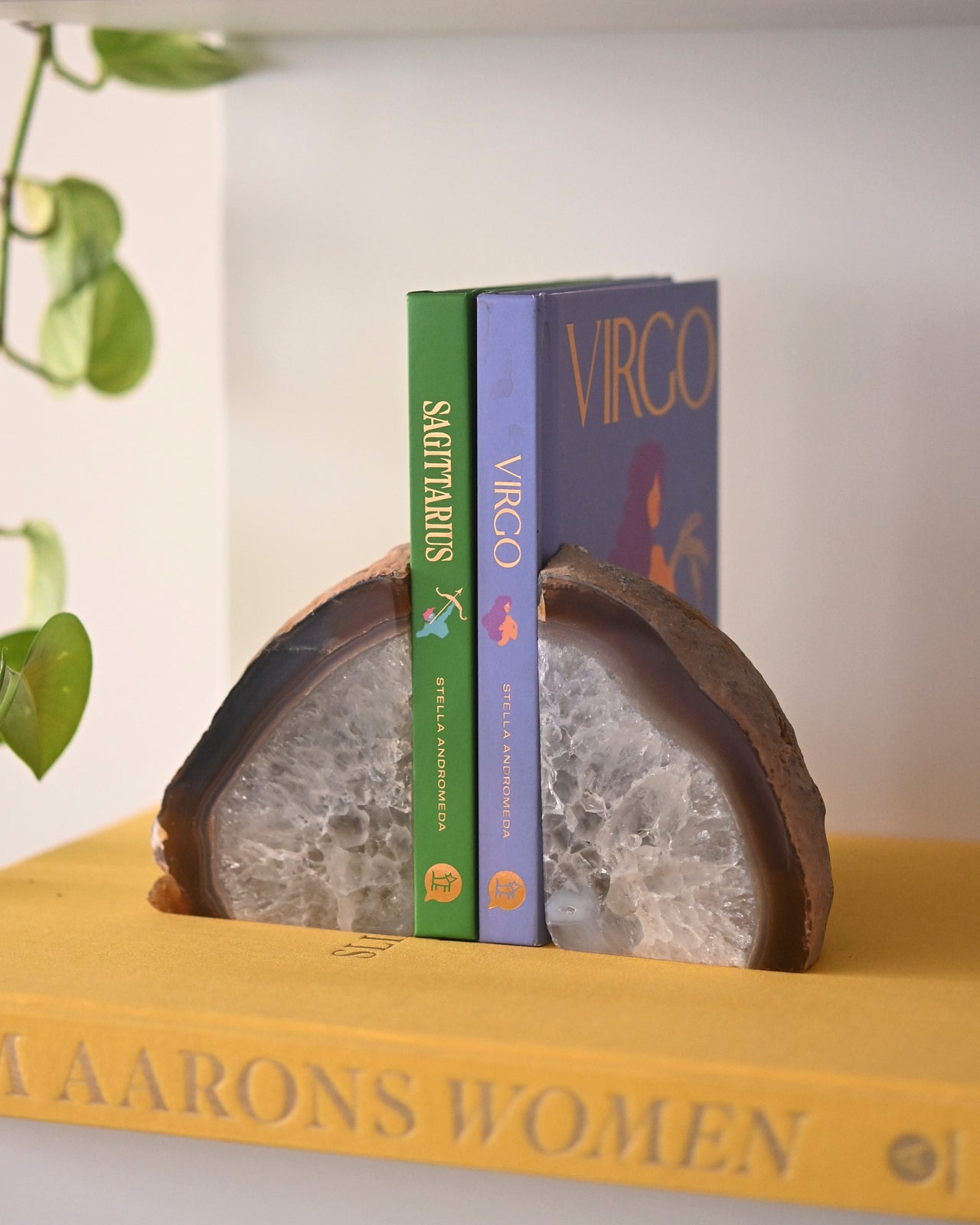
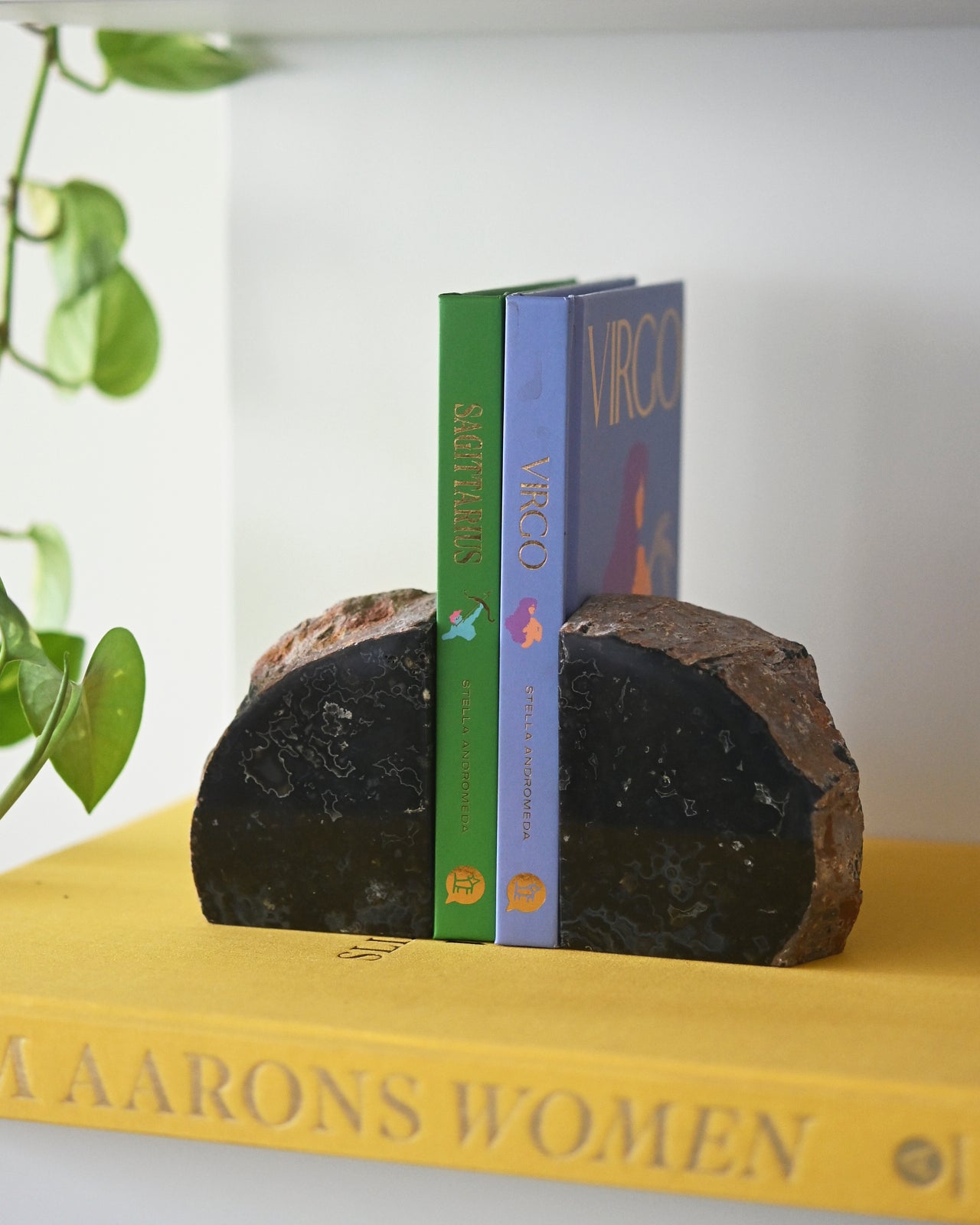
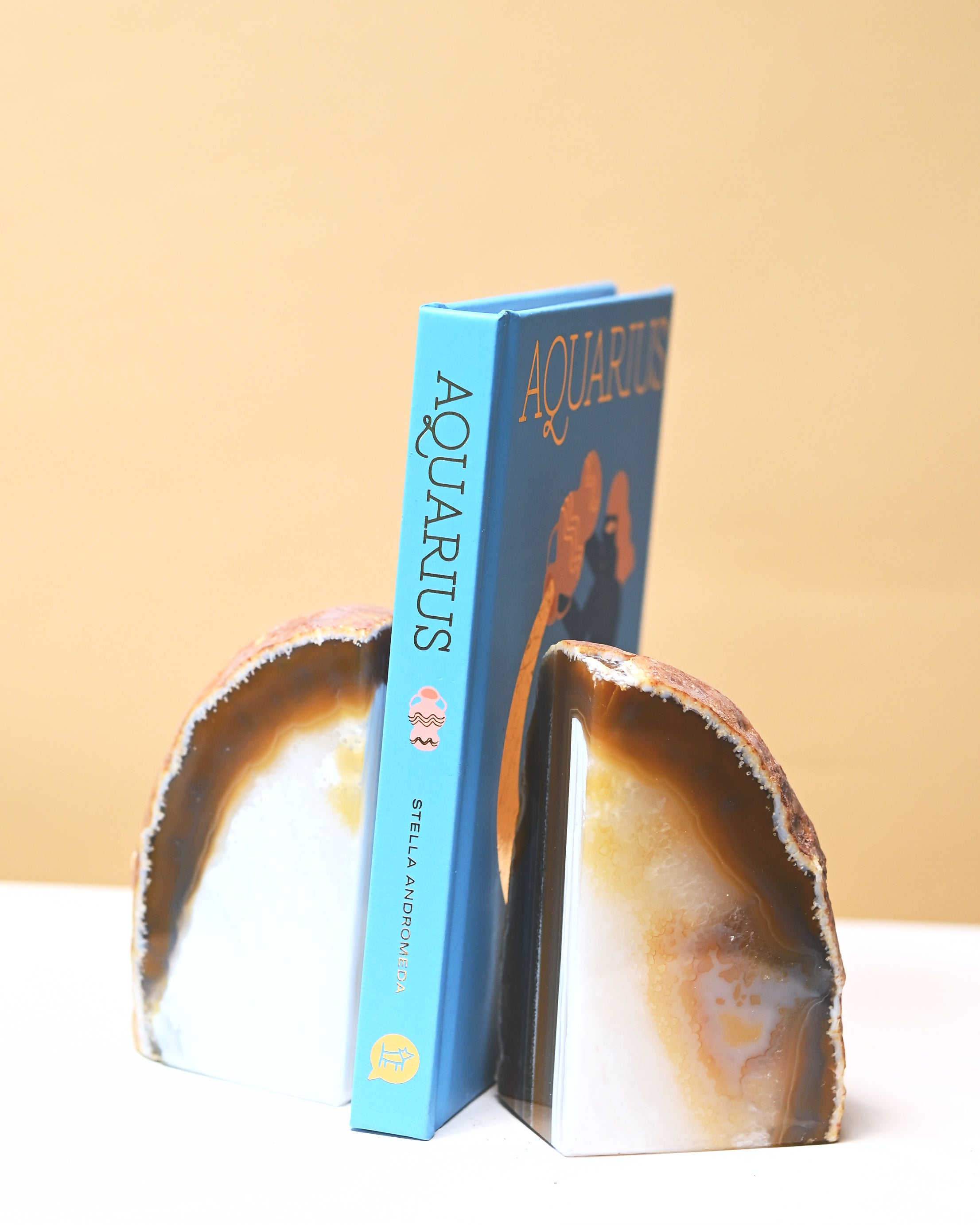
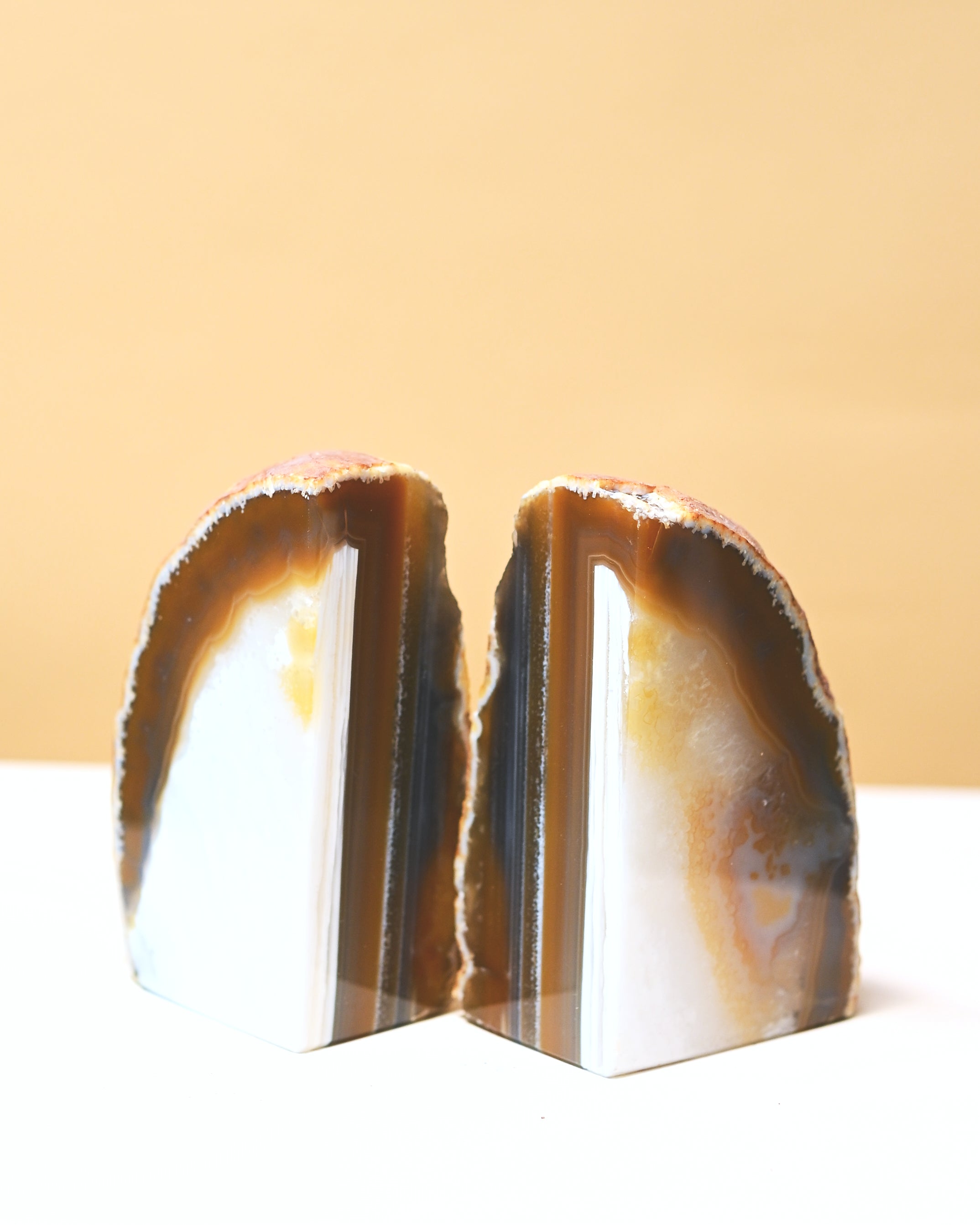
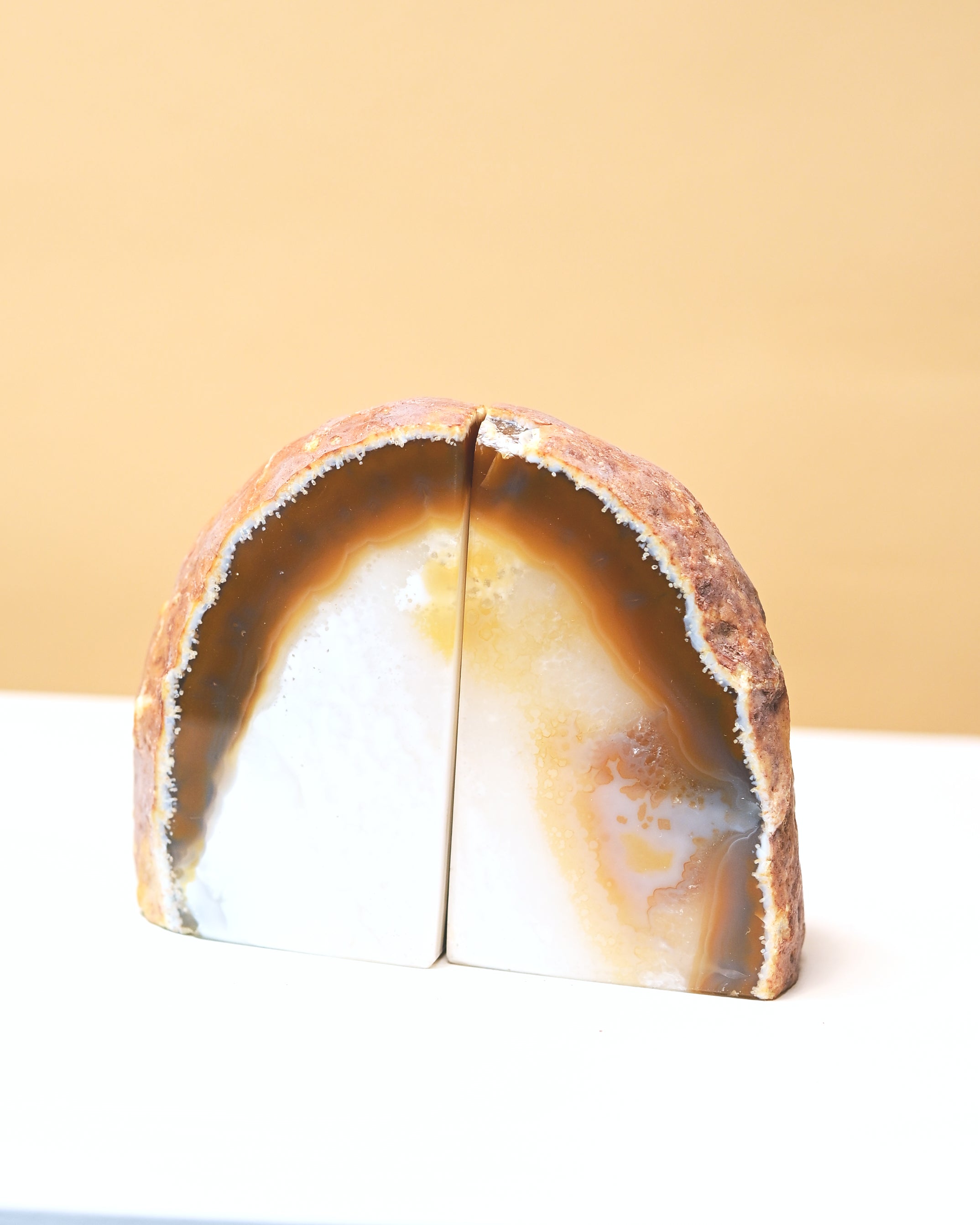
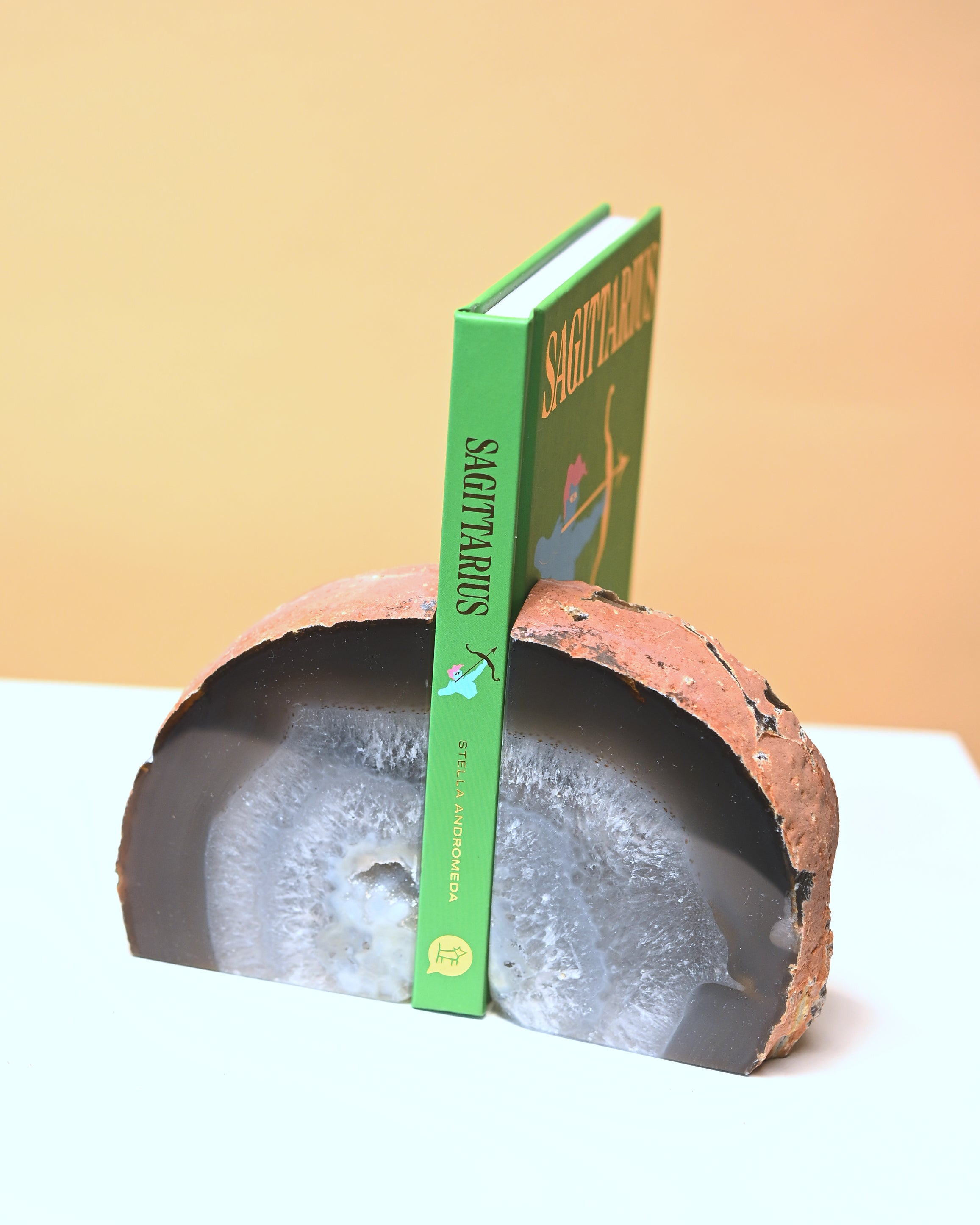
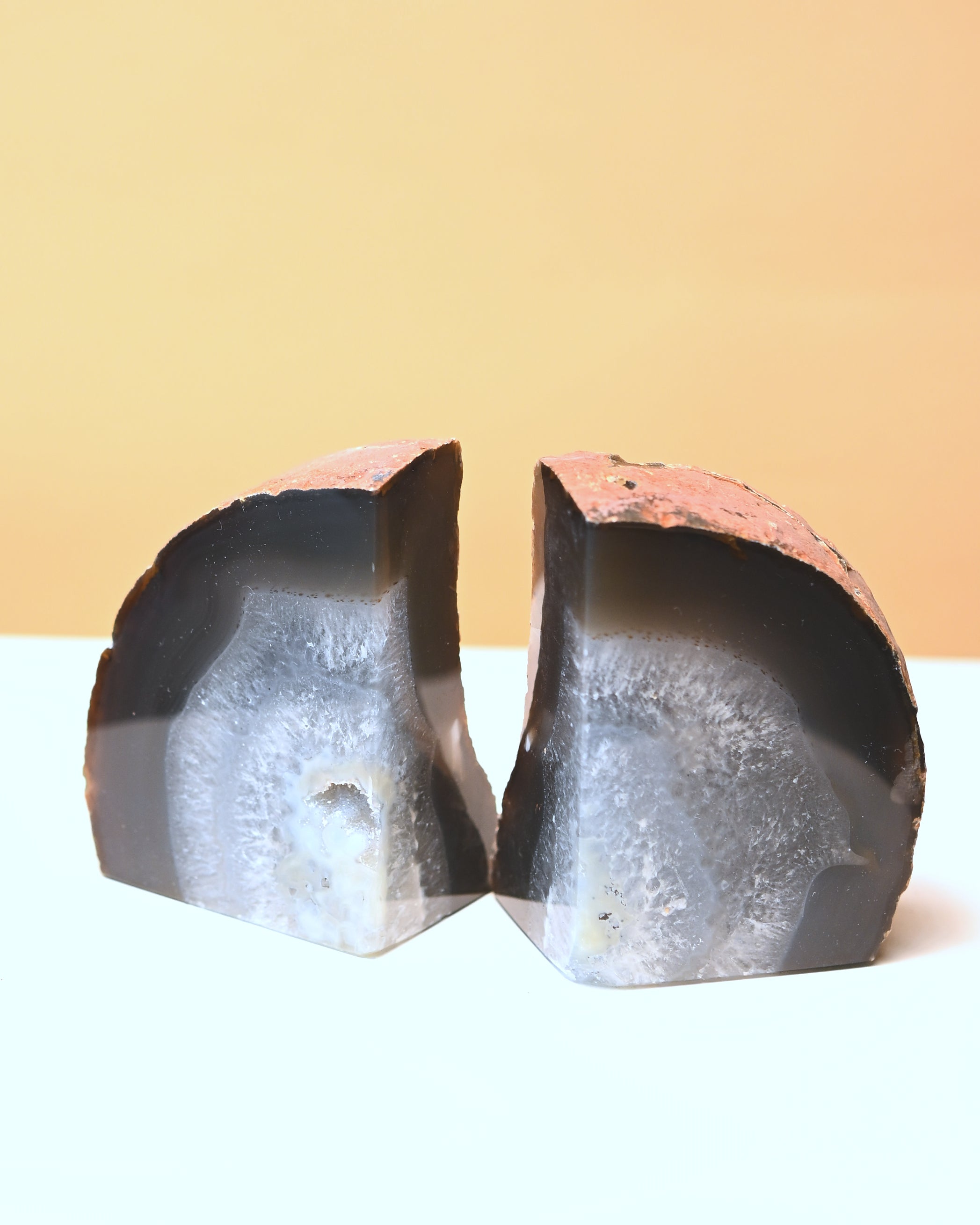
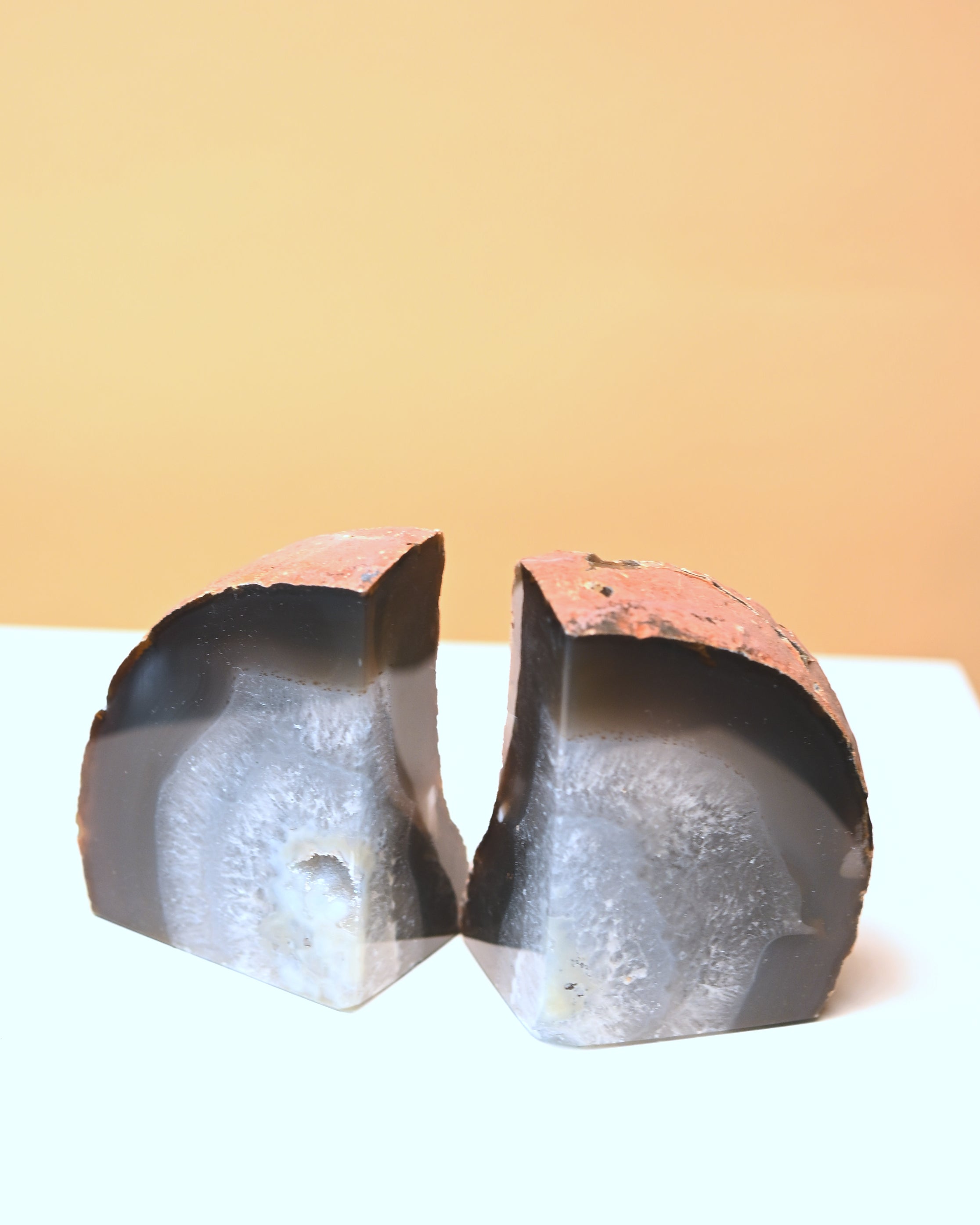
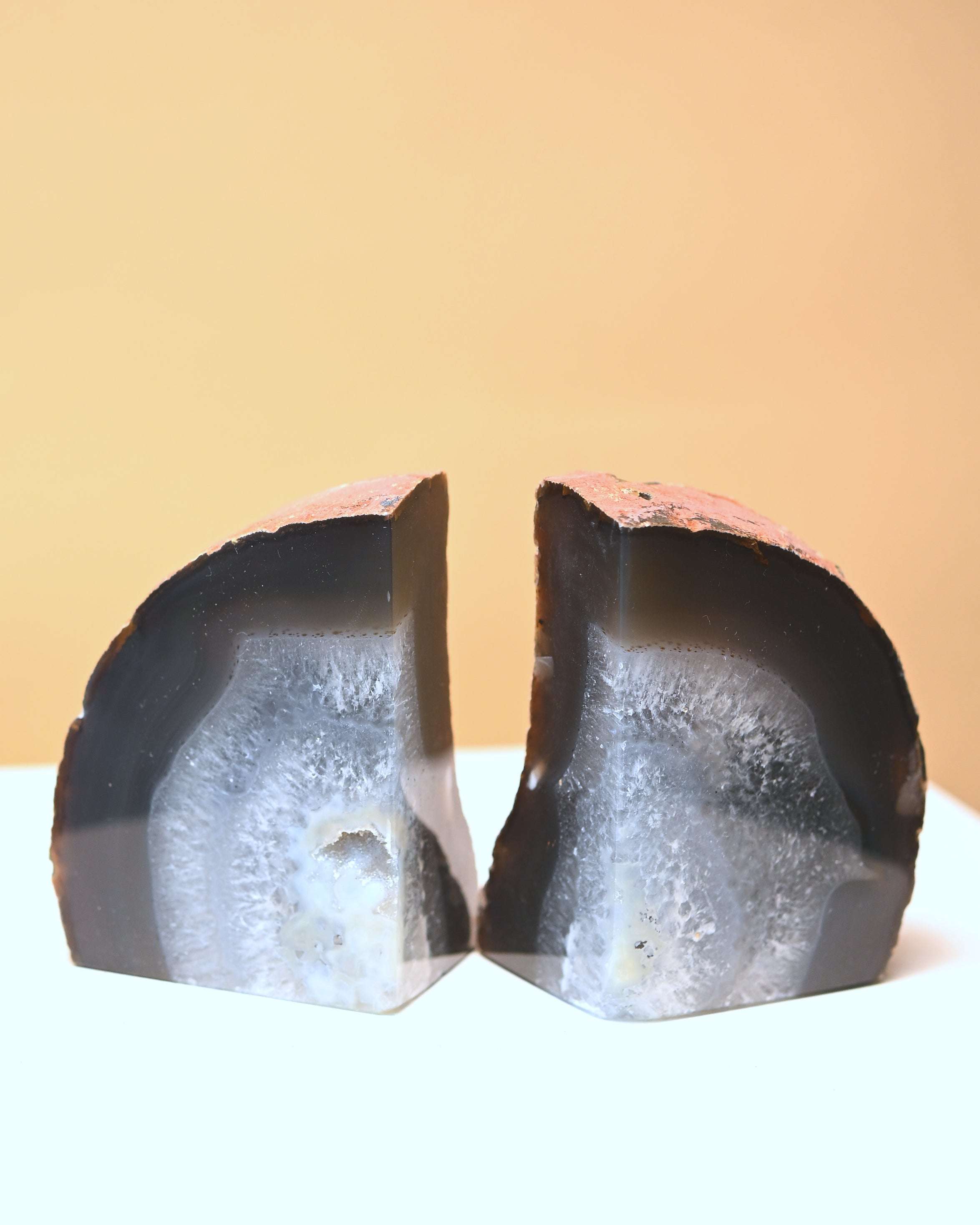
This collection spans the most celebrated agate localities on earth. Brazilian agate bookends and slabs from Rio Grande do Sul showcase wide, symmetrical banding in tones of gray, cream, and caramel. Rare Condor agate from Patagonia brings deep reds and purples rarely seen in agate material. Blue lace agate from Namibia offers soft concentric bands in lavender and sky blue. Flower agate from Madagascar features three-dimensional plume inclusions frozen mid-bloom. Dendritic agate displays tree-like manganese formations — no carving, entirely natural.
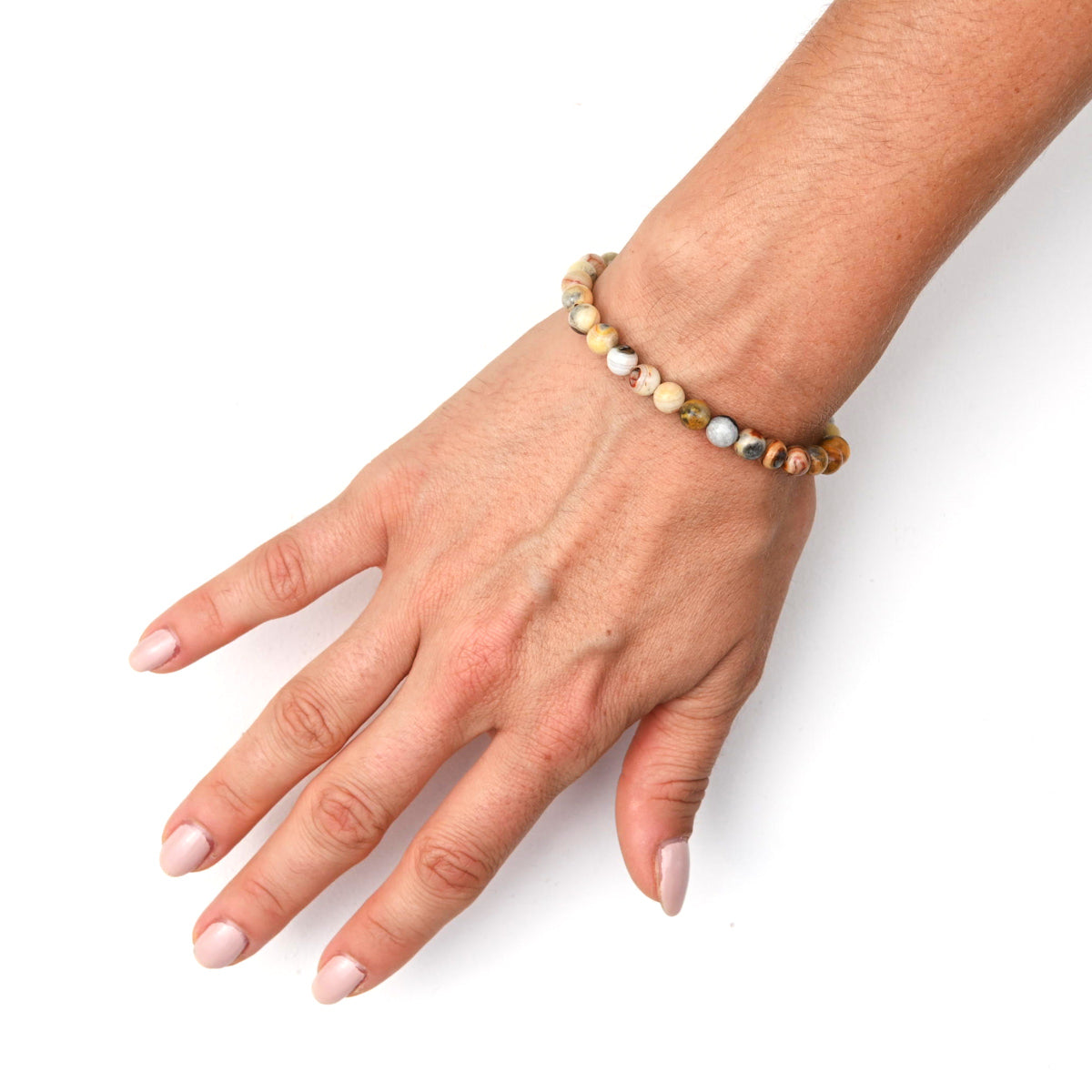
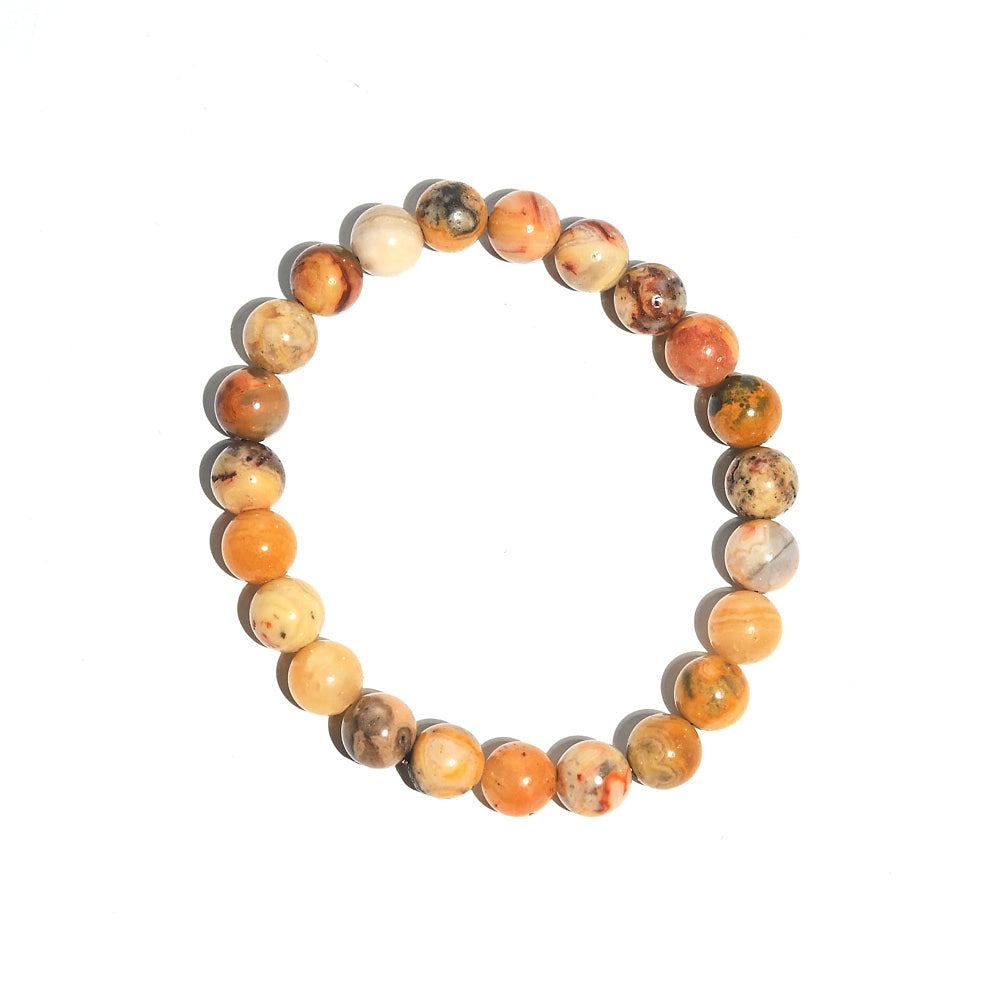
Every specimen is hand-selected, individually photographed, and exactly the piece you receive. Agate and jasper are geological siblings — both chalcedony, with overlapping formation environments — so if you love one you'll find the other compelling. For larger statement pieces, browse our curated selection over $100. For wearable agate, explore our crystal bracelets collection. Free US shipping on orders over $150.
Frequently Asked Questions
What is agate, and how does it form?
Agate is a banded microcrystalline quartz (chalcedony) that forms when silica-rich groundwater seeps into gas cavities in volcanic rock and deposits successive layers of microscopic quartz crystals. Each band records a slightly different water chemistry. Formation happens over millions of years.
How can I tell if agate is dyed?
Natural agate colors are earthier and subtler — grays, creams, warm browns, soft blues. Neon blue, hot pink, and saturated purple slabs with uniform color across every band are almost certainly dyed. Dye also concentrates in surface cracks under magnification.
How do I care for agate?
At Mohs 6.5–7, agate is durable and handles regular display and handling well. Rinse in lukewarm water if dusty, pat dry, and avoid prolonged direct sunlight on dyed specimens. Avoid hard impacts on corners or edges where any stone can chip.
What is the difference between agate and jasper?
Both are chalcedony (microcrystalline quartz). Agate is typically translucent with visible banding, while jasper is opaque with more uniform or mottled coloring. They form in similar volcanic environments and often occur together.






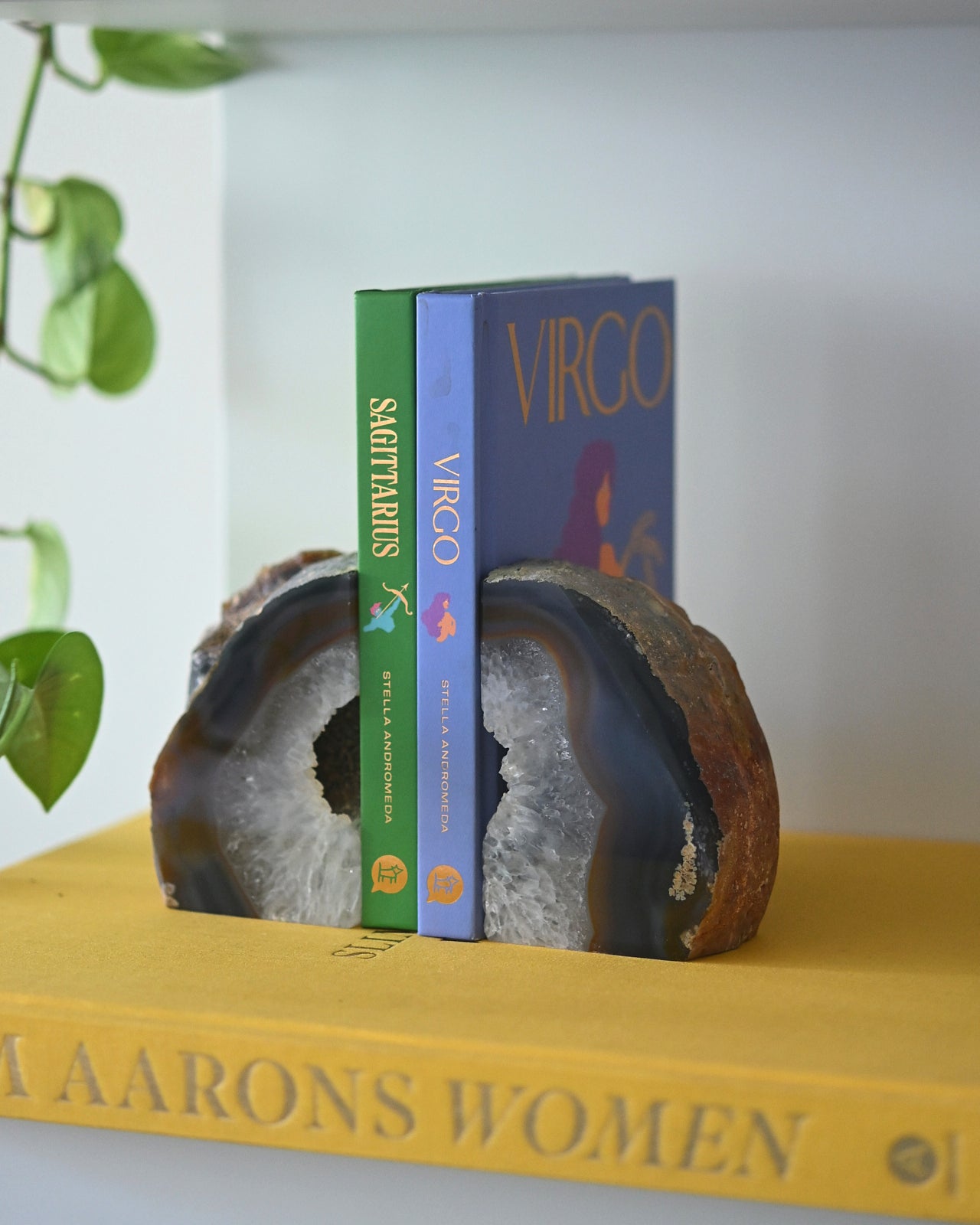
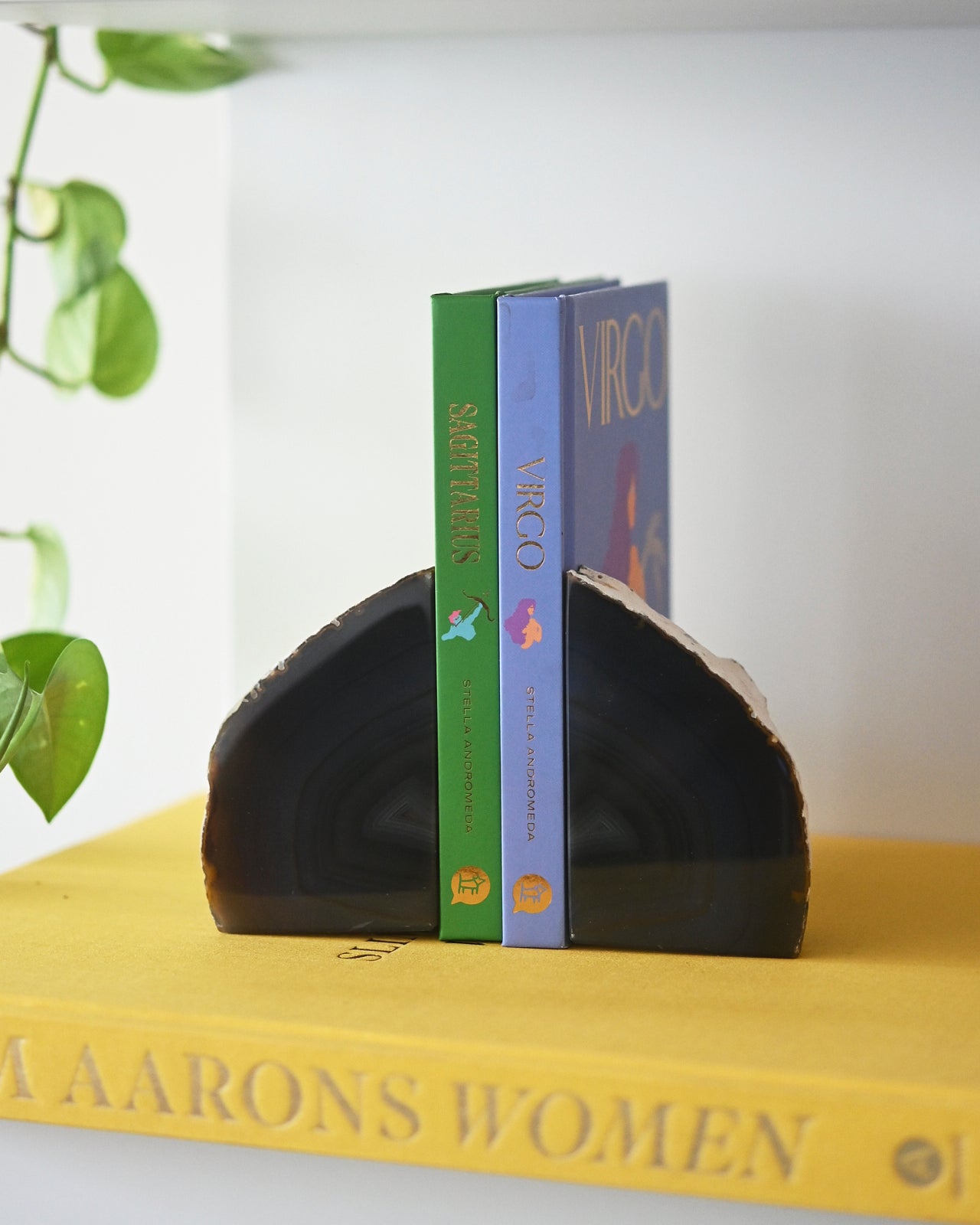


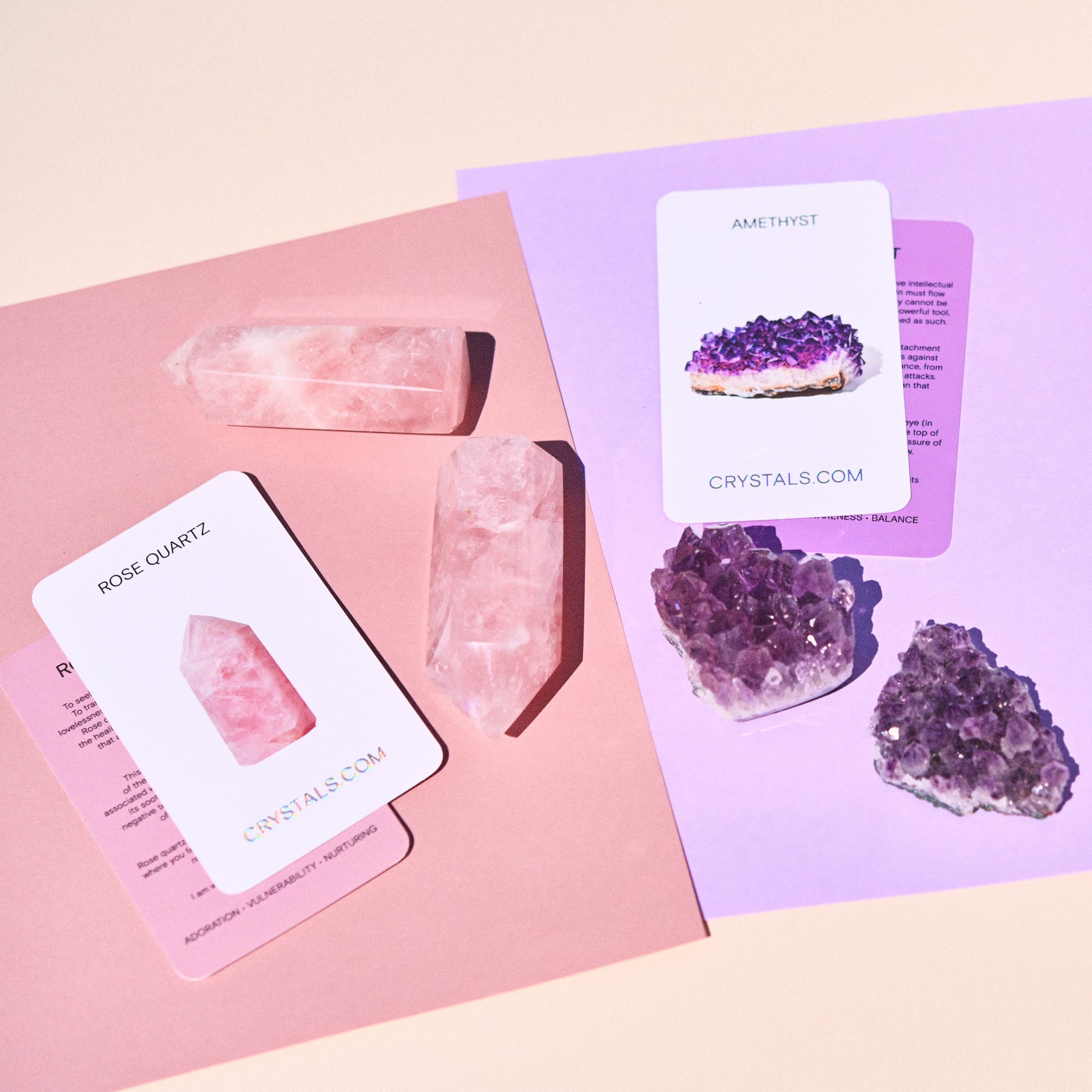
Authenticity First






Let customers speak for us
Beautiful piece! Incredible quality and shipped perfectly!

Great quality and I loved the information cards.
Great quality and I loved the information card it came with.

I have purchased several pieces from Crystals.com and keep coming back for more. :) This is my second amethyst piece. The color of the amethyst is a deep purple. Great craftsmanship!!

The smaller bead size was even more beautiful!
Really pretty!

Beautiful! The size of each rock is perfect!

Beautiful piece. Just as described

Amazing looks better in person

I love it but it could have been a little bigger

Enjoyed and appreciated by person who received it. The three types of stones look amazing together too!

Very reputable online and they did not disappoint!
Absolutely stunning!

Absolutely stunning!

Absolutely stunning!

A Sanctuary of Natural Beauty
Every crystal here was discovered by hand, selected with intuition, and photographed in its true light.
One-of-a-Kind. Forever Pieces.
Let the Universe Decide


