


Amethyst Cluster
From $15Choose options
Discover the Journey
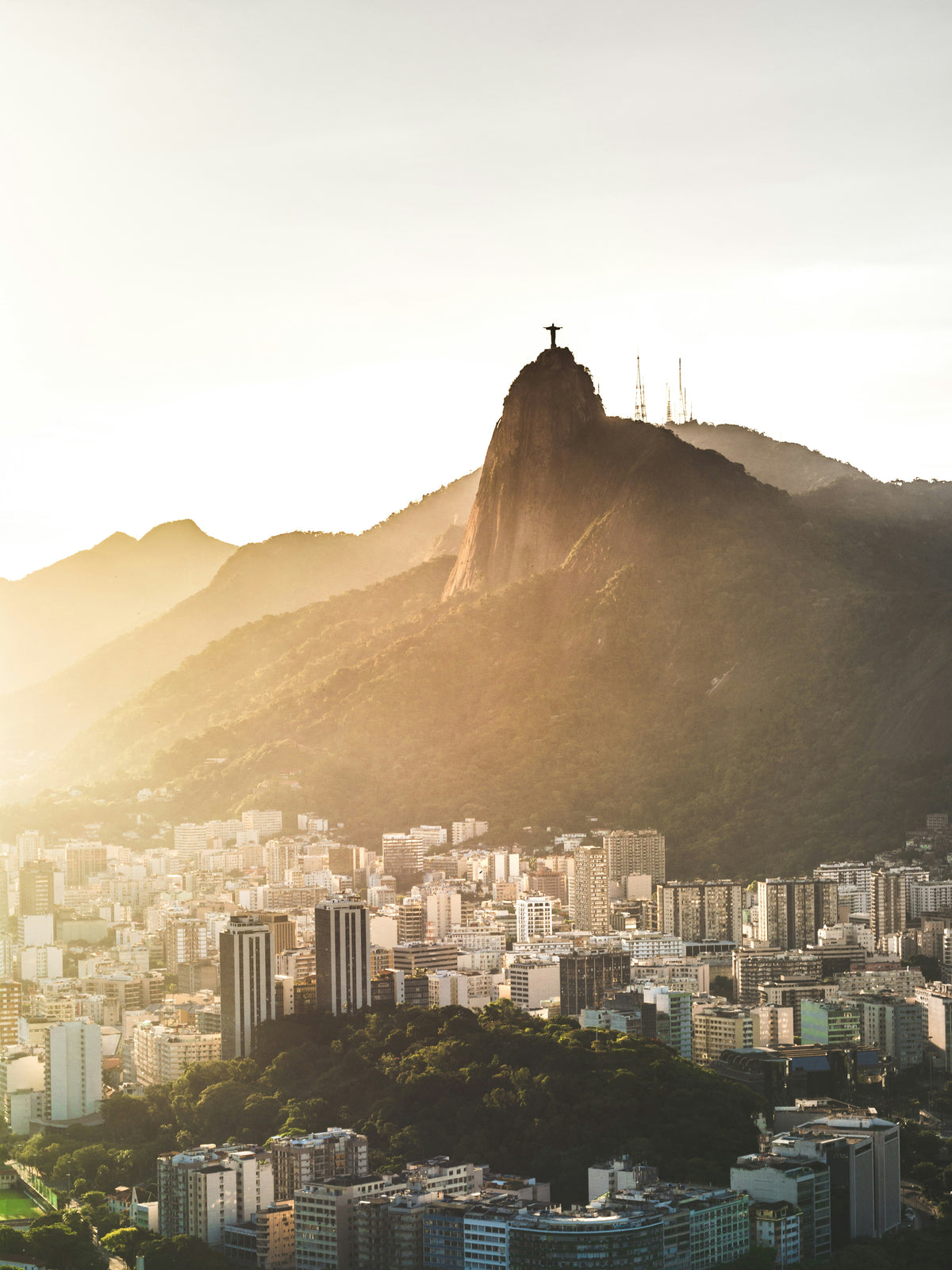
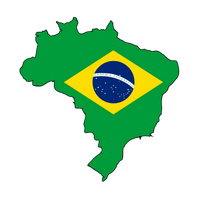
Brazil is one of the largest producers of colored gemstones in the world, from amethyst geodes to tourmaline, topaz and aquamarine.
South America
The state of Minas Gerais alone, whose name translates to "General Mines", has been a global epicenter for quartz, tourmaline, topaz, and aquamarine since the 18th century. Further south, the basalt flows of Rio Grande do Sul yield the amethyst and agate geodes that Brazil is famous for, while Bahia contributes exceptional clear quartz and rutilated specimens.
Shop by origin

420 pieces


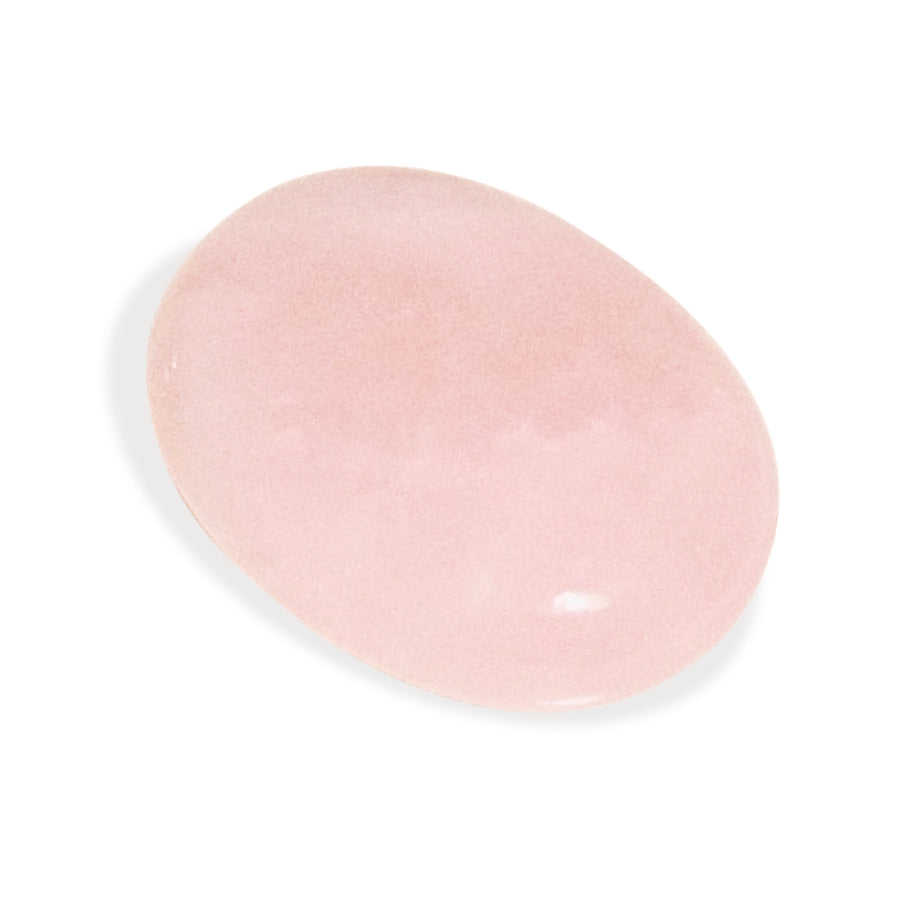

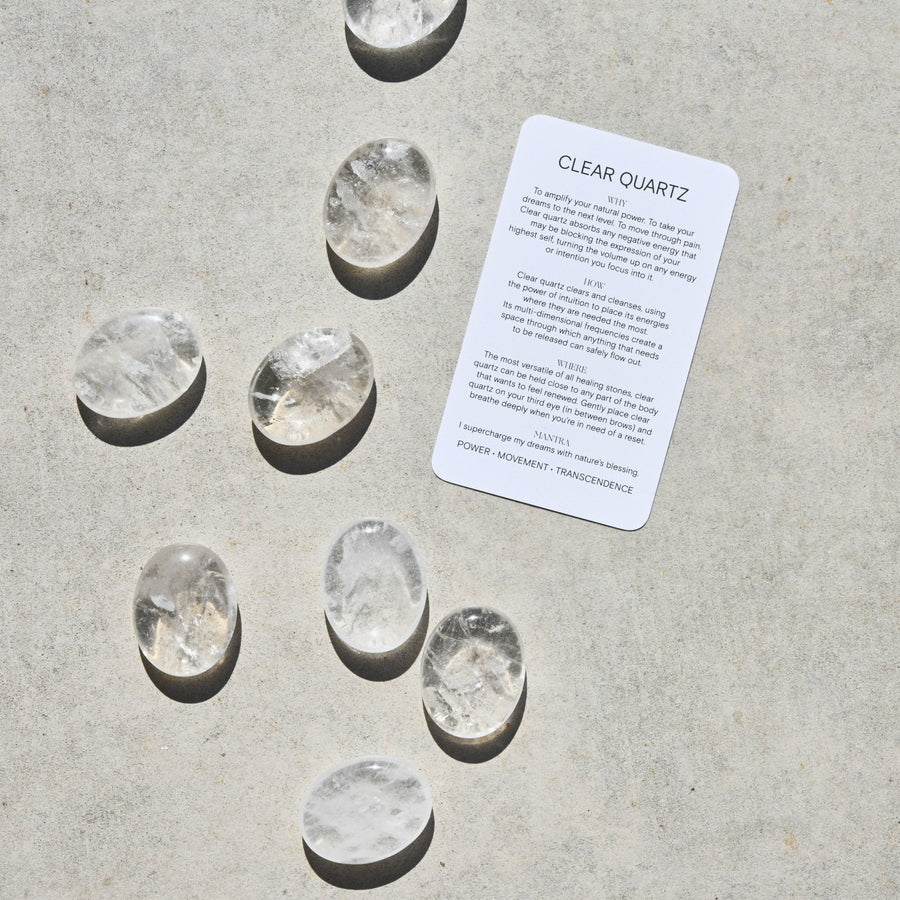


 Sold
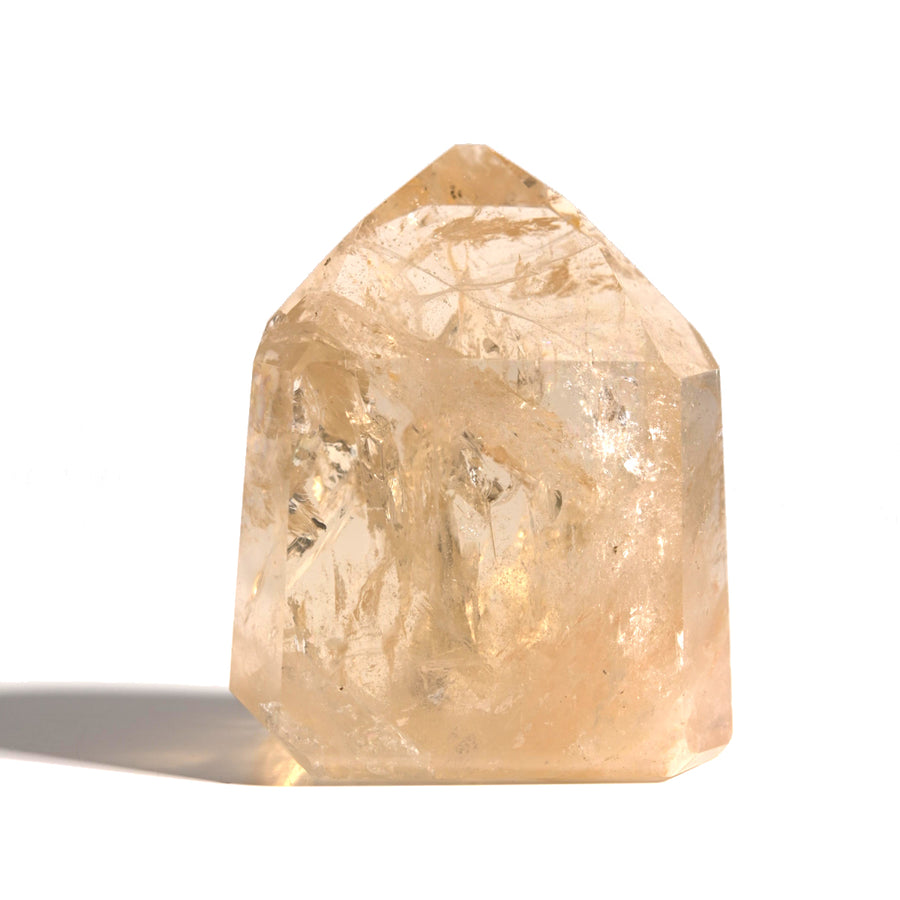

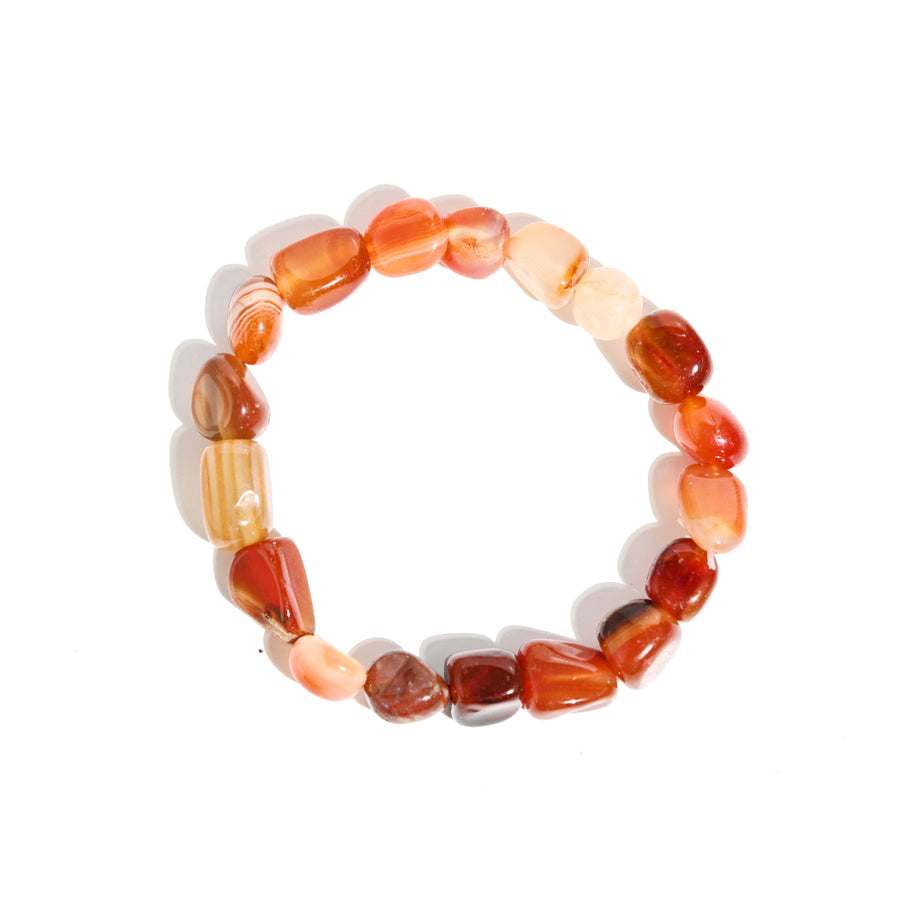

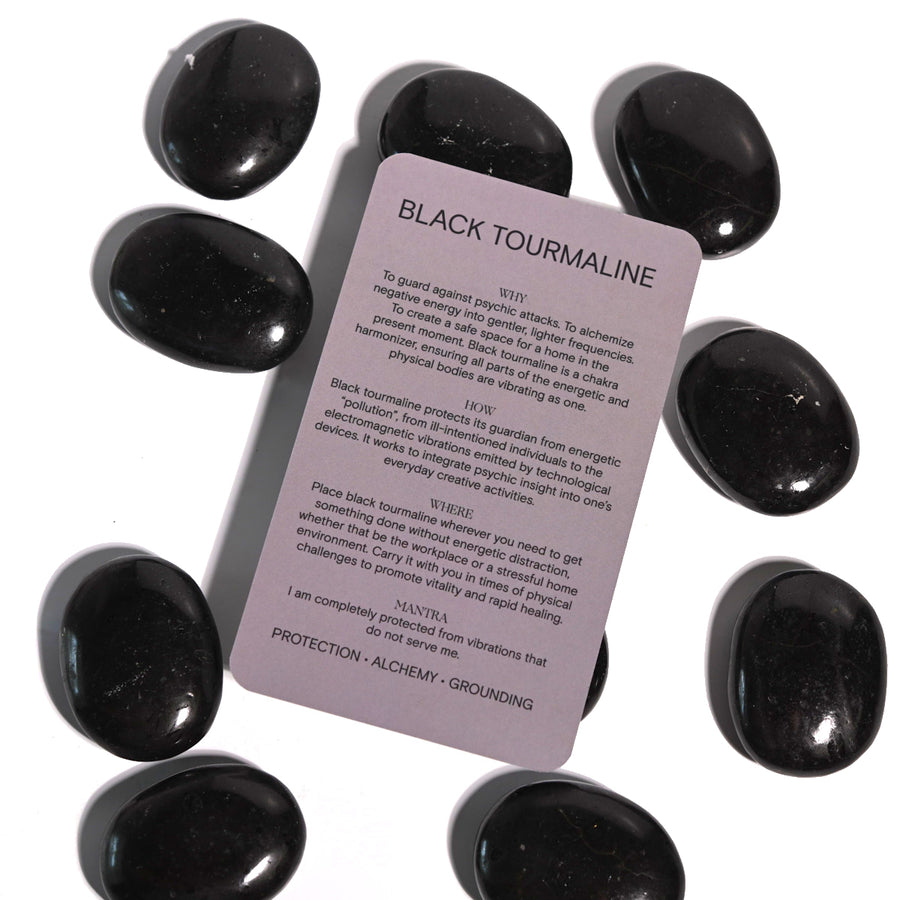

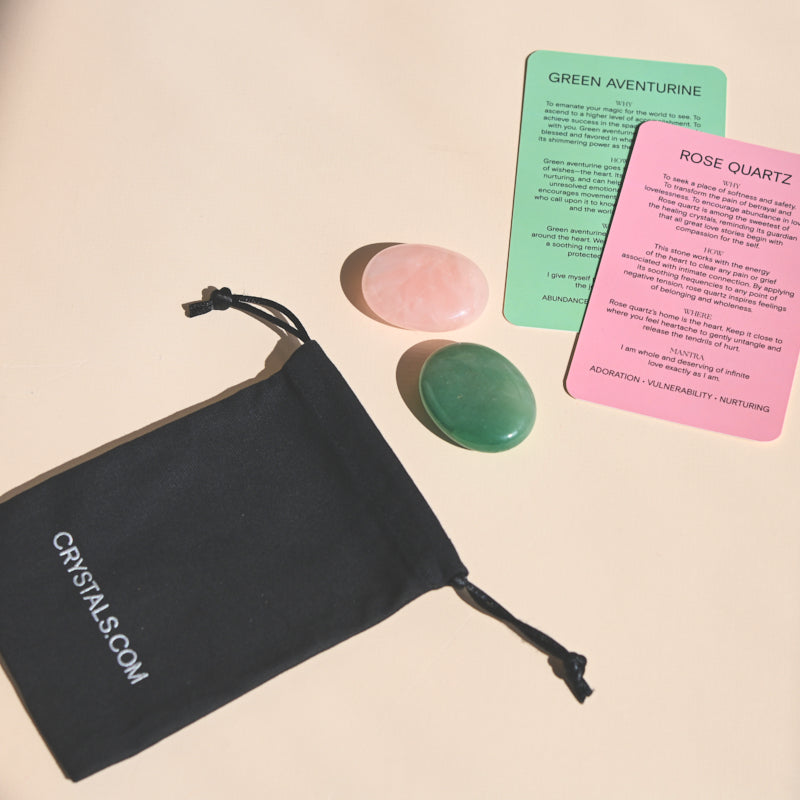


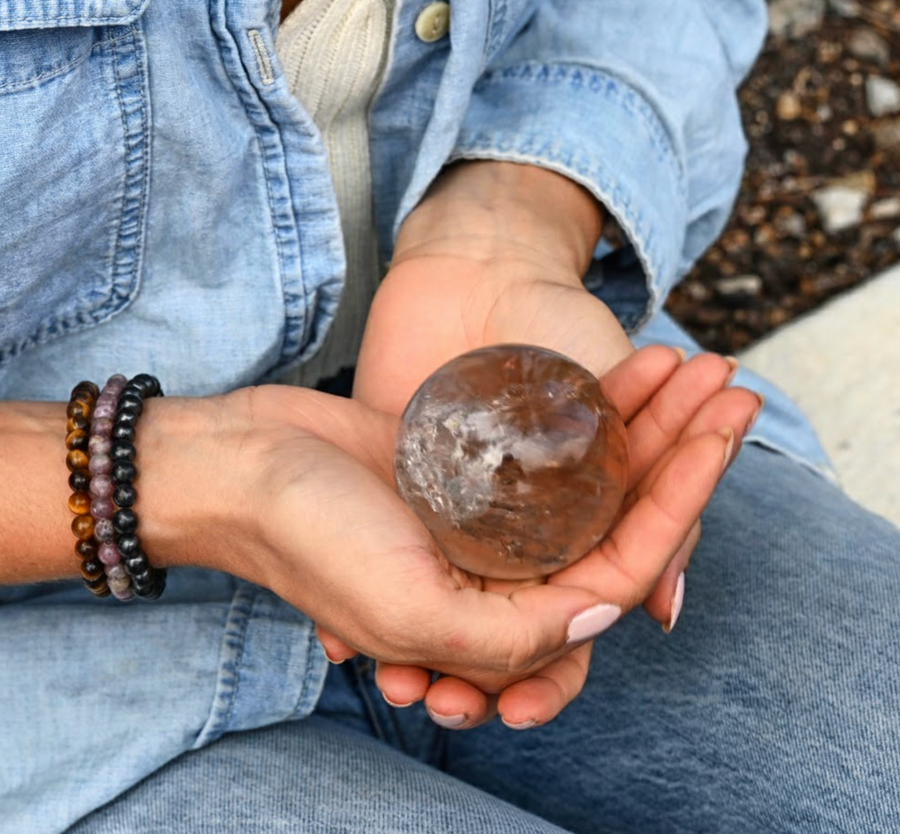
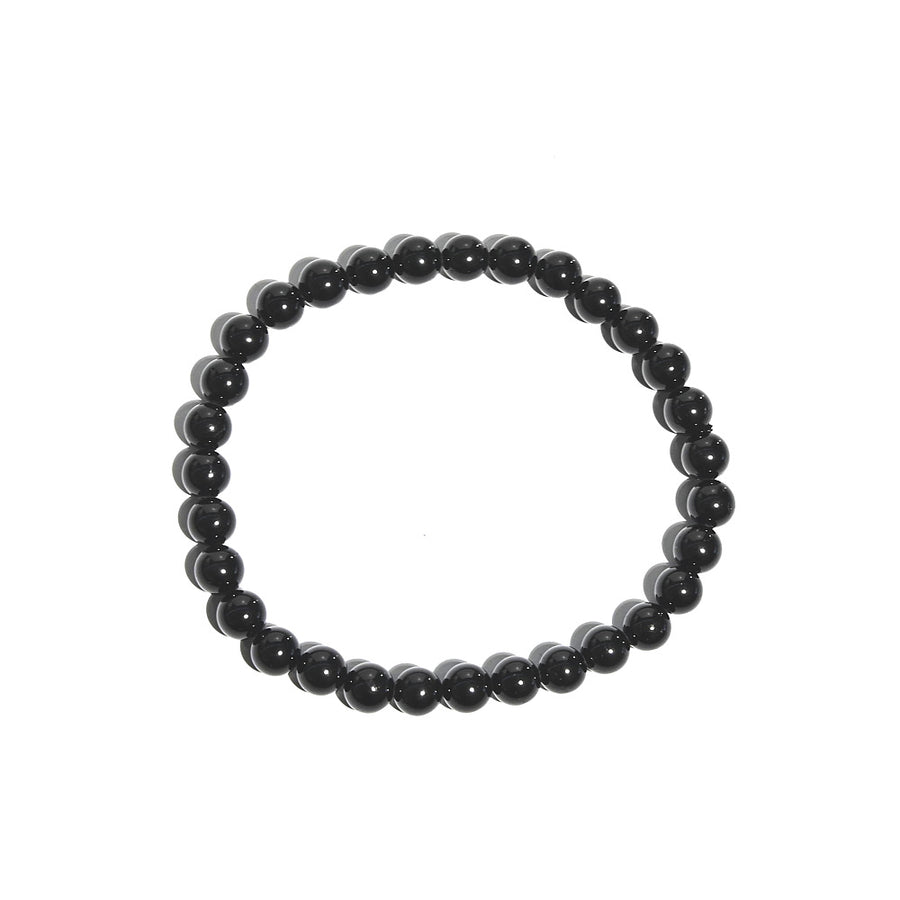
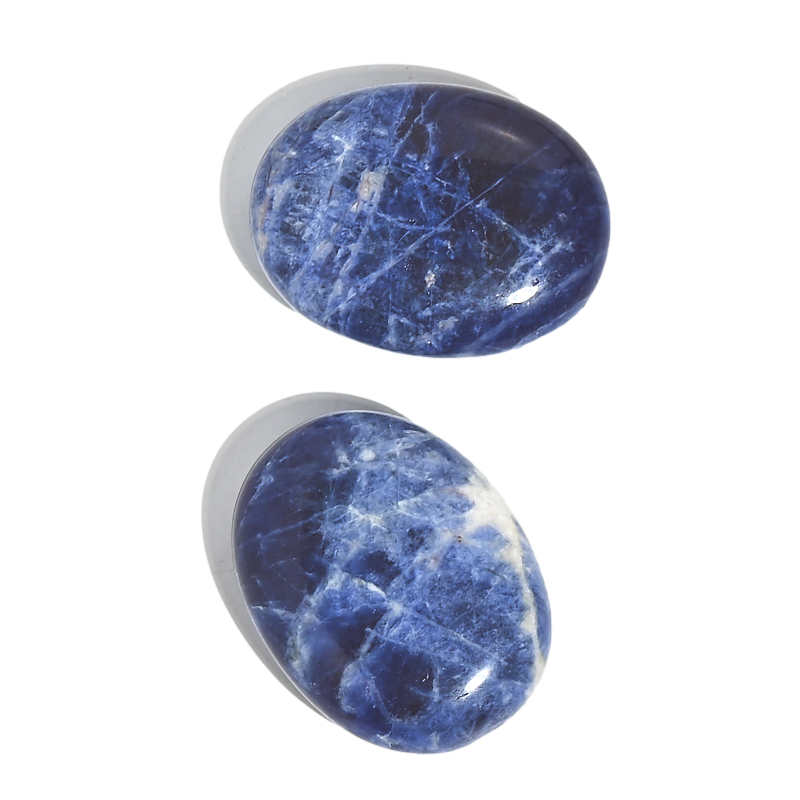


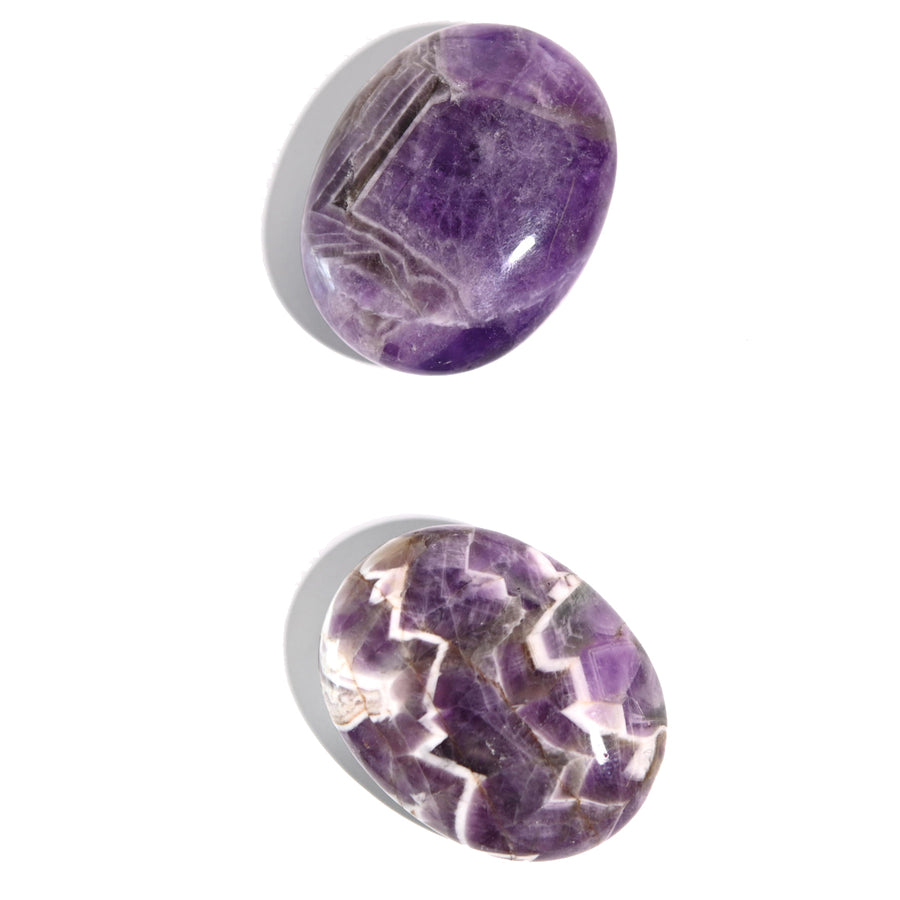

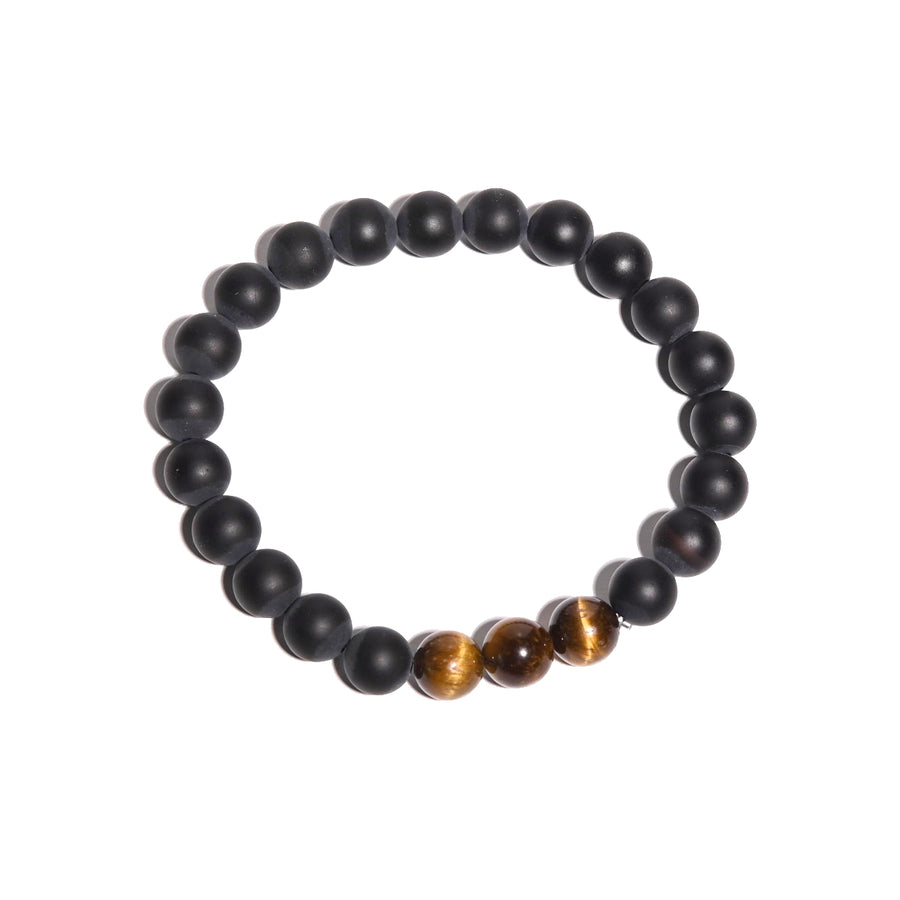

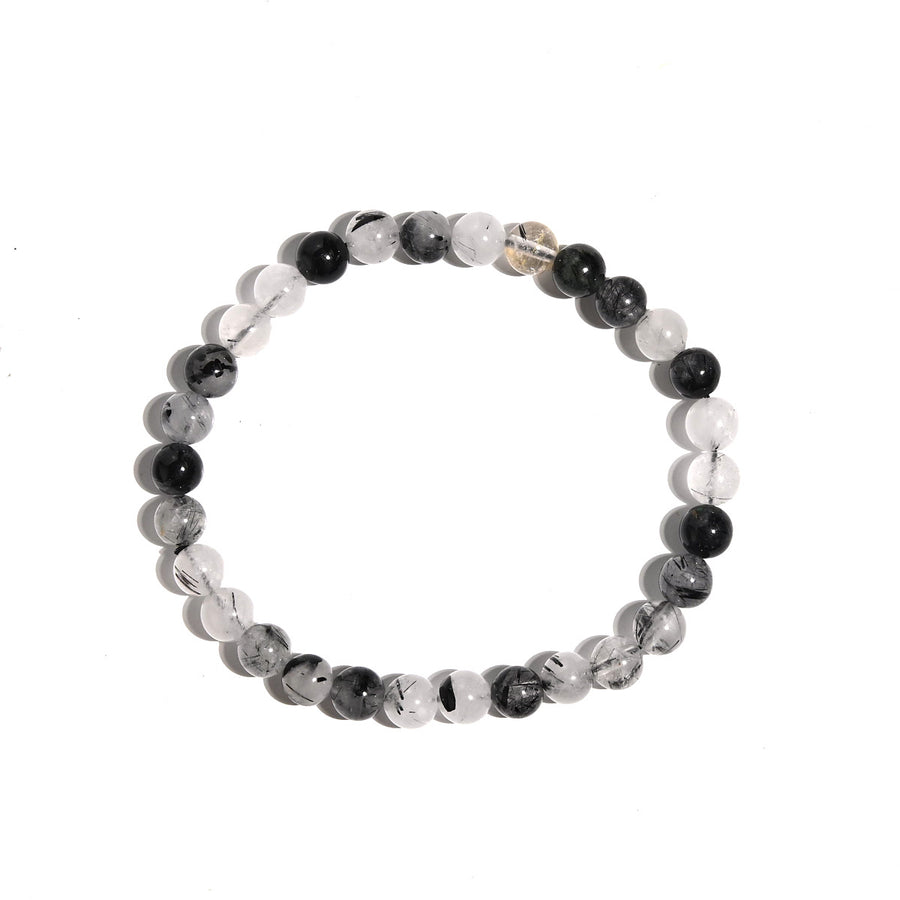

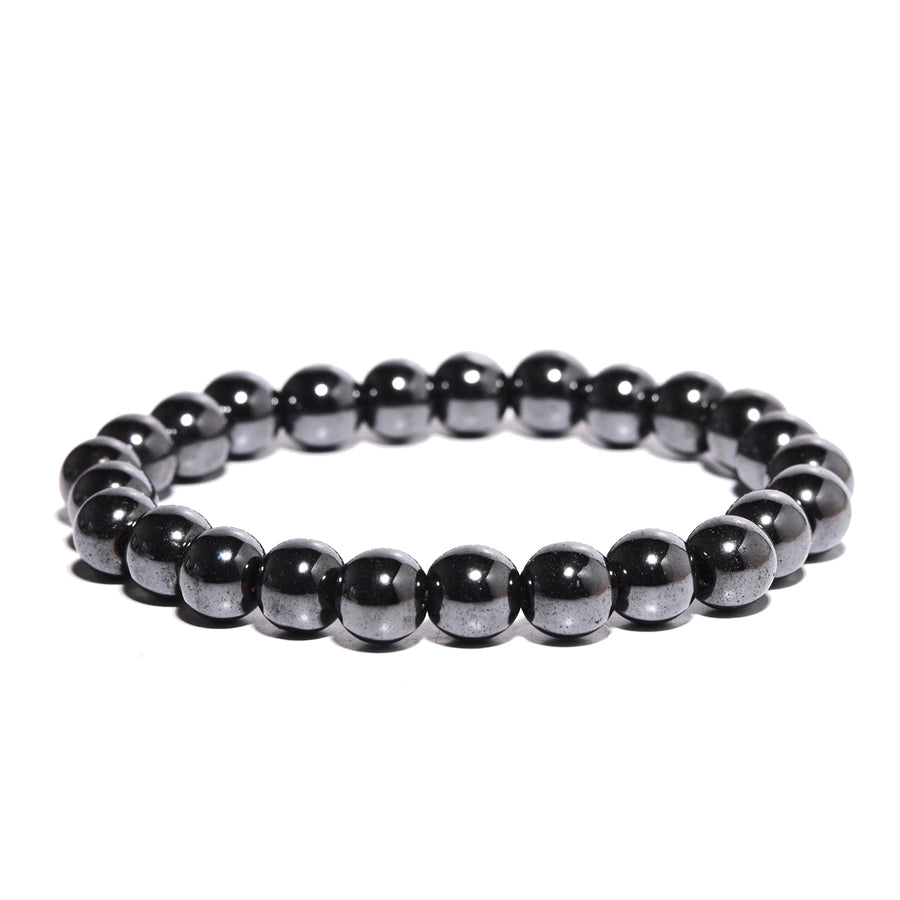

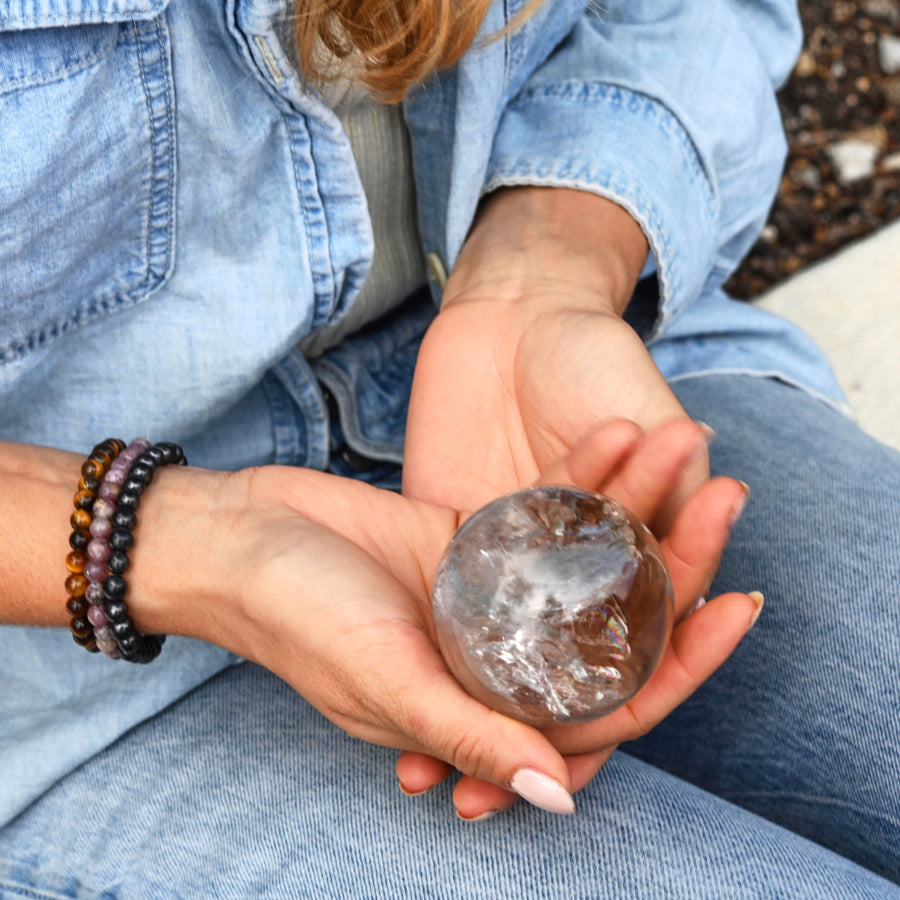

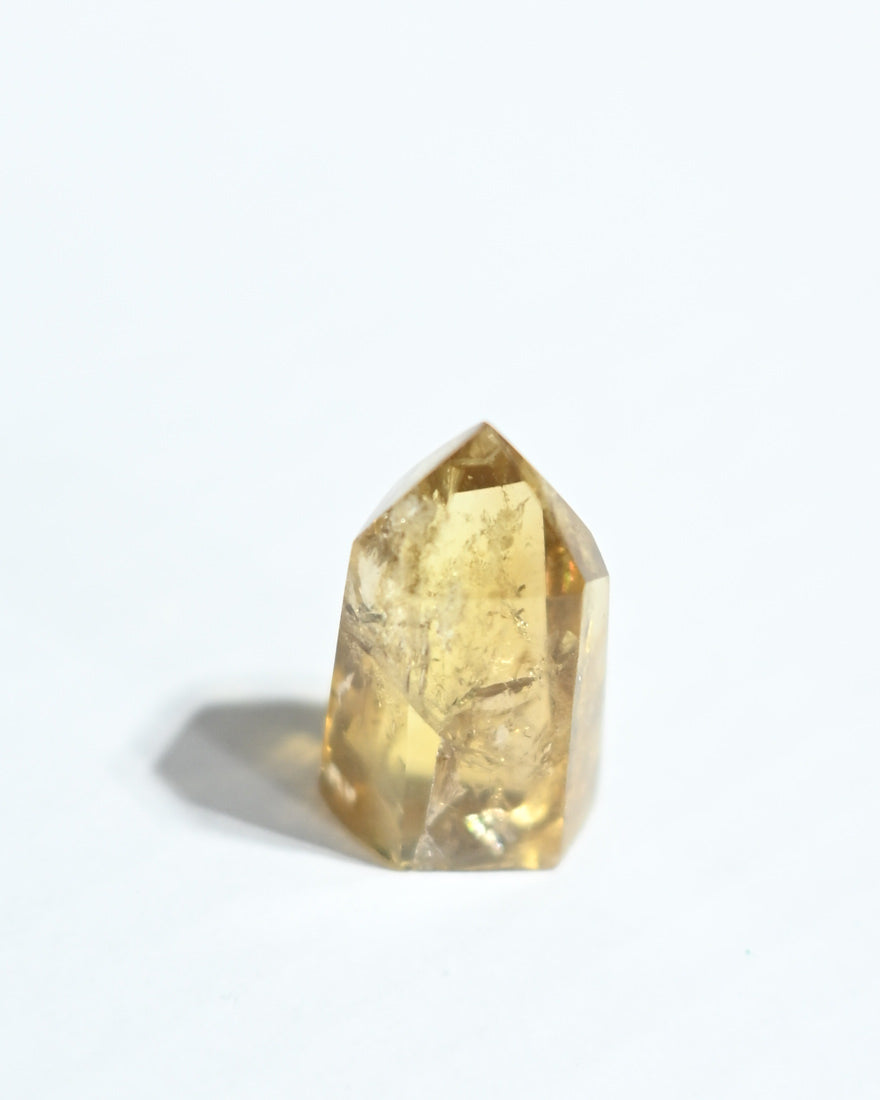


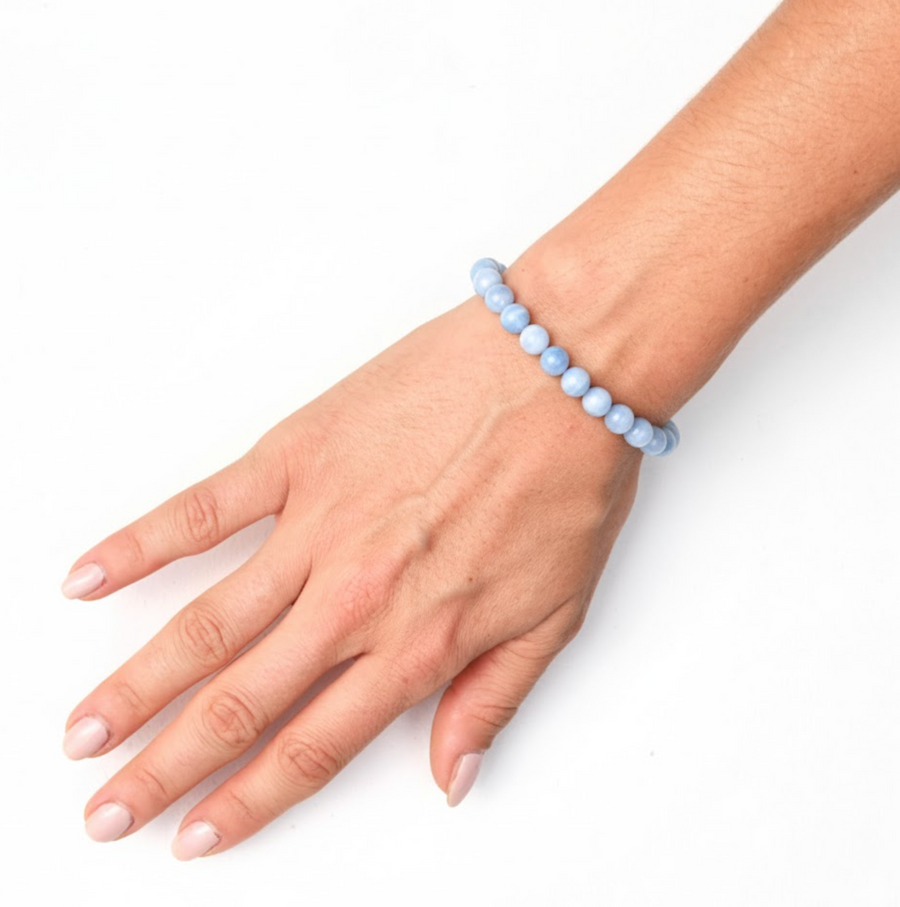

Hand-selected, mostly direct from small family-run mines and suppliers I have worked with for years.
Each piece is photographed in natural light to honor its true texture.
Packed by hand here and out in 1 to 3 business days.
Brazil is one of the world's largest producers of gemstones and crystals. The state of Minas Gerais, whose name translates to "General Mines," has been a major source of quartz, tourmaline, topaz, and aquamarine since the 18th century. Further south, the basalt flows of Rio Grande do Sul yield the amethyst and agate geodes that Brazil is famous for, while Bahia contributes exceptional clear quartz and rutilated specimens.
Hand-selected, mostly direct from small family-run mines and suppliers I have worked with for years. Each piece is chosen for its color, clarity, and character. This collection includes amethyst cathedrals and quartz clusters, polished agate bookends, citrine points, Lemurian quartz with signature horizontal striations, and tourmaline.
Explore more origin collections: Peru, Madagascar, or view all sourcing regions on our Interactive World Map. Free shipping on all U.S. orders over $150.
Brazil sits atop one of the most mineralogically diverse geological formations on earth. Minas Gerais, literally "General Mines," contains Precambrian pegmatites that crystallized over hundreds of millions of years, concentrating rare elements into spectacular gem-quality minerals. Rio Grande do Sul's basalt flows trapped silica-rich solutions that slowly filled cavities with amethyst and agate.
Three regions are especially important. Minas Gerais produces tourmaline, topaz, aquamarine, emerald, Lemurian quartz, and rutilated quartz. Rio Grande do Sul is the source of amethyst cathedral geodes and agate slabs. Bahia produces large clear quartz points and smoky quartz. Each region has distinct geology, which is reflected in the character of its minerals.
Lemurian quartz refers to a specific variety of clear quartz points from the Serra do Cabral region of Minas Gerais, characterized by horizontal striations running across alternating prism faces, which formed as the crystal grew. They were found loose in sandy alluvial deposits rather than attached to matrix, which is unusual and contributes to their clean, undamaged condition. The name is a collector term, not a geological one; the striations are a natural feature of how this quartz grew.
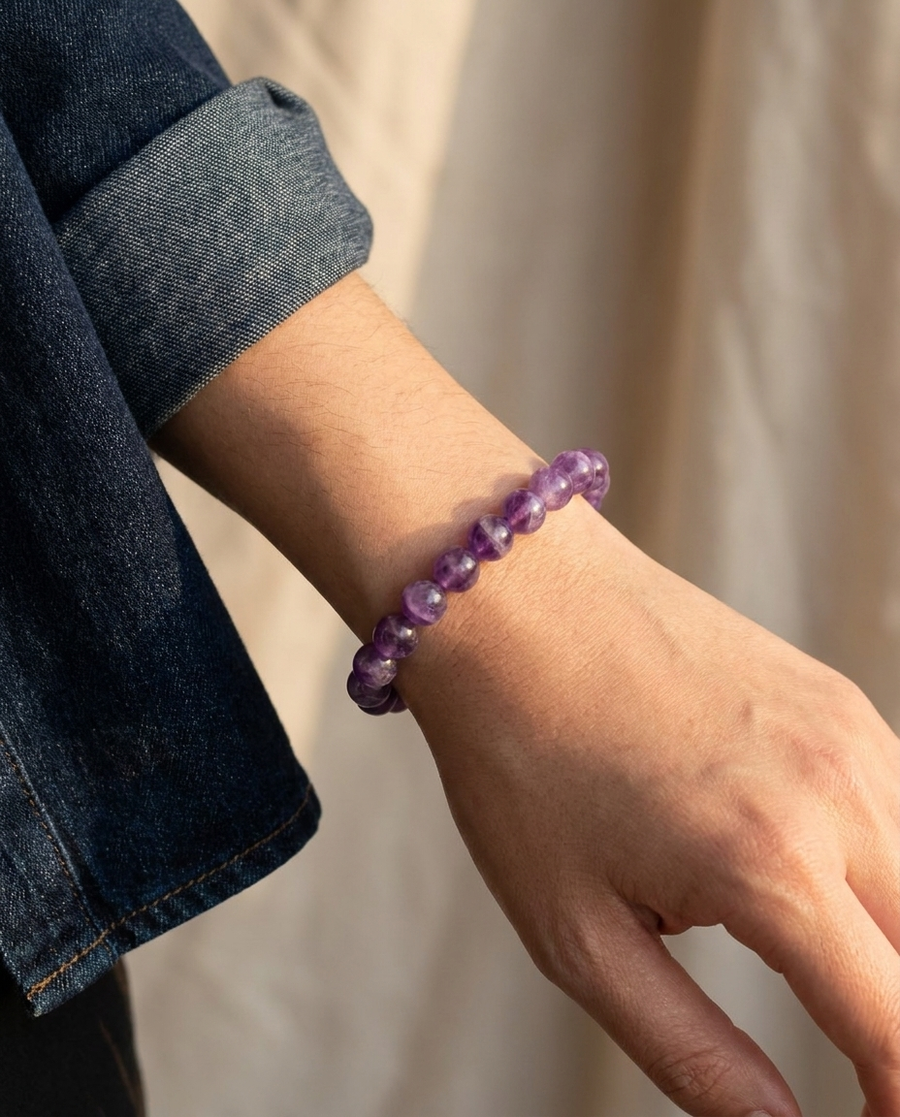
Brazilian amethyst that has been heat-treated turns golden-orange, the same process used to produce most citrine on the market. Untreated Brazilian amethyst shows lavender to mid-purple tones, often with color zoning (deeper at the tips, lighter toward the base). Bright orange to amber citrine is usually heated amethyst. If you have a question about a specific piece, email us at info@crystals.com.
Much of Brazil's crystal mining is small-scale, done by independent miners called garimpeiros, alongside larger commercial operations. Practices vary across the country. Hand-selected, mostly direct from small family-run mines and suppliers I have worked with for years.
Mining regions
Minas Gerais
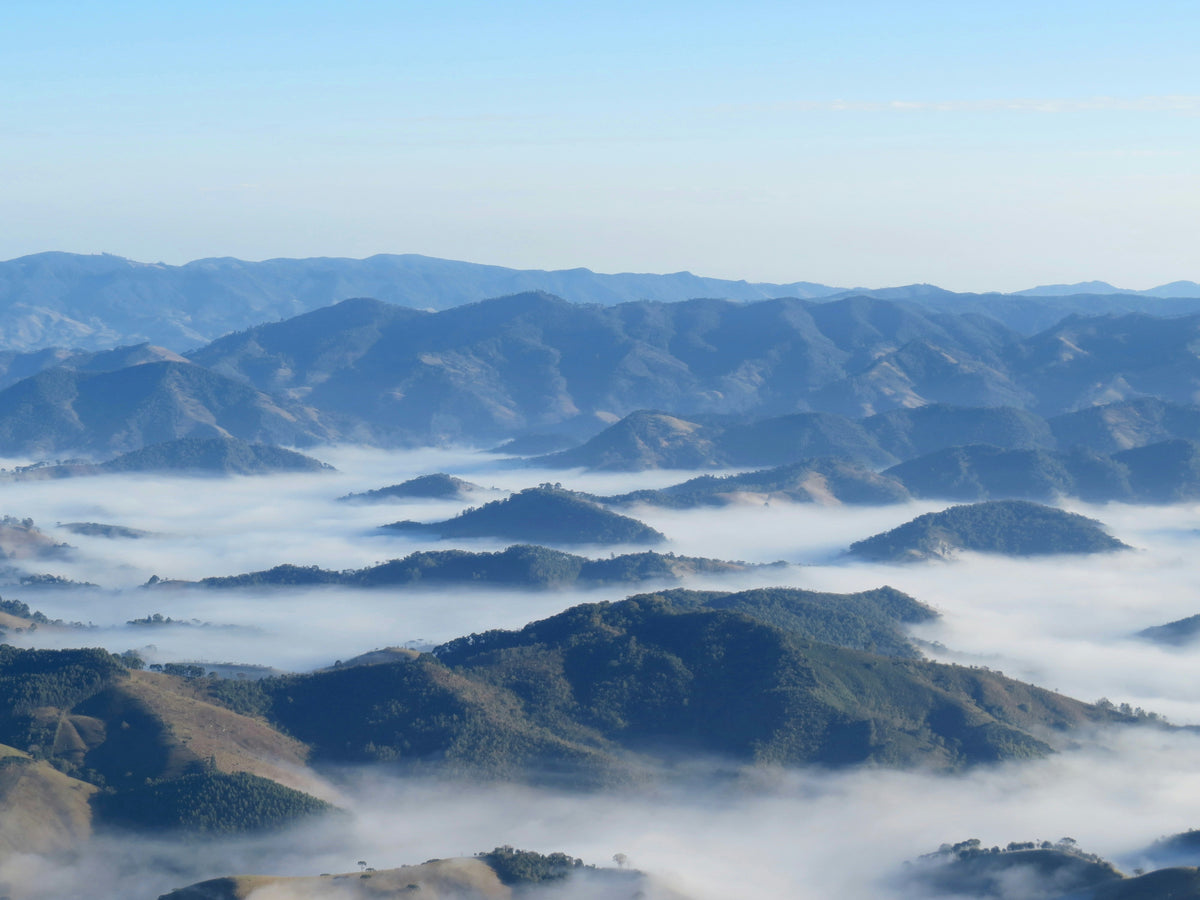
Minas Gerais is where Brazil’s gem story truly begins. Stretching across ancient mountain ranges and iron-rich soil, it is one of the richest gem regions on Earth, producing everything from quartz and tourmaline to imperial topaz. The region’s vast pegmatite belts have supplied the world’s jewelers and collectors for over two centuries, earning it a reputation as the epicenter of natural beauty beneath the surface.

Bahia
Bahia is known for golden rutilated quartz from the Novo Horizonte area, fine needles of rutile suspended in clear quartz, along with amethyst and clear quartz from across the state.

Rio Grande do Sul
In the far south lie the basalt lava flows of the Serra Geral Formation, where amethyst geodes formed in cavities left by gas bubbles in cooling lava. Over time, silica-rich groundwater lined those cavities with crystals. Towns like Ametista do Sul are famous for these geodes, which often hold calcite crystals inside.
Fun fact
The world’s largest cut aquamarine, the Dom Pedro Aquamarine (10,363 carats), was mined at Pedra Azul, in the state of Minas Gerais, Brazil.
| Mineral | Formula | Mohs hardness |
|---|---|---|
| Amethyst | SiO₂ | 7 |
| Citrine | SiO₂ | 7 |
| Quartz | SiO₂ | 7 |
| Tourmaline | Borosilicate group | 7 to 7.5 |
| Rutilated Quartz | SiO₂ with rutile (TiO₂) | 7 |
Hardness is on the Mohs scale, where 10 is diamond.
Hand-selected, mostly direct from small family-run mines and suppliers I have worked with for years.
The name Minas Gerais literally means “General Mines,” and for good reason. It’s one of the most mineral-rich regions in the world, home to legendary deposits of amethyst, quartz, and aquamarine. Many museum-quality specimens originate here, prized for their clarity and natural symmetry.
Brazil has both granite pegmatites, which grow large clear crystals like quartz, tourmaline and topaz, and basalt flows full of amethyst and agate geodes. Few countries have both on this scale.
Brazil produces many of the world’s best-loved stones, including amethyst, citrine, clear quartz, rose quartz, and tourmaline, prized in design and home décor.
Founder’s Note
Every crystal begins as an encounter shaped by time and human touch. I personally source each piece, working closely with miners and artisans who handle them with care.
As a photographer and lifelong lover of design, I’m drawn to light, color, and form, the same elements that make crystals feel like natural works of art. Each piece is photographed in natural light to honor its true texture and energy, a quiet balance of beauty, material, and meaning.
Brittany Roughton
Founder & Curator, Crystals.com
Request personal sourcingEvery sourcing region on one interactive map.
Open the mapCan't choose?
Tell it what you need. It picks one piece for you, in stock right now.
Sorry, looks like we don't have enough of this product.

Buy It With
$10.00 USD

