


Labradorite Palm Stone
From $14Choose options
Discover the Journey
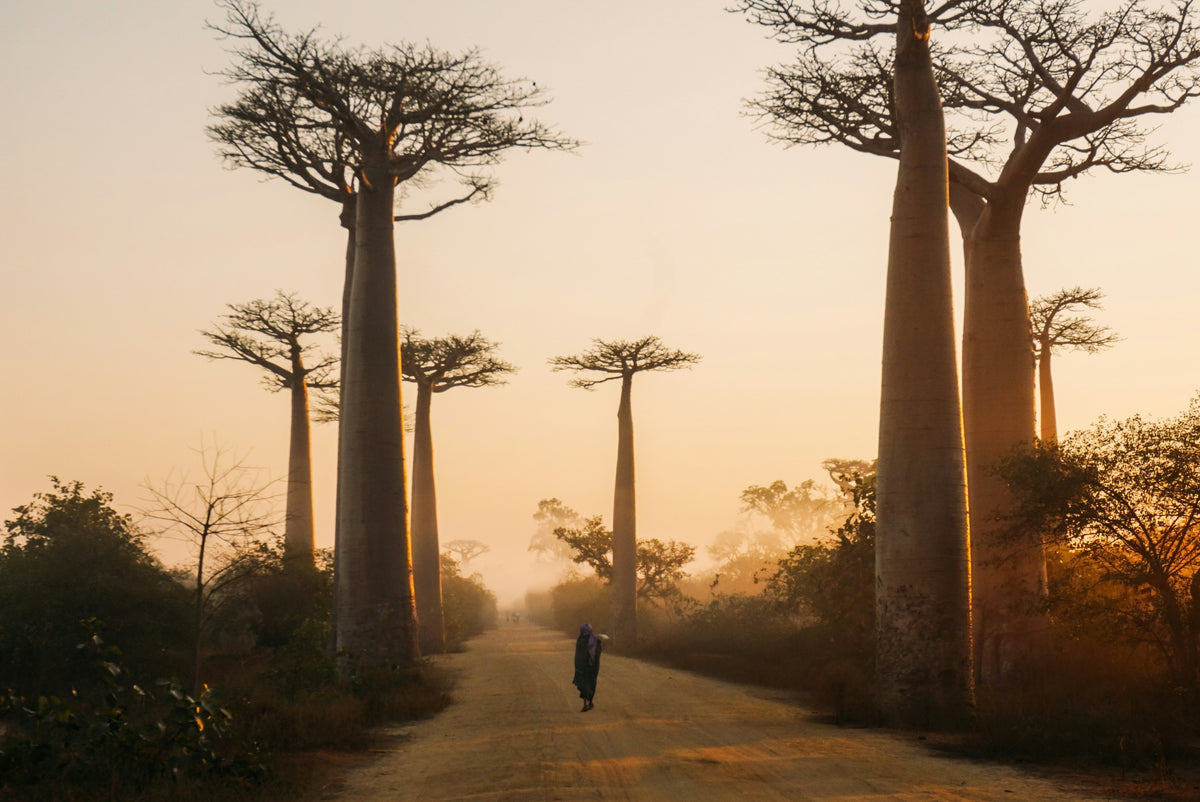
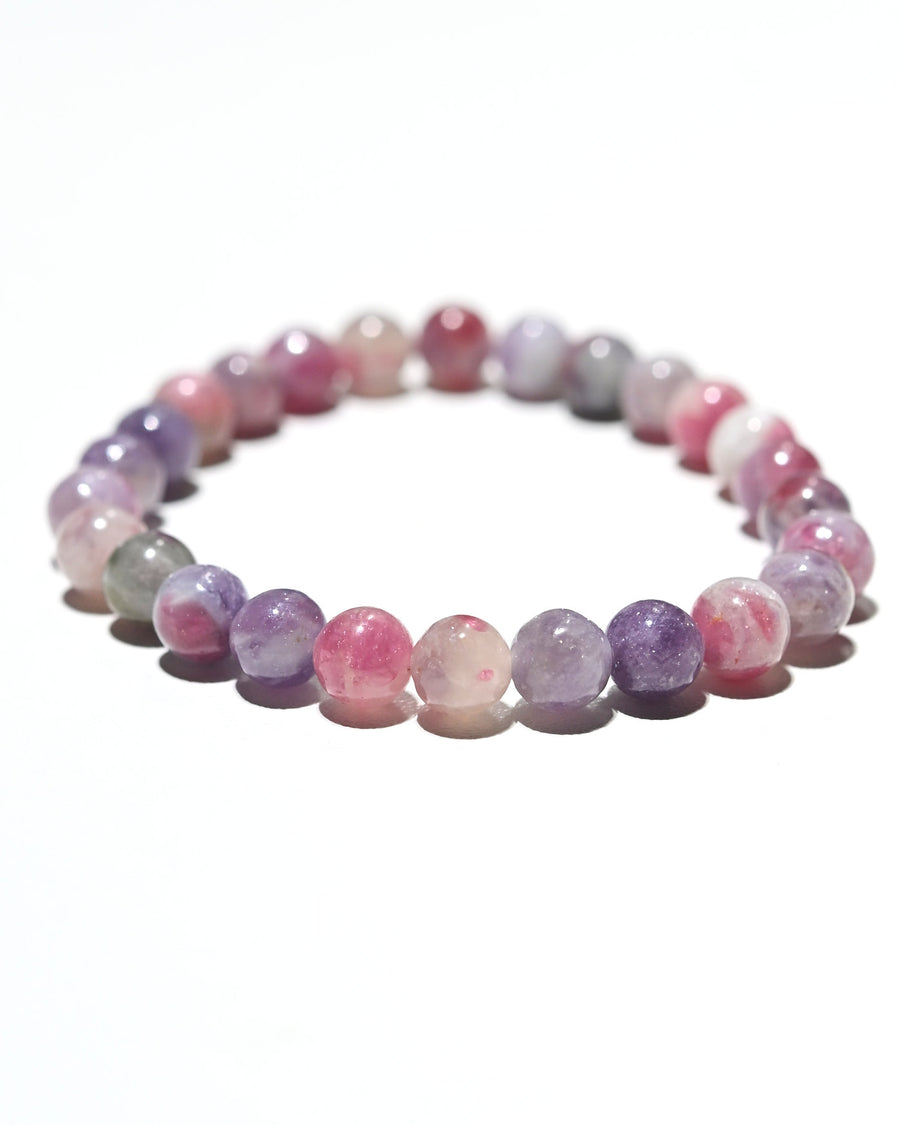
Madagascar separated from the Indian subcontinent roughly 88 million years ago, and today the island is one of the world's richest crystal sources. Its ancient Precambrian basement rocks, some over 2.5 billion years old, yield labradorite with exceptional spectral flash, lepidolite in soft purple sheets, and septarian nodules with dramatic calcite and aragonite chambers.
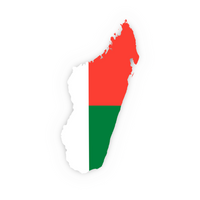
Africa
From high-grade metamorphic belts to young volcanic fields, Madagascar is a gem island. It’s famed for rainbow-flash Labradorite, orbicular Ocean Jasper (unique to the northwest coast), soft purple Lepidolite, Rose Quartz, and brilliant sapphires recovered from Ilakaka and other alluvial fields.
Shop by origin
41 pieces








 Sold




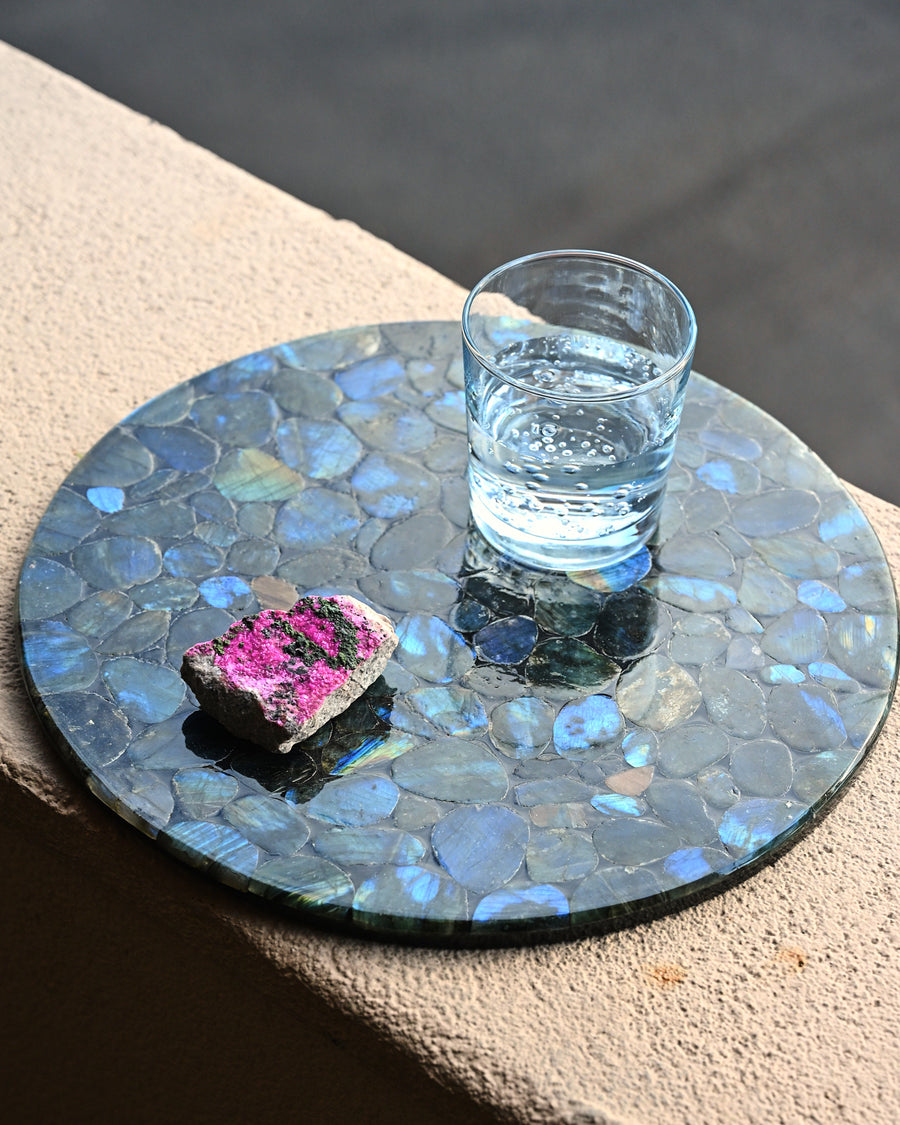

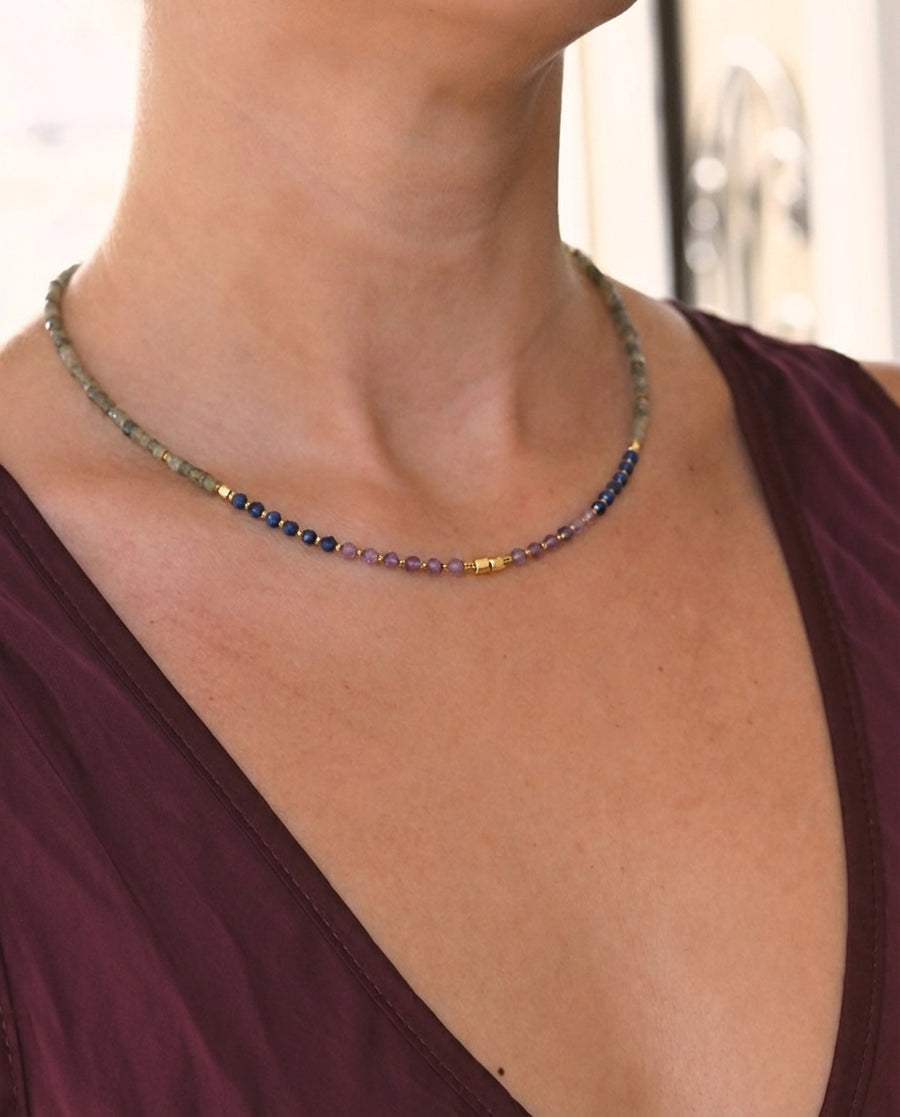


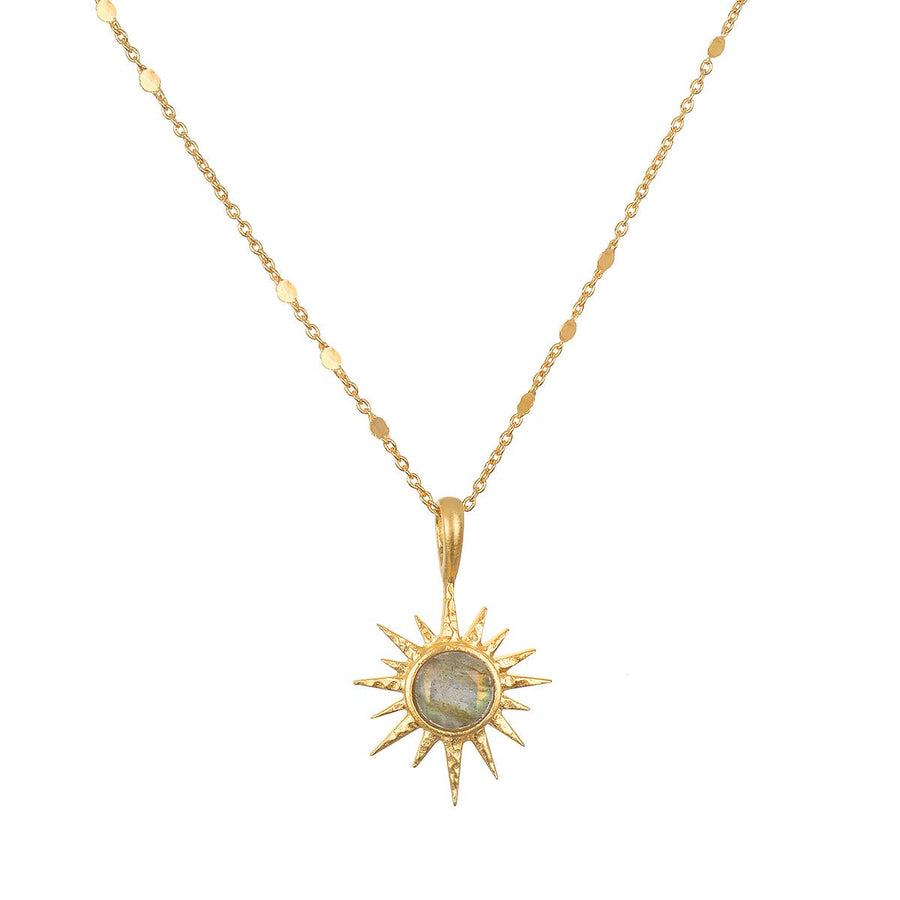


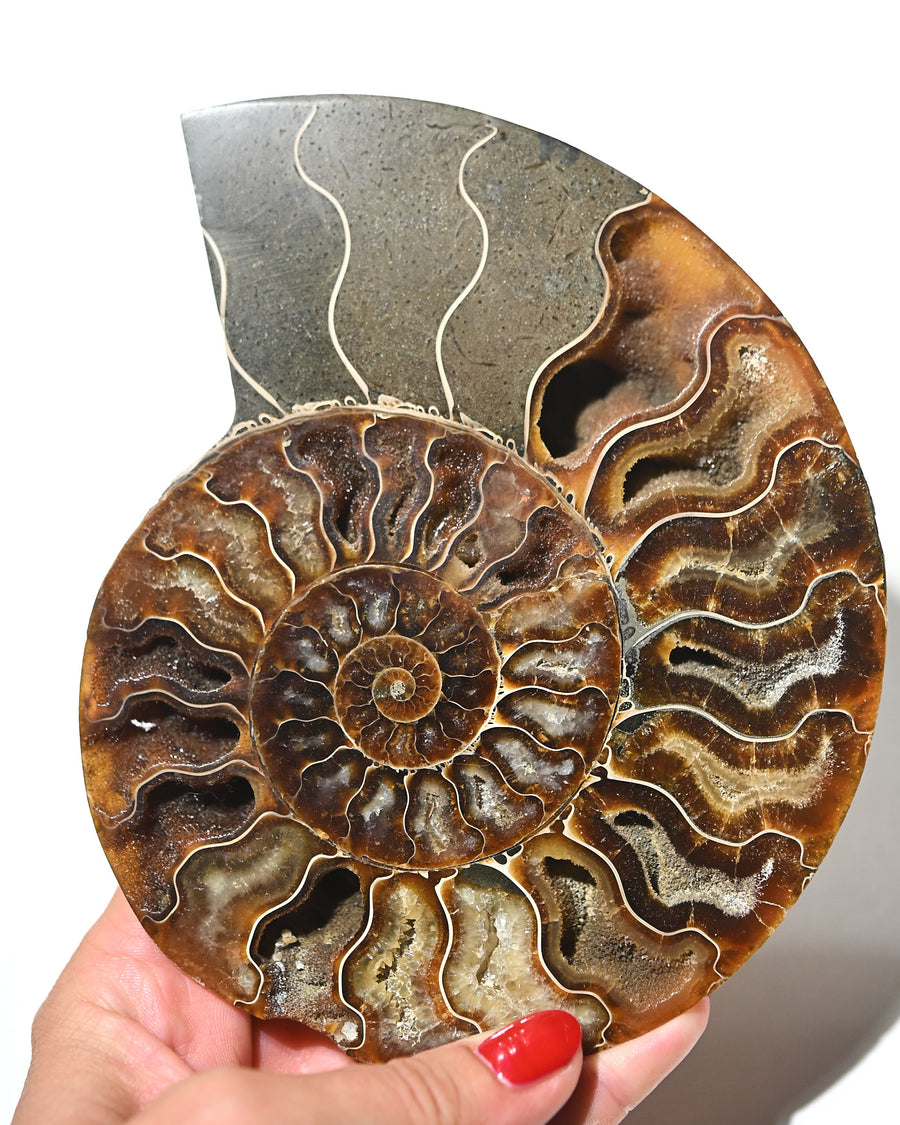


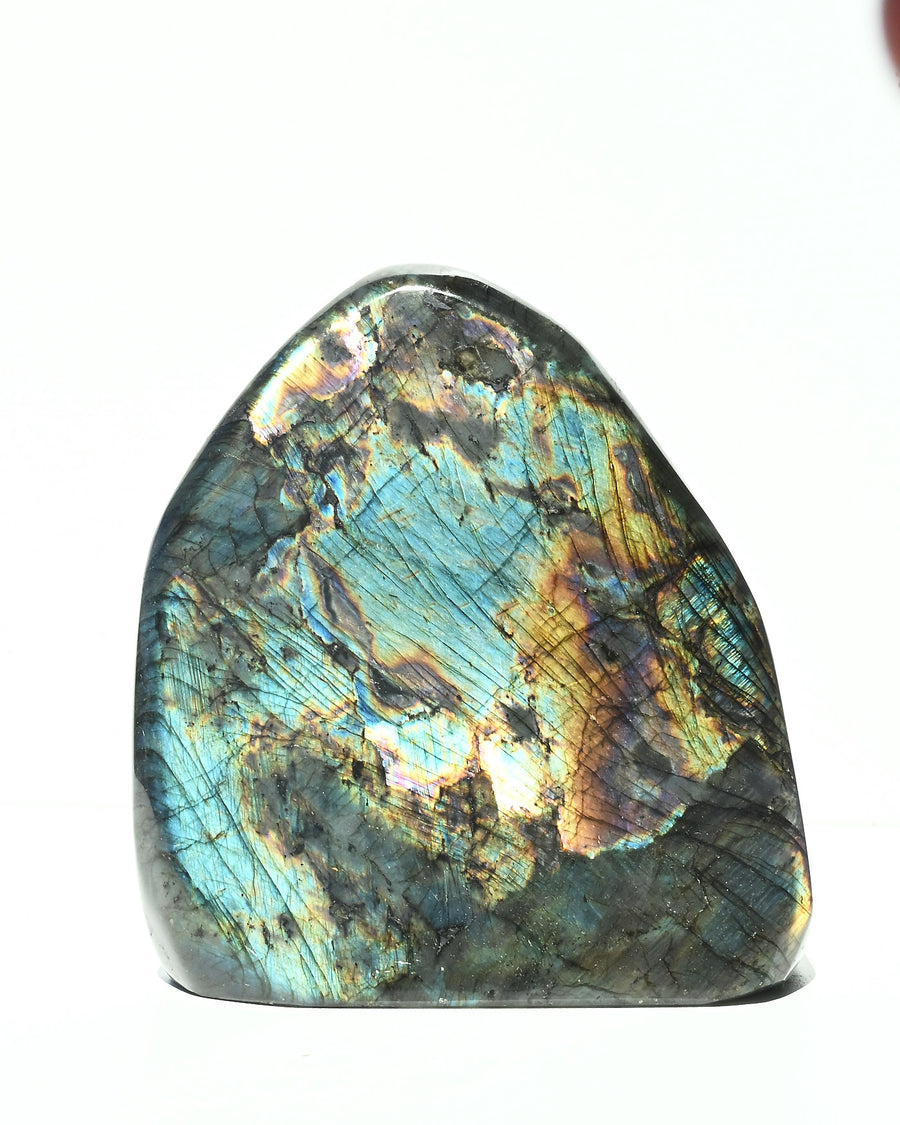

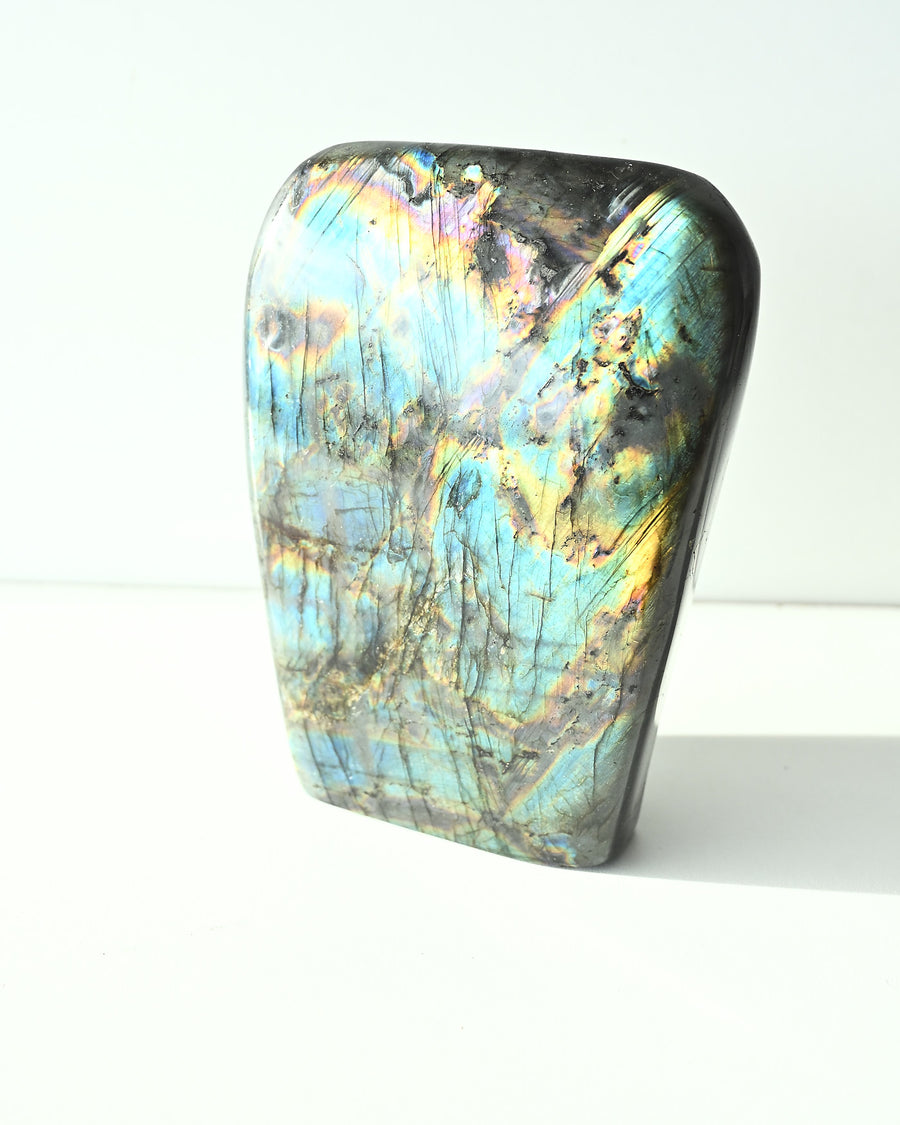

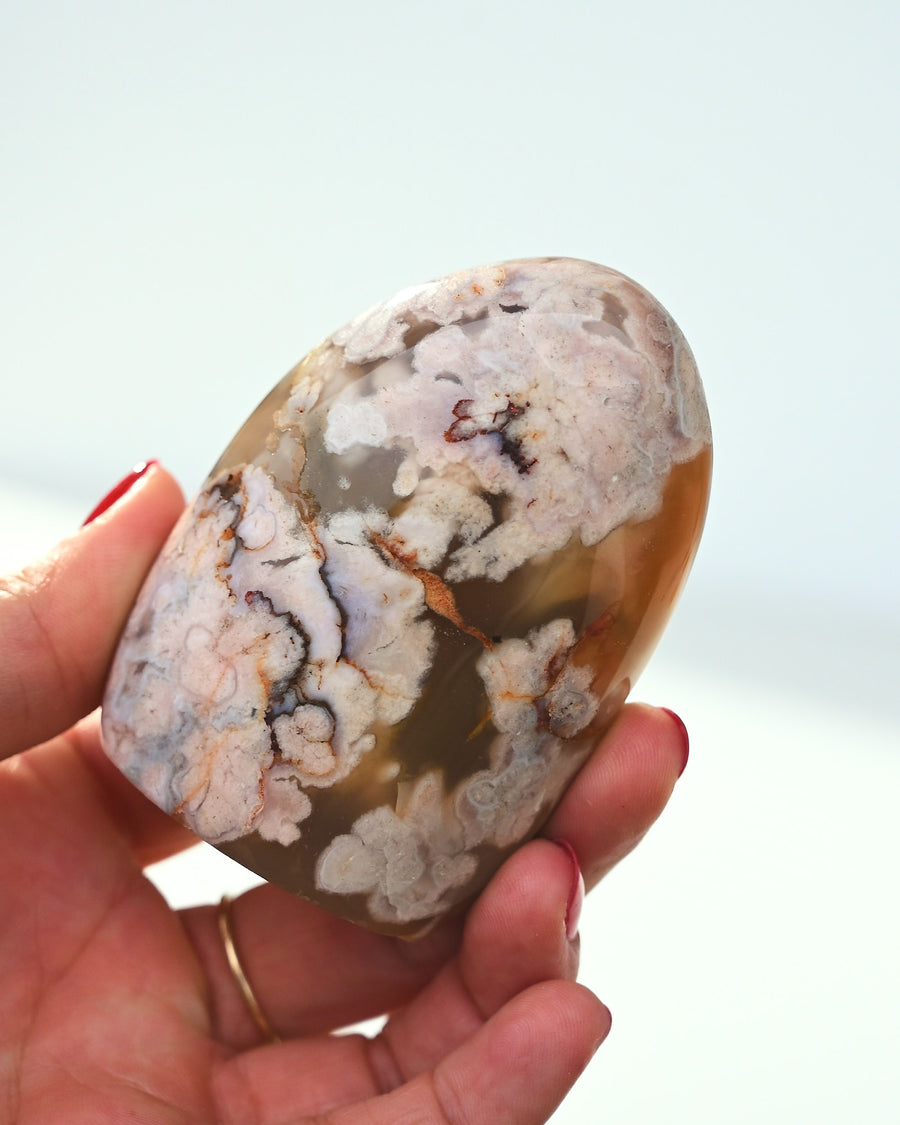

Hand-selected, mostly direct from small family-run mines and suppliers I have worked with for years.
Each piece is photographed in natural light to honor its true texture.
Packed by hand here and out in 1 to 3 business days.
Madagascar separated from the Indian subcontinent roughly 88 million years ago, and today the island is one of the world's richest crystal sources. Its ancient Precambrian basement rocks, some over 2.5 billion years old, yield labradorite with exceptional spectral flash, lepidolite in soft purple sheets, and septarian nodules with dramatic calcite and aragonite chambers.
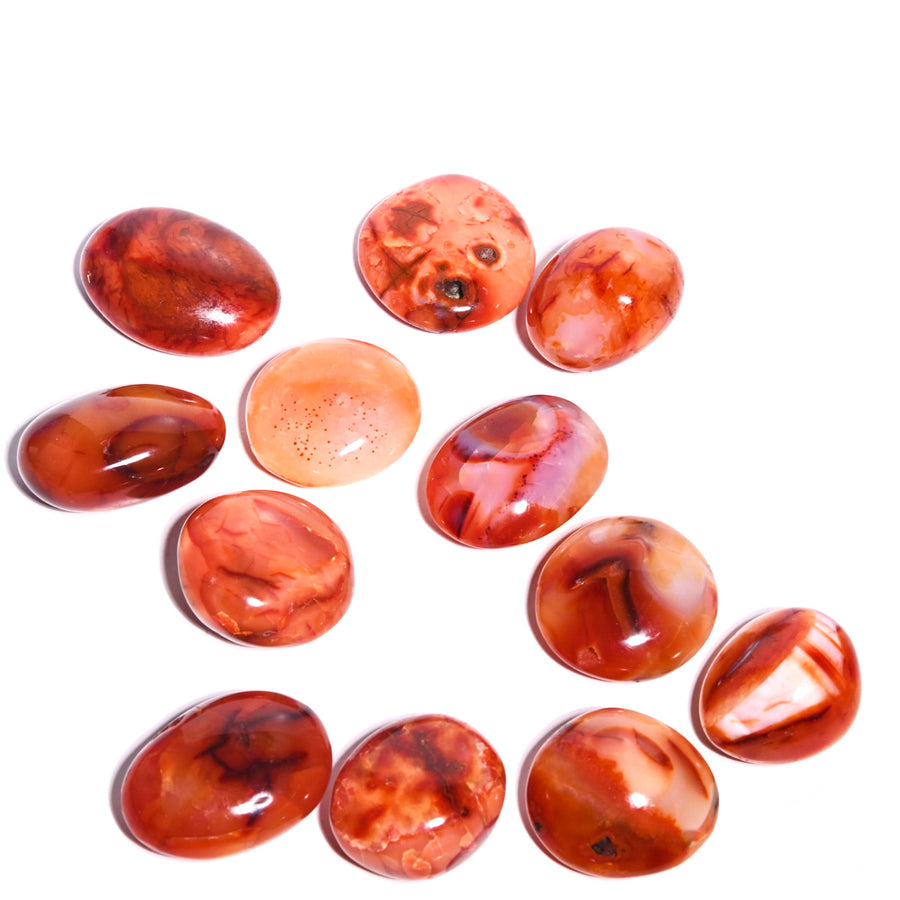
Most notably, Madagascar is the source of ocean jasper (orbicular jasper), found along the remote northwest coast near Marovato, where some outcrops are reachable only at low tide. This collection also includes Malagasy rose quartz, polychrome jasper, celestite geodes, and carnelian with vivid orange-red saturation.
Explore more origins: Brazil, Peru, or view all on our Interactive World Map. For statement-grade Malagasy specimens, browse Curated Over $100. Free shipping on U.S. orders over $150.
Madagascar produces labradorite with exceptional spectral flash, ocean jasper, rose quartz in deep pink tones, celestite geodes, septarian nodules, carnelian, lepidolite, polychrome jasper, and petrified wood. The island's ancient Precambrian geology, over 2.5 billion years old, supports a remarkable mineral diversity.
Ocean jasper (also called orbicular jasper) is a stone with distinctive round orb patterns in greens, pinks, whites, and yellows. The material sold as ocean jasper comes from the northwest coast of Madagascar near Marovato, where some outcrops are reachable only at low tide.
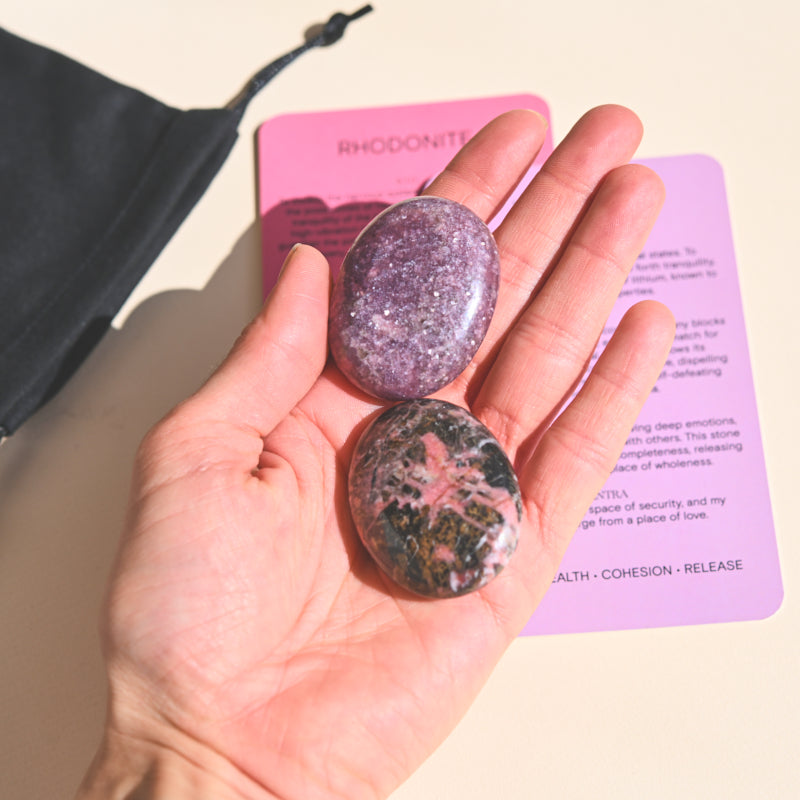
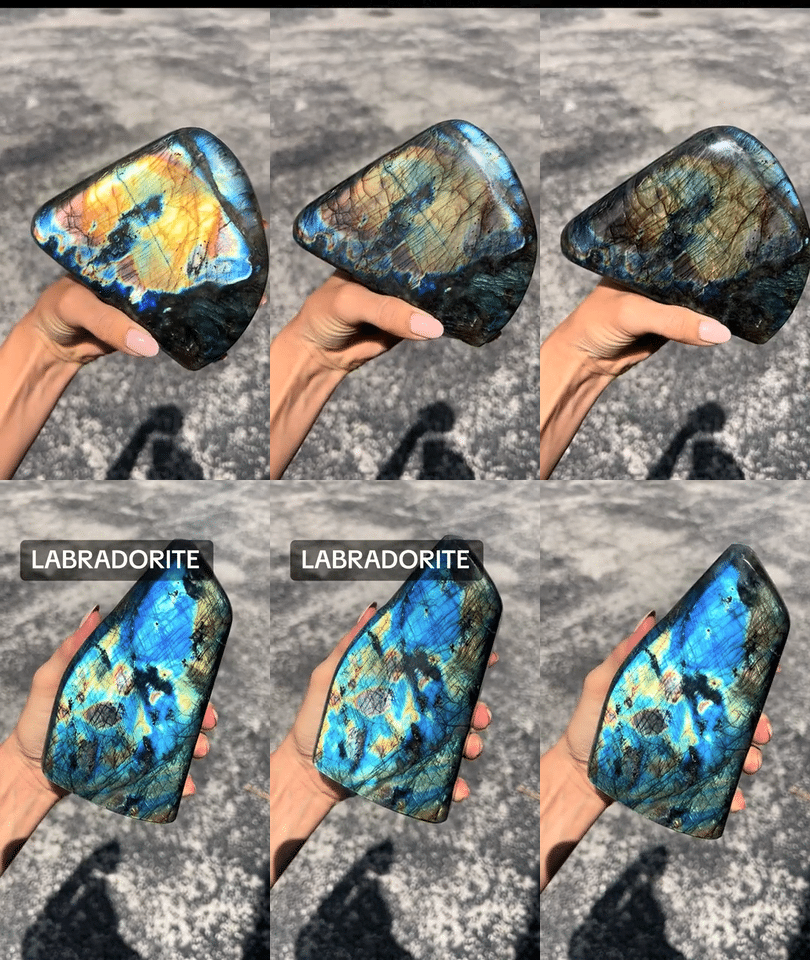
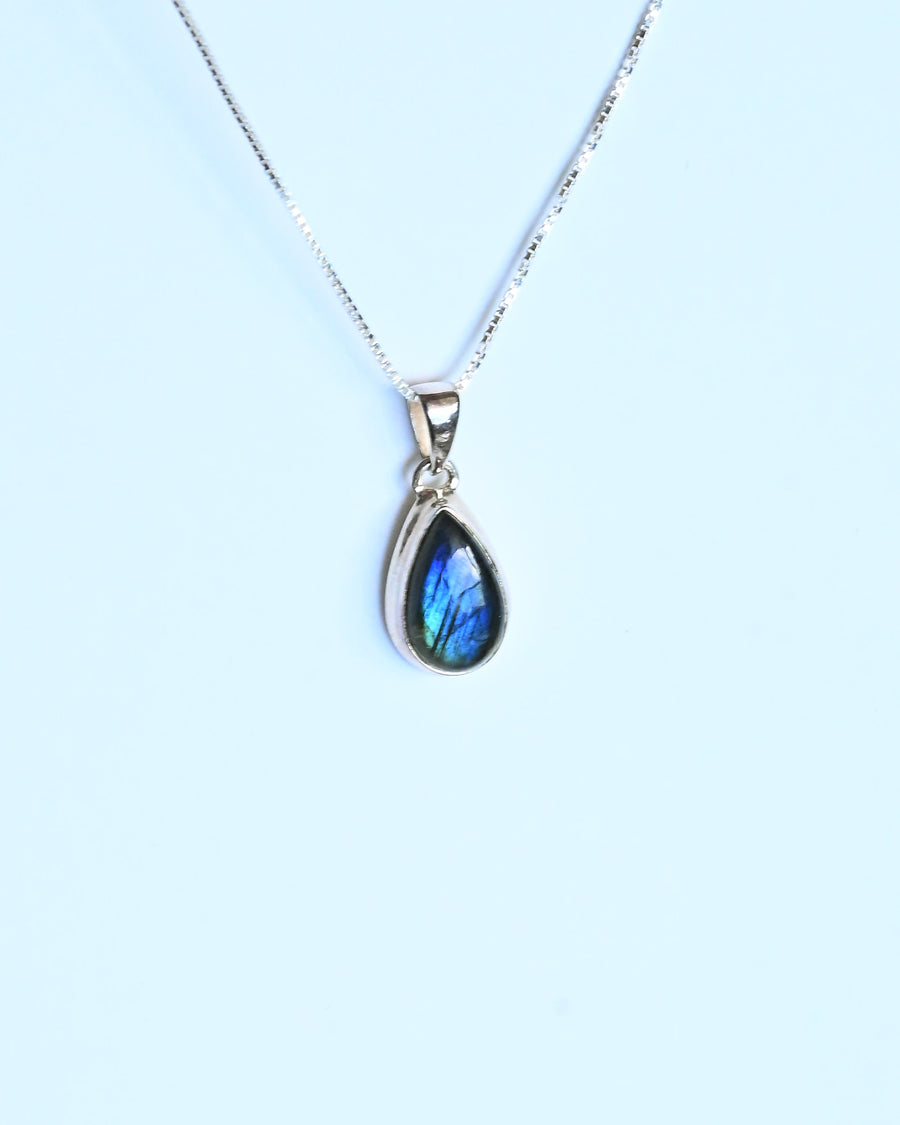
Malagasy labradorite is known for vivid labradorescence, the iridescent flash of blue, gold, green, and sometimes purple that plays across the polished surface. Large polished freeforms and slabs from Madagascar are among the most visually striking labradorite available.
Madagascar is known for rose quartz with a rich pink color. Rose quartz from both countries is silicon dioxide colored by microscopic inclusions, and color varies piece to piece in each.
Hand-selected, mostly direct from small family-run mines and suppliers I have worked with for years. Madagascar's mineral sector is largely small-scale, with miners extracting specimens by hand from pegmatite deposits, alluvial gravels, and coastal outcrops. Every piece in this collection is individually photographed so you receive exactly what is shown.


Mining regions
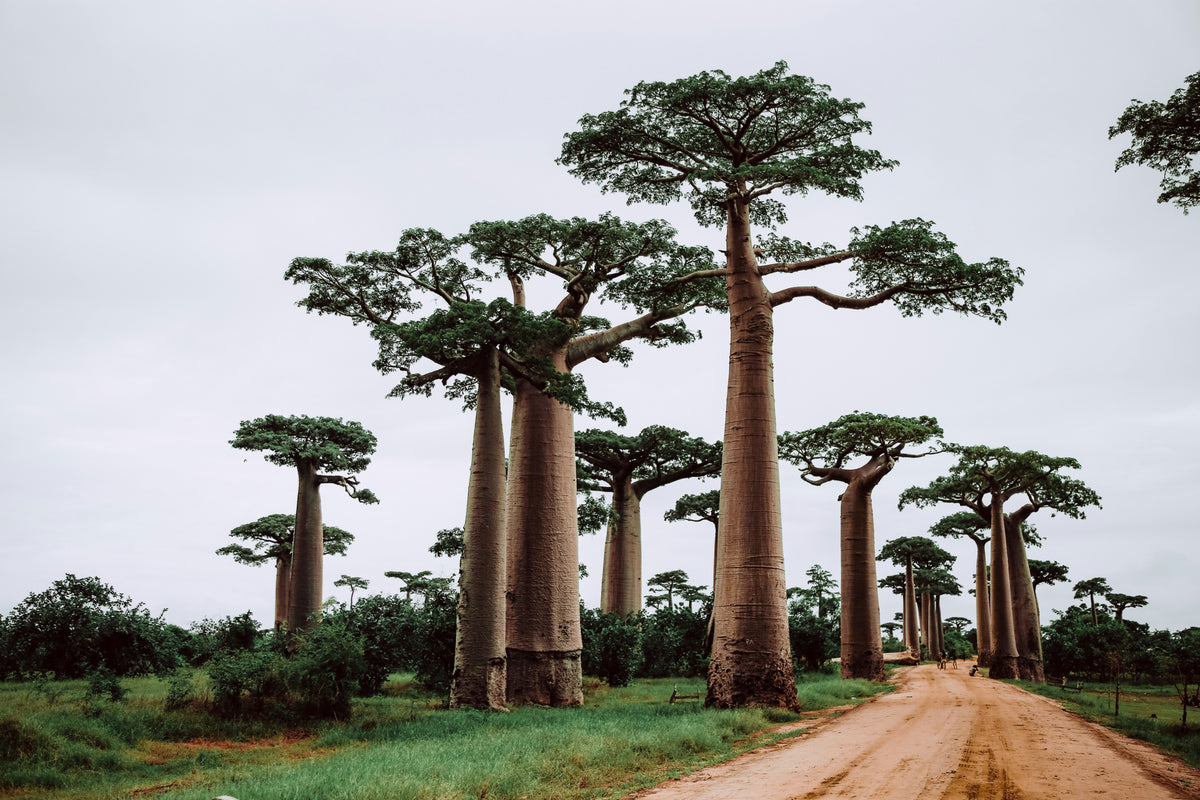
Ilakaka & Sakaraha (South-Central Madagascar)
Madagascar’s most famous gemstone belt, Ilakaka became one of the world’s largest sapphire sources after a 1998 discovery. The region’s ancient alluvial gravels yield vivid blue, pink, yellow, and green sapphires.
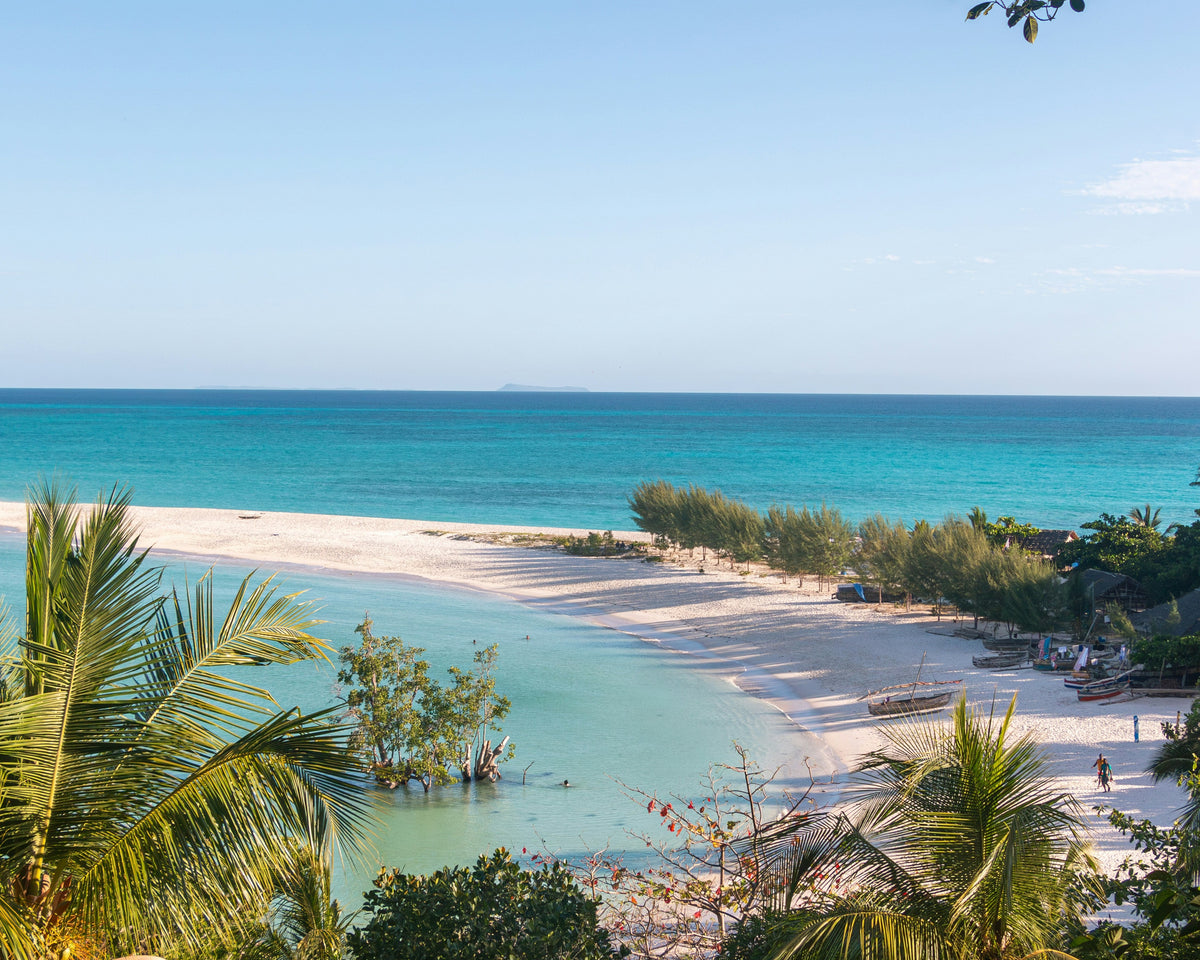
Marovato Coast (Northwest Madagascar)
The classic locality of Ocean Jasper is a remote stretch of coast near Marovato, where the original deposit could be reached only at low tide. This orbicular jasper, with its pastel orbs and concentric patterns, is Madagascar’s signature stone.
Andilamena (Northeast Madagascar)
Andilamena became known for ruby after finds there in 2000, and the region has also produced sapphire, adding to Madagascar’s diverse gem profile.
Fun fact
Ilakaka was a tiny roadside village before sapphires were found there in 1998. Within a few years, tens of thousands of people had arrived to dig.
| Mineral | Formula | Mohs hardness |
|---|---|---|
| Labradorite | (Ca,Na)(Al,Si)₄O₈ | 6 to 6.5 |
| Jasper | SiO₂ (microcrystalline) | 6.5 to 7 |
| Rose Quartz | SiO₂ | 7 |
| Lepidolite | Lithium mica | 2.5 to 3 |
| Celestite | SrSO₄ | 3 to 3.5 |
Hardness is on the Mohs scale, where 10 is diamond.
Madagascar is one of the most mineral-rich places on Earth, known for producing Labradorite, Ocean Jasper, Lepidolite, Rose Quartz, Celestite, Sapphire, Ruby, and Tourmaline. Its diverse geology, from volcanic fields to ancient metamorphic rock, creates extraordinary color and clarity in its crystals.
Ocean Jasper is an orbicular jasper with pastel orbs and concentric patterns. The material sold as Ocean Jasper comes from the remote Marovato coast of northwest Madagascar, where the original deposit could be reached only at low tide.
High-quality Sapphire from Ilakaka is considered one of Madagascar’s rarest and most valuable gems. Other scarce finds include Andilamena Ruby, Emerald from Mananjary, and Demantoid Garnet from the island’s north.
Wipe with a soft, dry cloth. Many stones can be rinsed in cool water and air dried, but keep selenite, malachite, and other soft or water-sensitive minerals dry, and avoid harsh chemicals.
Madagascar has no officially declared national gemstone. It is best known for sapphire, labradorite, and ocean jasper.
Founder’s Note
Every crystal begins as an encounter shaped by time and human touch. I personally source each piece, working closely with miners and artisans who handle them with care.
As a photographer and lifelong lover of design, I’m drawn to light, color, and form, the same elements that make crystals feel like natural works of art. Each piece is photographed in natural light to honor its true texture and energy, a quiet balance of beauty, material, and meaning.
Brittany Roughton
Founder & Curator, Crystals.com
Request personal sourcingEvery sourcing region on one interactive map.
Open the mapCan't choose?
Tell it what you need. It picks one piece for you, in stock right now.
Sorry, looks like we don't have enough of this product.

Buy It With
$10.00 USD

