Crystals.com
Jasper
Authentic natural minerals, thoughtfully sourced and individually photographed.

Jasper — Every Color, Every Pattern, Every Origin
Jasper is an opaque variety of microcrystalline quartz (chalcedony) that occurs in nearly every color and pattern found in nature. Its diversity comes from the trace minerals and organic material present during formation — iron oxides produce reds and yellows, manganese creates purples, and volcanic ash can produce the orbicular patterns seen in ocean jasper. With a Mohs hardness of 6.5–7, jasper is one of the most durable collectible stones available.
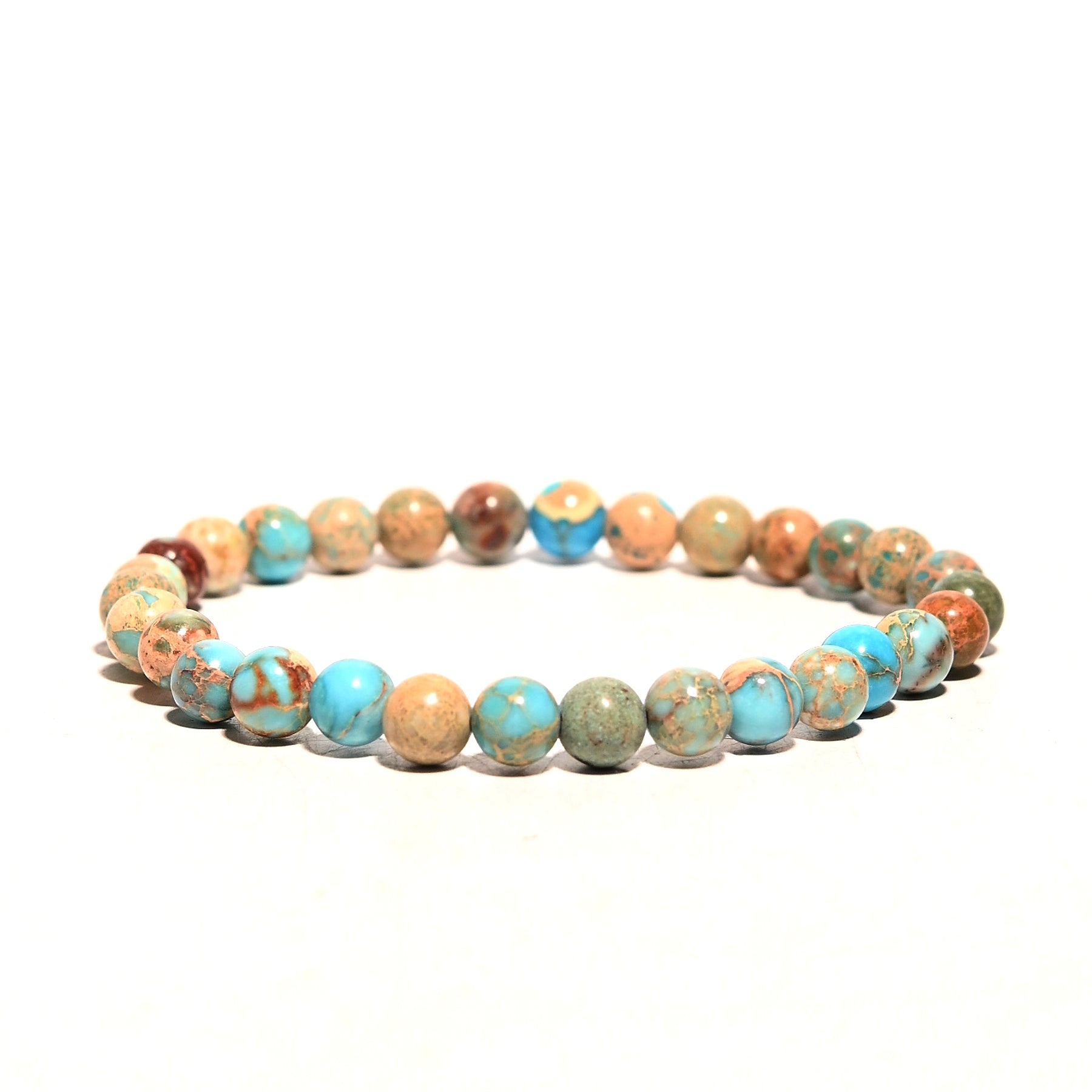
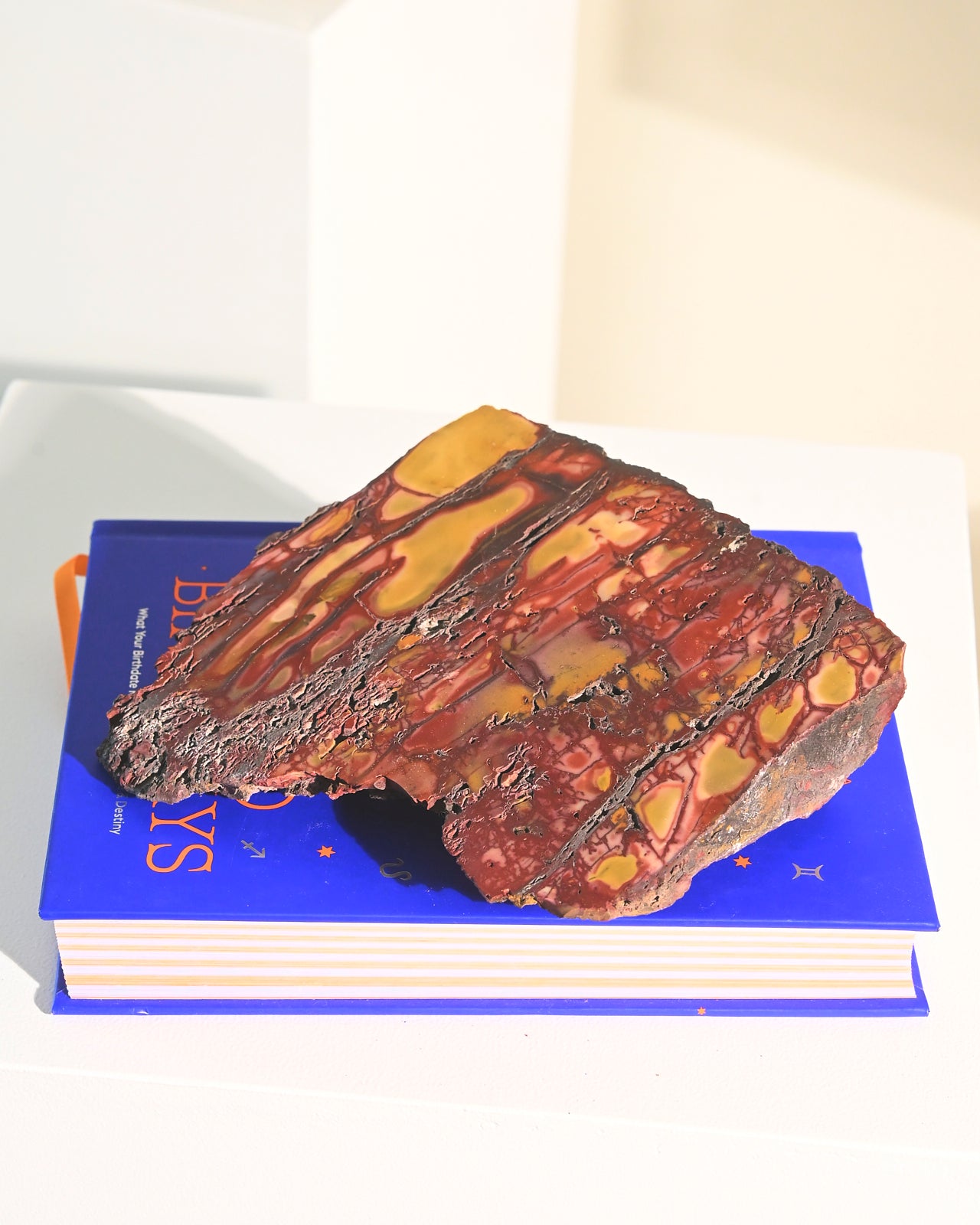
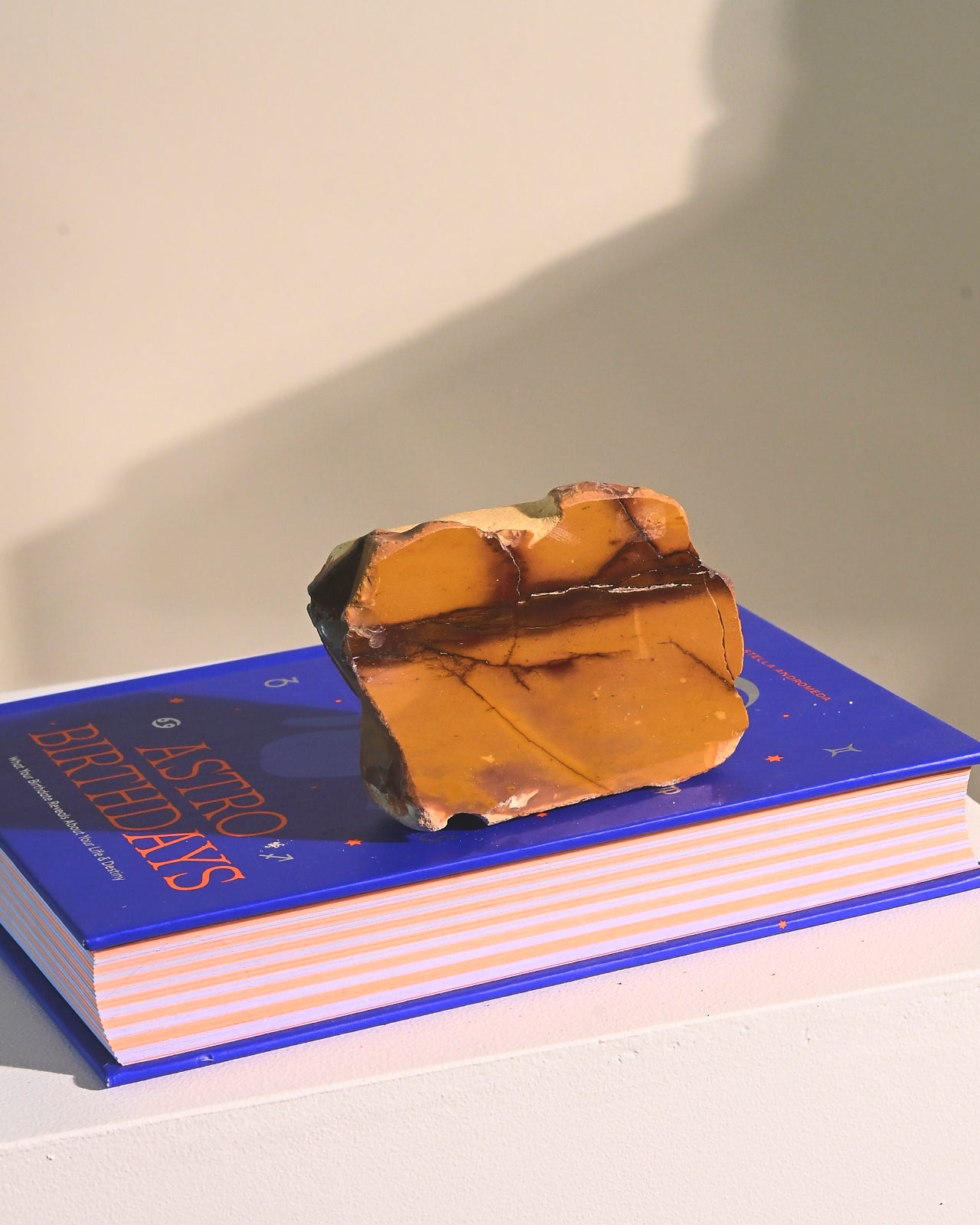
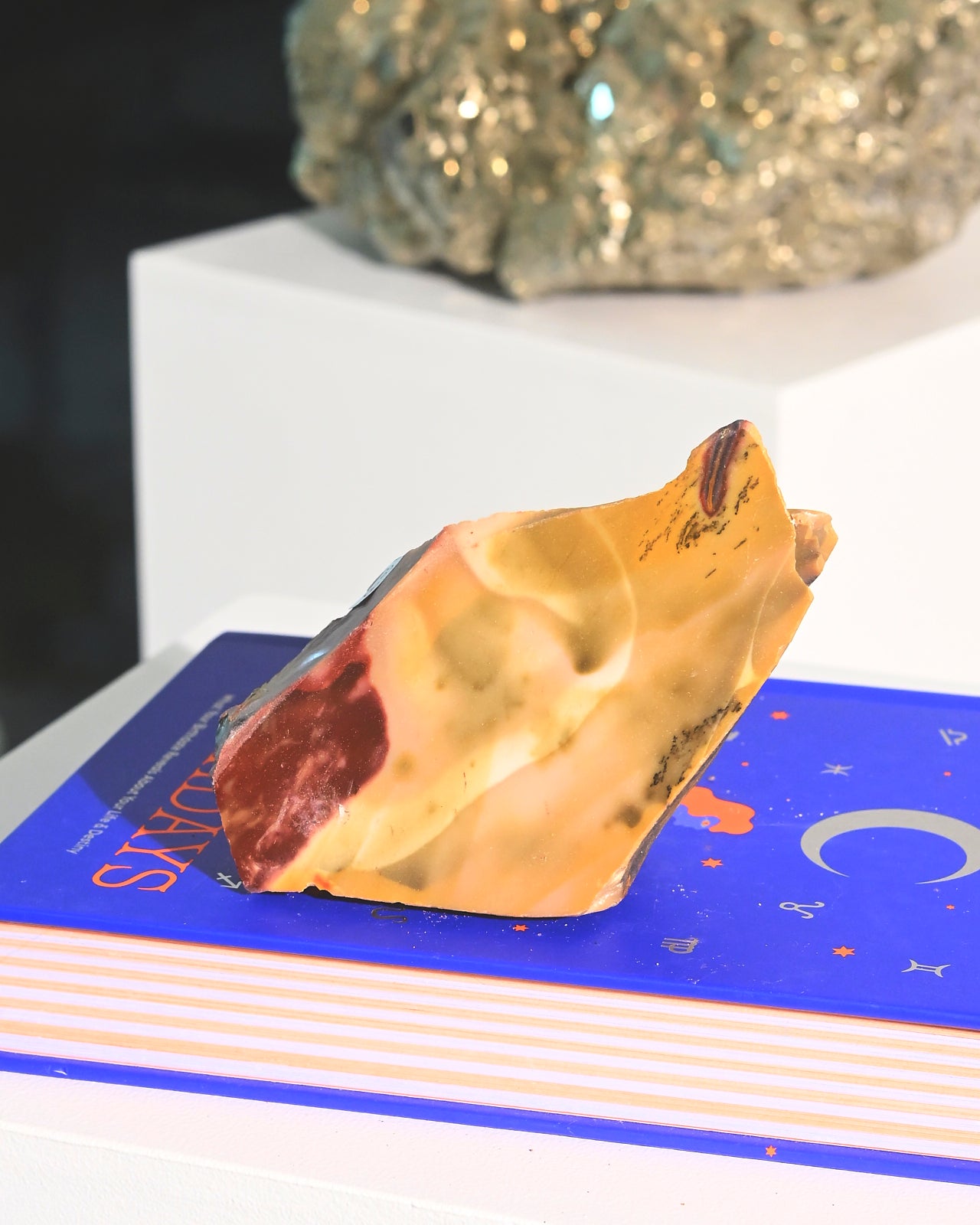
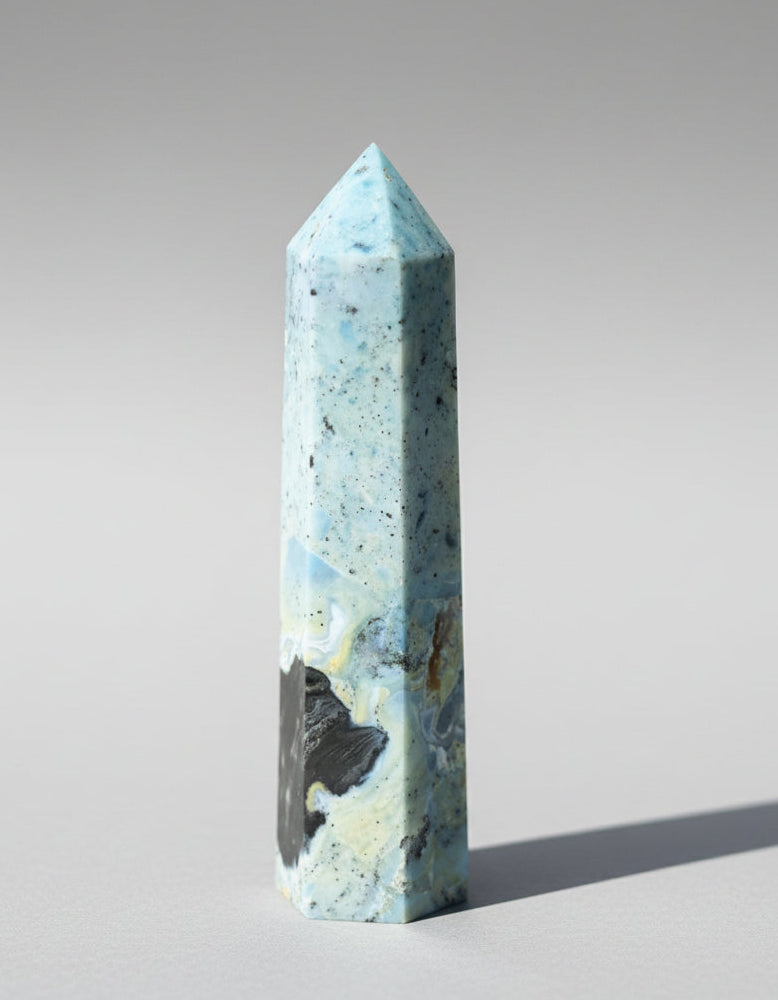
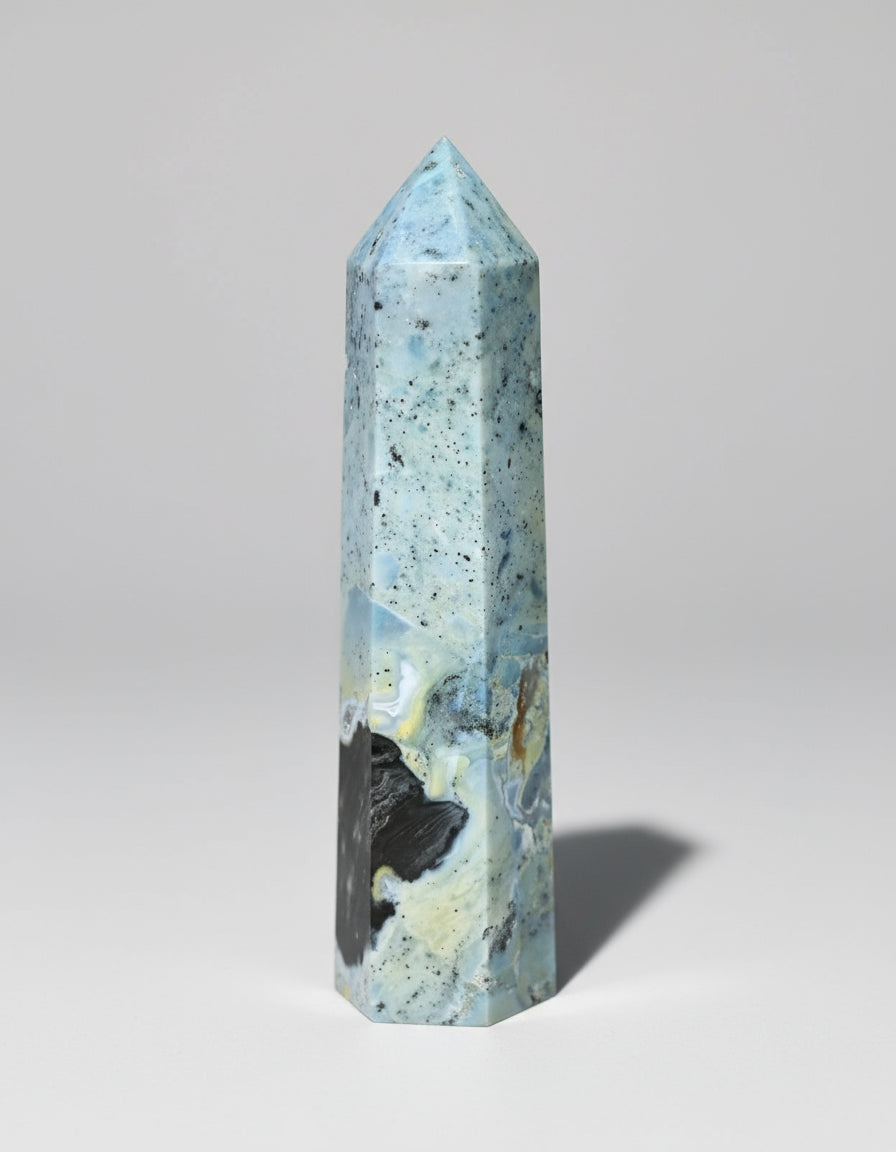
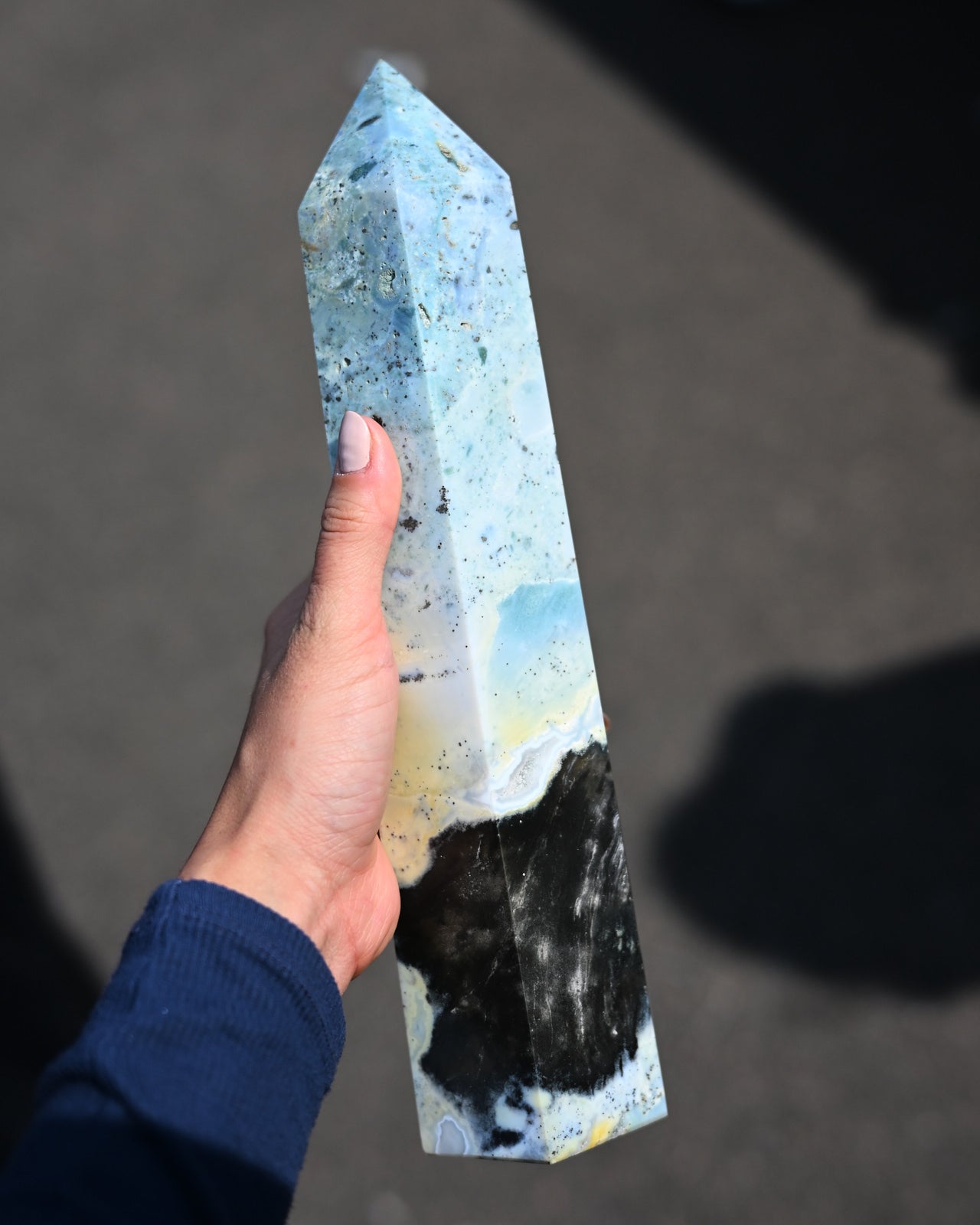
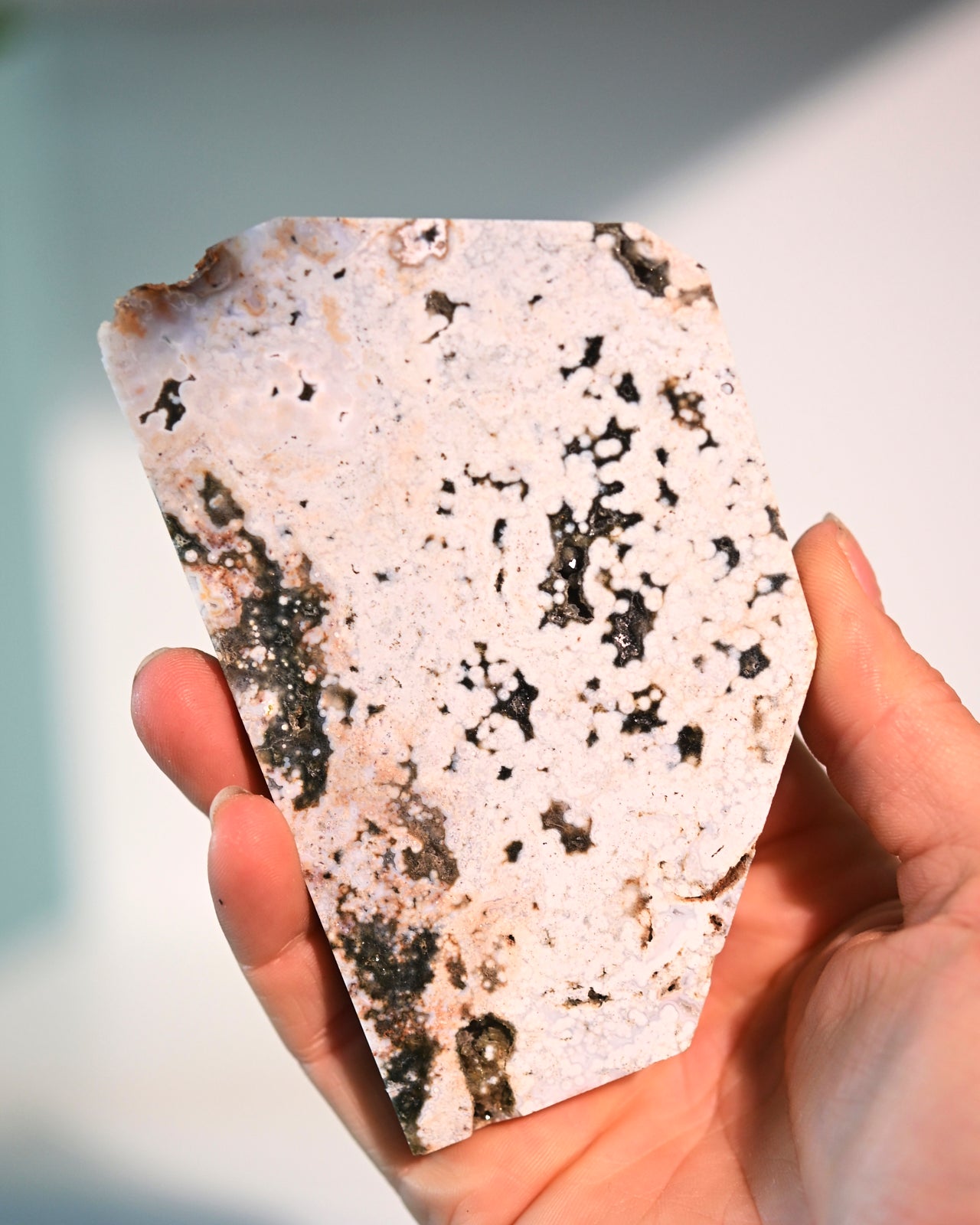
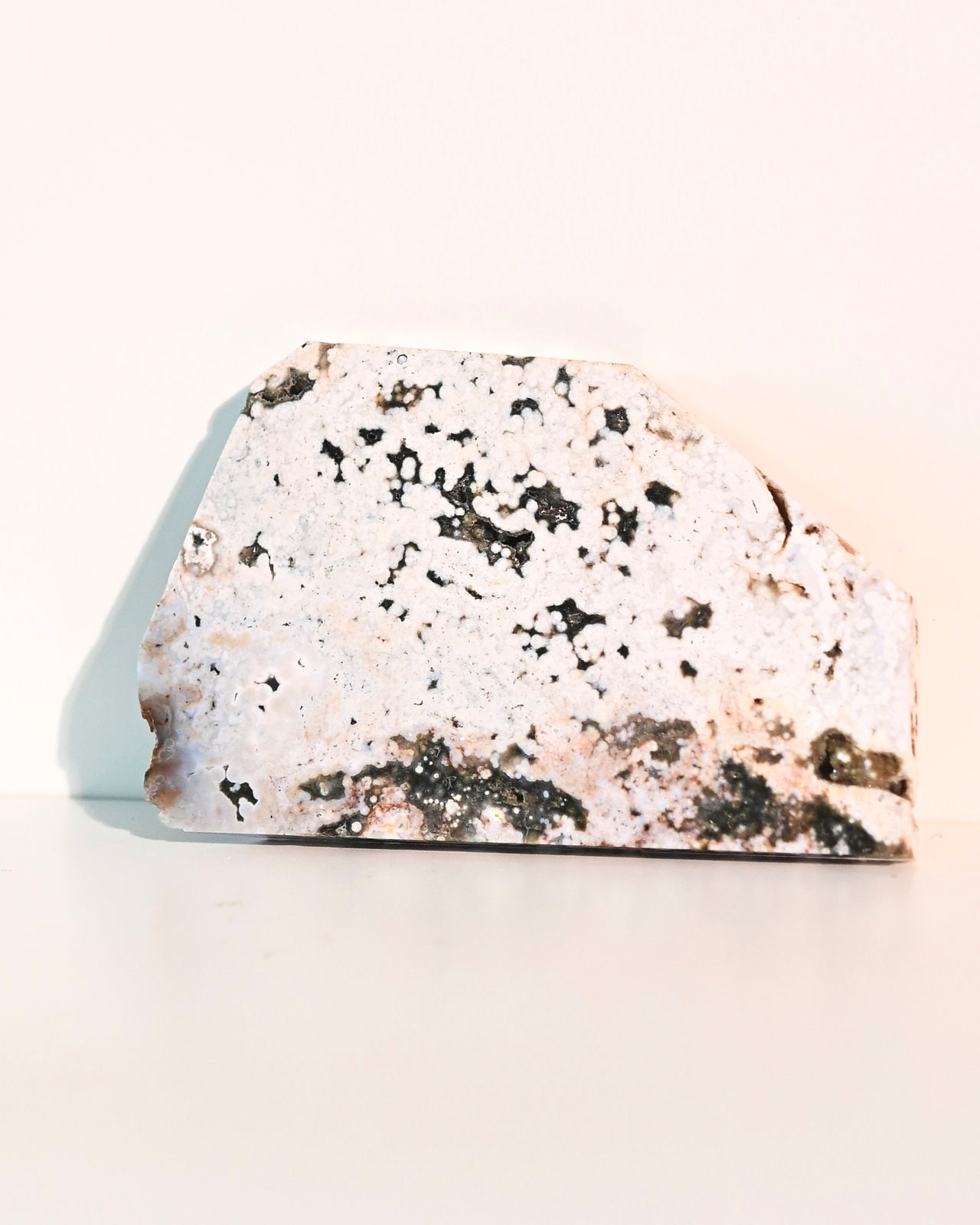
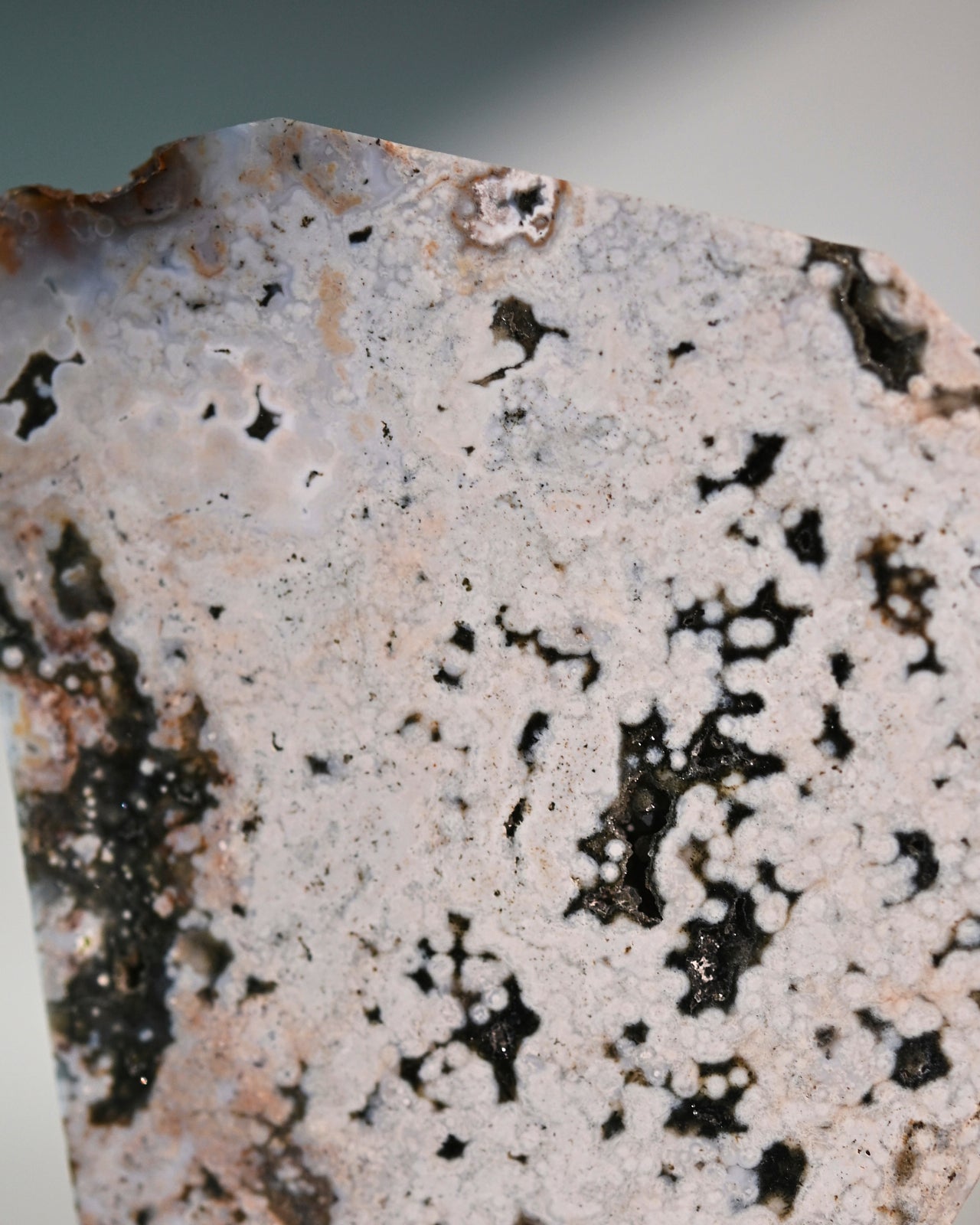
This collection includes ocean jasper from Madagascar (found in only one coastal mine, now largely depleted), Australian mookaite, red jasper, polychrome jasper from the deserts of Madagascar, picture jasper with landscape-like banding, and imperial jasper from Guadalajara, Mexico. Each variety tells a different geological story.
Jasper pairs naturally with agate — both are forms of chalcedony with overlapping formation environments. For other earth-toned minerals, see our carnelian and tiger's eye collections. Explore our $10–$100 range for affordable jasper pieces, or browse Curated Over $100 for large display specimens. Free shipping over $150.
Frequently Asked Questions
What is jasper?
Jasper is an opaque, microcrystalline variety of quartz (SiO₂) that forms when silica-rich fluids permeate rock and crystallize within pore spaces. Its opacity comes from a high percentage of mineral inclusions that also produce its wide range of colors and patterns. Jasper rates 6.5–7 on the Mohs scale.
What are the different types of jasper?
Jasper occurs in hundreds of named varieties. Common types include red jasper (iron oxide), ocean jasper (orbicular patterns, Madagascar), picture jasper (landscape banding, Idaho), dalmatian jasper (black spots in beige), bumblebee jasper (bright yellow/orange, Indonesia), and polychrome jasper (multicolored, Madagascar).
Where does jasper come from?
Madagascar (ocean jasper, polychrome), Indonesia (bumblebee jasper), Mexico (imperial, polychrome), Brazil, India, and the western United States — particularly Idaho (Bruneau canyon), Oregon (Biggs jasper), and California.
How do I identify real jasper?
Authentic jasper is opaque (no light passes through), has Mohs 6.5–7 hardness (scratches glass), breaks with a smooth fracture, and feels cool and dense. It does not have crystalline sparkle — that indicates agate or chalcedony. Jasper takes a good polish but never achieves transparency.
Is ocean jasper rare?
Yes. Ocean jasper comes from a single mine on the northwest coast of Madagascar that is only accessible at low tide. The deposit was discovered in 1999 and is now largely depleted. No new significant deposits have been found, making existing ocean jasper increasingly collectible and valuable.

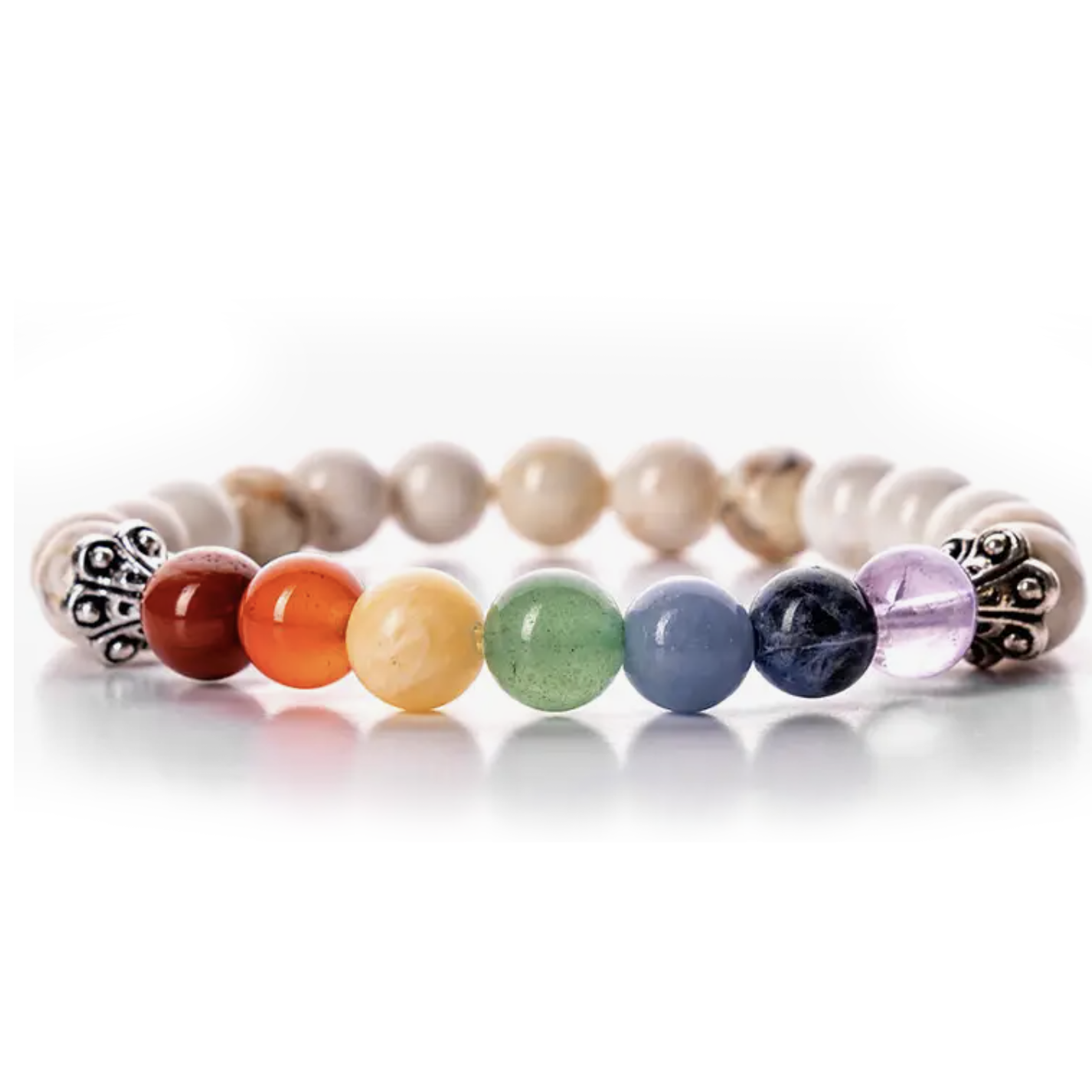
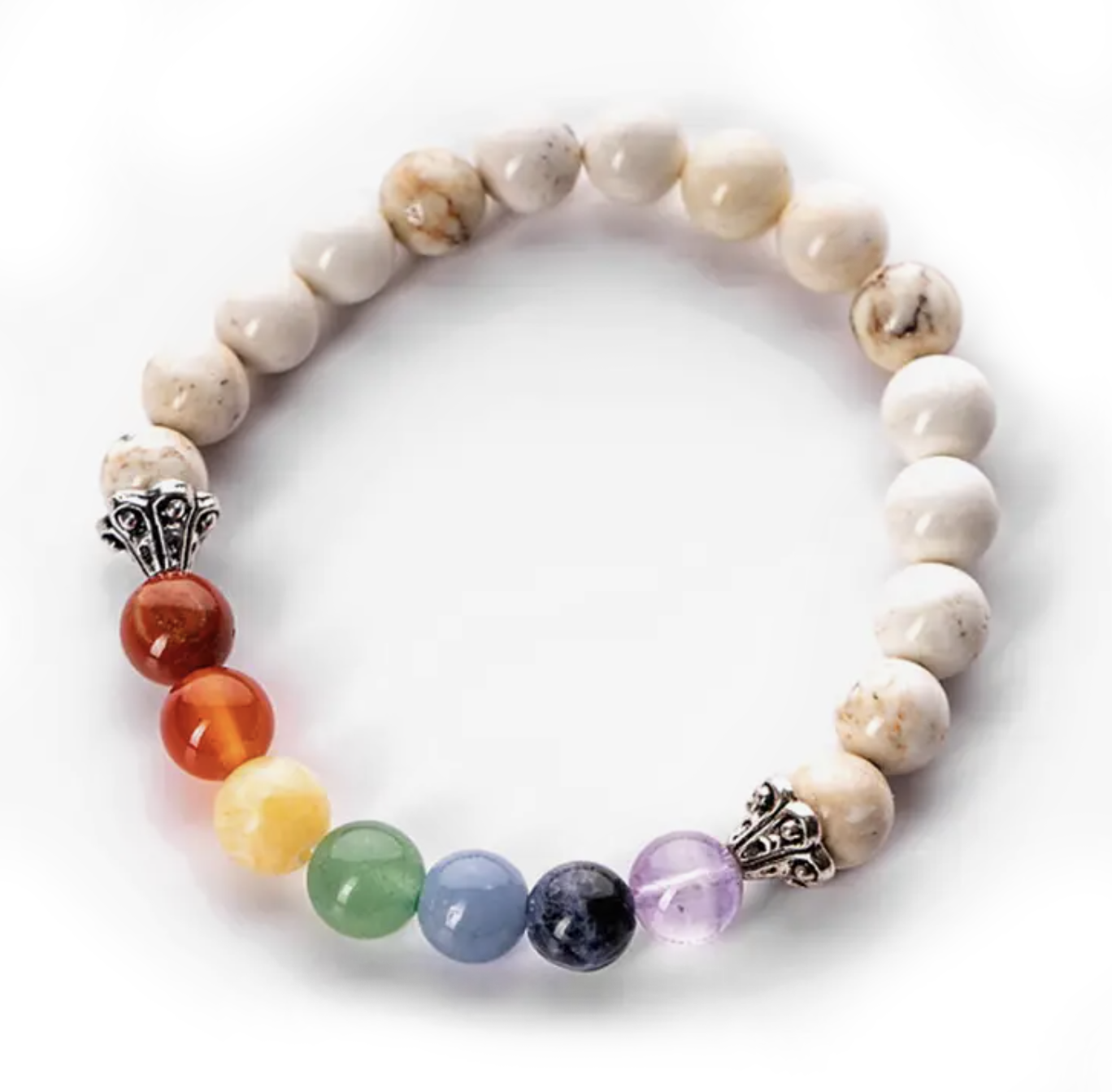
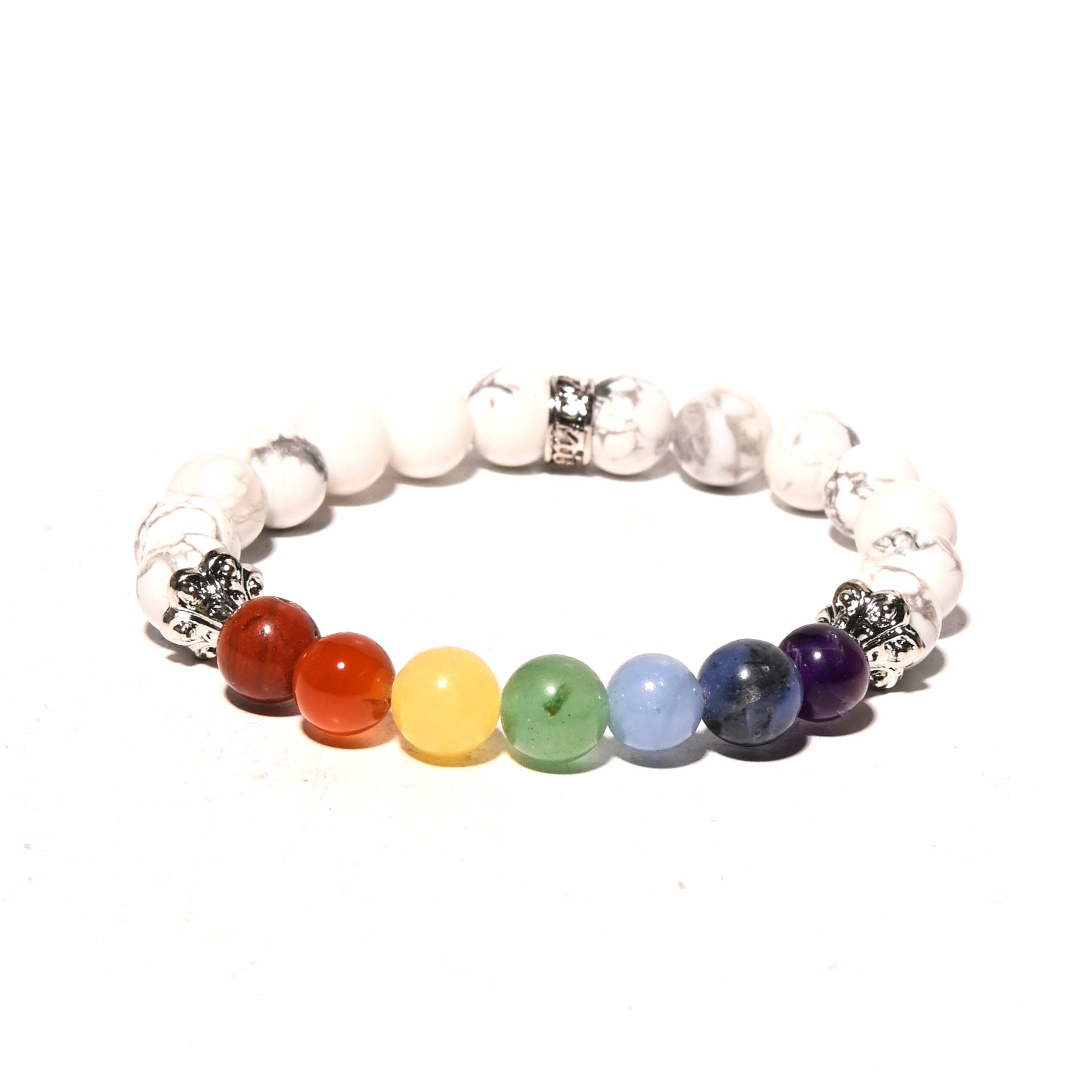

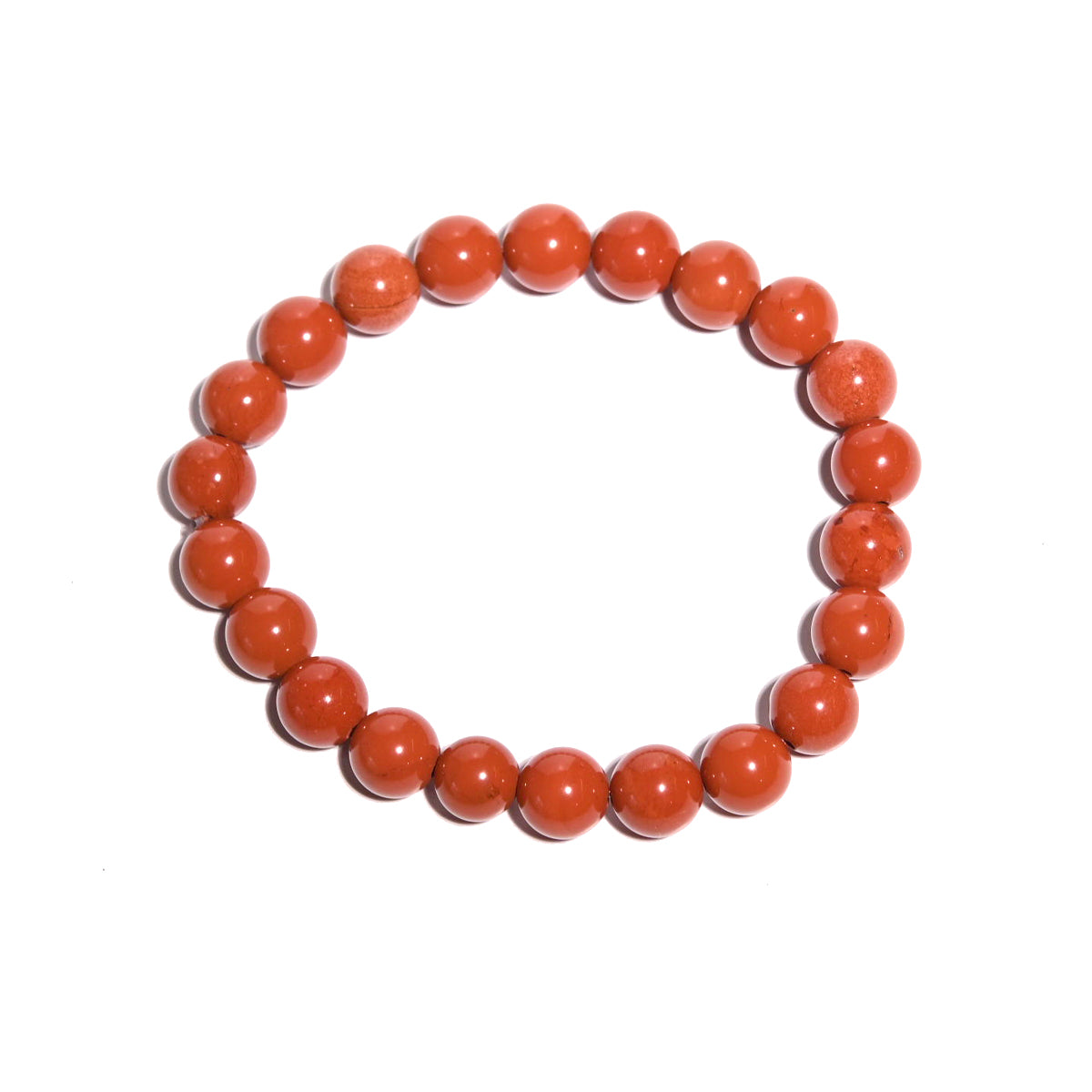







Authenticity First






Know your crystal
Jasper
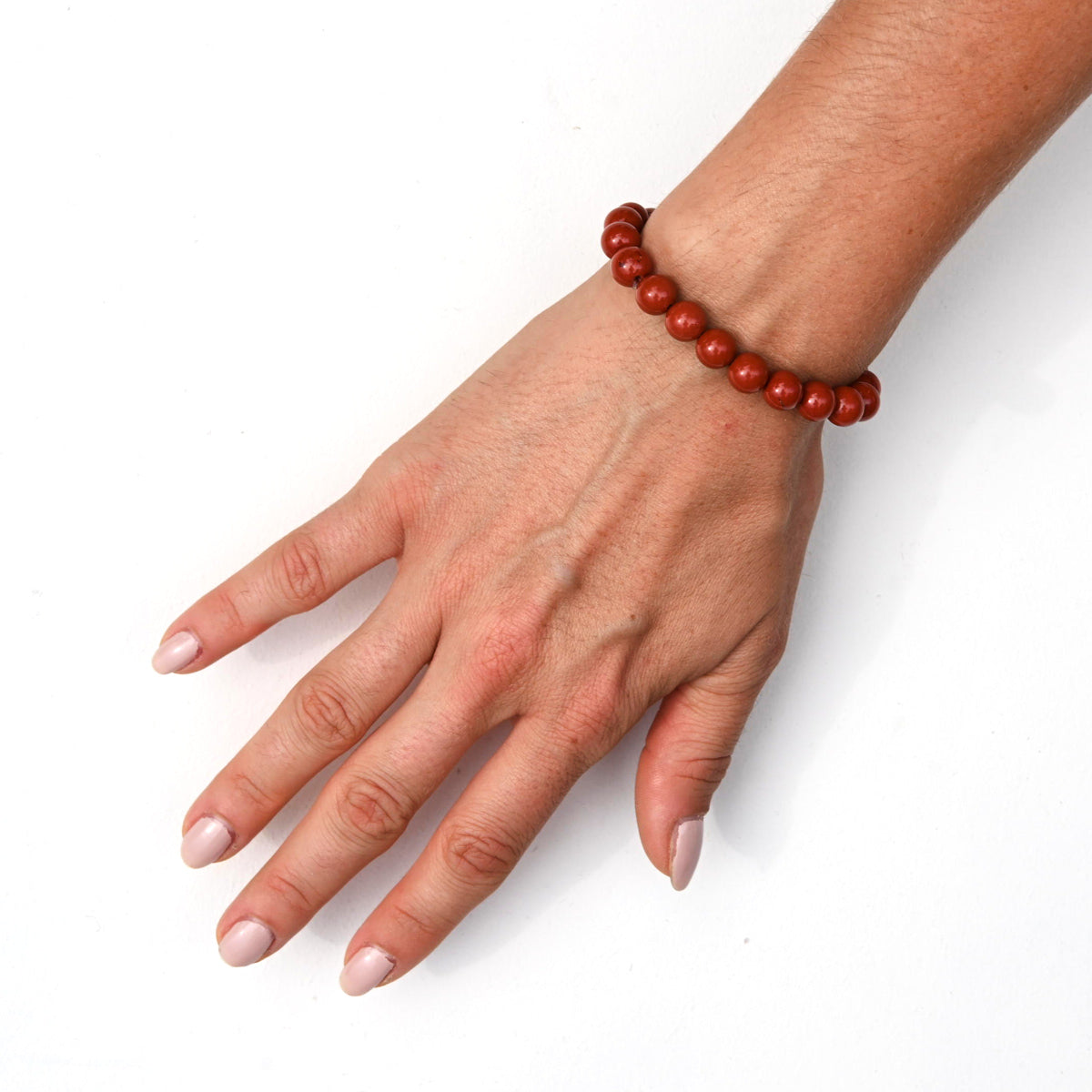
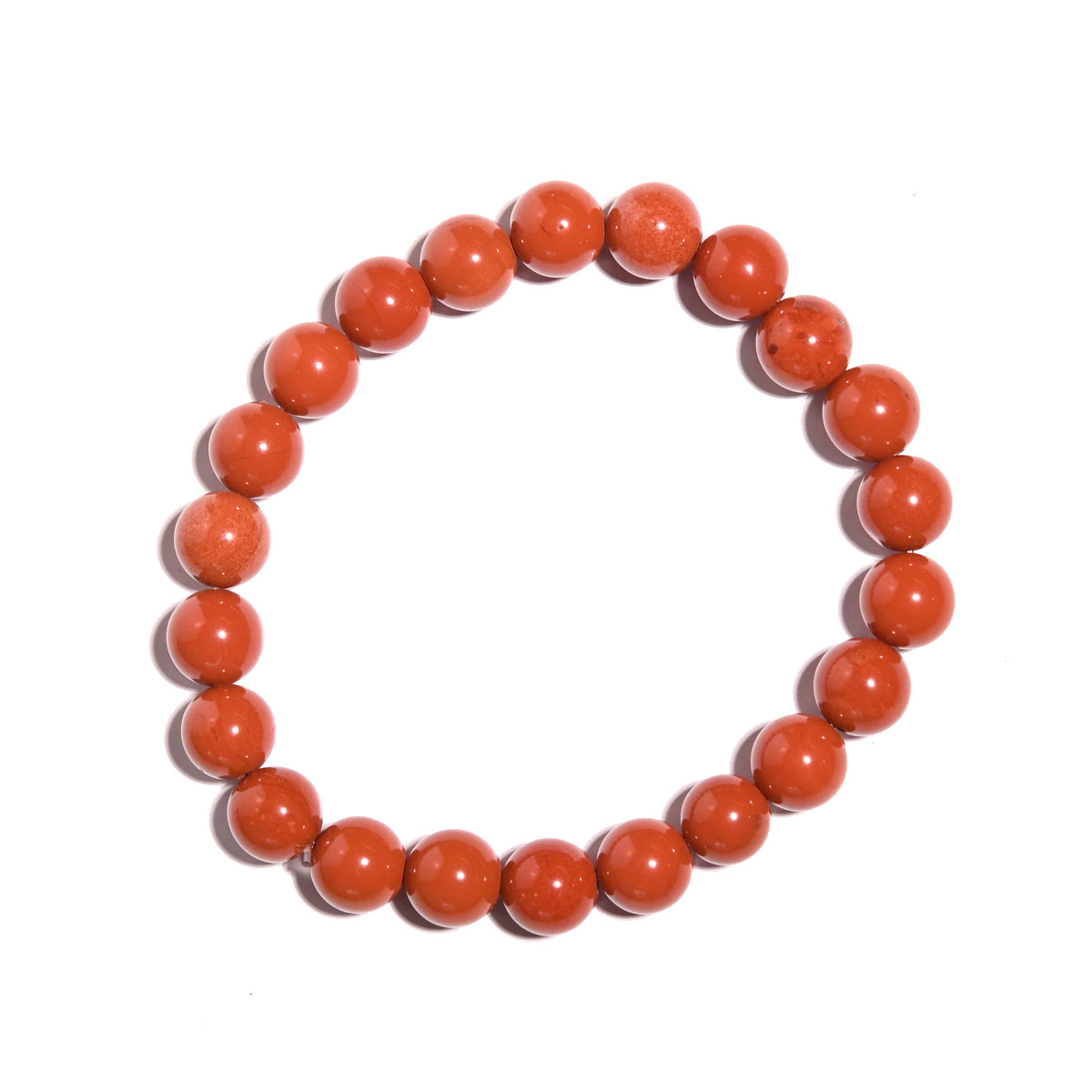
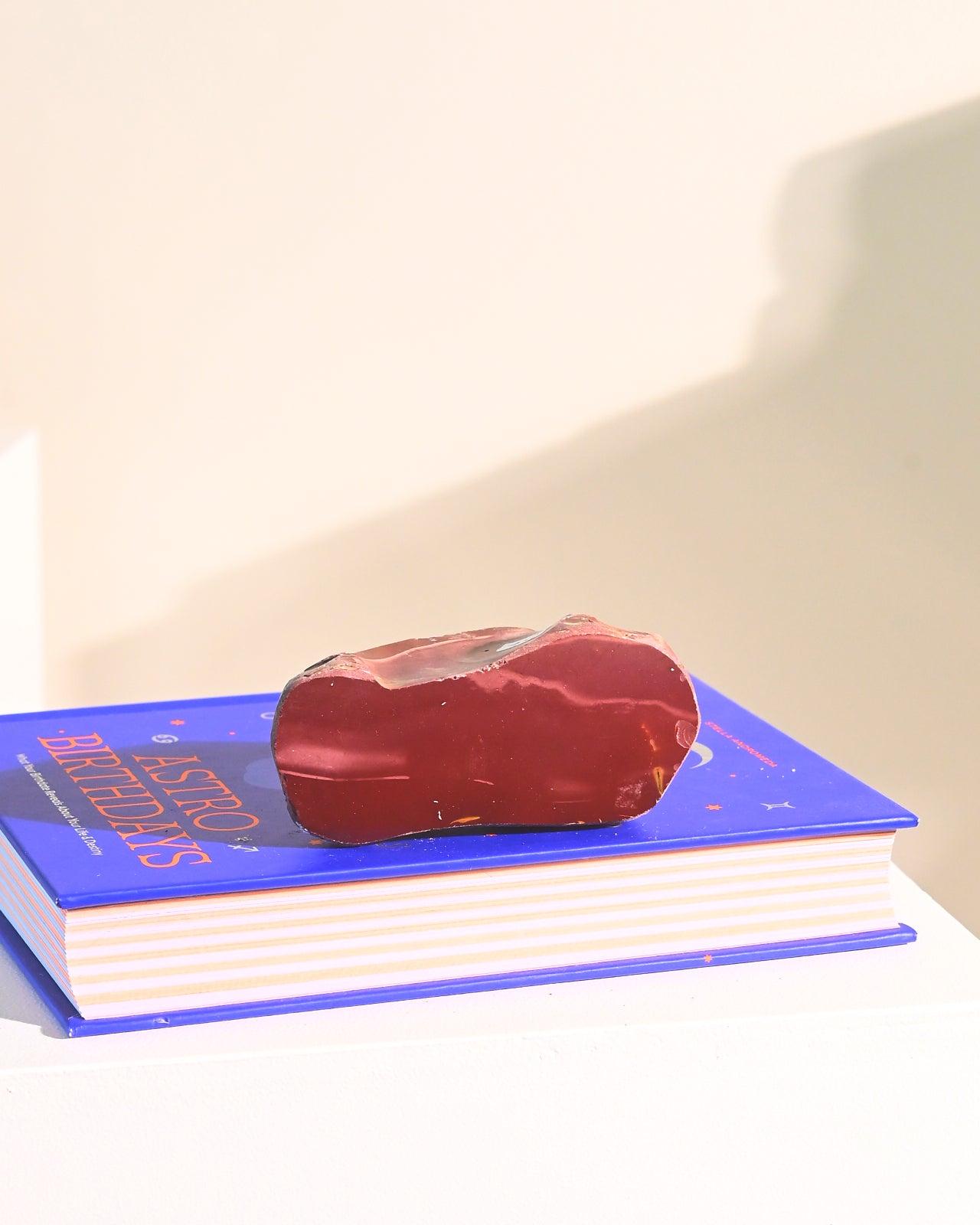
Jasper is opaque chalcedony — microcrystalline quartz so loaded with iron oxide that light can't pass through it. That iron is what paints red jasper its brick red. It takes an exceptional polish, which is why it's been carved into seals and beads since ancient Egypt.
Let customers speak for us
Beautiful piece! Incredible quality and shipped perfectly!

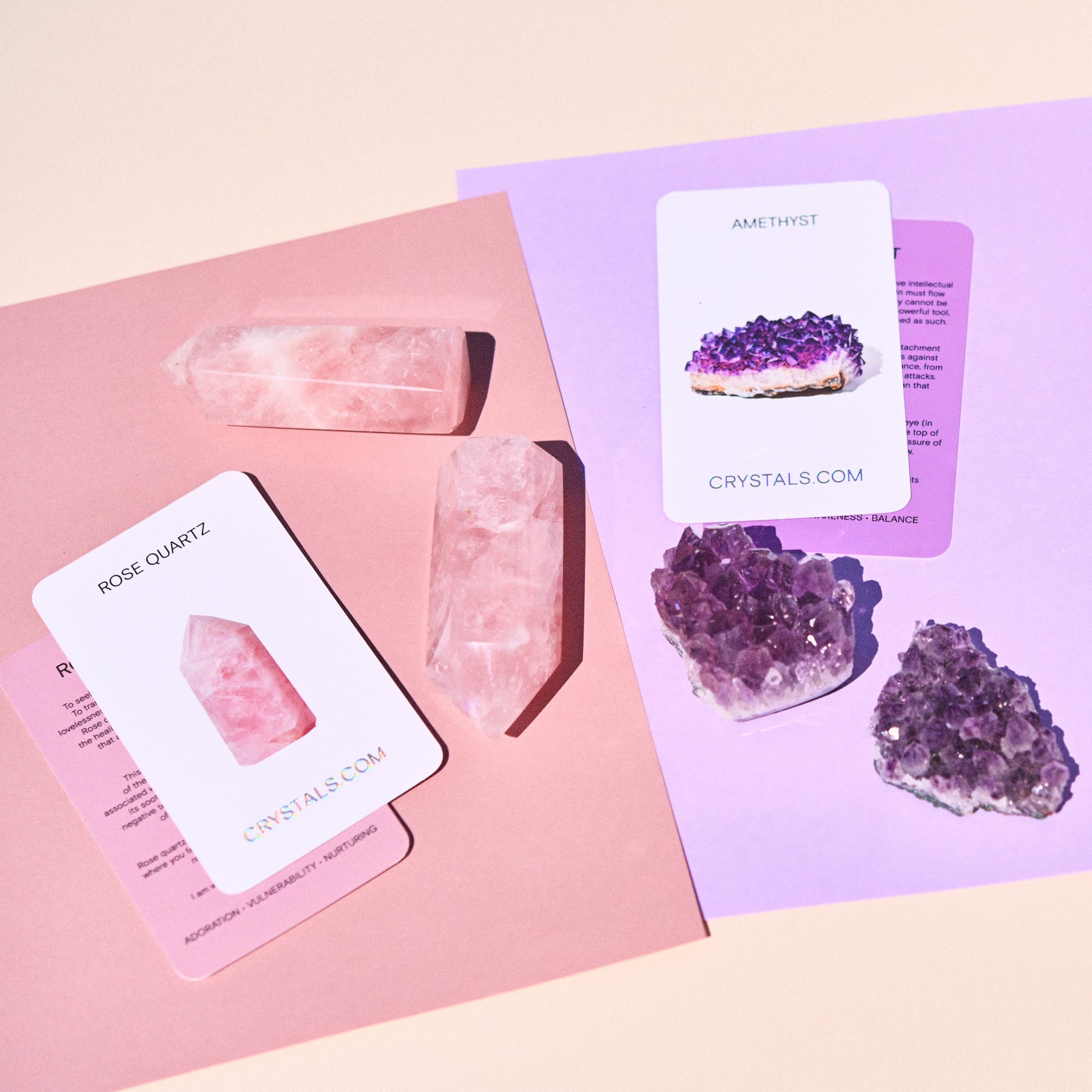
Great quality and I loved the information cards.
Great quality and I loved the information card it came with.

I have purchased several pieces from Crystals.com and keep coming back for more. :) This is my second amethyst piece. The color of the amethyst is a deep purple. Great craftsmanship!!

The smaller bead size was even more beautiful!
Really pretty!

Beautiful! The size of each rock is perfect!

Beautiful piece. Just as described

Amazing looks better in person

I love it but it could have been a little bigger

Enjoyed and appreciated by person who received it. The three types of stones look amazing together too!

Very reputable online and they did not disappoint!
Absolutely stunning!

Absolutely stunning!

Absolutely stunning!

A Sanctuary of Natural Beauty
Every crystal here was discovered by hand, selected with intuition, and photographed in its true light.
One-of-a-Kind. Forever Pieces.
Let the Universe Decide


