Crystals.com
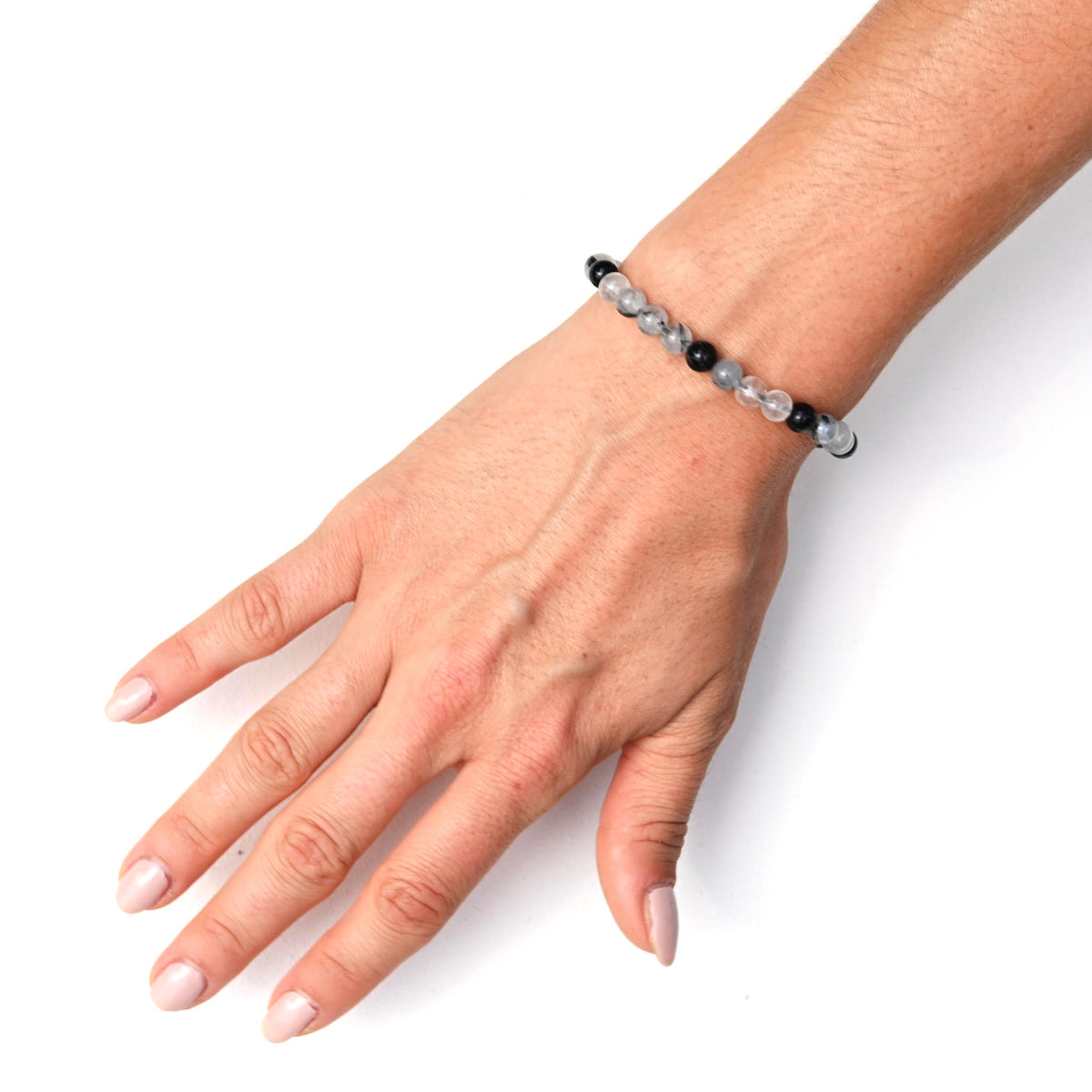
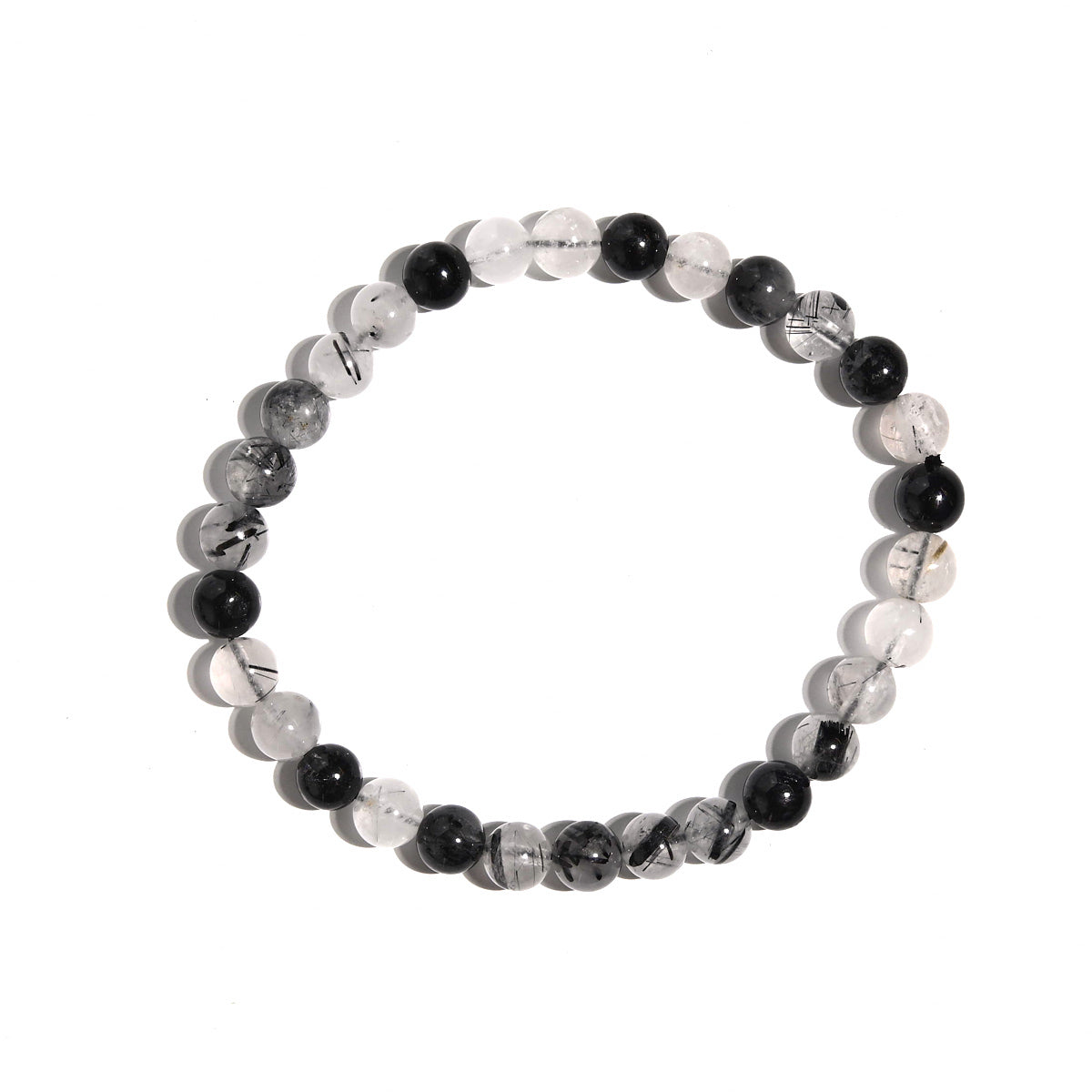
Tourmalinated Quartz Crystal
Authentic natural minerals, thoughtfully sourced and individually photographed.

Tourmalinated Quartz — Black Needles in Clear Crystal
Tourmalinated quartz is clear or slightly smoky quartz that contains naturally occurring inclusions of black schorl tourmaline. Like its golden cousin rutilated quartz, the tourmaline needles formed first in hydrothermal veins, and the quartz crystal grew around them — permanently encapsulating the dark needles in transparent silica. The stark contrast between jet-black tourmaline and water-clear quartz makes each piece look like a miniature abstract sculpture frozen in glass.
Brazil is the primary source for high-quality tourmalinated quartz, particularly the pegmatite-rich regions of Minas Gerais and Bahia. The black needles are schorl — the iron-rich endmember of the tourmaline group — which is the most common tourmaline variety but takes on a different character when trapped inside transparent quartz. Needle density varies enormously: some specimens have a single dramatic tourmaline rod, while others are densely packed with crossing needles. The quartz host has a Mohs hardness of 7, making tourmalinated quartz excellent for both display and jewelry.
Compare with rutilated quartz (golden titanium needles), or explore black tourmaline specimens without the quartz host. Browse all black crystals or clear quartz. See our crystal jewelry for tourmalinated quartz pieces set in precious metals. Take the crystal quiz for a personalized recommendation. Free US shipping on orders over $150.
Frequently Asked Questions
What is tourmalinated quartz?
Tourmalinated quartz is natural quartz crystal containing inclusions of black schorl tourmaline needles. The tourmaline formed before the quartz and was encapsulated as the quartz crystal grew. The result is a transparent crystal with dramatic black linear inclusions — each specimen has a unique needle pattern.
What is the difference between tourmalinated and rutilated quartz?
Both are quartz with mineral needle inclusions, but the included mineral differs. Tourmalinated quartz has black schorl tourmaline needles (iron borosilicate), creating a stark black-and-clear contrast. Rutilated quartz has golden, copper, or silver rutile needles (titanium dioxide), creating warm metallic tones. Both form through the same geological process in hydrothermal veins.
Where does tourmalinated quartz come from?
The majority of gem-quality tourmalinated quartz comes from Brazil, especially the pegmatite regions of Minas Gerais and Bahia. Other sources include Madagascar, Pakistan, and parts of Africa. The quartz must grow in pegmatite or hydrothermal veins where black tourmaline is already present — a specific geological condition.
Is tourmalinated quartz durable?
Yes. The quartz host has a Mohs hardness of 7 and the tourmaline inclusions are 7–7.5, making tourmalinated quartz one of the more durable inclusion stones. It is suitable for everyday jewelry wear and handles normal cleaning with warm water and mild soap. Avoid ultrasonic cleaners and sudden temperature changes.
What makes tourmalinated quartz valuable?
The most valuable tourmalinated quartz combines water-clear quartz with well-defined, dramatic tourmaline needle patterns. Specimens with a single large tourmaline rod or aesthetically arranged crossing needles are prized. Large, gem-clear pieces with high contrast command the highest prices.



Let customers speak for us
Beautiful piece! Incredible quality and shipped perfectly!

Great quality and I loved the information cards.
Great quality and I loved the information card it came with.

I have purchased several pieces from Crystals.com and keep coming back for more. :) This is my second amethyst piece. The color of the amethyst is a deep purple. Great craftsmanship!!

The smaller bead size was even more beautiful!
Really pretty!

Beautiful! The size of each rock is perfect!

Beautiful piece. Just as described

Amazing looks better in person

I love it but it could have been a little bigger

Enjoyed and appreciated by person who received it. The three types of stones look amazing together too!

Very reputable online and they did not disappoint!
Absolutely stunning!

Absolutely stunning!

Absolutely stunning!

A Sanctuary of Natural Beauty
Every crystal here was discovered by hand, selected with intuition, and photographed in its true light.
One-of-a-Kind. Forever Pieces.
Let the Universe Decide


