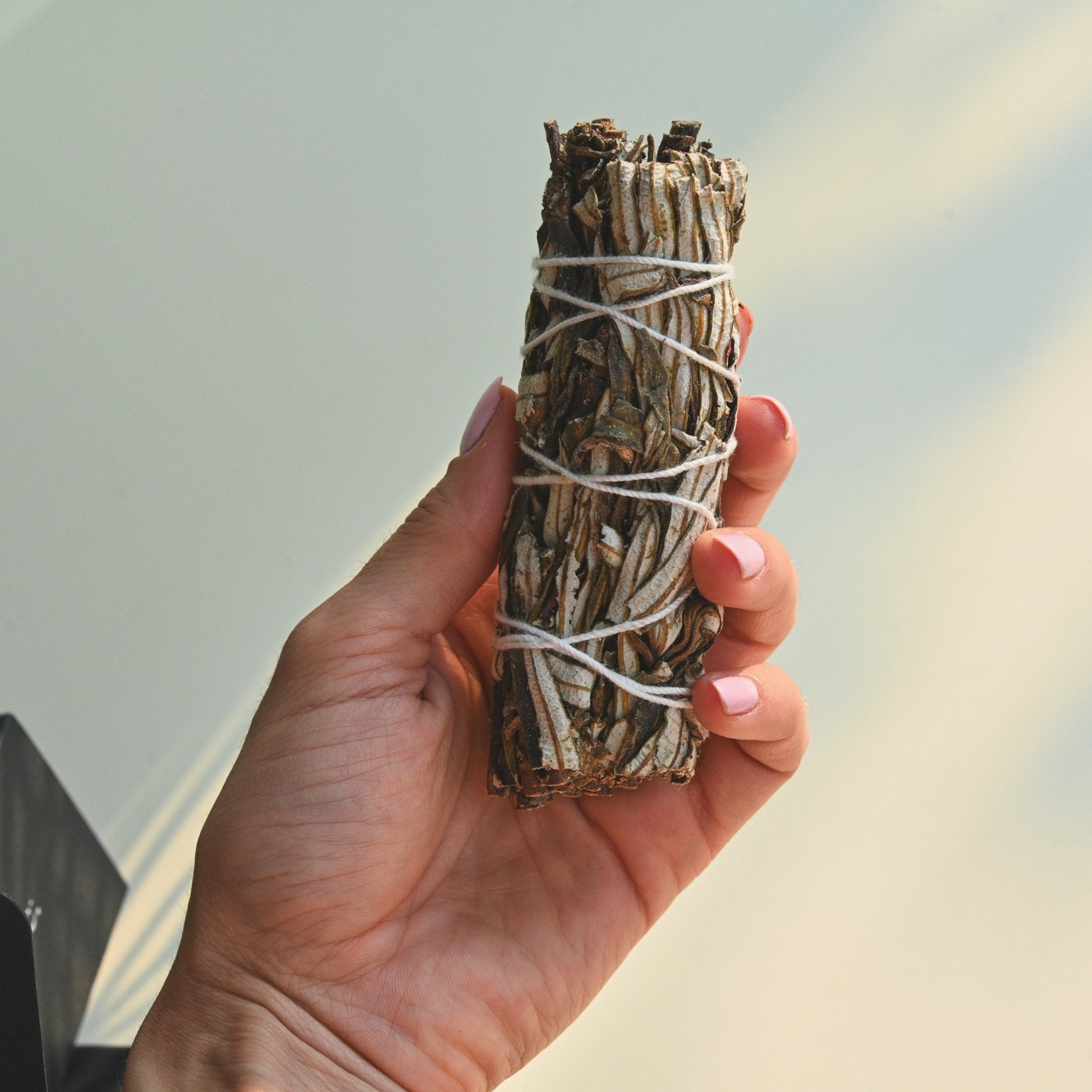
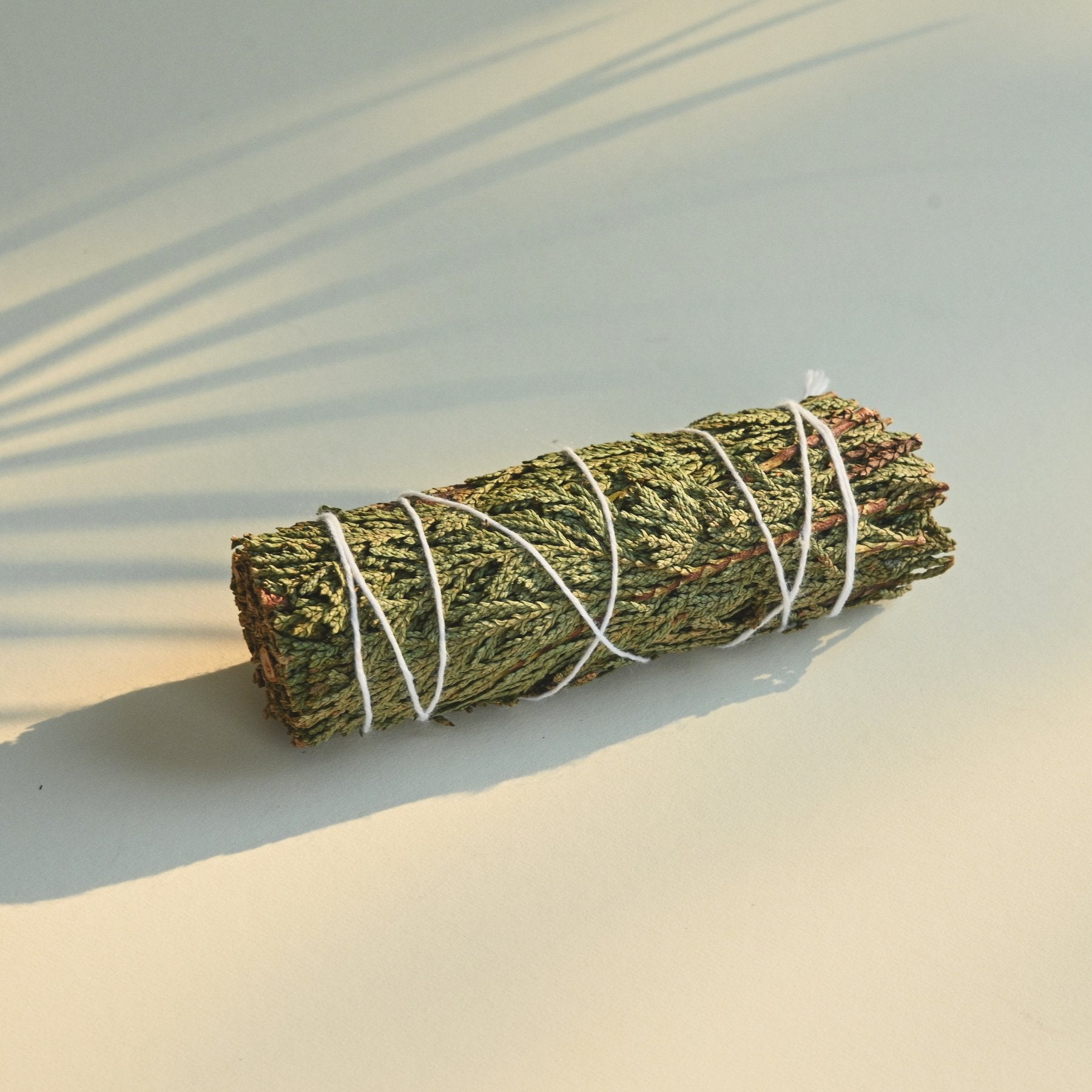
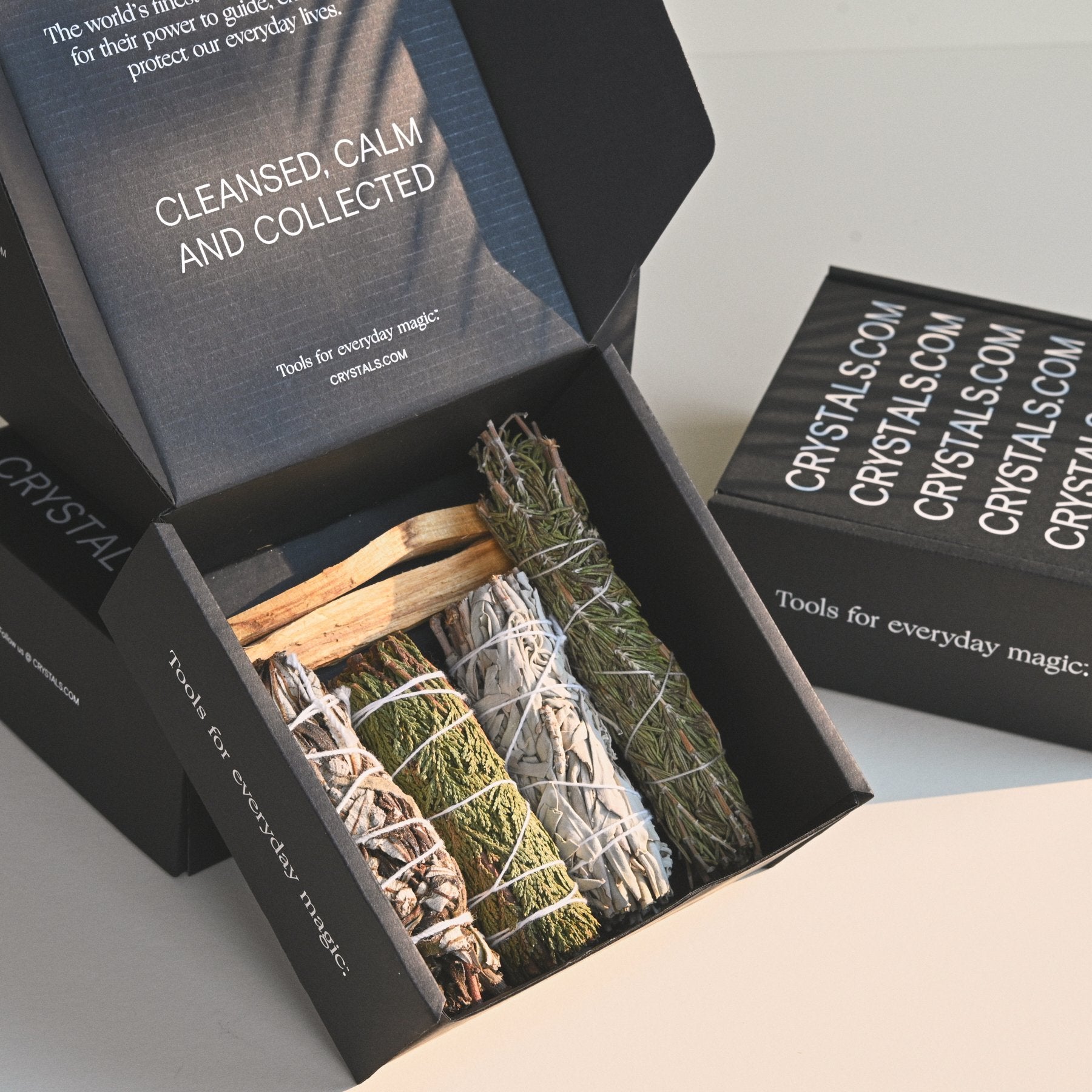
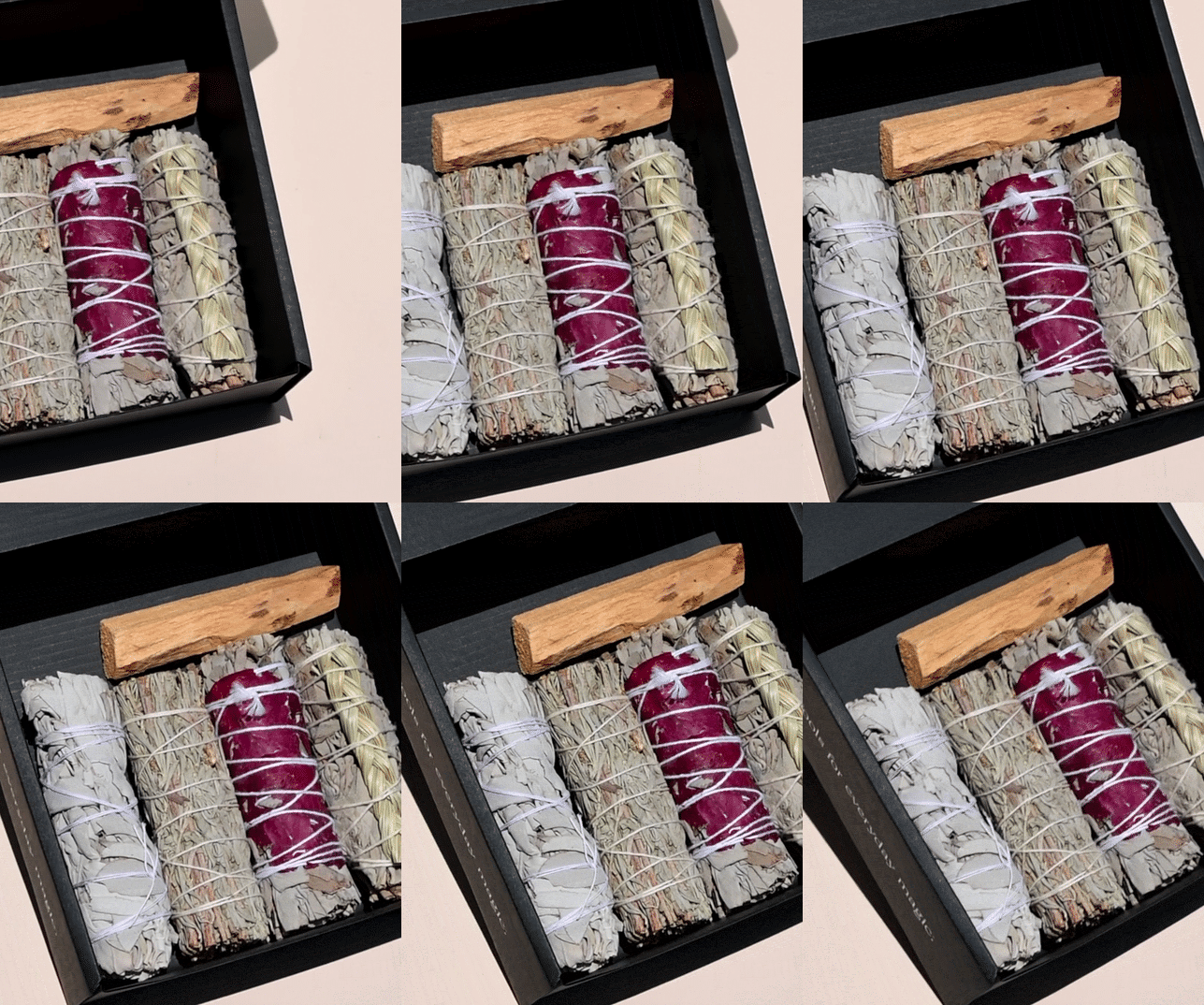
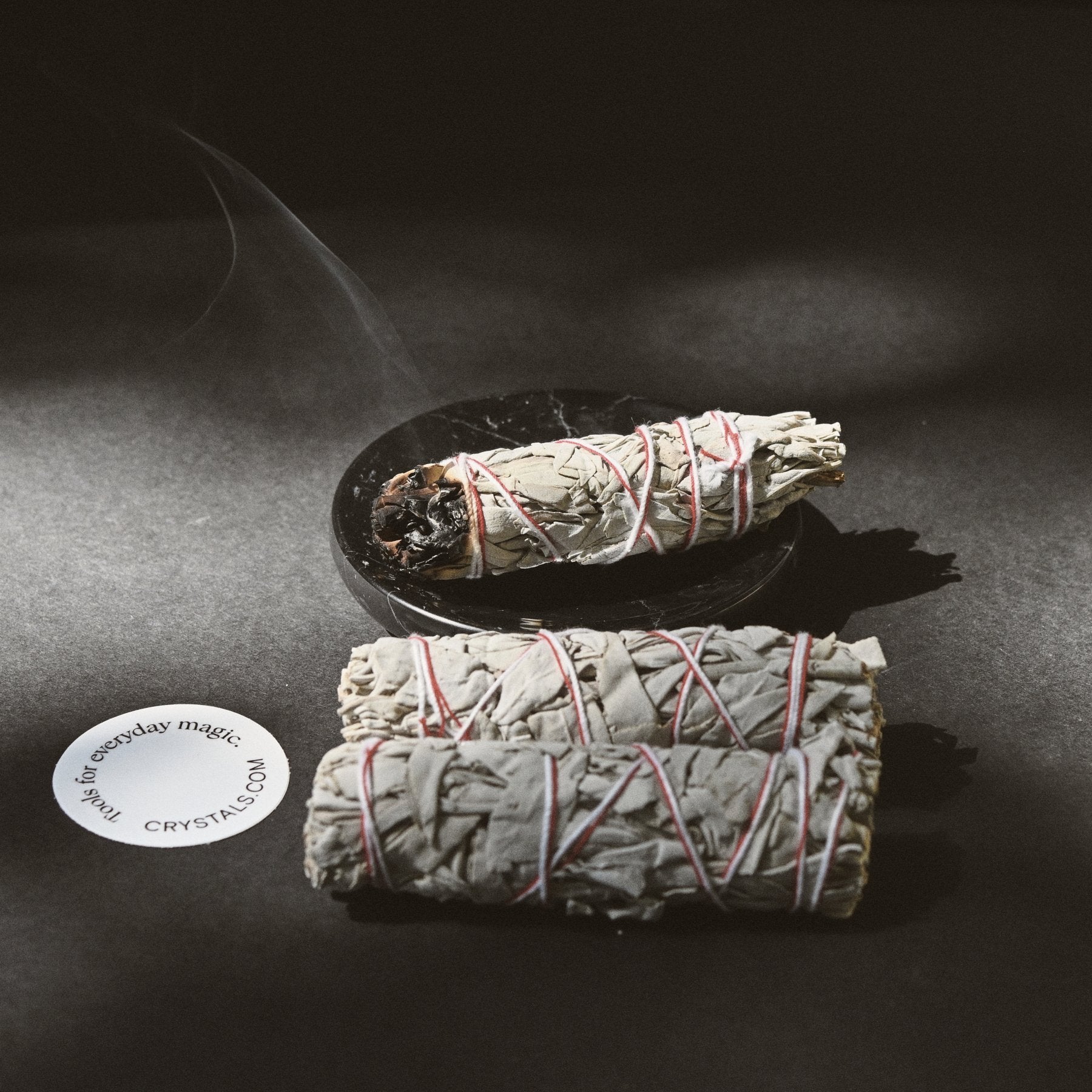
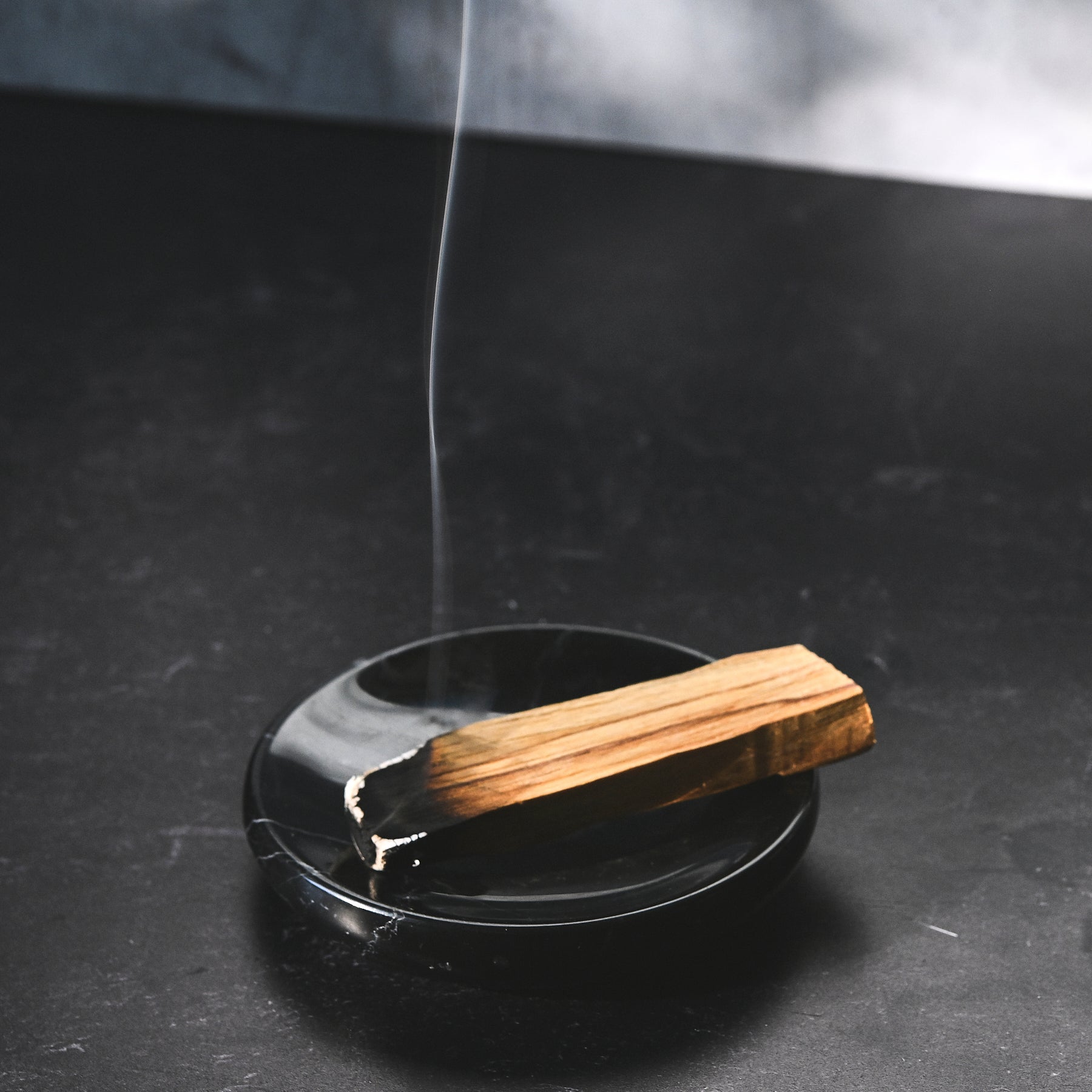
Sage cleansing — the practice of burning dried sage to purify a space — has roots stretching back thousands of years across multiple cultures. Today, it's become a foundational practice for anyone who takes their home's atmosphere as seriously as its aesthetics.
The Science of Sage Smoke
Sage isn't just ritual — there's science behind the smoke. A 2007 study published in the Journal of Ethnopharmacology found that burning medicinal herbs (including sage) in a confined space reduced airborne bacteria by 94% within one hour, and the space remained disinfected for up to 24 hours.
White sage (Salvia apiana) specifically contains camphor, eucalyptol, and other compounds with documented antimicrobial properties. When you smudge a room, you're not just performing a ritual — you're genuinely altering the air quality.
What's in a Sage Cleansing Kit
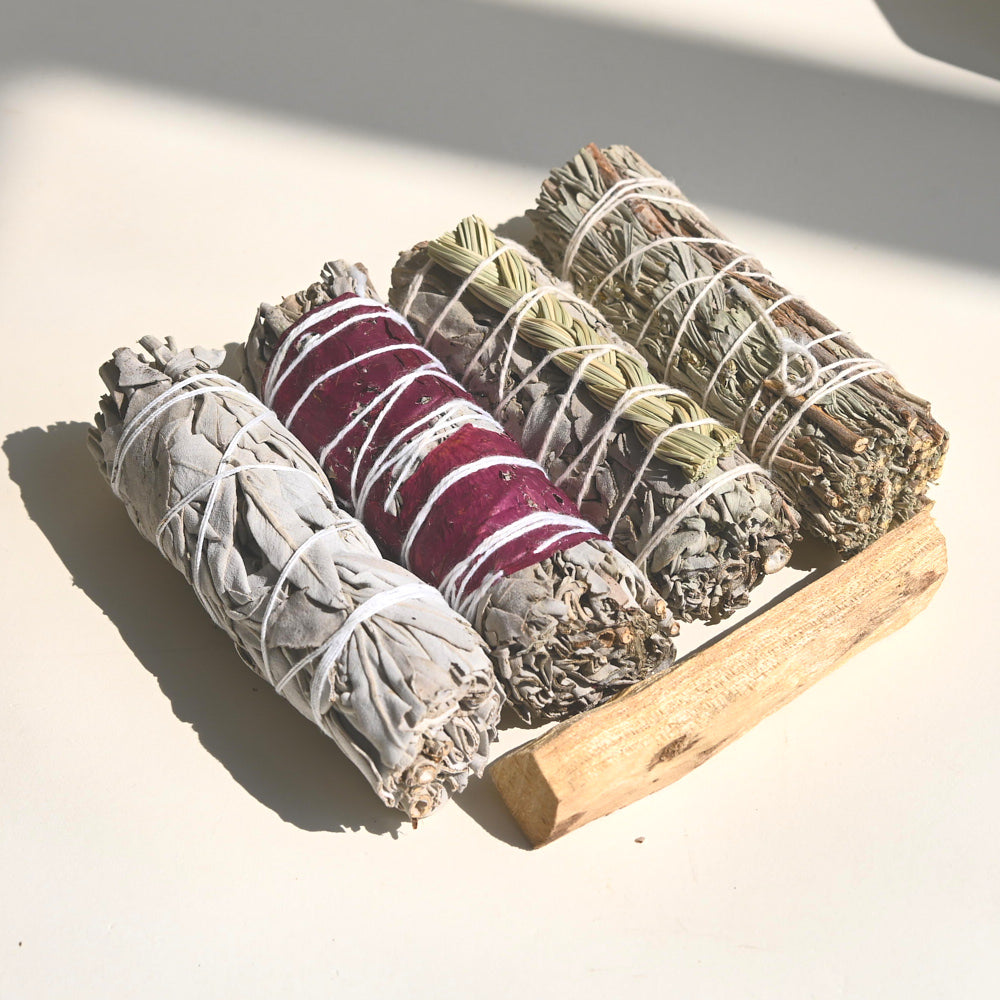
A quality sage cleansing kit typically includes:
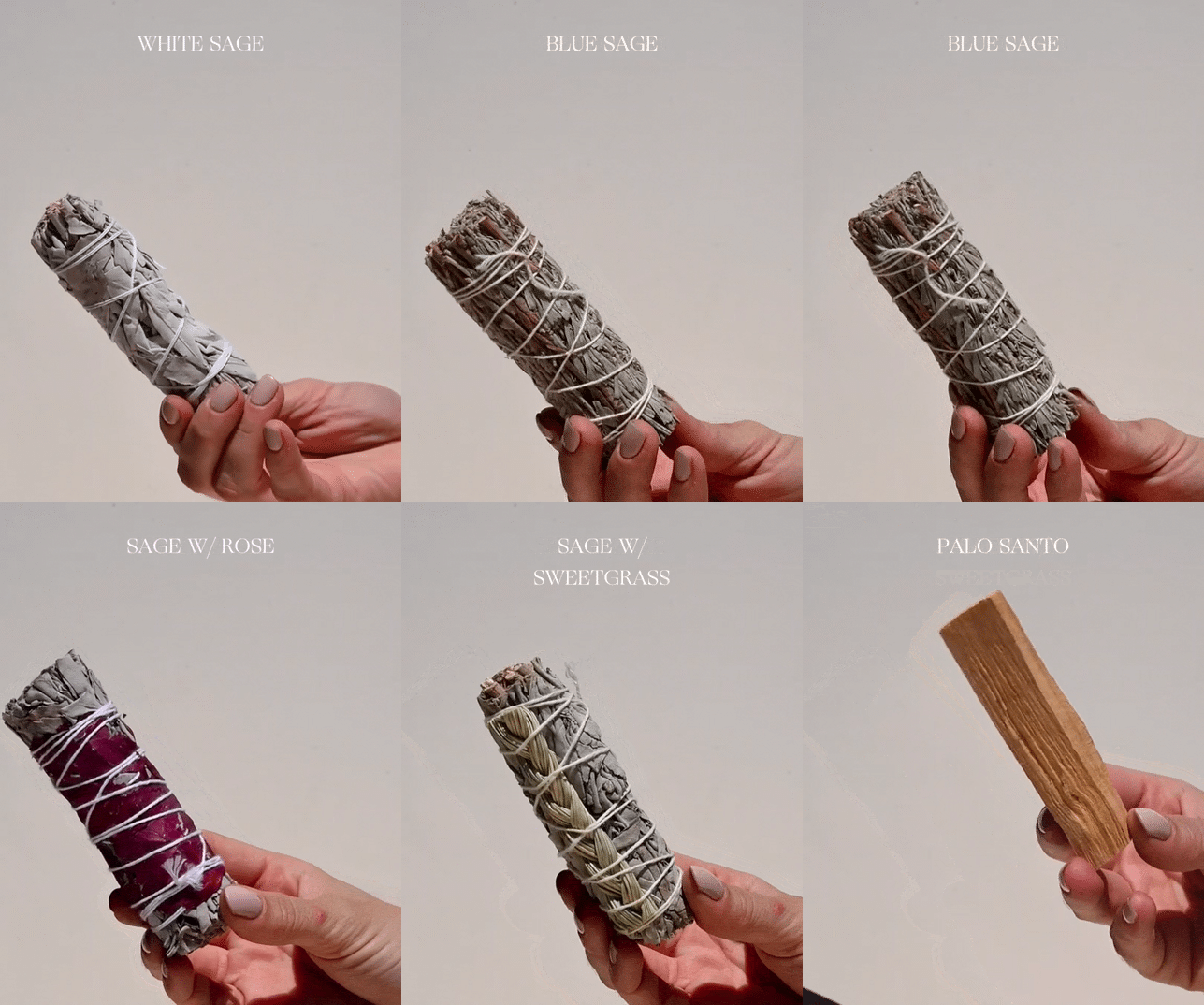
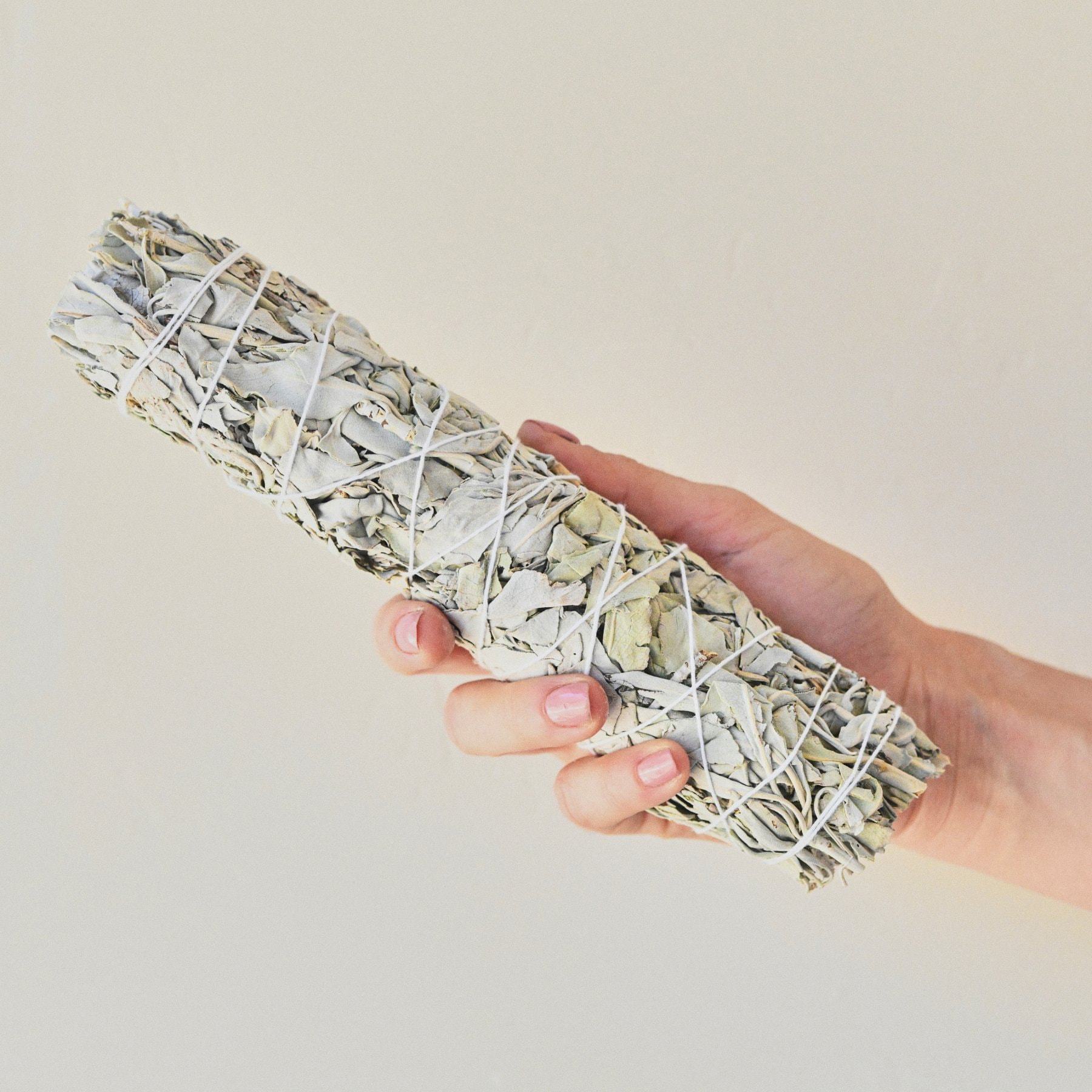
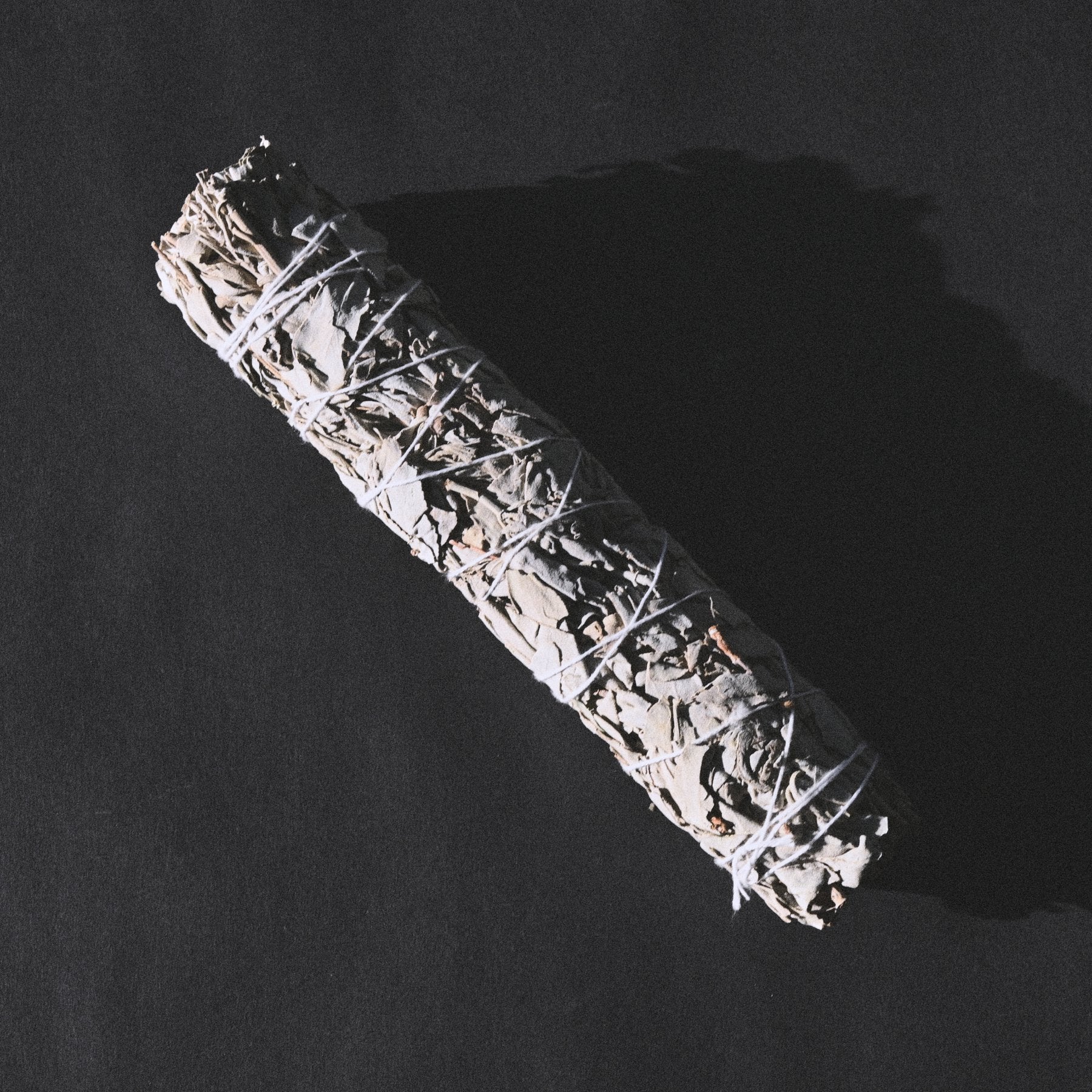
• White sage bundle — The primary cleansing herb. Look for sustainably harvested bundles with tightly bound stems and silver-green leaves.
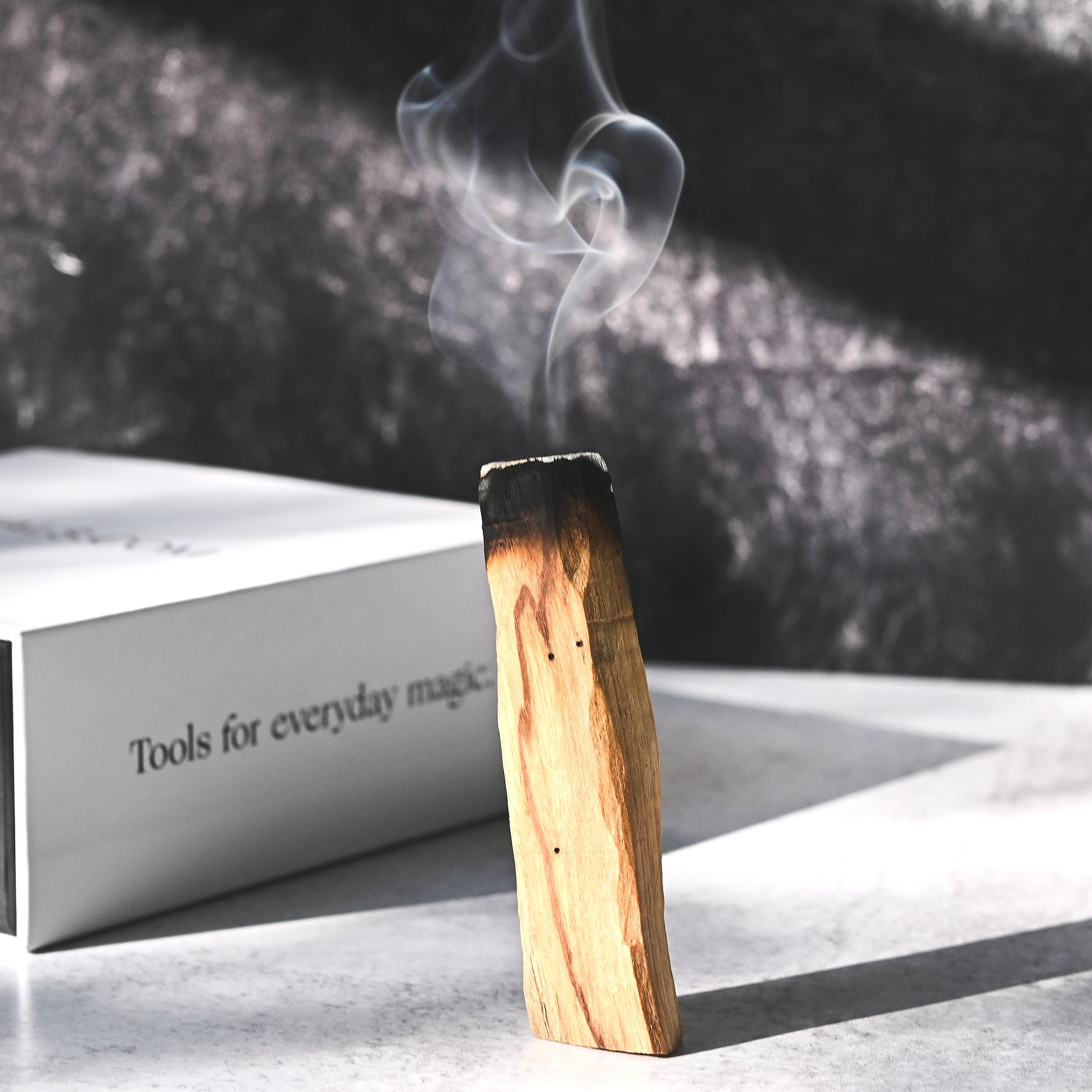
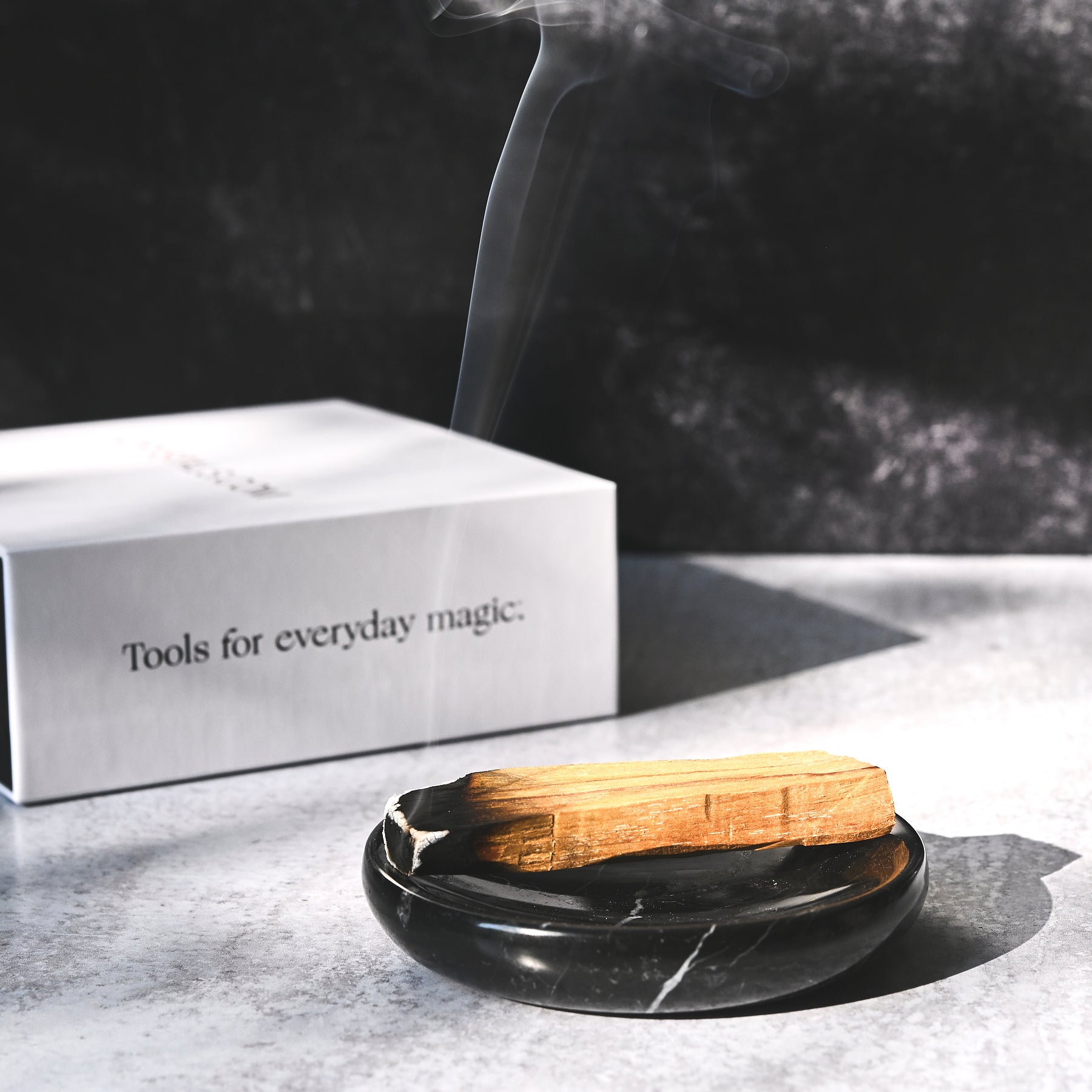
• Palo Santo sticks — For a lighter, citrusy follow-up to sage's deep cleanse. Palo Santo should come from naturally fallen trees aged 4-10 years.
• Abalone shell — A fireproof vessel for catching ash. The shell represents the water element, balancing the fire of the burning herbs.
• Feather or fan — For directing smoke into corners and throughout the room. Represents the air element.

Pairing Sage with Crystals
The most effective space cleansing combines sage smoke with strategically placed crystals. Smudging clears; crystals hold the cleared frequency.
Selenite — The Maintainer
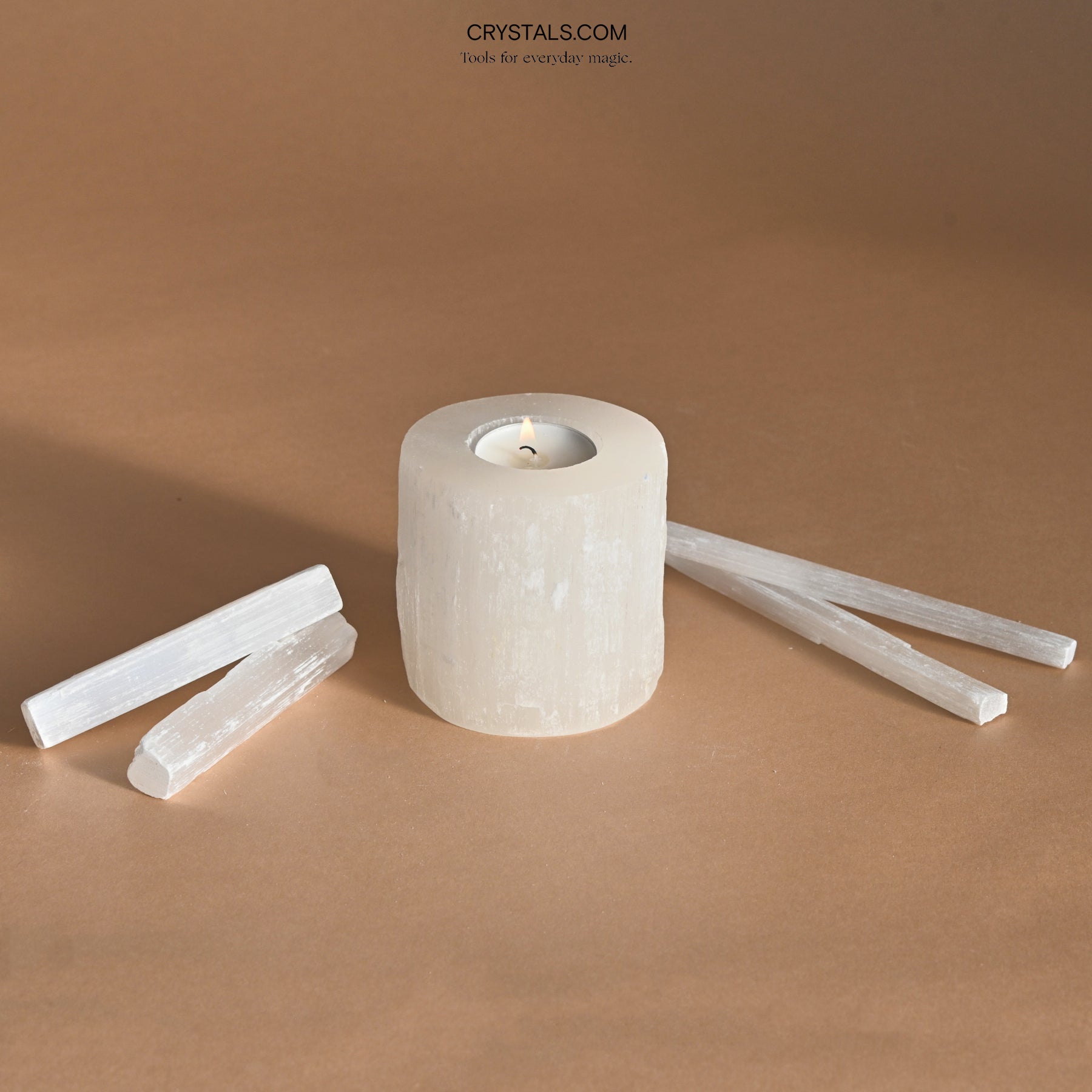
Place selenite towers in each room after smudging. Selenite is self-cleansing and continuously maintains energetic clarity, extending the effects of your sage cleanse for days or weeks.
Black Tourmaline — The Shield
After clearing a space, place black tourmaline at entry points (front door, windows, doorways between rooms). Tourmaline absorbs environmental stress, preventing the energetic "dirt" from accumulating again so quickly.

Clear Quartz — The Amplifier
Place a clear quartz point at the center of your home's main living area after smudging. It amplifies the cleared, clean frequency throughout the space.
How to Smudge: Step by Step
1. Open windows and doors. You need airflow — smudging moves stagnant energy out, not seals it in.
2. Set your intention. Decide what you're clearing and what you're inviting in. Even a simple "I clear this space and invite calm" is sufficient.
3. Light the sage. Hold the flame to the bundle for 20-30 seconds, then blow out. You want smoldering smoke, not flames.
4. Walk through each room. Start at your front door and move counterclockwise. Pay extra attention to corners, closets, and any room that feels heavy.
5. Extinguish safely. Press the smoldering end into sand, soil, or the abalone shell. Ensure it's fully out before leaving unattended.
6. Place your crystals. After smudging, position your selenite, black tourmaline, and clear quartz in their designated spots.
When to Smudge
• Moving into a new home or office
• After guests leave (especially large gatherings)
• After illness or emotional conflict
• Seasonal transitions (equinoxes and solstices)
• When a room feels "off" with no obvious cause
• Before displaying new crystal specimens
Shop sage kits and smudging crystals in our full collection. Free shipping on orders over $150.
Discover Your Human Design
Crystals amplify energy — but do you know your unique energy type? Human Design reveals how you're wired to make decisions, work, and rest.
Explore Human DesignTypes of Sage and Their Properties
Not all sage is the same. Different species of Salvia (the genus that includes sage) have distinct aromatic profiles, burn characteristics, and traditional uses.
White Sage (Salvia apiana)
White sage is the most commonly used species for smudging. Native to the coastal regions of Southern California and Baja Mexico, it grows in dry, sandy soil at elevations below 1,500 meters. The leaves are covered in fine white hairs (trichomes) that give the plant its pale, silvery appearance. When dried and burned, white sage produces a thick, aromatic smoke with a complex, herbaceous scent.
Sustainably sourced white sage is important, as overharvesting has become a concern. Look for sage that is cultivated rather than wild-harvested, or sourced from suppliers who follow sustainable harvesting practices.
Blue Sage (Salvia azurea)
Blue sage produces a lighter, less intense smoke than white sage with a slightly floral aroma. It is a perennial native to the central United States and is less frequently associated with Indigenous ceremonial use, making it a common alternative for those who prefer to avoid cultural sensitivity concerns around white sage.
Desert Sage (Artemisia tridentata)
Technically a sagebrush rather than true sage, desert sage is widely used for space clearing. It has a warm, slightly sweet aroma distinct from Salvia species. It grows abundantly throughout the American West and is generally more sustainable to harvest than white sage.
How to Use a Sage Cleansing Kit
Basic Space Clearing Practice
A proper sage cleansing follows a simple, intentional process:
- Open windows and doors: Ventilation is essential both for safety and for allowing stagnant energy to exit.
- Light the sage bundle: Hold one end of the bundle at a 45-degree angle and light it, allowing it to burn for 20-30 seconds before blowing out the flame. The bundle should smolder and produce steady smoke.
- Move clockwise through each room: Starting at the front door, walk clockwise around the perimeter of each room, allowing smoke to reach corners, closets, and behind doors.
- Use an abalone shell or ceramic dish: Hold the dish beneath the smoldering sage to catch falling embers. This is both practical and traditional.
- Extinguish safely: Press the burning end firmly into sand, soil, or your abalone shell. Ensure it is fully extinguished. Never leave smoldering sage unattended.
Pairing Sage with Crystals
Sage smoke and crystals work in sequence: sage clears existing energy, and crystals help establish the new energy you want. After a sage cleansing, place clear quartz in the center of each cleansed room to amplify the refreshed atmosphere. Use selenite in corners to maintain the cleared state, and amethyst in bedrooms for a calm, restorative environment.
You can also use sage smoke to cleanse your crystals directly. Pass each crystal through the smoke for 30-60 seconds, rotating it to expose all sides. This is the safest cleansing method for water-sensitive crystals like selenite, pyrite, and malachite.
When to Sage Your Space
There is no wrong time to cleanse, but these situations particularly benefit from it:
- After moving into a new home or apartment
- After arguments, illness, or emotionally heavy events
- At the start of a new season, month, or year
- Before and after hosting gatherings
- When a space feels stagnant, heavy, or uncomfortable
Browse our sage and smudge kits for complete, ready-to-use cleansing bundles. Free shipping on orders over $150.
Beyond Sage: Other Cleansing Herbs and Tools
While sage is the most popular space-clearing herb, several alternatives offer different aromatic profiles and cultural associations.
Palo Santo
Palo Santo (Bursera graveolens, "holy wood") is a tree native to South America, particularly Peru and Ecuador. Unlike sage, palo santo produces a sweet, woody, slightly citrus smoke. It has been used in Andean shamanic traditions for centuries. Ethically sourced palo santo comes from naturally fallen trees that have cured for 4-10 years, which is when the aromatic oils fully develop. The wood is lit like incense and produces a lighter, less overwhelming smoke than sage, making it suitable for smaller spaces or for people who find sage smoke too intense.
Cedar
Cedar (various Thuja and Juniperus species) produces a warm, woody, grounding smoke. It is widely used in Native American traditions for purification and prayer. Cedar smoke is gentler and less acrid than sage, with a familiar, comforting scent. Cedar chips can be burned on a charcoal disc or placed in a heat-safe dish.
Sweetgrass
Sweetgrass (Hierochloe odorata) is traditionally braided and burned after sage, representing the calling-in of positive energy after negative energy has been cleared. Its sweet, vanilla-like scent is one of the most pleasant of all cleansing herbs. Sweetgrass braids are typically lit at one end and allowed to smolder, producing a delicate, aromatic smoke.
Sound Cleansing
For smoke-free alternatives, sound cleansing is equally effective for refreshing a space. Singing bowls (crystal or Tibetan metal), tuning forks, bells, and clapping can all break up stagnant energy. The principle is simple: sound waves physically move air molecules, creating vibration throughout a space. A crystal singing bowl tuned to a specific note can be paired with specific crystals for a combined cleansing effect.
Building a Complete Cleansing Kit
A comprehensive cleansing kit includes:
- White sage bundle (or alternative herb of your choice)
- Abalone shell or ceramic dish for catching embers
- Matches or a lighter (natural materials preferred over butane)
- A feather or fan for directing smoke
- Selenite wand for post-cleansing energy maintenance
- Clear quartz point for amplifying the cleansed energy
- Black obsidian or black tourmaline for protection after cleansing
Our sage and smudge kits include many of these essentials bundled together, making it easy to start or replenish your cleansing practice.
Get 10% Off Your First Order
Plus early access to new arrivals, collector drops, and crystal guides. Join 15,000+ crystal lovers.