February Birthstone: Amethyst Meaning, Imperial History, and Spiritual Clarity
For those celebrating a birthday in February, the magnificent Amethyst reigns as the primary birthstone. This fact is officially recognized by the Gemological Institute of America (GIA), cementing its place as the definitive gem of the month. Amethyst is cherished worldwide for its stunning royal purple hue and its unparalleled ability to soothe stress, enhance intuition, and promote restful sleep.
When searching "what is February's birthstone," the answer is Amethyst. It is traditionally gifted to offer clarity, protection, and sobriety, perfectly balancing the fiery ambition of the preceding months. Explore our collection of authentic Amethyst jewelry for sale.
SHOP AUTHENTIC AMETHYST JEWELRY FOR FEBRUARY

Imperial History: The Stone of Royalty and Protection
Amethyst has captivated mankind for millennia, due to its signature deep purple color, historically reserved for nobility and religious figures. From ancient Egypt to the British Crown Jewels, Amethyst symbolizes power, wisdom, and spiritual devotion. The ancient Greeks believed it protected the wearer from intoxication (the word Amethyst is derived from the Greek "amethystos," meaning "not intoxicated").
This historical association with spiritual protection and high status makes it the perfect talisman for the Aquarius sun sign (January 20 - February 18), offering stability and clarity to the air sign's inventive nature. Discover crystals curated for this season in our Aquarius collection.

Amethyst Meaning: Soothing Stress and Enhancing Intuition
Metaphysically, Amethyst is considered a powerhouse of tranquility. It primarily aligns with the Crown Chakra and the Third Eye Chakra, facilitating meditation, spiritual insight, and connection to higher consciousness. It is one of the most effective purple crystals for:
- **Stress Relief:** Calming the nervous system and easing anxiety.
- **Intuitive Clarity:** Sharpening the Third Eye to enhance decision-making and wisdom.
- **Sleep Quality:** Placing Amethyst in the bedroom is widely recommended to guard against nightmares and promote restorative sleep.

Amethyst's Five Essential Healing Uses
- Aura Cleansing: Purifies the energy field and promotes inner peace.
- Sleep Aid: Encourages restful sleep and protects against bad dreams.
- Intuition: Activates the Third Eye and enhances spiritual awareness.
- Meditation: Deepens meditative states and spiritual connection.
- Protection: Acts as a psychic shield against negative influences.
The Alternate February Birthstone: The Clarity of Jasper
While Amethyst is the primary, traditional stone, you may encounter the question, "What are the two birthstones for February?". The Gemological Institute of America recognizes **Jasper** as a secondary or alternate birthstone for this month.
Jasper, particularly in its red and patterned forms, offers a contrasting energy to Amethyst’s high-vibration spiritual nature. Jasper is deeply grounding and stabilizing, providing the endurance and support needed to turn the insights gained from Amethyst into real-world action. Finding the perfect Jasper piece can help root the ambitious dreams inspired by the Amethyst’s spiritual clarity.

Choosing and Caring for Your Amethyst Jewelry and Geodes
Amethyst is a durable quartz, making it an ideal choice for daily wear rings, pendants, and bracelets. However, it can be sensitive to prolonged exposure to direct sunlight, which may cause its violet color to fade.
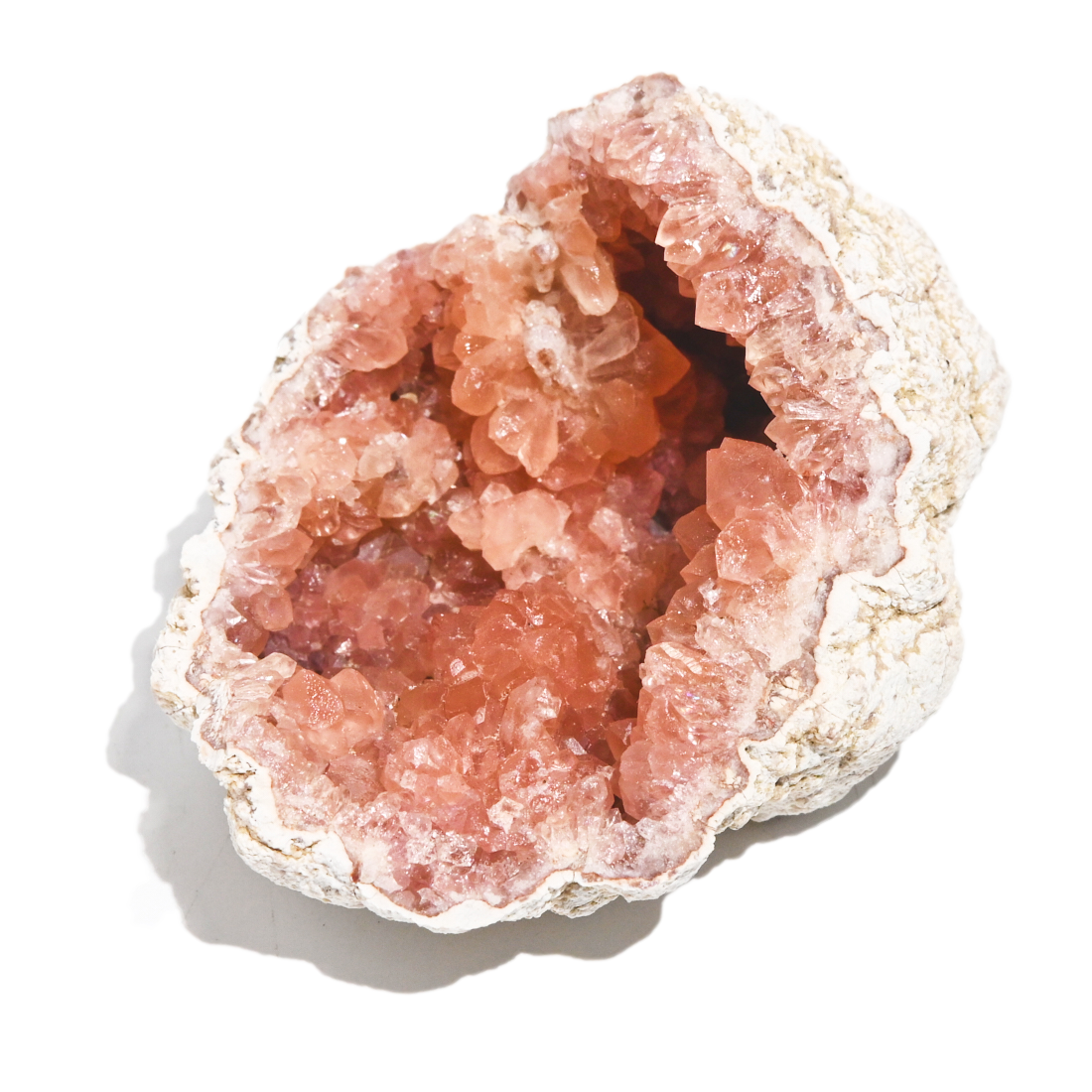
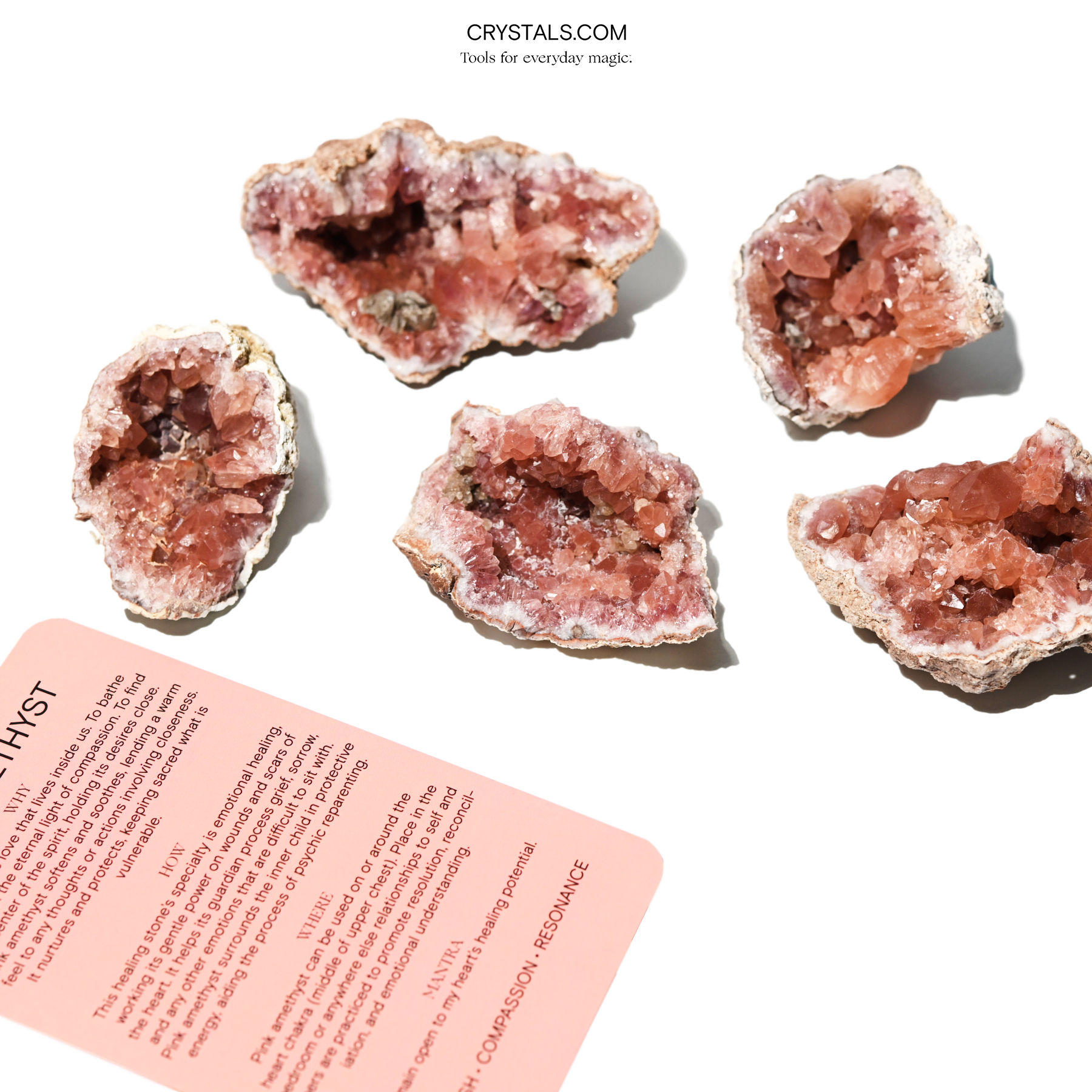
For the home, a magnificent Amethyst geode not only serves as a stunning piece of luxury crystal decor but is powerful enough to cleanse and charge other crystals and the energy of the entire room.
EXPLORE THE AMETHYST BIRTHSTONE COLLECTION

✦ Discover Your Human Design
Your spiritual journey goes deeper than numbers. Human Design reveals your unique energetic blueprint — how you're designed to make decisions, interact with others, and move through the world. It combines astrology, the I Ching, Kabbalah, and the chakra system into one powerful framework.
Explore our full Crystal Encyclopedia — meanings, healing properties, and chakra connections for 280+ crystals.
Not Sure Which Crystal Is Right for You?
Take our 60-second crystal quiz and get a personalized recommendation based on what you need right now.
Take the Crystal QuizGet 10% Off Your First Order
Plus early access to new arrivals, collector drops, and crystal guides. Join 15,000+ crystal lovers.
Discover Your Crystal Match
Select your sign and get personalized crystal recommendations delivered to your inbox.