Crystals.com
Blue Calcite Crystal
Authentic natural minerals, thoughtfully sourced and individually photographed.

Blue Calcite Crystal
Blue calcite is a calcium carbonate mineral (CaCO3) crystallizing in the trigonal system, with a soft, icy blue color ranging from pale sky to deeper steel-blue. Like all calcite varieties, it has a Mohs hardness of 3 and perfect rhombohedral cleavage. The most prolific sources are Mexico, Madagascar, and South Africa.
Blue calcite shares the remarkable optical properties of the calcite family, including strong double refraction — place a piece of clear calcite on printed text and you will see the letters doubled. Among collectors, blue calcite is valued for its calming color, accessibility as an affordable mineral, and availability in large polished display formats. The stone also fluoresces under ultraviolet light, often producing a bright blue or white glow — making it a favorite among fluorescent mineral collectors.
This collection includes raw masses, polished spheres, hearts, freeforms, tumbled stones, palm stones, and bracelets. Blue calcite pairs beautifully with selenite, angelite, and clear quartz in a cool-toned display. Browse our crystals for calm for more soothing stones. Free shipping on all U.S. orders over $150.
Frequently Asked Questions
What is blue calcite?
Blue calcite is a calcium carbonate mineral (CaCO3) with a soft sky-blue to steel-blue color. It has a Mohs hardness of 3, making it relatively soft. Its color is attributed to trace impurities incorporated during formation. It belongs to the same mineral family as orange calcite, honey calcite, and clear optical calcite.
Is blue calcite fragile?
Blue calcite is soft (Mohs 3) and has perfect cleavage, meaning it can chip or break along flat planes if dropped. It is best suited for display rather than heavy handling. Place it on stable surfaces away from edges, and store it separately from harder minerals like quartz (Mohs 7) that could scratch it.
Does blue calcite glow under UV light?
Yes. Blue calcite is known for fluorescing under ultraviolet light, often producing a bright blue, white, or sometimes pink glow. This makes it a popular specimen among fluorescent mineral collectors. The effect is typically stronger under longwave UV than shortwave.
Where does blue calcite come from?
The most commercially available blue calcite comes from Mexico, where large raw masses with vivid blue coloring are mined. Madagascar and South Africa also produce notable specimens. Mexican blue calcite is particularly popular for its intense color and large specimen sizes.
How do I care for blue calcite?
Blue calcite is acid-reactive (it is a carbonate) — never clean with vinegar, citrus, or acidic cleaners. Avoid prolonged water exposure. Dust with a soft dry brush or cloth. Store separately from harder minerals. Keep away from direct sunlight for extended periods, as some blue calcite may fade over time.



Let customers speak for us
I have ordered a lot of pieces from here and they are beautiful and always arrive as described and packed and shipped fast. Always very satisfied with my purchases and appreciate buying from Brittany and her business.
Beautiful piece! Incredible quality and shipped perfectly!

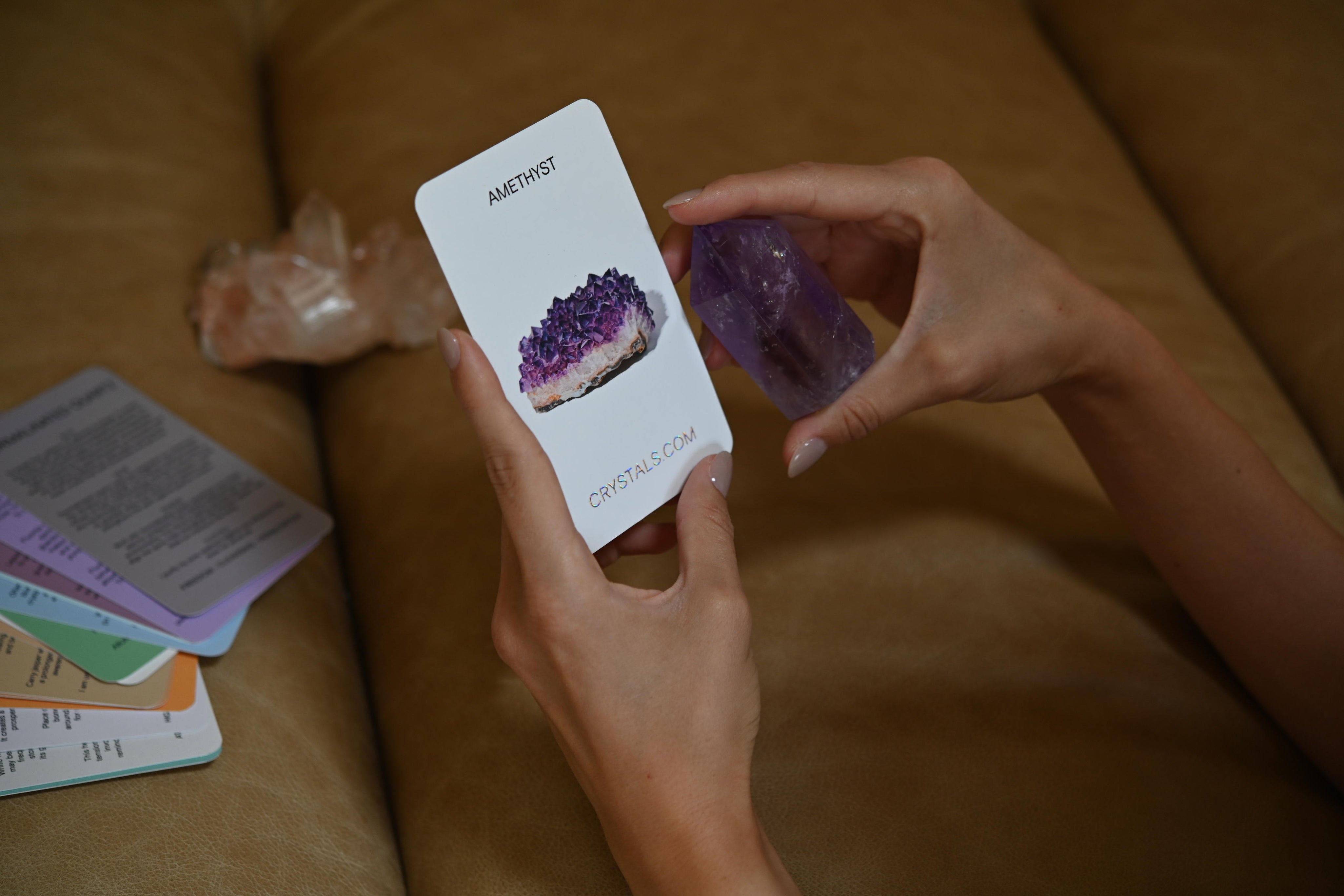
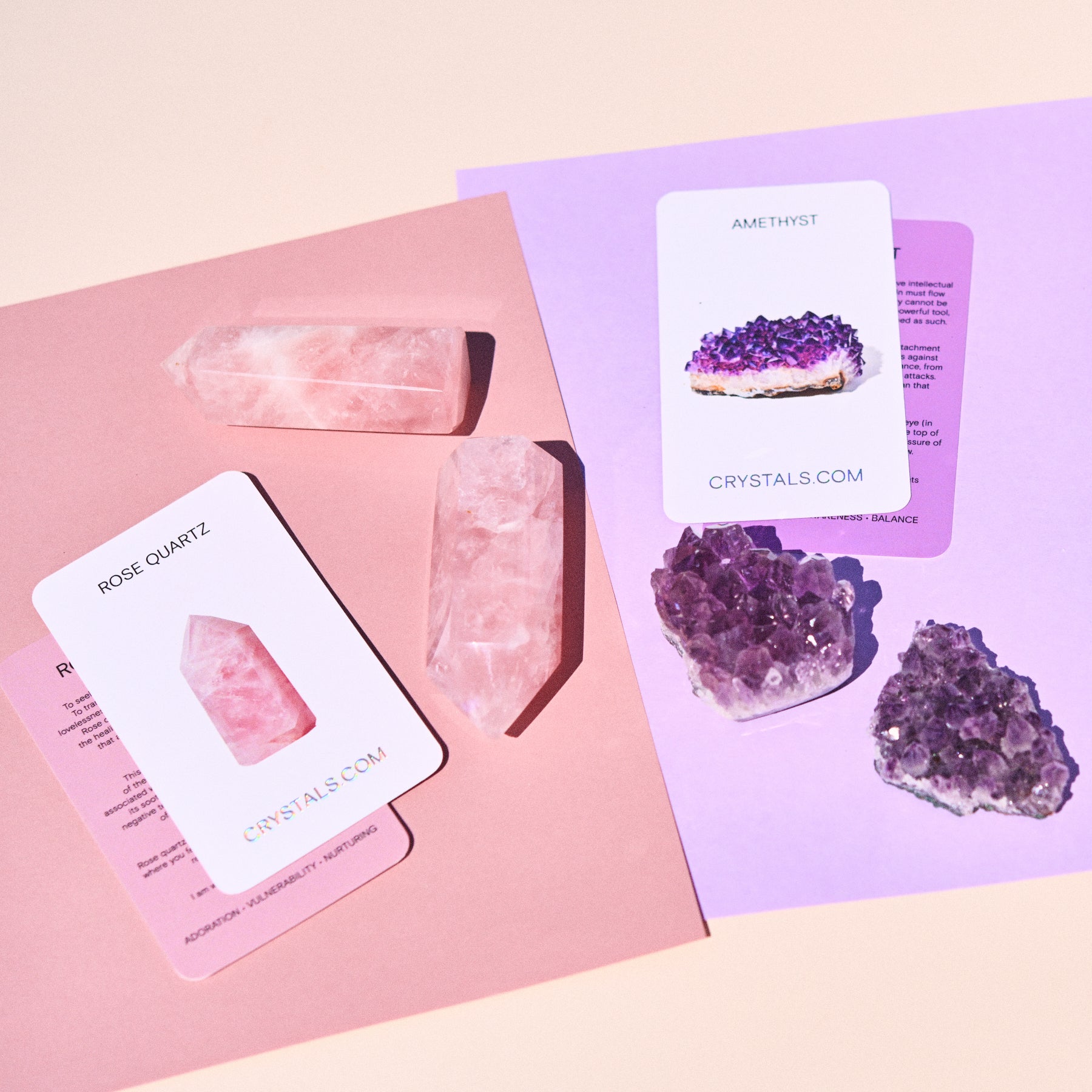
Great quality and I loved the information cards.
Great quality and I loved the information card it came with.

I have purchased several pieces from Crystals.com and keep coming back for more. :) This is my second amethyst piece. The color of the amethyst is a deep purple. Great craftsmanship!!

The smaller bead size was even more beautiful!
Really pretty!

Beautiful! The size of each rock is perfect!

Beautiful piece. Just as described

Amazing looks better in person

I love it but it could have been a little bigger

Enjoyed and appreciated by person who received it. The three types of stones look amazing together too!

Very reputable online and they did not disappoint!
Absolutely stunning!

Absolutely stunning!

A Sanctuary of Natural Beauty
Every crystal here was discovered by hand, selected with intuition, and photographed in its true light.
One-of-a-Kind. Forever Pieces.
Let the Universe Decide


