Shop Crystals for This Energy
Free shipping on orders over $150
Crystals, Energy & the Pyramids: Were the Ancients Tapping Into Something Bigger?
Recent headlines have reignited a timeless fascination: What secrets are hidden beneath Egypt's pyramids? New claims suggest a vast underground network of tunnels and structures below the Giza Plateau—and while the scientific community debates the findings, one thing is certain: the mysteries of ancient Egypt are far from solved.
At Crystals.com, we're constantly exploring the intersection of history, energy, and spiritual wellness. So it begs the question: Were crystals part of ancient Egypt's lost technologies? Could the pyramids have functioned as massive energy hubs?
Let's explore the history, the mystery, and what it means for your energy today.
The Discovery That Sparked Global Curiosity
In early 2025, researchers from Italy and Scotland used Synthetic Aperture Radar (SAR) technology to scan below the surface of the Giza Plateau. They claimed to have discovered a massive underground structure—over 2,100 feet deep—complete with vertical shafts, spiral staircases, and chamber-like formations.
"There appears to be an enormous subterranean complex beneath the pyramids." — Jerusalem Post
Other experts, including Egyptian archaeologist Dr. Zahi Hawass, have challenged the findings, calling them speculative or misinterpreted.
"There is no scientific evidence for a city beneath the pyramids." — Euronews
Still, the public fascination remains strong. And for those who study both science and spirituality, this is a golden opportunity to revisit ancient energy systems and their connection to crystals.
Did Ancient Egyptians Use Crystals for Energy?
Yes—and we have the artifacts to prove it. Ancient Egyptians used stones like:
-
Clear Quartz: Found in burial chambers and statues, quartz was prized for its beauty and energetic properties.
SHOP CRYSTAL PYRAMIDS
-
Lapis Lazuli (Lapis Lazuli Bracelet): Symbol of royalty and the heavens; used in amulets and ritual objects.

SHOP CRYSTAL PYRAMIDS HERE -
Carnelian, Malachite & Obsidian (Black Obsidian Palm Stone): Used for protection, vitality, and ceremonial tools.
These weren't just ornamental. Crystals were embedded in crown chakras of mummies, built into temples, and placed strategically throughout burial sites.
Quartz and the Pyramids
The core of the Great Pyramid contains granite rich in quartz, a piezoelectric mineral. This means it can generate energy when subjected to pressure. Some alternative theorists and researchers suggest that the pyramid could have functioned like a resonance chamber, using Earth vibrations and quartz to transmit energy.
Learn more about the piezoelectric properties of quartz: Scientific American
Whether used for spiritual attunement or energetic amplification, the presence of quartz and sacred geometry in these ancient structures is hard to ignore.
What Does This Mean for You?
Whether or not the pyramid was a literal power plant, its legacy lives on. You can still harness the cleansing, grounding, and amplifying energy of crystals like quartz, just as the ancients did.
Crystals for Your Home Energy Grid:
-
Clear Quartz Tower: Acts like a mini pyramid, amplifying and focusing energy in any room.
-
Obsidian Slabs: Grounding, protective stones for your home entrance or workspace.
-
Lapis Lazuli: Use for spiritual insight, especially in meditation or dreamwork.
Browse our Quartz Collection, or explore our Statement Crystal Decor to bring that ancient energy into your modern space.
Rituals to Try Inspired by the Ancients
-
Sunset Quartz Charging: Place your quartz crystal in sunlight for 20 minutes at golden hour to connect with Ra, the Egyptian sun god.
-
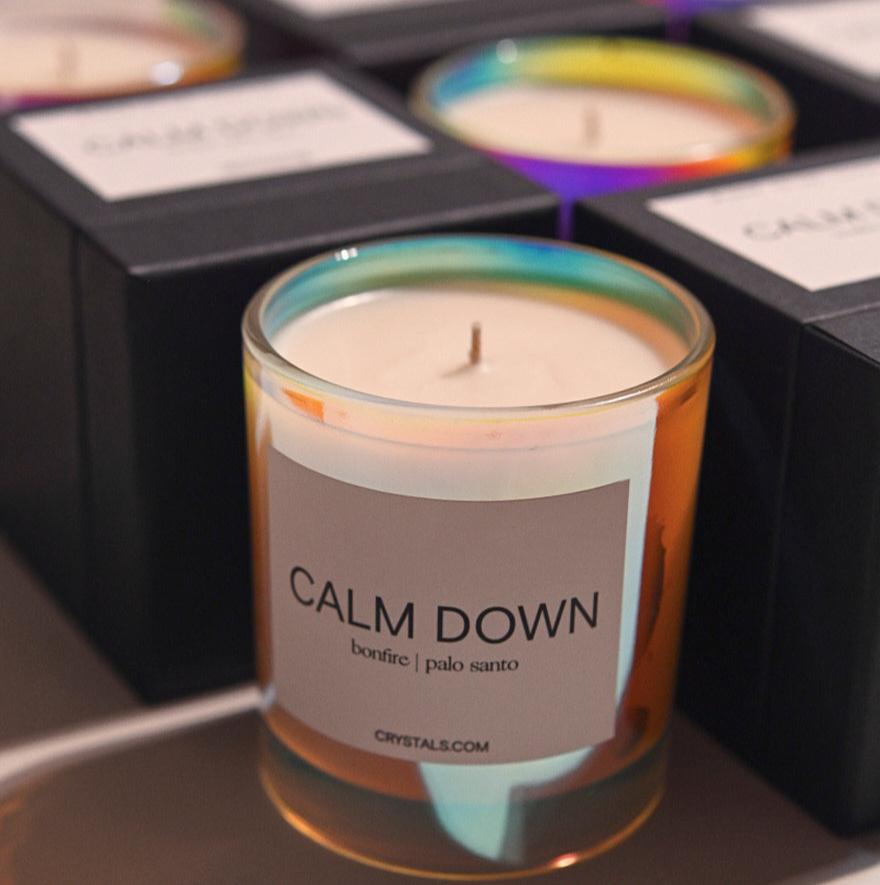
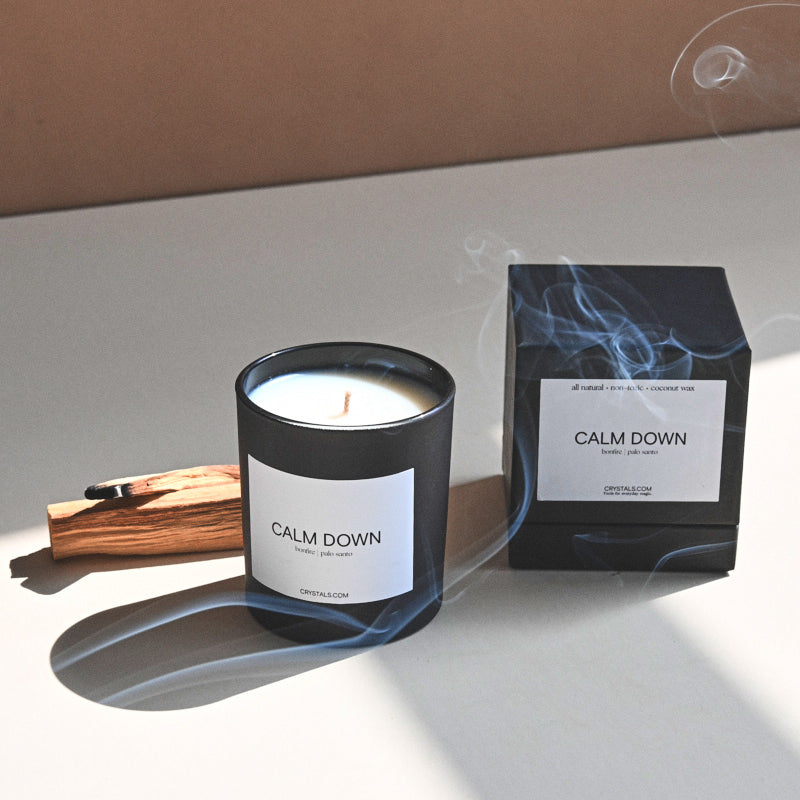
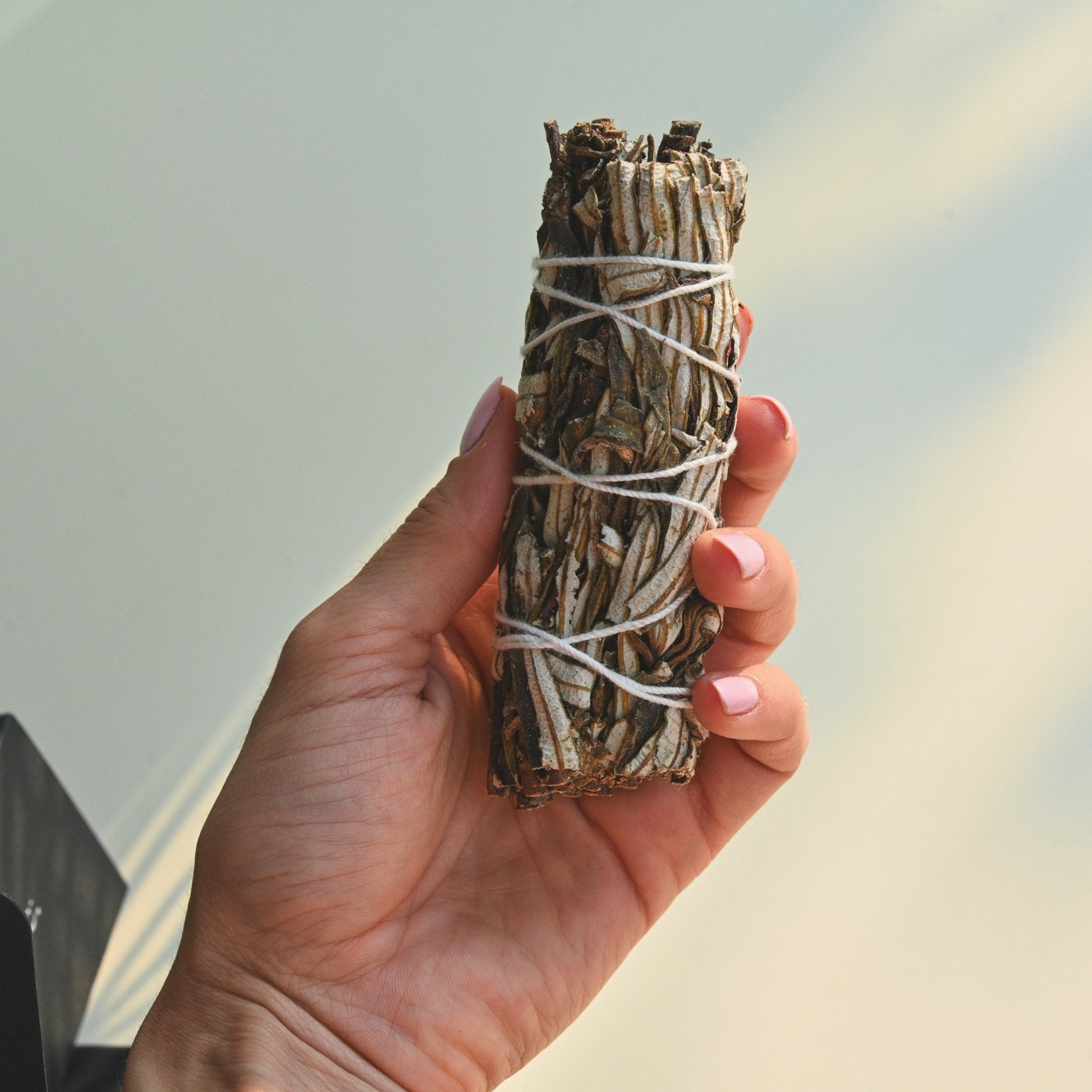
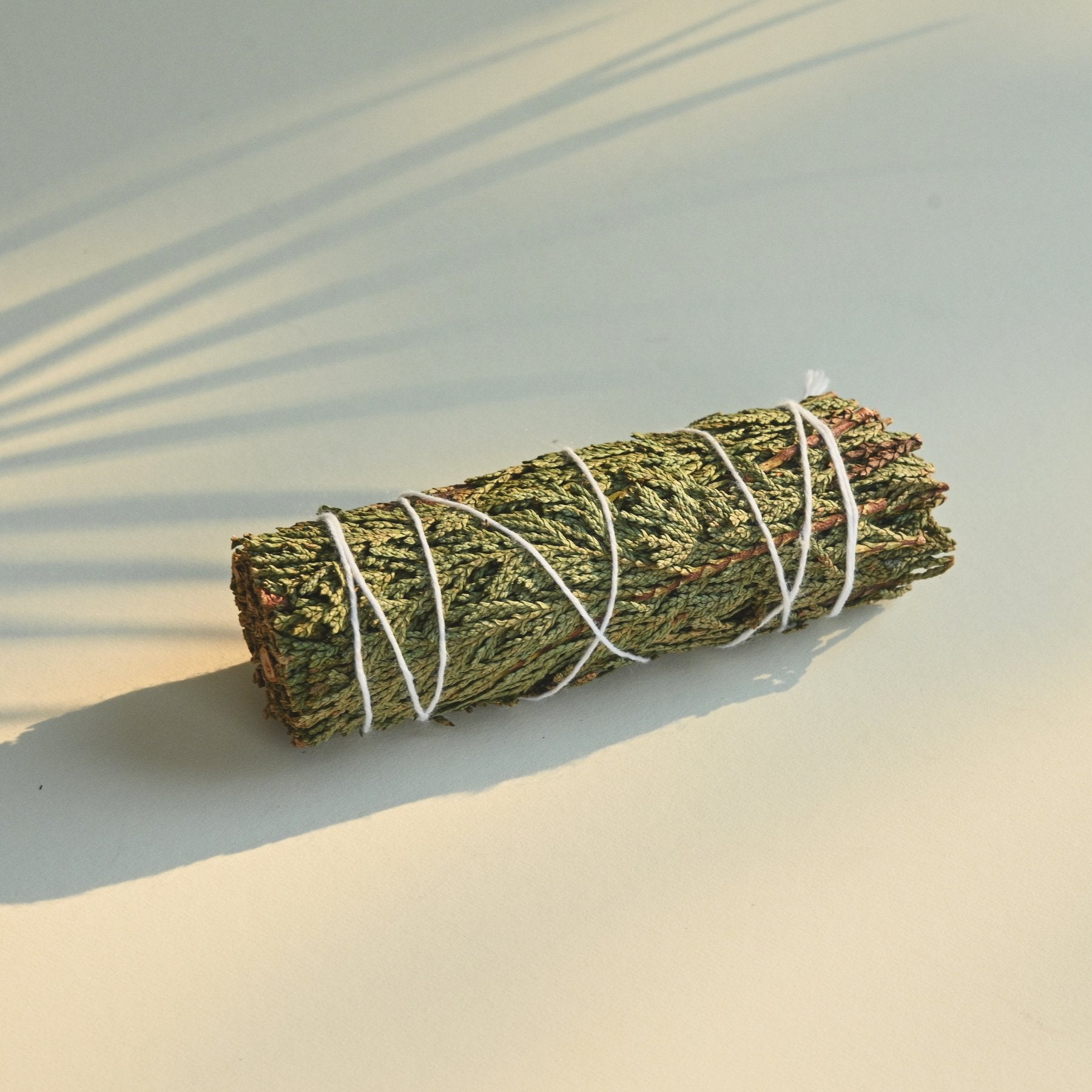
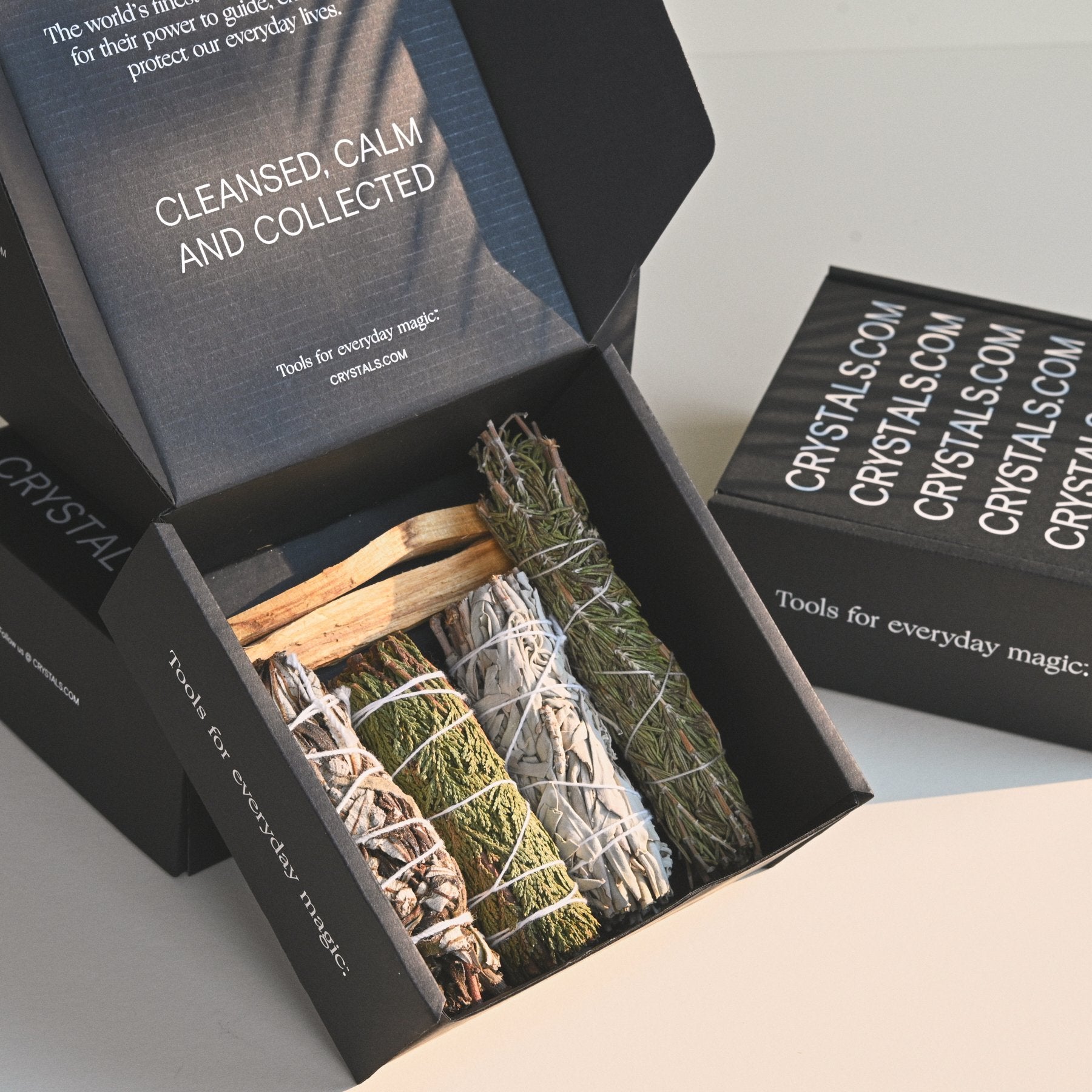
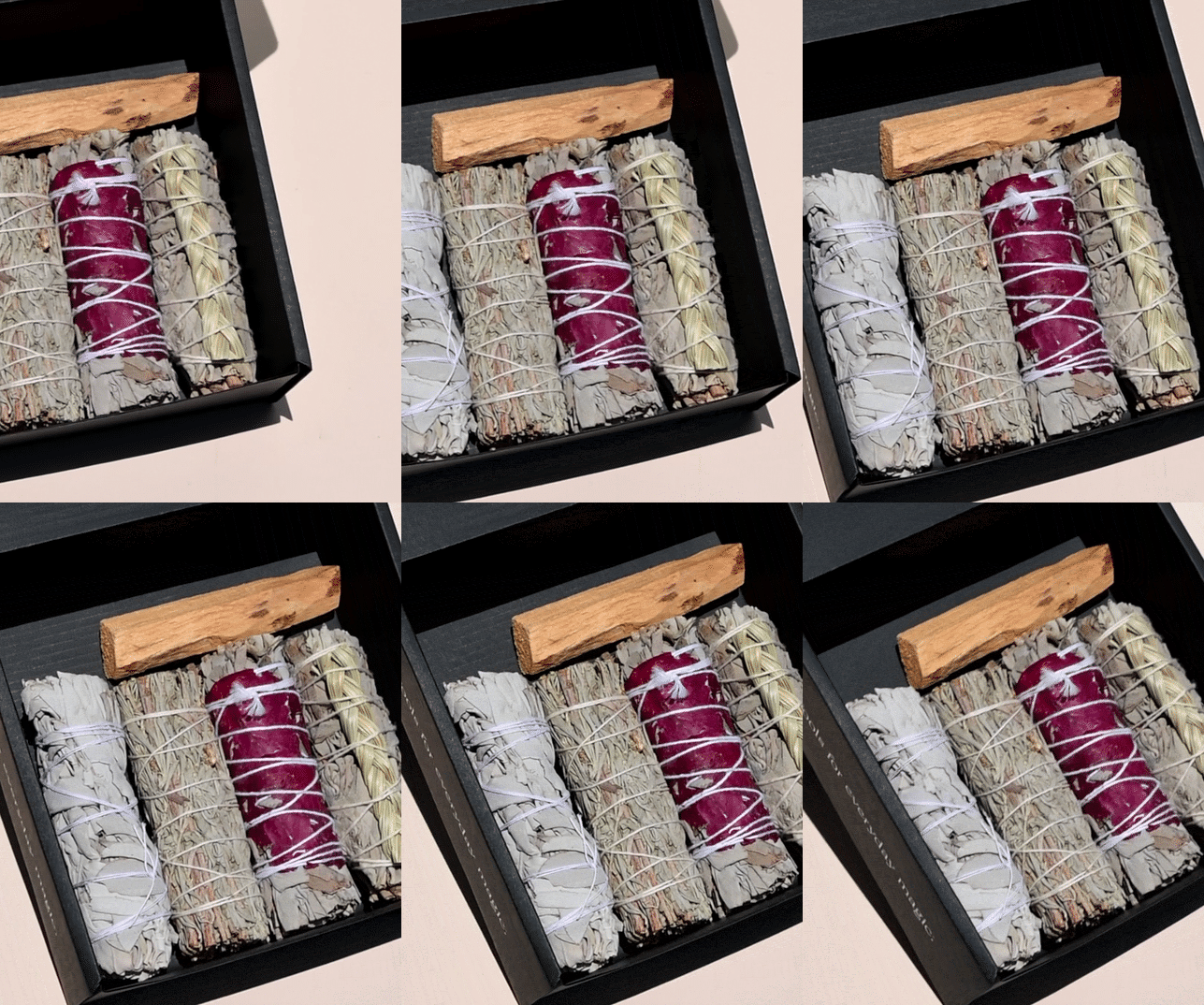
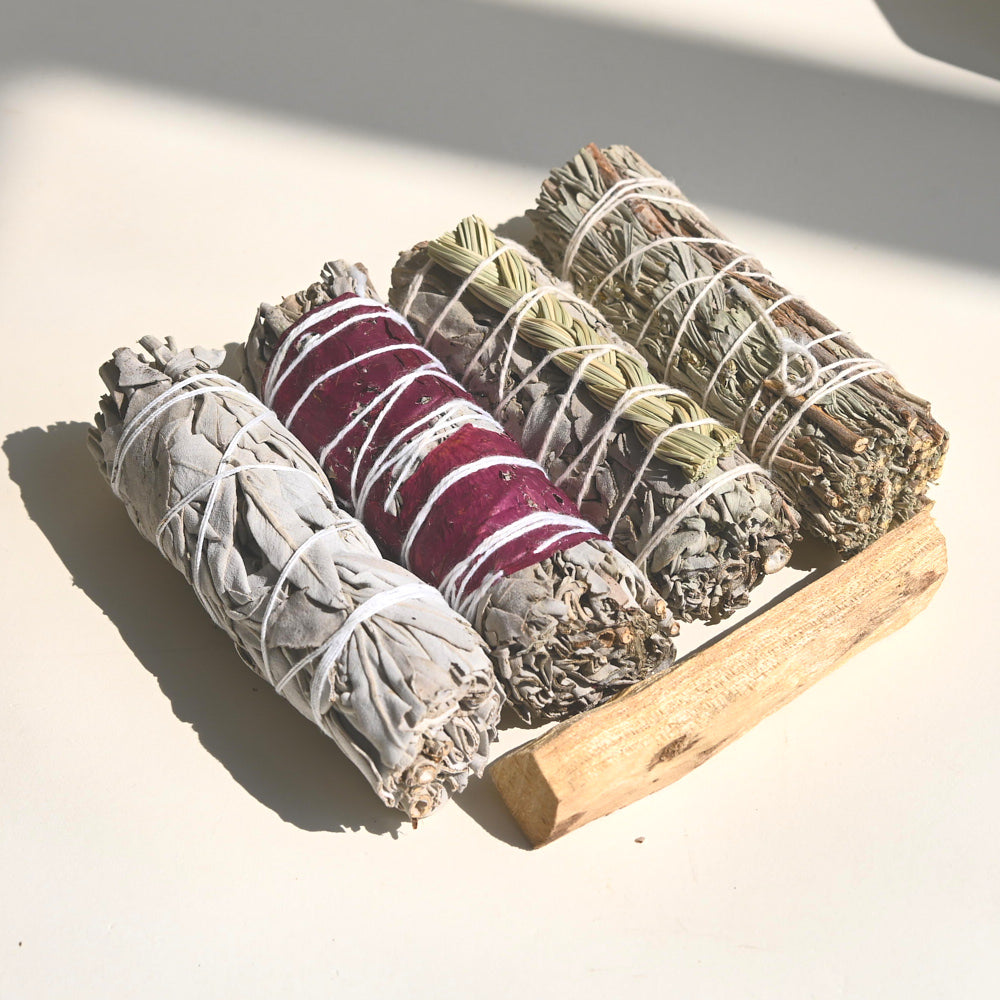
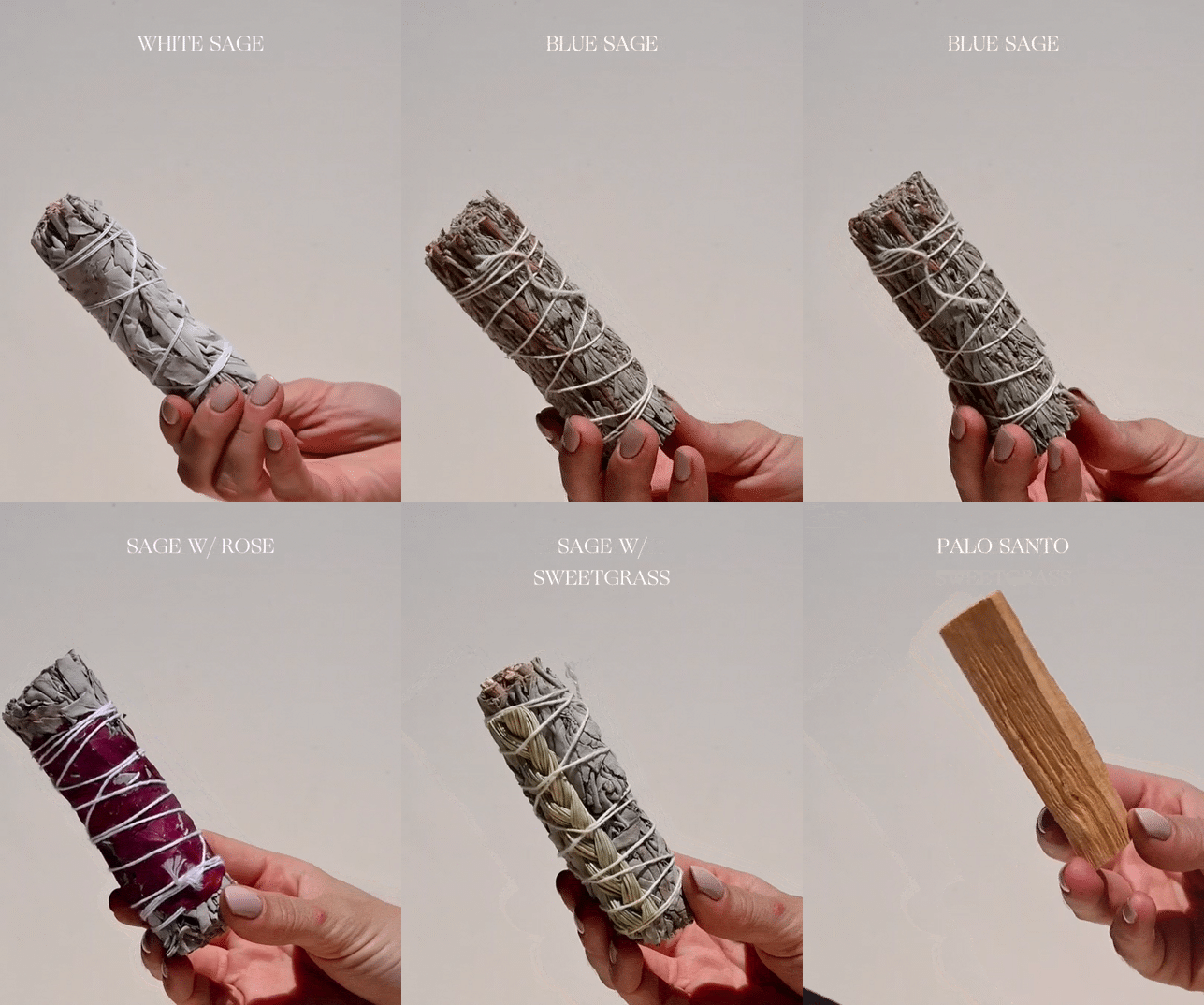
Cleanse with Sage or Palo Santo Candle: Burn sage or light our Palo Santo Candle to clear stagnant energy, just as ancient rituals used incense and resins.
-
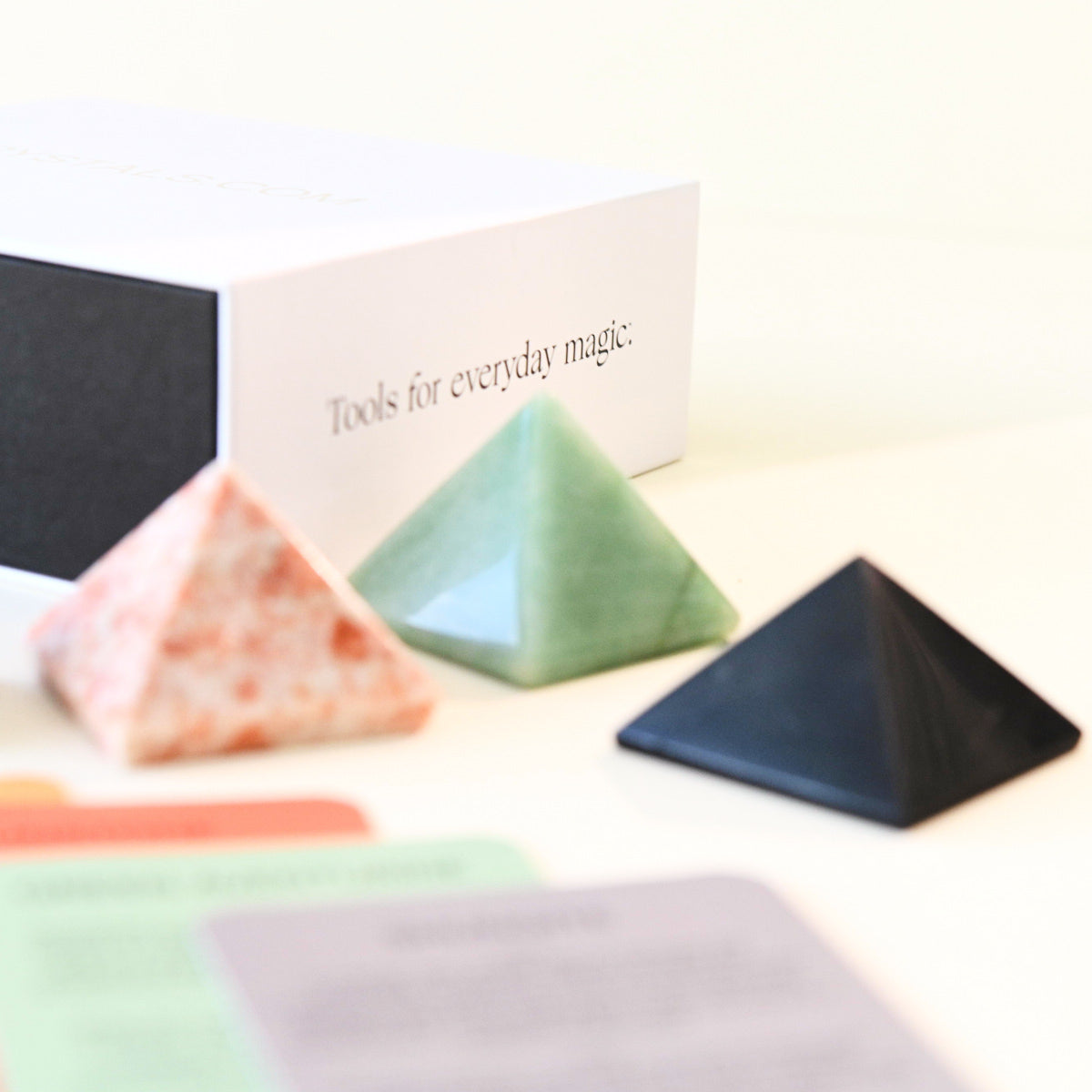
Crystal Grid Pyramid Formation: Arrange crystals in a pyramid shape on your altar or table. Use quartz points, amethyst, and carnelian for spiritual activation.

Where to Buy Authentic Crystals
If you're wondering where to buy crystals that resonate with ancient energy and modern design, Crystals.com offers:
-
Ethically sourced, hand-selected clear quartz towers
-
Large crystals for home decor and statement art pieces
-
Real, natural crystals trusted by healers, interior designers, and collectors
Explore our authentic crystals for sale and elevate your space with pieces that hold history, energy, and beauty.
Final Thoughts: Mystery Meets Modern Energy
We may never know all the secrets buried beneath the sands of Egypt, but the clues they left behind—from crystals to sacred structures to energetic rituals—still inspire and empower us today.
Let your home become a sacred space, a modern-day temple where energy flows, beauty surrounds, and ancient wisdom is honored.
Crystal Use in Ancient Civilizations Beyond Egypt
Egypt is the most famous ancient civilization to incorporate minerals into architecture and ritual, but it was far from the only one. The Sumerians used lapis lazuli extensively in jewelry and burial goods. The Chinese prized jade for thousands of years, carving it into everything from tools to imperial seals. Roman naturalist Pliny the Elder catalogued dozens of minerals and their uses in his Natural History, written in the first century CE.
In Mesoamerica, the Olmec, Maya, and Aztec civilizations valued jade and obsidian above gold. Obsidian was used for surgical tools whose edges were sharper than modern steel scalpels, a fact confirmed by electron microscope analysis. Turquoise held sacred significance across North American indigenous cultures, used in ceremonial objects and architectural inlay.
What connects all of these ancient uses is not a shared mystical belief but a shared practical observation: certain minerals have remarkable physical properties. Quartz generates electricity under pressure (piezoelectricity). Magnetite creates magnetic fields. Obsidian fractures to an atomic edge. The ancients may not have understood the physics, but they recognized the utility. For a deeper exploration of how mineral science connects to cultural history, browse our crystal guides.
Modern Mineral Science and Ancient Knowledge
The gap between ancient mineral use and modern science is narrower than most people assume. Quartz crystals are essential components in modern electronics because of their piezoelectric properties, the same property that made them fascinating to ancient cultures who noticed sparks when quartz was struck. Magnetite, revered by ancient Greeks, is the basis of magnetic compasses that enabled global navigation. Ruby and sapphire lasers, both varieties of the mineral corundum, power modern medical devices and communication systems. The ancients did not have our vocabulary, but they recognized something genuinely remarkable about these materials. For more on the real science behind crystal properties, explore our Crystal Archive.
Get 10% Off Your First Order
Plus early access to new arrivals, collector drops, and crystal guides. Join 15,000+ crystal lovers.
Minerals in Ancient Egyptian Culture: The Archaeological Record
The use of minerals in ancient Egypt is extensively documented through archaeological finds spanning over 3,000 years. The funerary mask of Tutankhamun (c. 1323 BCE) incorporates lapis lazuli, turquoise, carnelian, and obsidian alongside gold. The Papyrus Ebers (c. 1550 BCE), one of the oldest preserved medical documents, references the use of various mineral substances in medicinal preparations.
Egyptian lapidaries (stone workers) developed sophisticated techniques for cutting, polishing, and drilling hard minerals including quartz, carnelian, and feldspar. The precision of their stone vessel production, particularly during the Old Kingdom period, remains remarkable by modern standards. Some stone vessels are so thin-walled and perfectly symmetrical that their manufacturing methods are still debated by archaeologists.
Quartz in the Great Pyramid: What We Actually Know
The Great Pyramid's core blocks include significant quantities of granite from Aswan, approximately 500 miles to the south. This granite contains quartz, feldspar, and mica. The King's Chamber is constructed entirely from red granite, with individual blocks weighing up to 80 tons. The precision of the stonework, with joints so tight that a knife blade cannot be inserted between blocks, speaks to extraordinary engineering skill.
Quartz is genuinely piezoelectric: it generates a measurable electric charge when subjected to mechanical pressure. This property is used in modern technology, from quartz watches to pressure sensors. Whether the ancient Egyptians understood or exploited this property is unknown and remains in the realm of speculation rather than established archaeology.
Minerals in Your Modern Space
You do not need to build a pyramid to create a space with intentional mineral placement. The principles that made ancient Egyptian temples feel powerful, strategic placement of natural materials, attention to geometry, and intentional use of light and color, are all accessible to modern home design. Explore our crystal feng shui guide for room-by-room placement recommendations.
A clear quartz tower on your desk echoes the obelisk forms the Egyptians placed at temple entrances. A polished obsidian sphere on a shelf recalls the obsidian mirrors used for scrying and self-reflection. And an amethyst geode in your living room creates the same kind of visual focal point that mineral specimens provided in ancient ceremonial spaces. For more on how minerals have been used throughout history, explore our crystal wands guide.
✦ Discover Your Human Design
Your spiritual journey goes deeper than numbers. Human Design reveals your unique energetic blueprint — how you're designed to make decisions, interact with others, and move through the world. It combines astrology, the I Ching, Kabbalah, and the chakra system into one powerful framework.
Explore our full Crystal Encyclopedia — meanings, healing properties, and chakra connections for 280+ crystals.