Crystals.com
Jade
Authentic natural minerals, thoughtfully sourced and individually photographed.

Jade Crystals
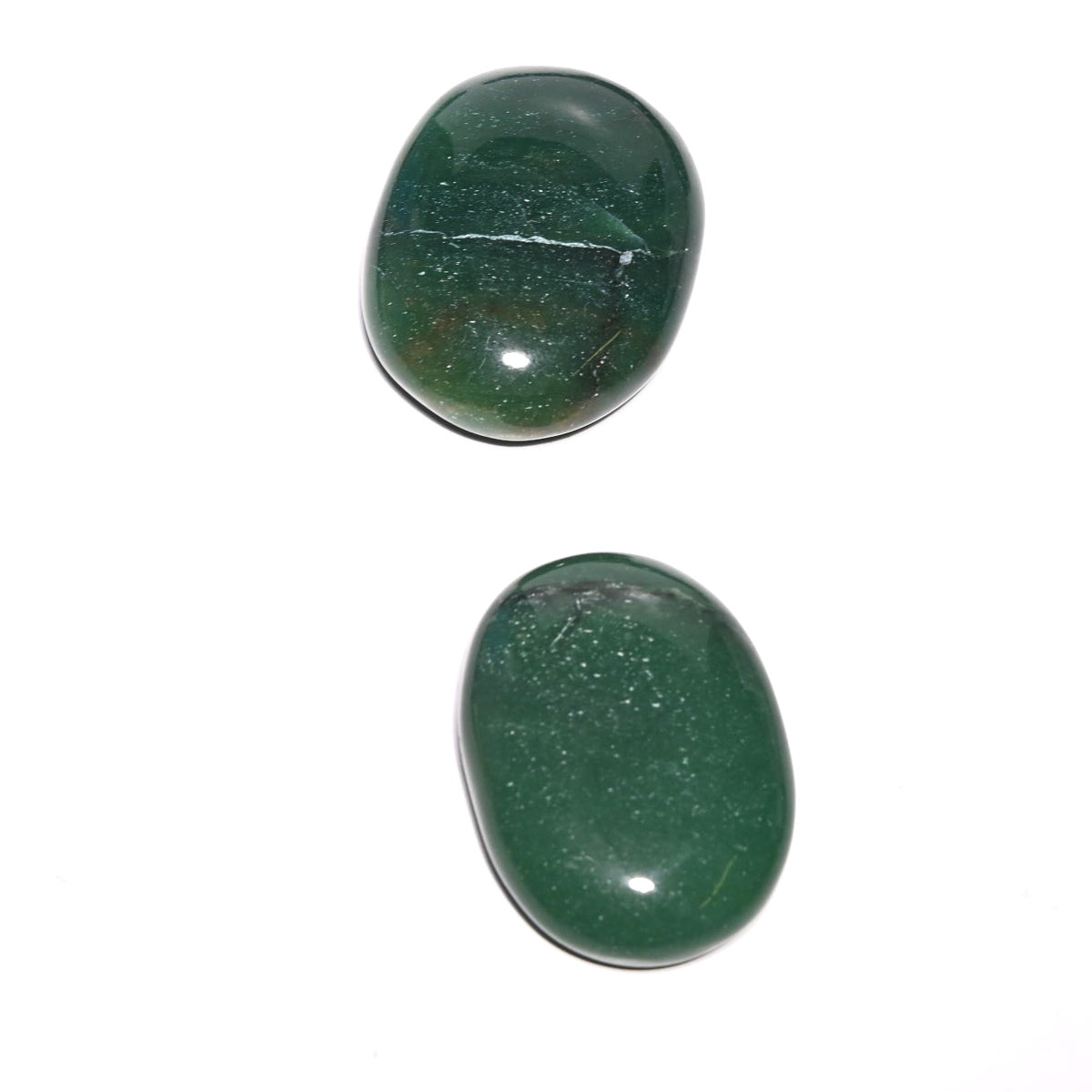
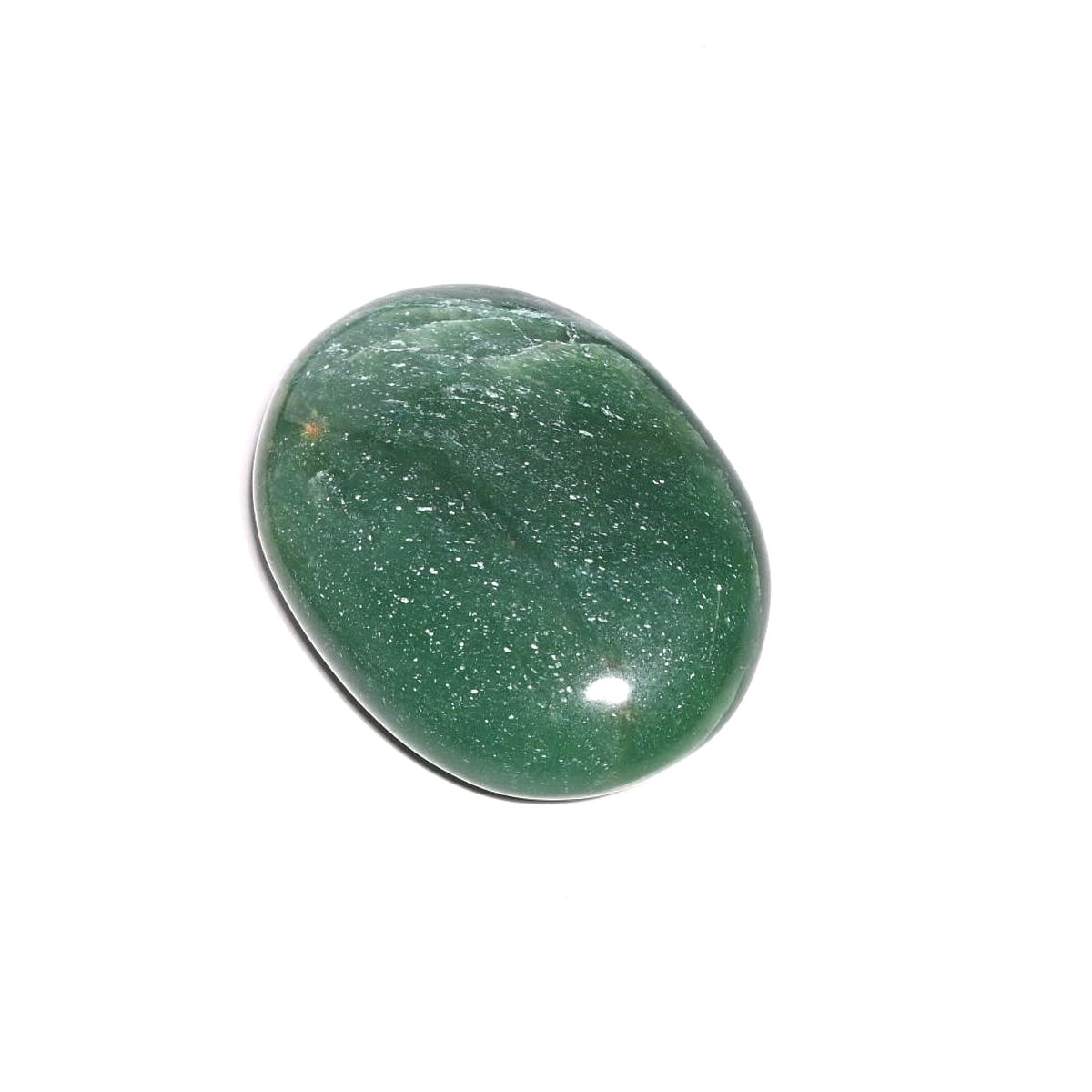
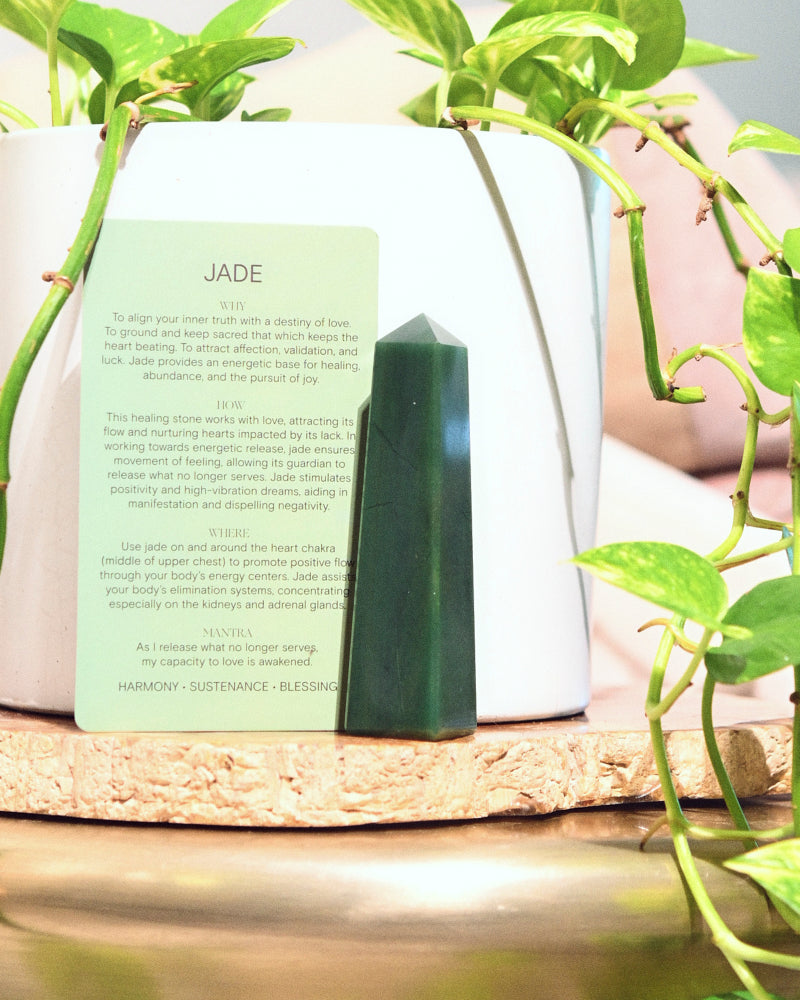
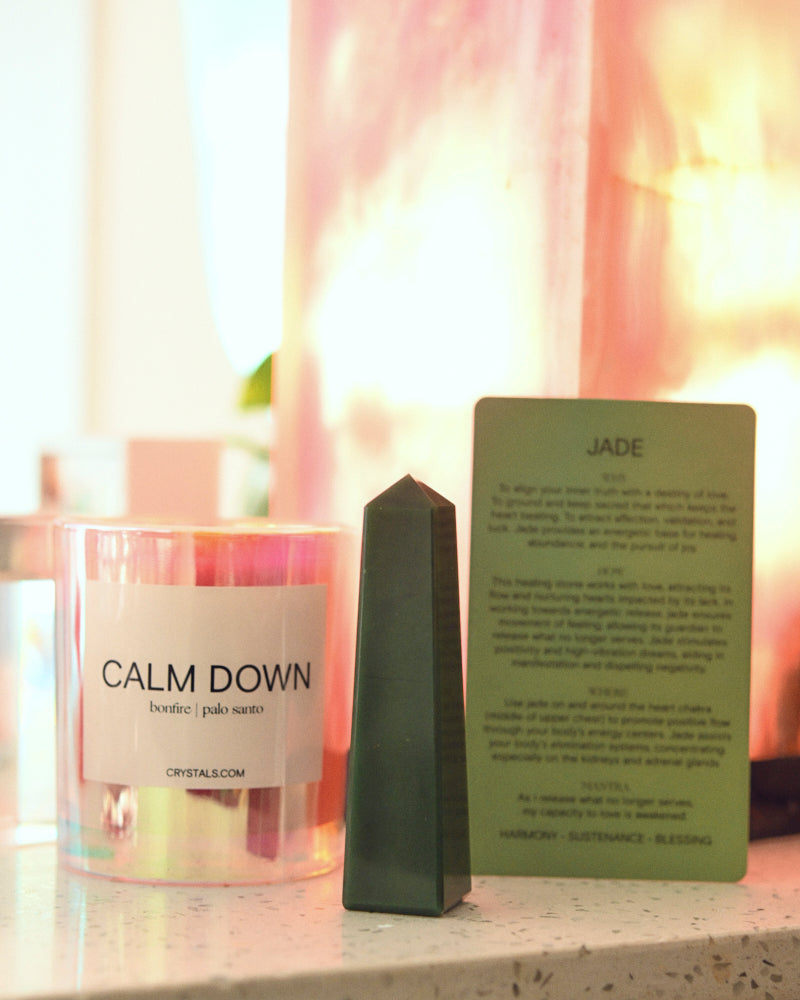
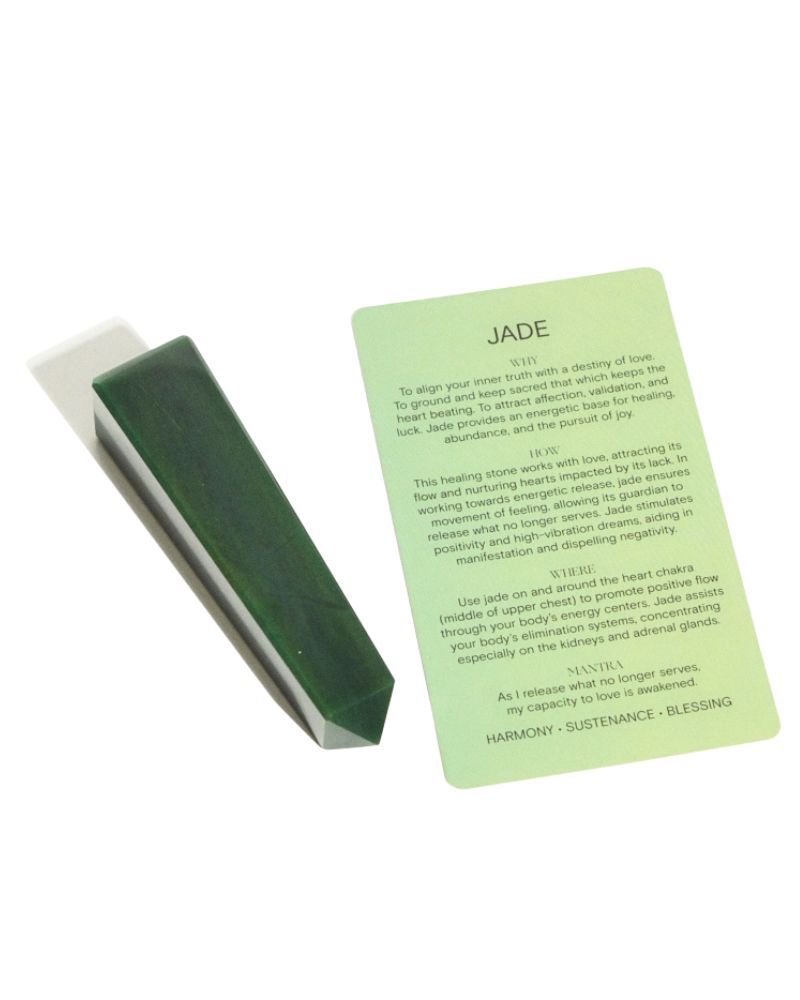
Jade. Prized for thousands of years across cultures, from ancient China to Mesoamerica. Cool to the touch, dense in the hand, and polished to a deep, waxy luster. Green is the most recognized color, but jade also appears in white, lavender, and black.
The term "jade" refers to two distinct minerals: nephrite (a calcium-magnesium silicate) and jadeite (a sodium-aluminum silicate). Nephrite is more common and ranges from creamy white to deep green. Jadeite, rarer and harder, produces the prized imperial green. Major sources include Myanmar, British Columbia, and New Zealand. Nephrite is composed of interlocking fibrous crystals that give it extreme toughness — it is actually tougher than steel.
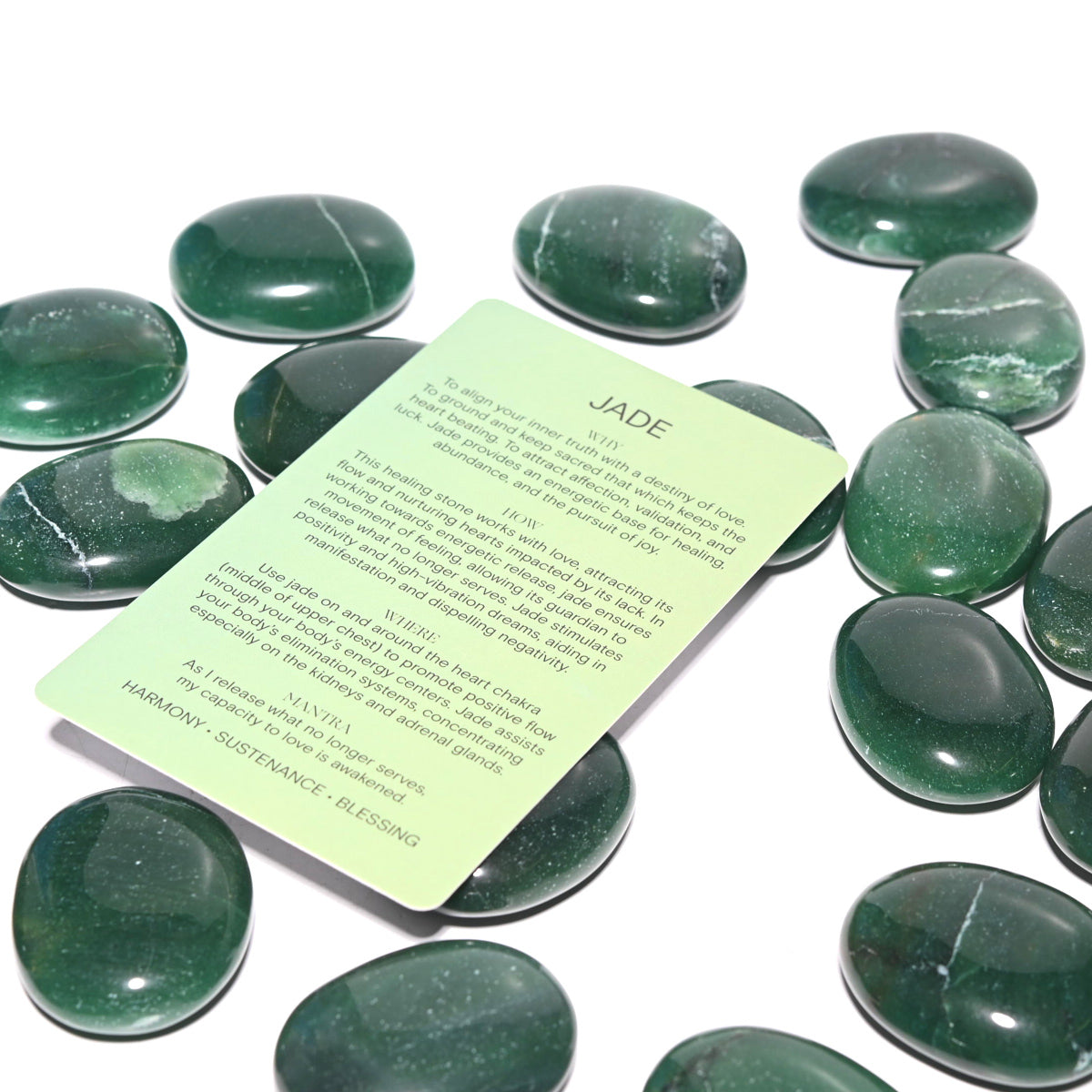
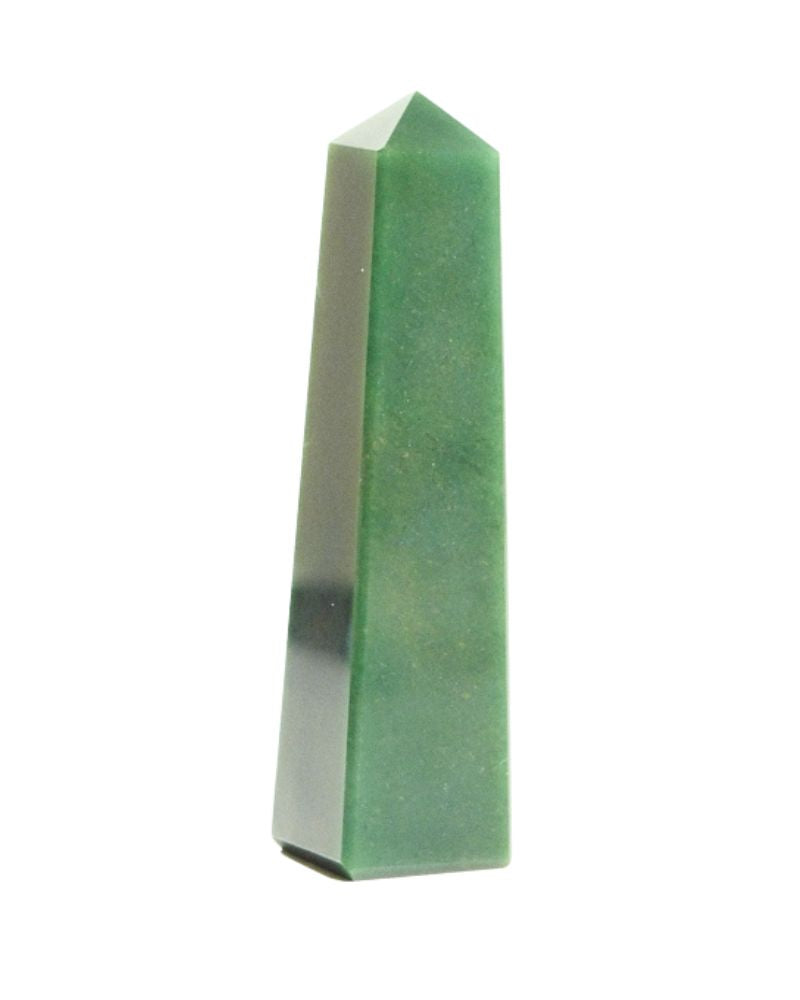
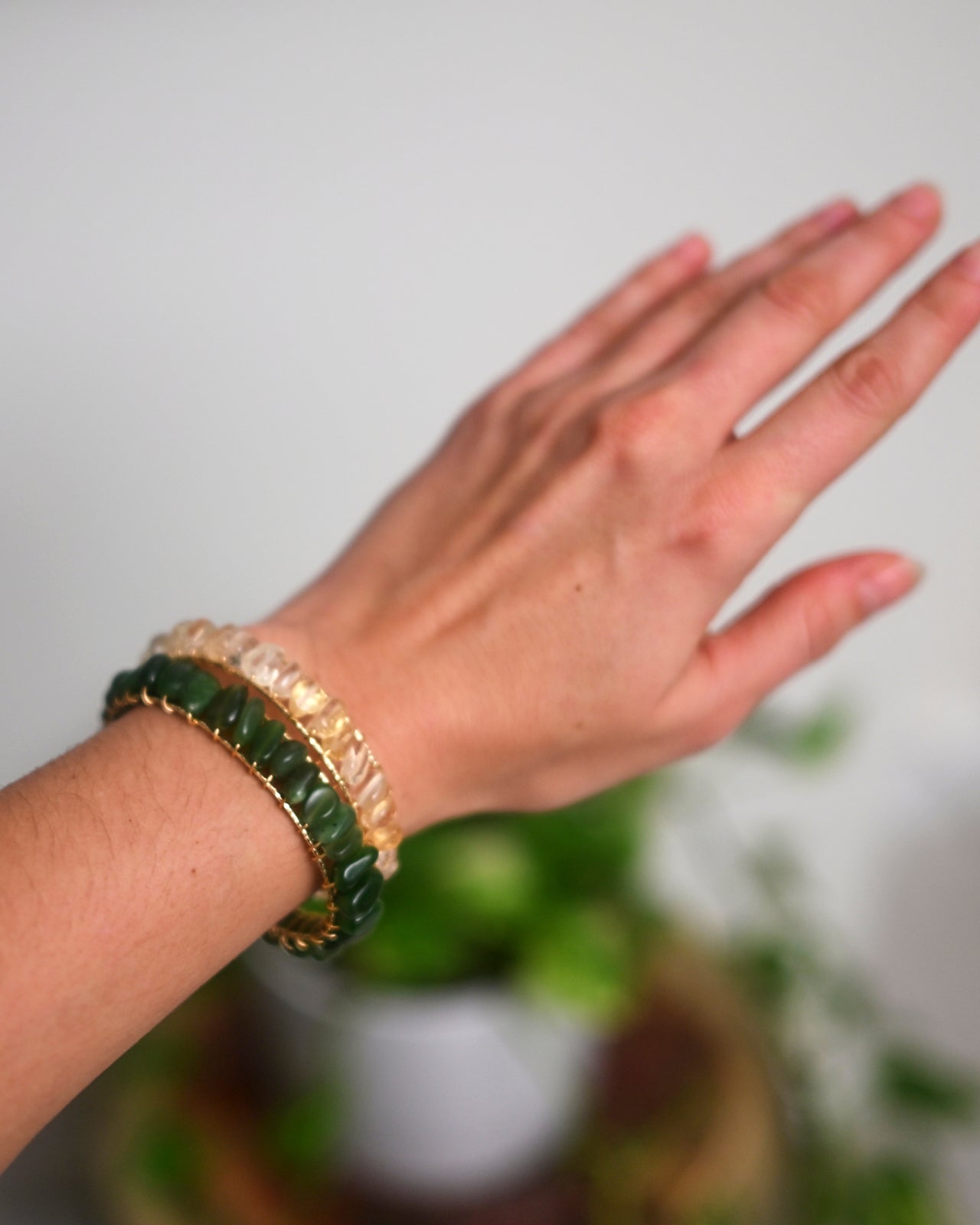
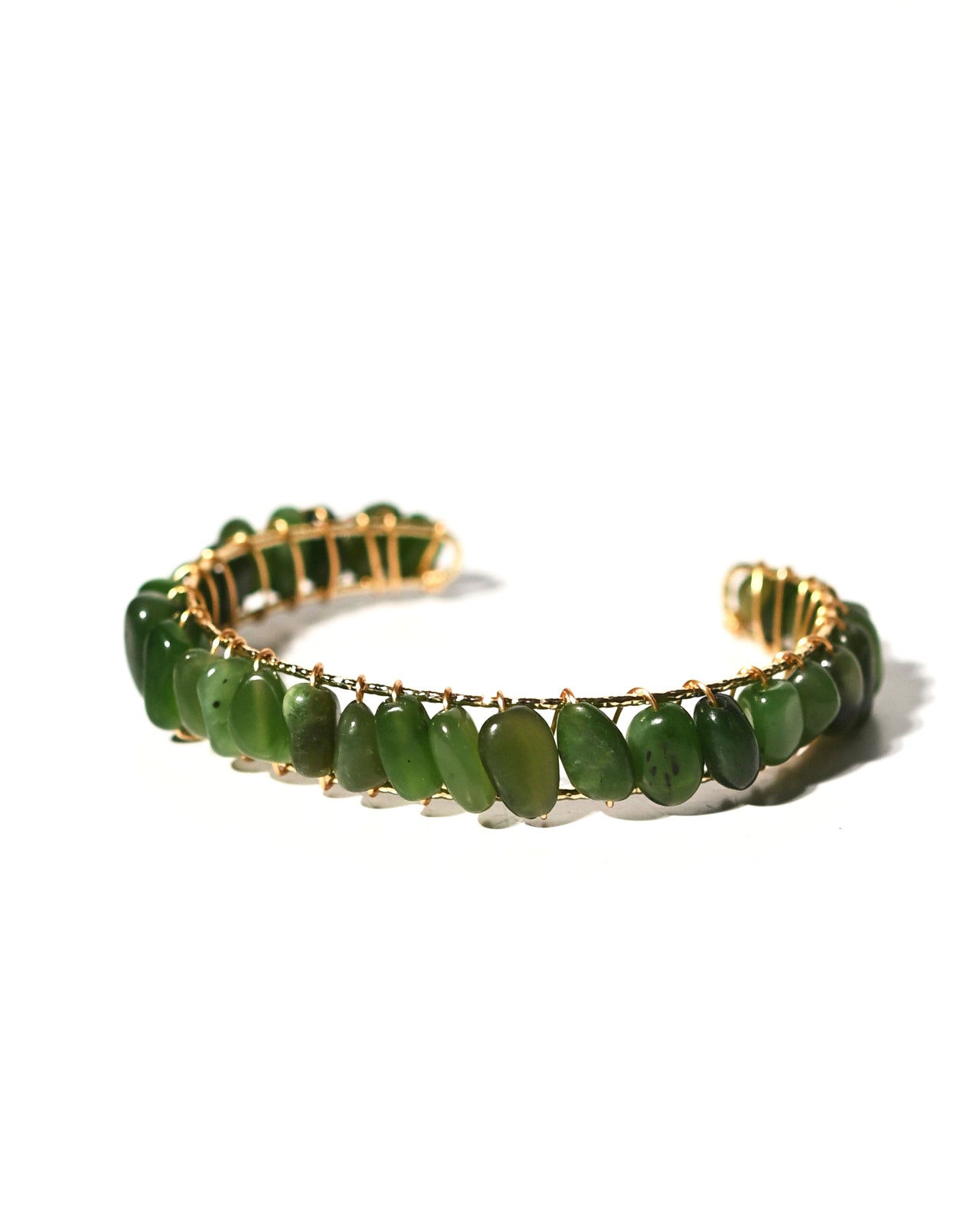
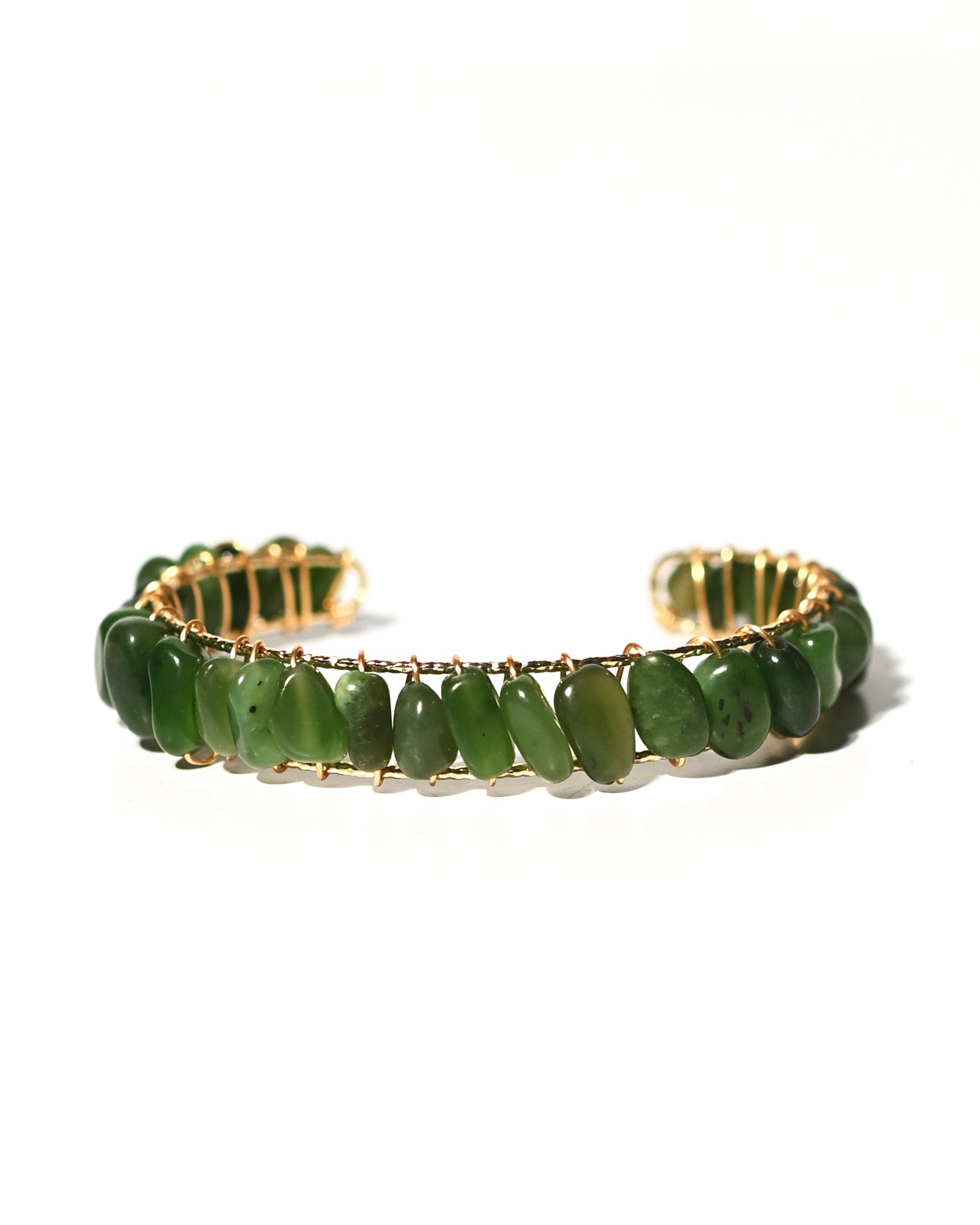
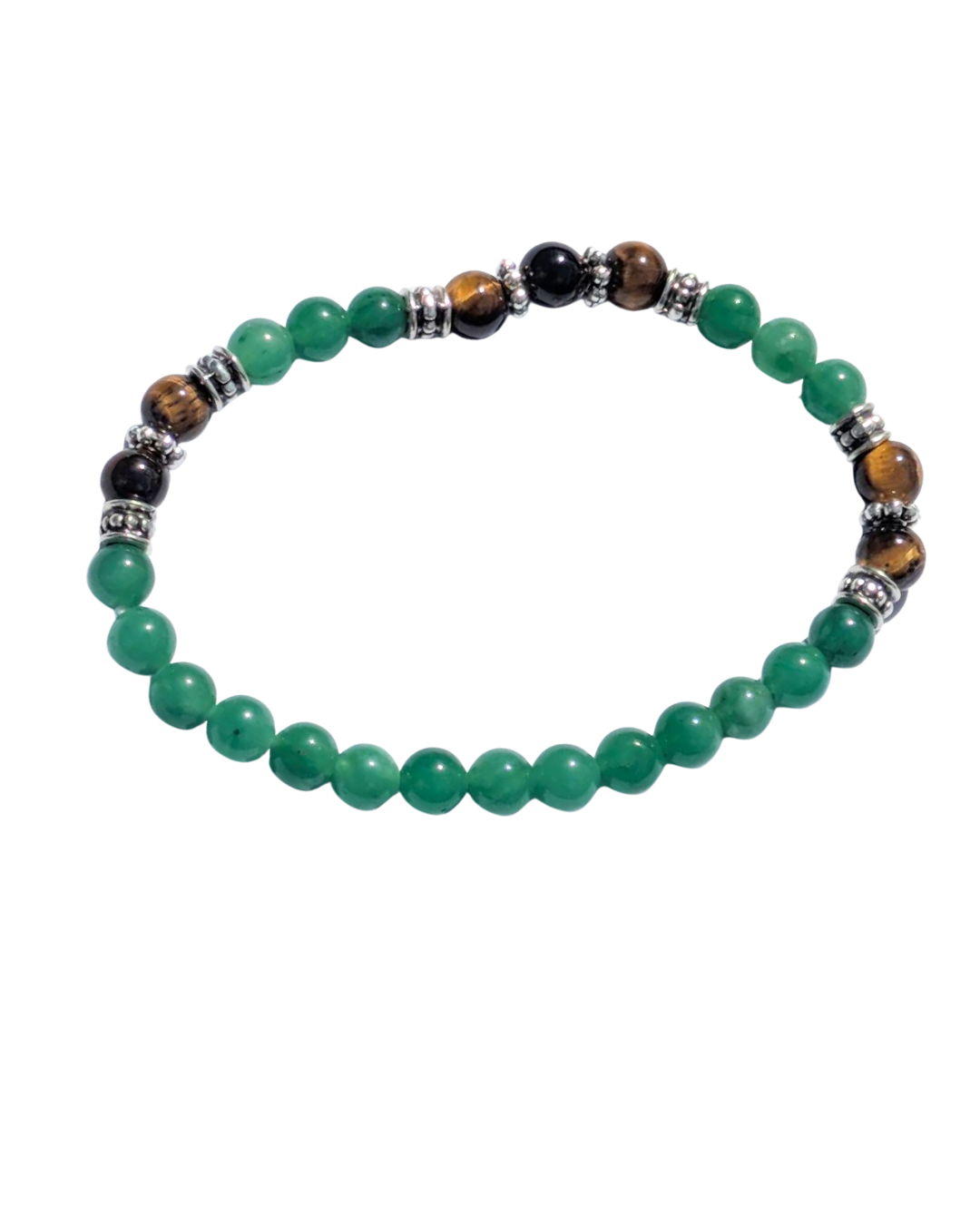
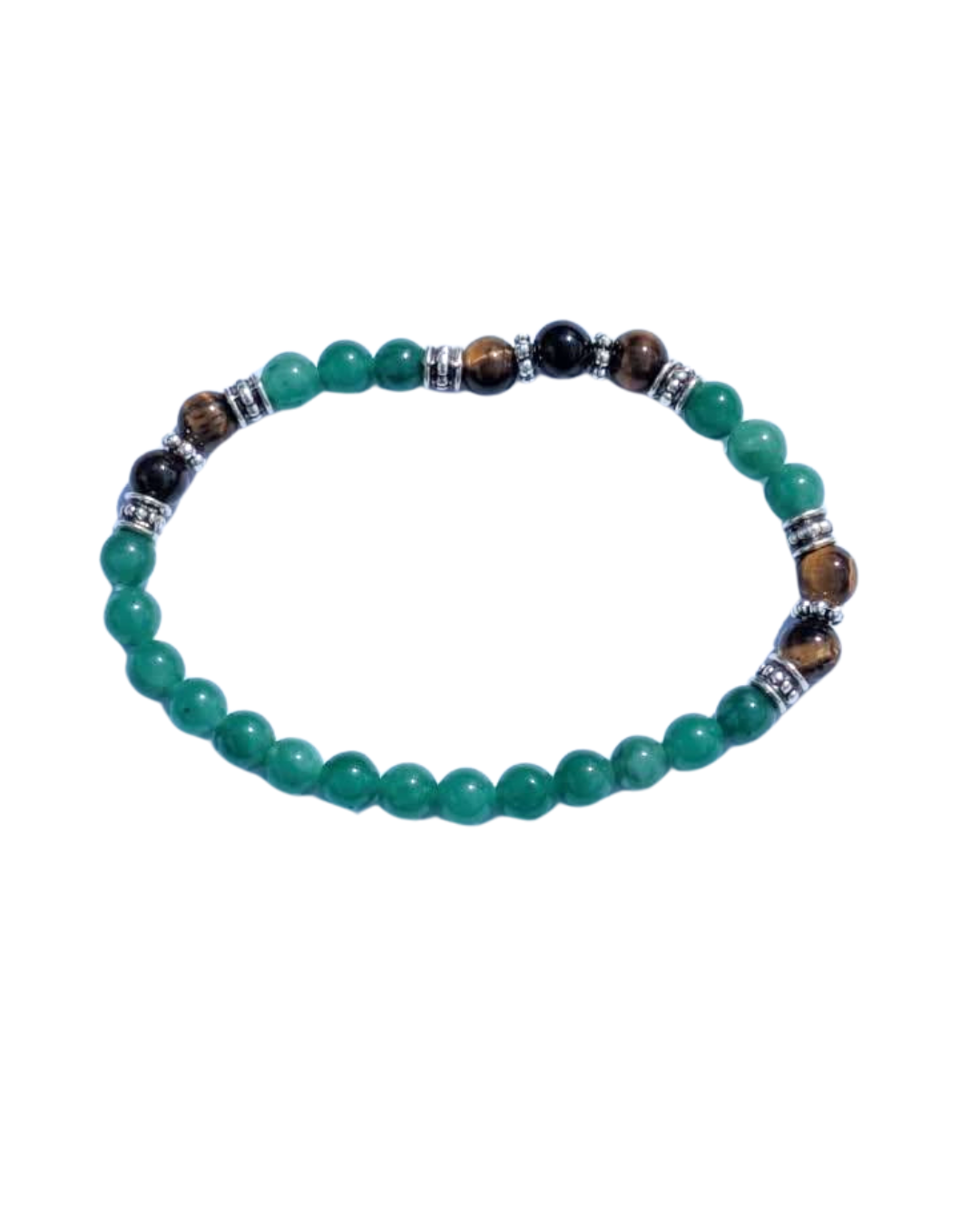
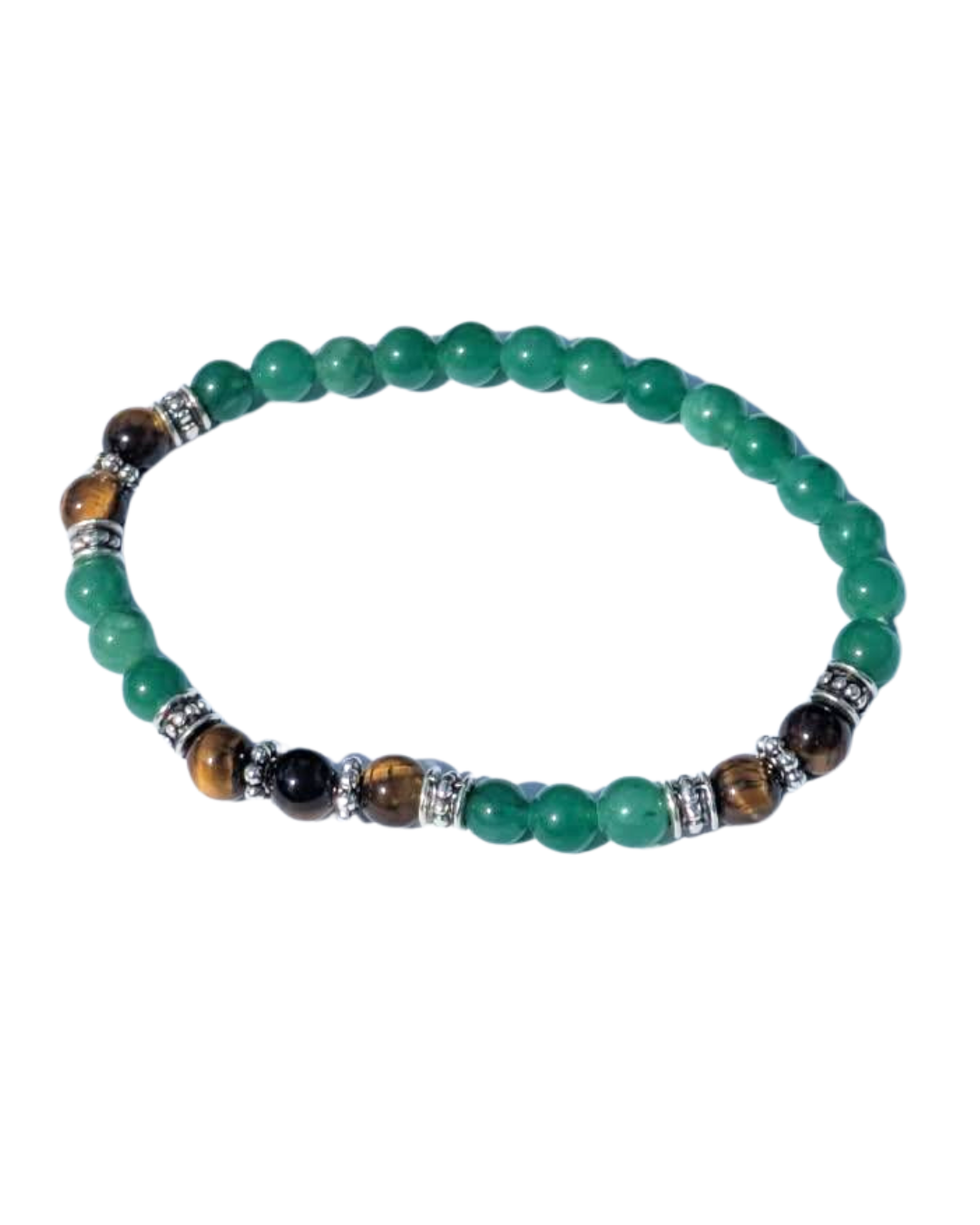
This collection features carvings, spheres, palm stones, tumbled stones, bracelets, and raw specimens. Jade pairs beautifully with green aventurine, serpentine, and malachite in green-toned displays. Free shipping on all U.S. orders over $150.
Frequently Asked Questions
What is the difference between nephrite and jadeite?
Nephrite is a calcium-magnesium silicate (Mohs 6-6.5) composed of interlocking fibrous crystals, making it extremely tough. Jadeite is a sodium-aluminum silicate (Mohs 6.5-7) with a granular structure and higher hardness. Jadeite can achieve more vivid colors, particularly the translucent emerald green known as "imperial jade." Nephrite is far more common and affordable.
How can I tell if jade is real?
Genuine jade feels cold to the touch and has a smooth, waxy luster. It is surprisingly dense for its size. Natural jade typically shows color variation and subtle internal texture. Fakes are often dyed glass, plastic, or serpentine. At Crystals.com, all jade is verified natural — we never sell dyed or polymer-impregnated specimens without full disclosure.
Where does jade come from?
Myanmar (Burma) is the world's primary source of gem-quality jadeite. British Columbia, Canada, is the largest source of nephrite jade. New Zealand produces a culturally significant nephrite called pounamu (greenstone) that is central to Maori tradition. China, Taiwan, and Guatemala also produce notable jade.
Is jade durable enough for everyday wear?
Yes — jade is one of the toughest gemstone materials available. Its interlocking crystal structure makes nephrite jade tougher than steel (though not harder). Jade bracelets and pendants have been worn daily in Chinese culture for millennia. It is resistant to chipping and breaking, though it can scratch if stored with harder minerals like quartz (Mohs 7).
Is serpentine the same as jade?
No. Serpentine is sometimes marketed as "new jade" due to its green color, but it is a completely different mineral (magnesium silicate) with different hardness and density. True jade is denser, harder, and tougher than serpentine. The same applies to "Madagascan jade" (green opal) and other trade names that are not actual jade.






Let customers speak for us
Beautiful piece. Just as described

Amazing looks better in person

I love it but it could have been a little bigger

Enjoyed and appreciated by person who received it. The three types of stones look amazing together too!

Very reputable online and they did not disappoint!
Absolutely stunning!

Absolutely stunning!

Absolutely stunning!

Absolutely stunning!

Absolutely stunning!

Absolutely stunning!

Absolutely stunning!

A very satisfied customer. Had to wait for it to be shipped, as it was included in a gem and mineral exhibit. Was worth the wait.

Purchased a dozen Tourmaline, loved them. And, each was beautifully wrapped and intentional. It even came with a sweet note. I would definitely buy again.

Very happy with my stone, better than I expected. Beautiful color and good weight. Definitely would buy again. This is my new go to store for stones
A Sanctuary of Natural Beauty
Every crystal here was discovered by hand, selected with intuition, and photographed in its true light.
One-of-a-Kind. Forever Pieces.
Let the Universe Decide


