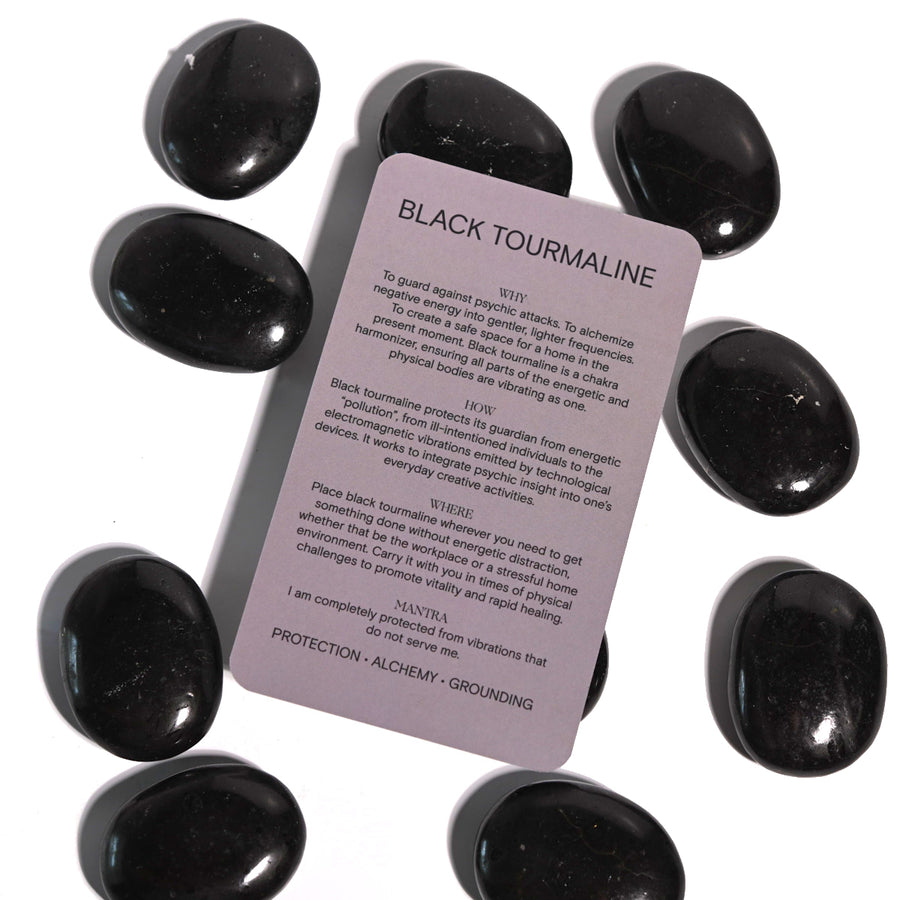

Black tourmaline Palm Stone
$26
Crystals.com
Tourmaline is a boron silicate mineral group that occurs in more colors than any other mineral species. Black tourmaline (schorl) is the most common variety, while pink (rubellite), green (verdelite), blue (indicolite), and watermelon...
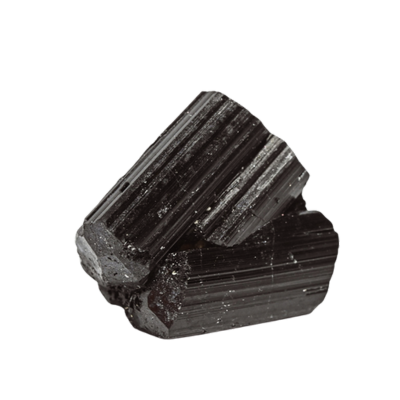
29 pieces
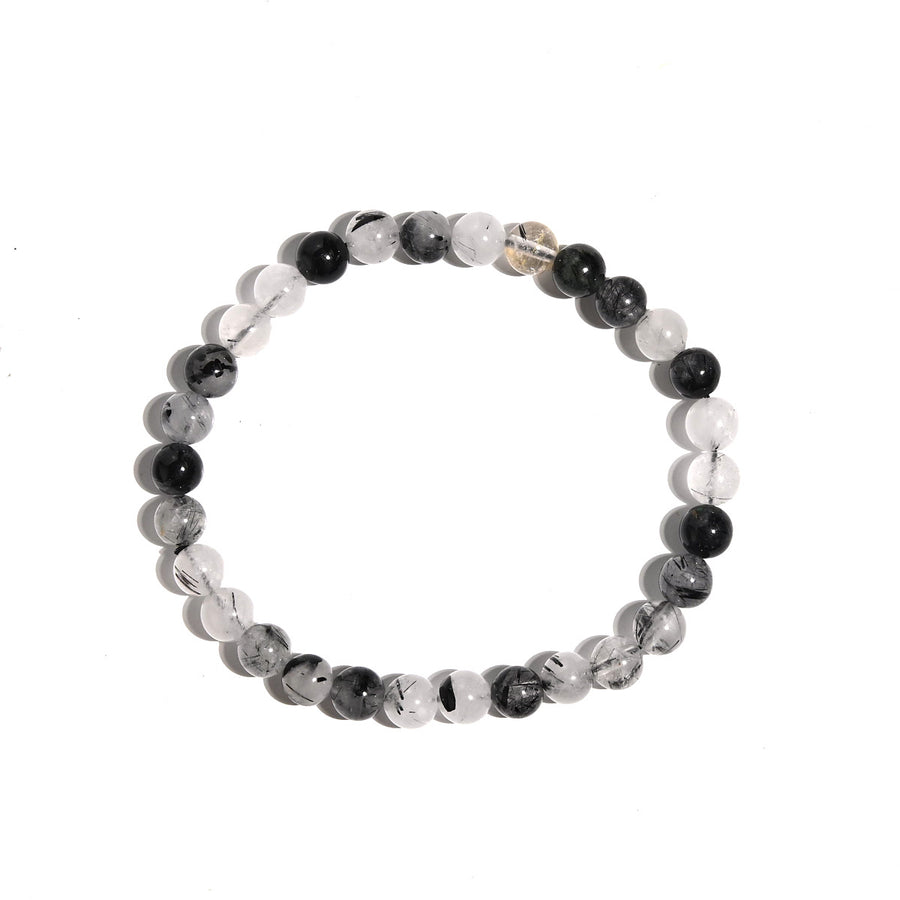

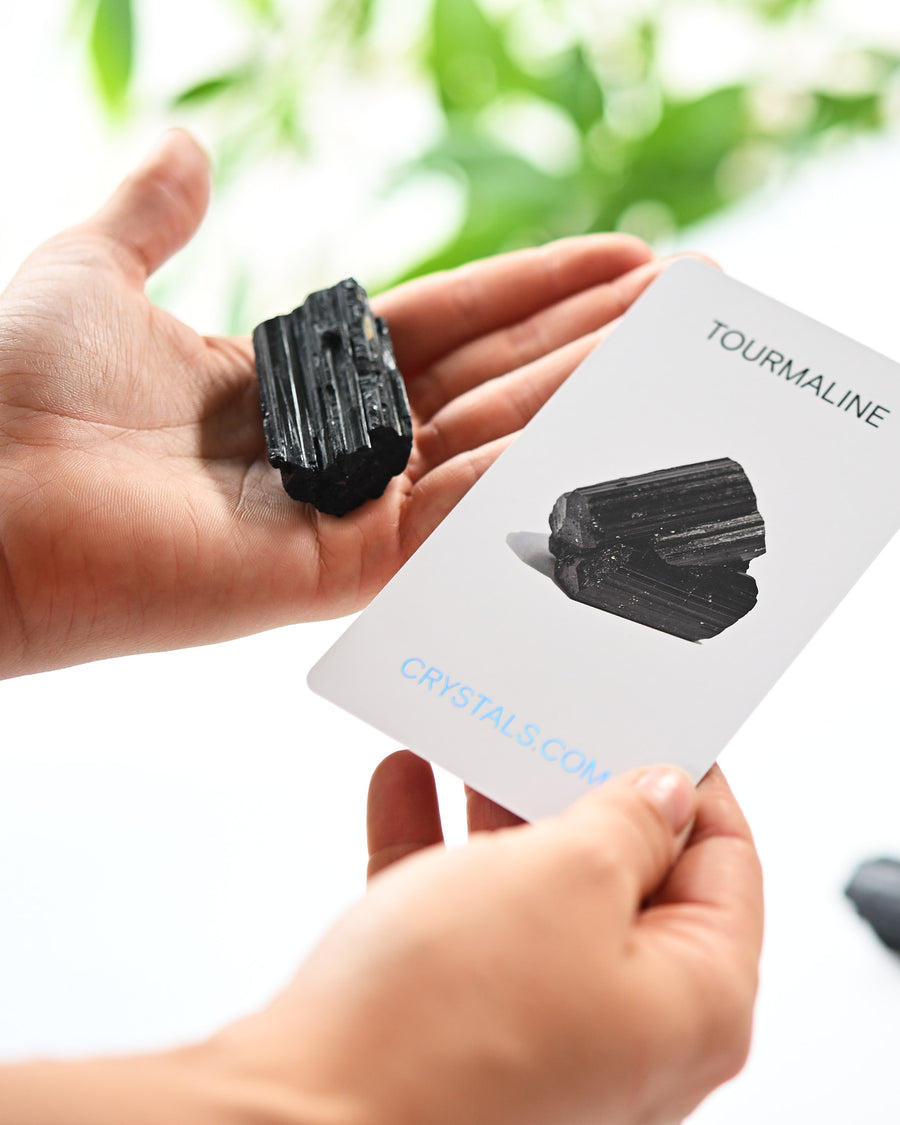

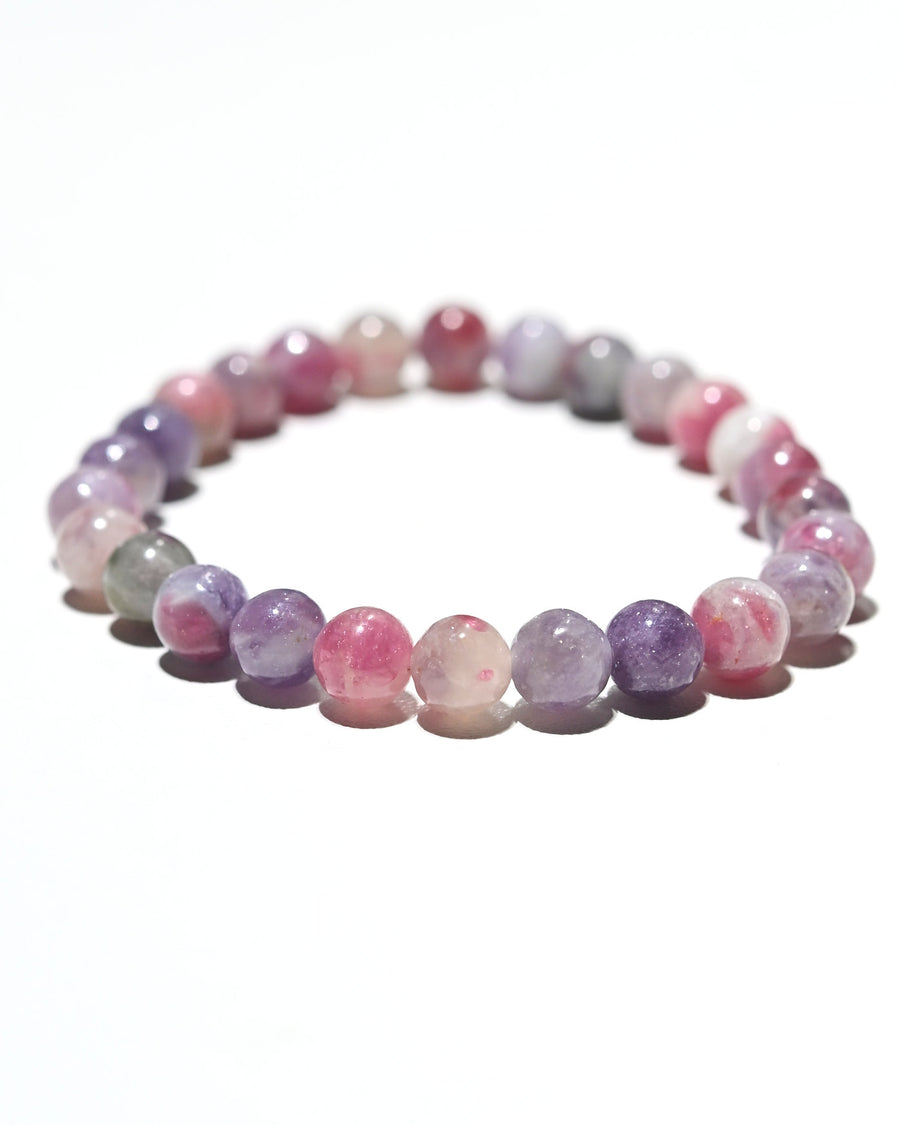
 Sold


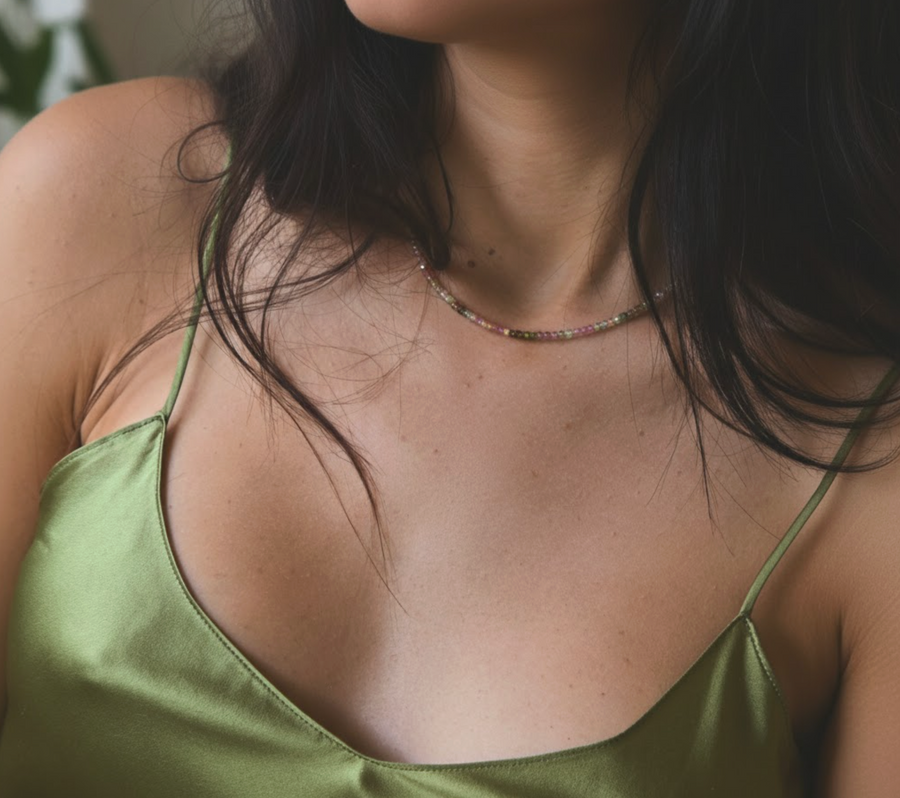




 Sold


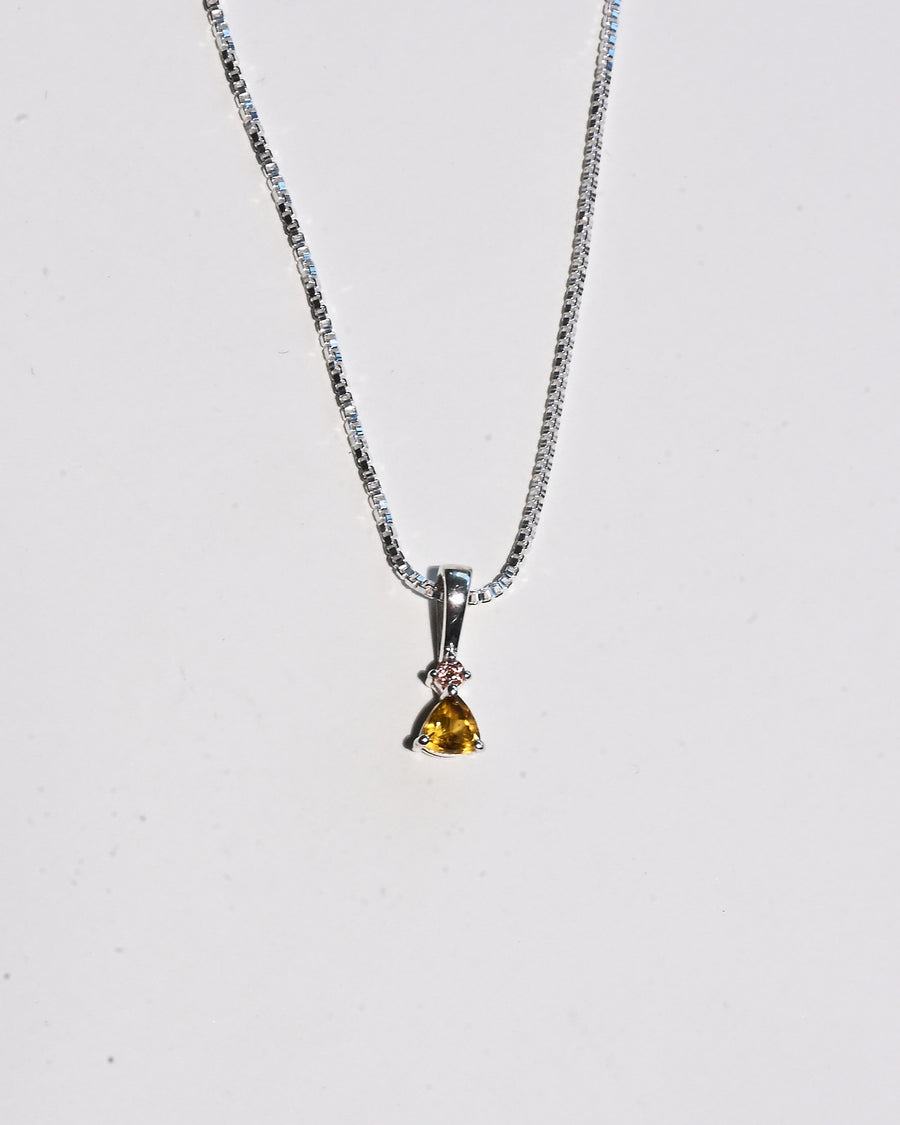

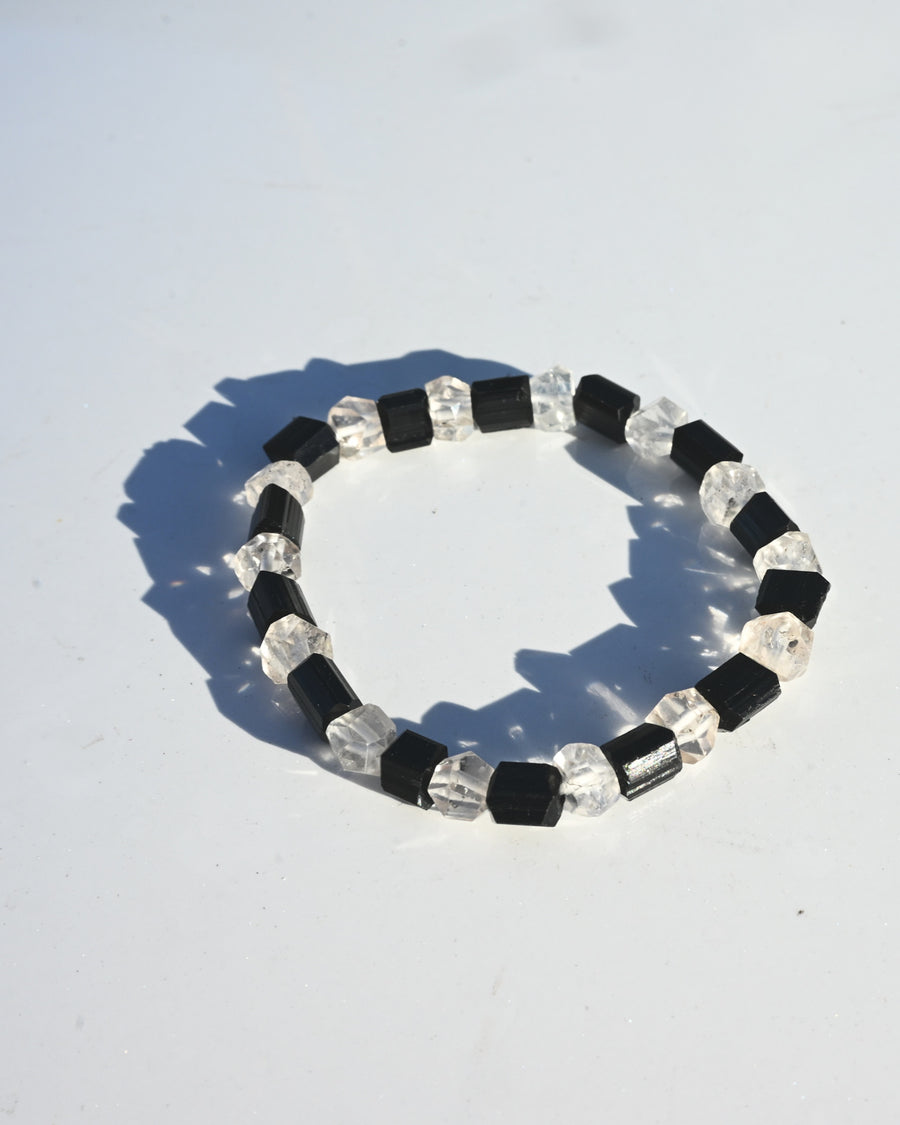


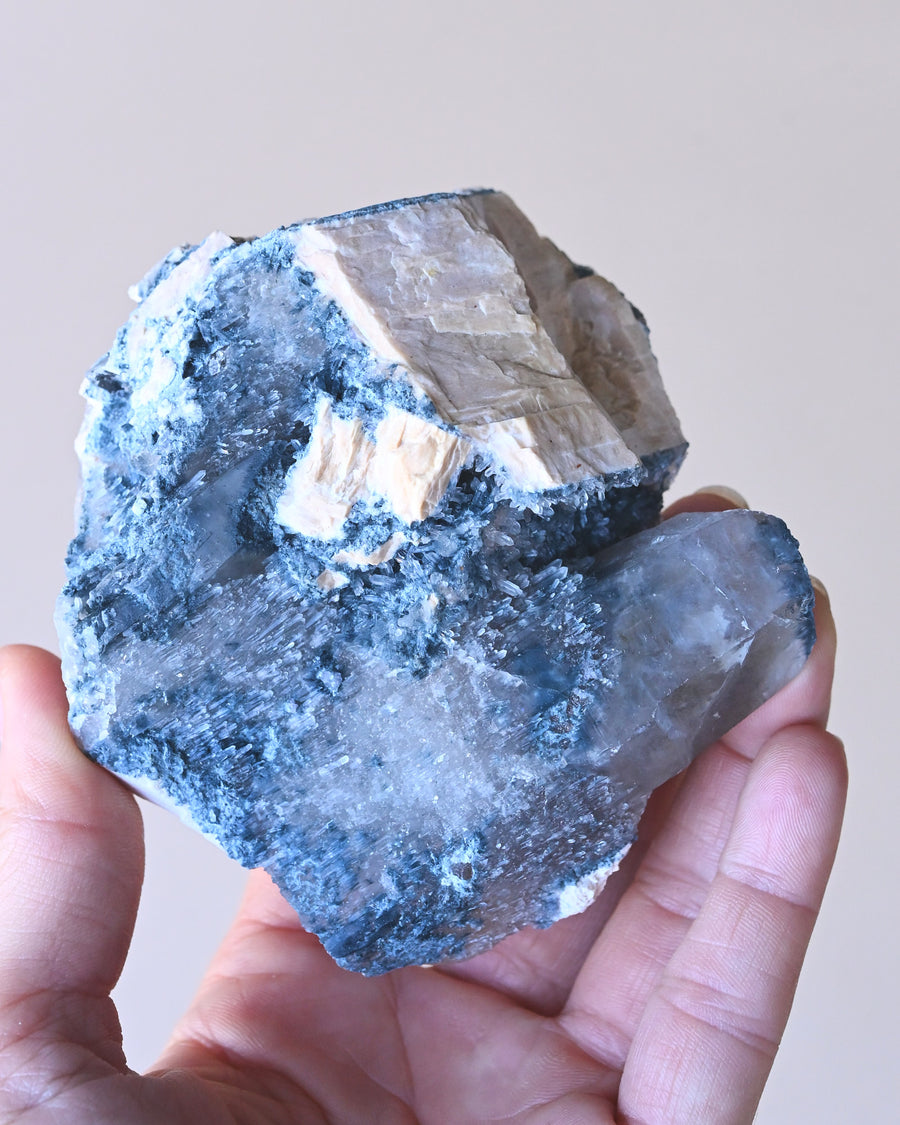

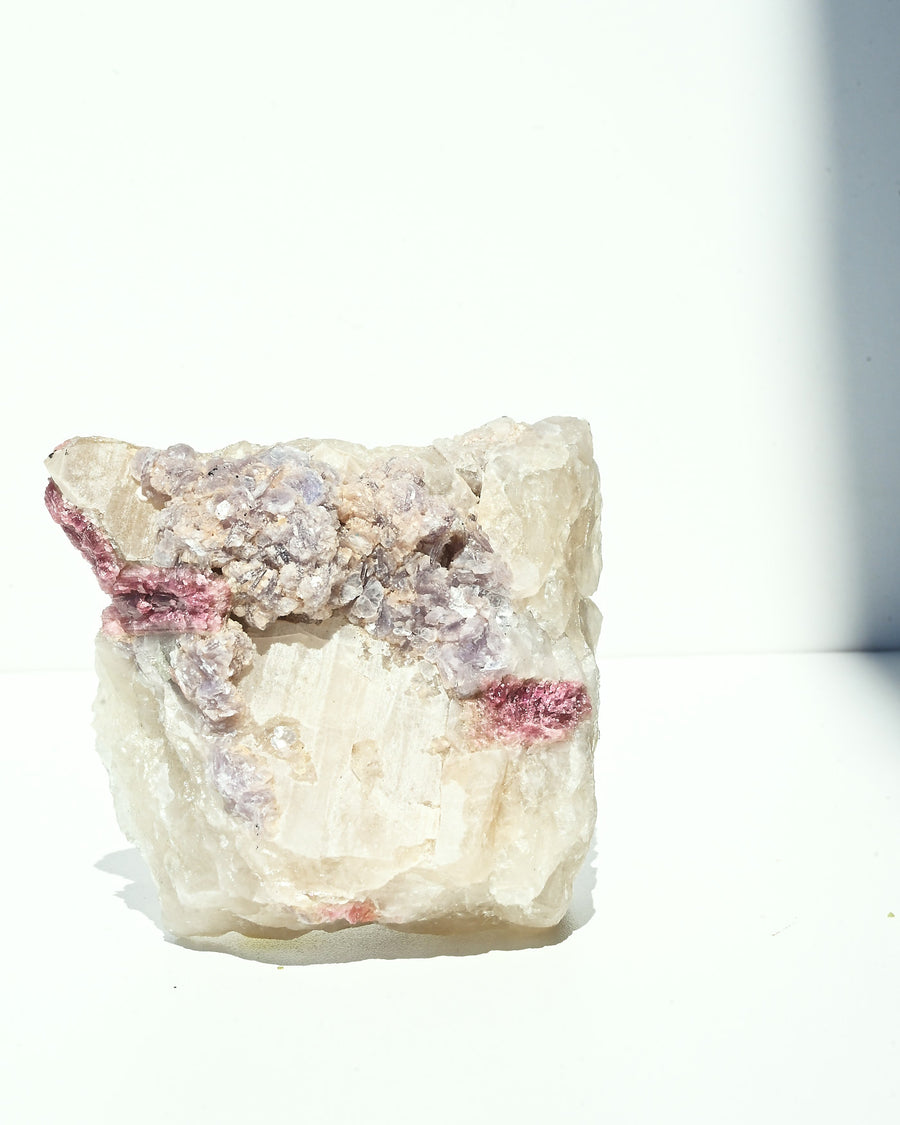

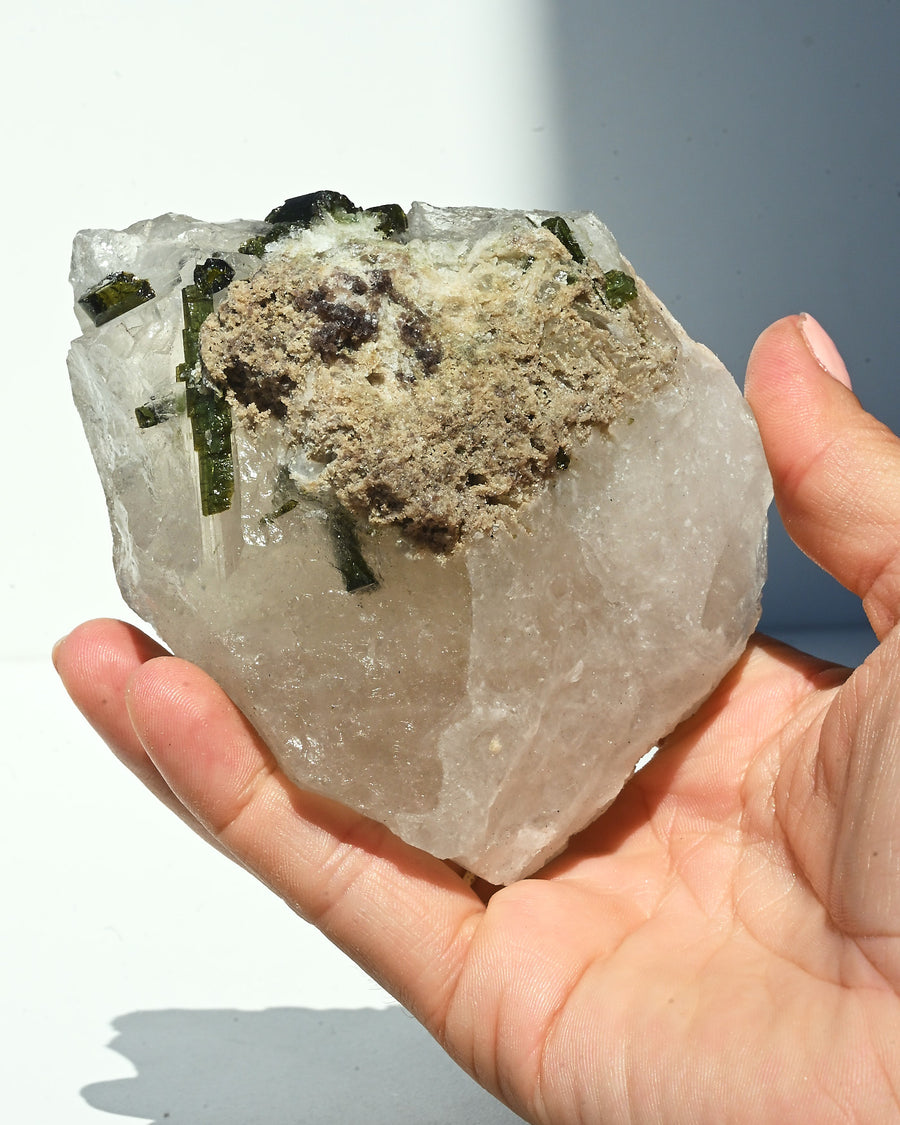

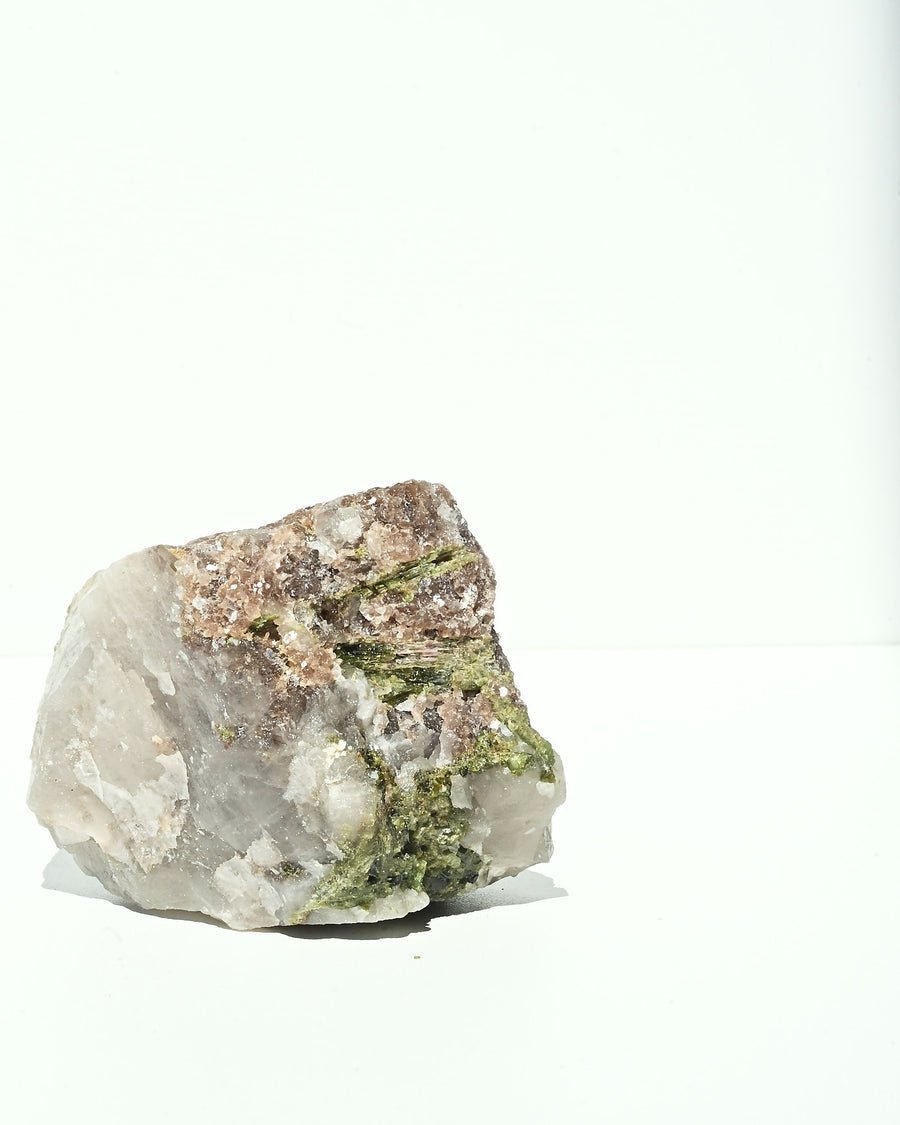

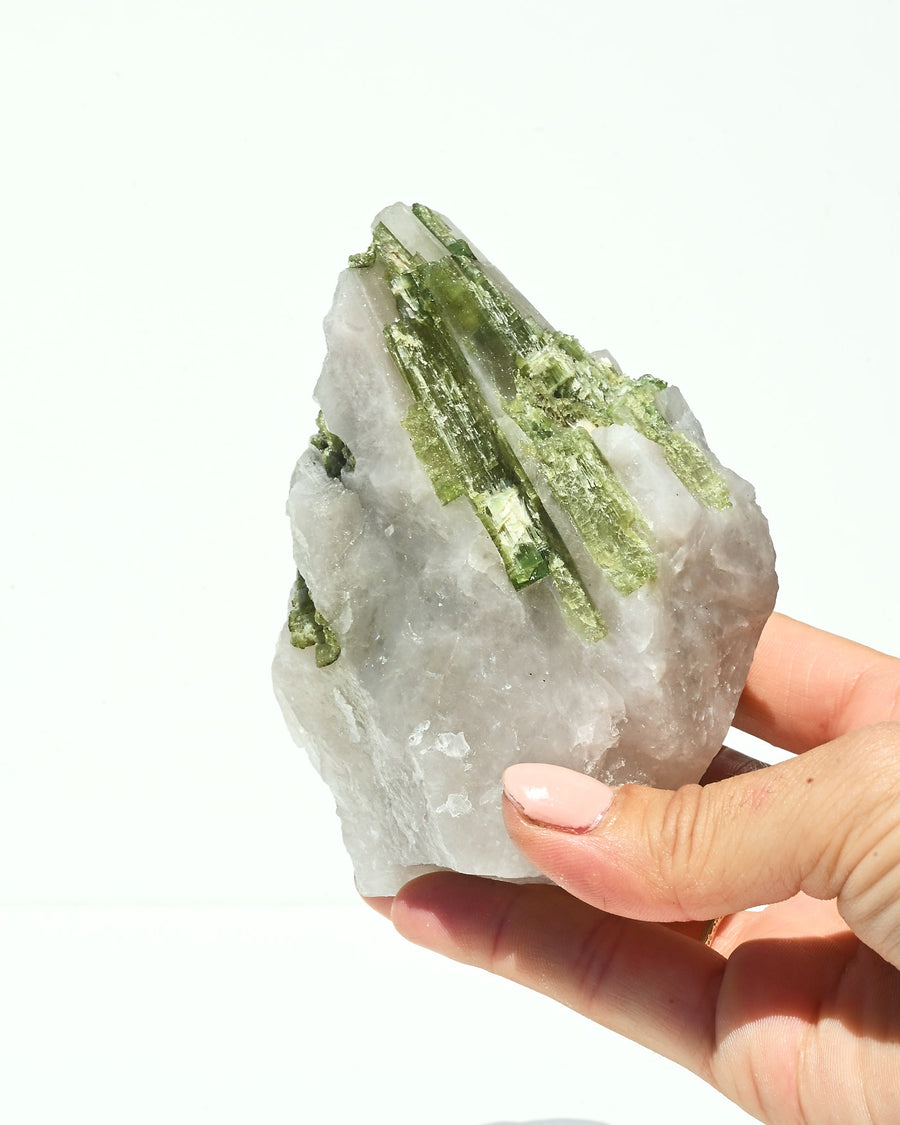


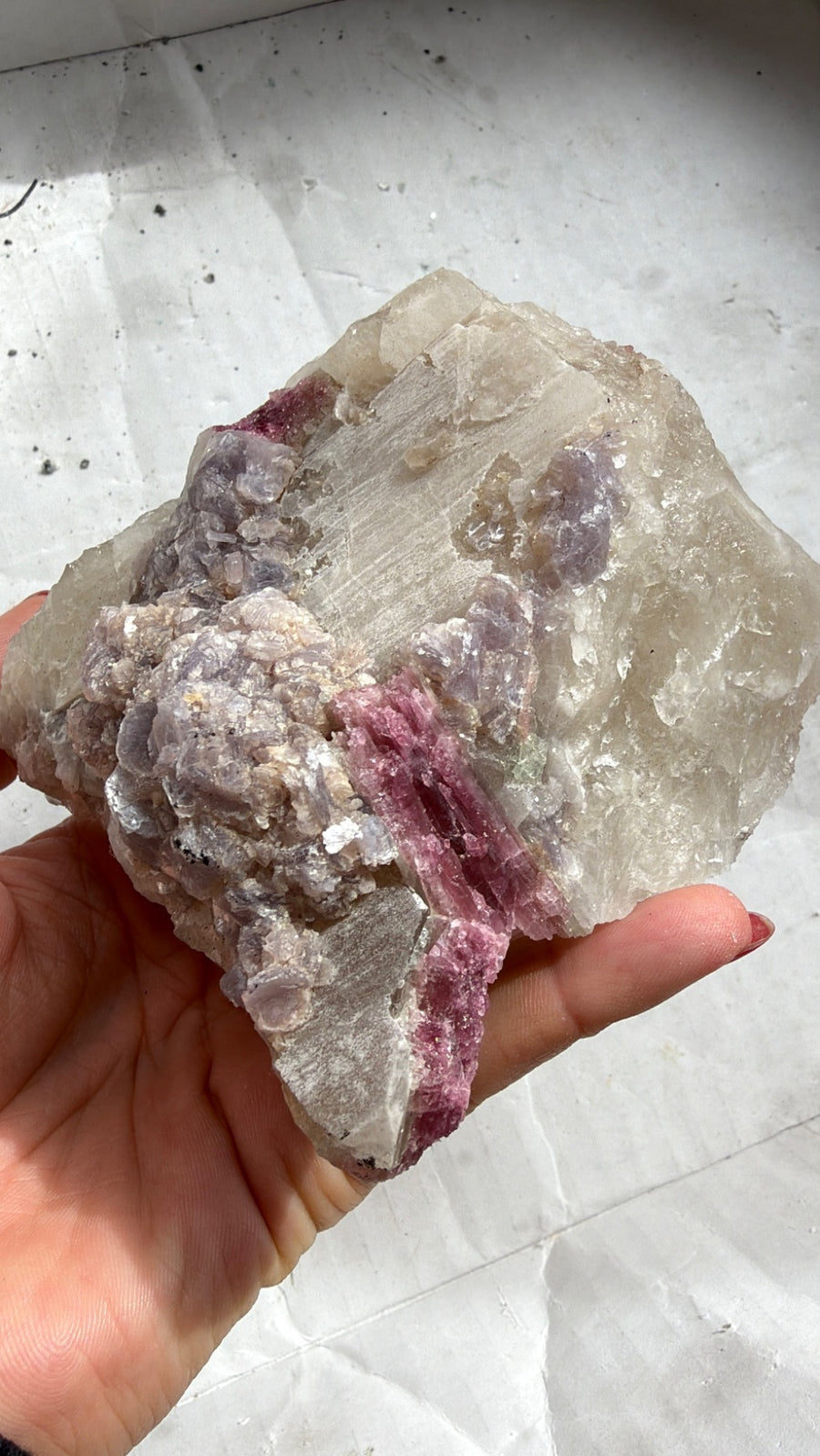

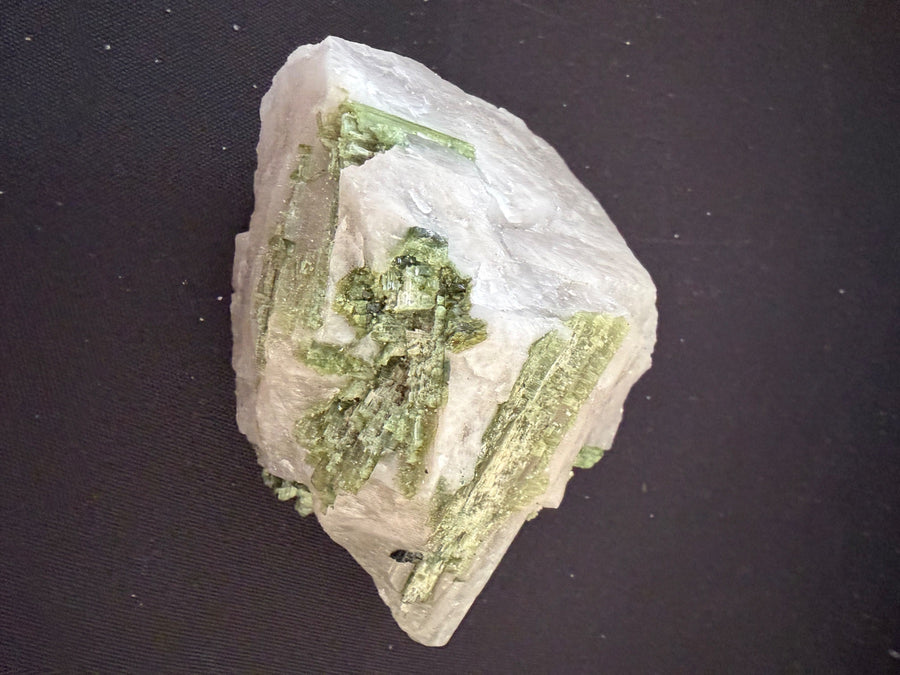

Chosen piece by piece, mostly direct from mines and suppliers I have worked with for years.
I shoot every piece myself, so a one of a kind piece is the exact piece you receive.
Packed by hand here and out in 1 to 3 business days.
Tourmaline is a boron silicate mineral group that occurs in more color varieties than any other mineral species. Its color depends on chemical composition: iron produces black and brown (schorl), manganese creates pink and red (rubellite), lithium yields green and blue (indicolite and verdelite), and chromium produces the rare chrome tourmaline. Some crystals display multiple colors in a single specimen.
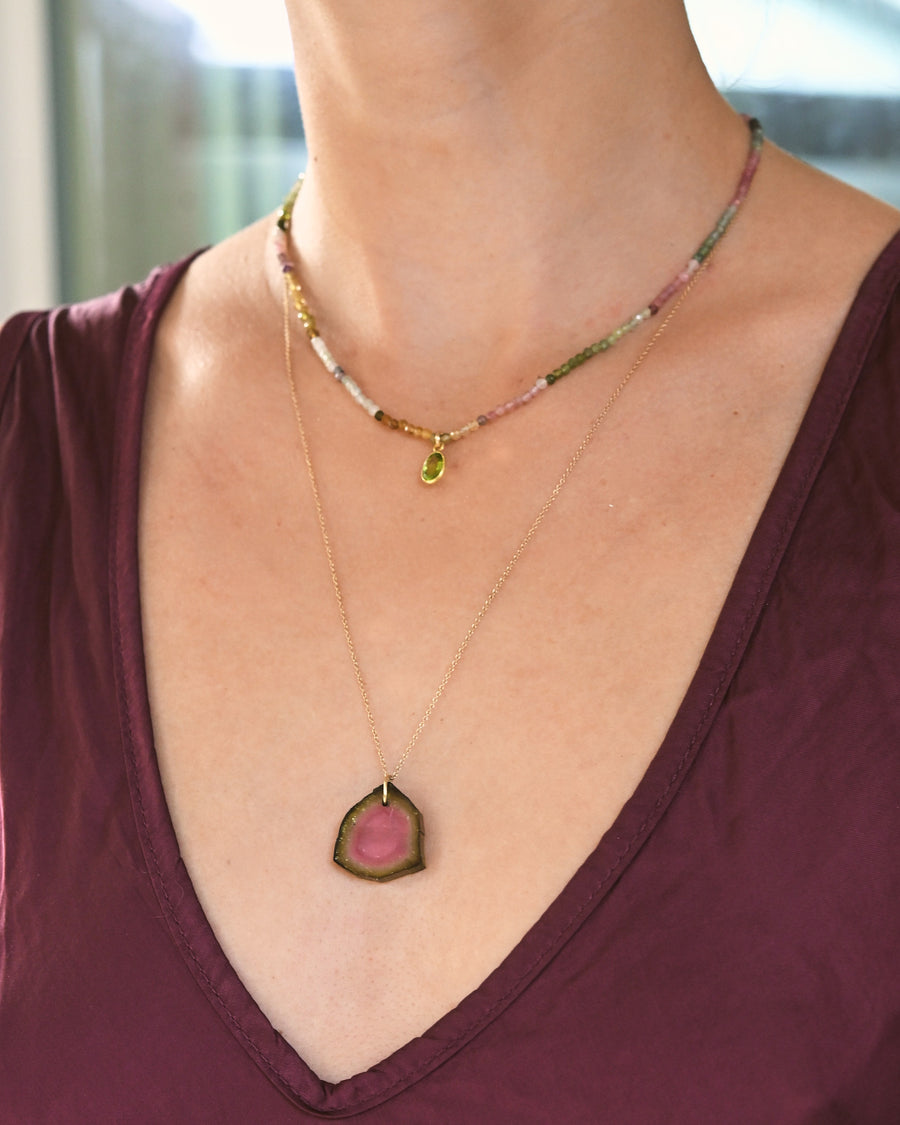
Watermelon tourmaline is a variety that shows a pink or red center surrounded by a green outer layer, resembling a watermelon cross-section. This occurs when the chemical environment changes during crystal growth — manganese-rich conditions form the pink core, then iron-rich fluids create the green rind. Cross-sections are cut perpendicular to the crystal's c-axis to display the color zoning.
Major tourmaline sources include Brazil (Minas Gerais is famous for all colors including Paraiba), Afghanistan and Pakistan (fine pink and blue specimens), Mozambique and Nigeria (Paraiba-type copper-bearing tourmaline), and Maine, USA (historic green and watermelon deposits). Each locality produces tourmaline with distinct color saturation and crystal habit.
Black tourmaline (schorl) is a crystalline boron silicate mineral with a Mohs hardness of 7-7.5 that forms elongated prismatic crystals with visible striations along the length. Obsidian is volcanic glass — an amorphous solid with no crystal structure and a Mohs hardness of 5-5.5. Tourmaline has piezoelectric properties (generates charge under pressure), while obsidian has conchoidal fracture typical of glass.
Yes. Tourmaline rates 7 to 7.5 on the Mohs hardness scale, making it suitable for all types of jewelry including rings. It has no cleavage, which means it resists chipping. The main care consideration is avoiding thermal shock — sudden temperature changes can cause fractures in some specimens. Clean with warm soapy water and a soft brush.
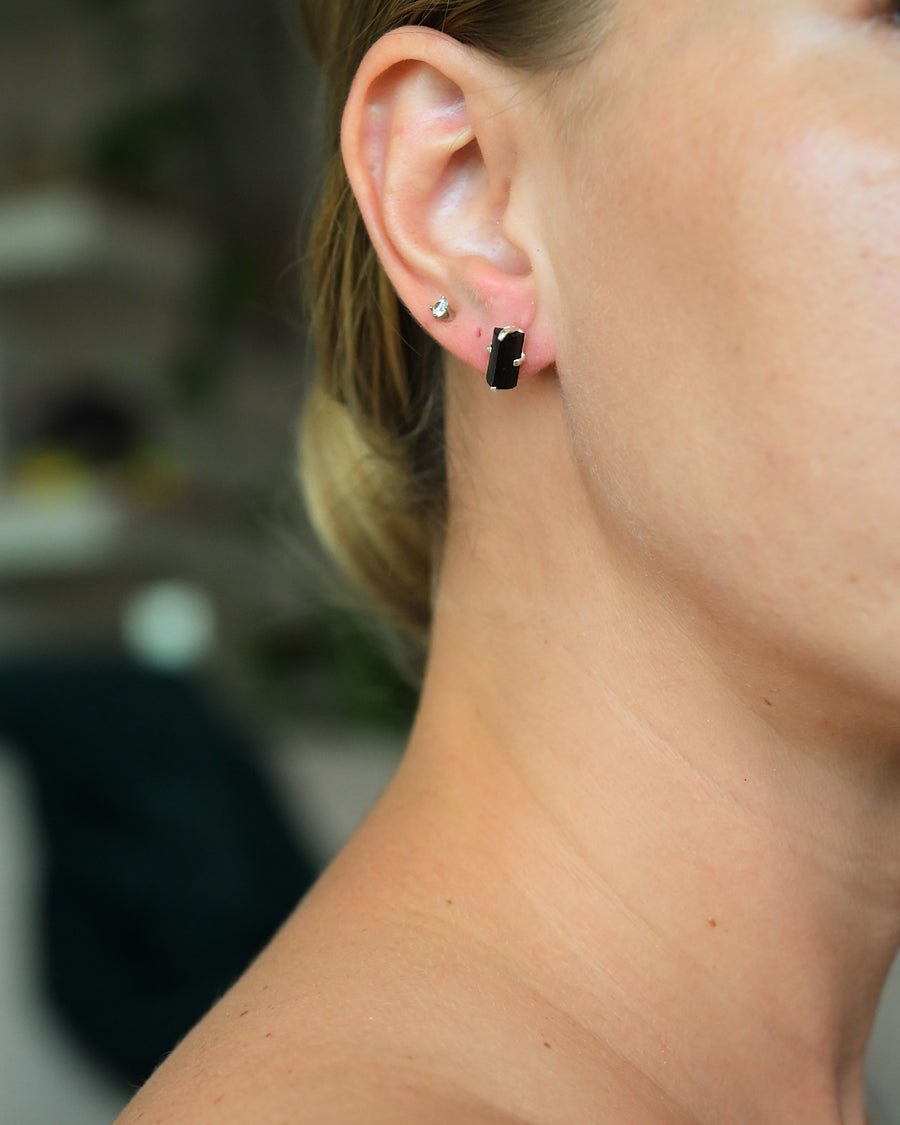
Black tourmaline, a powerful protective crystal, is renowned for its ability to repel negative energies and promote grounding. It's a popular choice for individuals seeking energetic balance and shielding from harmful influences.
Pink tourmaline, often called the "Stone of Love," is celebrated for its gentle and nurturing energy. This beautiful crystal is believed to promote emotional healing, self-love, and compassion, making it a cherished choice for matters of the heart.
Tourmaline is a versatile gemstone with various colors, each carrying its unique properties, but it's often associated with protection and balance. This crystal is believed to help cleanse and purify energy, making it a popular choice for grounding and promoting emotional well-being.
Watermelon tourmaline is a stunning crystal known for its striking green and pink hues, resembling the fruit it's named after. It's often used in healing practices to balance emotions, stimulate the heart chakra, and enhance feelings of love and compassion.
Tourmaline is a boron silicate mineral group that occurs in more colors than any other mineral species. Black tourmaline (schorl) is the most common variety, while pink (rubellite), green (verdelite), blue (indicolite), and watermelon tourmaline are prized by collectors. Major sources include Brazil, Afghanistan, Mozambique, Nigeria, and Maine (USA). Tourmaline rates 7–7.5 on the Mohs scale.
Tourmaline's color depends on chemical composition: iron produces black and brown, manganese creates pink and red, lithium yields green and blue, and chromium produces the rare chrome tourmaline. Some crystals show multiple colors in a single specimen — watermelon tourmaline has a pink center with a green rind. Paraiba tourmaline from Brazil and Mozambique, colored by copper, produces electric neon blue-green unlike any other gemstone.
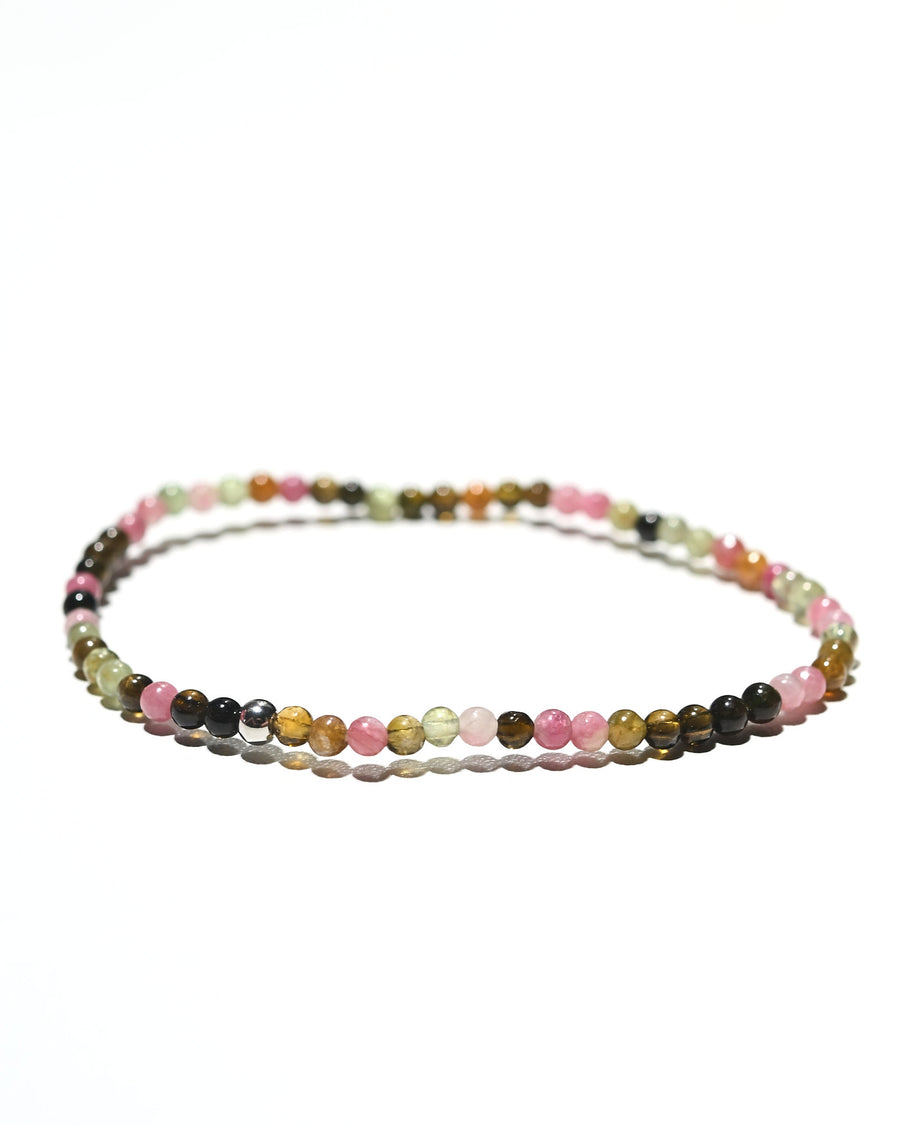
Available forms include raw specimens, polished pieces, bracelets, and jewelry. For the black variety specifically, see our dedicated black tourmaline collection. Tourmaline pairs well with obsidian and smoky quartz for dark mineral displays. Free shipping on orders $150+.
Tourmaline's color depends on which elements substitute into its complex crystal structure. Iron produces black and brown (schorl), manganese creates pink and red (rubellite), lithium yields green and blue, chromium produces rare green chrome tourmaline, and copper creates the electric neon blues of Paraiba tourmaline.
Watermelon tourmaline shows a pink or red center surrounded by a green outer layer. This occurs when the chemical environment changes during crystal growth — manganese forms the pink core, then iron creates the green rind. Cross-sections are cut perpendicular to the crystal axis to display the zoning.
Brazil (Minas Gerais, including Paraiba), Afghanistan and Pakistan (fine pink and blue), Mozambique and Nigeria (copper-bearing Paraiba-type), Maine USA (historic green and watermelon), and Madagascar. Each locality produces distinct color and crystal characteristics.
Black tourmaline is a crystalline mineral (Mohs 7–7.5) with visible striations and piezoelectric properties. Obsidian is volcanic glass (Mohs 5–5.5) with conchoidal fracture and no crystal structure. They look similar but are completely different materials.
Yes. At Mohs 7–7.5 with no cleavage, tourmaline is excellent for all jewelry types. It is one of the most popular colored gemstones in fine jewelry worldwide, especially rubellite (pink-red) and Paraiba (neon blue-green).
A beautiful piece..the photo's did not do it justice. The delivery was timely and arrived in perfect condition. Thank you..this specimen is a must for any collector.
Crystals Individually wrapped
Shipped with care, excellent packaging. Great products
Very nice, one of a kind sphere. The piece matched the quality in the photos. Packaging was above average, with no damage during shipping. Tracking was easy. Everything was a positive experience.
Was expecting a bright shade of yellow, but the amber shade is just as beautiful.
Loved how it glimmers
Loved the packaging
Each Crystal came out beautifully
Will definitely find myself a frequent customer ☺️
Perfect. I love my crystals!
Beautiful! Exactly what I was hoping for/expecting!
Delivered when promised. Packaged very nicely!
Beautiful! The purple is so vibrant!
Stunning! Exceeded my expectations and arrived so quickly 💜
Web site is working like a dream, beautifully.
Amazing smoky quartz that you dug up yourself in Tennessee. It shines in my entryway & it is so special. Thank you, it is one of my most important treasures. By the way, your web site works beautifully!
Very beautiful!
Can't choose?
Tell it what you need. It picks one piece for you, in stock right now.
Sorry, looks like we don't have enough of this product.

Buy It With
$10.00 USD


