Crystals.com
Orange Crystals
Authentic natural minerals, thoughtfully sourced and individually photographed.

Orange Crystals
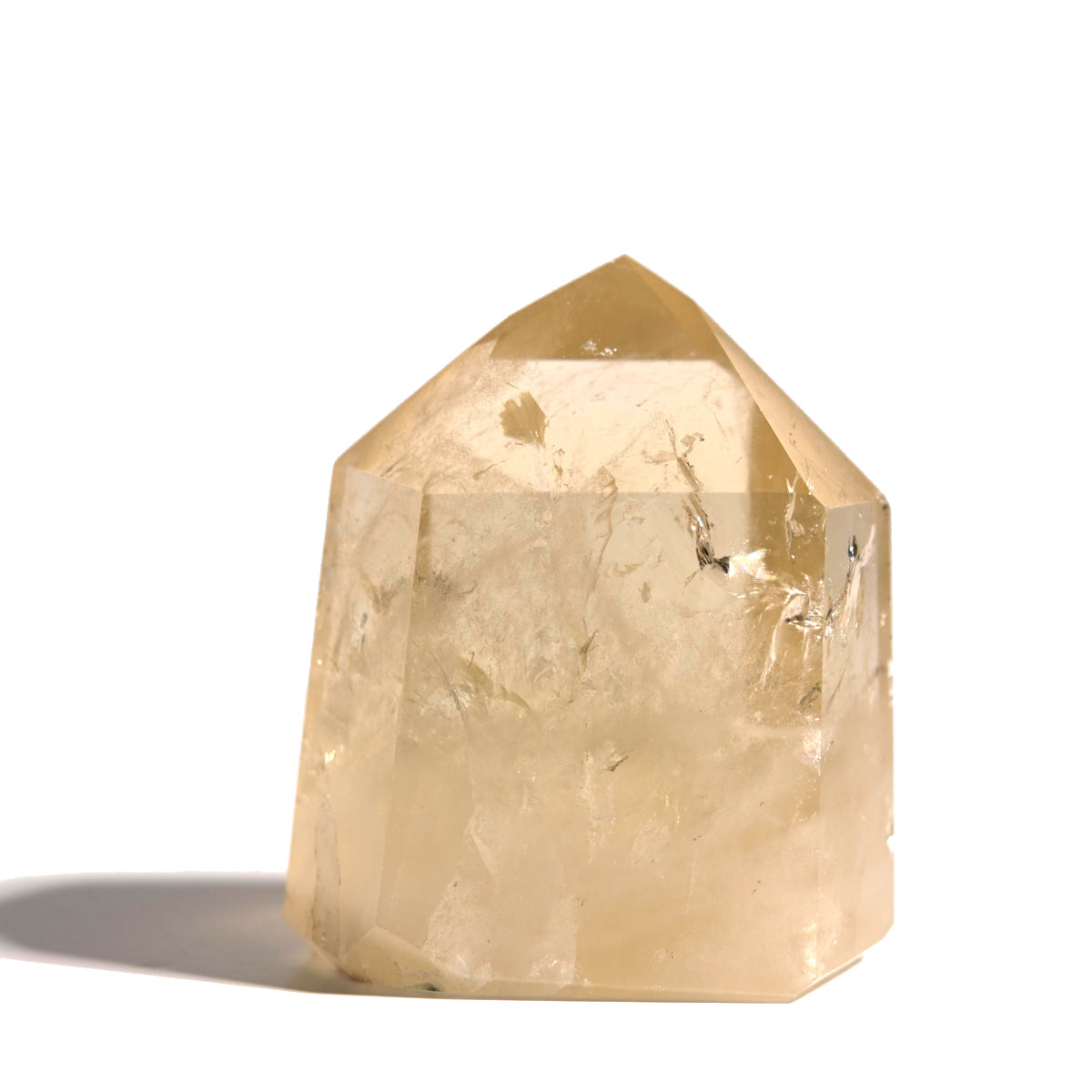
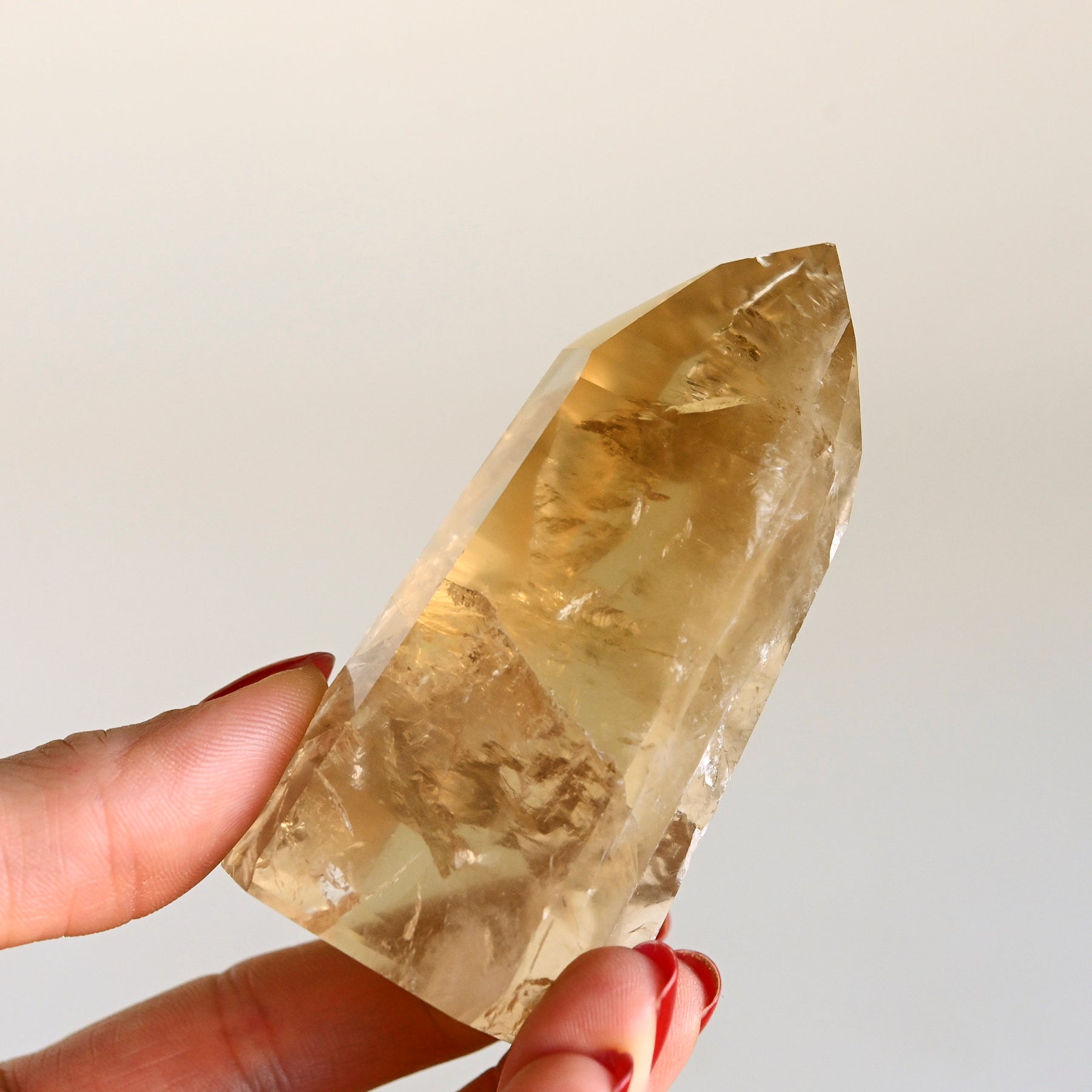
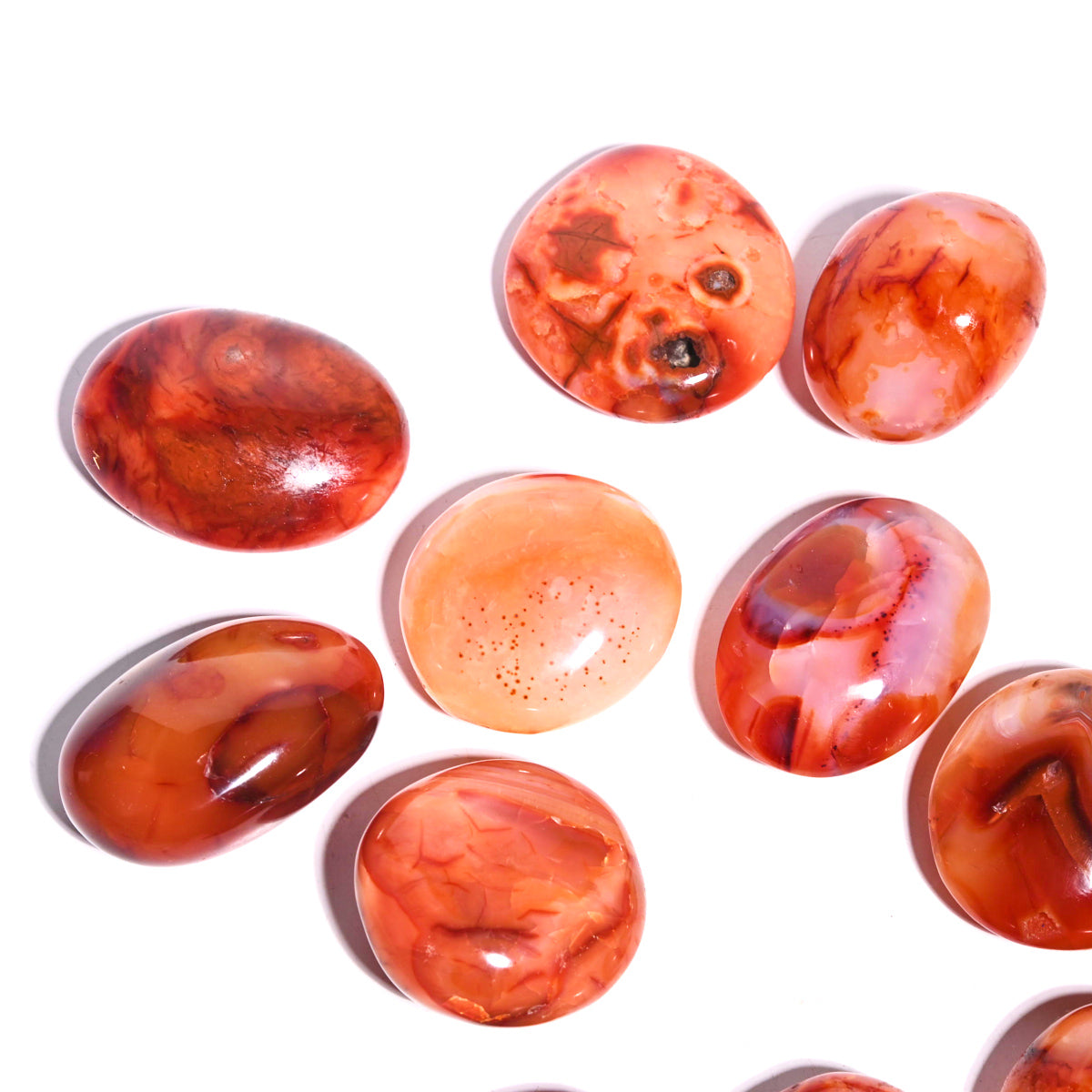
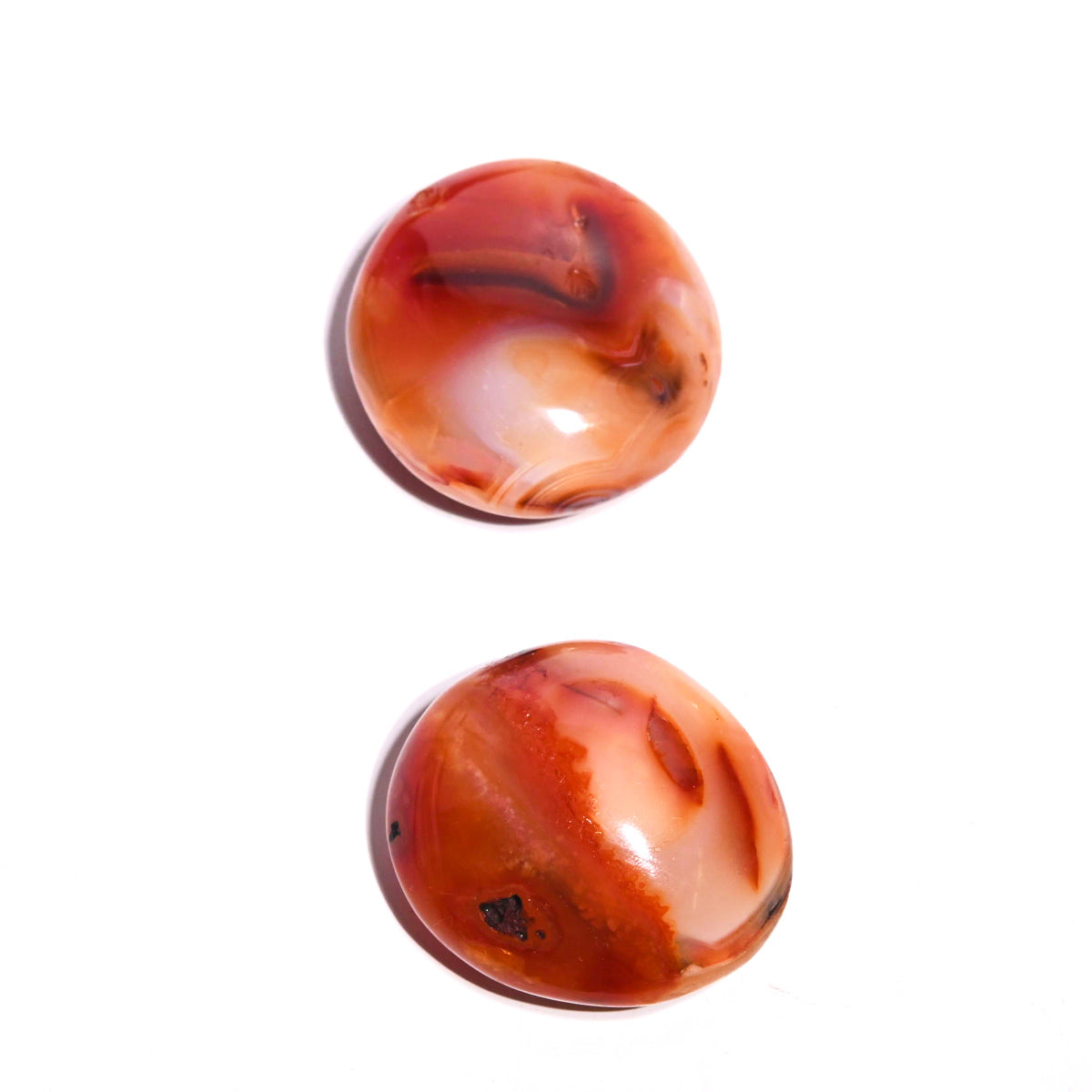
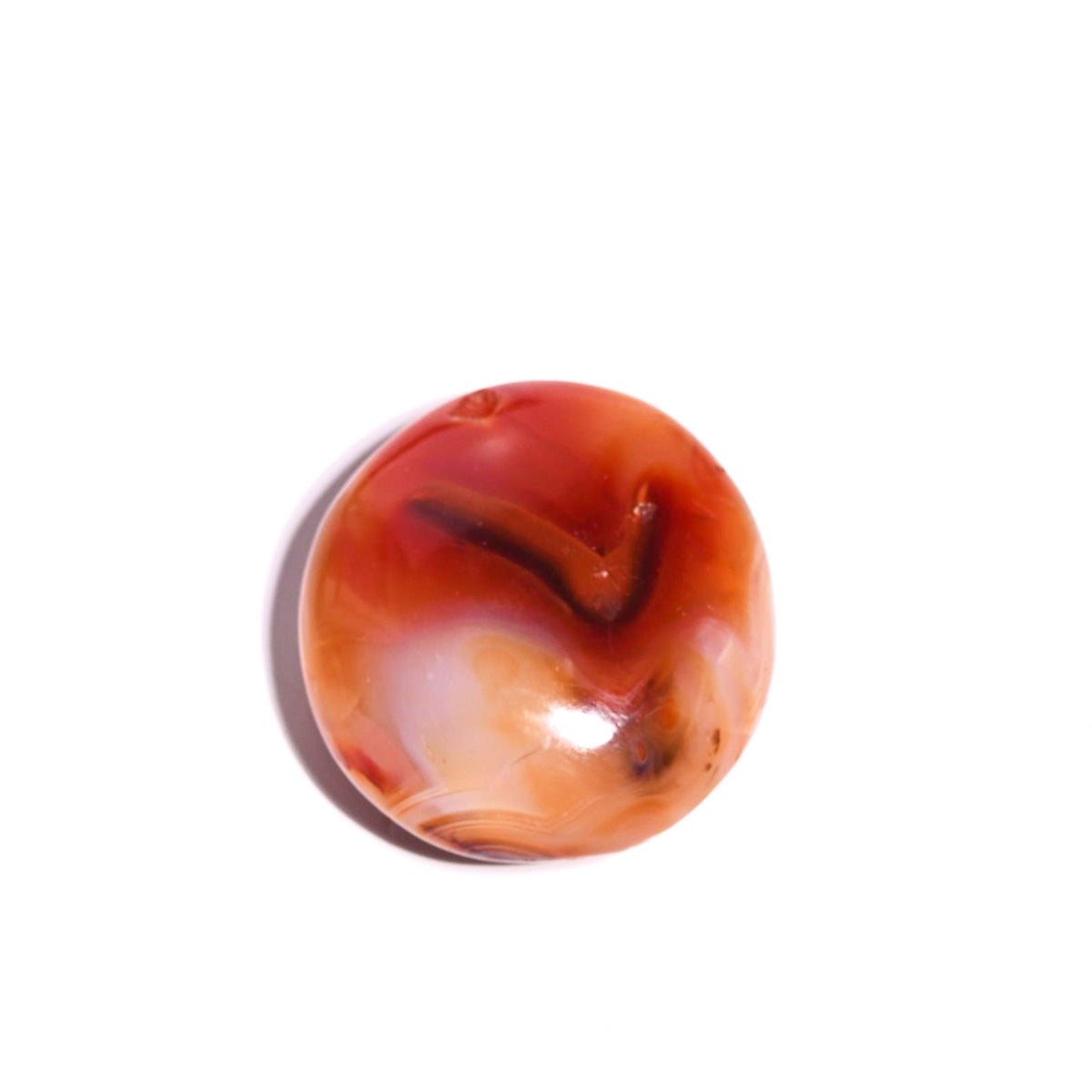
Orange is one of the warmest, most inviting colors in the mineral kingdom. The orange spectrum in crystals comes from several distinct chemical mechanisms: iron oxide (Fe₂O₃) produces the rich orange-red of carnelian, copper and hematite platelets create the aventurescent shimmer of sunstone, and manganese and iron together yield the soft peach-to-amber of orange calcite.
This collection spans dozens of mineral species, each with unique character. Carnelian — a translucent chalcedony variety traded since ancient Egypt — features a waxy polish and rich, saturated orange-red. Sunstone, a feldspar variety, contains tiny copper or hematite platelets that create a glittering optical effect called aventurescence. Orange Calcite forms in massive, waxy formations with a soft, creamsicle warmth. Stilbite, a zeolite mineral, produces delicate peach-to-salmon clusters prized by specimen collectors for their bowtie-shaped crystal habit. Tangerine Quartz is naturally coated quartz, its orange hue coming from a thin layer of iron oxide deposited on crystal surfaces.
Orange minerals make eye-catching display pieces that pair beautifully with darker stones like smoky quartz or black tourmaline for contrast. Browse related warm-toned minerals in our Citrine, Yellow Crystals, and Red Crystals collections. Free shipping on orders over $150.
Frequently Asked Questions
What are the most popular orange crystals?
The most collected orange crystals include carnelian (translucent orange-red chalcedony), sunstone (aventurescent feldspar), orange calcite (golden calcium carbonate), stilbite (peach zeolite clusters), and tangerine quartz (iron oxide-coated quartz). Spessartine garnet in orange is also prized among gem collectors.
What makes crystals orange?
Orange color in minerals comes from several chemical mechanisms. Iron oxide (hematite) inclusions produce the orange-red of carnelian and jasper. Copper or hematite platelets create sunstone's aventurescence. Manganese and iron together yield the softer tones of orange calcite. Iron oxide surface coatings produce the orange of tangerine quartz.
What is the difference between carnelian and orange calcite?
Carnelian is a chalcedony variety (microcrystalline quartz, SiO₂) rated 6.5–7 on the Mohs scale — hard, durable, and translucent with a waxy-to-glassy polish. Orange calcite is calcium carbonate (CaCO₃) rated just 3 on the Mohs scale — softer, more opaque, and typically found in larger, more affordable specimens. They look similar in color but are completely different minerals.
How durable are orange crystals?
Durability varies widely. Carnelian and sunstone (Mohs 6–7) are hard enough for jewelry and daily handling. Orange calcite (Mohs 3) scratches easily and is best for display. Stilbite (Mohs 3.5–4) is delicate and should be handled carefully. Tangerine quartz shares quartz hardness (Mohs 7) but its iron oxide coating can rub off with aggressive handling.
How should I display orange crystals?
Orange crystals bring warmth to any space. They pair naturally with cool-toned minerals like sodalite or celestite for contrast, and with neutral backgrounds in wood or white. Large orange calcite specimens make excellent statement pieces on desks and shelves. Carnelian and sunstone look stunning with backlighting that highlights their translucency.







Authenticity First






Let customers speak for us
Purchased a dozen Tourmaline, loved them. And, each was beautifully wrapped and intentional. It even came with a sweet note. I would definitely buy again.

Very happy with my stone, better than I expected. Beautiful color and good weight. Definitely would buy again. This is my new go to store for stones

Love the bracelet! I’ve been looking for a new jade bracelet for a while now and this one is perfect.

The crystal is a bright deep shade of light green just like the picture. Could not be happier.

Perfect for travel

I gave this bracelet to my spouse as a gift. She has worn it 24/7 since the first day of its arrival. She says it is lovely, and she likes the meaning of the stones. She describes the energy of the stones feeling “a nice, peaceful empowerment.” I thank you for offering such wonderful stones! Both items I have bought have exceeded my expectations.

Found exactly what I needed quickly and I appreciated that the price was reasonable.
I purchased this as a gift for a friend. I was with her when her former obsidian stone broke. It is beautiful and she loved it. The price was perfect.

I love this bracelet! I wear it everyday and feel strong and energized.
I like it so cute🥰🥰🥰

Very very pleased with the quality of the minerals. Packaging and service are excellent. You can see the care that goes into every order.
Fantastic! I really love the pyrite I got. It's got great shine and faceting. The crystals are a great size relative to the overall piece.

Beautiful, Great color and clarity. I was really pleased with it.

My shopping experience could not have been better. All I need now is more money to buy the beautiful items on her site.
This cluster has absolutely amazing positive energy. It arrived that way. And it is gorgeous. I had been searching for “the right” citrine crystal for over a year. This cluster has exceeded all expectations. Brittany has been fabulous too. All my experiences with crystals.com have been positive.

A Sanctuary of Natural Beauty
Every crystal here was discovered by hand, selected with intuition, and photographed in its true light.
One-of-a-Kind. Forever Pieces.
Let the Universe Decide


