Crystals.com
White Crystals
Authentic natural minerals, thoughtfully sourced and individually photographed.

White & Clear Crystals
White and colorless crystals owe their appearance to the absence of transition-metal impurities or structural defects that would otherwise absorb visible light. In minerals like quartz and selenite, a highly ordered crystal lattice allows light to pass through or scatter uniformly, producing everything from water-clear transparency to soft, milky luminosity. This collection brings together over 360 white, clear, and snow-toned specimens.
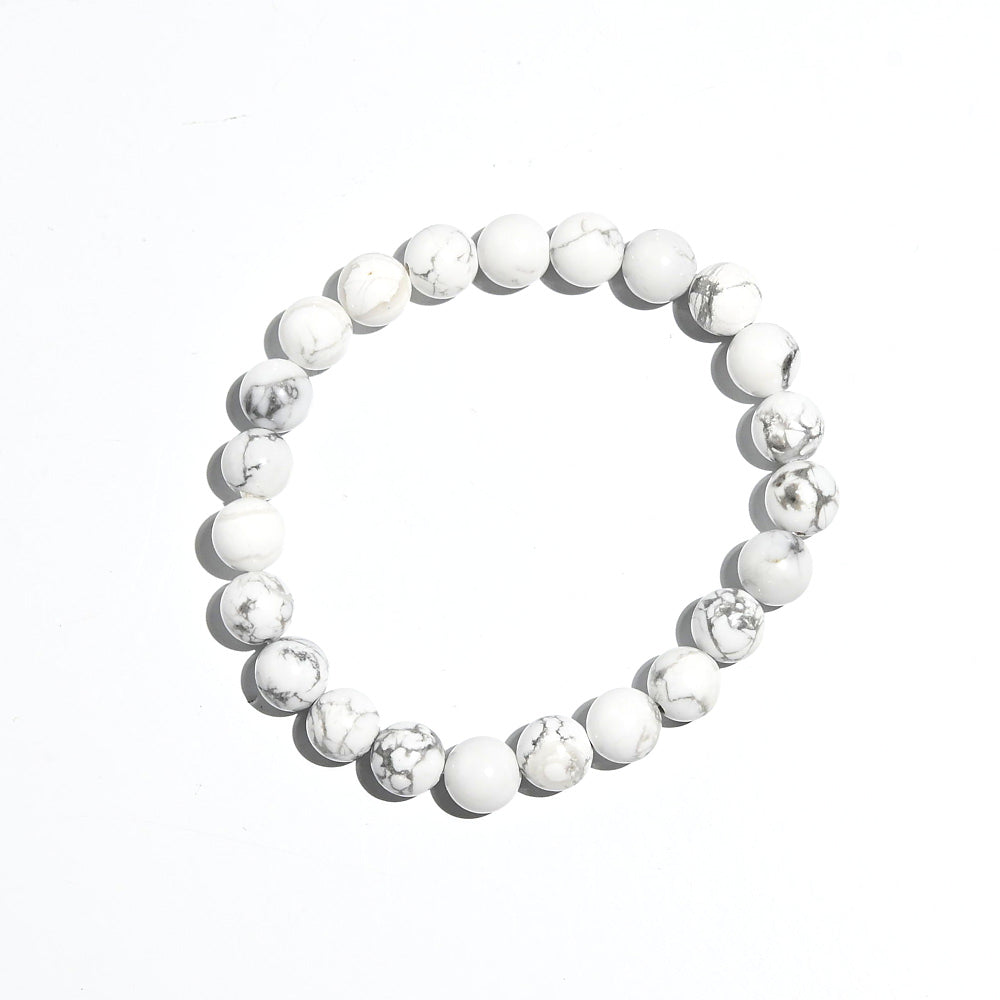
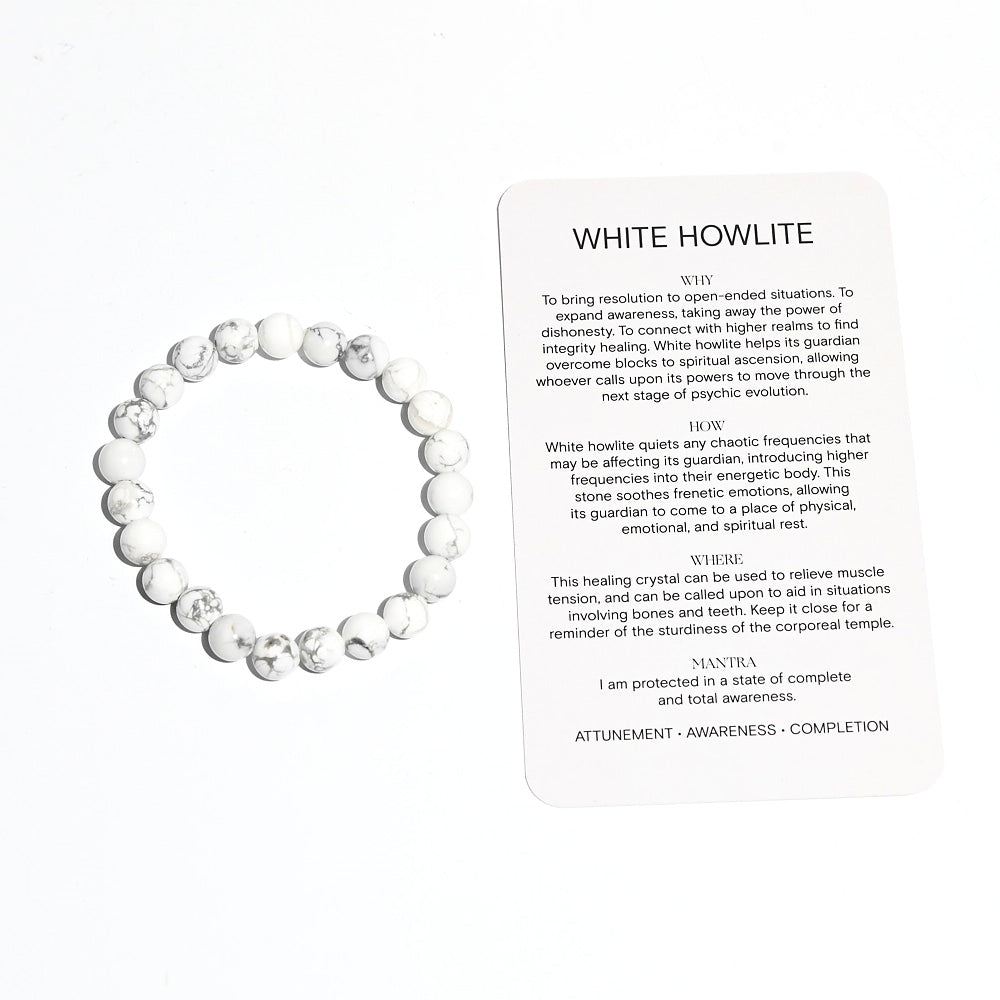
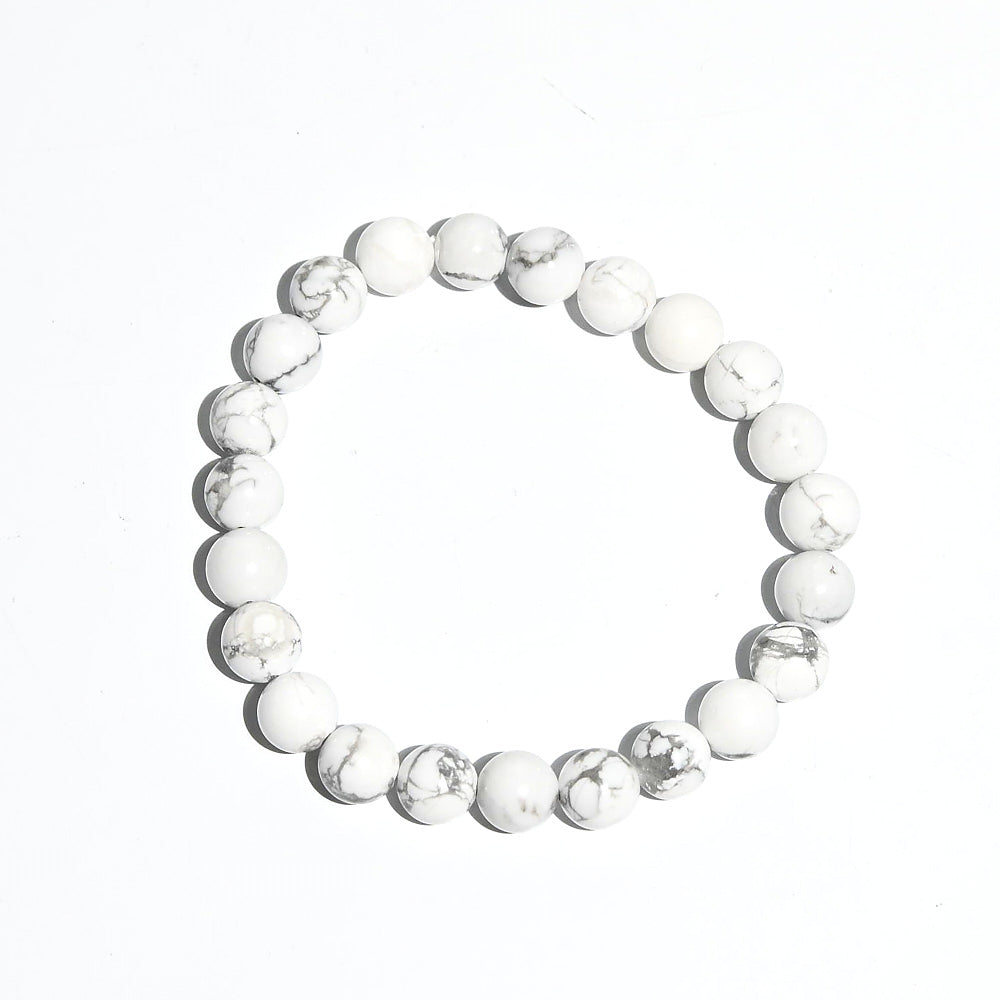
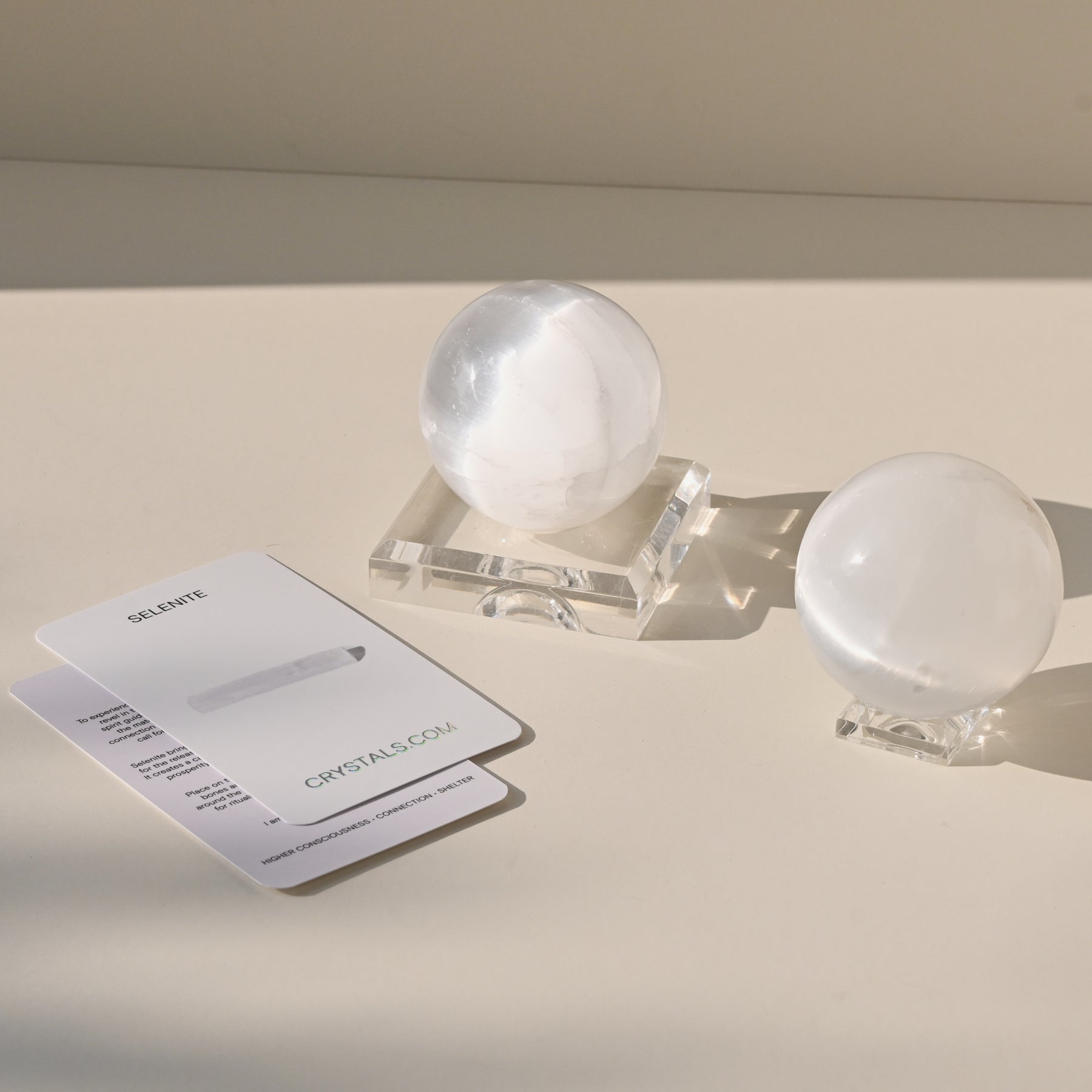
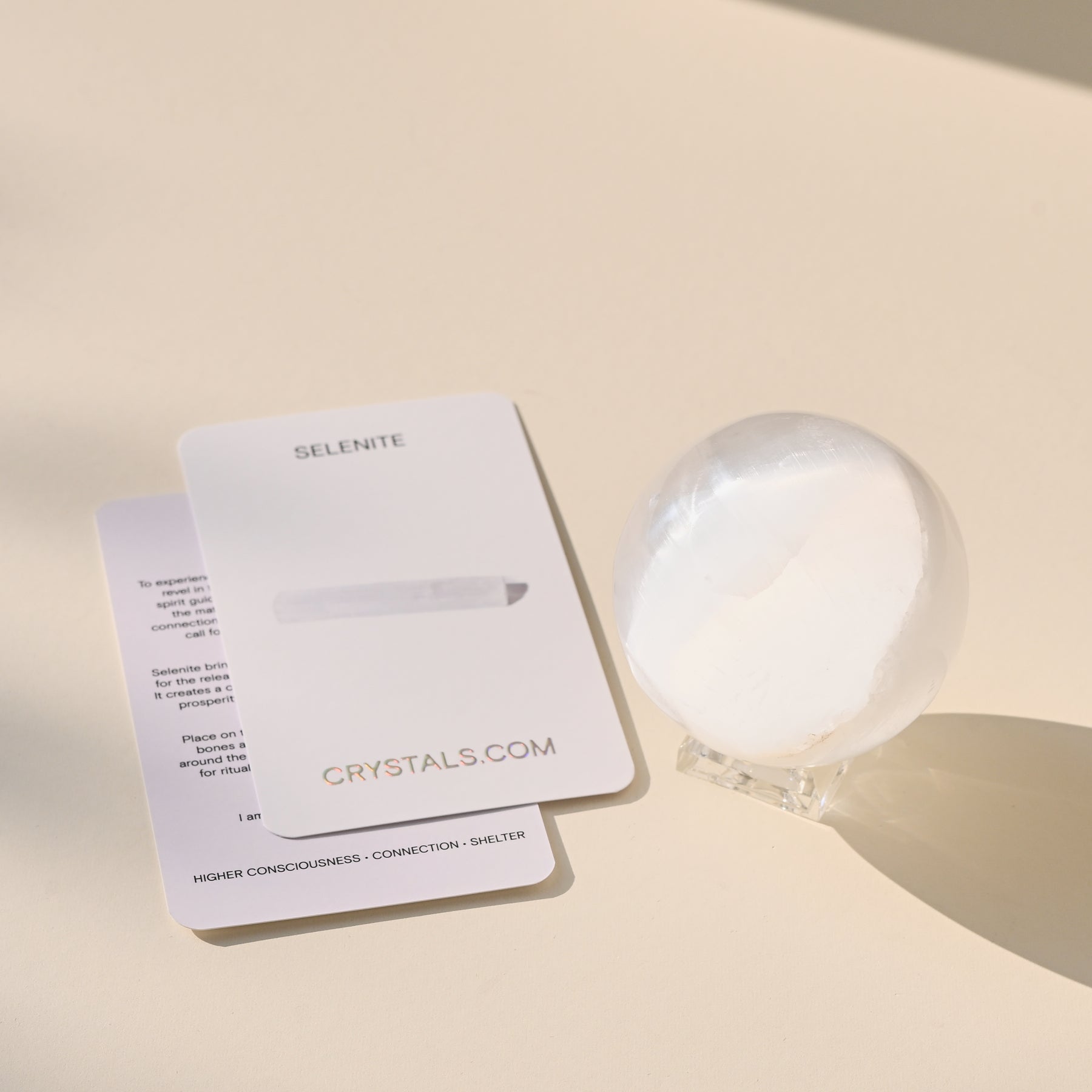
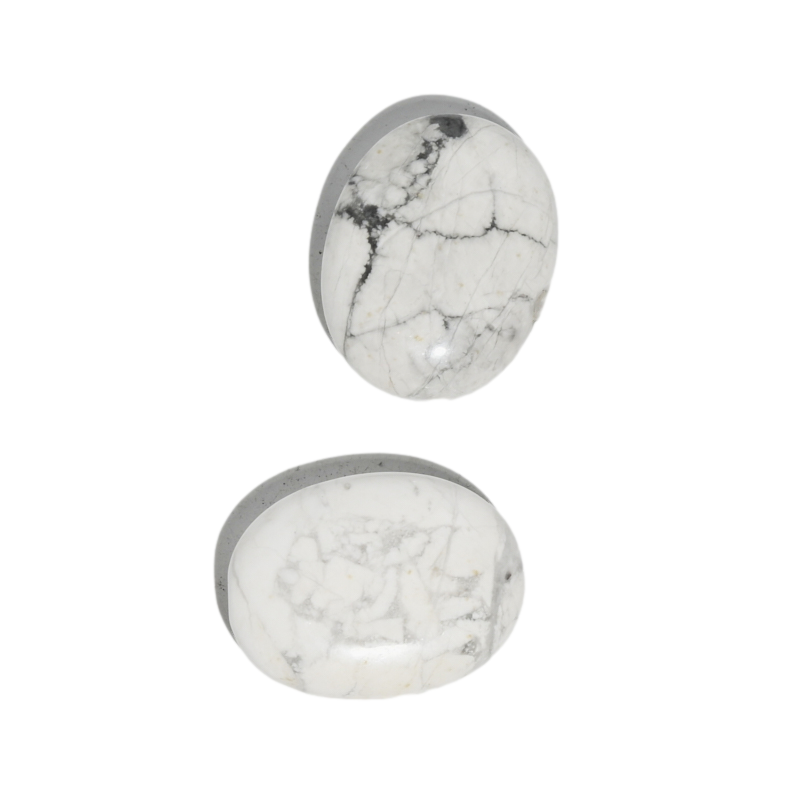
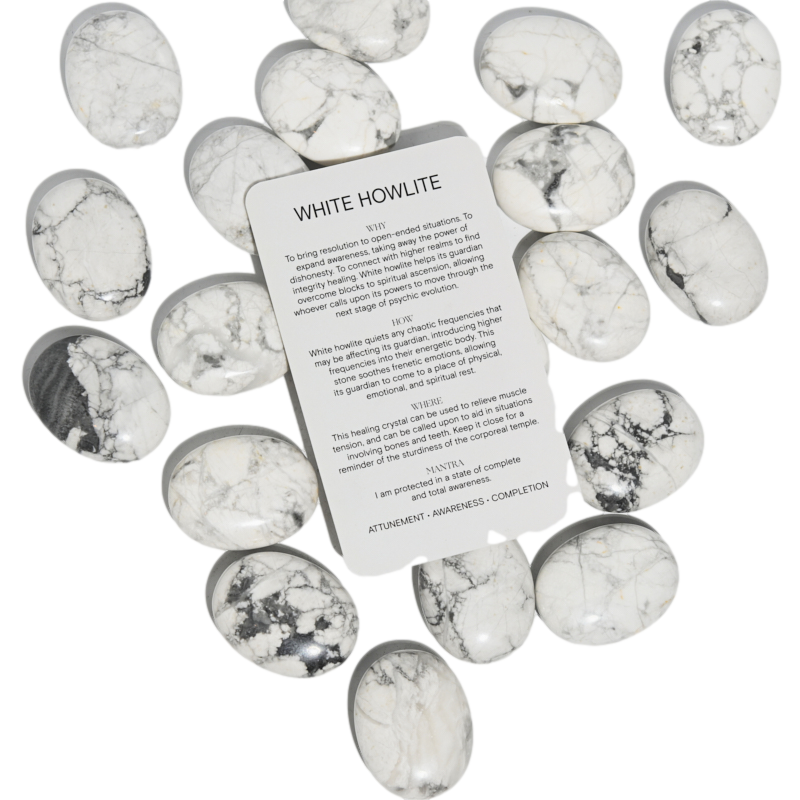
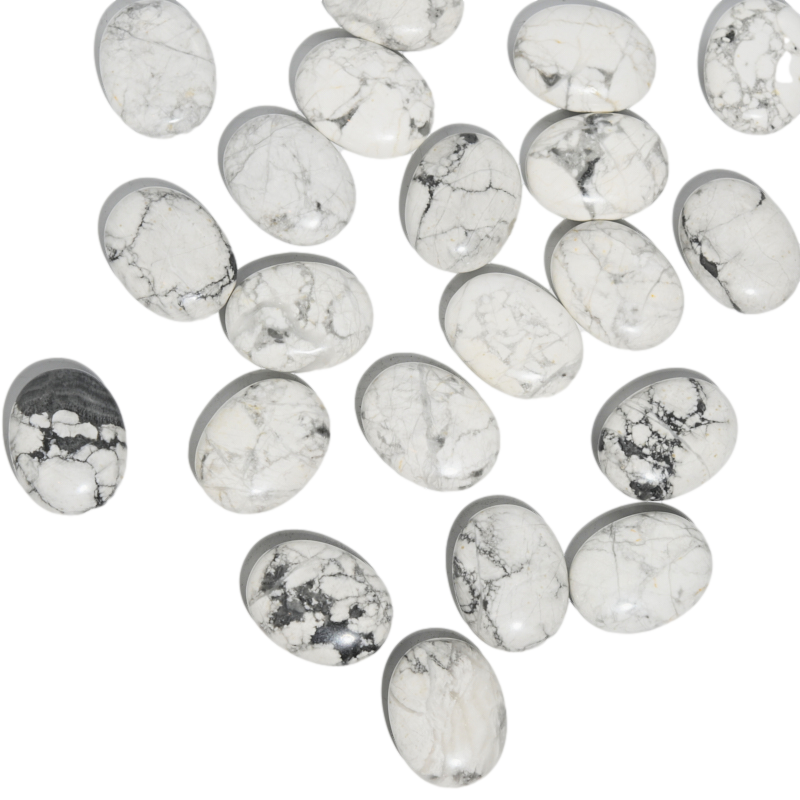
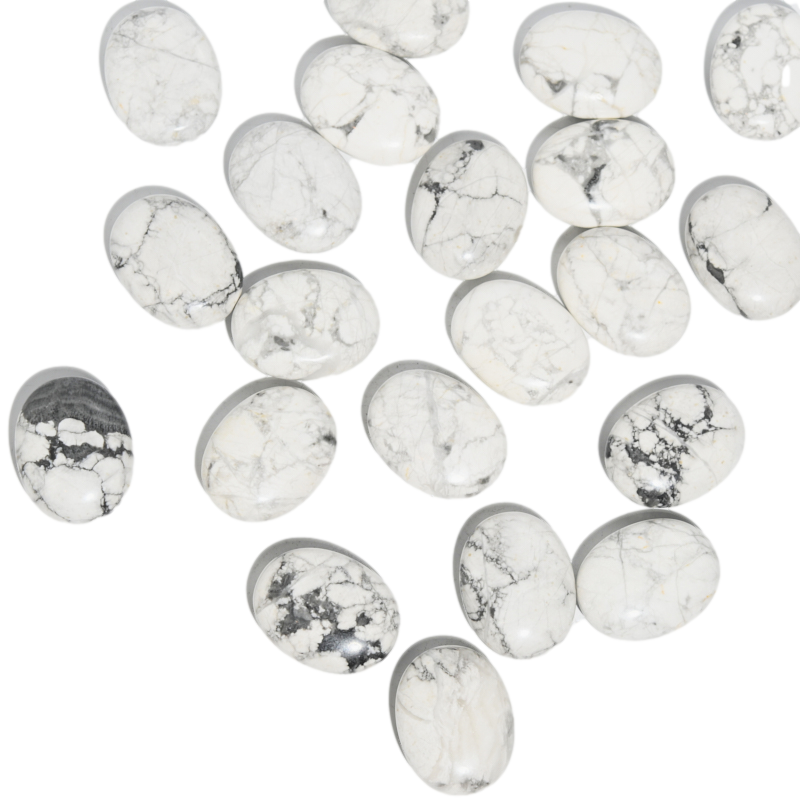
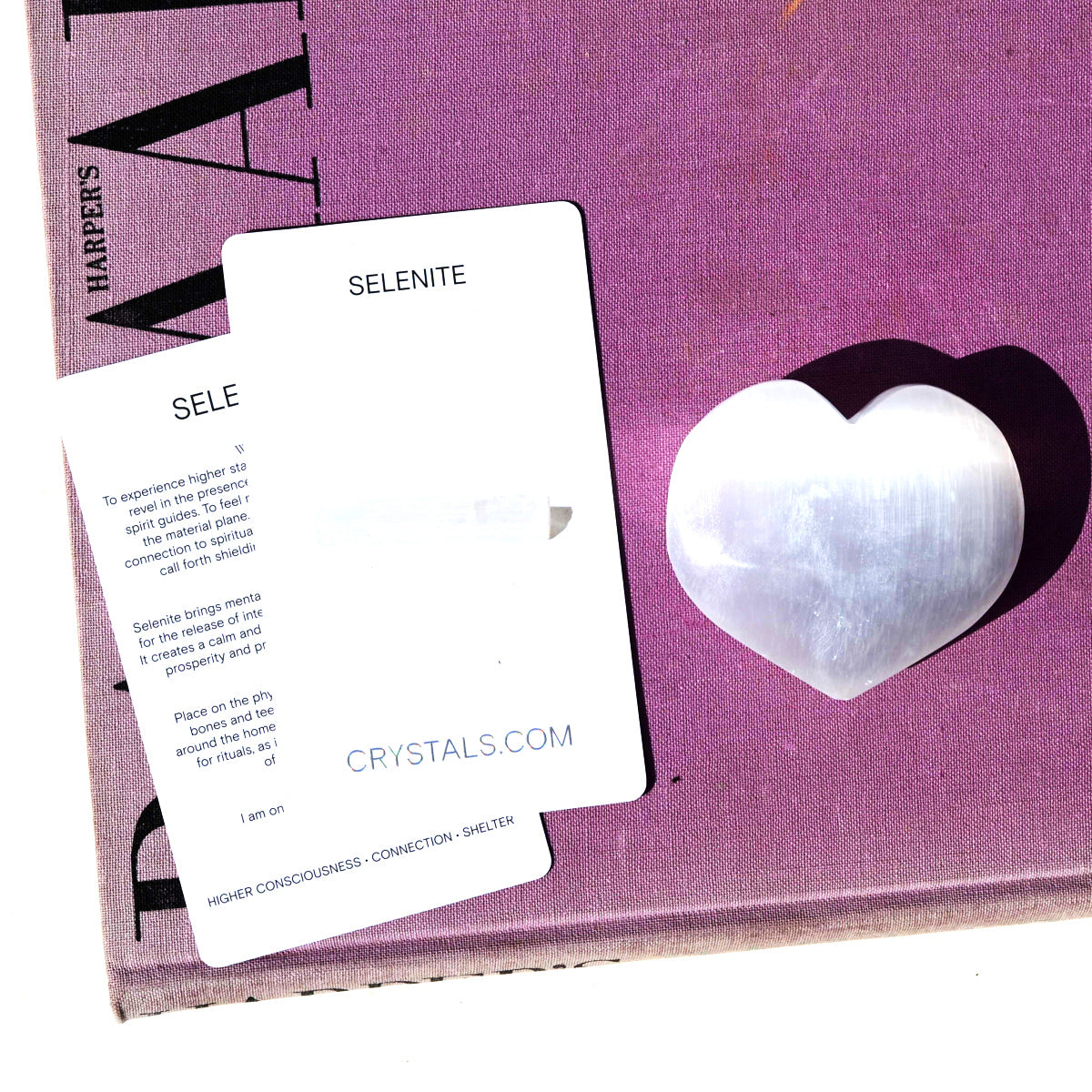
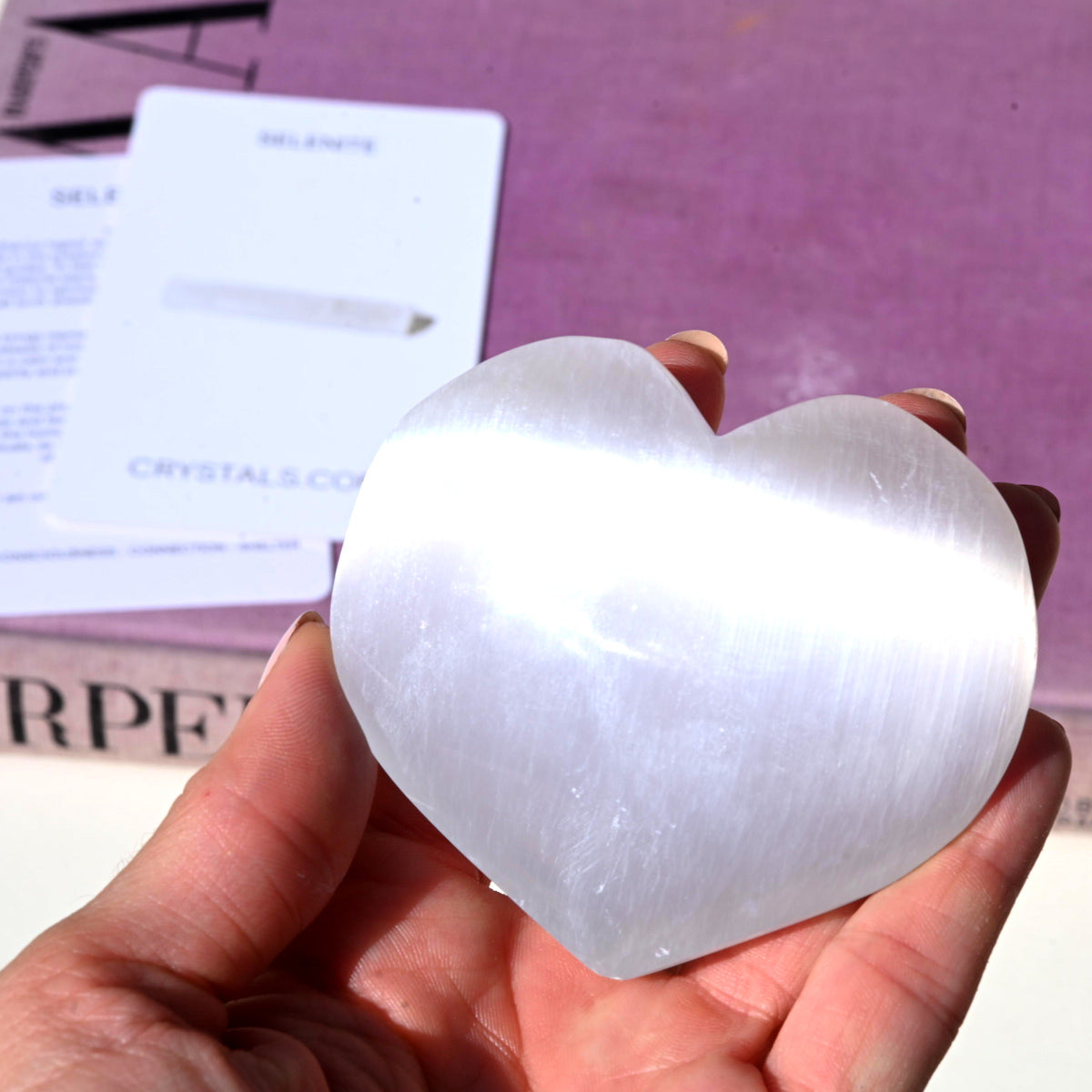
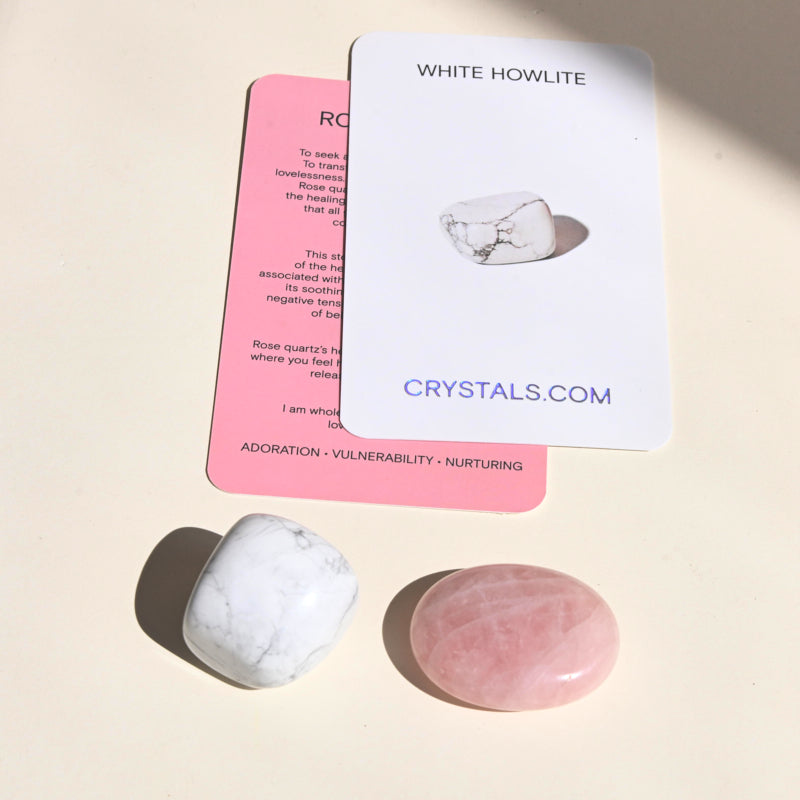
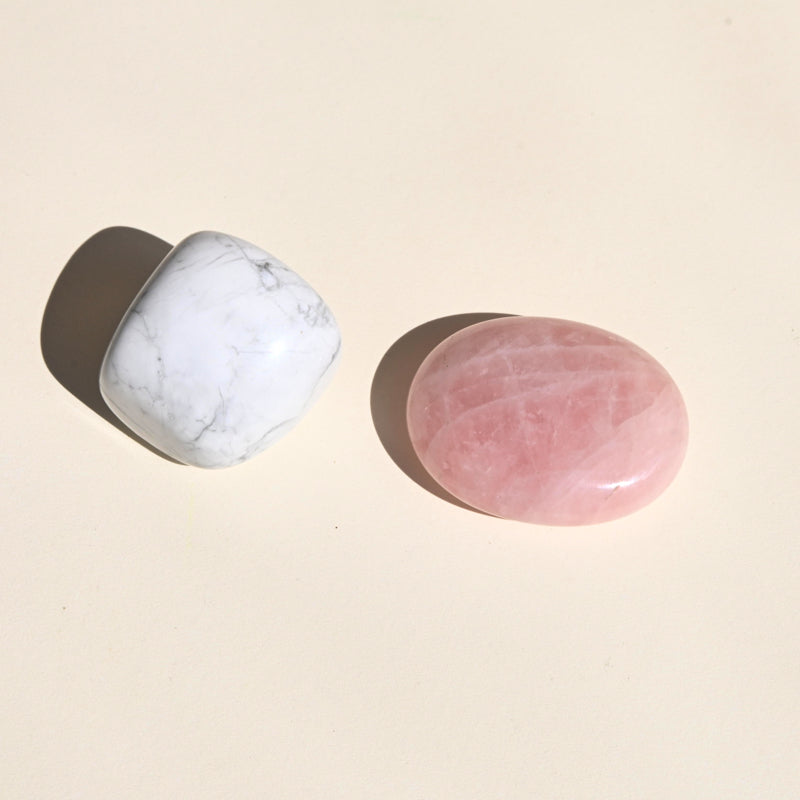
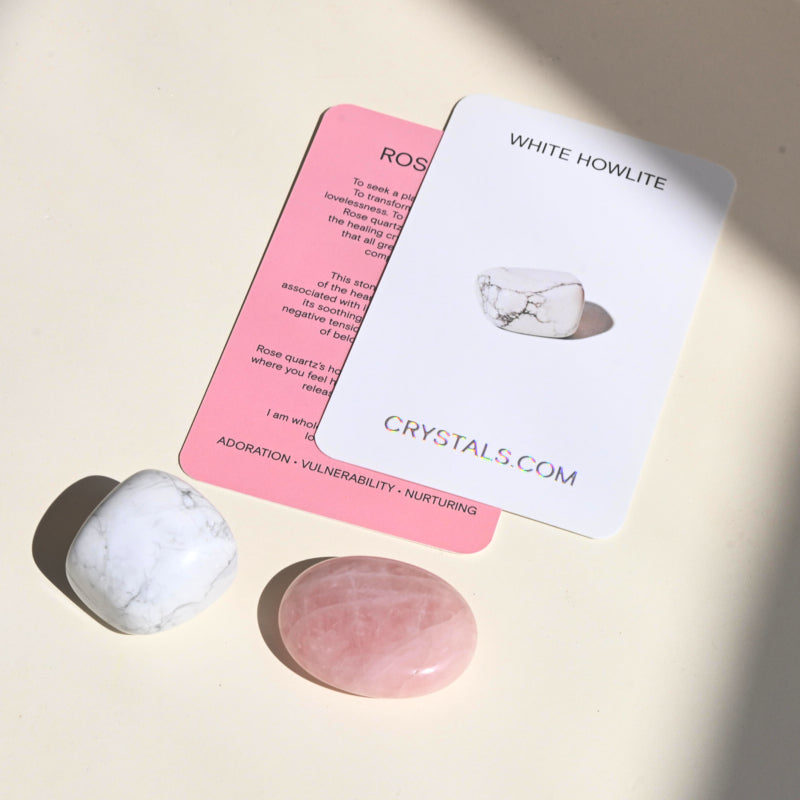
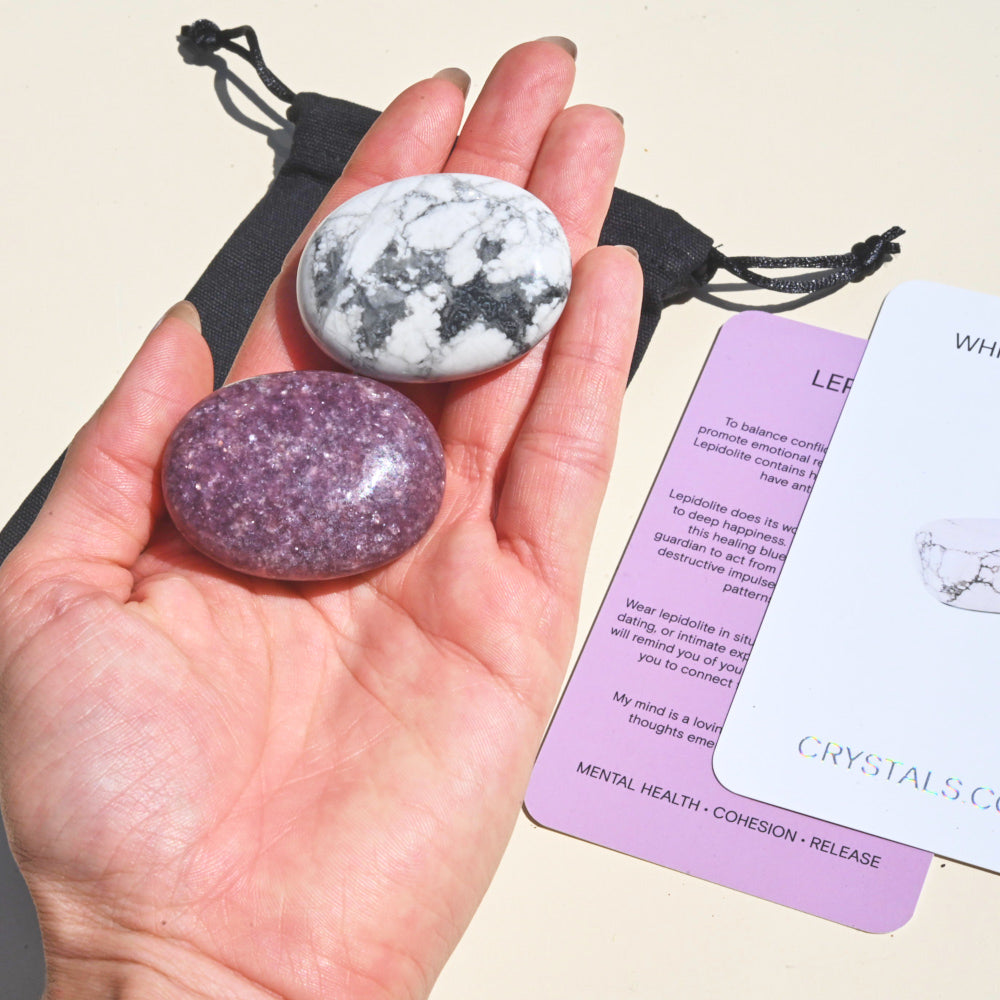
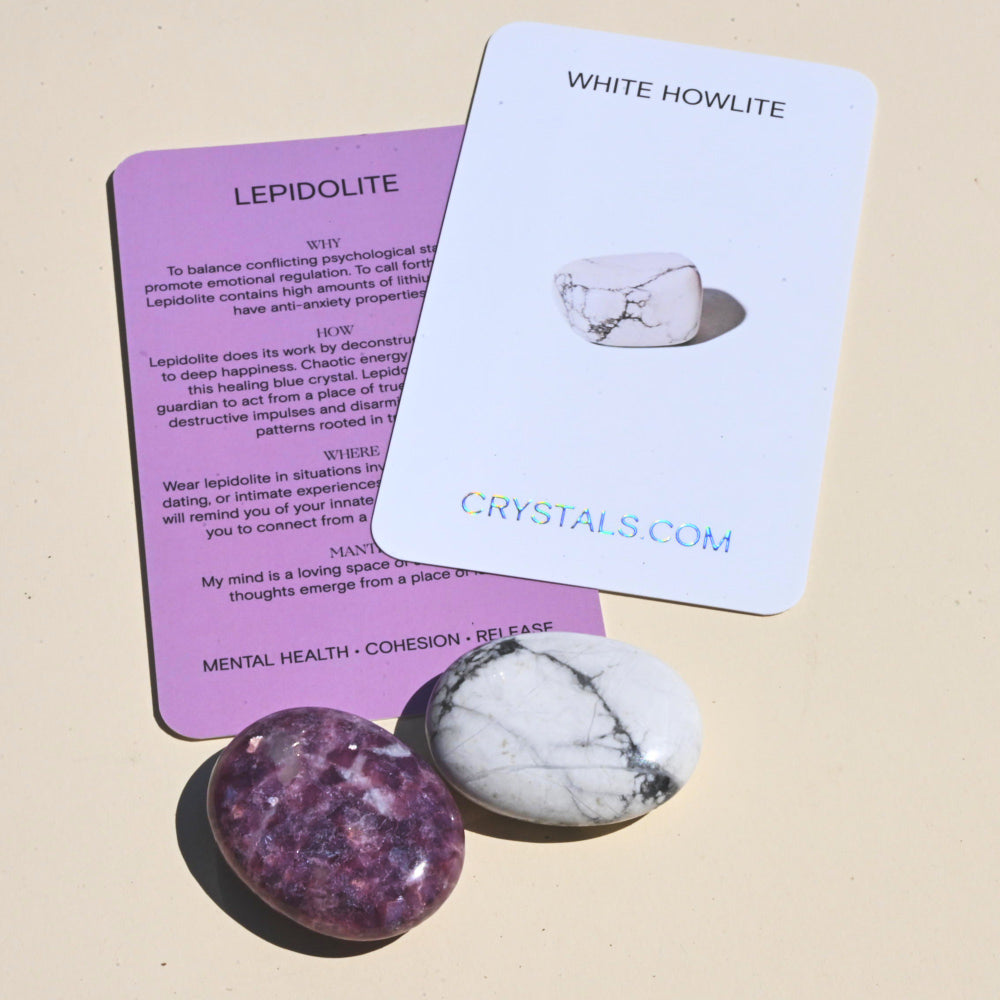
Explore standout minerals like Clear Quartz, pure silicon dioxide and one of the most abundant minerals on Earth, prized for its clarity, phantom inclusions, and diversity of crystal habits; Selenite, a transparent variety of gypsum named after the Greek moon goddess Selene, known for its pearly luster and perfect cleavage; Howlite, a calcium borosilicate with distinctive grey veining against a porcelain-white matrix; Milky Quartz, made opaque by microscopic fluid inclusions trapped during formation; and Scolecite, a zeolite mineral forming delicate sprays of needle-like crystals.
White and clear specimens are collector favorites for their versatility in displays — they complement every other color and add brightness and visual breathing room to shelves and cases. Browse related collections: Moonstone, Himalayan Quartz, and Crystal Towers. Free shipping on orders over $150.
Frequently Asked Questions
What are the most popular white crystals?
The most collected white and clear crystals include clear quartz (silicon dioxide with excellent transparency), selenite (gypsum with a moon-like glow), howlite (white with grey veining), moonstone (feldspar with adularescent shimmer), and milky quartz (translucent to opaque white quartz). Scolecite and apophyllite are popular among specimen collectors.
What is the difference between clear quartz and glass?
Clear quartz is crystalline silicon dioxide with a hardness of 7 on the Mohs scale. It scratches glass easily (glass is Mohs 5.5). Under magnification, natural clear quartz typically shows internal inclusions — veils, phantoms, or tiny fluid-filled cavities — that glass lacks. Quartz also feels cooler to the touch than glass because it conducts heat more efficiently.
How fragile is selenite?
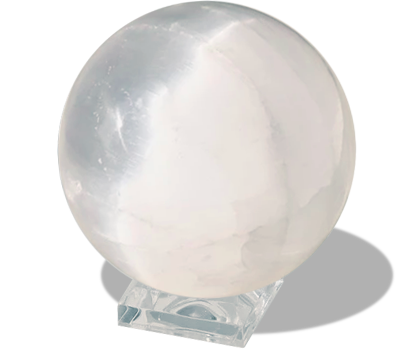
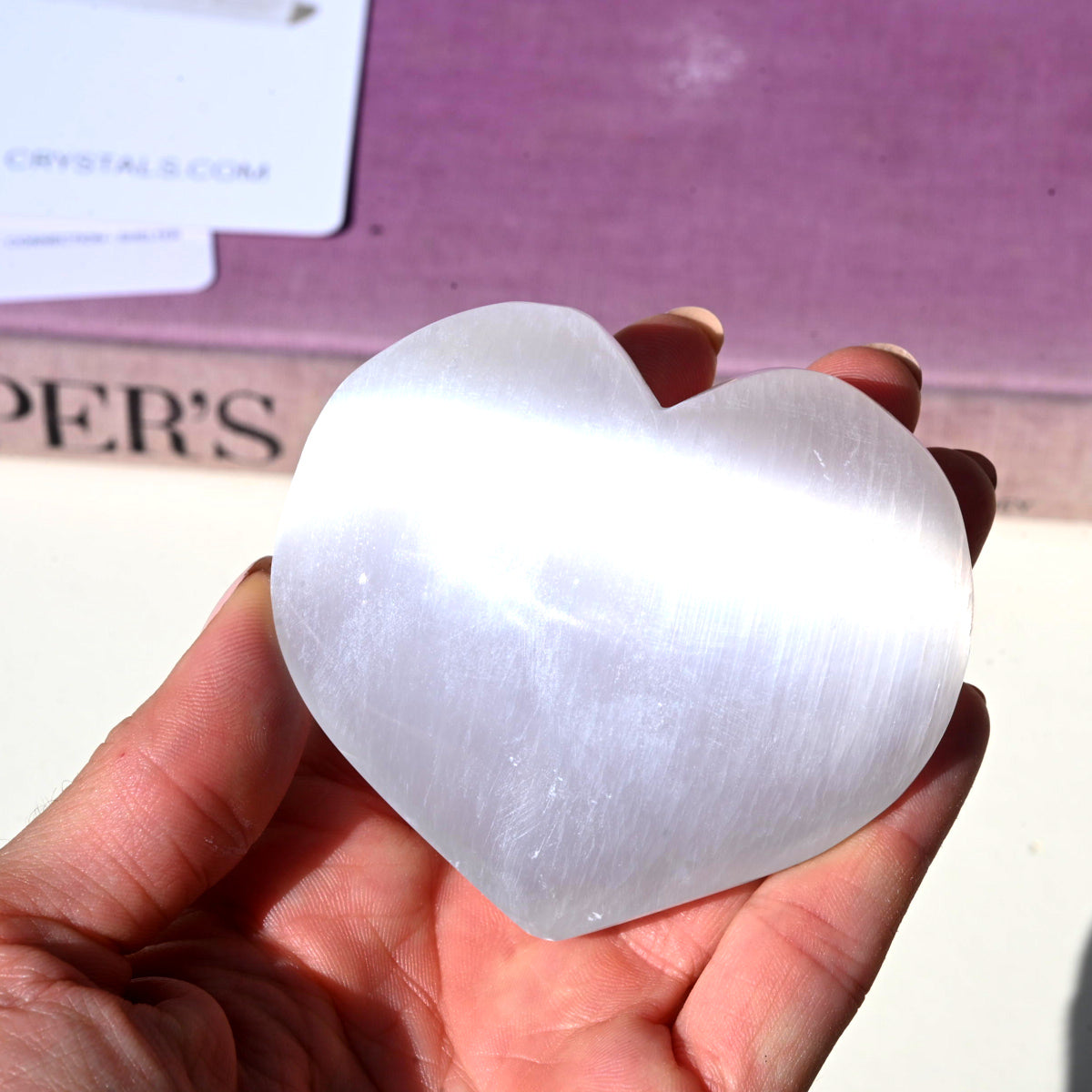
Selenite is quite soft at Mohs 2 — it can be scratched with a fingernail. It also has perfect cleavage in one direction, meaning it can split into thin sheets if dropped or struck. Additionally, selenite is water-soluble and should never be submerged or cleaned with water. Despite its fragility, its ethereal appearance makes it one of the most popular display minerals.
Why is some quartz white/milky instead of clear?
Milky quartz gets its white, opaque appearance from millions of microscopic fluid inclusions (tiny pockets of water and gas) trapped within the crystal during formation. These inclusions scatter light in all directions, creating the cloudy white appearance. The more inclusions, the more opaque the stone. Clear quartz formed under conditions that allowed fewer inclusions to be trapped.
What white crystals are best for home decor?
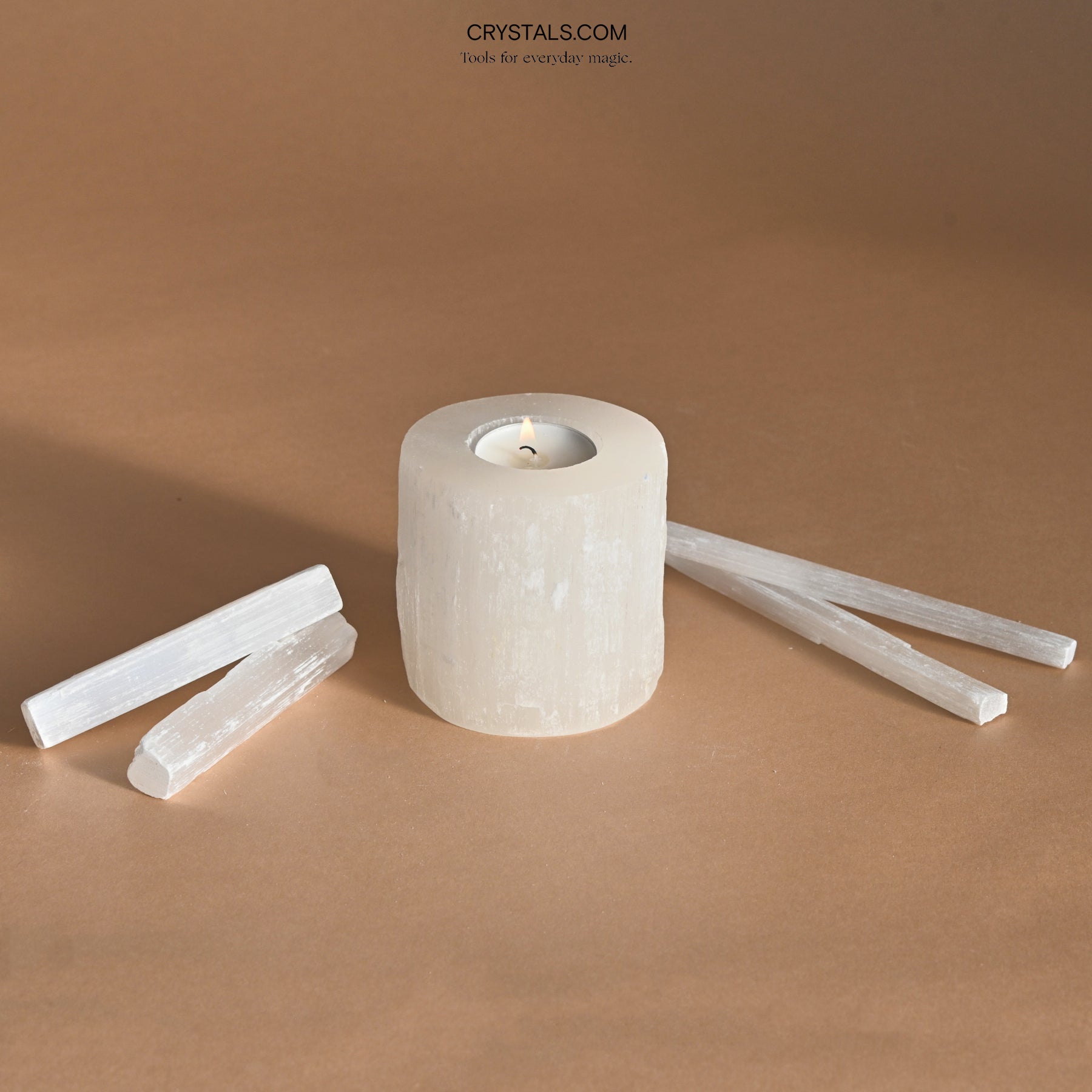
Selenite towers and lamps create a soft ambient glow that works in any room. Large clear quartz clusters refract light and add sparkle to shelves and mantels. Howlite in polished forms adds a sophisticated, marble-like accent. White and clear minerals are the most versatile display stones because they complement every color palette and style.






Authenticity First


















Let customers speak for us
This was a great product! Authentic, and smooth and has a nice energy about it! I bought two more!

great item

I’m in love with the malachite! Just beautiful. I purchased the tigers eye for my friend who is going through some health issues.

Love my crystals.. everything is always great. Obsessed with my new amethyst
This a beautiful piece of Pyrite.

Very lovely. I am very happy with it.

Love it

Very pretty crystals very solid piece nice display

My faborite, the bix is beautiful

Smells so good

this - 🤩✨✨ BLEW my mind. absolutely stunning!!! the feel and the color is just everything i feel so boujee when i wear it 🧑🩰🦋 definitely has been a daily “must wear” bracelet of mine. the quality is insane!! the best quality ive seen/felt on a crystal bracelet i was beyond happy i was able to snag this when i did 🥰 truly a DREAM and the photos dont do it justice!

this is my 2nd malachite tumble in my collection and the energy😌🩷 and the fact it’s so high quality 💁♀️ i expected a teeny tiny tumble but the size is so perfect and what it should be (it matches the price point unlike most crystal shops)

when i received this piece i instantly compared to my other 2 that i have in my collection and my oh my!!! such high quality 🤩🥰

Love my purchases!!! Gorgeous Crystal's💜

They are so beautiful 😍

A Sanctuary of Natural Beauty
Every crystal here was discovered by hand, selected with intuition, and photographed in its true light.
One-of-a-Kind. Forever Pieces.
Let the Universe Decide


