Black obsidian is volcanic glass — formed when lava cools so rapidly that crystals cannot form. It is not technically a mineral but an amorphous solid, and it produces some of the sharpest edges found in nature. Ancient civilizations used it for weapons, mirrors, and ritual objects. Today it is one of the most sought-after crystals for protection and grounding work.
Composition
Volcanic Glass (SiO₂)
Hardness
5–5.5 (Mohs)
Structure
Amorphous (no crystal)
Color
Black, with rainbow/gold/silver sheen varieties
Sources
Mexico, USA, Japan, Iceland, Italy
Zodiac
Sagittarius, Scorpio
What Is Black Obsidian?
Obsidian forms when felsic lava from a volcano cools rapidly at the surface, preventing atoms from organizing into a crystal structure. The result is natural glass — smooth, reflective, and capable of fracturing into edges thinner than surgical steel. Obsidian scalpels are used in modern eye surgery because they produce cleaner incisions than metal blades.
The most common variety is solid black, but obsidian also occurs as rainbow obsidian (with iridescent bands), snowflake obsidian (with white cristobalite inclusions), mahogany obsidian (with iron oxide streaks), and gold or silver sheen varieties.

History and Cultural Significance
Obsidian has been used by humans for over 700,000 years — among the oldest materials shaped into tools. The Aztecs carved obsidian into tezcatl (mirrors) used for divination and self-reflection, and the stone’s association with truth-revealing persists in modern crystal practice.
In Mesoamerica, obsidian was more valuable than gold for its utility. Entire trade networks were built around obsidian sources. The ancient Greeks associated it with the underworld, and in many cultures, mirrors of polished obsidian were used for scrying.
Properties and Associations
Black obsidian is associated with the Root Chakra and is considered one of the strongest protection stones. It is often described as a psychic shield — absorbing negative energy rather than deflecting it. In practice, many people use obsidian for grounding, shadow work, and honest self-examination.
Its reflective surface is metaphorically linked to its purpose: obsidian shows you what you need to see, not necessarily what you want to see. It is a stone of truth and accountability.
How to Use Black Obsidian
- Carry a palm stone in your pocket for daily grounding and protection
- Place near your front door to create an energetic boundary at the threshold of your home
- Meditate with it when doing shadow work or journaling about difficult emotions
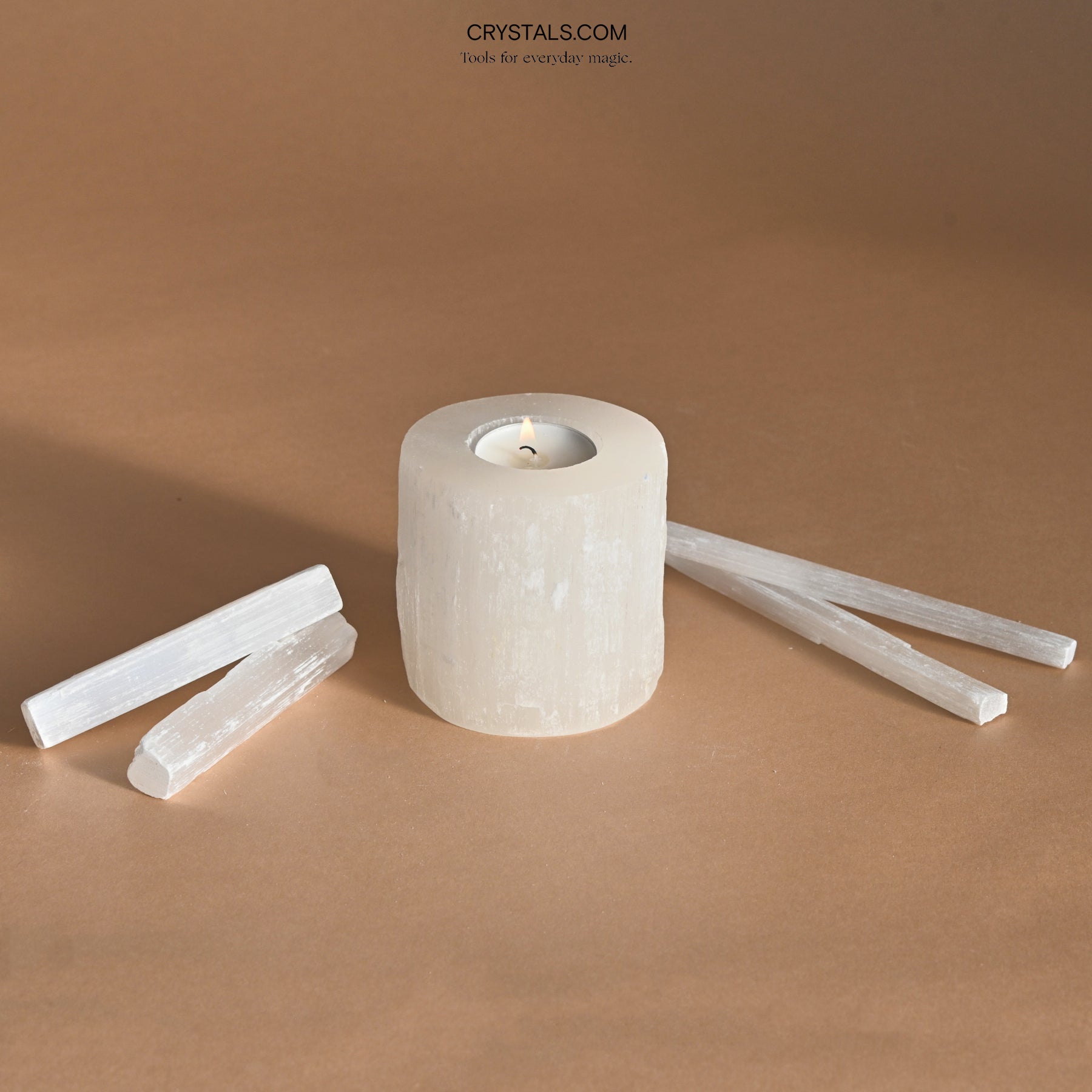
- Pair with selenite — obsidian absorbs, selenite cleanses. They balance each other
- Use during protection rituals or Full Moon release ceremonies

Cleansing and Care
Black obsidian is water-safe for brief rinsing. It can also be cleansed with smoke, sound, or moonlight. Avoid sudden temperature changes — as a glass, obsidian is susceptible to thermal shock and can crack if moved from cold to hot environments quickly.
Because obsidian is believed to absorb negative energy rather than transmute it, regular cleansing is recommended — more frequently than most crystals.
Related Guides
- Amethyst: Meaning and Properties
- Best Crystals for Protection
- Selenite: Meaning and Properties
- Healing Crystals: Complete Guide
- Shop Black Crystals
Explore More Crystal Guides
View all guides in The Crystal Archive →
Shop Protection Crystals
Hand-selected for grounding and energetic shielding. Free shipping over $150.
Browse Protection Crystals · Crystal QuizFrequently Asked Questions
What is black obsidian used for?
Black obsidian is used for protection, grounding, and shadow work. Its reflective quality is associated with truth and honest self-examination.
Can obsidian go in water?
Yes, brief water cleansing is fine. Avoid prolonged soaking and sudden temperature changes.
Is obsidian a crystal?
Technically no. Obsidian is volcanic glass — an amorphous solid without crystal structure. It forms when lava cools too rapidly for crystals to develop.
What chakra is black obsidian?
Black obsidian is associated with the Root Chakra.
How do you cleanse black obsidian?
Smoke (sage or palo santo), moonlight, sound, or brief water rinsing. Cleanse regularly as obsidian absorbs rather than transmutes energy.