Amethyst is the world's most recognized crystal — a purple variety of quartz that has been prized for millennia. From ancient Greek drinking vessels carved to prevent intoxication to the crown jewels of European monarchs, amethyst carries a history as rich as its color. Today it remains the entry point for most crystal collectors and one of the most versatile stones in any practice.
Mineral
Quartz (SiO₂)
Hardness
7 (Mohs)
Crystal System
Hexagonal (Trigonal)
Color
Pale lilac to deep violet
Sources
Brazil, Uruguay, Zambia, USA
Birthstone
February
What Is Amethyst?
Amethyst is a macrocrystalline variety of quartz. Its purple color comes from iron impurities within the crystal lattice, combined with natural irradiation in the earth. The depth of color varies from nearly transparent lavender to saturated royal purple, depending on the concentration of iron and the geological conditions during formation.
Amethyst forms primarily in volcanic geodes — hollow cavities in basaltic lava flows that fill with silica-rich fluids over millions of years. The world's largest amethyst geodes, some weighing several tons, come from southern Brazil and Uruguay. Smaller but intensely colored specimens are sourced from Zambia, South Korea, and the Four Peaks mine in Arizona.

History and Cultural Significance
The name amethyst comes from the Greek amethystos, meaning "not intoxicated." Ancient Greeks and Romans carved drinking vessels from amethyst believing it would prevent drunkenness — a belief so widespread that the stone became synonymous with sobriety and clear-headedness.
Before large deposits were discovered in Brazil in the 18th century, amethyst was classified among the most precious gemstones, alongside diamonds, rubies, and emeralds. It adorned the rings of Catholic bishops (symbolizing purity), the crowns of British royalty, and the jewelry of Egyptian pharaohs. The discovery of abundant Brazilian sources made amethyst accessible to everyone — but its cultural significance remains.
Varieties of Amethyst
- Chevron Amethyst — banded purple and white quartz, formed in V-shaped layers
- Pink Amethyst — a softer, rose-toned variety found primarily in Patagonia, Argentina
- Brandberg Amethyst — from the Brandberg Mountain in Namibia, often containing smoky quartz and clear quartz inclusions
- Ametrine — a natural combination of amethyst and citrine in a single crystal, found almost exclusively in Bolivia
- Vera Cruz Amethyst — pale, prismatic crystals from Veracruz, Mexico, known for exceptional clarity

Properties and Associations
Amethyst is associated with the Crown Chakra and Third Eye Chakra in many traditions. It is the birthstone for February and is connected to the zodiac signs Pisces and Aquarius.
Throughout history, amethyst has been linked to clarity of mind, calm, and spiritual awareness. It is one of the most commonly recommended crystals for meditation, placed on the forehead or held in the hands to quiet mental chatter. Its association with sobriety extends beyond alcohol — many use it as a stone of mental discipline and emotional balance.
How to Use Amethyst
- Wear it. An amethyst bracelet keeps its calming energy close throughout the day.
- Place it in your bedroom. Amethyst on a nightstand supports restful sleep and vivid dreams. See our sleep crystals guide.
- Meditate with it. Hold a cluster or palm stone during meditation to deepen focus.
- Create a crystal grid. Pair amethyst with clear quartz to amplify its energy.
- Display large geodes. A statement amethyst geode becomes both decor and energetic anchor.
Cleansing and Care
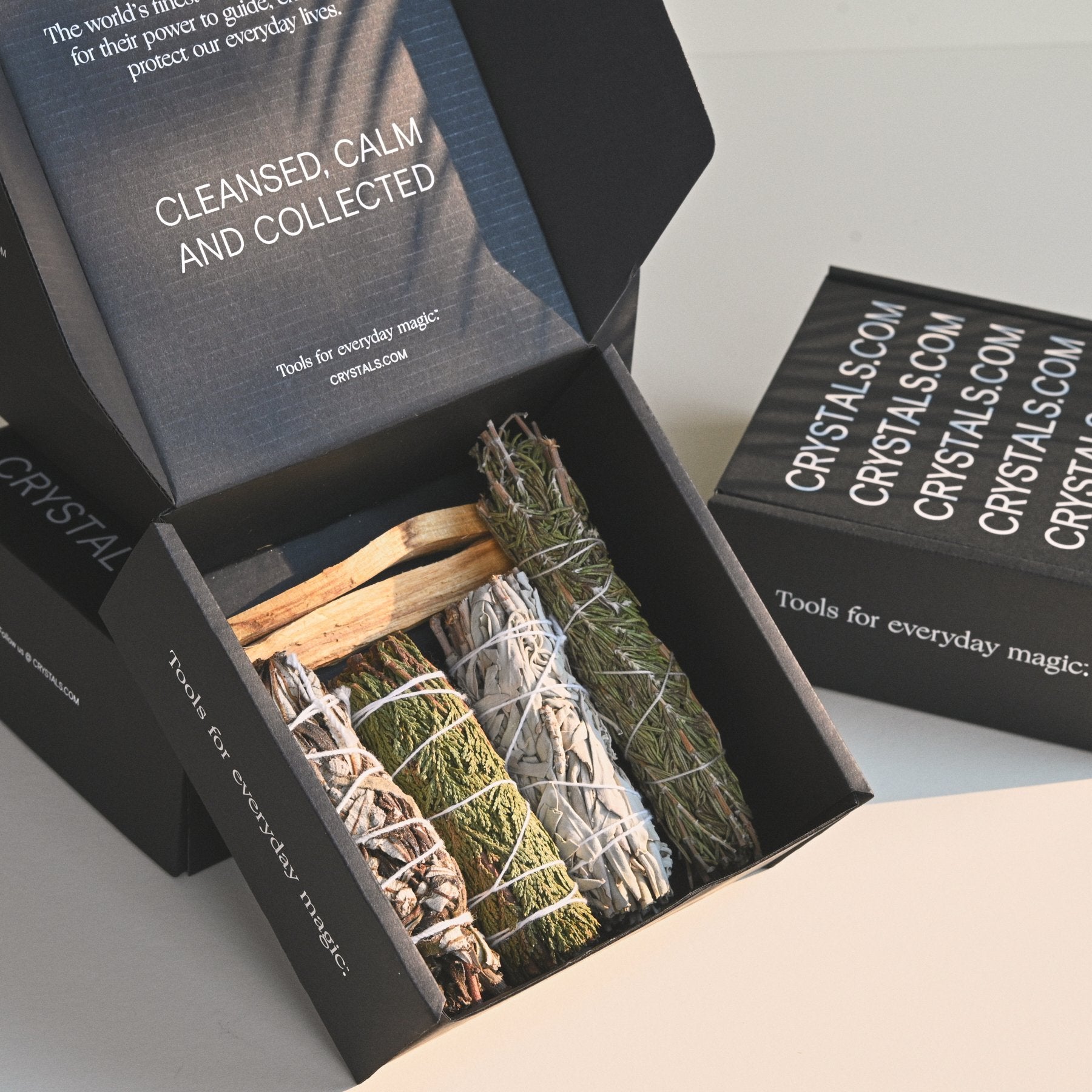
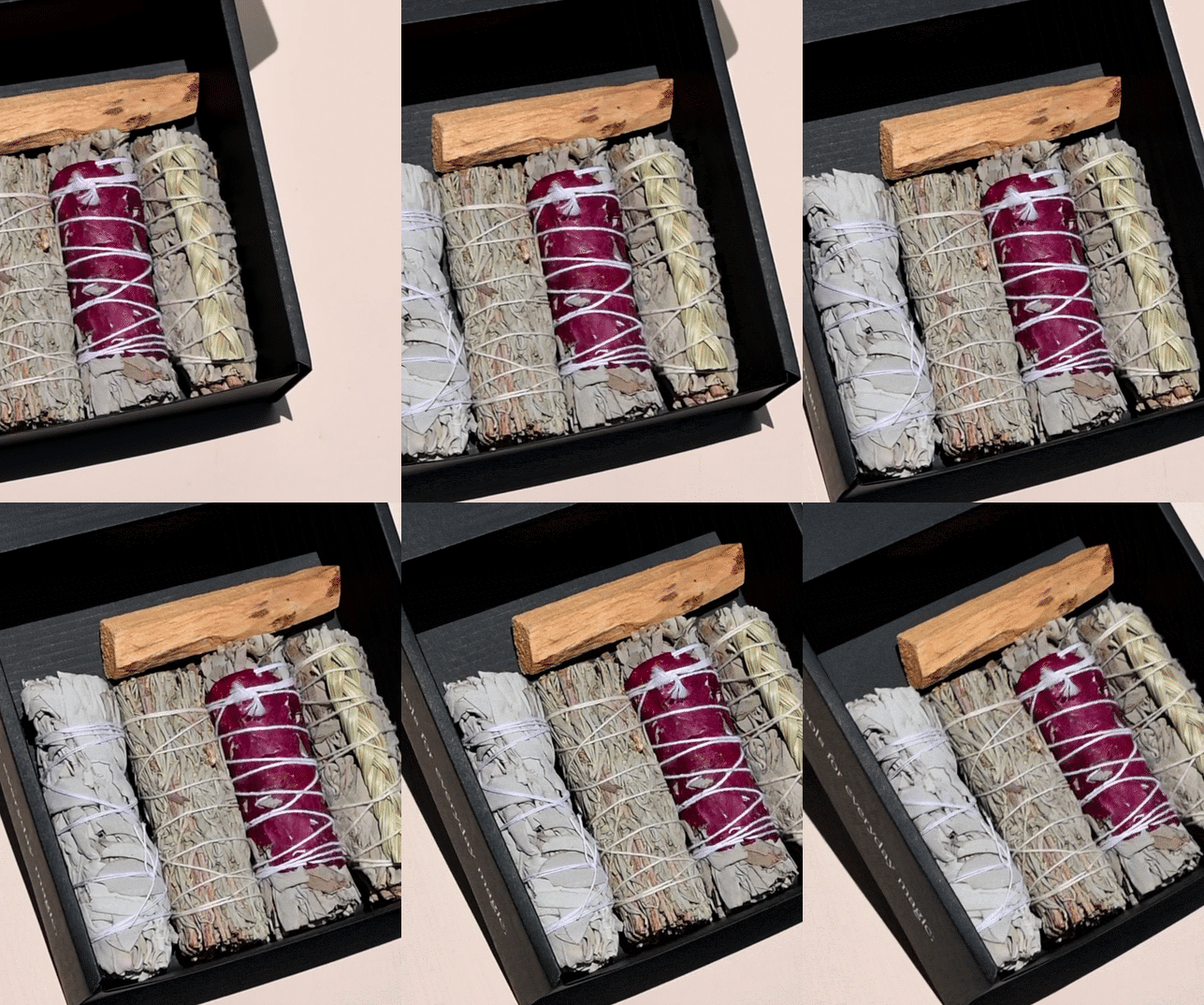
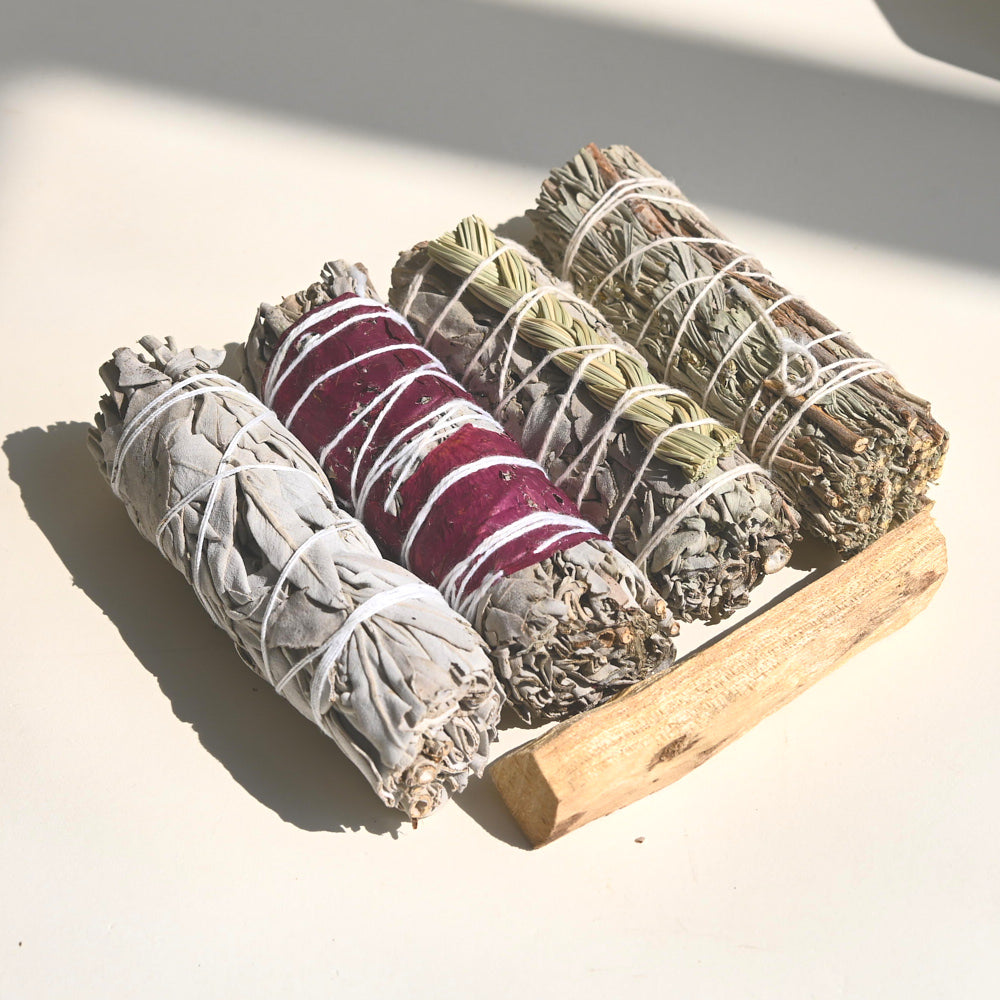
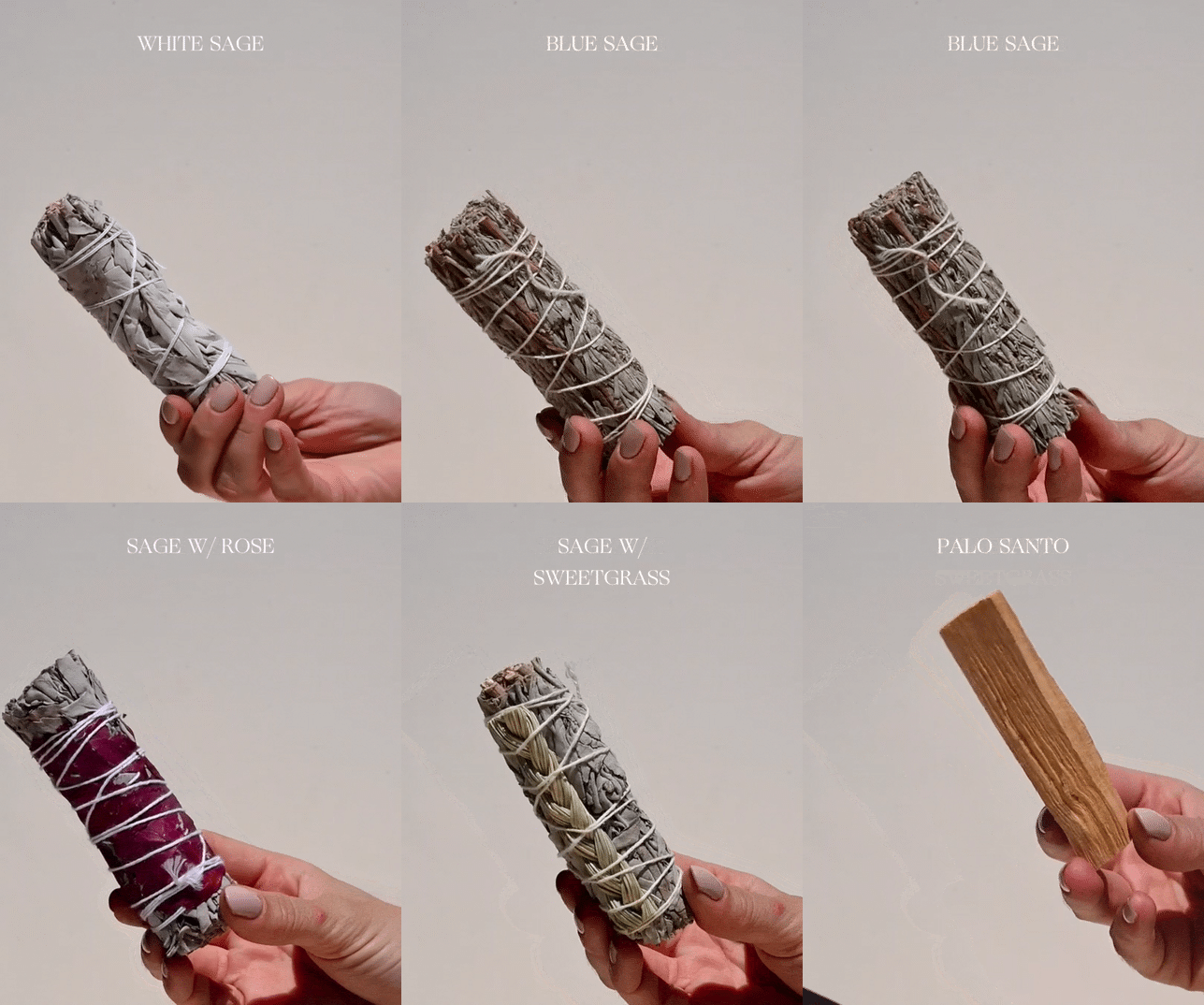
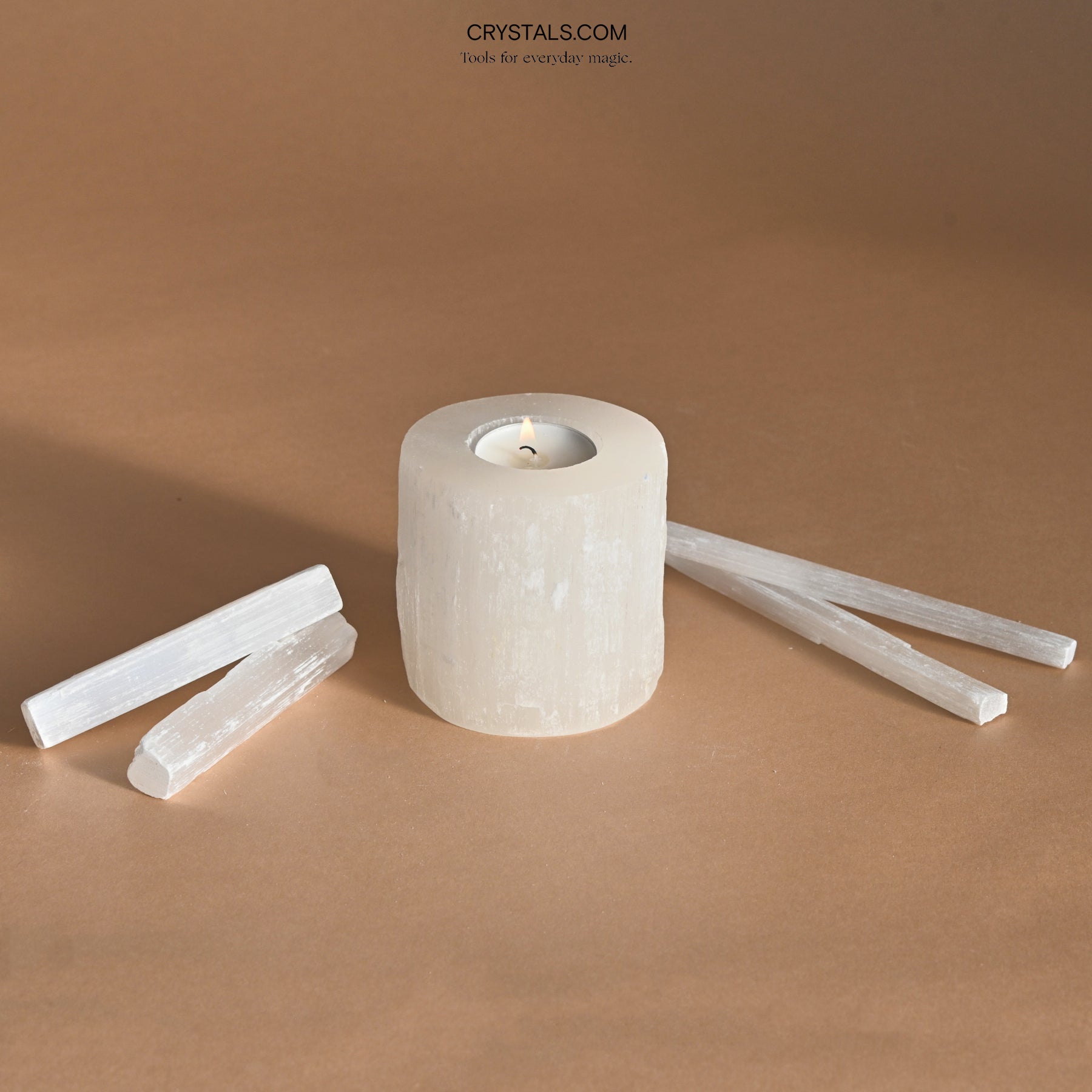
Amethyst is water-safe and can be rinsed under running water. It can also be cleansed with smoke (sage or palo santo), sound, moonlight, or by placing it on a selenite wand.
Important: Amethyst can fade in prolonged direct sunlight due to UV sensitivity. Display it away from windows that receive direct sun, and avoid leaving it outdoors for extended periods.

Related Guides
- Rose Quartz: Meaning and Properties
- Clear Quartz: Meaning and Properties
- Moonstone: Meaning and Properties
- Best Crystals for Sleep
- Best Crystals for Anxiety
- Healing Crystals: The Complete Guide
- Shop Amethyst Collection
Explore More Crystal Guides
View all guides in The Crystal Archive →
Shop Amethyst
Hand-selected from Brazil, Uruguay, and Zambia. Free shipping over $150.
Browse Amethyst Collection · Take the Crystal QuizFrequently Asked Questions
What is amethyst good for?
Amethyst is traditionally associated with calm, clarity, and spiritual awareness. It is one of the most commonly used crystals for meditation, sleep support, and emotional balance.
Can amethyst go in water?
Yes. Amethyst is a 7 on the Mohs scale and is safe for brief water cleansing. Avoid prolonged soaking.
Does amethyst fade in sunlight?
Yes. Amethyst can fade with prolonged UV exposure. Display it away from direct sunlight and cleanse with moonlight instead.
What chakra is amethyst?
Amethyst is associated with the Crown Chakra and Third Eye Chakra.
Is amethyst rare?
Amethyst was once considered as precious as diamonds, but large deposits discovered in Brazil in the 18th century made it widely available. Fine, deeply saturated specimens from specific localities remain collectible.
Discover Your Crystal Match
Select your sign and get personalized crystal recommendations delivered to your inbox.