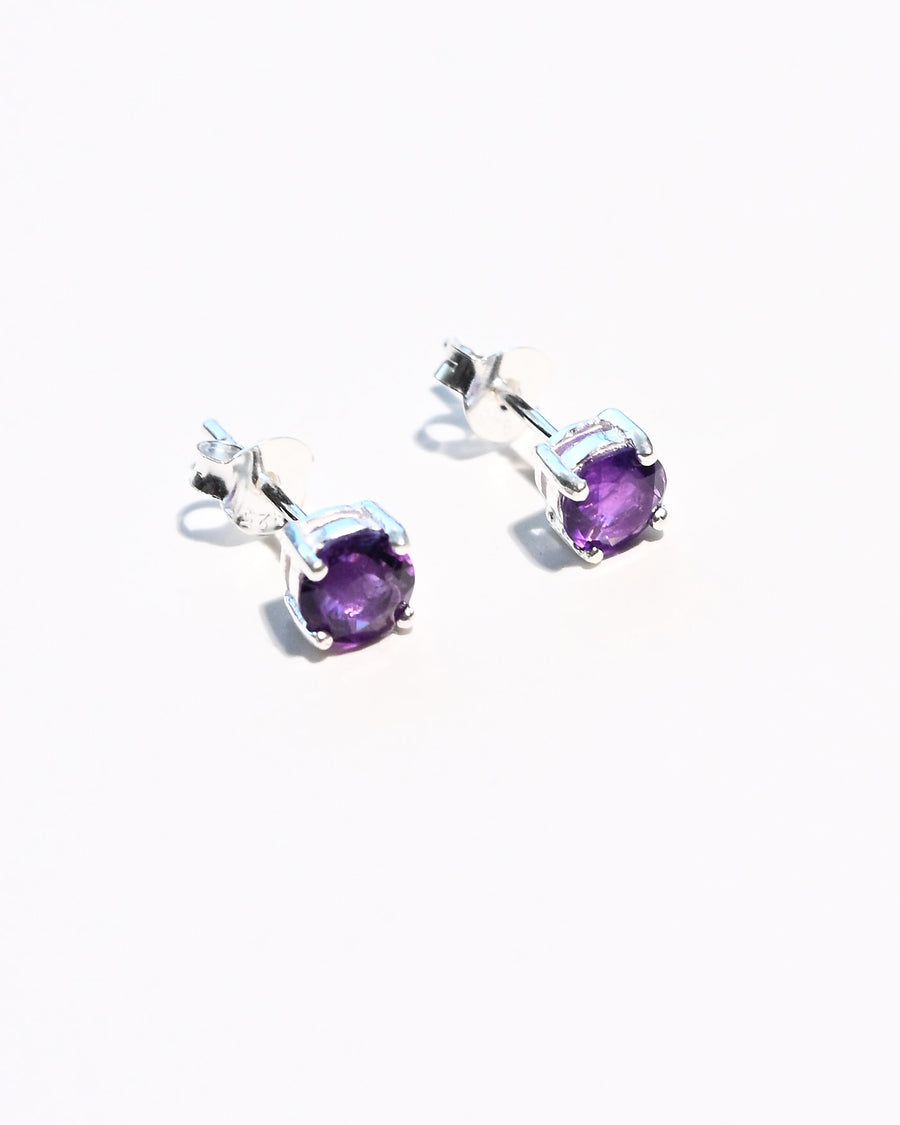

Amethyst Stud Earrings
$58
Crystals.com
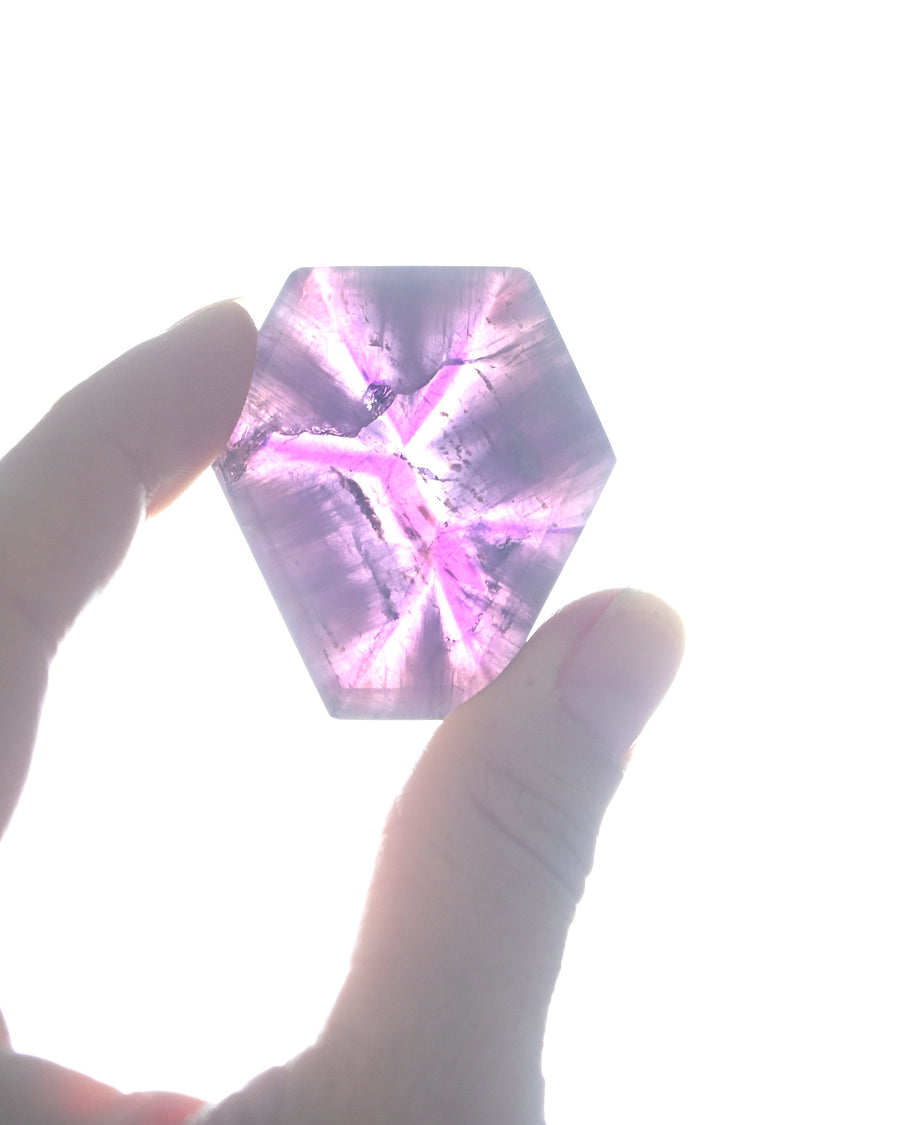
The purple quartz everyone knows, and the one every collection starts with. Its violet comes from traces of iron and natural radiation deep in the earth, and no two clusters hold it the same way.
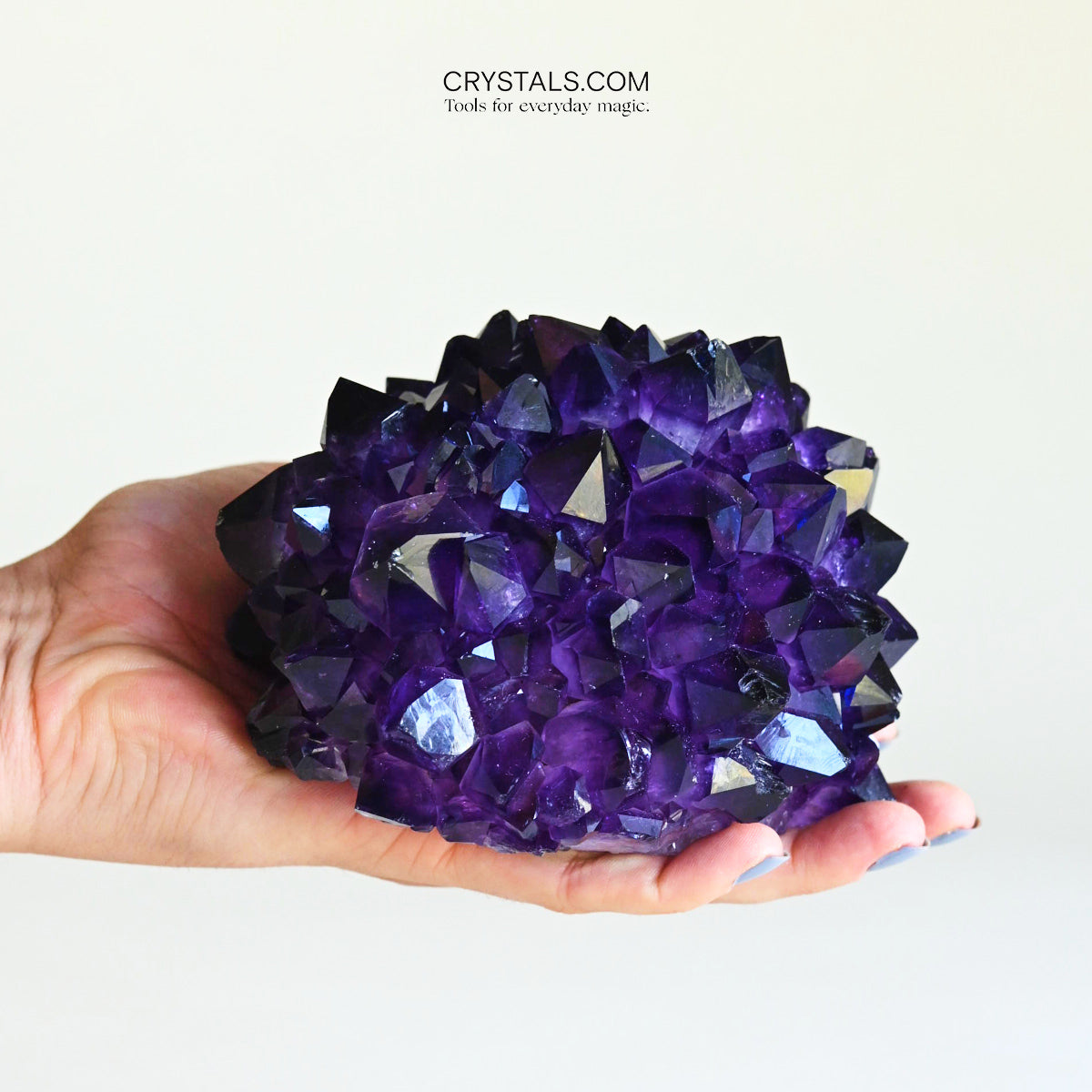
184 pieces


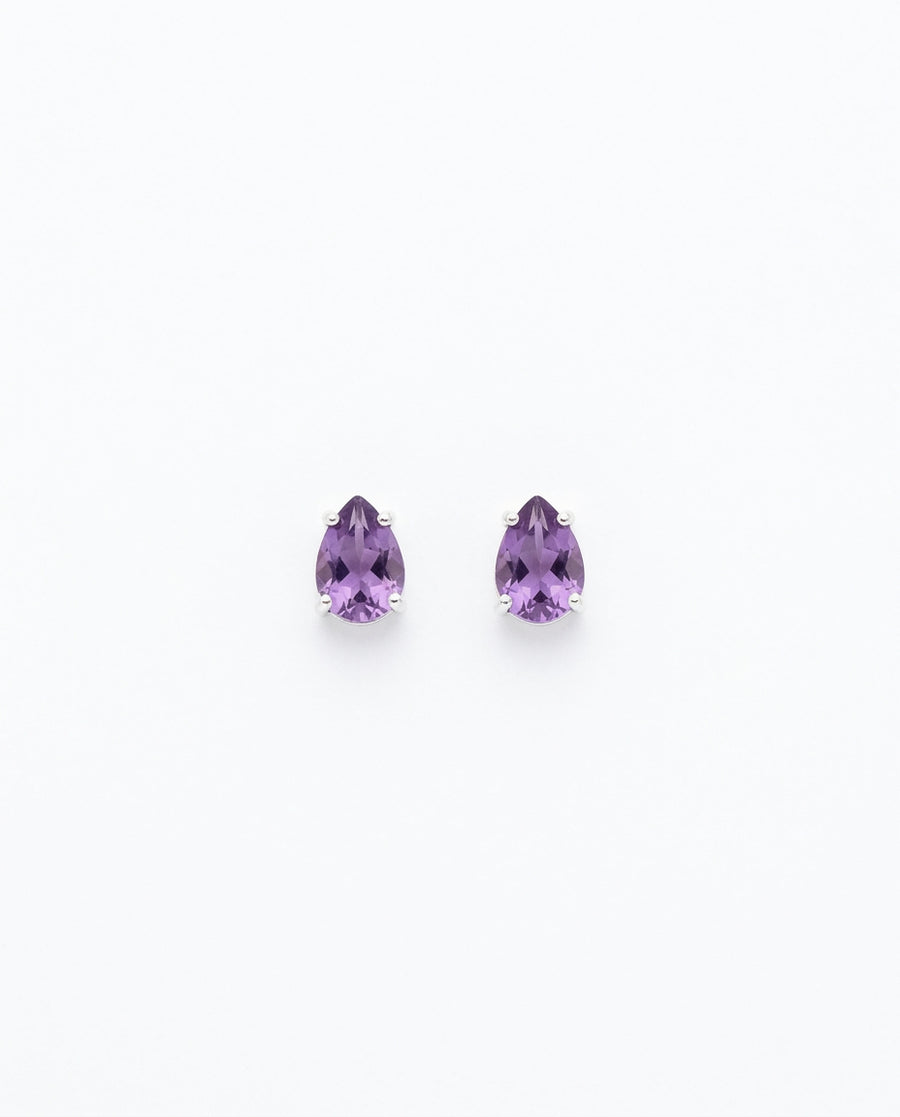

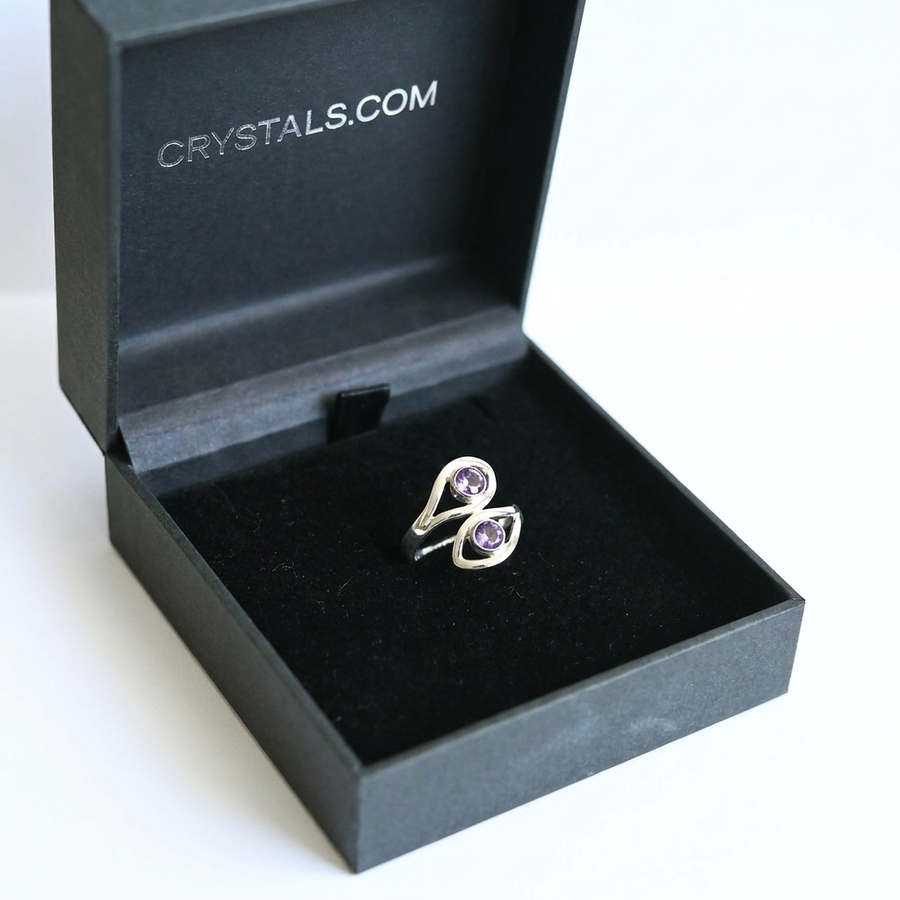

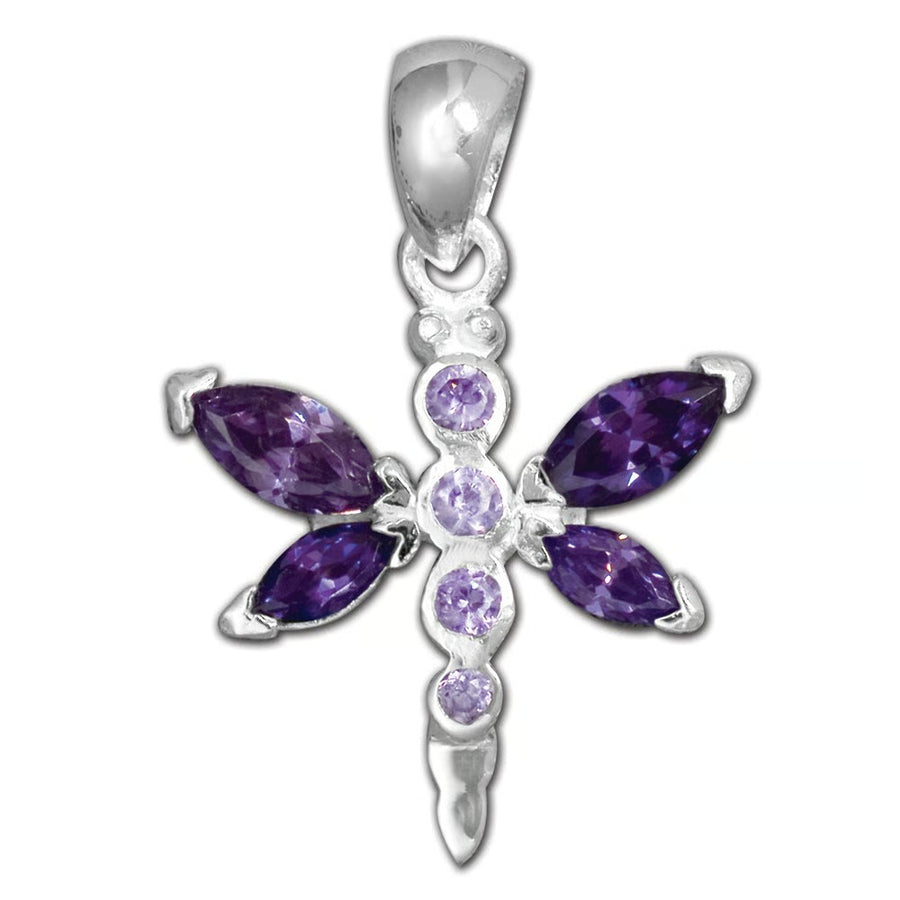

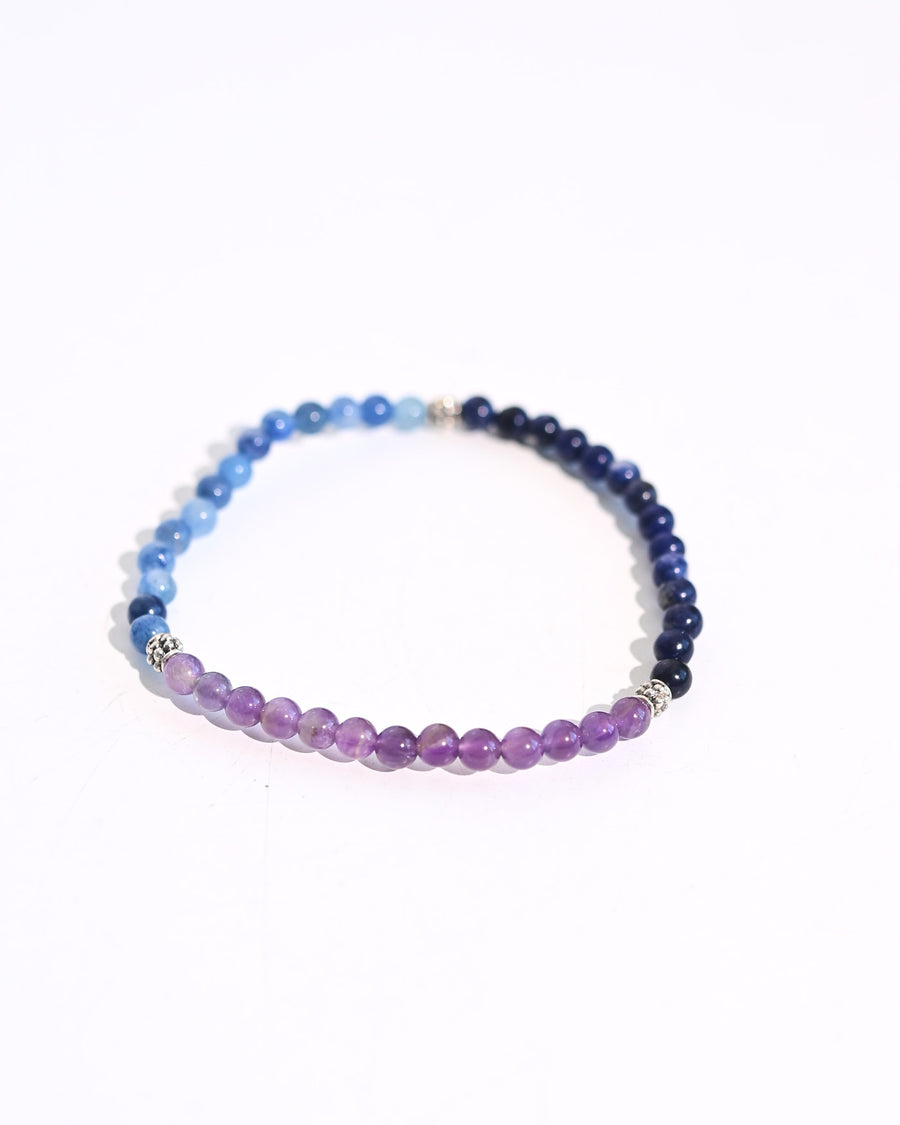


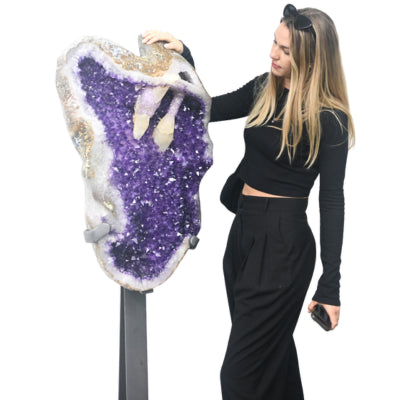


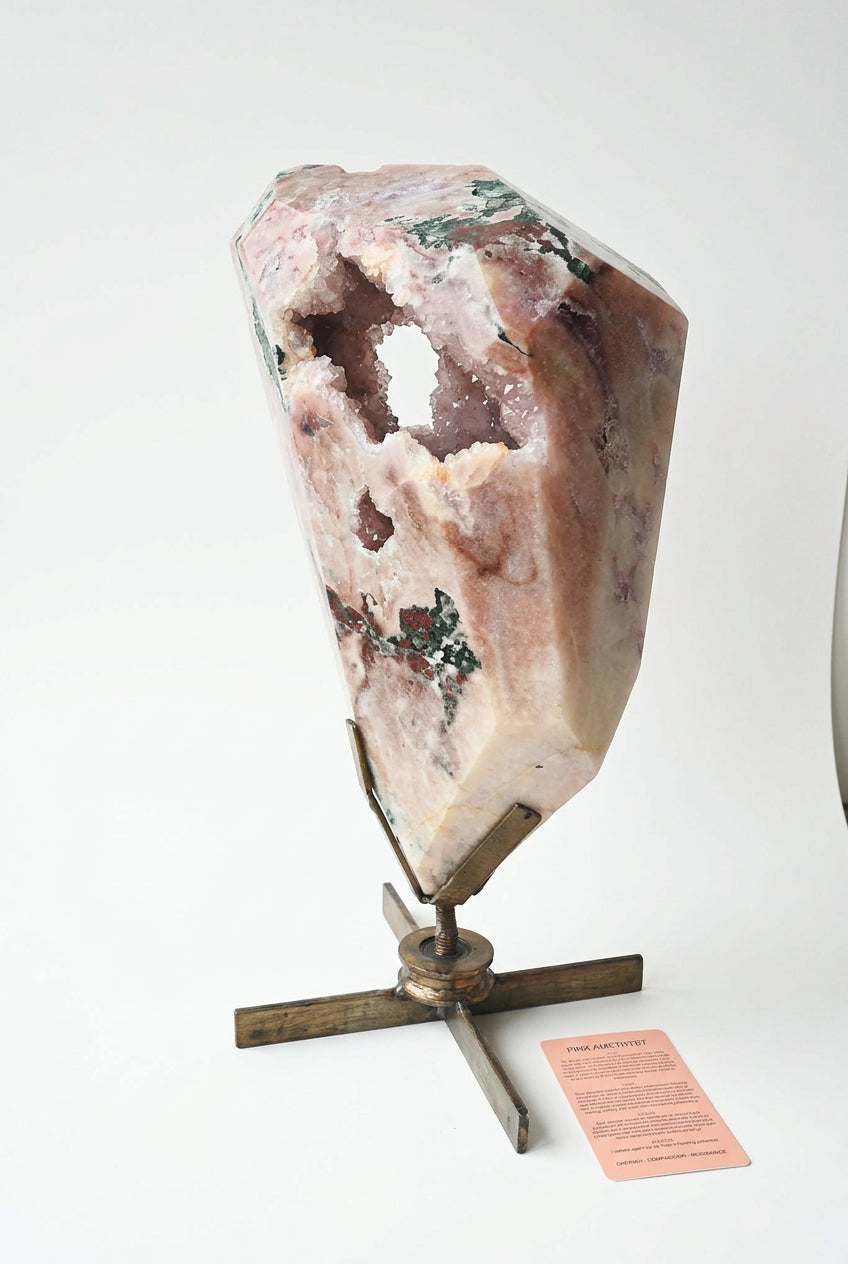

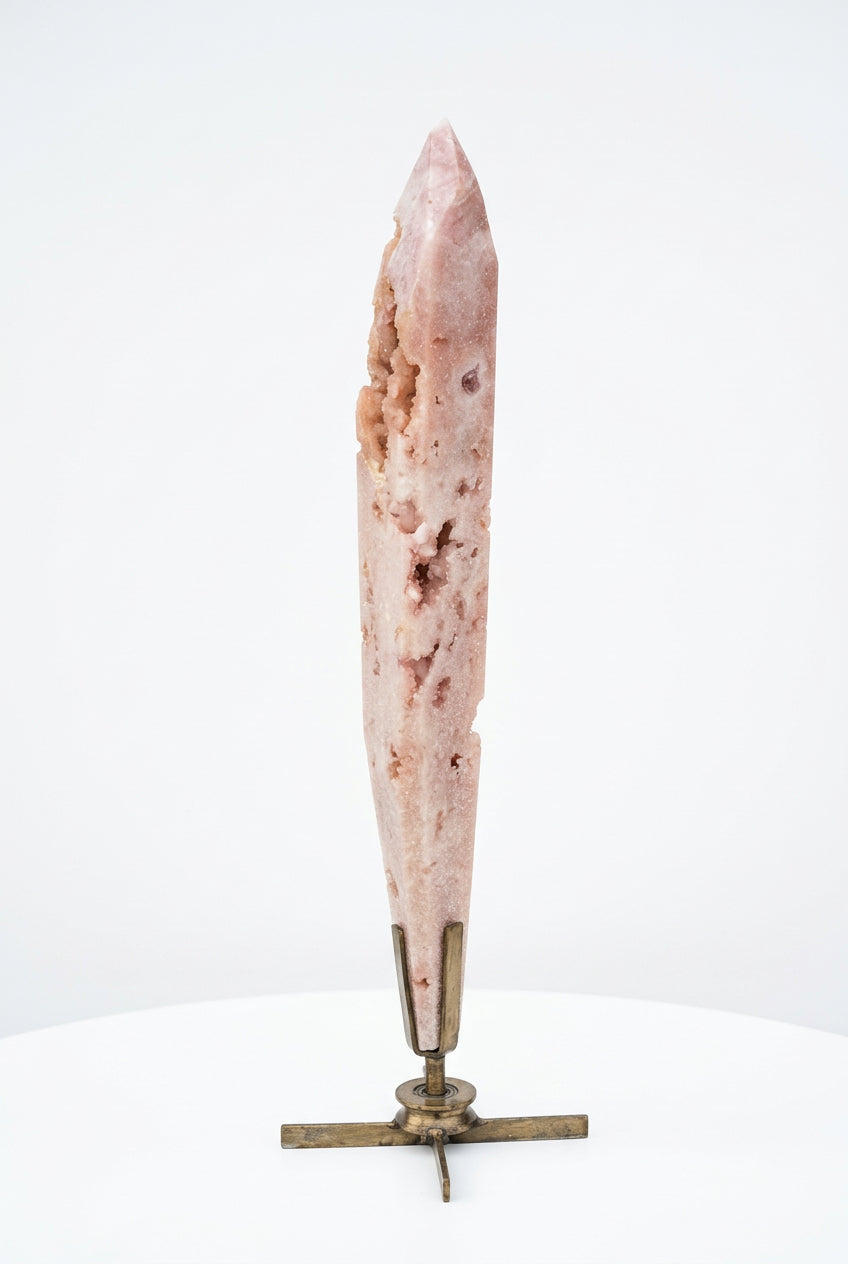

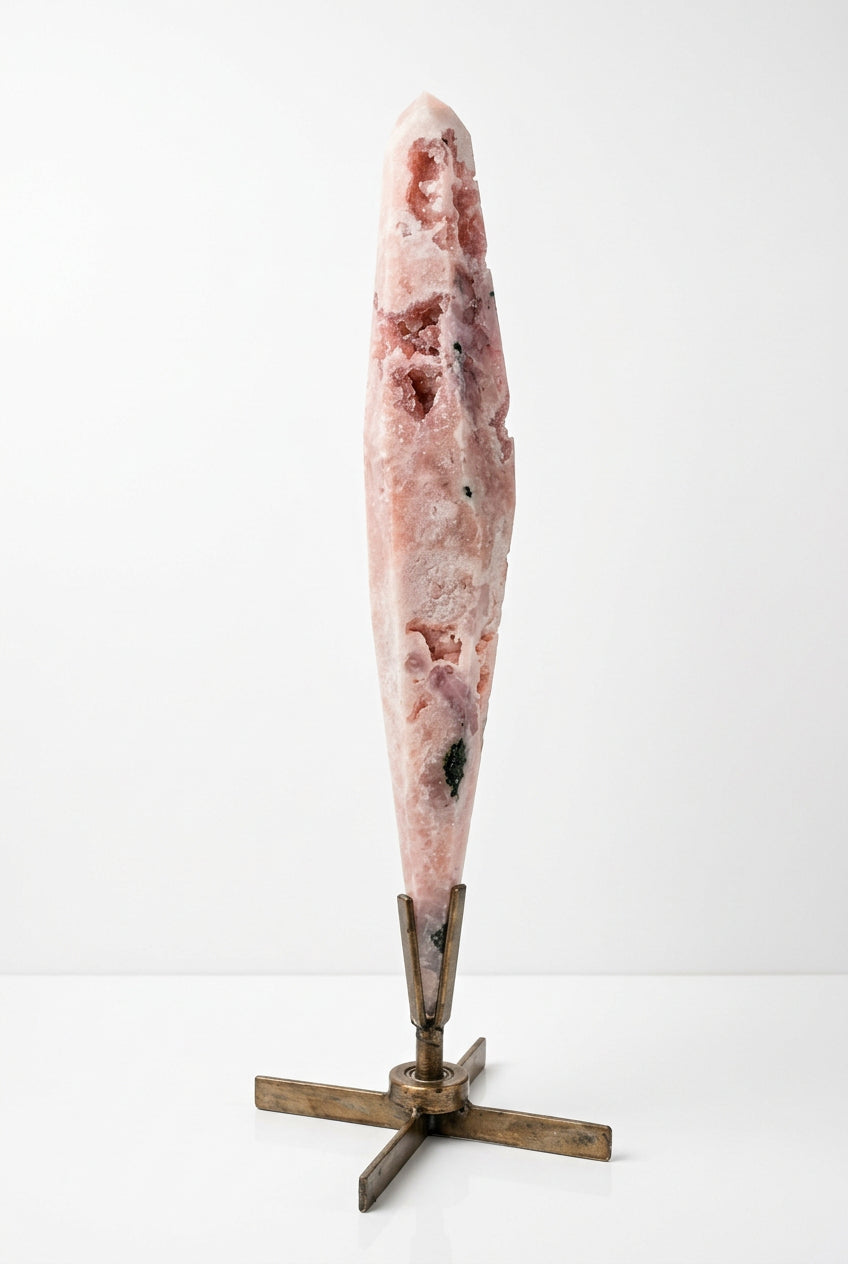

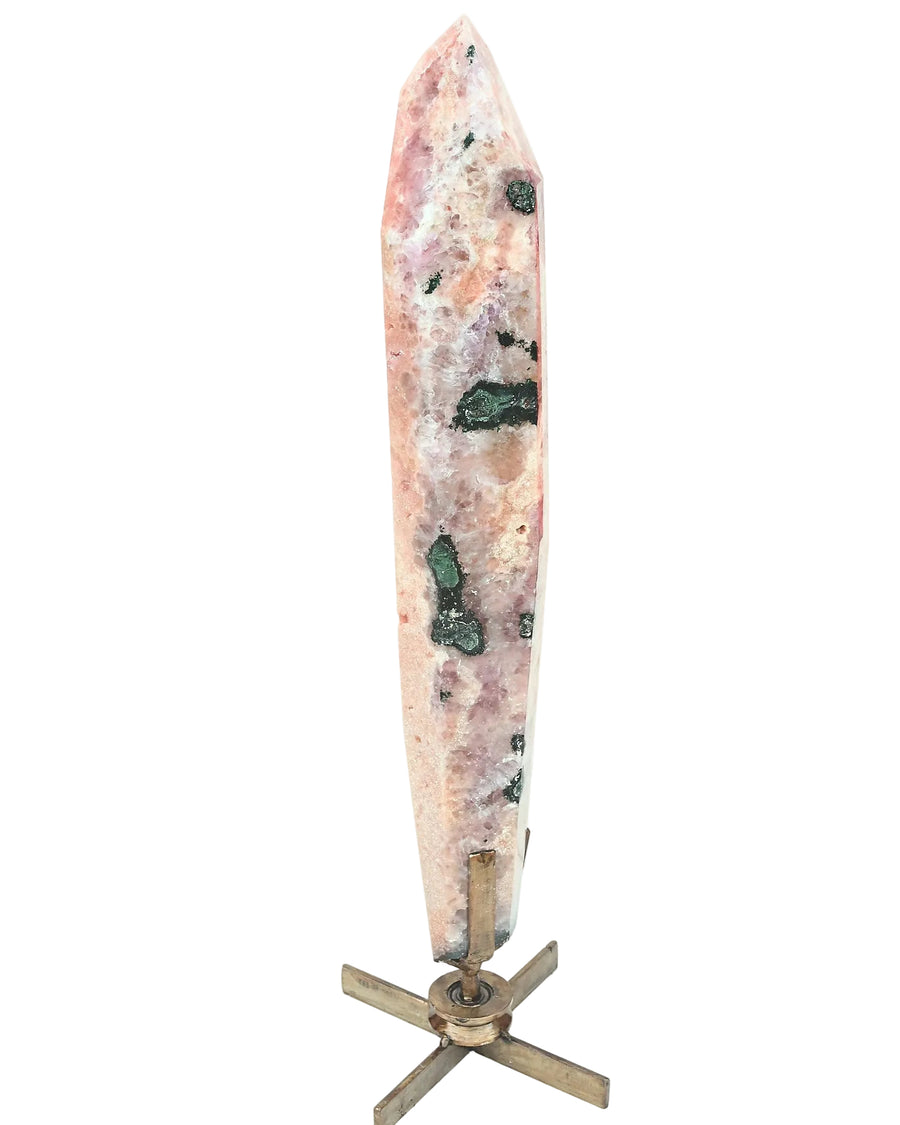

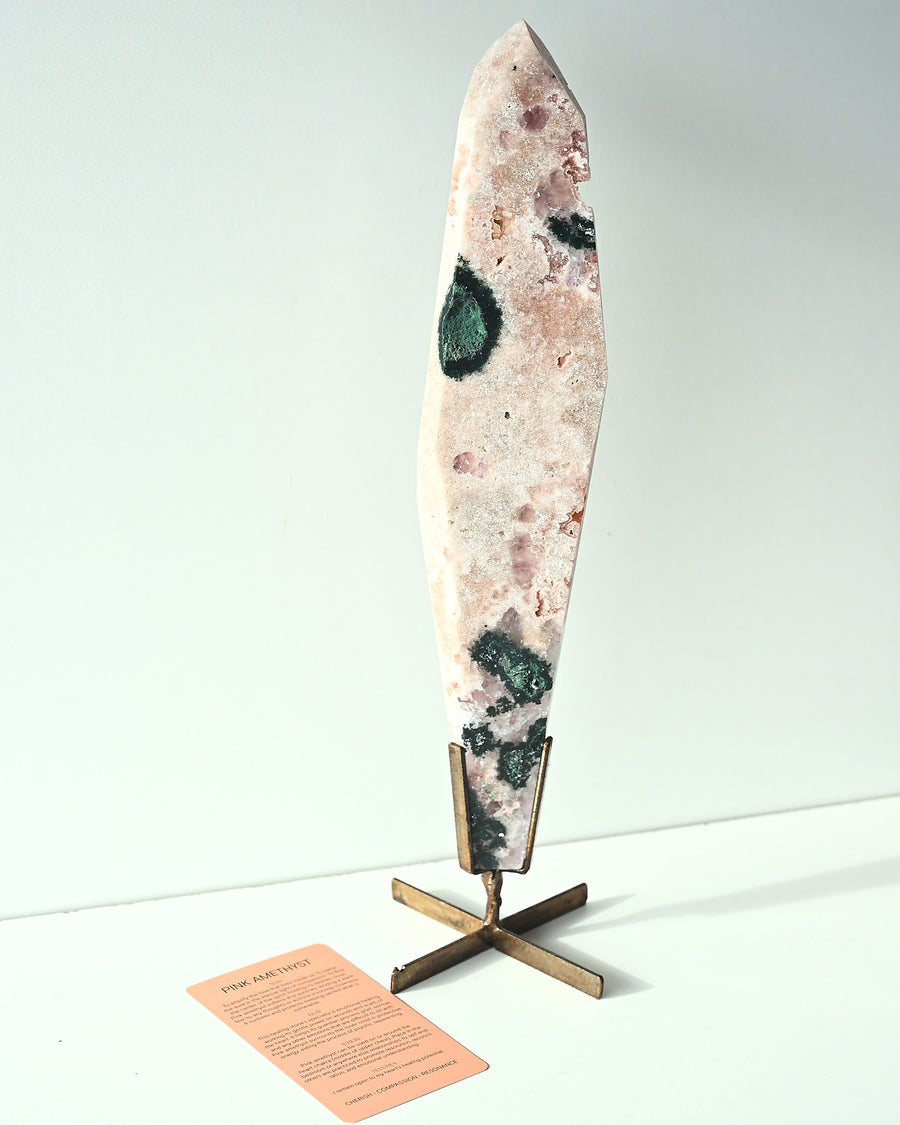

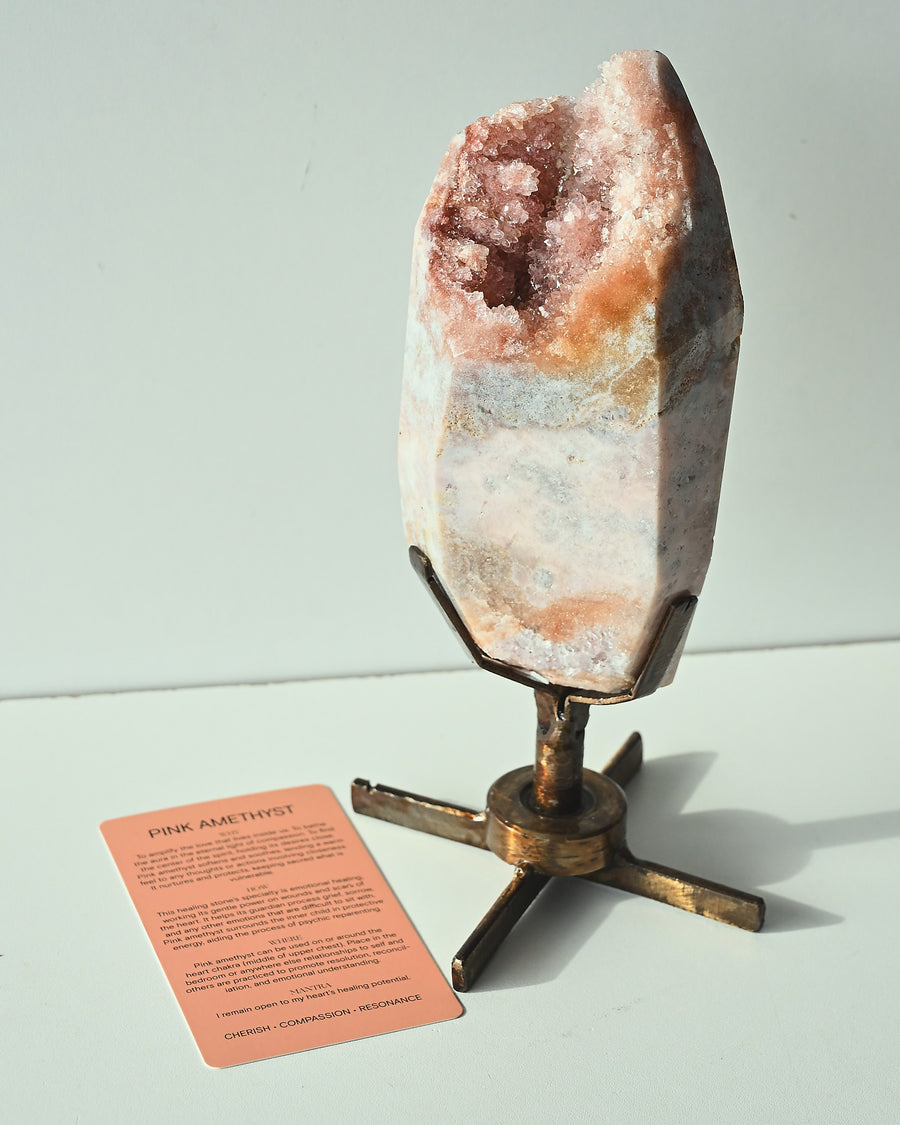

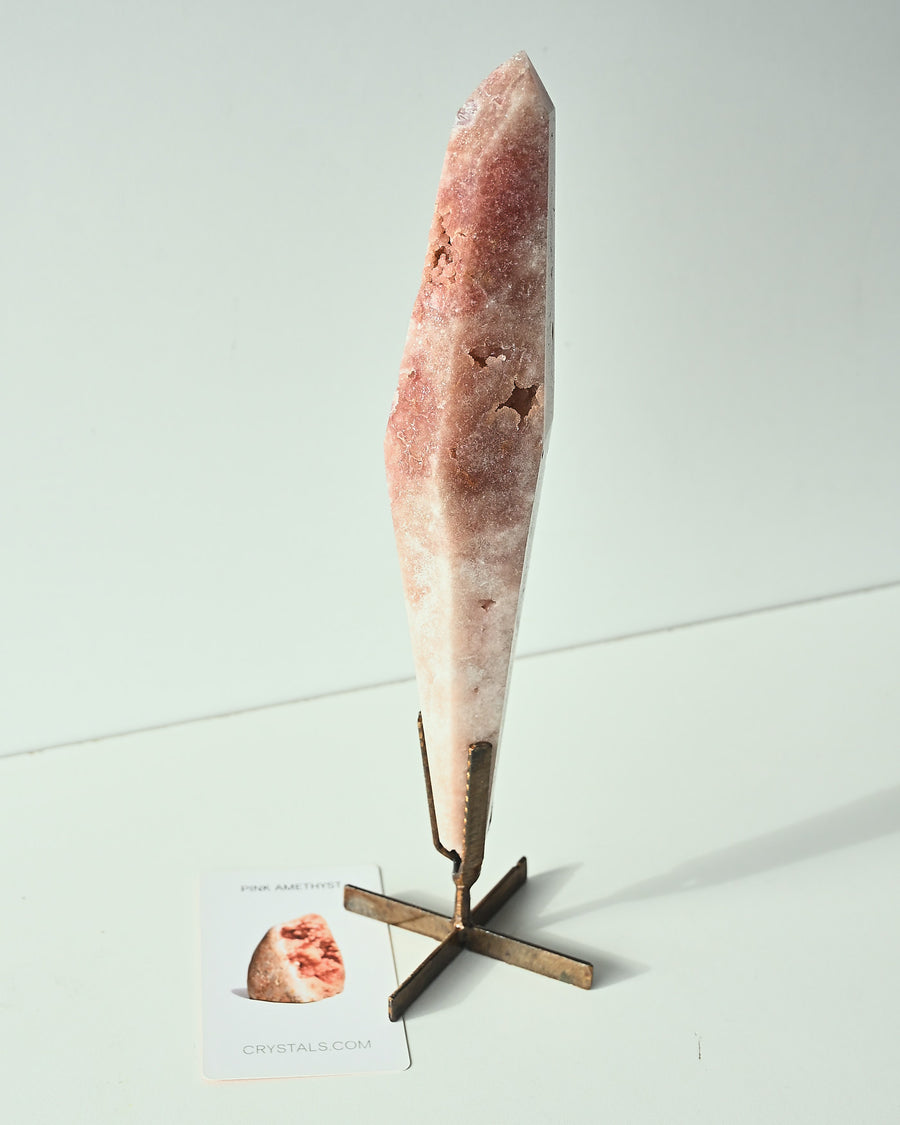


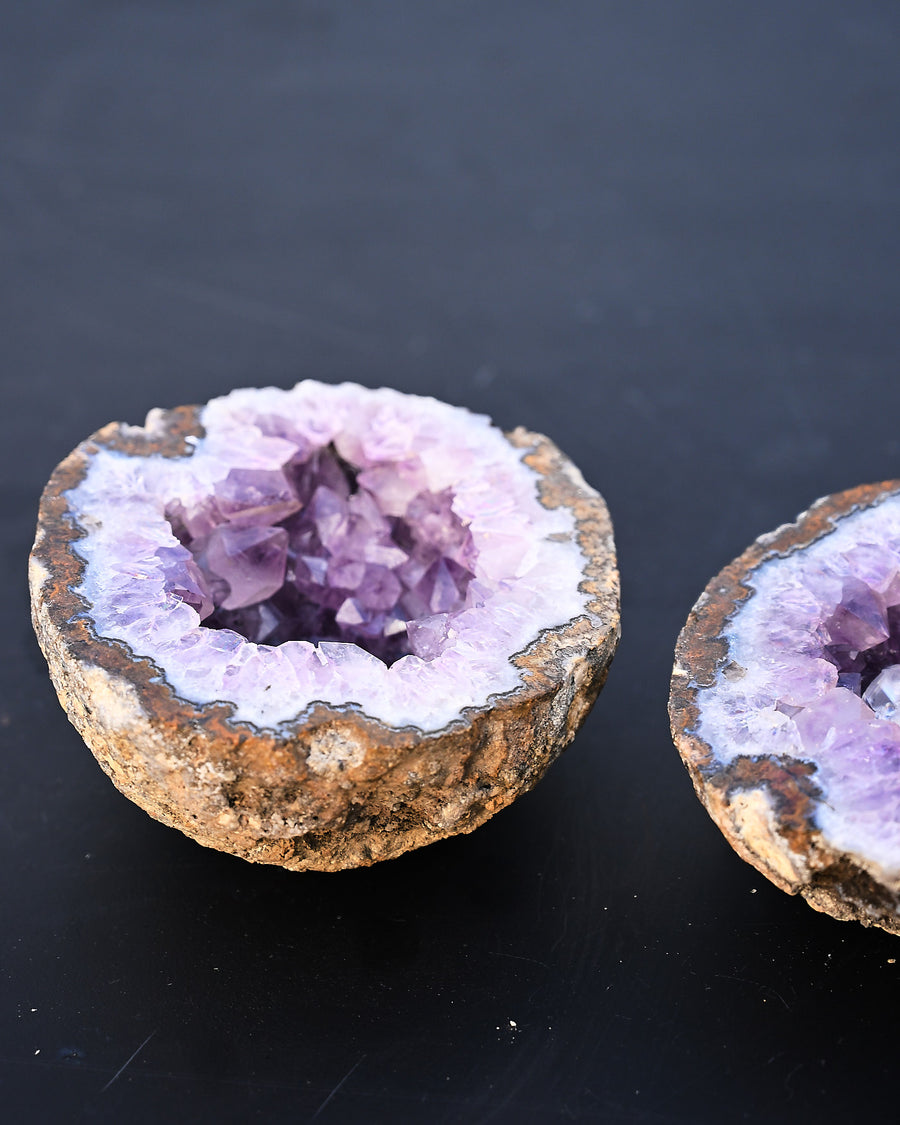

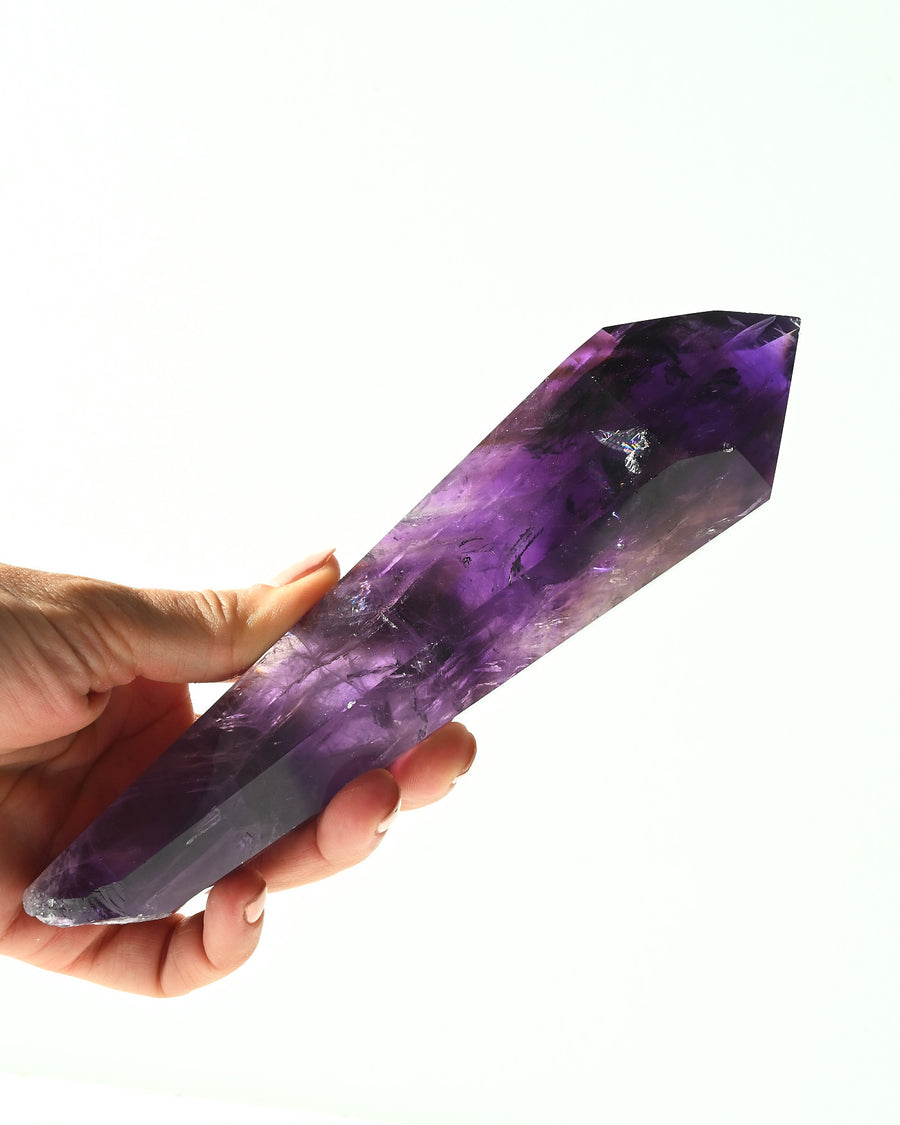


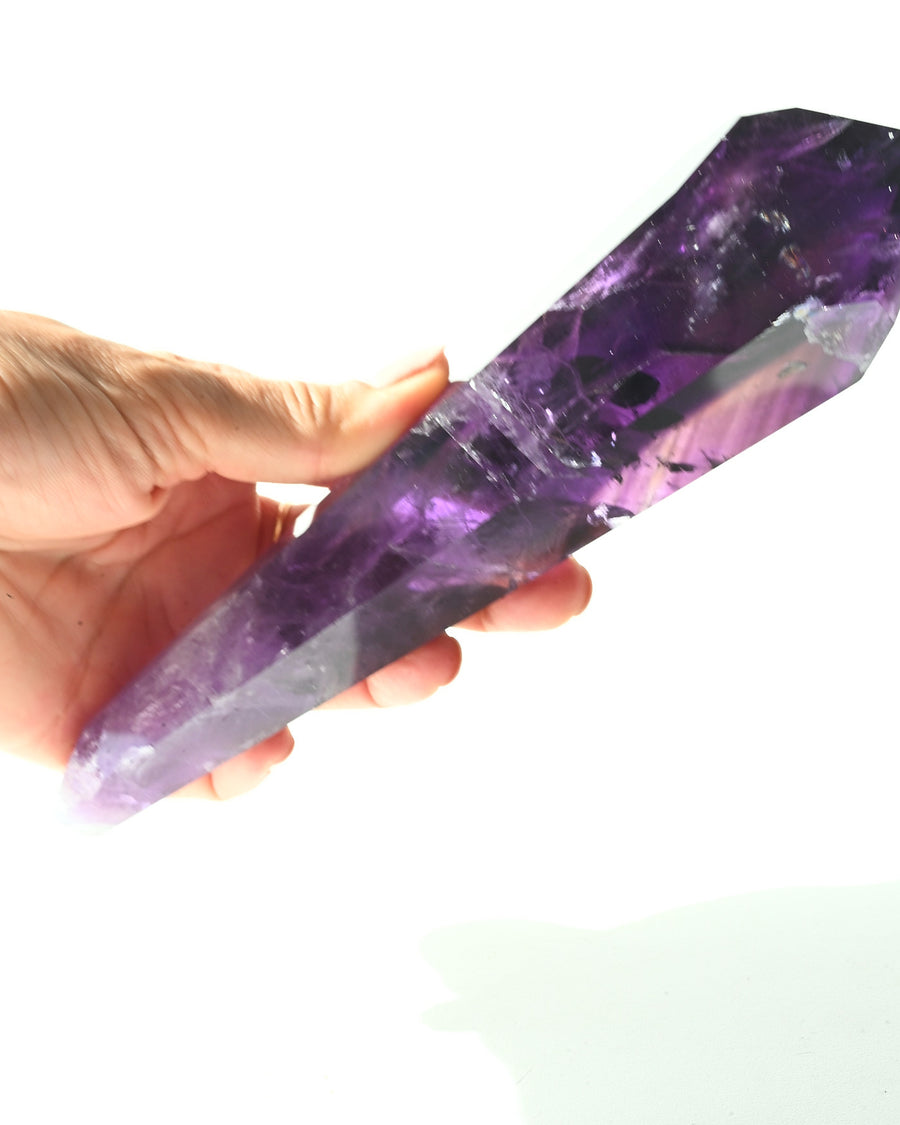


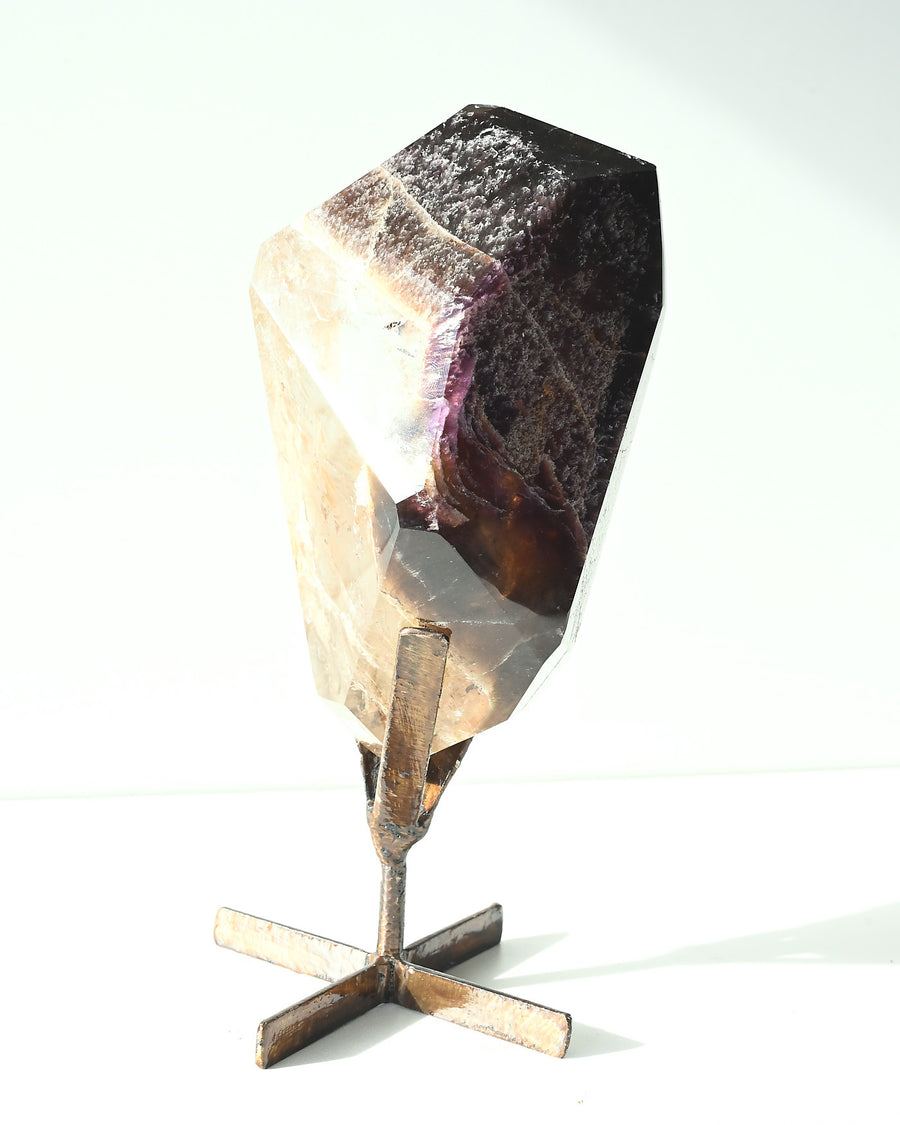

Hand-selected, mostly direct from mines and trusted suppliers I have worked with for years.
Colour that holds under lamplight, not just under a showroom spotlight.
Everything is packed by hand here and goes out in 1 to 3 business days.
Amethyst is often used for its calming and spiritual properties, promoting relaxation, emotional balance, and enhanced intuition.
Amethyst is a symbol of tranquility, spirituality, and inner peace, often associated with promoting sobriety and enhancing intuition
While amethyst is generally considered safe for brief exposure to water, it's best to avoid prolonged submersion or use distilled water to prevent potential damage to the crystal.
To charge an amethyst crystal, place it under moonlight or sunlight for several hours, or bury it in the earth for rejuvenation, enhancing its spiritual and calming properties.
Looking for a specific amethyst? Cathedral, geode, matched pair, or a custom size. Submit a sourcing request →
Amethyst is a variety of quartz (silicon dioxide, SiO2) colored by trace iron impurities (Fe3+) within the crystal lattice, activated by natural gamma irradiation from surrounding rock. The result is that signature violet-to-deep-purple hue, ranging from pale lavender to near-opaque royal purple depending on iron concentration and how long the crystal was exposed to radiation during formation. It sits at Mohs 7, making it one of the most durable quartz varieties available. Like its relative citrine, amethyst belongs to the macrocrystalline quartz family. Both form in silica-rich hydrothermal environments, and understanding their shared origin is worth reading about in our natural vs heat-treated guide.
Every amethyst crystal for sale on Crystals.com is hand-selected directly from family-run operations in Brazil and Uruguay. We evaluate each piece for color saturation, crystal termination quality, and structural integrity. Nothing is dyed, heat-enhanced, or synthetically treated. Whether you are drawn to sculptural amethyst towers, looking for wearable amethyst jewelry, or hunting for a raw geode specimen, every piece on this page arrived here the same way: sourced by hand, chosen on merit. Free shipping on all orders over $150.
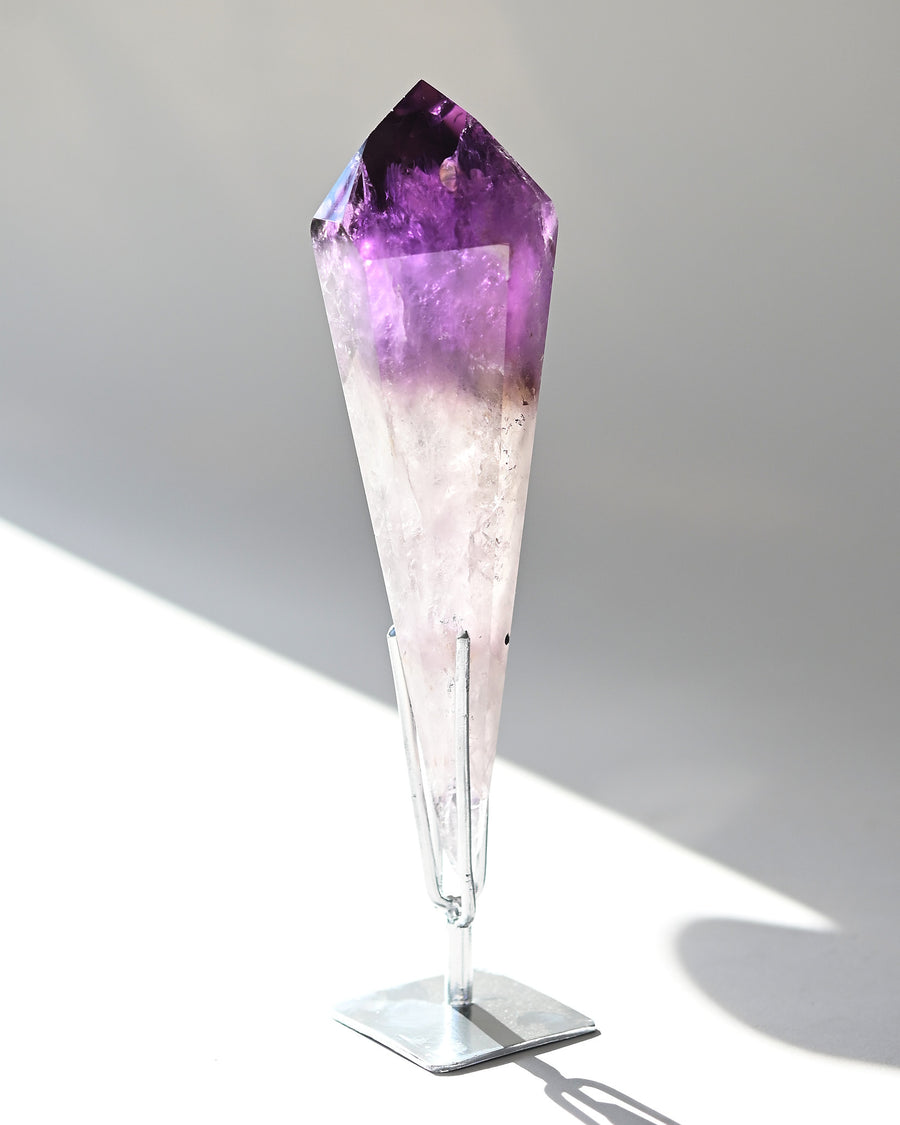
What separates a truly exceptional amethyst from an ordinary one comes down to a handful of factors: color depth, color zoning, crystal termination, and the geological conditions of its formation. The finest specimens show rich, saturated purple concentrated at the crystal tips, with gradual zoning toward the base. Sharp, well-defined terminations indicate undisturbed growth, which is the mark of a stable hydrothermal environment over time. Brazilian amethyst tends toward lighter lavender tones with larger, more open crystal formations, prized for their dramatic size and architectural presence. Uruguayan amethyst runs considerably deeper in color, with higher iron content producing that dense, almost inky violet. Uruguayan geodes are typically smaller but the color intensity is unmatched. Both origins are represented in our collection, and the difference is immediately visible side by side.
Start with form. Clusters and geodes make striking display pieces because they show the full natural growth structure of the crystal. Points and amethyst towers are versatile: they display well vertically and are easy to incorporate into shelving or tabletop arrangements. Raw chunks and cathedral geodes reward collectors who want sheer visual weight and geological drama. If color depth is your priority, lean toward Uruguayan origin. If you want size and presence, Brazilian formations typically deliver. There is no wrong choice here. It comes down to what you are drawn to, and what works in the space you have.
Browse our amethyst towers for vertical display pieces, read our guide to natural vs heat-treated amethyst if you want to shop with full confidence, or explore rose quartz for another exceptional member of the quartz family.
Every specimen personally chosen
On orders over $150
Direct from trusted miners
The color comes from trace iron (Fe3+) ions that substitute into the quartz crystal lattice during formation. The purple develops when natural gamma radiation from surrounding rock alters the iron's oxidation state, creating color centers that absorb specific wavelengths of light. The more iron present and the longer the radiation exposure, the deeper the resulting purple.
Natural amethyst almost always shows color zoning, an uneven distribution of color that shifts from deeper at the tips to lighter toward the base. Dyed specimens look suspiciously uniform throughout, and under magnification the color tends to pool in fractures rather than sitting within the crystal structure itself. All amethyst crystals for sale on Crystals.com are natural and untreated.
Brazilian amethyst typically forms in larger volcanic cavities, producing bigger crystal clusters and geodes with lighter lavender to mid-purple tones. Uruguayan amethyst forms in smaller, denser basalt cavities with higher iron concentrations, which drives the color deeper into that rich, saturated violet. Both are genuine, untreated amethyst.
Yes. Prolonged UV exposure can cause measurable color loss in amethyst over time. To preserve color long-term, display amethyst away from direct sunlight and strong artificial UV sources. Indirect or diffused light is fine for most display environments.
Know your crystal
Amethyst's purple comes from trace iron inside the quartz, changed by natural radiation in the earth over a very long time. The amount of iron shifts from pocket to pocket, which is why the color runs from pale lavender to deep royal purple.
Styling notes
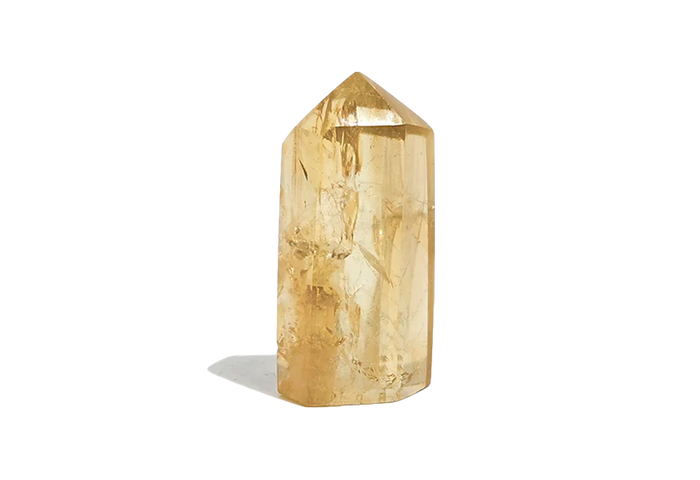
Citrine Crystals
Purple and gold, the two sides of quartz. Put them together and both look more expensive.
Shop the pairing →
Clear Quartz
Clear beside colour. The quartz that lets amethyst read as purple rather than dark.
Shop the pairing →
Selenite Crystal
Satin white under violet. The classic shelf, and selenite is where amethyst rests.
Shop the pairing → Citrine CrystalsPurple and gold, the two sides of quartz. Put them together and both look more expensive.Shop the pairing →
Can't choose?
Tell it what you need. It picks one piece for you, in stock right now.
Sorry, looks like we don't have enough of this product.

Buy It With
$10.00 USD

