Crystals.com
Chrysoprase
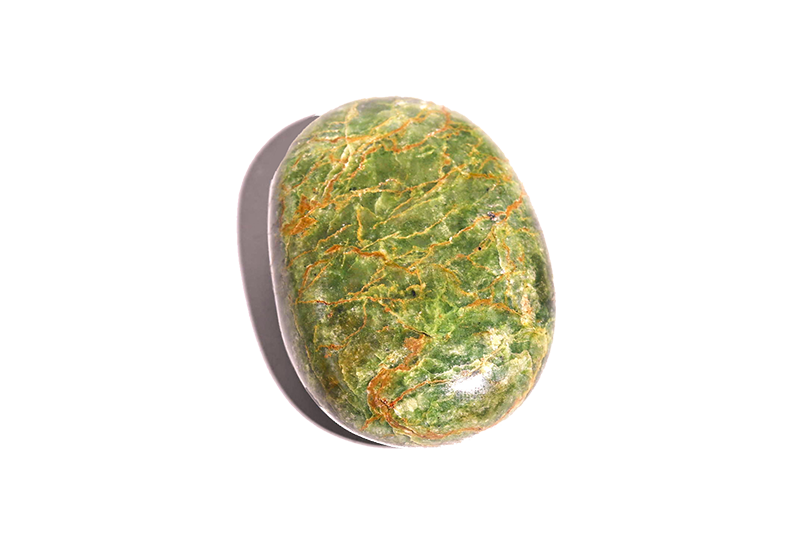
Chrysoprase is a cryptocrystalline variety of chalcedony (SiO₂) and one of the most valuable members of the quartz family. Its distinctive apple-green to deep jade color comes from dispersed nickel silicate inclusions — specifically...
- Hand selected
- Photographed in house
- Ships in 1 to 3 business days
Nothing in stock here right now.
See everything
Hand selected
Chosen piece by piece, mostly direct from mines and suppliers I have worked with for years.
Photographed here
I shoot every piece myself, so a one of a kind piece is the exact piece you receive.
Getting it to you
Packed by hand here and out in 1 to 3 business days.
Questions
Chrysoprase Meaning
Chrysoprase is a captivating gemstone known for its heart-opening and prosperity-enhancing qualities. This vibrant green crystal is believed to bring joy, abundance, and emotional healing into one's life.
Chrysoprase Healing Properties
Chrysoprase healing properties are revered for their capacity to foster emotional balance, heart chakra activation, and the attraction of abundance. This exquisite green crystal is believed to promote inner harmony, relieve stress, and invite positive transformation into one's life.
How To Use Your Chrysoprase Crystal
To make the most of your Chrysoprase crystal, hold it close to your heart chakra during meditation to activate feelings of love and compassion. You can also wear it as jewelry or carry it with you to experience its emotional healing and abundance-attracting properties throughout the day.
Green Crystal Meanings
Green crystals are associated with meanings of growth, renewal, and balance. They symbolize abundance, healing, and a strong connection to nature, making them ideal for promoting harmony and prosperity in one's life.
More about this collection
Chrysoprase Crystals
Chrysoprase is a cryptocrystalline variety of chalcedony (SiO₂) and one of the most valuable members of the quartz family. Its distinctive apple-green to deep jade color comes from dispersed nickel silicate inclusions — specifically nickel-bearing clay minerals like willemseite and kerolite. Unlike emerald (colored by chromium) or peridot (colored by iron), chrysoprase's green is uniquely attributable to nickel, making it mineralogically distinct from other green gemstones.
Chrysoprase rates 6.5–7 on the Mohs hardness scale with a waxy to vitreous luster and excellent toughness, making it one of the most durable green gems available. The finest material comes from Western Australia (Marlborough region), where lateritic weathering of nickel-bearing serpentinite deposits creates gem-quality chrysoprase in seams and nodules. Other notable sources include Tanzania, Poland (where it has been mined since the Middle Ages), Brazil, and Madagascar.
Ancient Greeks and Romans prized chrysoprase for cameos and intaglios. Alexander the Great reportedly wore chrysoprase into battle. Frederick the Great of Prussia decorated the Chapel of St. Wenceslas in Prague with chrysoprase panels in the 14th century. Today it remains one of the most sought-after chalcedony varieties among collectors and jewelry designers.
Explore related green minerals in our Green Crystals collection, or compare with other chalcedony varieties like Agate and Carnelian. For similar collector-grade stones, browse Malachite and Green Aventurine. Free shipping on orders over $150.
Frequently Asked Questions
What is chrysoprase?
Chrysoprase is a cryptocrystalline variety of chalcedony (microcrystalline quartz) colored green by nickel silicate inclusions. It is one of the most prized and valuable chalcedony varieties, distinguished by its vivid apple-green to deep jade color.
What makes chrysoprase green?
Unlike most green gemstones (colored by chromium or iron), chrysoprase gets its color from dispersed nickel-bearing clay minerals — primarily willemseite and kerolite — within the chalcedony matrix. The intensity of green depends on nickel concentration.
Where is chrysoprase found?
The finest chrysoprase comes from the Marlborough region of Western Australia, where lateritic weathering of nickel-rich serpentinite creates gem-quality material. Other sources include Tanzania, Poland, Brazil, and Madagascar.
Can chrysoprase fade in sunlight?
Yes. Prolonged exposure to direct sunlight or heat can cause chrysoprase to lighten or lose some of its green intensity. This is because the nickel-bearing clay inclusions can dehydrate. Store chrysoprase away from direct sunlight and heat sources to preserve its color.
How is chrysoprase different from jade?
Despite similar appearance, they are completely different minerals. Chrysoprase is a silica (quartz family) mineral colored by nickel, while jade refers to either nephrite (calcium-magnesium silicate) or jadeite (sodium-aluminum silicate). Chrysoprase is less dense and slightly softer than jadeite.
Let customers speak for us
A beautiful piece..the photo's did not do it justice. The delivery was timely and arrived in perfect condition. Thank you..this specimen is a must for any collector.

Crystals Individually wrapped

Shipped with care, excellent packaging. Great products

Very nice, one of a kind sphere. The piece matched the quality in the photos. Packaging was above average, with no damage during shipping. Tracking was easy. Everything was a positive experience.

Was expecting a bright shade of yellow, but the amber shade is just as beautiful.

Loved how it glimmers

Loved the packaging
Each Crystal came out beautifully
Will definitely find myself a frequent customer ☺️

Perfect. I love my crystals!

Beautiful! Exactly what I was hoping for/expecting!

Delivered when promised. Packaged very nicely!
Beautiful! The purple is so vibrant!

Stunning! Exceeded my expectations and arrived so quickly 💜

Web site is working like a dream, beautifully.
Amazing smoky quartz that you dug up yourself in Tennessee. It shines in my entryway & it is so special. Thank you, it is one of my most important treasures. By the way, your web site works beautifully!

Very beautiful!


