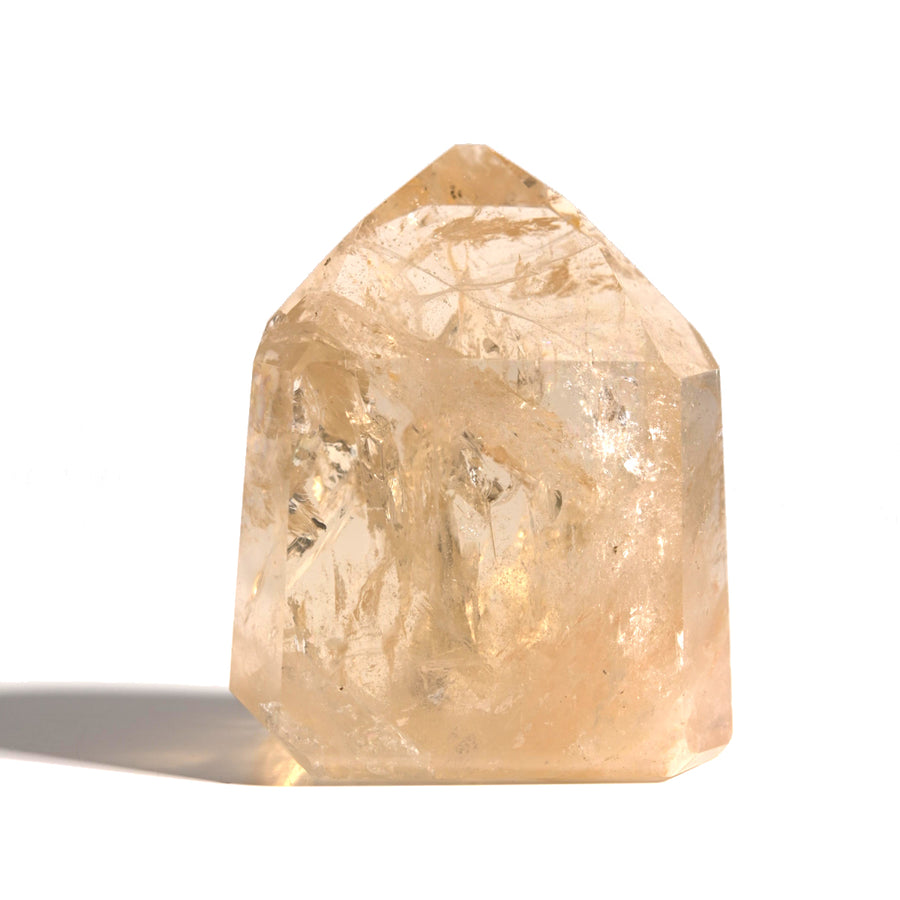

Natural Citrine Tower
From $45Choose options
Crystals.com
Warm, honeyed quartz that lifts a room the moment light reaches it. Every piece here is one I picked myself.

32 pieces
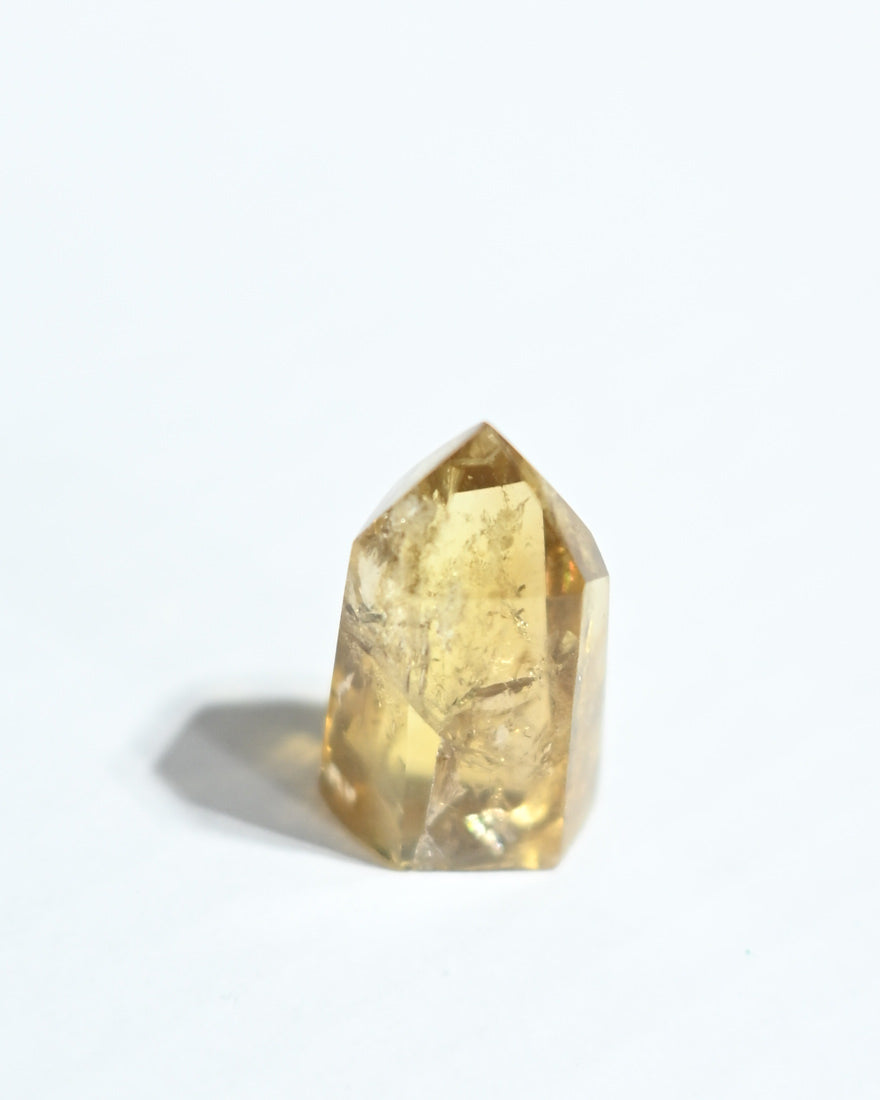



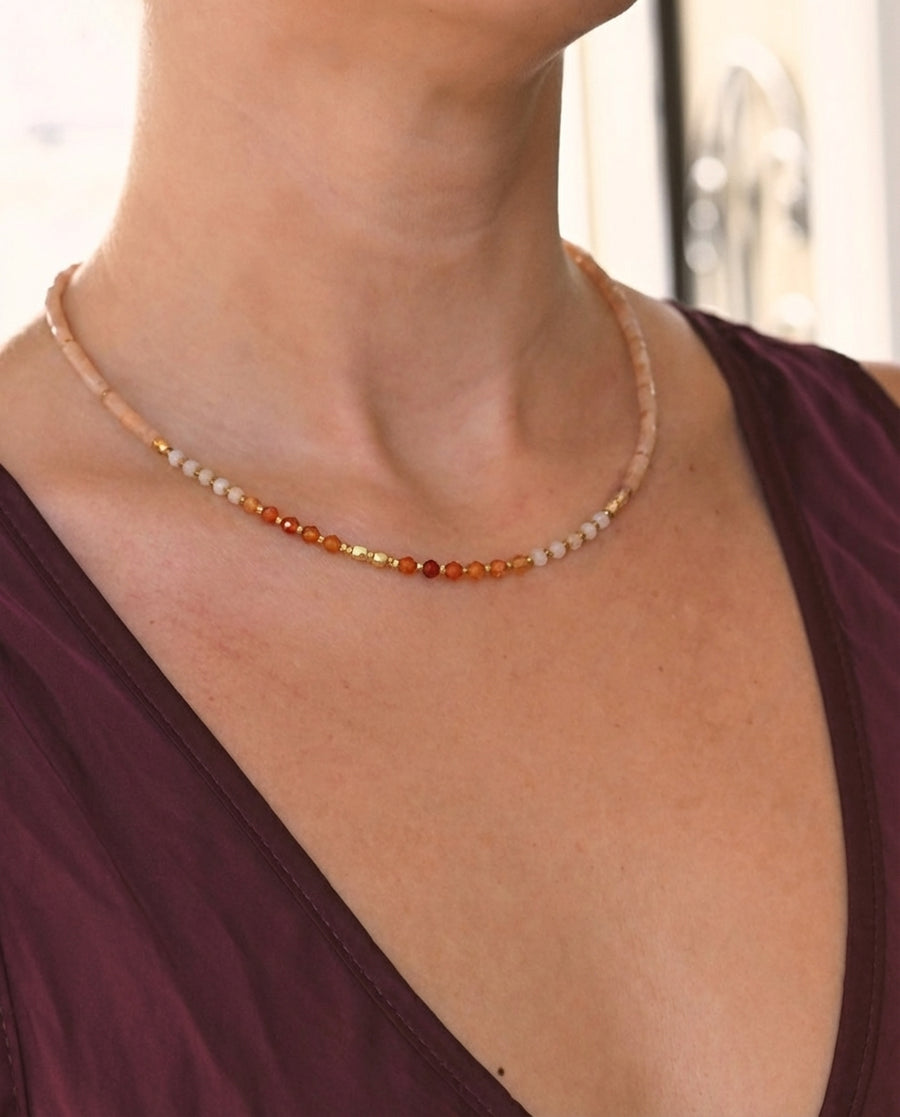


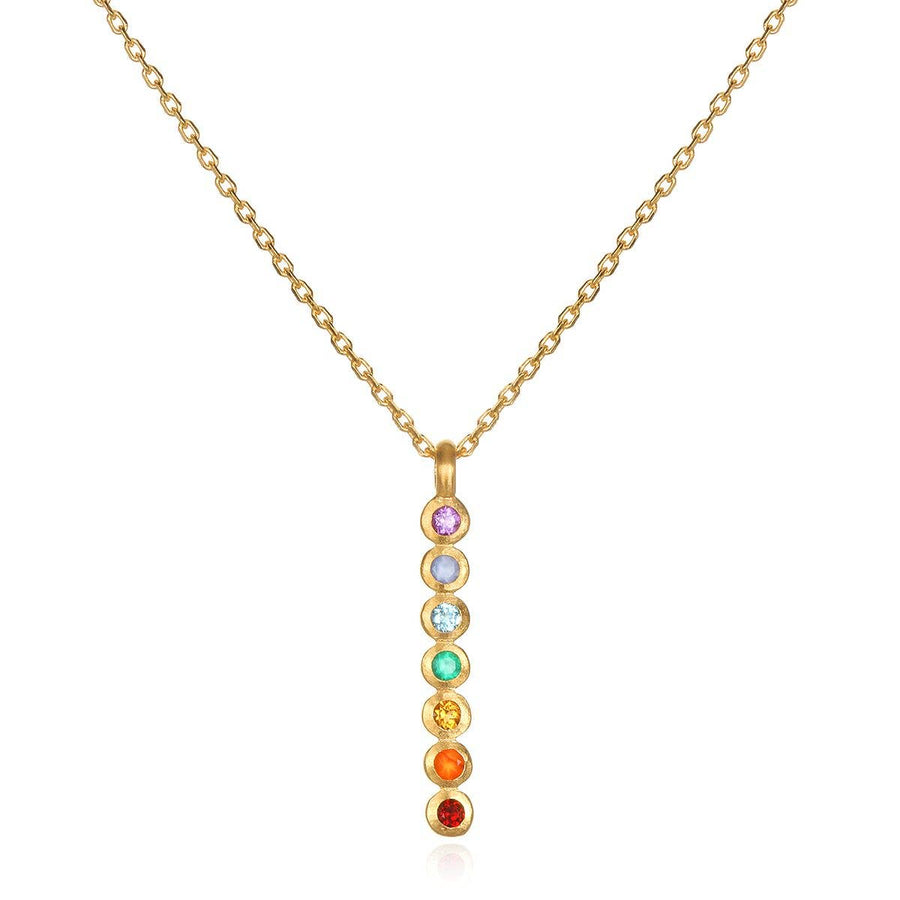


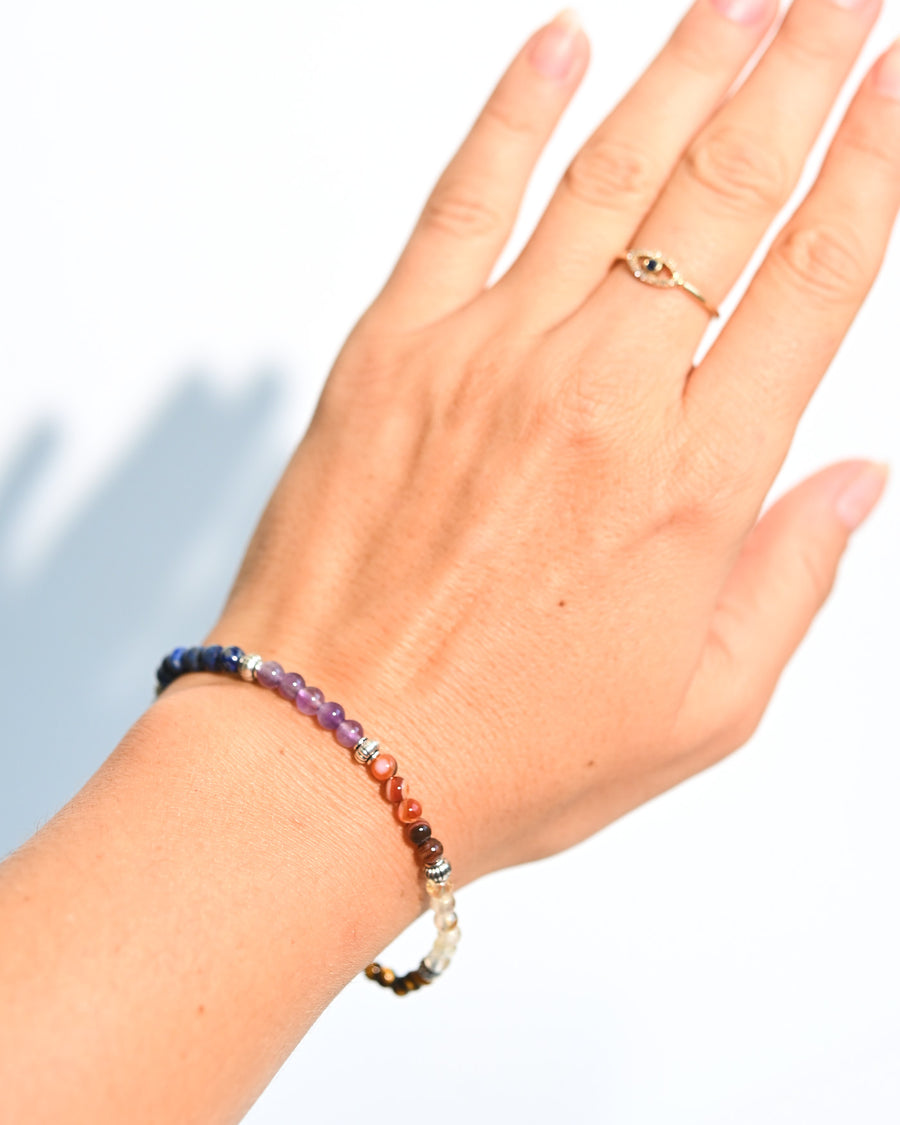


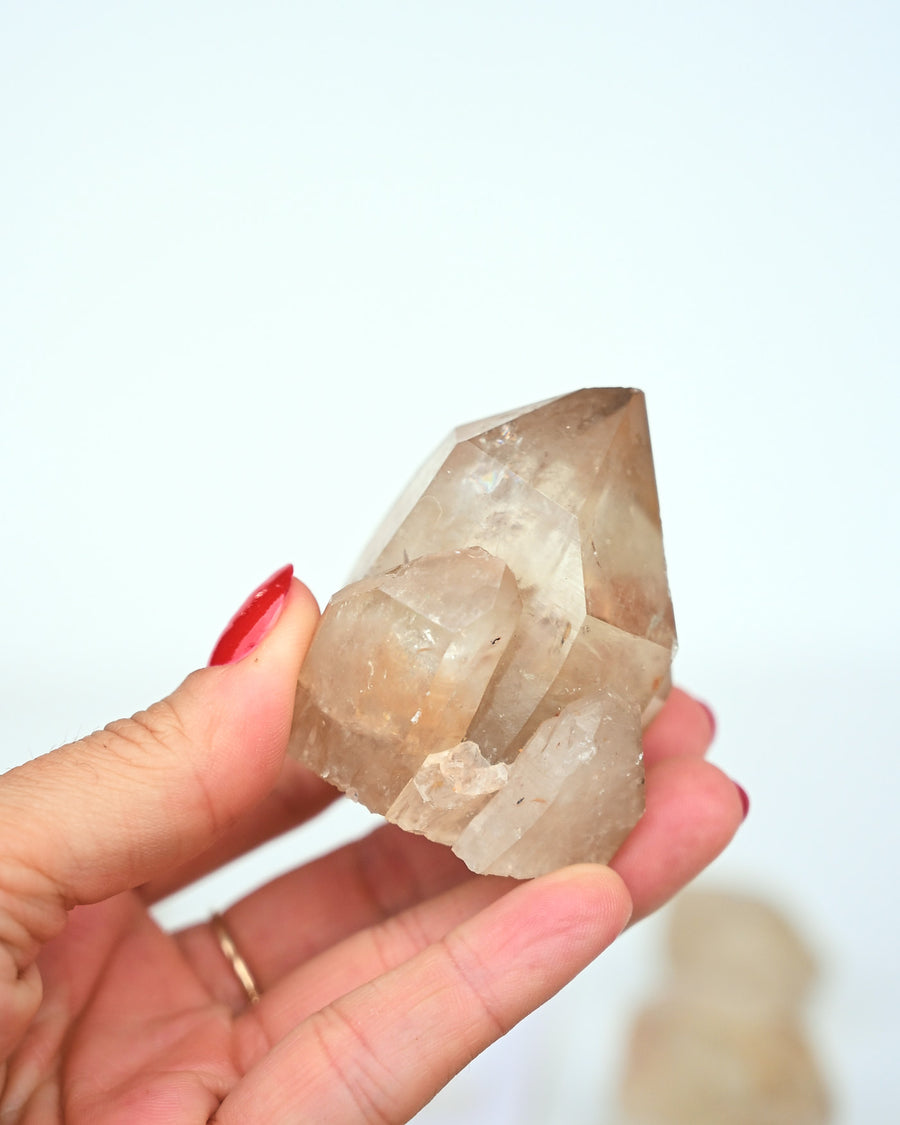


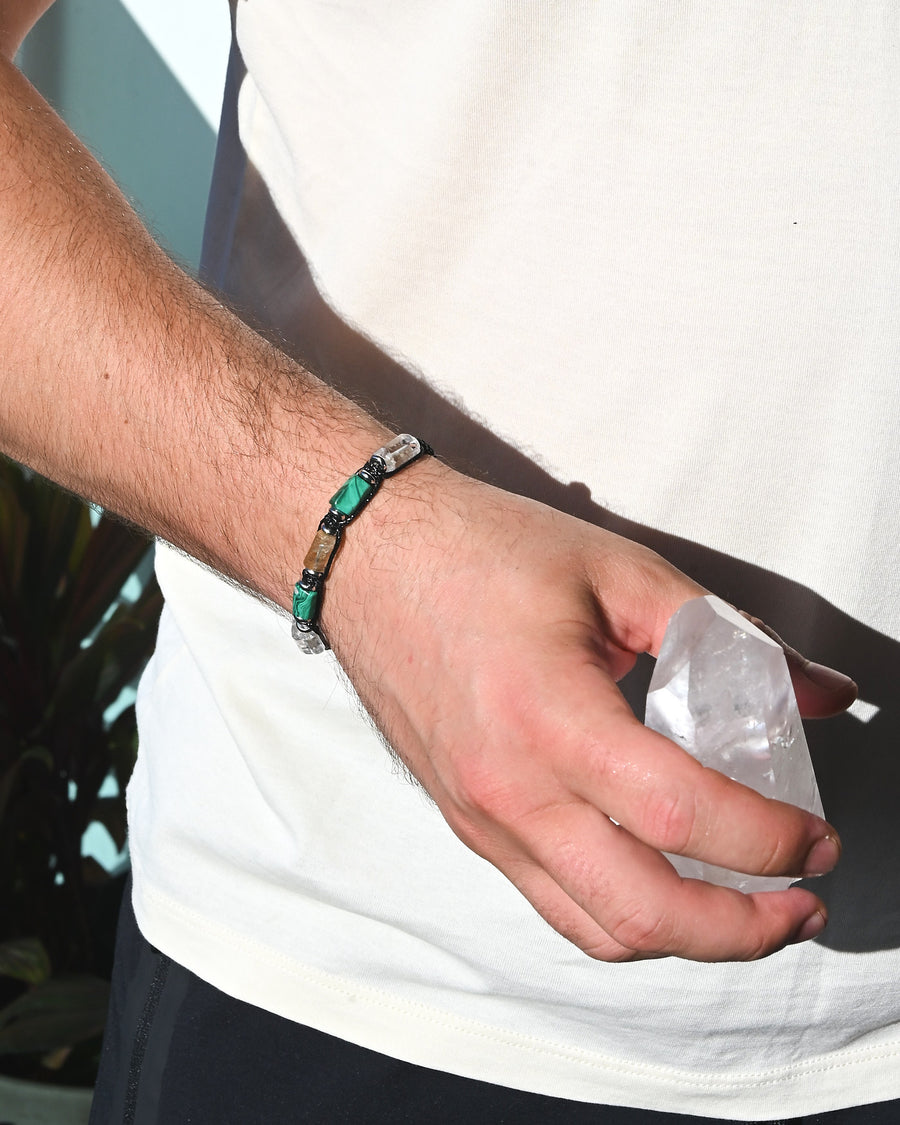


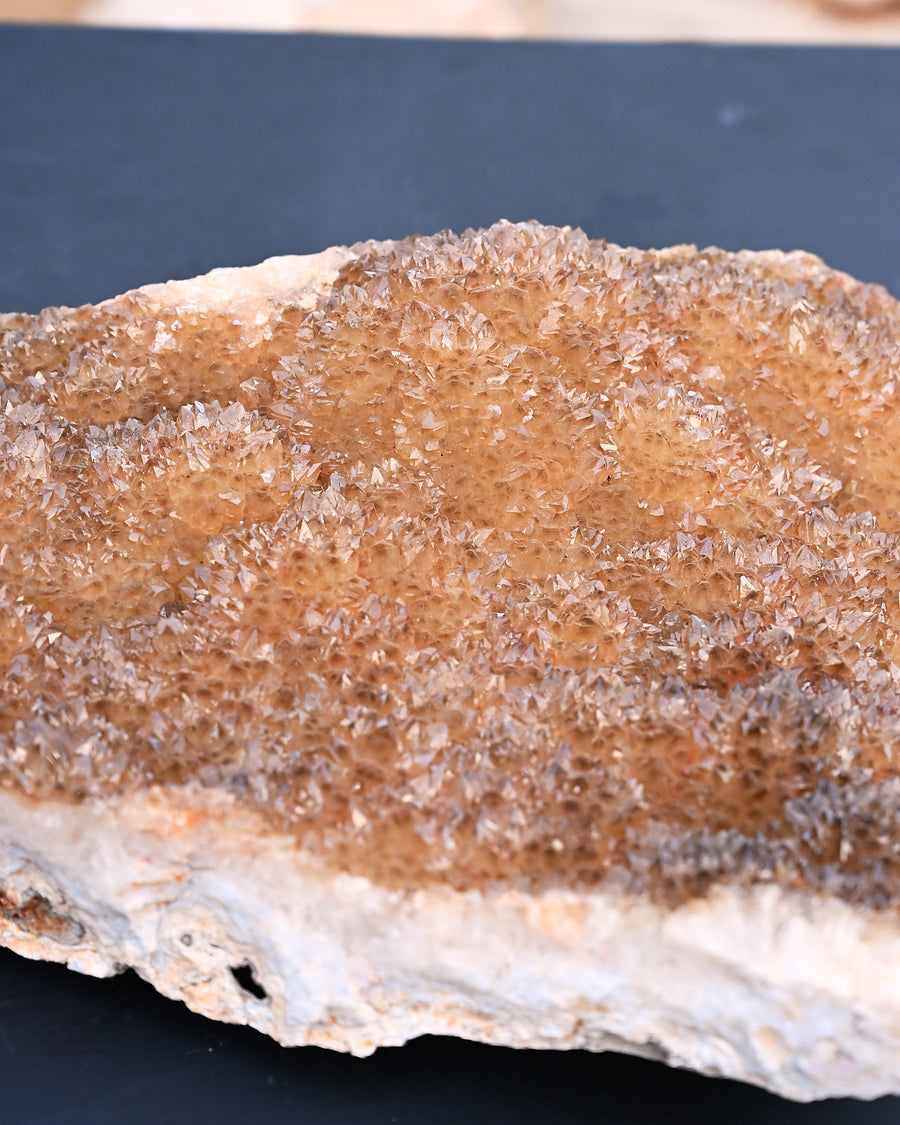

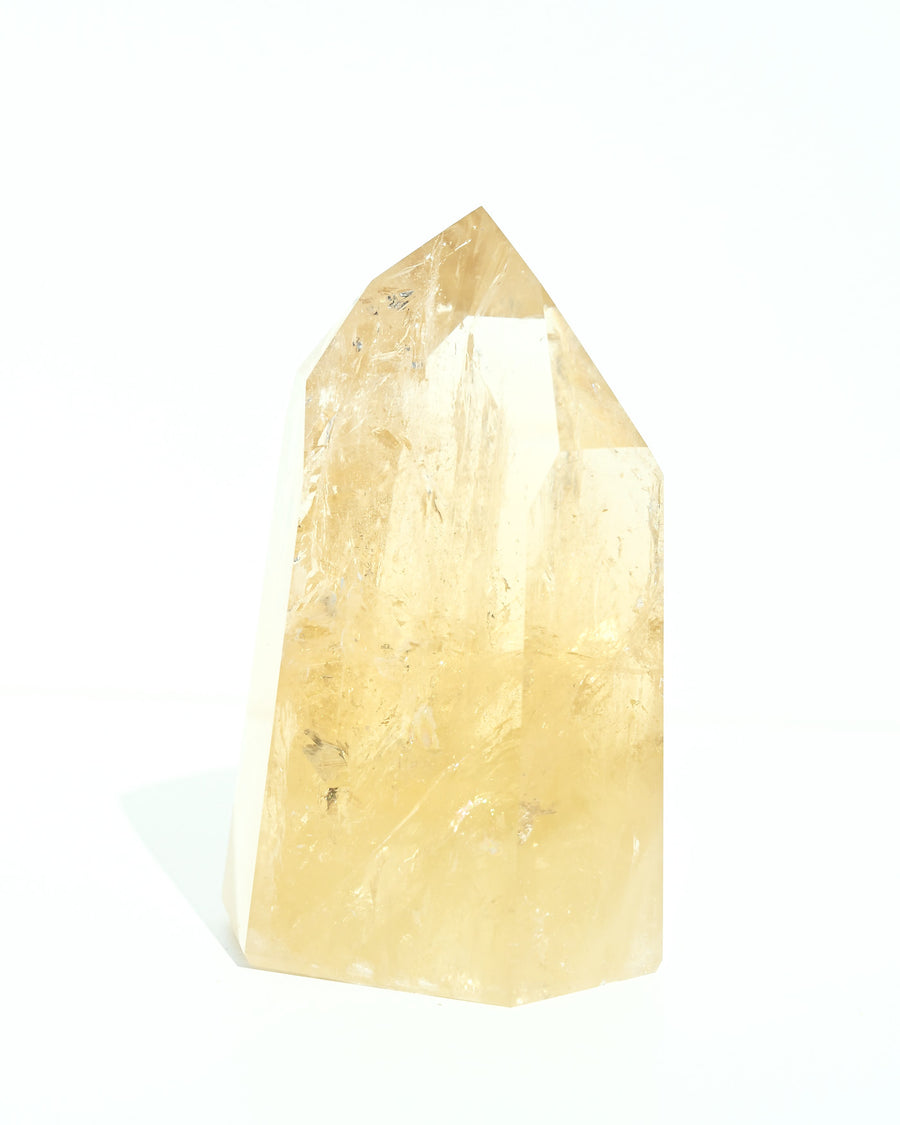

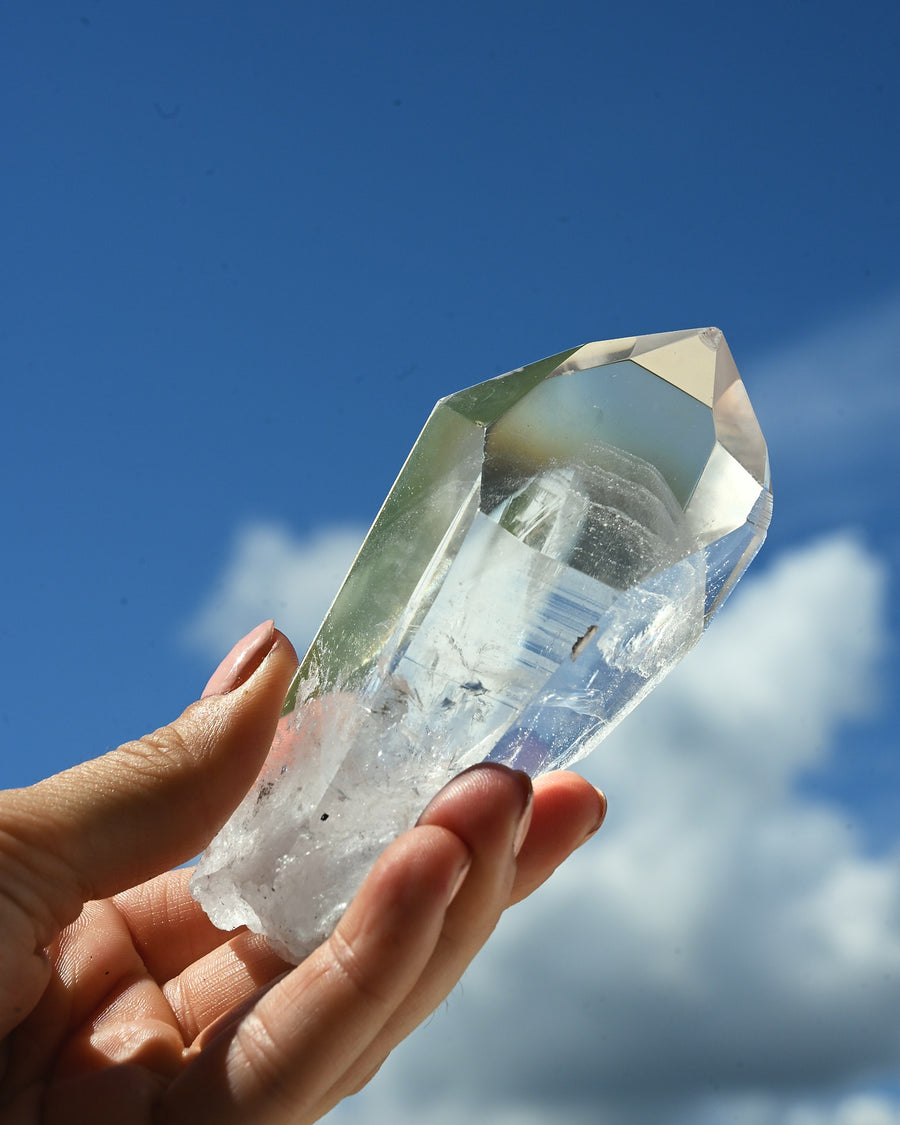


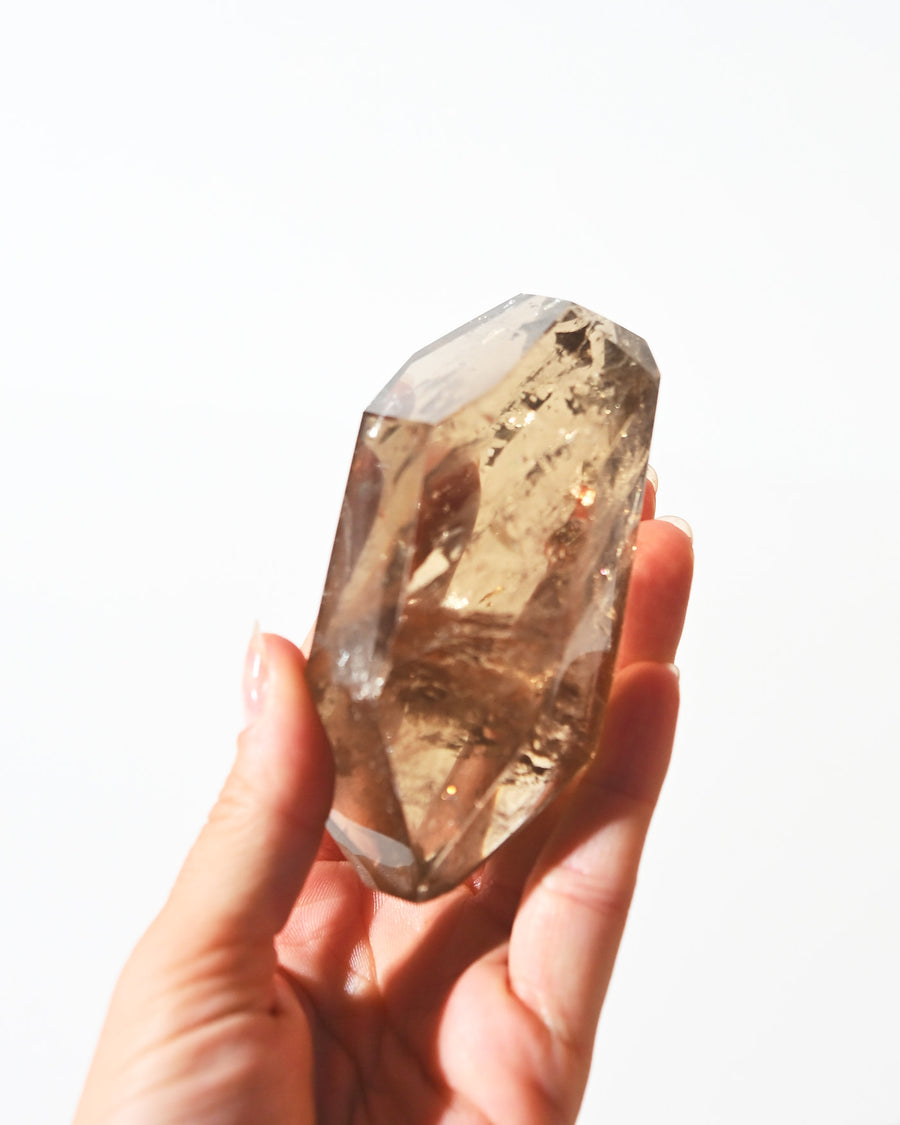

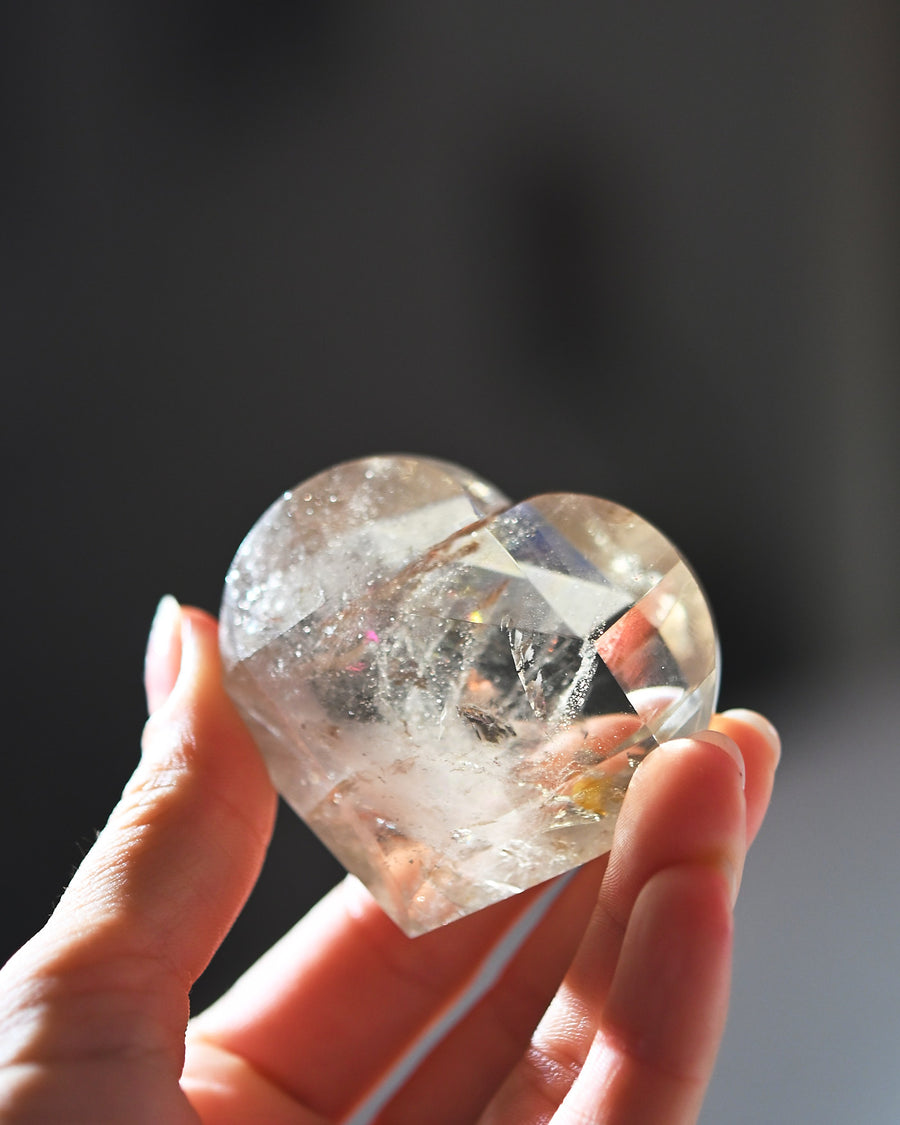


Hand-selected, mostly direct from family-owned mines in Brazil and South Africa.
I look for warmth of colour first, then clarity and the way a piece stands on its own.
Everything is packed by hand here and goes out in 1 to 3 business days.
Citrine is known as the stone of abundance and manifestation. It is associated with confidence, creativity, and attracting wealth and success.
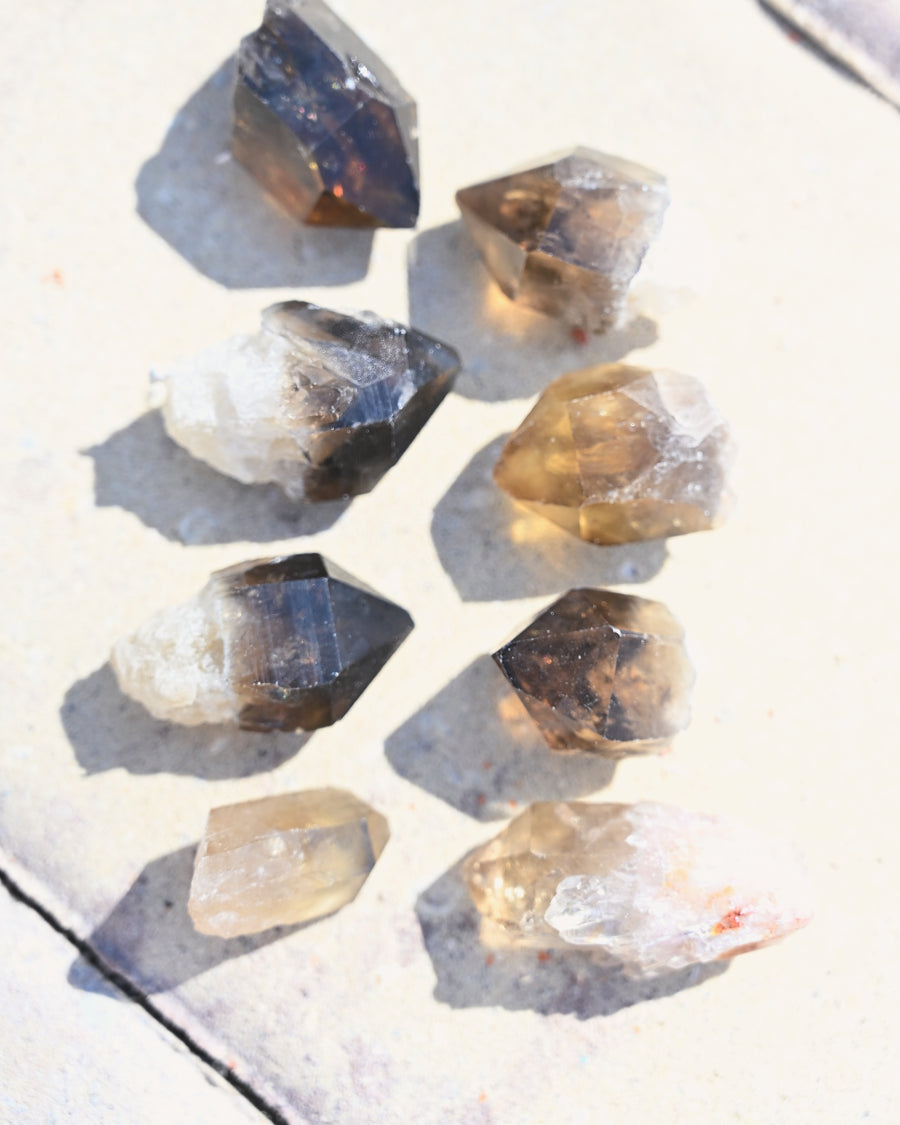
Natural citrine has a pale to golden yellow color with subtle variations. Heat-treated amethyst sold as citrine often appears bright orange or has white bases. Crystals.com sells only clearly identified specimens.
Place citrine in the wealth corner of your home (far left from your front door), on your desk for career success, or in your living room for positive energy flow.
Citrine is one of the few crystals said to not absorb negative energy, so it requires less frequent cleansing. A monthly cleanse under moonlight or with sage smoke is sufficient.
Citrine crystal is renowned for its vibrant, sunny energy, symbolizing abundance and prosperity. It is a powerful crystal for manifesting wealth, joy, and positivity in one's life, making it a favorite among those seeking financial success and emotional well-being.
Citrine properties encompass its ability to radiate positive energy and abundance. This sunny crystal is known for promoting wealth, confidence, and joy while helping to dispel negative thoughts and attract success.
A citrine necklace is a beautiful and meaningful piece of jewelry that not only enhances your style but also brings the uplifting and energizing properties of citrine close to your heart, promoting positivity and abundance in your life.
Natural citrine is a radiant crystal known for its vibrant golden hue and powerful properties that stimulate creativity, boost self-confidence, and attract prosperity, making it a sought-after gemstone for those seeking success and positivity in their lives. It's important to note that many citrine crystals on the market are heat-treated to achieve this color, but we offer only natural citrine in its pure form.
Citrine is not only a dazzling and vibrant crystal but also serves as the birthstone for the month of November. Its warm, sunny energy aligns perfectly with the autumn season and is believed to bring joy and abundance to those born in this month.
Looking for a specific citrine? Natural points, cathedral clusters, or a custom size. Submit a sourcing request →
True natural citrine is one of the rarest varieties of macrocrystalline quartz. Its golden-to-amber color comes from trace amounts of iron (Fe³⁺) within the silicon dioxide crystal lattice — not from heat treatment. At Crystals.com, we are transparent about the difference: every citrine listed as "natural" is genuinely untreated, sourced directly from deposits in Brazil, Congo, and Zambia. Read our natural citrine vs heat-treated guide to learn exactly what to look for.
Citrine crystallizes in the trigonal system with a Mohs hardness of 7, making it an excellent stone for jewelry, display pieces, and collectors. Natural citrine typically ranges from pale champagne to smoky golden hues — unlike heat-treated amethyst, which tends toward bright orange. Free shipping on all U.S. orders over $150.
Color authenticity. The single most important factor. Natural citrine shows subtle, smoky-golden tones that are consistent throughout the crystal. If you see bright orange, burnt sienna, or a white base with abrupt color change — that is heat-treated amethyst, not natural citrine. Every piece on this page is verified natural.
Form. Raw citrine points preserve the natural crystal habit and are prized by collectors. Polished citrine towers and freeforms make clean display pieces. Clusters show the full geological context of how the crystals grew together.
Origin. Brazilian citrine from Minas Gerais tends toward warm champagne. Congolese citrine often runs deeper amber. Zambian material can show a distinctive smoky-gold. Each locality has character worth knowing.
Size vs. saturation. Deeper color in larger specimens is genuinely rare in natural citrine. A large piece with strong, even golden saturation is a meaningful find.
Citrine shares its SiO₂ chemistry with every other quartz variety in our collection. It pairs naturally with amethyst (its iron-colored cousin, where a different oxidation state produces purple), clear quartz (the colorless baseline), rose quartz (colored by dumortierite inclusions), and smoky quartz (irradiation-darkened). Displaying multiple quartz varieties together is one of the most effective ways to show the range of a single mineral species.
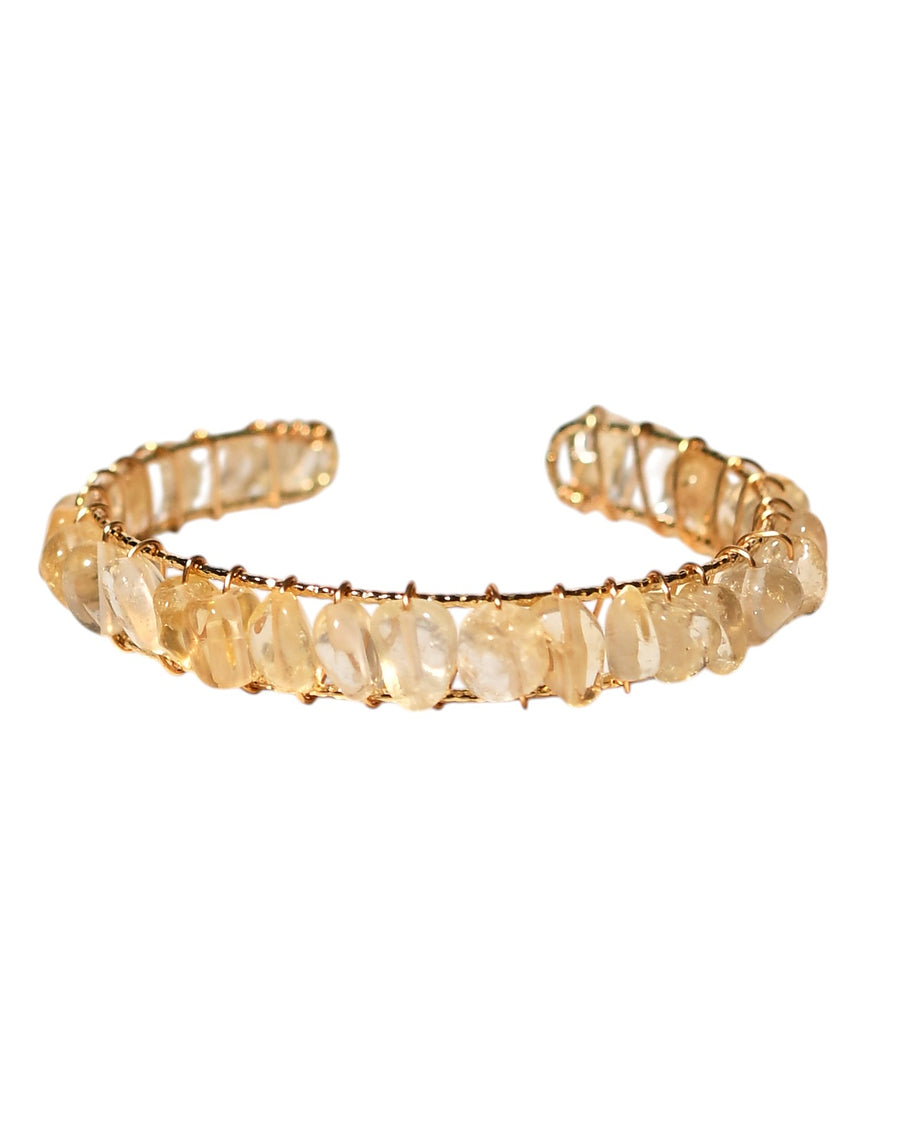
For wearable citrine, browse our crystal jewelry collection for rings, pendants, and citrine bracelets. Shopping for someone else? Our crystal gifts guide covers every price point.
Every specimen personally chosen
On orders over $150
Direct from trusted miners
Never heat-treated or dyed
Natural citrine has a subtle, smoky-golden color that is consistent throughout the crystal. Heat-treated citrine (created by heating amethyst) typically shows bright orange or burnt-orange tones, often with a white base where the color abruptly changes. We label all our specimens clearly so you always know what you are purchasing.
The finest natural citrine comes from Minas Gerais, Brazil. Notable deposits also exist in the Democratic Republic of Congo, Zambia, Madagascar, and occasionally the Ural Mountains. Each locality produces distinct color profiles and crystal habits.
Yes. At 7 on the Mohs hardness scale, citrine is harder than glass and most common household materials. It is an excellent choice for rings, pendants, and crystal bracelets. Avoid prolonged direct sunlight, which can gradually fade the color over months of continuous exposure.
Natural citrine ranges from pale champagne and straw yellow to warm golden and light amber. The color comes from trace iron (Fe³⁺) in the quartz lattice. It is generally more subtle and smoky than the vivid orange seen in heat-treated material.
Clean citrine with mild soap and warm water using a soft cloth or brush. Avoid ultrasonic cleaners and prolonged exposure to direct sunlight, as extended UV exposure can slowly fade the color. Store separately from harder gemstones to prevent surface scratches.
Both are varieties of quartz colored by iron, but the iron occupies different oxidation states. In amethyst, Fe³⁺ ions interact with natural radiation to produce purple. In citrine, a different arrangement of iron produces golden tones. Heat-treating amethyst can convert it to an orange color that is sometimes sold as citrine — but it is not the same as naturally occurring citrine.
Styling notes

Amethyst Crystals
Gold and purple. The same mineral, opposite ends of the colour wheel.
Shop the pairing →
Pyrite Crystals
Two golds, one warm and glassy, one metallic. They make each other obvious.
Shop the pairing →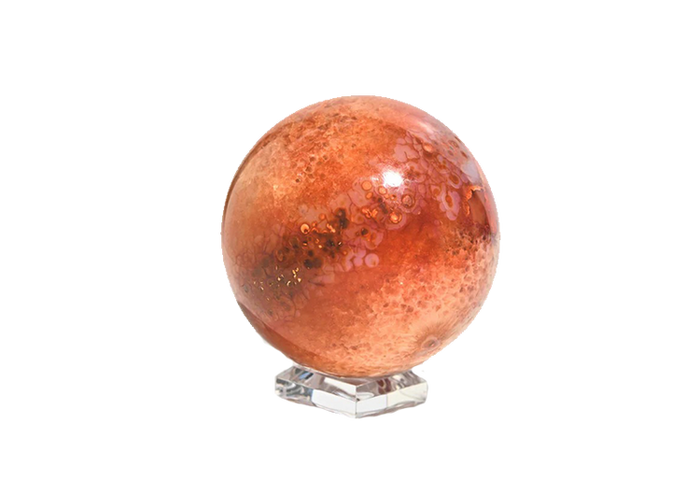
Carnelian Crystals
Orange beside gold. Both warm stones, and neither of them quiet.
Shop the pairing → Amethyst CrystalsGold and purple. The same mineral, opposite ends of the colour wheel.Shop the pairing →
Can't choose?
Tell it what you need. It picks one piece for you, in stock right now.
Sorry, looks like we don't have enough of this product.


