





Authentic Origins
Every piece is hand-selected and documented in-house for true representation.
Each crystal is intentionally hand-selected and photographed in-house — the piece you see is the piece you receive.


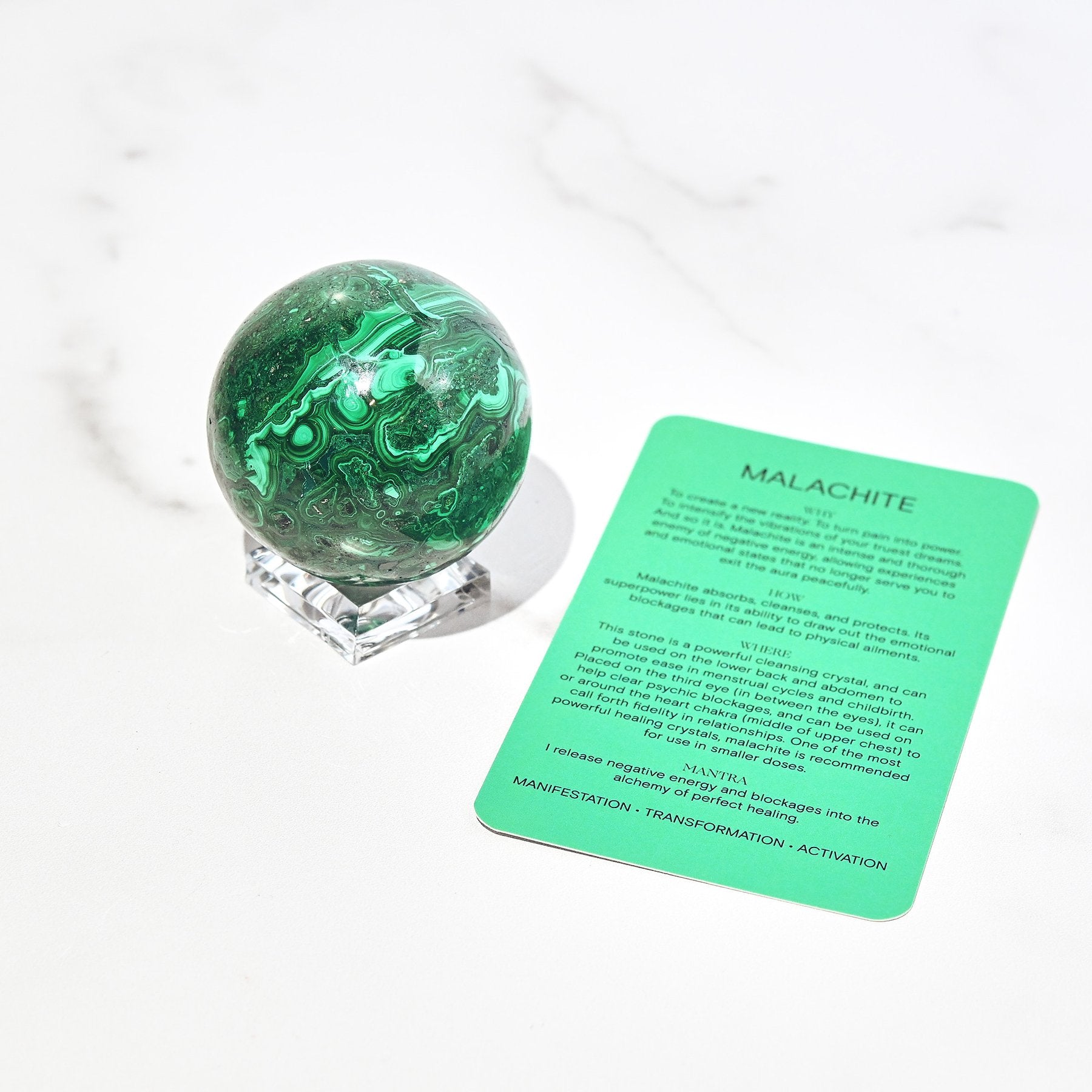
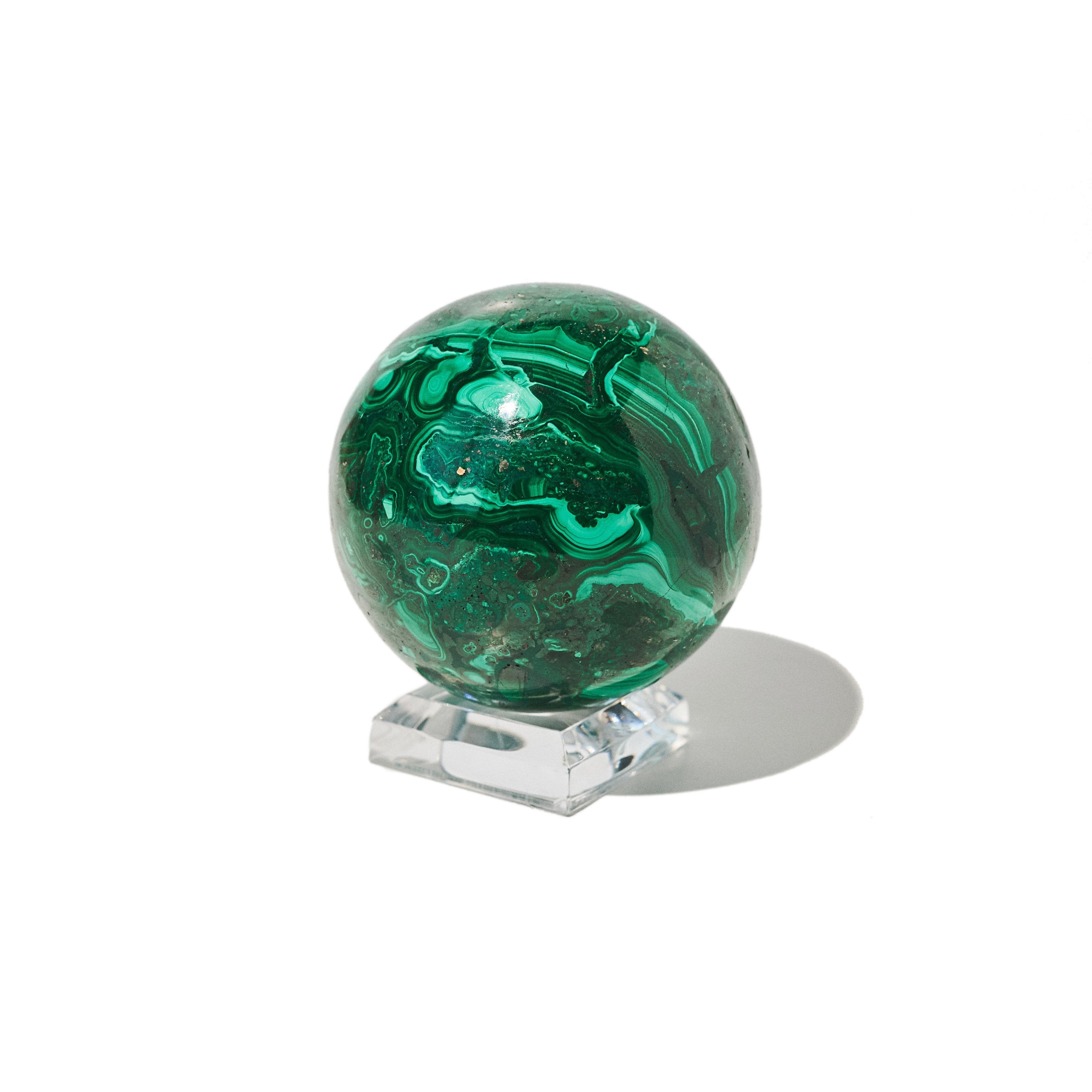
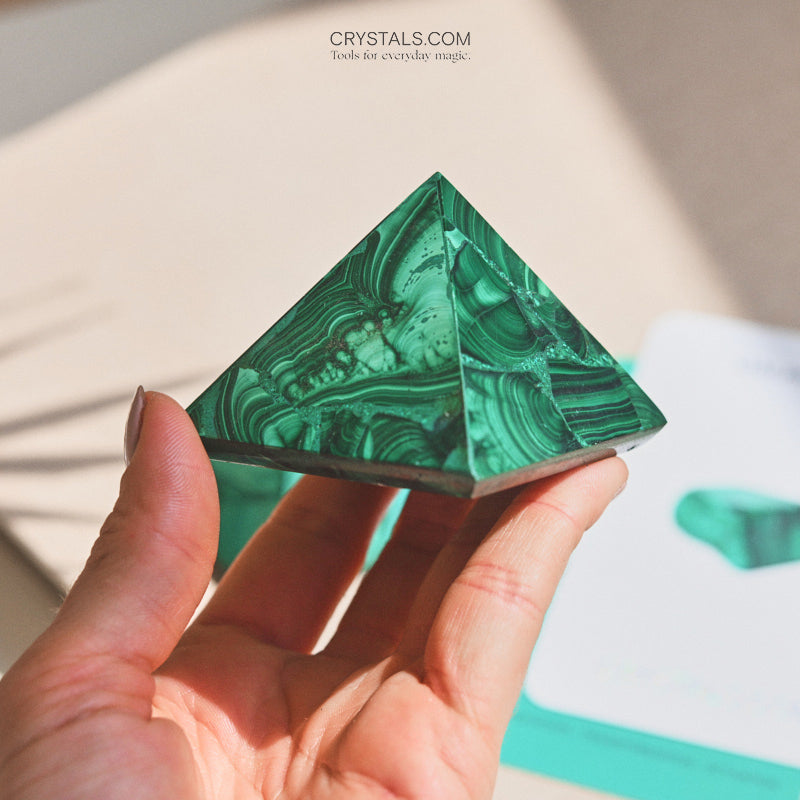
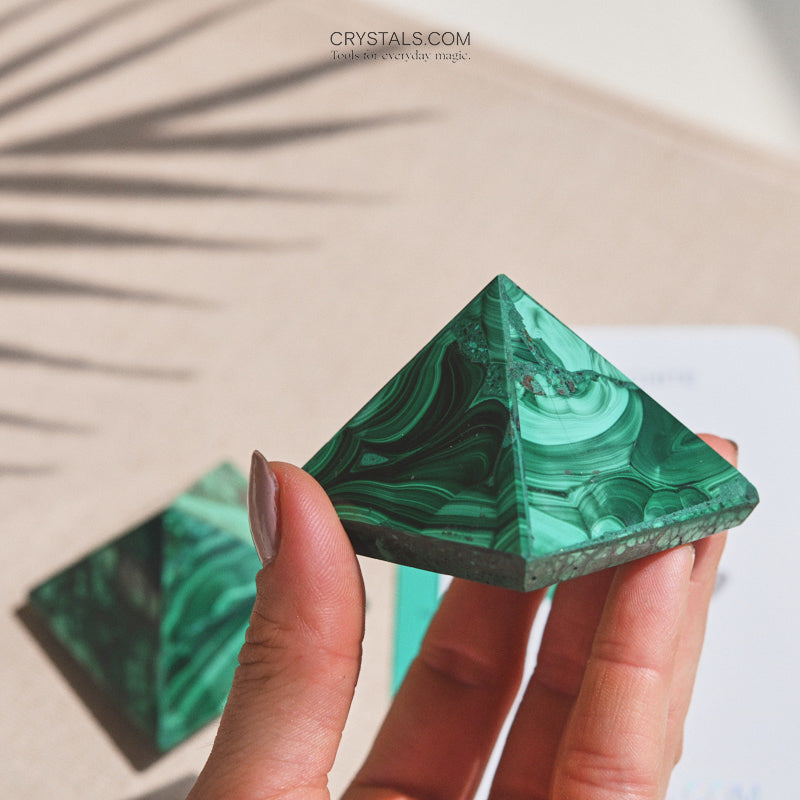
Congo’s mineral landscape is among the most vibrant and geologically diverse on Earth. From lush rainforest hills to ancient metamorphic belts, this region produces crystals of incredible color and energetic depth. Known for Malachite, Chrysocolla, and Dioptase, Congo’s stones are celebrated for their saturation, polish, and strong grounding presence.


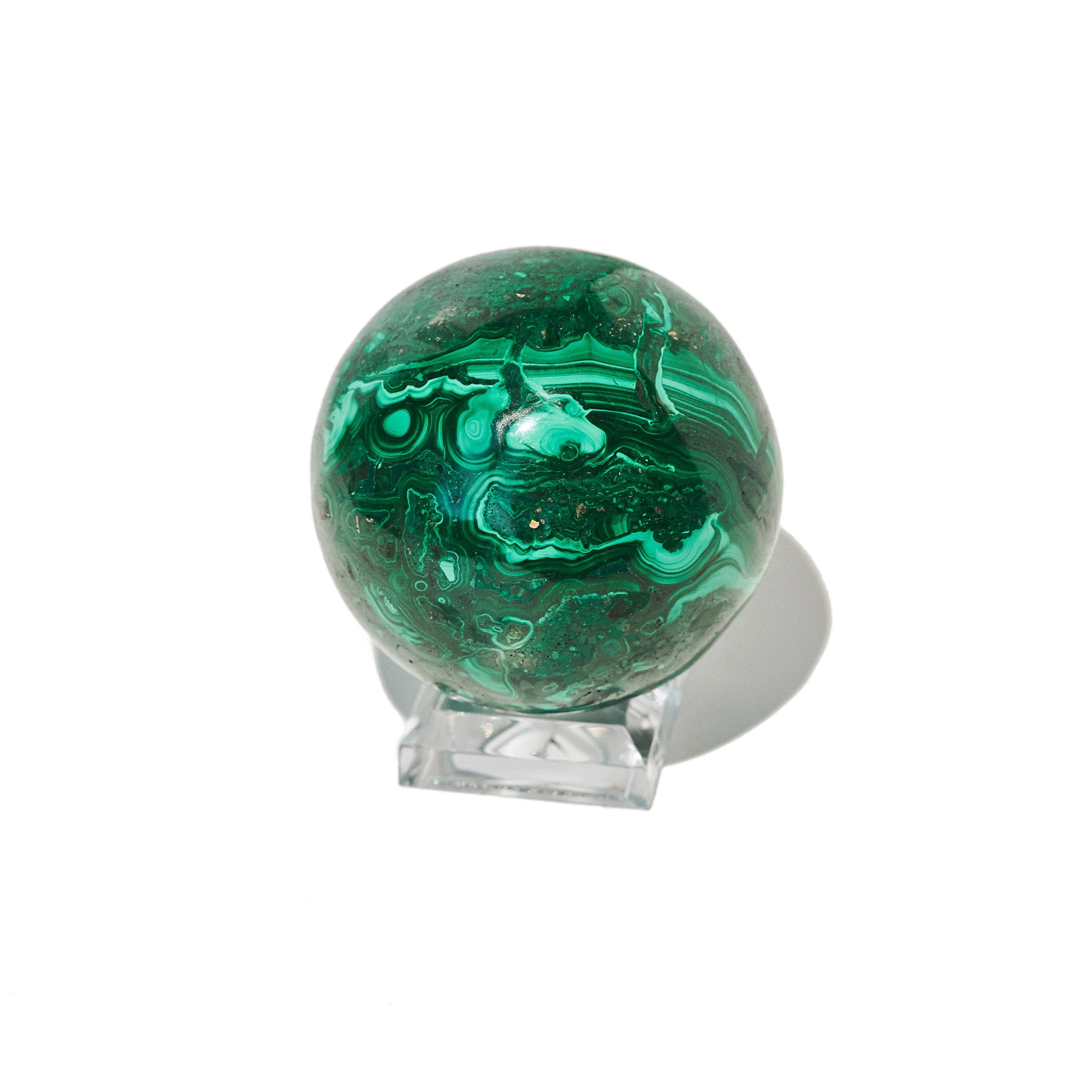
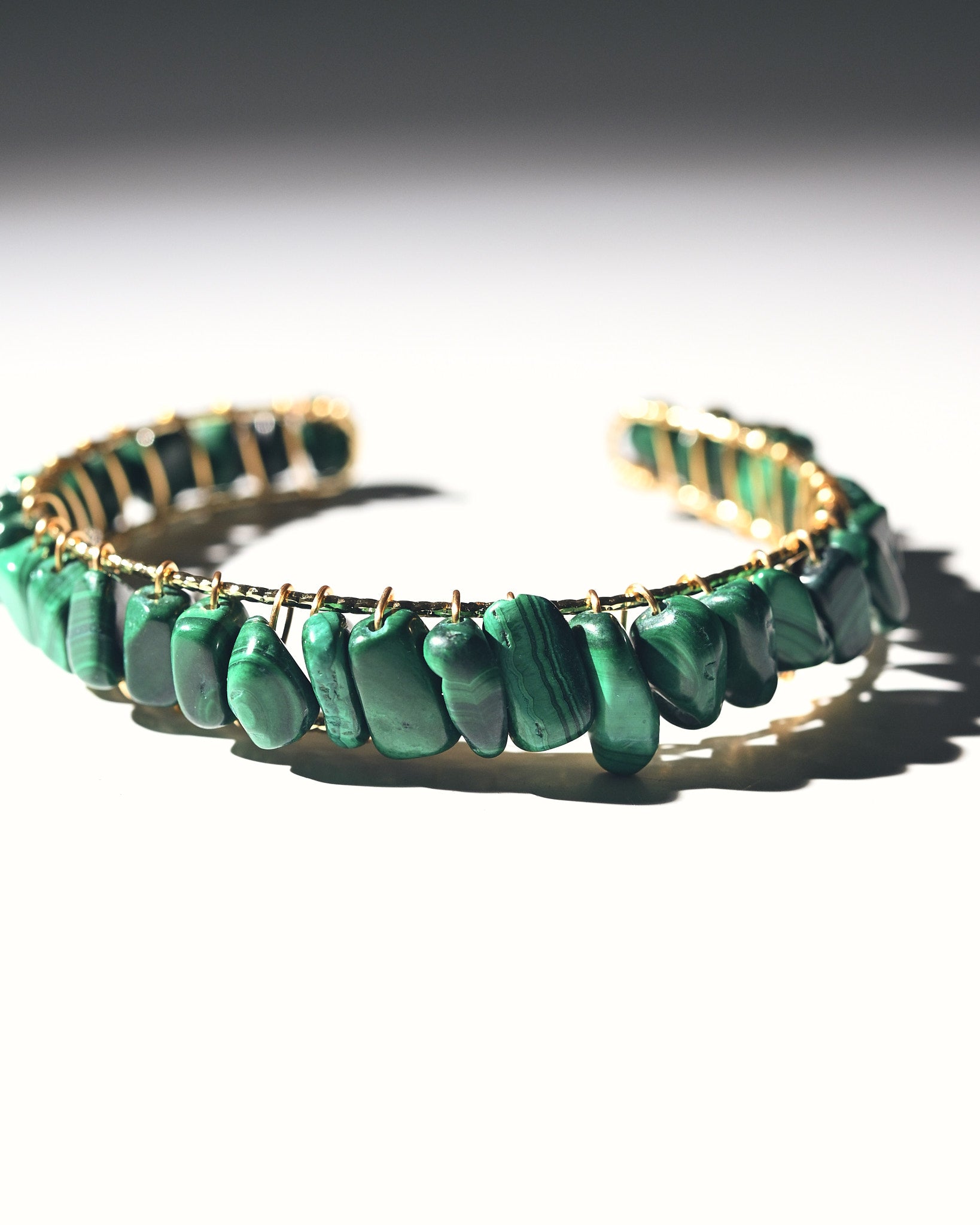
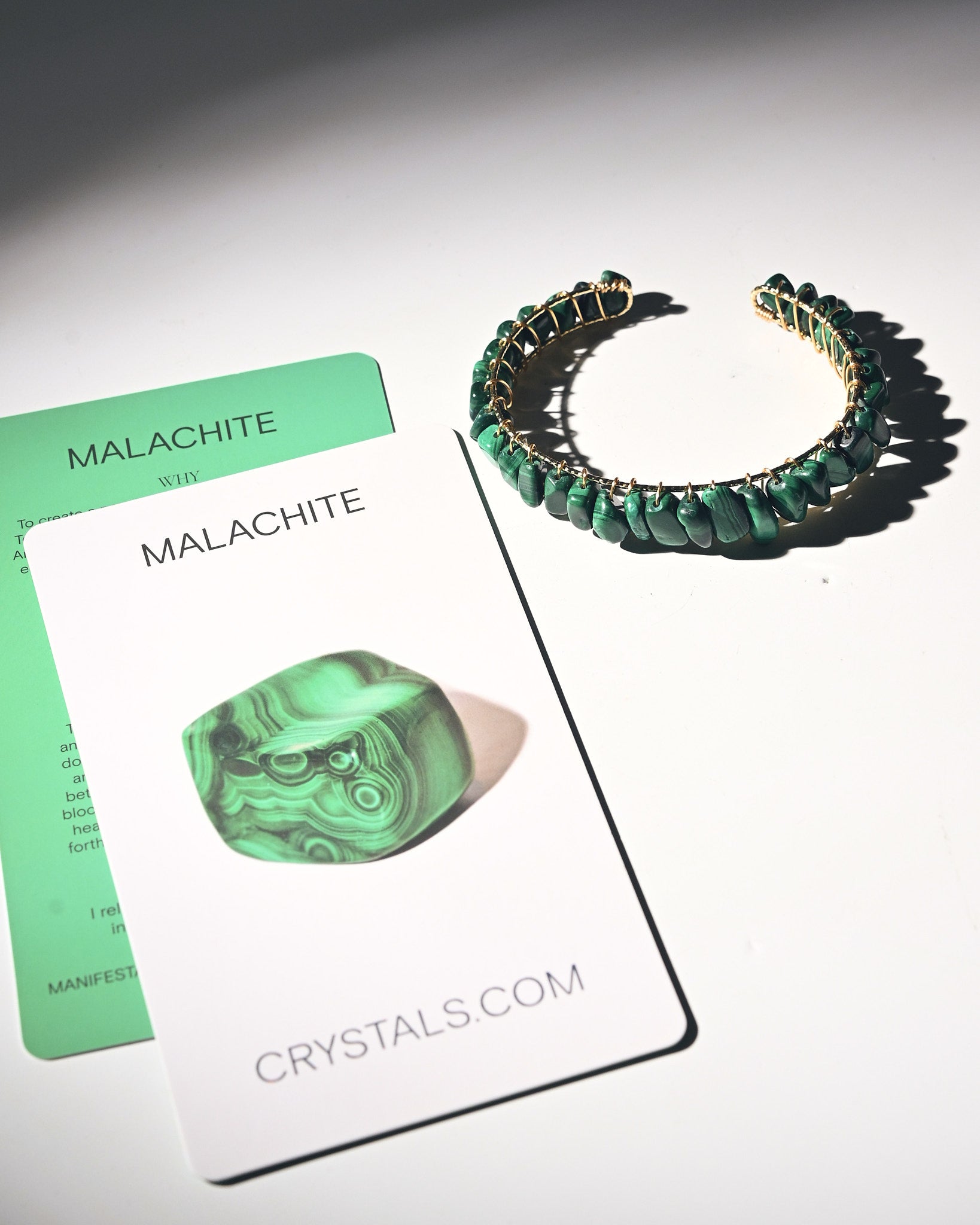
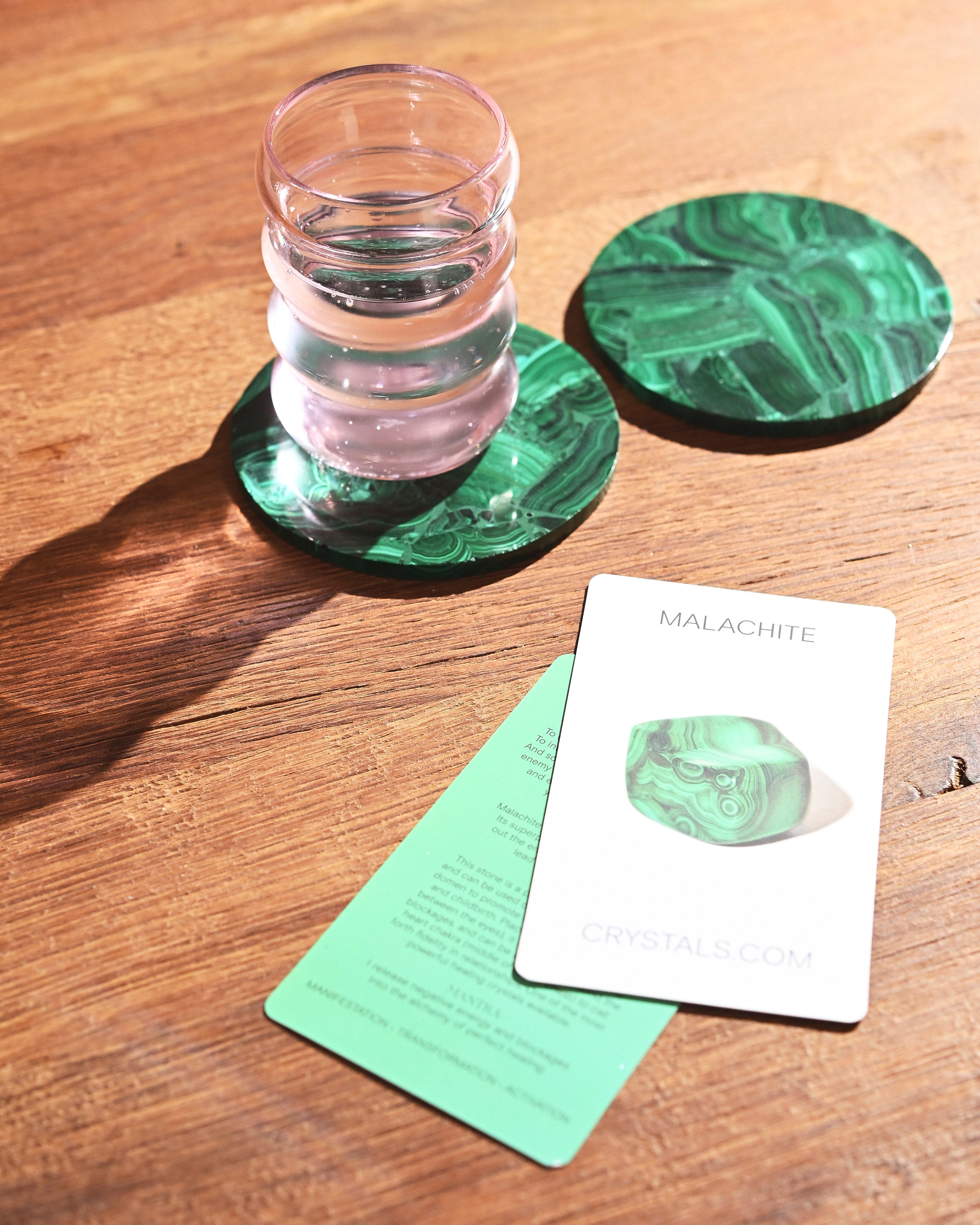
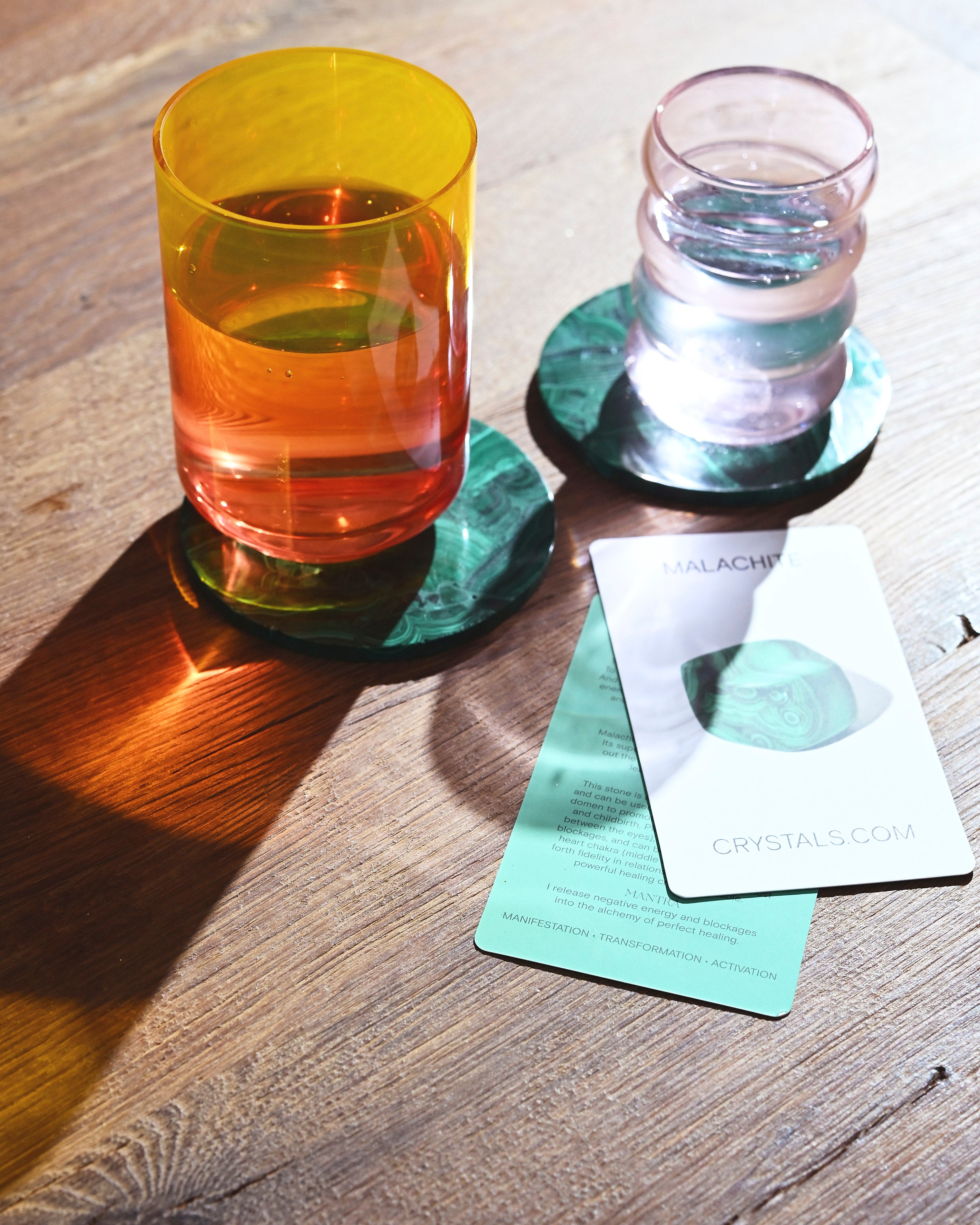
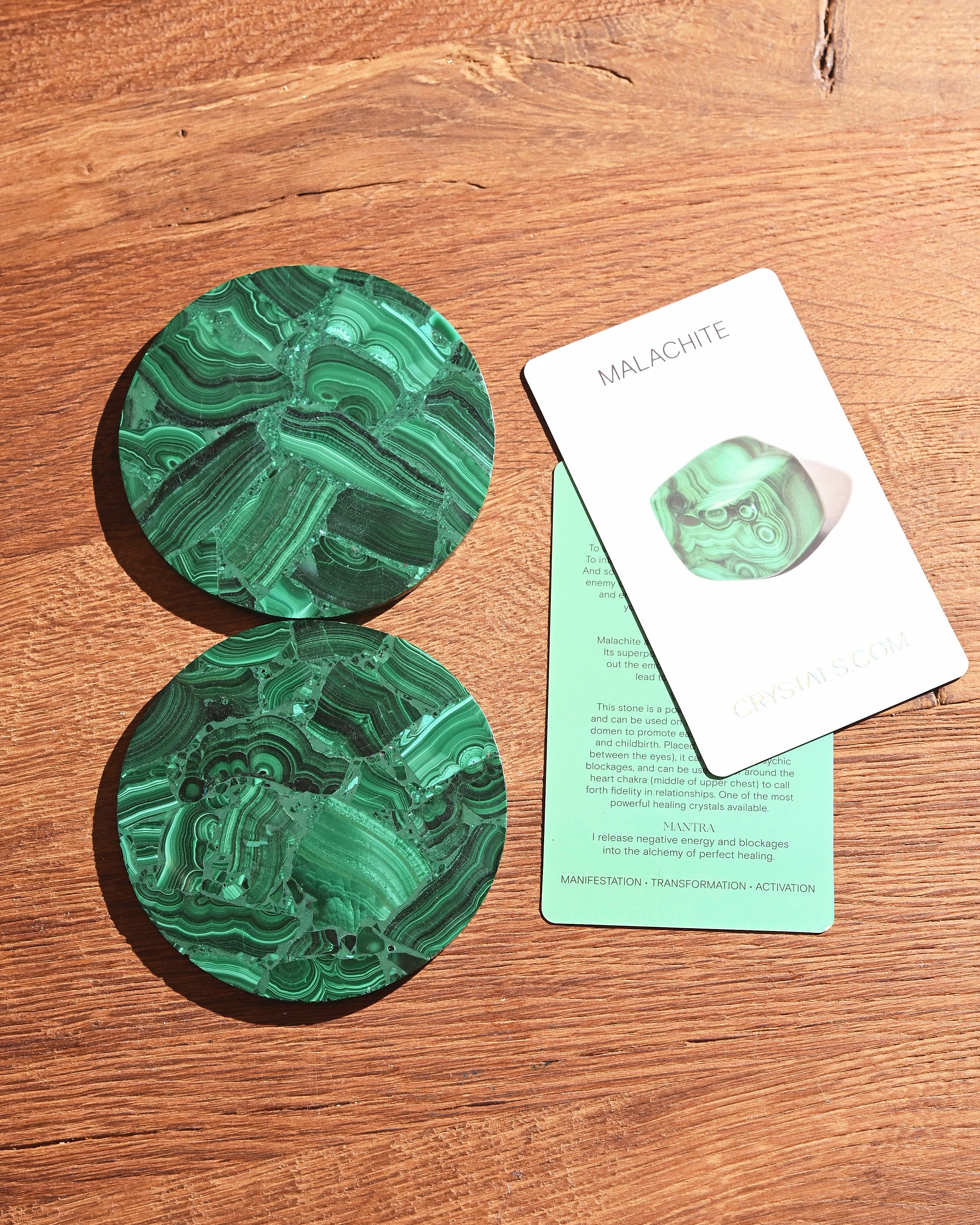
The Katanga Copperbelt is one of the world’s richest sources of Malachite, Azurite, and Chrysocolla. These minerals form in the oxidized zones of massive copper deposits, creating breathtaking green and blue banded formations. The region’s gemstones are prized for their bold color and sculptural beauty.

Kolwezi is famed for its intense Dioptase and Cobalt-bearing minerals, including Cobalt Calcite and Carrollite. The nearby Kakanda and Kambove mines produce collector-grade specimens, some displaying rare crystal combinations of malachite and azurite on matrix.

Although smaller in scale, this region produces extraordinary Dioptase with deep emerald-green color. The clarity and brilliance of Mindouli Dioptase specimens rival those from Tsumeb, Namibia, making them highly sought after by collectors and museums.
Promotion title
Data sourced from field gemologists and GIA mineral records.
| Mineral | Formula | Hardness | Color | Birthstone |
|---|---|---|---|---|
| Amethyst Show more |
SiO₂
SiO₂ is silicon dioxide (Quartz)
|
7 | Purple | February |
| Citrine Show more |
SiO₂
SiO₂ is silicon dioxide (Quartz)
|
7 | Yellow |
November
Preview
|
| Tourmaline Show more |
Complex
Complex borosilicate mineral
|
7-7.5 | Pink | October |
| Clear Quartz Show more |
SiO₂
SiO₂ is silicon dioxide (Quartz)
|
7 | Clear | April |
| Aquamarine Show more |
Be₃Al₂Si₆O₁₈
Beryllium aluminum silicate
|
7.5-8 | Blue-Green |
March
Preview
|
| Emerald Show more |
Be₃Al₂Si₆O₁₈
Beryllium aluminum silicate
|
7.5-8 | Green |
May
Preview
|

Brazil produces over 90% of the world's citrine.

Amethyst geodes form naturally inside volcanic rock over millions of years.

The name "Amethyst" comes from the Greek amethystos, meaning "not intoxicated."

Minas Gerais translates to "General Mines" — a region known for its mineral abundance.

Bolivia has the only commercial source of natural ametrine in the world.
Congo Crystals
Real Crystals sourced from Congo
Founder’s Note
Every crystal begins as an encounter shaped by time and human touch. I personally source each piece, working closely with miners and artisans who handle them with care.
As a photographer and lifelong lover of design, I’m drawn to light, color, and form, the same elements that make crystals feel like natural works of art.
Each piece is photographed in natural light to honor its true texture and energy, a quiet balance of beauty, material, and meaning.
Brittany Roughton
Founder & Curator, Crystals.com

Authenticity, ethics, and craft — visualized as energy, intention, and creation.
Every piece is hand-selected and documented in-house for true representation.
Each crystal is intentionally hand-selected and photographed in-house — the piece you see is the piece you receive.
Shot in natural light — color & form are true.
What you see is what you’ll receive — every piece is photographed in natural light for accurate color, form, and detail.
Long-term relationships that honor people & planet.
We work through long-term, responsible partnerships that respect people and planet — never mass-produced or enhanced.
Recognized for rare, one-of-a-kind natural specimens.
Recognized by designers & collectors for rare, one-of-a-kind natural mineral specimens and refined curation.
A living archive of crystal meanings, origins, and care rituals — your guide to understanding the stones you bring home.
Explore the Encyclopedia →The Democratic Republic of Congo is world-renowned for its Malachite, Chrysocolla, Azurite, Dioptase, Cobalt Calcite, Carrollite, and Shattuckite. These gems are primarily sourced from the Katanga Copperbelt and Kolwezi mining regions, famous for their intense colors and high-grade mineral specimens.
The Congo is the exclusive source of Carrollite, a rare copper-cobalt-nickel sulfide mineral found in the Kambove and Kolwezi areas. Genuine gem-quality carrollite crystals are highly sought after by collectors for their metallic luster and perfect cubic form.
Across Africa, one of the rarest gemstones is Grandidierite, but within Congo specifically, Dioptase is among the rarest and most collectible. Its vivid emerald-green hue and transparent crystals make it one of the most valuable copper silicates on the continent.
While industrially Cobalt and Copper dominate Congo’s exports, in the collector and gemstone world, Malachite and Dioptase are the most valuable minerals. High-grade specimens from Katanga and Mindouli can fetch thousands of dollars due to their vibrant color and polish quality.
China’s deposits span every major mineral group — from volcanic quartz veins to copper-rich skarns — offering a vast range of color, texture, and formation. Many mines also produce museum-grade specimens, bridging natural history and fine art.
Quartz is primarily mined in Sichuan, Guangdong, and Hunan Provinces. Hunan produces high-clarity clear quartz and smoky quartz clusters, while Sichuan’s deposits yield large, naturally polished crystals often used in energy and design collections.
Sorry, looks like we don't have enough of this product.

Buy It With
$10.00 USD
