

Green Jade Palm Stone
$22
Crystals.com
Jade. Prized for thousands of years across cultures, from ancient China to Mesoamerica. Cool to the touch, dense in the hand, and polished to a deep, waxy luster. Green is the most recognized color,...
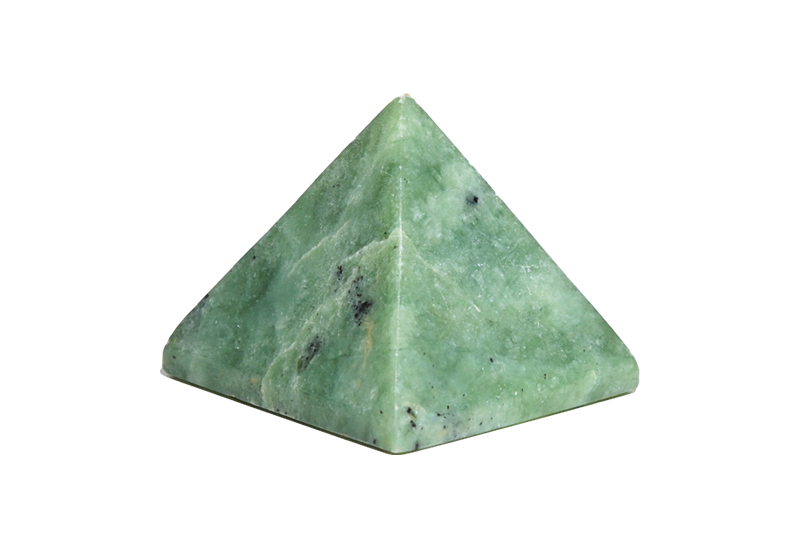
6 pieces
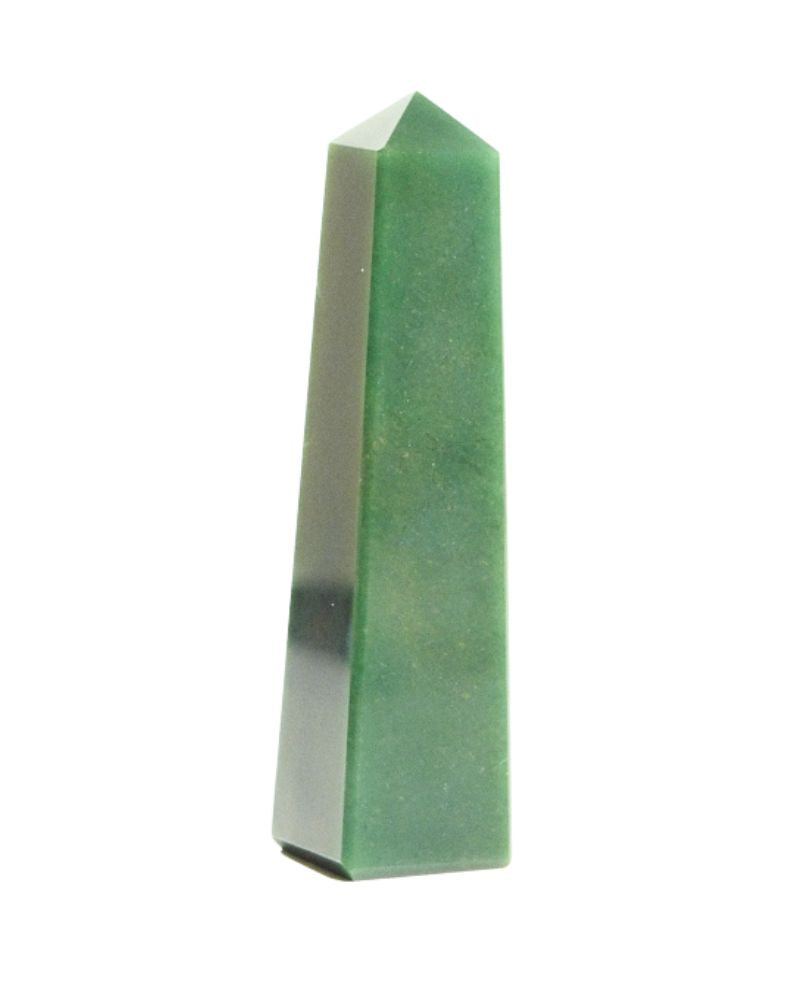

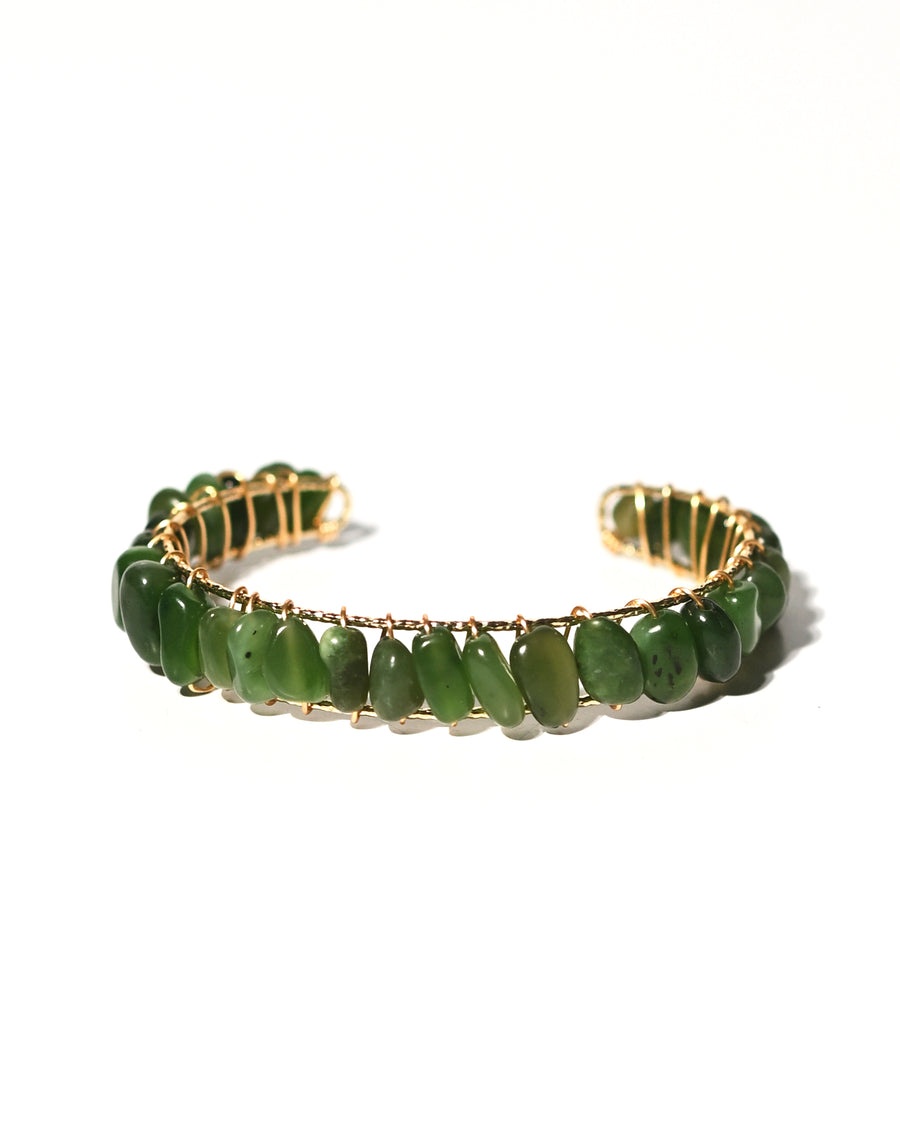


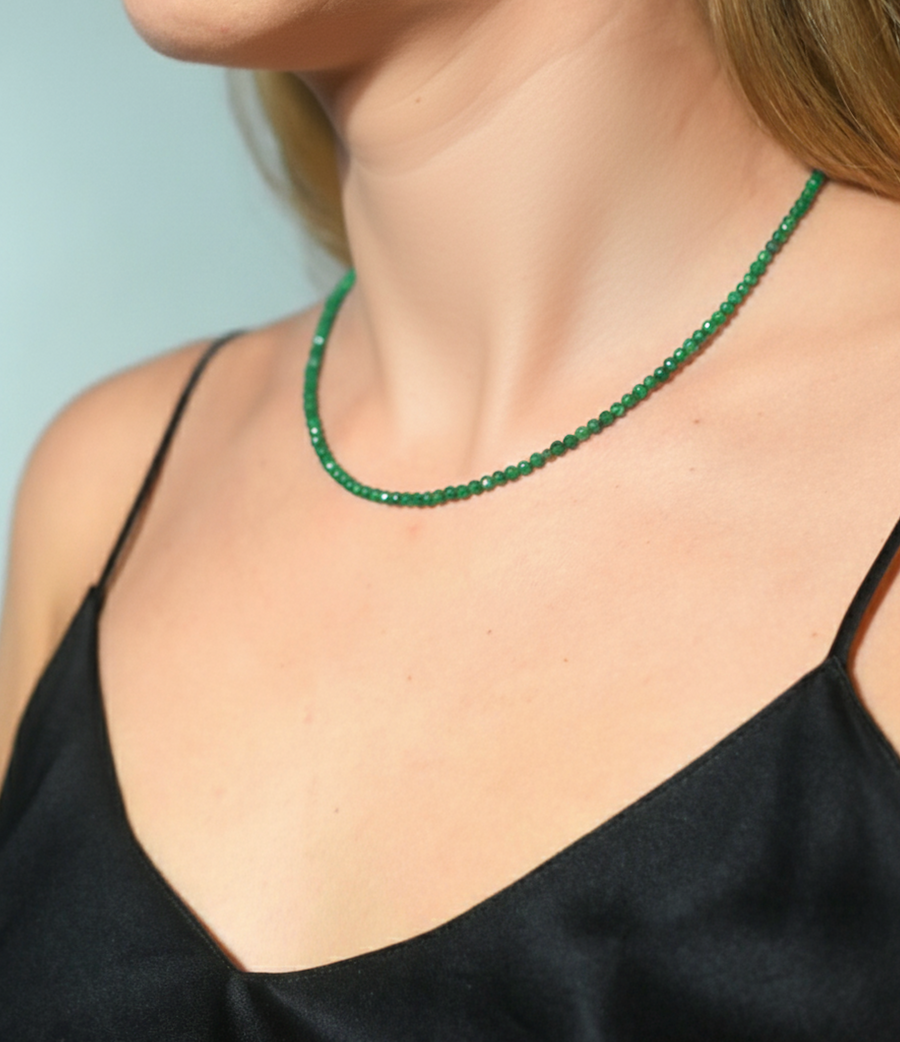

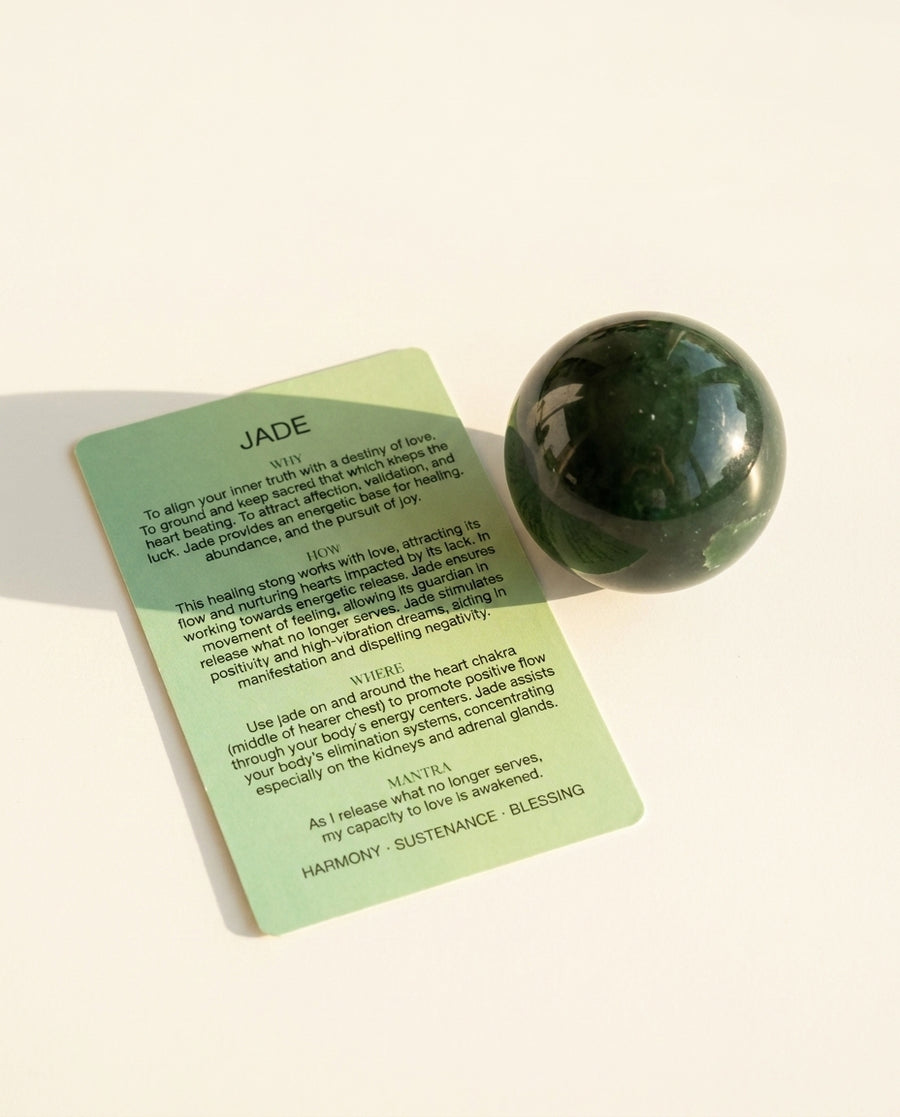

Chosen piece by piece, mostly direct from mines and suppliers I have worked with for years.
I shoot every piece myself, so a one of a kind piece is the exact piece you receive.
Packed by hand here and out in 1 to 3 business days.
Jade symbolizes prosperity, harmony, and protection. It has been treasured for thousands of years across cultures as a stone of luck and wisdom.
Jadeite and nephrite are both true jade. Jadeite is rarer and comes in more vivid colors, while nephrite is more common and typically appears in shades of green.
Clean jade with warm water and a soft cloth. Avoid harsh chemicals and prolonged sun exposure, which can fade its color over time.
Yes. Jade is one of the most traditional gift stones, symbolizing good luck, friendship, and protection for the recipient.
Jade crystal embodies meanings of purity, serenity, and abundance. This revered gemstone is associated with promoting emotional balance, prosperity, and harmony, making it a cherished symbol of well-being and luck.
Jade is a mineral rather than a crystal. It is a tough and durable metamorphic rock composed mainly of the minerals nephrite or jadeite and is highly valued for its cultural and ornamental significance.
To charge your Jade crystal, place it under the gentle moonlight overnight or allow it to soak in the sunlight for a few hours.
Jade crystal is generally safe for brief contact with water, but it's advisable to exercise caution and avoid prolonged submersion, as it may affect the stone's appearance and properties over time. A brief rinse or cleansing is typically considered safe for using Jade in water.
Crystals that harmonize well with Jade include Rose Quartz and Green Aventurine, as they share qualities of love, abundance, and emotional healing. Combining these crystals can enhance balance, harmony, and positive energies in crystal healing practices.
Jade. Prized for thousands of years across cultures, from ancient China to Mesoamerica. Cool to the touch, dense in the hand, and polished to a deep, waxy luster. Green is the most recognized color, but jade also appears in white, lavender, and black.
The term "jade" refers to two distinct minerals: nephrite (a calcium-magnesium silicate) and jadeite (a sodium-aluminum silicate). Nephrite is more common and ranges from creamy white to deep green. Jadeite, rarer and harder, produces the prized imperial green. Major sources include Myanmar, British Columbia, and New Zealand. Nephrite is composed of interlocking fibrous crystals that give it extreme toughness — it is actually tougher than steel.
This collection features carvings, spheres, palm stones, tumbled stones, bracelets, and raw specimens. Jade pairs beautifully with green aventurine, serpentine, and malachite in green-toned displays. Free shipping on all U.S. orders over $150.
Nephrite is a calcium-magnesium silicate (Mohs 6-6.5) composed of interlocking fibrous crystals, making it extremely tough. Jadeite is a sodium-aluminum silicate (Mohs 6.5-7) with a granular structure and higher hardness. Jadeite can achieve more vivid colors, particularly the translucent emerald green known as "imperial jade." Nephrite is far more common and affordable.
Genuine jade feels cold to the touch and has a smooth, waxy luster. It is surprisingly dense for its size. Natural jade typically shows color variation and subtle internal texture. Fakes are often dyed glass, plastic, or serpentine. At Crystals.com, all jade is verified natural — we never sell dyed or polymer-impregnated specimens without full disclosure.
Myanmar (Burma) is the world's primary source of gem-quality jadeite. British Columbia, Canada, is the largest source of nephrite jade. New Zealand produces a culturally significant nephrite called pounamu (greenstone) that is central to Maori tradition. China, Taiwan, and Guatemala also produce notable jade.
Yes — jade is one of the toughest gemstone materials available. Its interlocking crystal structure makes nephrite jade tougher than steel (though not harder). Jade bracelets and pendants have been worn daily in Chinese culture for millennia. It is resistant to chipping and breaking, though it can scratch if stored with harder minerals like quartz (Mohs 7).
No. Serpentine is sometimes marketed as "new jade" due to its green color, but it is a completely different mineral (magnesium silicate) with different hardness and density. True jade is denser, harder, and tougher than serpentine. The same applies to "Madagascan jade" (green opal) and other trade names that are not actual jade.
A beautiful piece..the photo's did not do it justice. The delivery was timely and arrived in perfect condition. Thank you..this specimen is a must for any collector.
Crystals Individually wrapped
Shipped with care, excellent packaging. Great products
Very nice, one of a kind sphere. The piece matched the quality in the photos. Packaging was above average, with no damage during shipping. Tracking was easy. Everything was a positive experience.
Was expecting a bright shade of yellow, but the amber shade is just as beautiful.
Loved how it glimmers
Loved the packaging
Each Crystal came out beautifully
Will definitely find myself a frequent customer ☺️
Perfect. I love my crystals!
Beautiful! Exactly what I was hoping for/expecting!
Delivered when promised. Packaged very nicely!
Beautiful! The purple is so vibrant!
Stunning! Exceeded my expectations and arrived so quickly 💜
Web site is working like a dream, beautifully.
Amazing smoky quartz that you dug up yourself in Tennessee. It shines in my entryway & it is so special. Thank you, it is one of my most important treasures. By the way, your web site works beautifully!
Very beautiful!
Can't choose?
Tell it what you need. It picks one piece for you, in stock right now.
Sorry, looks like we don't have enough of this product.

Buy It With
$10.00 USD


