

Crystals.com
Onyx is a banded variety of chalcedony (microcrystalline quartz, SiO2) with a Mohs hardness of 6.5-7. True onyx features parallel bands of alternating color — most commonly black and white — though the term...

27 pieces













Chosen piece by piece, mostly direct from mines and suppliers I have worked with for years.
I shoot every piece myself, so a one of a kind piece is the exact piece you receive.
Packed by hand here and out in 1 to 3 business days.
Onyx is a naturally occurring sedimentary rock created through the gradual buildup of stalactites and stalagmites within cave interiors. This unique formation process gives rise to its cryptocrystalline structure, with the size and uniformity of these crystals playing a crucial role in imparting the distinctive translucent quality found in many onyx varieties.
While onyx is generally considered safe to place in water, it's advisable to exercise caution and ensure the quality of the specific onyx piece you have, as some varieties may be more porous and susceptible to damage when submerged for long periods of time
To charge your onyx crystal, place it under the gentle glow of a full moon overnight or allow it to absorb sunlight for a few hours. This natural process revitalizes the crystal's energy, enhancing its grounding and protective properties for spiritual use.
Onyx is a banded variety of chalcedony (microcrystalline quartz, SiO2) with a Mohs hardness of 6.5-7. True onyx features parallel bands of alternating color — most commonly black and white — though the term is widely used in the gem trade to refer to solid black chalcedony. Significant sources include Brazil, India, Uruguay, and Madagascar.
Onyx has been carved and polished since antiquity. The Romans used it for intaglio seals and cameos, taking advantage of its distinct banding. The name derives from Greek onux meaning "claw" or "fingernail," referencing the stone's banded, nail-like layers. Collectors today appreciate onyx for its deep, saturated black color and excellent ability to take a high polish.
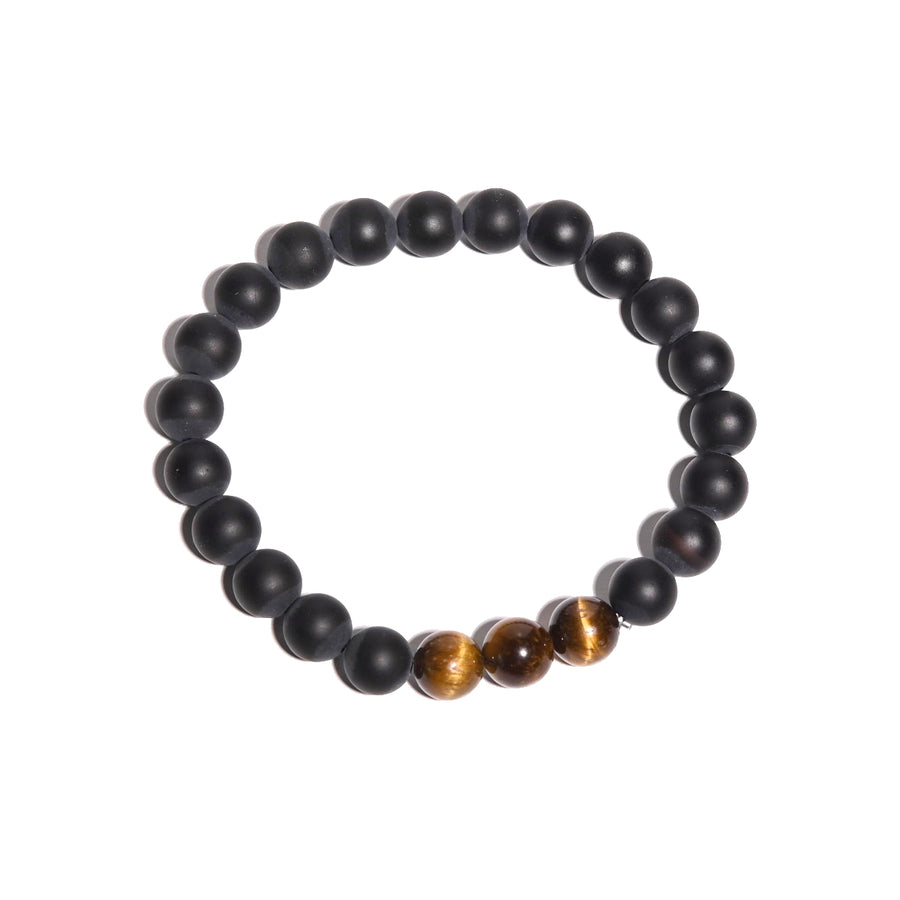
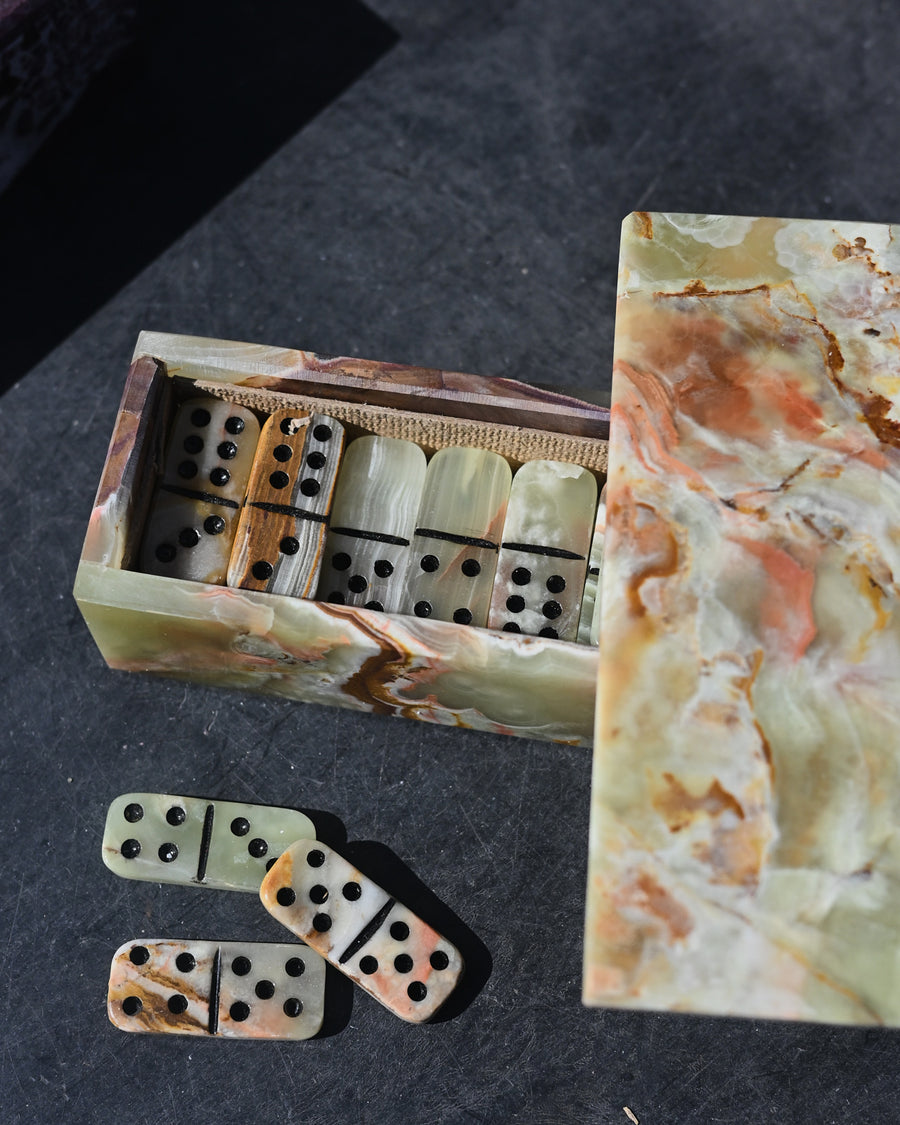
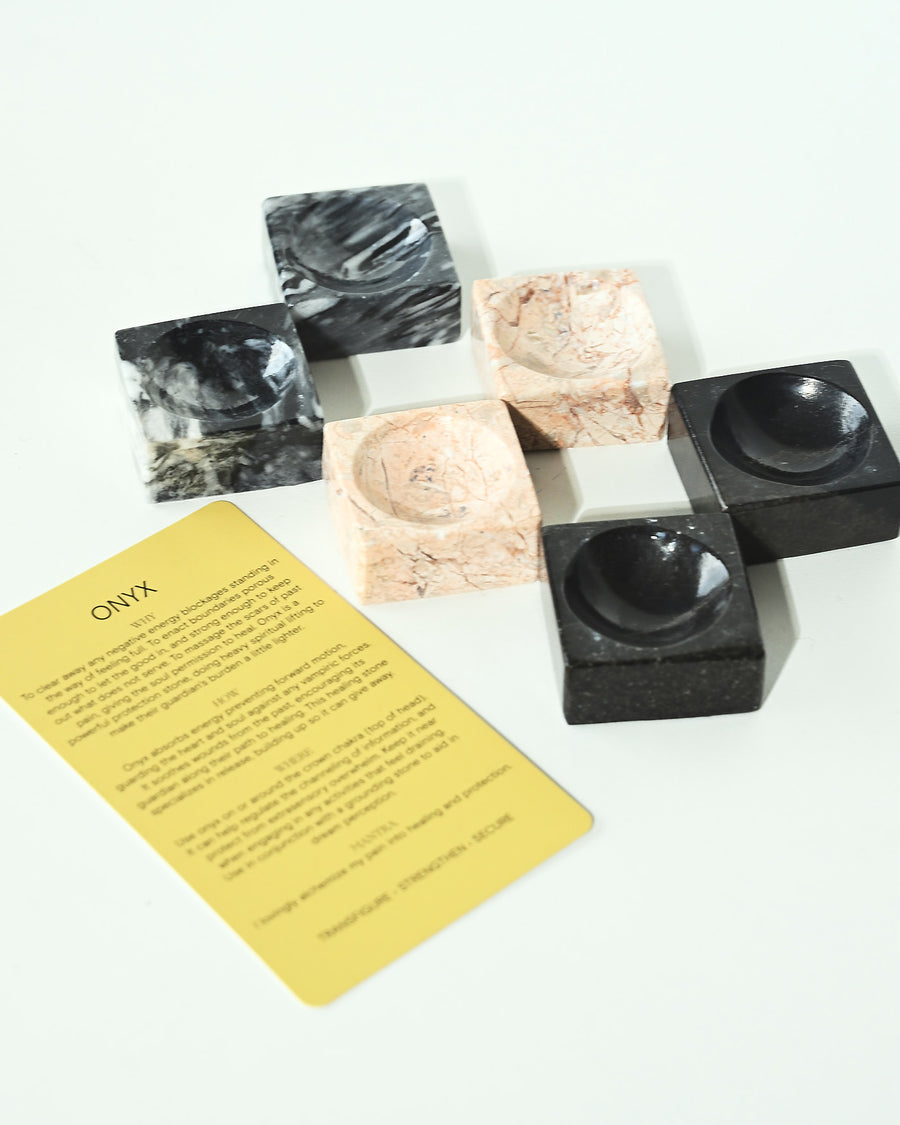
This collection features polished spheres, bowls, freeforms, bracelets, tumbled stones, palm stones, and carved decorative pieces. Onyx pairs strikingly with white minerals like selenite and clear quartz. Browse our crystal home decor for more statement pieces. Free shipping on all U.S. orders over $150.
Onyx is a banded variety of chalcedony (microcrystalline quartz) with parallel alternating layers. The term is most commonly associated with solid black chalcedony, though true onyx has both black and white bands. Mohs hardness is 6.5-7, making it one of the more durable decorative stones.
Both exist on the market. Much commercially available solid black onyx is chalcedony that has been heat-treated or dyed to achieve uniform black color — this is an industry-standard treatment disclosed in the gem trade. Natural banded onyx (black and white layers) is genuine and undyed. At Crystals.com, we accurately describe all treatments applied to our specimens.
Onyx is a cryptocrystalline mineral (chalcedony/quartz family) with a Mohs hardness of 6.5-7. Obsidian is volcanic glass (amorphous) with a Mohs hardness of 5-5.5. Onyx has a waxy luster and banded structure; obsidian has a glassy, conchoidal fracture. They are completely different materials that happen to share a black color.
Onyx is relatively durable (Mohs 6.5-7) and requires minimal care. Wipe with a soft damp cloth. Avoid harsh chemicals and ultrasonic cleaners. Dyed onyx may fade slightly with prolonged sun exposure. Store polished pieces separately to prevent surface scratches.
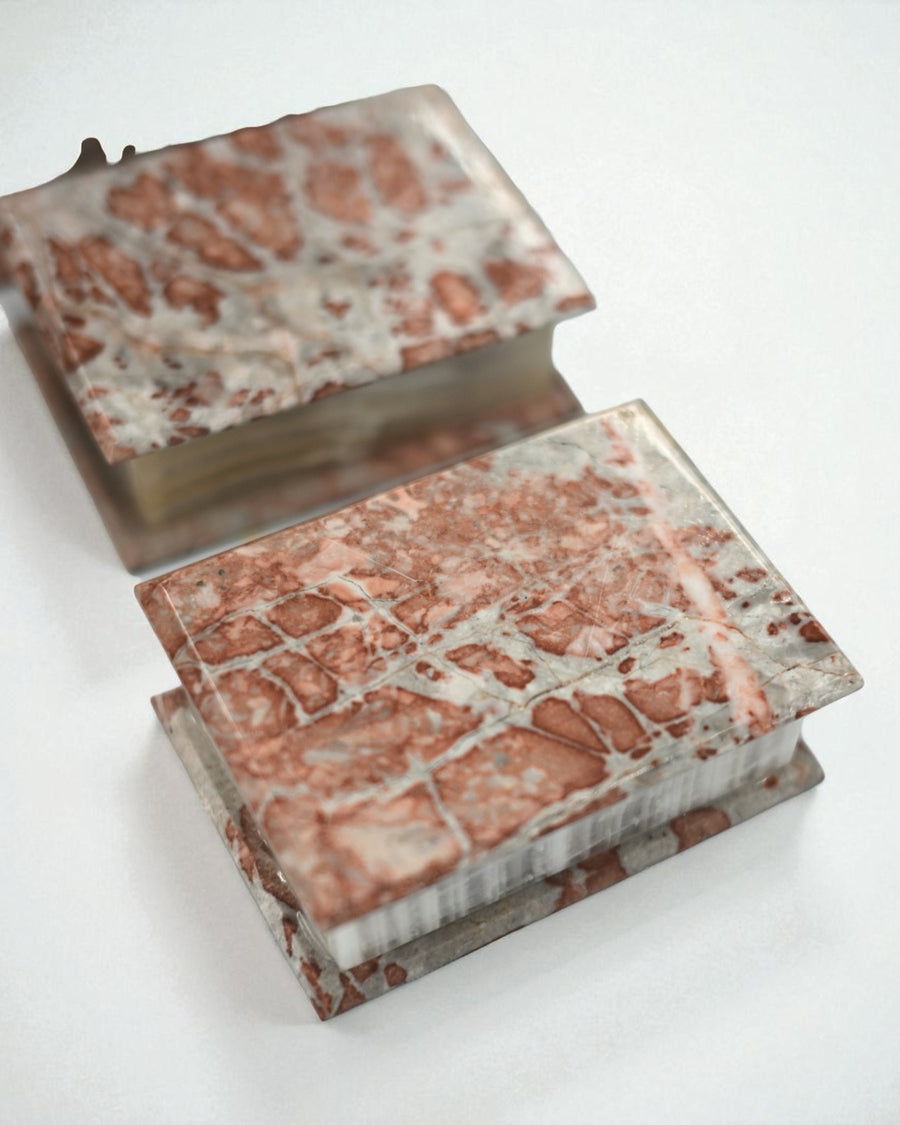
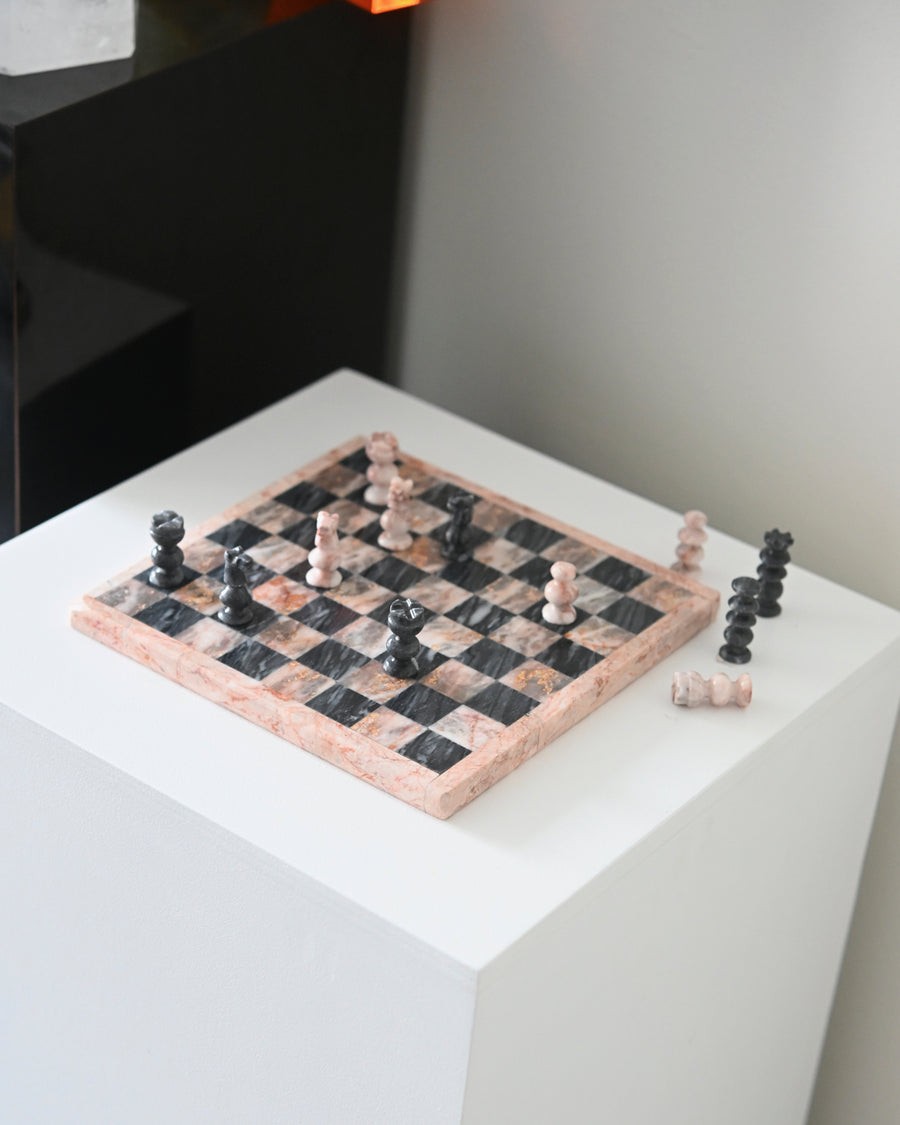
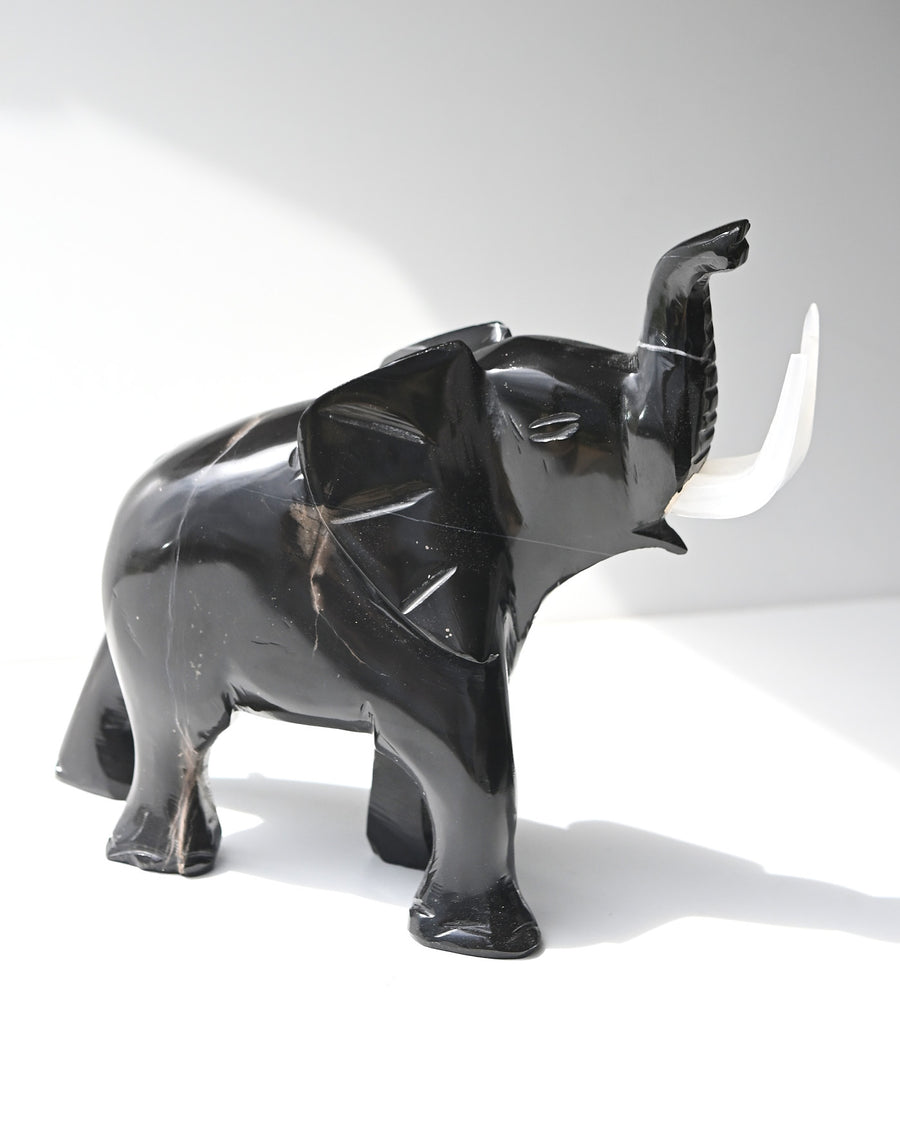
Onyx has been used for carved bowls, bookends, display pieces, jewelry, and architectural accents for thousands of years. Its dense black color and ability to take a mirror polish make it a versatile design material. Onyx bracelets are popular for their sleek, neutral look that works with any outfit.
A beautiful piece..the photo's did not do it justice. The delivery was timely and arrived in perfect condition. Thank you..this specimen is a must for any collector.
Crystals Individually wrapped
Shipped with care, excellent packaging. Great products
Very nice, one of a kind sphere. The piece matched the quality in the photos. Packaging was above average, with no damage during shipping. Tracking was easy. Everything was a positive experience.
Was expecting a bright shade of yellow, but the amber shade is just as beautiful.
Loved how it glimmers
Loved the packaging
Each Crystal came out beautifully
Will definitely find myself a frequent customer ☺️
Perfect. I love my crystals!
Beautiful! Exactly what I was hoping for/expecting!
Delivered when promised. Packaged very nicely!
Beautiful! The purple is so vibrant!
Stunning! Exceeded my expectations and arrived so quickly 💜
Web site is working like a dream, beautifully.
Amazing smoky quartz that you dug up yourself in Tennessee. It shines in my entryway & it is so special. Thank you, it is one of my most important treasures. By the way, your web site works beautifully!
Very beautiful!
Can't choose?
Tell it what you need. It picks one piece for you, in stock right now.
Sorry, looks like we don't have enough of this product.

Buy It With
Serpentine w Pyrite Obelisk 4 inch
$32.00 USD

Buy It With
$34.00 USD


