Crystals.com
Tiger's eye is a pseudomorphic quartz (SiO2) formed when crocidolite fibers are gradually replaced by silica while the original fibrous structure is preserved. The result is a stone rated 7 on the Mohs scale...
14 pieces

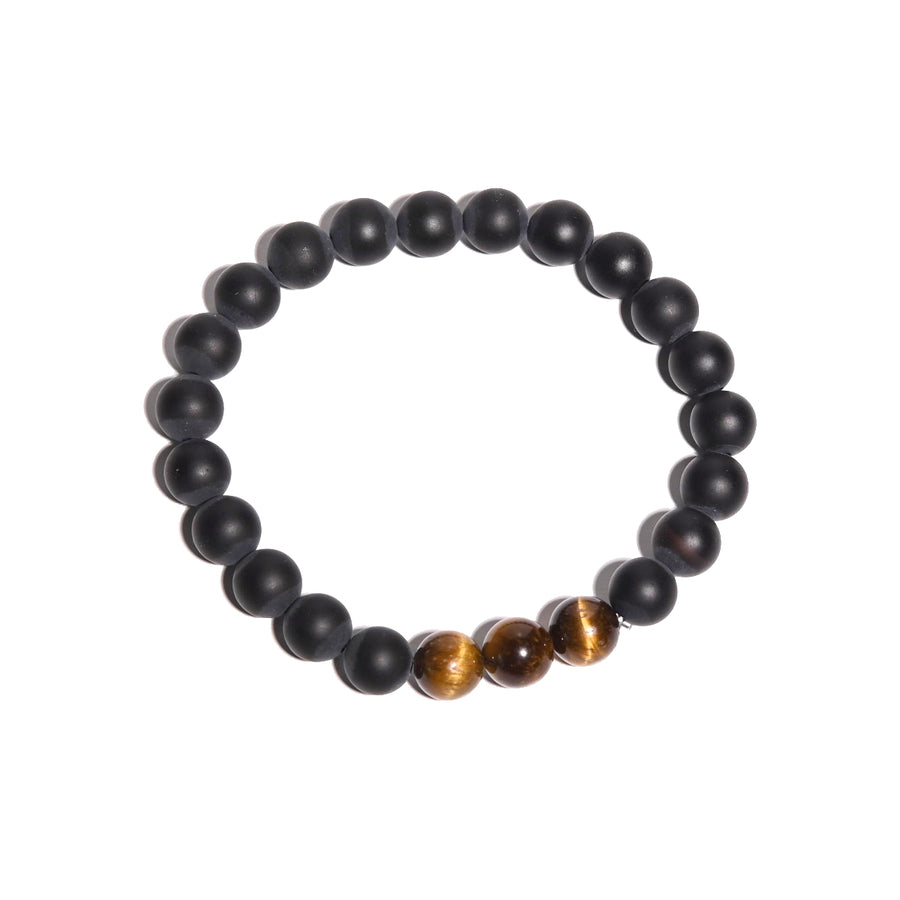

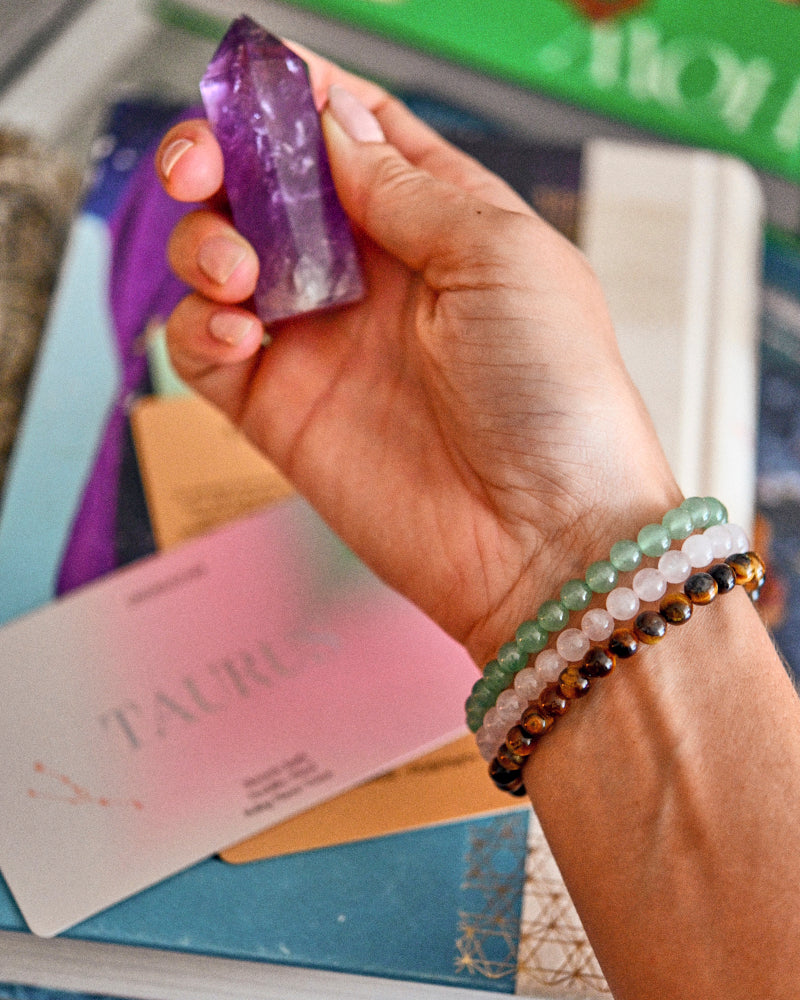

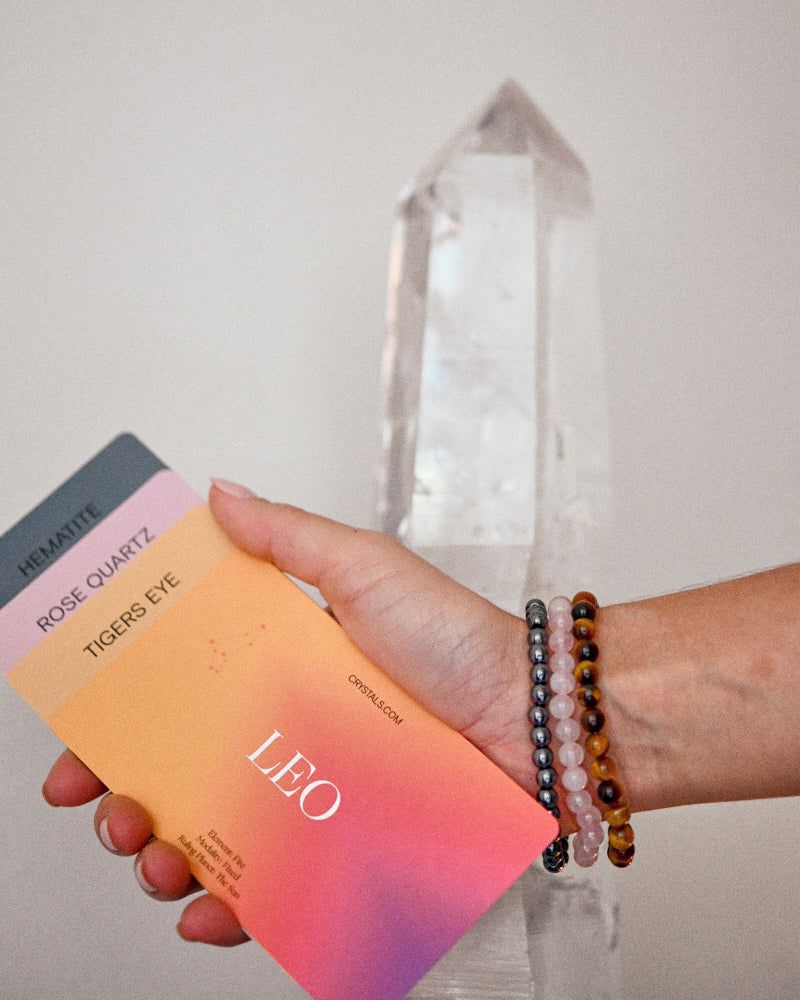




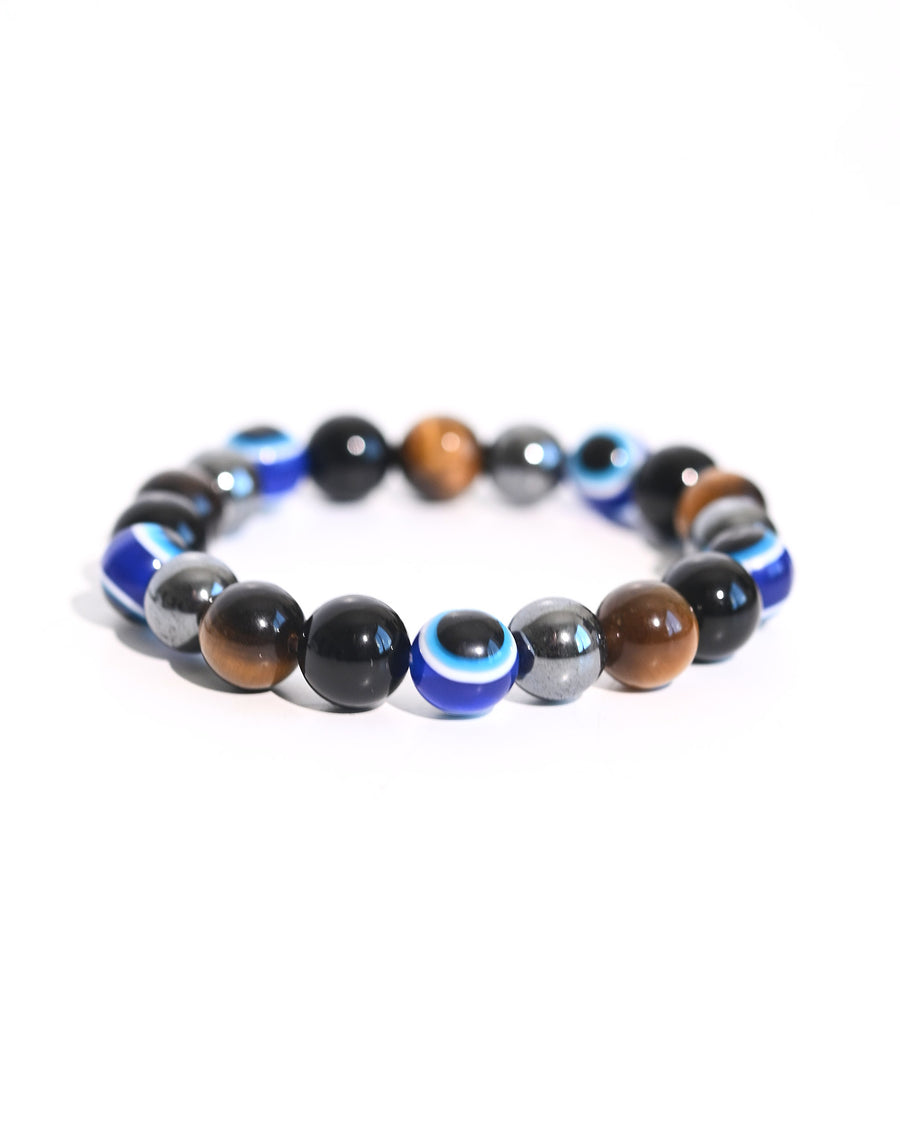




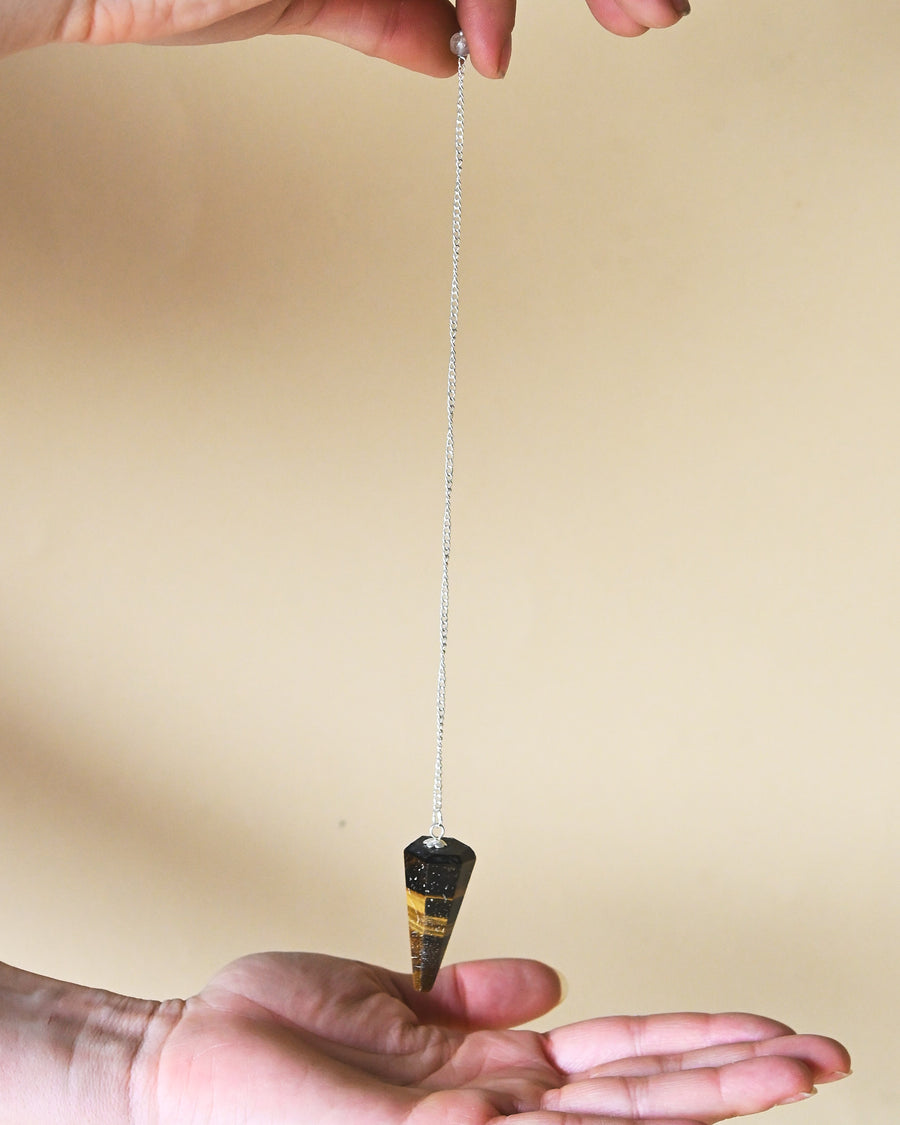

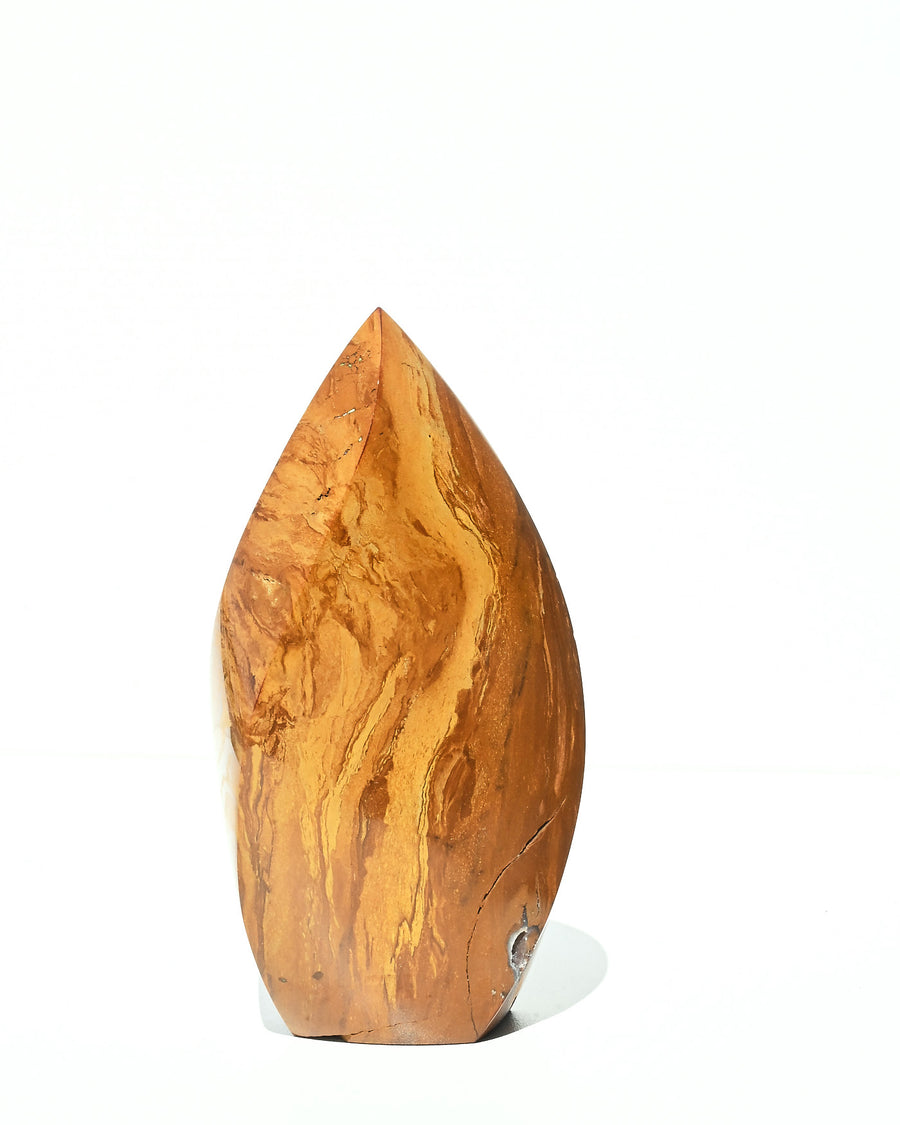

Chosen piece by piece, mostly direct from mines and suppliers I have worked with for years.
I shoot every piece myself, so a one of a kind piece is the exact piece you receive.
Packed by hand here and out in 1 to 3 business days.
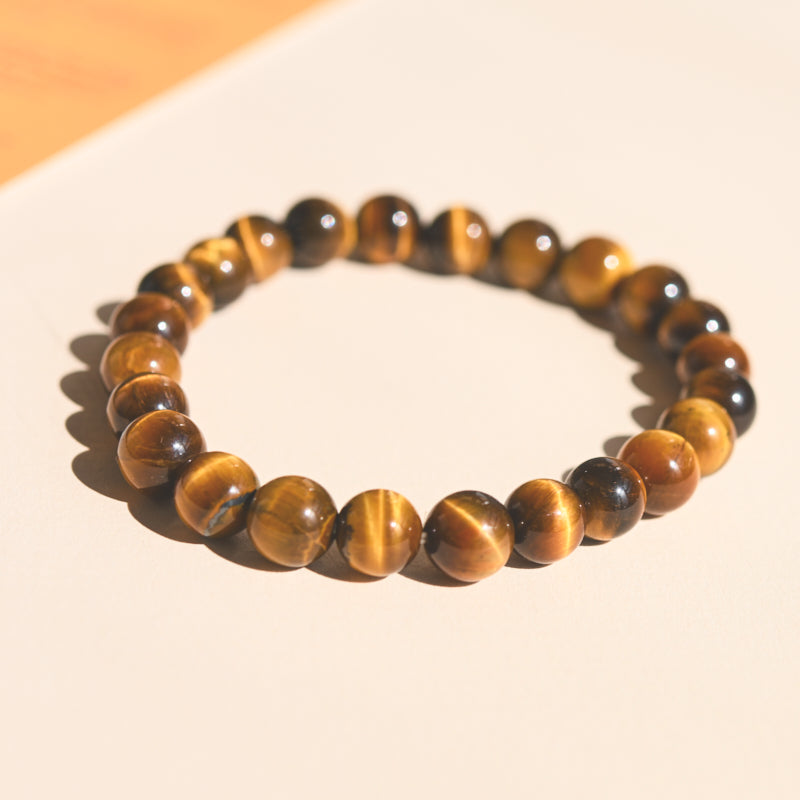
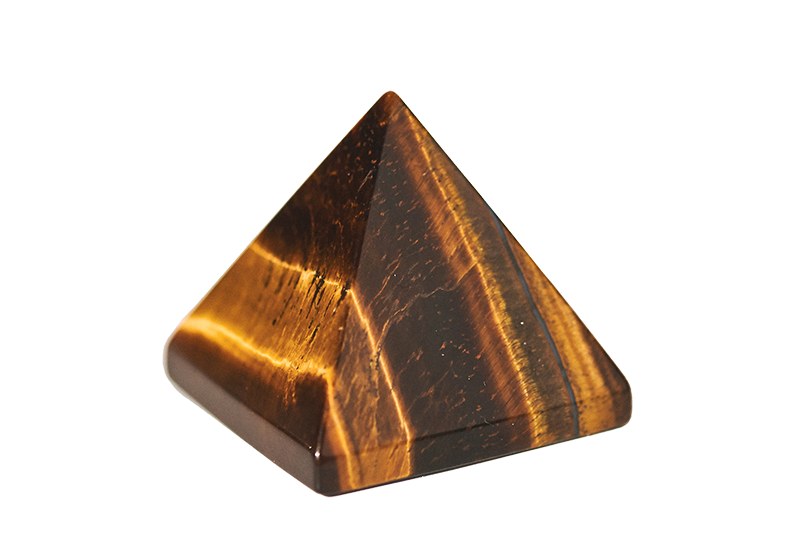
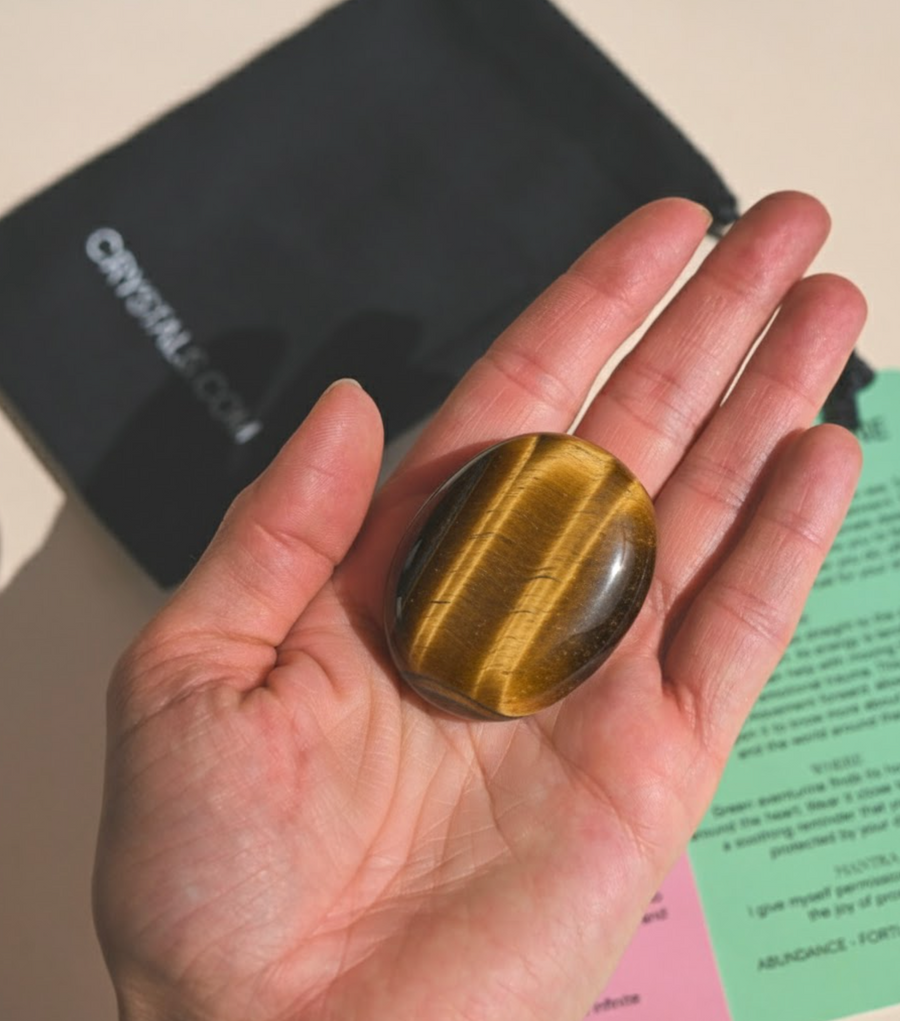
Tiger's eye is a golden-brown chatoyant gemstone known for its silky luster and banded appearance. It is a variety of quartz formed when crocidolite fibers are replaced by silica.
Tiger's eye is associated with confidence, courage, and focus. Many people carry it during important meetings or decisions, or place it on a workspace for motivation.
Brief rinsing under running water is fine, but prolonged soaking is not recommended. Over time water can dull the chatoyant finish. Sound cleansing or moonlight are safer alternatives.
Citrine and carnelian complement tiger's eye for confidence and motivation. Black tourmaline pairs well for grounding and protection. Experiment to find what resonates with you.
Tiger's eye is believed to promote clarity, protection, and courage, helping individuals gain insight into their inner strength and enhancing decision-making
To cleanse tiger's eye, you can use methods like smudging with sage, rinsing it under running water, or placing it on selenite or clear quartz clusters, rejuvenating its protective and grounding properties.
To charge tiger's eye, place it under sunlight or moonlight, bury it in the earth, or use other cleansing and charging methods like selenite or clear quartz clusters, enhancing its protective and grounding energies.
While tiger's eye is generally considered safe for brief exposure to water, it's best to avoid prolonged submersion or use distilled water to prevent potential damage to the crystal.
Tiger's eye is a pseudomorphic quartz (SiO2) formed when crocidolite fibers are gradually replaced by silica while the original fibrous structure is preserved. The result is a stone rated 7 on the Mohs scale with parallel fiber arrays that produce chatoyancy: a rolling band of light that shifts across the polished surface as the viewing angle changes. This optical effect is what makes tiger's eye one of the most immediately recognizable minerals in any collection. Primary sources are the Northern Cape Province of South Africa and Western Australia.
The color of tiger's eye is determined by the degree of oxidation of the iron within the replaced crocidolite. The classic golden-brown form comes from iron oxide (goethite) present in the fibers. Blue hawk's eye, the less oxidized variety, retains more of the original crocidolite color. Both are represented here and illustrate how dramatically different a single mineral can look depending on its oxidation state.
Chatoyancy is best appreciated in direct, focused light. A tiger's eye sphere or palm stone placed near a lamp or window will display the effect clearly; in diffuse light the stone still reads as richly banded but the moving flash is less pronounced. Available forms include polished palm stones, spheres, towers, tumbled pieces, and bracelets. For exceptional specimens with vivid chatoyancy, visit the Collector's Edition. Learn more in our guide to tiger's eye. Free shipping on orders $150+.
A beautiful piece..the photo's did not do it justice. The delivery was timely and arrived in perfect condition. Thank you..this specimen is a must for any collector.
Crystals Individually wrapped
Shipped with care, excellent packaging. Great products
Very nice, one of a kind sphere. The piece matched the quality in the photos. Packaging was above average, with no damage during shipping. Tracking was easy. Everything was a positive experience.
Was expecting a bright shade of yellow, but the amber shade is just as beautiful.
Loved how it glimmers
Loved the packaging
Each Crystal came out beautifully
Will definitely find myself a frequent customer ☺️
Perfect. I love my crystals!
Beautiful! Exactly what I was hoping for/expecting!
Delivered when promised. Packaged very nicely!
Beautiful! The purple is so vibrant!
Stunning! Exceeded my expectations and arrived so quickly 💜
Web site is working like a dream, beautifully.
Amazing smoky quartz that you dug up yourself in Tennessee. It shines in my entryway & it is so special. Thank you, it is one of my most important treasures. By the way, your web site works beautifully!
Very beautiful!
Can't choose?
Tell it what you need. It picks one piece for you, in stock right now.
Sorry, looks like we don't have enough of this product.

Buy It With
$10.00 USD


