8 Tips on How to Care for Your Crystals During Summer
Summer brings heat, intense sunlight, and humidity — three conditions that can damage certain crystals if you are not careful. While many crystals are hardy enough to handle any conditions, others are light-sensitive, heat-sensitive, or moisture-vulnerable. Understanding which crystals need summer protection ensures your collection stays beautiful and energetically vibrant for years to come. Here are eight essential summer crystal care tips.

1. Protect Light-Sensitive Crystals from Direct Sun
Several popular crystals will fade in prolonged direct sunlight. Move these away from windows during summer when UV intensity is highest: amethyst (fades from purple to grey), rose quartz (fades from pink to white), fluorite (loses color vibrancy), smoky quartz (can lighten), and citrine (can lose depth). Display these in indirect light or in shaded areas of your home.
2. Keep Water-Soluble Crystals Away from Humidity
Summer humidity can damage crystals that dissolve or degrade in moisture: selenite, halite, desert rose, and angelite. If you live in a humid climate, keep these crystals in air-conditioned rooms or store them with silica gel packets. Never place them in bathrooms or near open windows on humid days.
3. Take Advantage of Summer Moonlight for Charging
Summer full moons offer warm, clear nights perfect for charging your entire collection. Place crystals on a windowsill or in your yard overnight during the full moon. This works for ALL crystals without risk of sun damage. The June, July, and August full moons are particularly powerful for charging.
4. Use Sunrise (Not Noon Sun) for Sun-Safe Crystals
Crystals that benefit from sunlight — carnelian, clear quartz, tiger's eye, and obsidian — can be safely charged in gentle morning sunlight (before 10am). Avoid midday summer sun even for hardy crystals, as extreme heat can cause thermal shock in some specimens.

5. Be Careful with Crystals at the Beach or Pool
If you wear crystal jewelry to the beach or pool, remove pieces containing soft or porous stones before swimming. Saltwater can damage lapis lazuli, turquoise, malachite, and selenite. Chlorine pool water is harsh on most crystals. Quartz-family stones (amethyst, citrine, clear quartz, smoky quartz, rose quartz) are generally safe in water but should still be rinsed with fresh water afterward.
6. Cleanse More Frequently in Summer
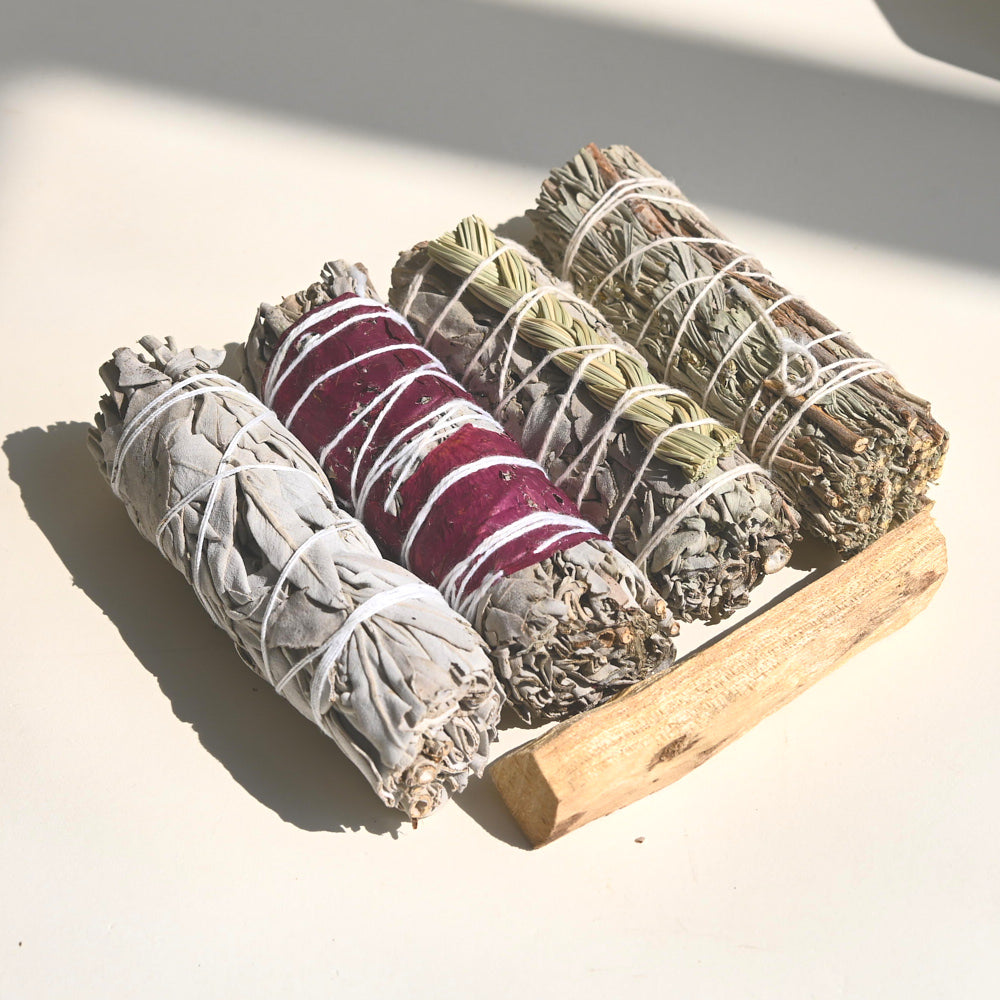
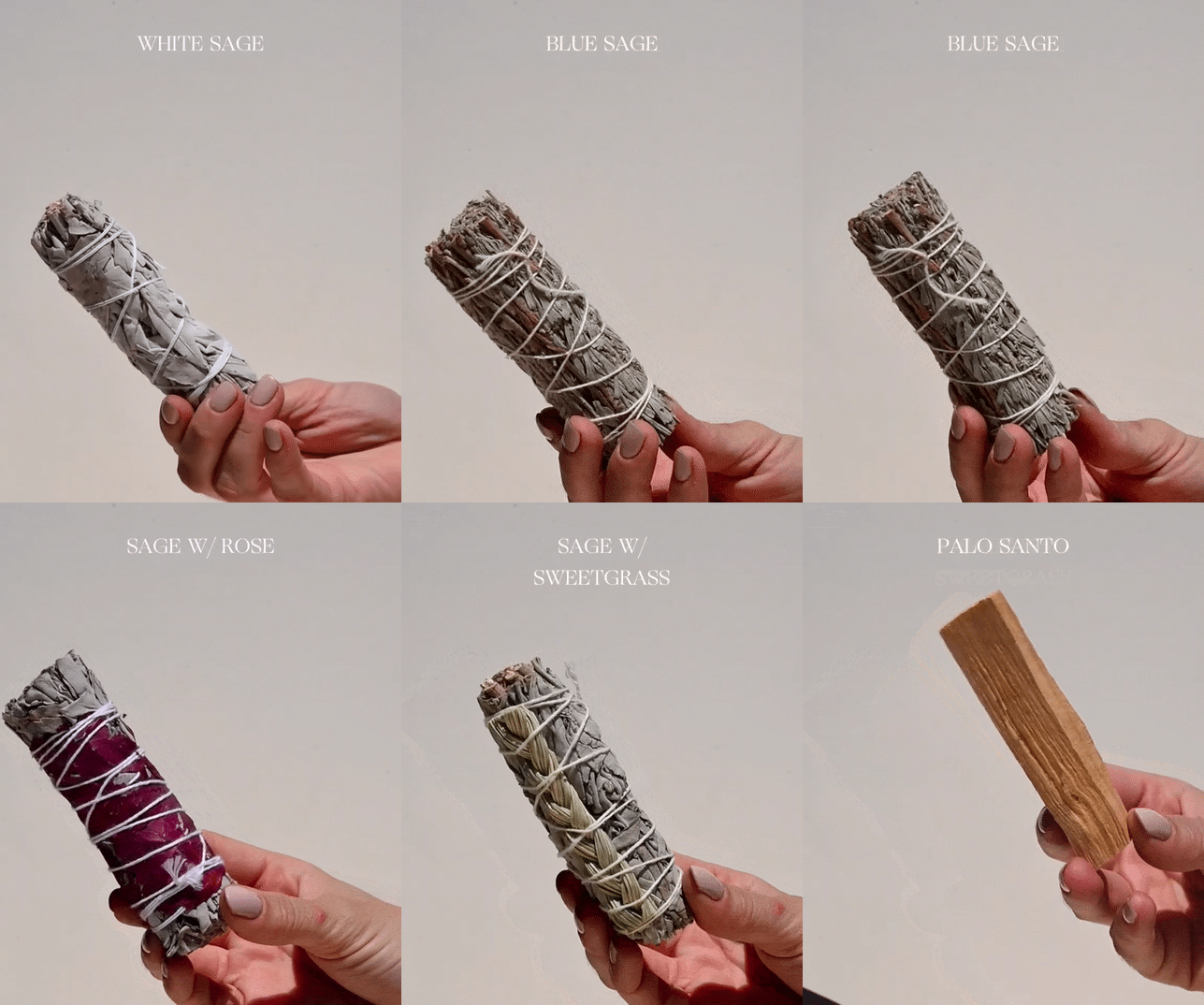
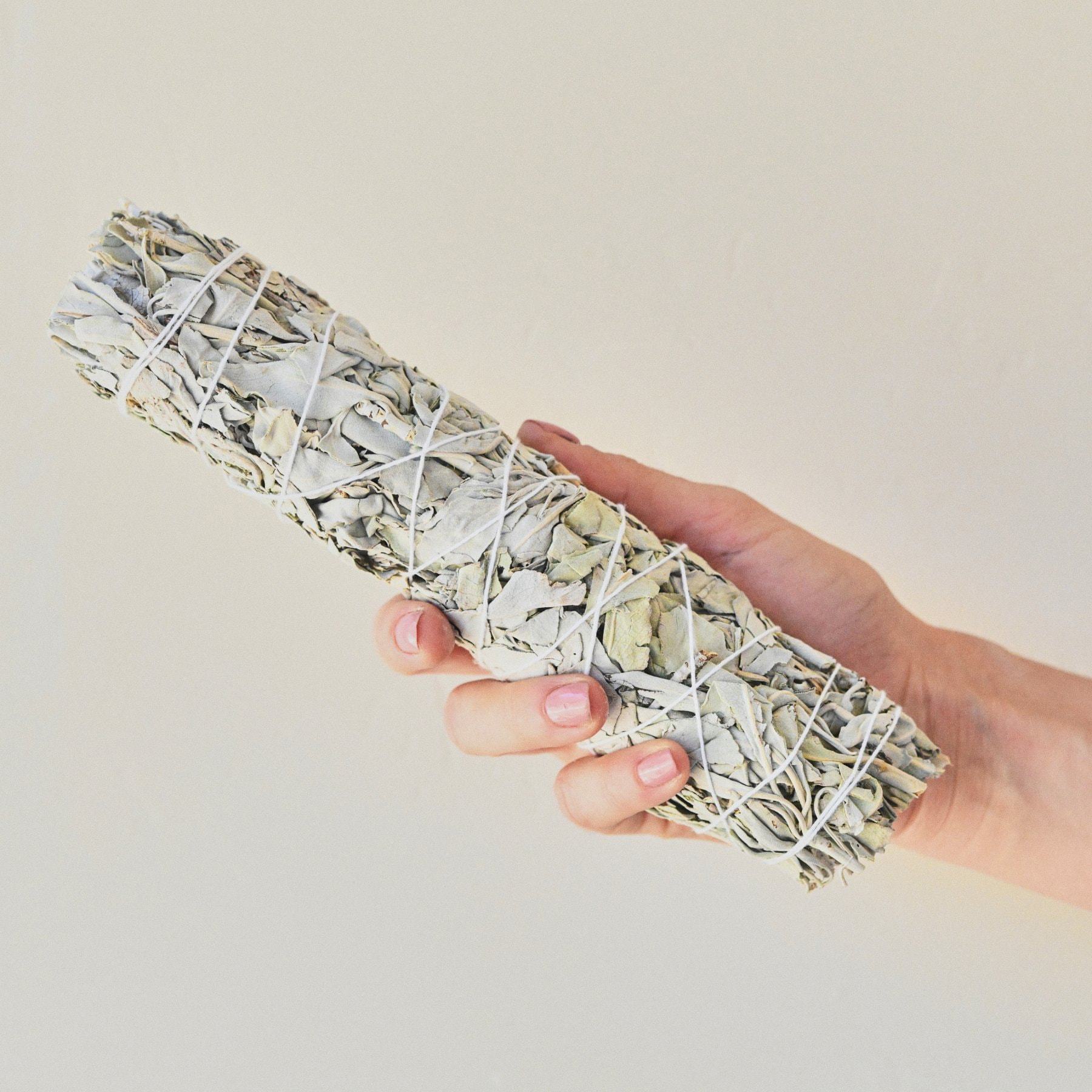
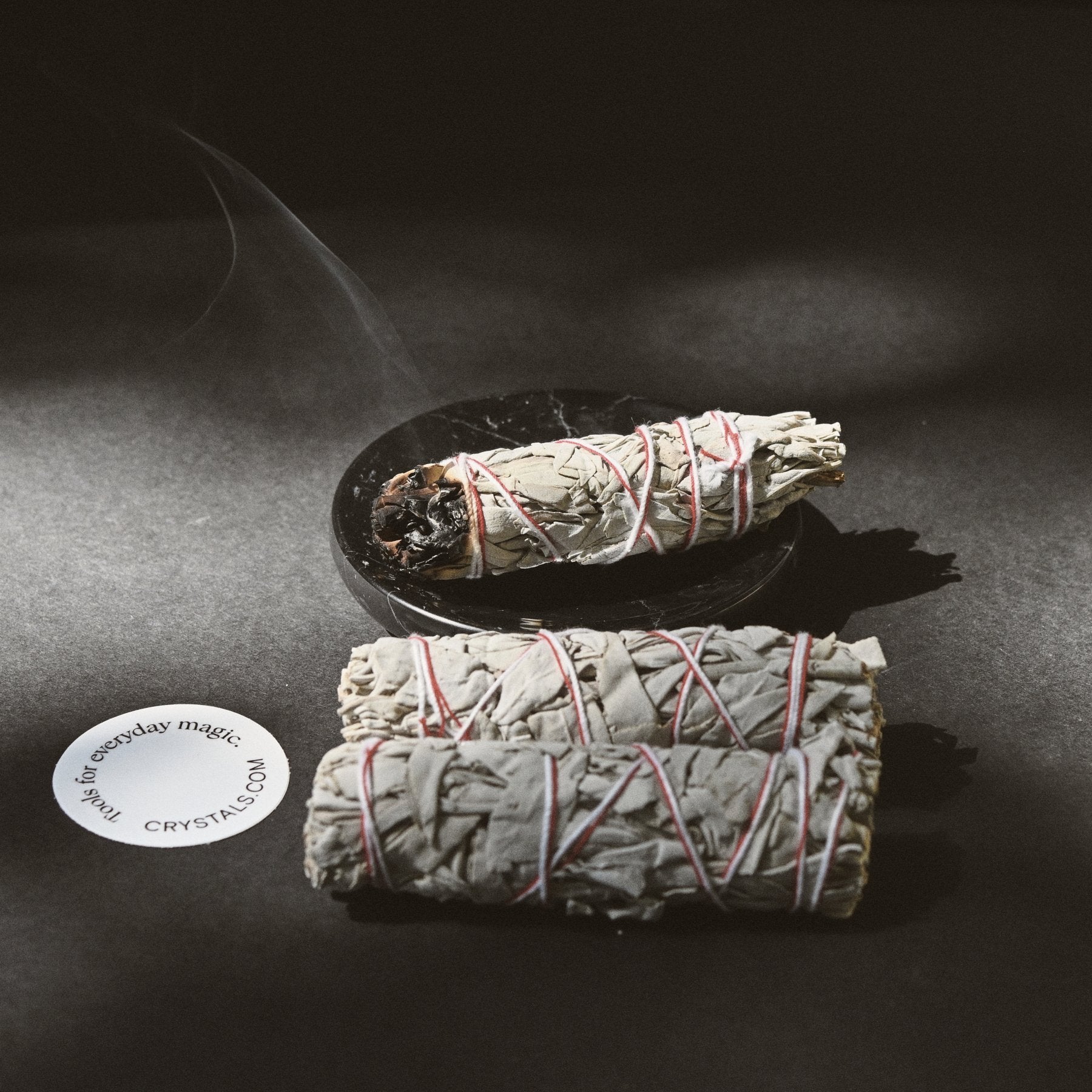
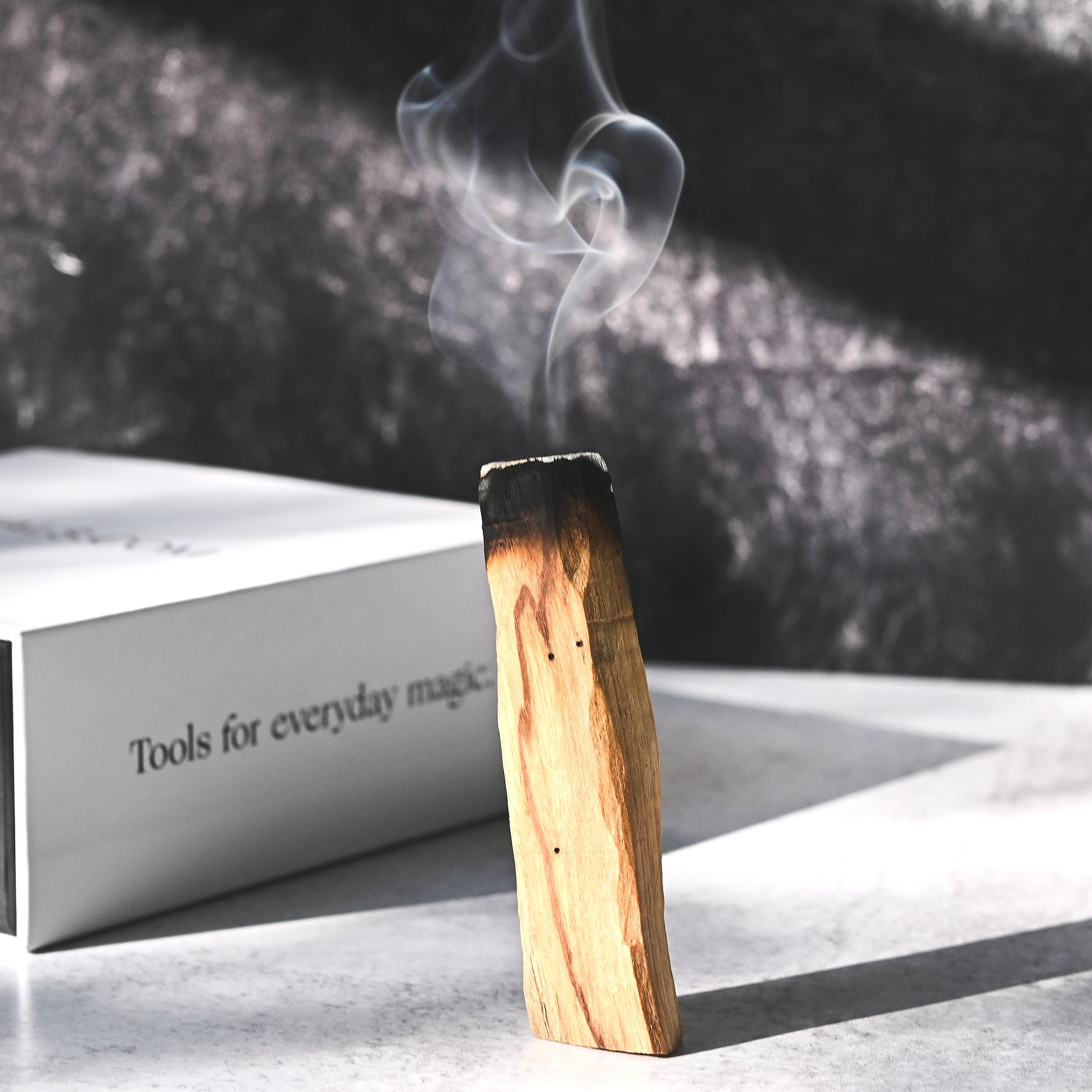
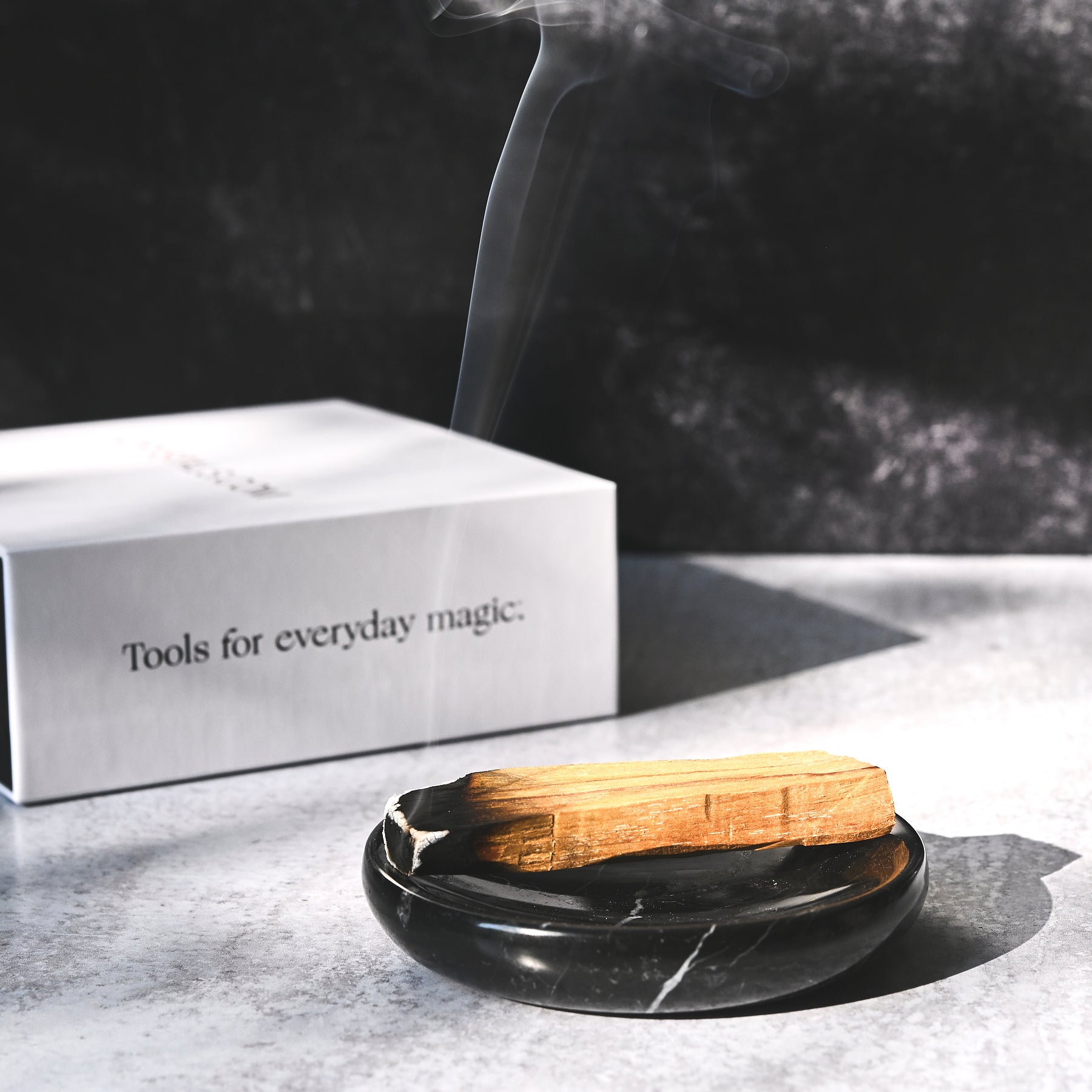
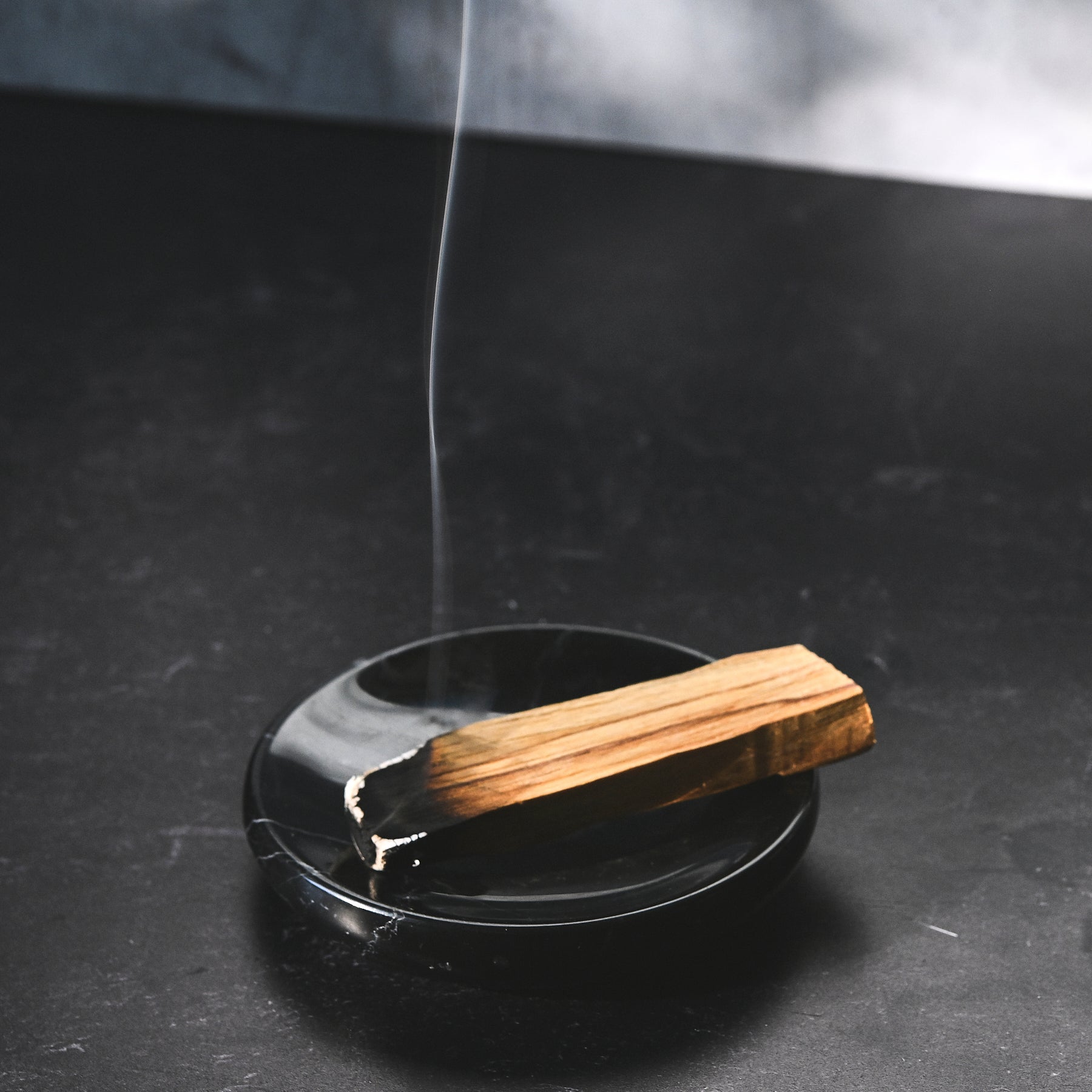
Summer tends to be socially active — more visitors, more events, more energy exchange. Your crystals absorb this increased activity and benefit from more frequent cleansing. Use sage or palo santo weekly rather than monthly during busy summer months.
7. Store Iron-Containing Crystals in Dry Conditions
Pyrite, hematite, and magnetite contain iron that can oxidize (rust) in humid conditions. Keep them in climate-controlled rooms and handle with dry hands. If you notice any orange oxidation starting, gently brush it off with a dry soft brush and move the stone to a drier location.
8. Create a Summer Crystal Rotation
Summer's energy favors certain crystals: citrine for sunny abundance, carnelian for summer vitality, tiger's eye for outdoor confidence, and clear quartz for amplified summer energy. Rotate these to the front of your collection and work with them during the season they resonate with most strongly.
Browse our full crystal collection for stones that thrive in every season.
Understanding Why Some Crystals Are Vulnerable to Heat and Light
Crystal sensitivity to summer conditions is rooted in mineralogy, not mysticism. Different minerals react to heat, UV light, and humidity based on their chemical composition and crystal structure.
UV Light and Color Fading
Many crystals get their color from trace elements or radiation-induced color centers within the crystal lattice. Prolonged UV exposure can reverse these color centers, causing gradual fading. The most light-sensitive crystals include:
- Amethyst — Its purple color comes from iron (Fe⁴⁺) atoms that were irradiated naturally underground. UV light gradually reduces these iron atoms back to their colorless state. South American amethyst tends to fade faster than African specimens.
- Rose quartz — Gets its pink from microscopic inclusions of dumortierite or from aluminum and phosphorus substitutions. Extended sun exposure can bleach the color.
- Fluorite — Some fluorite colors (especially green and purple) are caused by electron defects that UV light can disrupt. Heat can also cause fluorite to lose its color.
- Kunzite — Extremely light-sensitive. Display-quality kunzite should never be placed in direct sunlight.
- Smoky quartz — Natural smoky quartz can lighten with sun exposure, though irradiated smoky quartz is more stable.
Heat Sensitivity and Thermal Shock
Rapid temperature changes can cause thermal shock in crystals with perfect cleavage or internal fractures. Moving a crystal from an air-conditioned room (68°F) to a hot car (140°F+) creates stress that can cause cracking. Particularly vulnerable are:
- Fluorite (perfect octahedral cleavage)
- Topaz (perfect basal cleavage)
- Opal (contains 3-21% water; heat causes dehydration and crazing)
- Turquoise (porous, can dehydrate and change color)
Humidity and Water-Soluble Minerals
Summer humidity affects certain minerals that are hygroscopic (absorb water from air) or water-soluble:
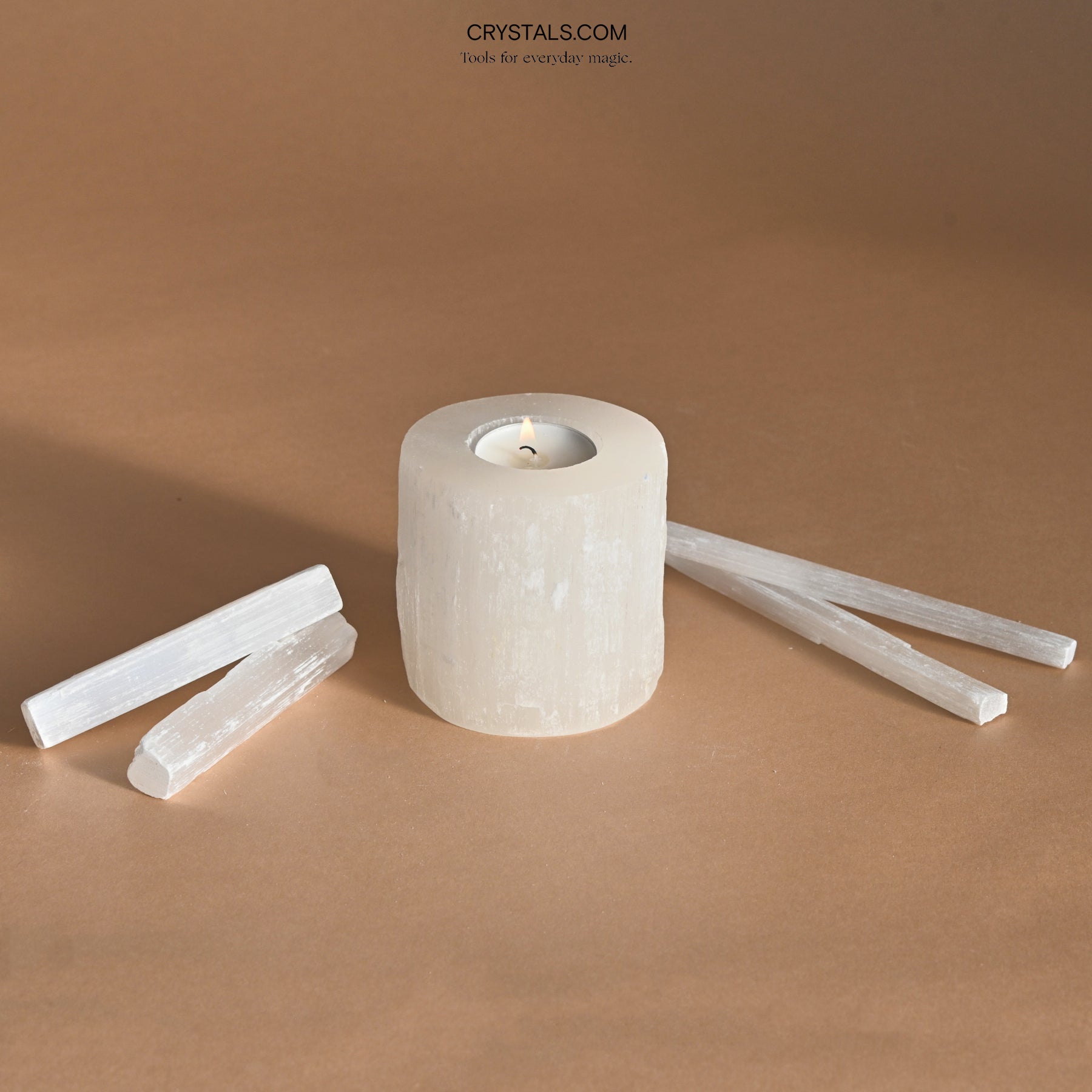
- Selenite (Mohs 2) — Gypsum is slightly water-soluble. High humidity can cause surface dulling over time. Keep selenite in climate-controlled rooms.
- Halite (rock salt) — Highly water-soluble. Humidity will dissolve the surface. Display only in dry conditions.
- Pyrite — Humid conditions accelerate oxidation, which can cause pyrite to develop a dull, tarnished coating. Especially problematic for marcasite (same chemistry, different structure).
- Malachite — While not water-soluble, malachite is porous and can absorb moisture that affects its polish.
Summer Travel with Crystals
If you are traveling with crystals during summer, wrap each piece individually in a soft cloth or tissue to prevent scratching between stones. Never leave crystals in a parked car, even for a few minutes. Temperatures inside a closed car can exceed 150°F (65°C), which is enough to damage opals, cause thermal fractures in fluorite, and fade amethyst.
For beach trips, avoid taking soft or porous crystals. Clear quartz, agate, and jasper (all Mohs 7) handle sand, sun, and water well. Avoid selenite, pyrite, and any polished specimen you do not want scratched by sand particles.
Browse our raw crystals and polished crystals for summer-safe options. Free shipping on orders over $150.
Crystal-Safe Summer Activities
Knowing which crystals can handle summer conditions allows you to enjoy them outdoors without worry. Here is a quick reference guide.
Sun-Safe Crystals (OK in direct sunlight)
- Clear quartz — No color to fade, completely stable
- Citrine — Heat-treated citrine is already color-stable from high-temperature processing
- Black obsidian — Volcanic glass, unaffected by UV or heat
- Agate and jasper — Dense, opaque chalcedony varieties are highly stable
- Carnelian — Iron oxide coloring is stable in light
- Tiger's eye — Color from iron oxide replacement, not affected by UV
Keep in Shade (sensitive to prolonged sun)
- Amethyst — Will fade with prolonged UV exposure
- Rose quartz — Can lose pink color over months of sun exposure
- Fluorite — Some colors fade; also heat-sensitive
- Kunzite — Extremely light-sensitive, fades quickly
- Smoky quartz — Natural smoky can lighten (irradiated is more stable)
- Aquamarine — Pale blue can fade with extended sun
Keep Dry (avoid water, humidity, and rain)
- Selenite — Dissolves in water (gypsum is slightly water-soluble)
- Halite — Highly water-soluble salt crystal
- Pyrite — Oxidizes in humid conditions, develops tarnish
- Malachite — Porous, can absorb moisture and lose polish
- Lapis lazuli — Contains pyrite inclusions that can oxidize; also slightly porous
- Turquoise — Porous, absorbs water and oils, can change color
Storing Your Collection During Vacation
If you are leaving home for an extended summer trip, take a few precautions. Close blinds or curtains in rooms with light-sensitive crystals to prevent sun damage. If your home does not have air conditioning, consider moving delicate specimens (especially opals, which can dehydrate and crack) to an interior closet where temperatures remain more stable. For humidity-sensitive pieces, a silica gel packet in a closed display case can prevent moisture damage during humid summer months.
When you return, a thorough cleansing of all your home crystals is a nice way to reset. Pass each through sage smoke, place them in moonlight overnight, or arrange them on a selenite charging plate to refresh their energy for the rest of the season.
Frequently Asked Questions
Can I leave crystals in my car during summer?
No. Car interiors can reach 150°F (65°C) or higher in direct sun, which is enough to damage opals (dehydration), cause thermal fractures in fluorite and topaz, and fade amethyst over time. If you carry crystals in your car, keep them in an insulated bag in the shade or remove them when parking.
Is it safe to put crystals in the swimming pool?
Avoid it. Chlorinated pool water can damage porous stones (turquoise, malachite, lapis lazuli) and cause chemical reactions with copper-bearing minerals. Saltwater pools are even more problematic for water-sensitive crystals. If you want to swim with crystals, choose only hard, non-porous varieties like clear quartz, agate, or jasper, and rinse them with fresh water immediately after.
How do I know if my crystal has been sun-damaged?
Sun damage manifests as gradual color fading. Compare the exposed surface of a crystal to its underside or a part that was shielded from light. If the exposed side is noticeably lighter, UV damage has occurred. Unfortunately, sun fading is generally permanent, as it involves changes to the crystal's atomic structure. Prevention through proper placement is the only effective strategy.
What crystals actually benefit from sunlight?
Citrine, carnelian, and sunstone are often charged in brief sunlight (30-60 minutes of morning sun) as a traditional cleansing method. Clear quartz, black obsidian, and tiger's eye are completely unaffected by sunlight and can be displayed anywhere.
Get 10% Off Your First Order
Plus early access to new arrivals, collector drops, and crystal guides. Join 15,000+ crystal lovers.