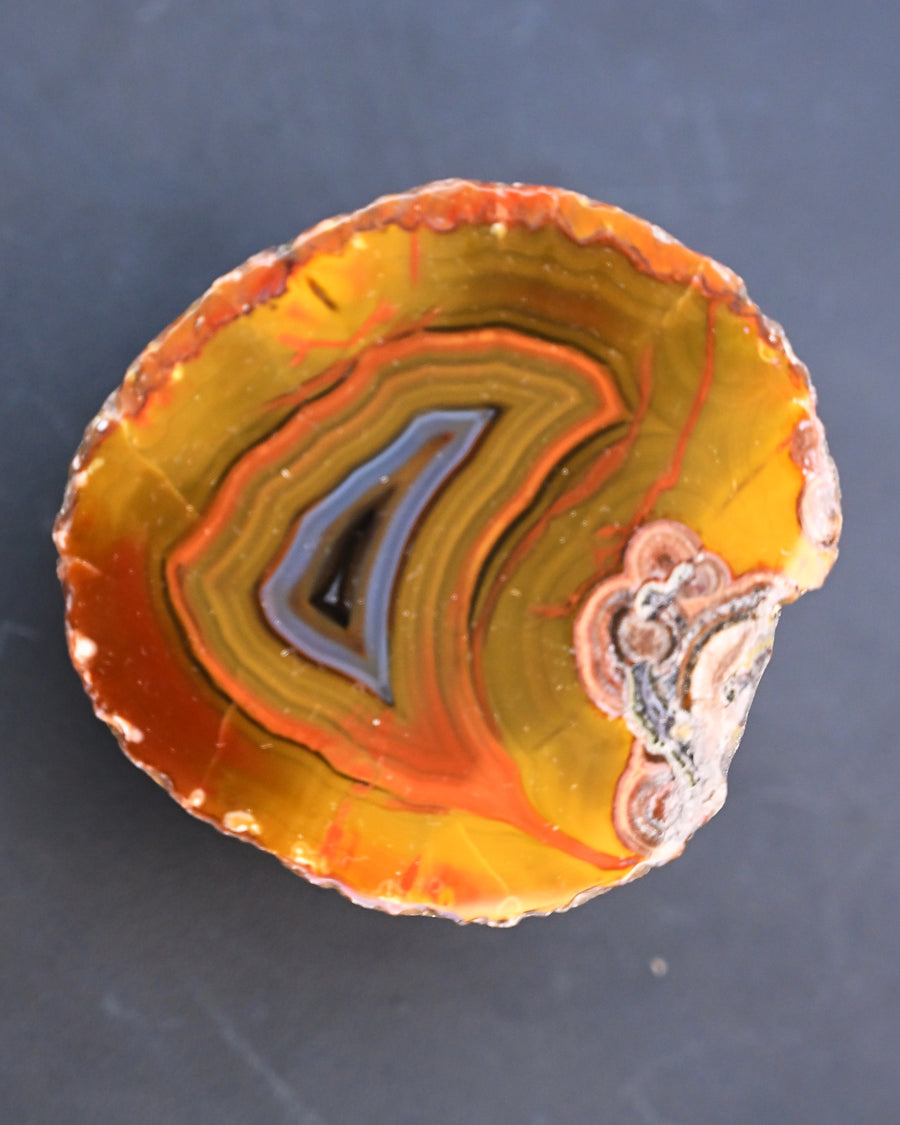

Fighting Blood Agate Geode — Hebei, China
$220
Crystals.com
Agate Crystal — Banded, Layered & Millions of Years in the Making
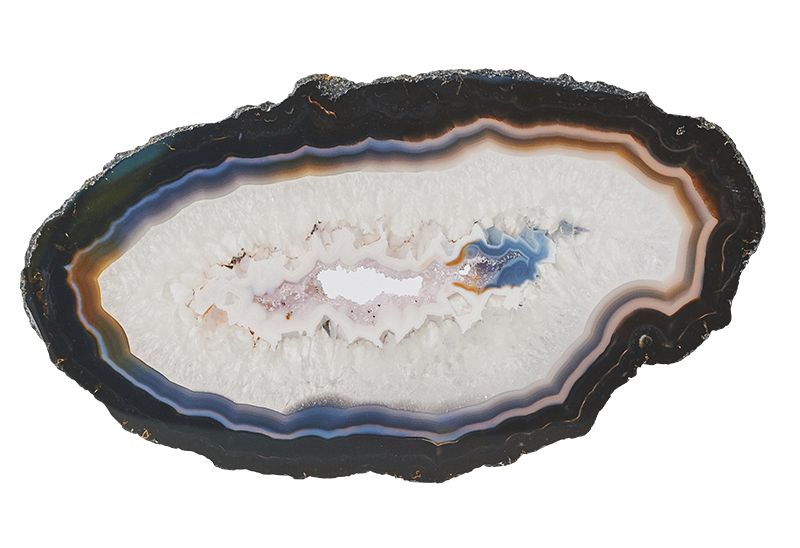
42 pieces
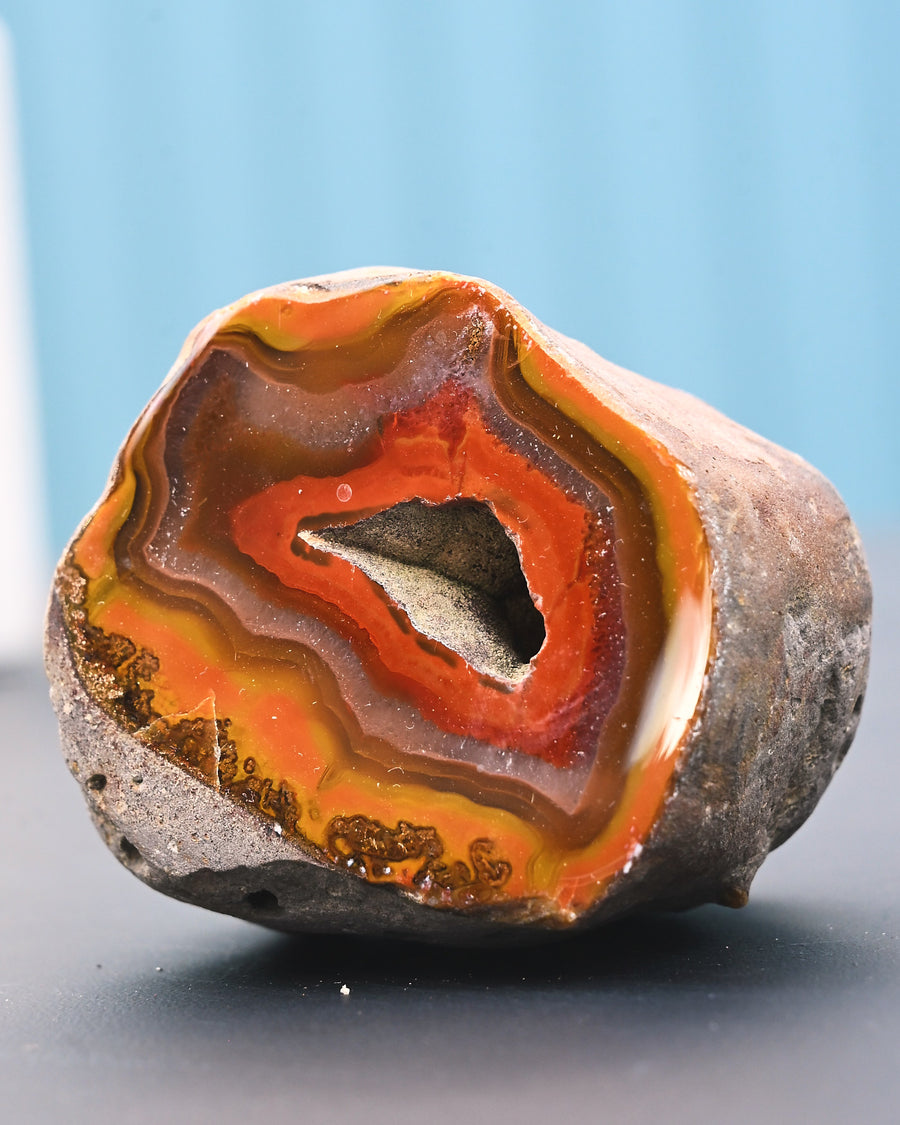

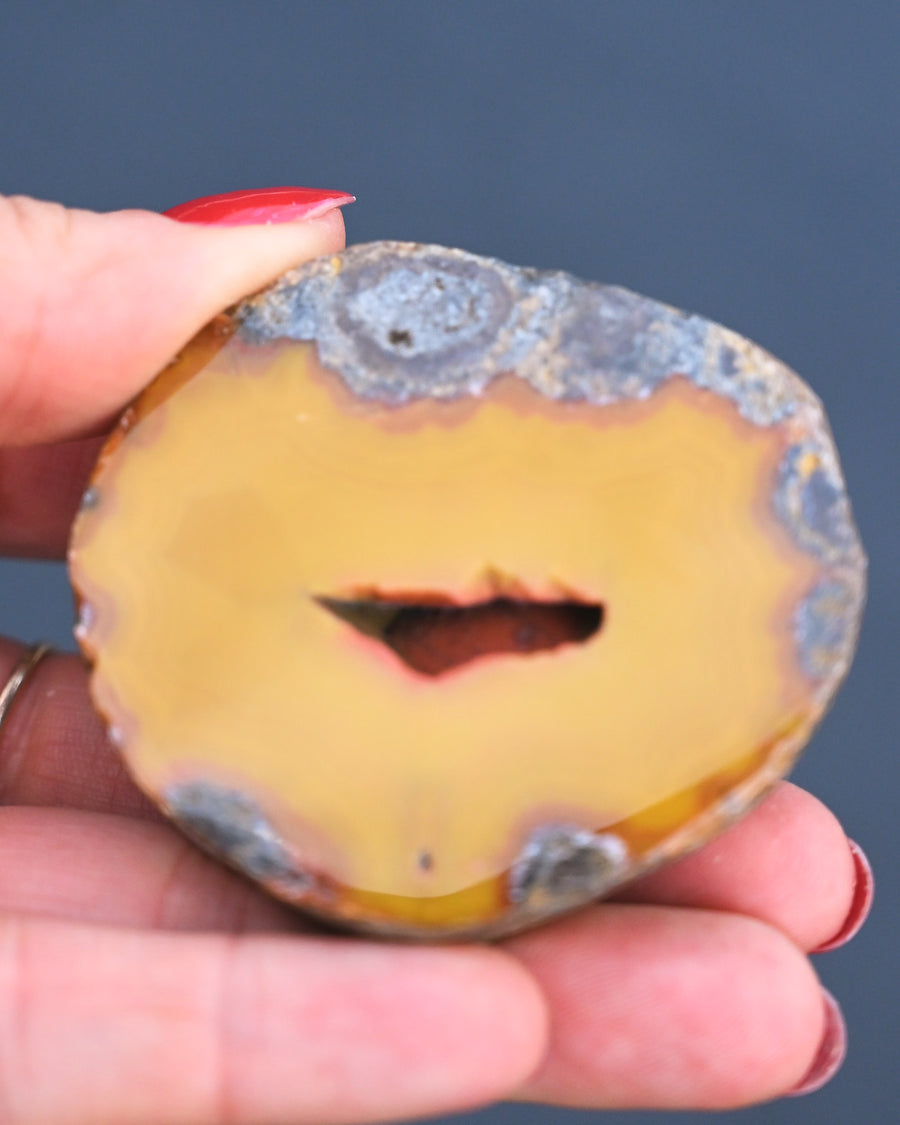

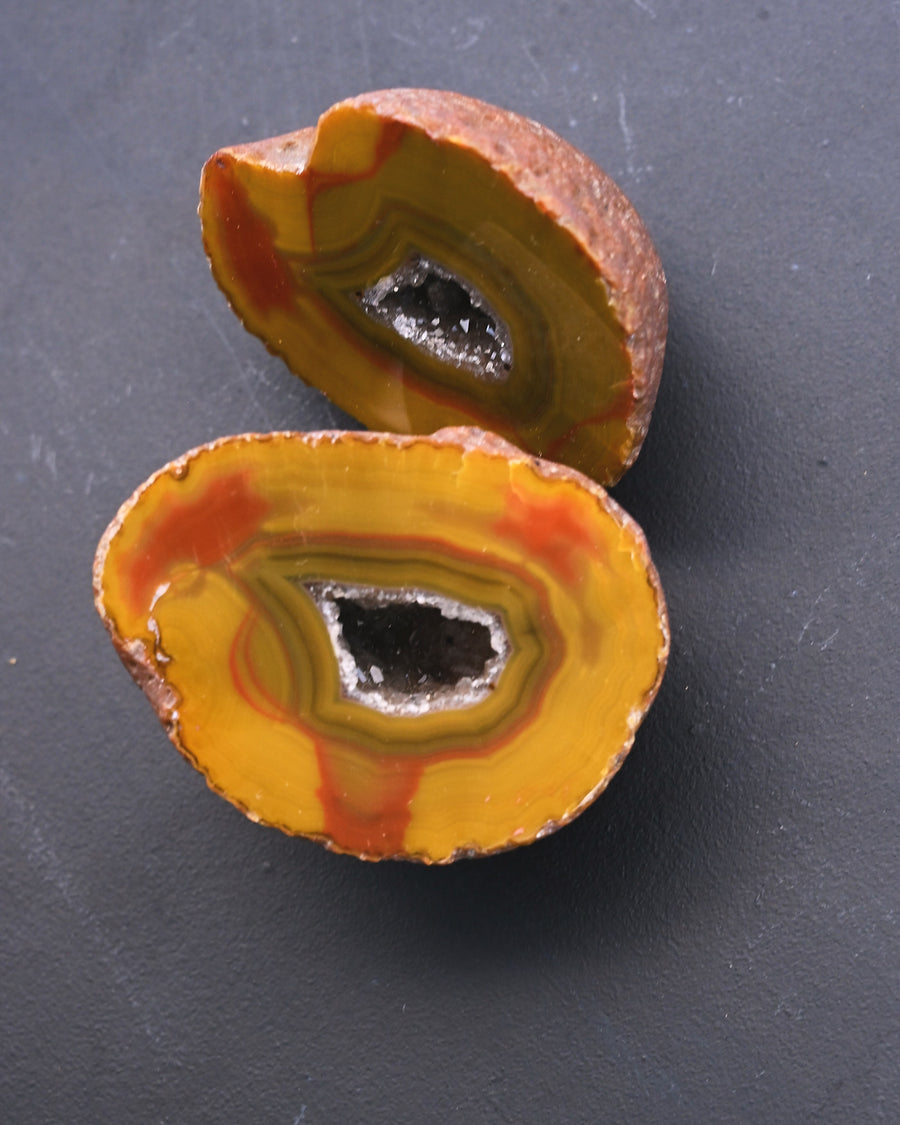

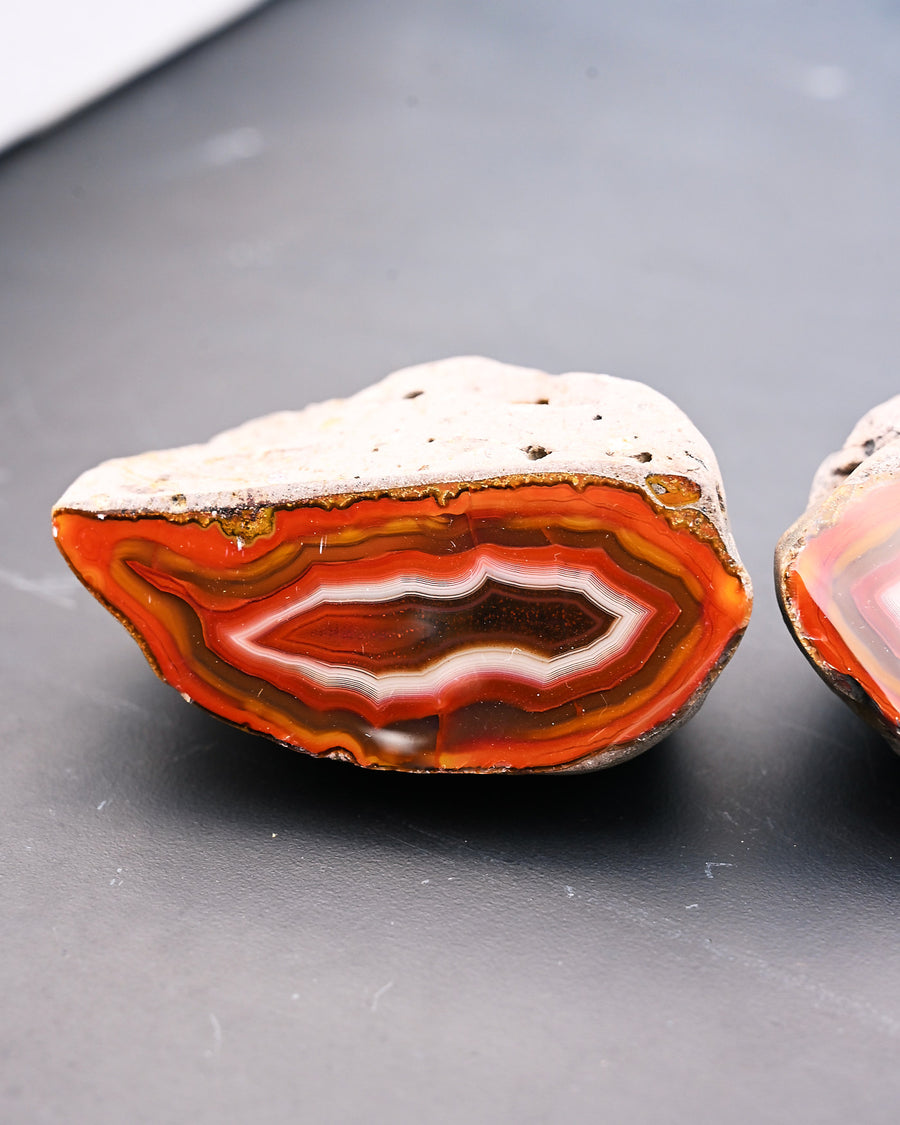

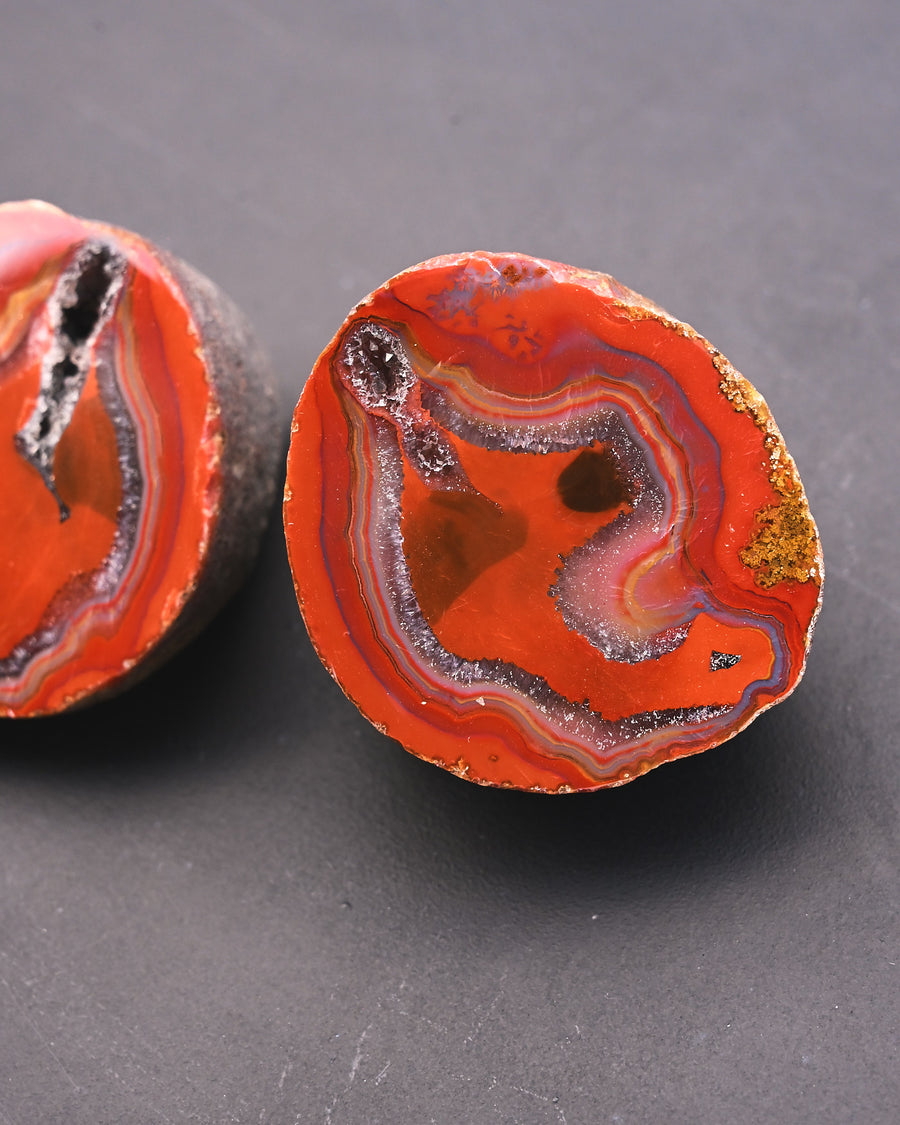

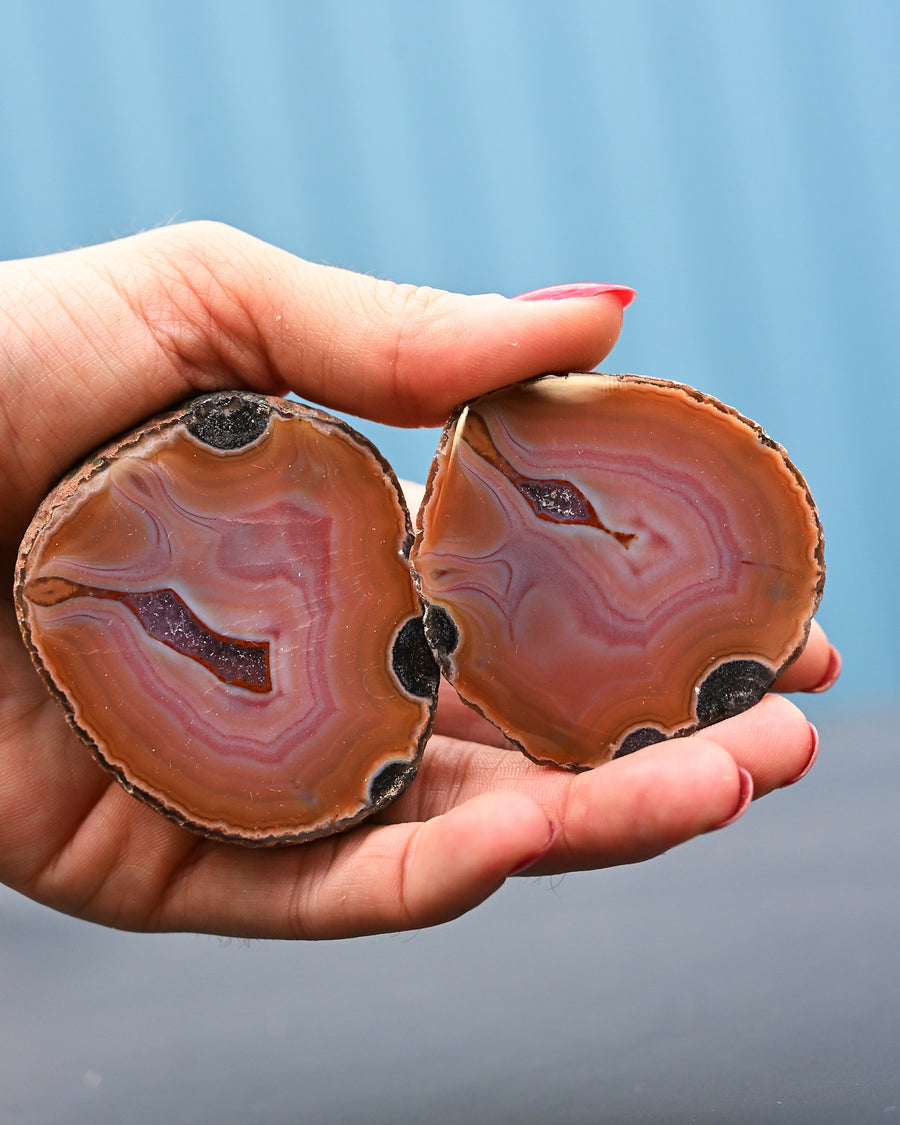

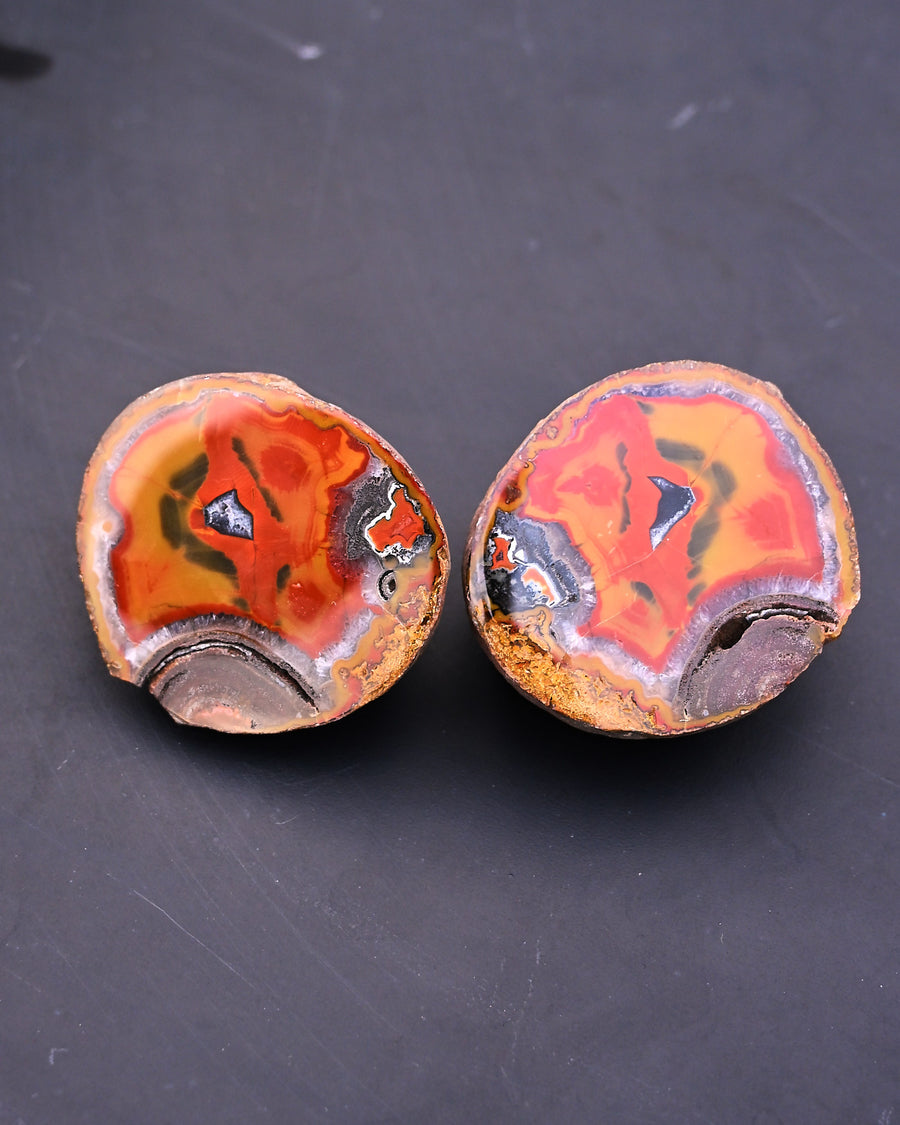

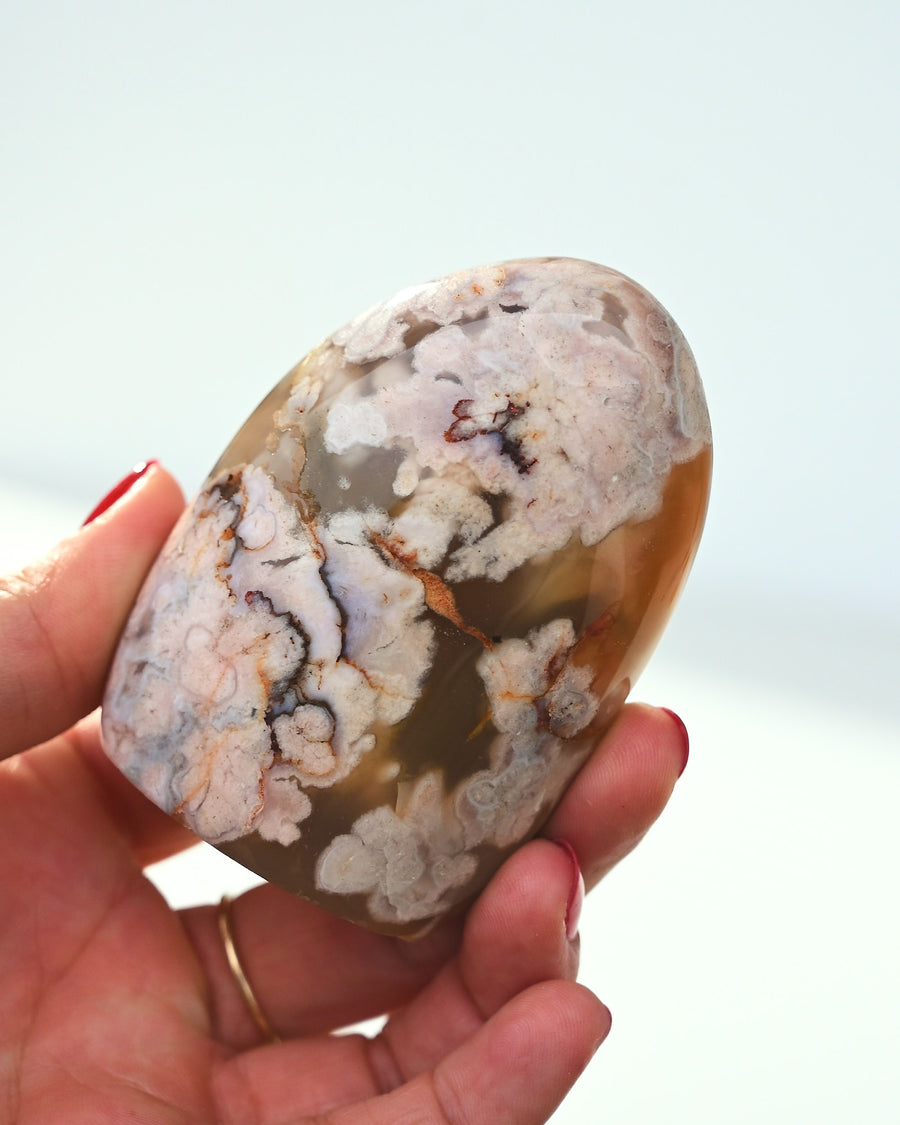

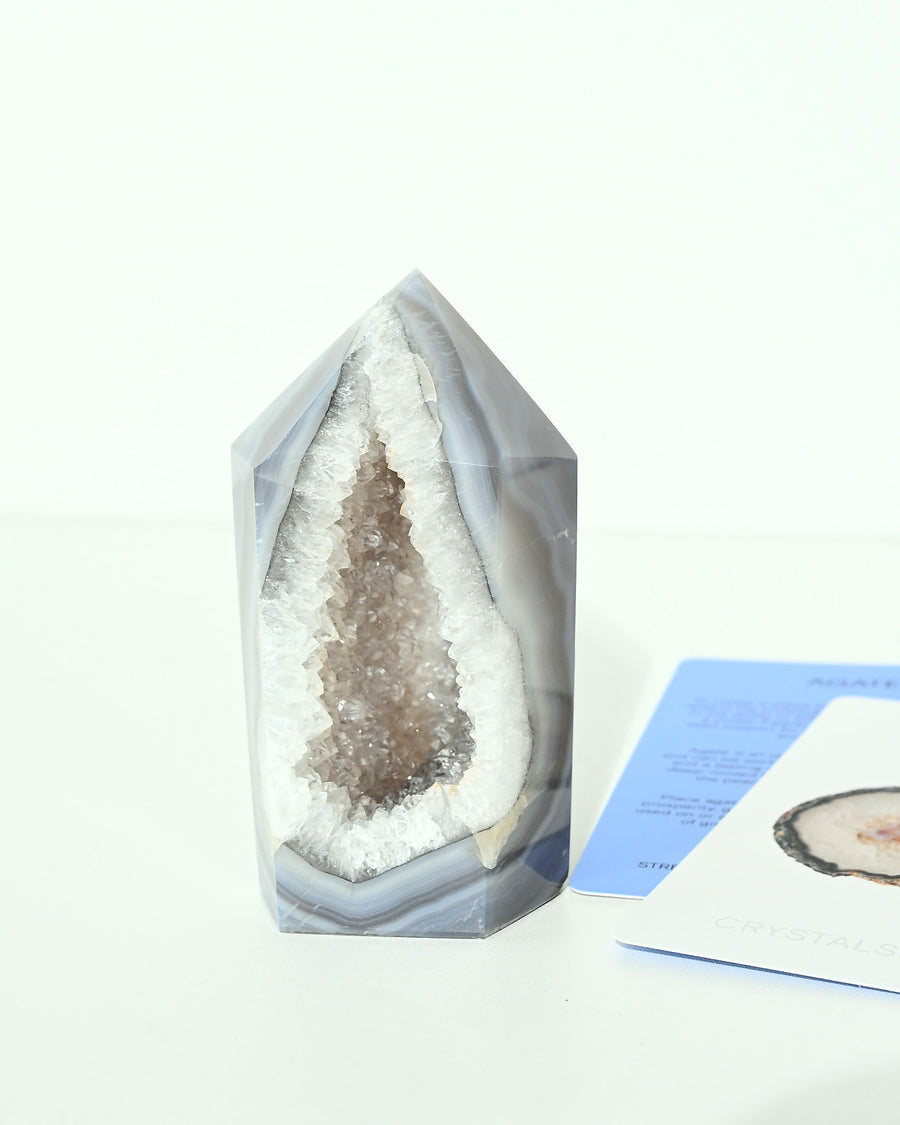

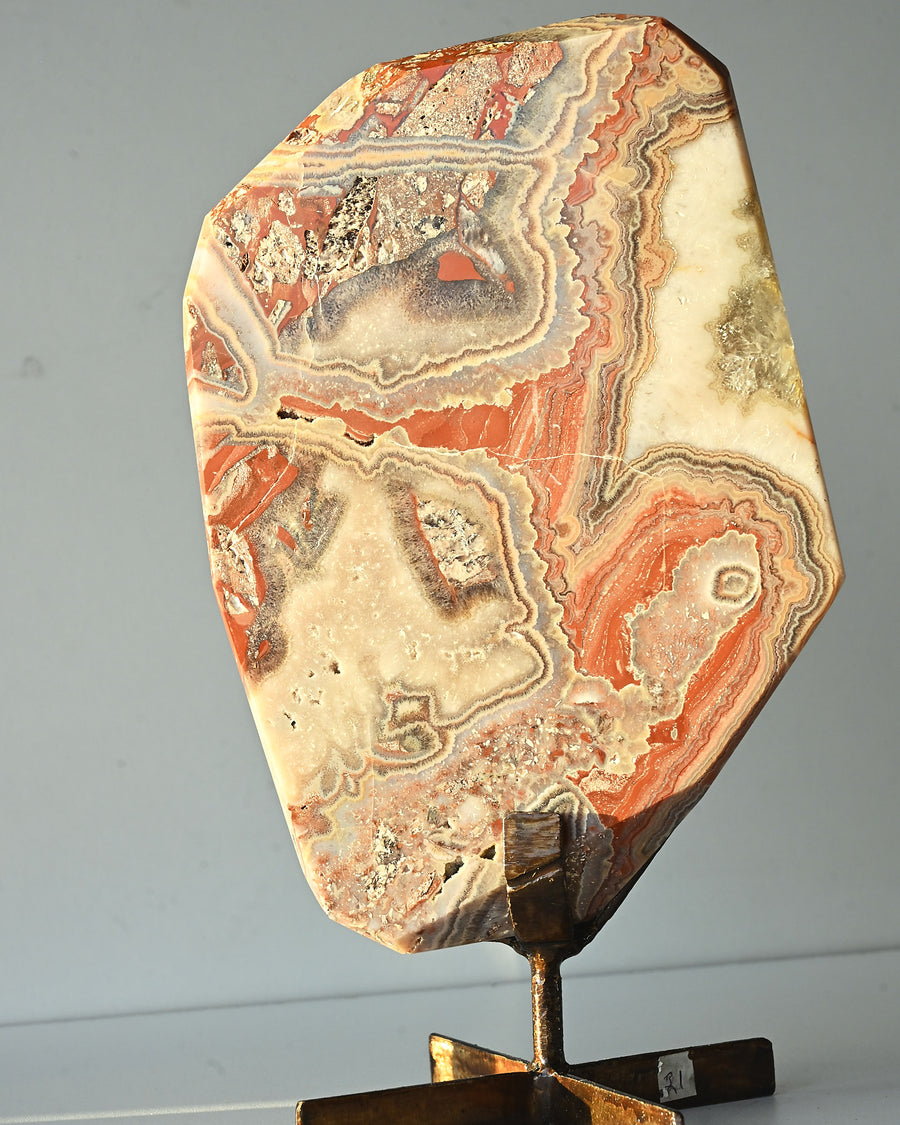

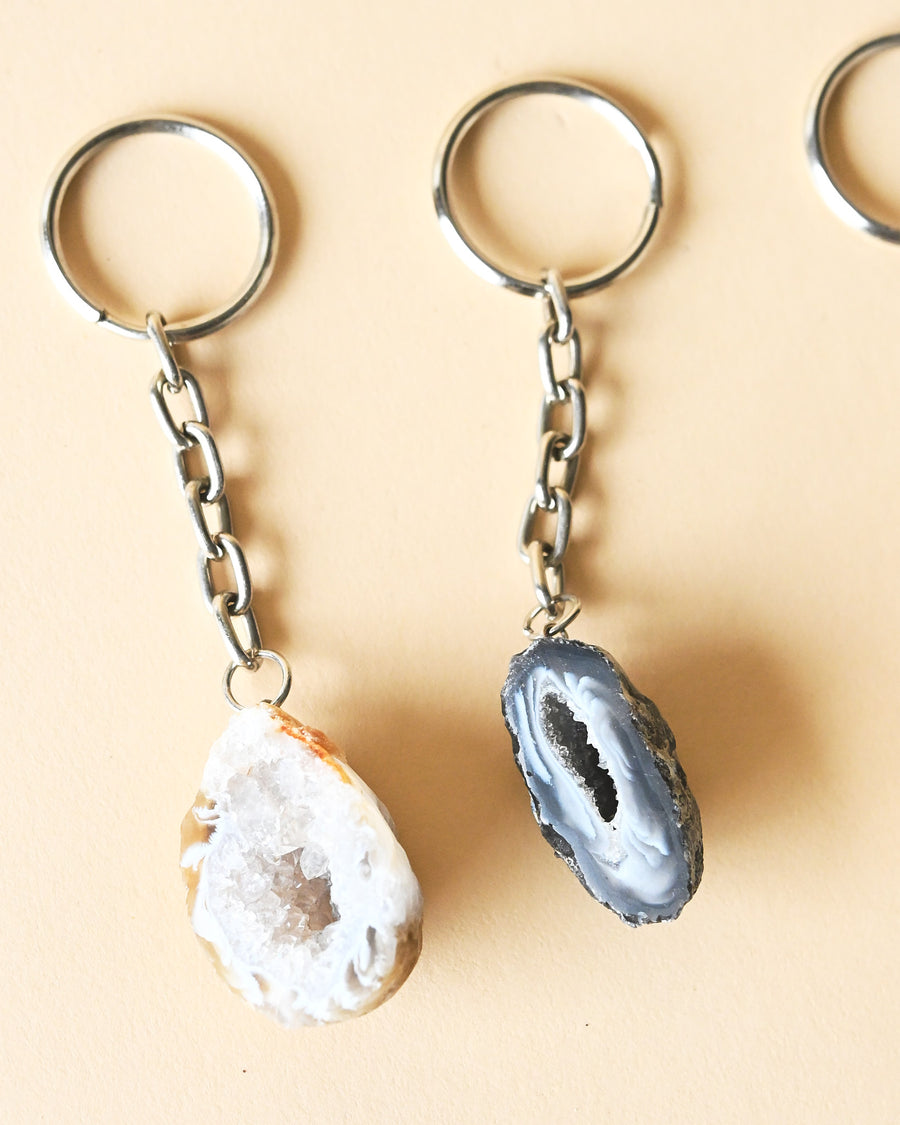

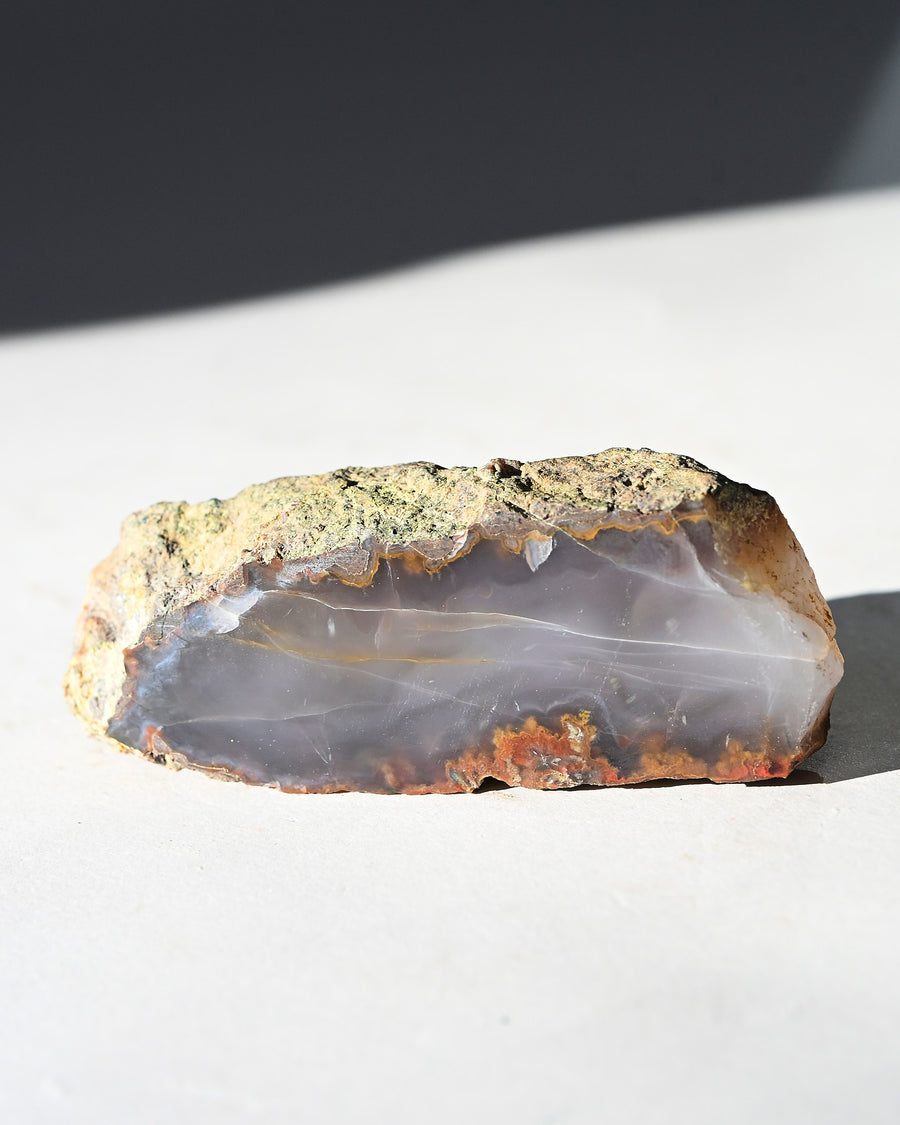

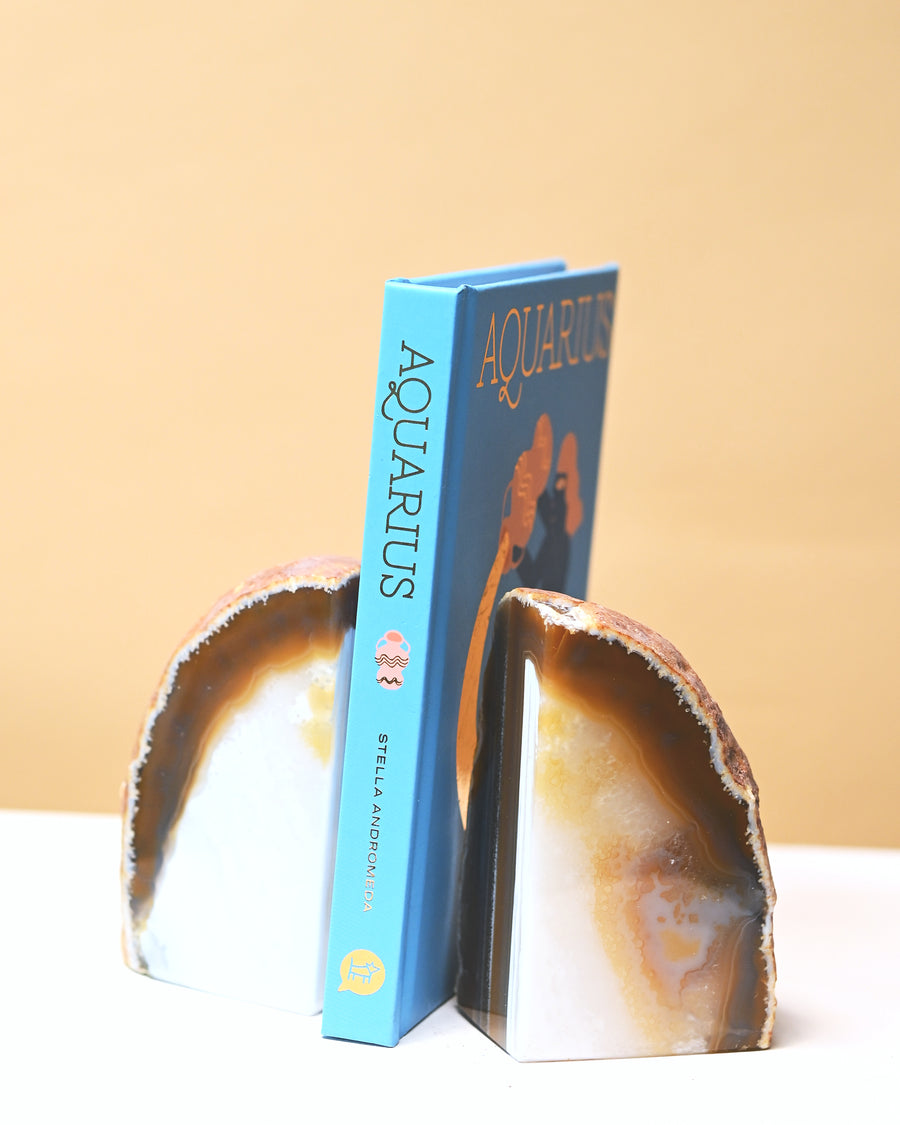

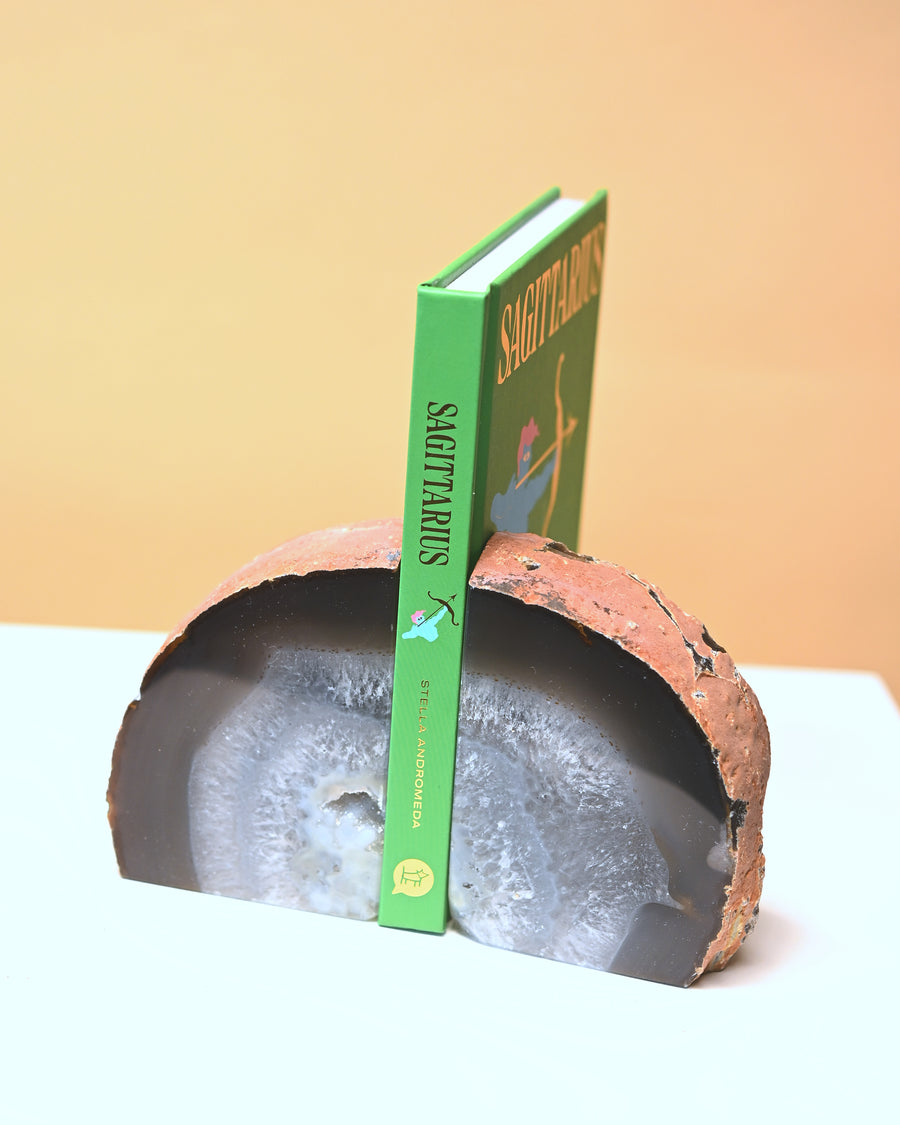

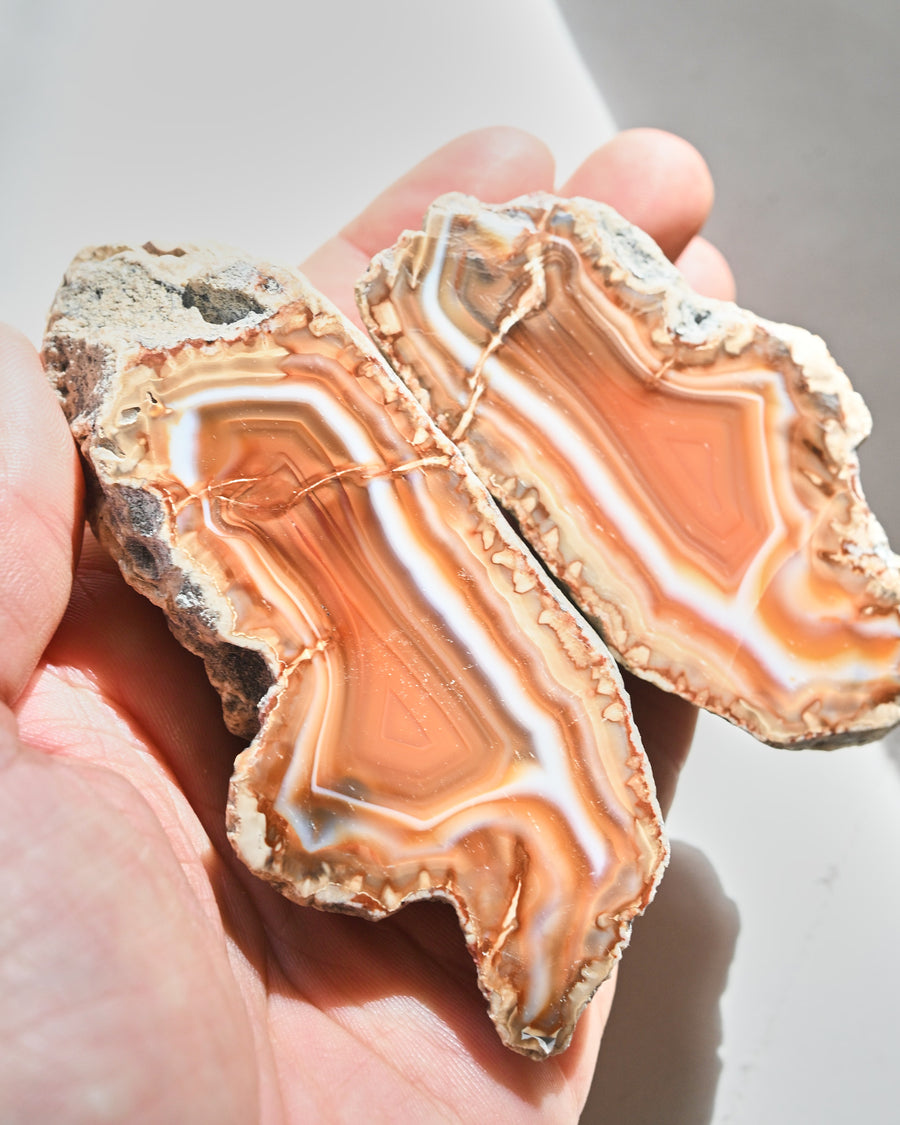

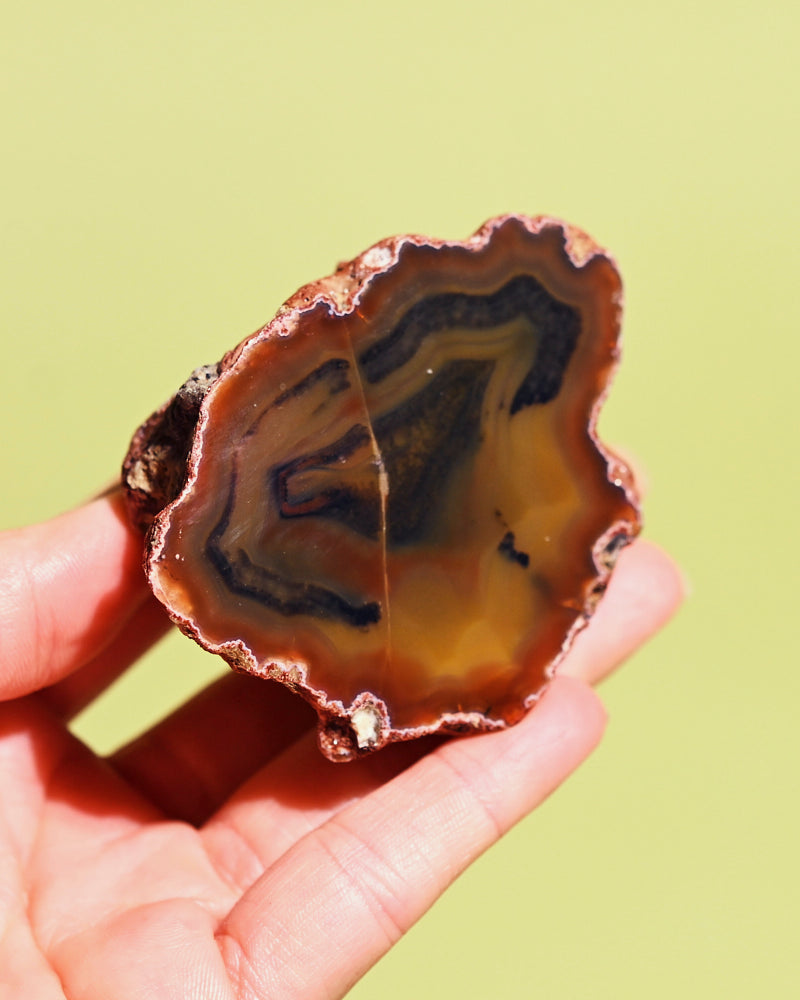

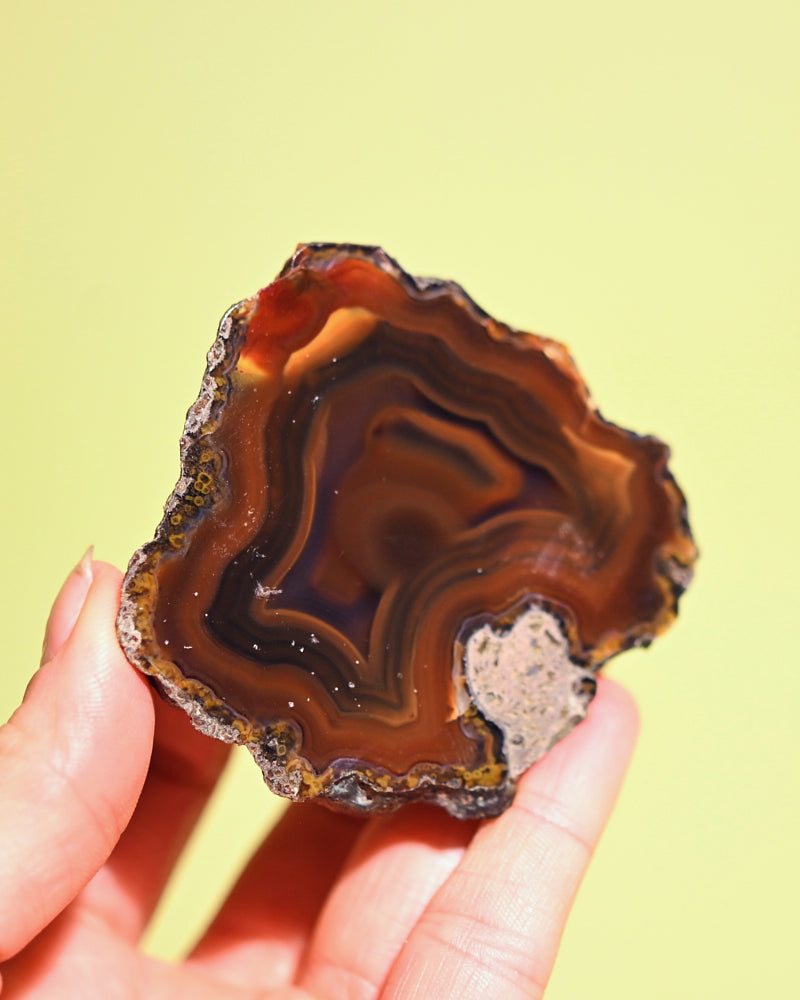

Chosen piece by piece, mostly direct from mines and suppliers I have worked with for years.
I shoot every piece myself, so a one of a kind piece is the exact piece you receive.
Packed by hand here and out in 1 to 3 business days.
There are many varieties including blue lace agate, moss agate, crazy lace agate, Botswana agate, fire agate, and dendritic agate. Each has unique banding patterns and properties.
Agate is known for stability, grounding, and balance. Different varieties serve different purposes: blue lace agate for calm, moss agate for growth, and fire agate for vitality.
Yes. Agate is affordable, widely available, and durable (Mohs 6.5-7). Its gentle energy makes it an excellent first crystal for anyone starting a collection.
Agate can be cleansed with water, moonlight, sage, selenite, or sound. It is one of the more durable crystals and tolerates most cleansing methods well.
Agate crystal is celebrated for its balancing and harmonizing properties, making it a symbol of stability and inner strength. This versatile gemstone is believed to bring clarity, protection, and a sense of calm, making it a valuable addition to one's crystal collection.
Moss Agate is a captivating and grounding crystal, revered for its lush green patterns resembling moss-covered landscapes. This gemstone is prized for its harmonizing properties, believed to inspire growth, renewal, and a deeper connection to nature and one's surroundings.
Agate crystal offers a multitude of benefits, including balance, protection, and enhanced mental clarity. Its unique properties make it a sought-after gemstone for promoting emotional well-being and spiritual growth.
Agate is a banded variety of chalcedony — microcrystalline quartz — that forms inside volcanic rock cavities over millions of years. Silica-rich groundwater deposits layer upon layer inside gas pockets, each band recording a distinct mineral condition at the time of formation. The result is a natural cross-section of geological time: concentric circles, moss-like manganese inclusions, and fortification-style banding that no two specimens share. Mohs hardness: 6.5–7, making agate one of the more durable display minerals available.
This collection spans the most celebrated agate localities on earth. Brazilian agate bookends and slabs from Rio Grande do Sul showcase wide, symmetrical banding in tones of gray, cream, and caramel. Rare Condor agate from Patagonia brings deep reds and purples rarely seen in agate material. Blue lace agate from Namibia offers soft concentric bands in lavender and sky blue. Flower agate from Madagascar features three-dimensional plume inclusions frozen mid-bloom. Dendritic agate displays tree-like manganese formations — no carving, entirely natural.
Every specimen is hand-selected, individually photographed, and exactly the piece you receive. Agate and jasper are geological siblings — both chalcedony, with overlapping formation environments — so if you love one you'll find the other compelling. For larger statement pieces, browse our curated selection over $100. For wearable agate, explore our crystal bracelets collection. Free US shipping on orders over $150.
Agate is a banded microcrystalline quartz (chalcedony) that forms when silica-rich groundwater seeps into gas cavities in volcanic rock and deposits successive layers of microscopic quartz crystals. Each band records a slightly different water chemistry. Formation happens over millions of years.
Natural agate colors are earthier and subtler — grays, creams, warm browns, soft blues. Neon blue, hot pink, and saturated purple slabs with uniform color across every band are almost certainly dyed. Dye also concentrates in surface cracks under magnification.
At Mohs 6.5–7, agate is durable and handles regular display and handling well. Rinse in lukewarm water if dusty, pat dry, and avoid prolonged direct sunlight on dyed specimens. Avoid hard impacts on corners or edges where any stone can chip.
Both are chalcedony (microcrystalline quartz). Agate is typically translucent with visible banding, while jasper is opaque with more uniform or mottled coloring. They form in similar volcanic environments and often occur together.
I love shopping here! Everything I’ve purchased has been great quality, and the customer service is top notch!
I am very happy with the white sage bundle! It is a very good quality and burns really nicely!
I love this bracelet! I love the adjustable cord, and the stones are really, really pretty! I highly recommen
5 stars
Great
Great
A beautiful piece..the photo's did not do it justice. The delivery was timely and arrived in perfect condition. Thank you..this specimen is a must for any collector.
Crystals Individually wrapped
Shipped with care, excellent packaging. Great products
Very nice, one of a kind sphere. The piece matched the quality in the photos. Packaging was above average, with no damage during shipping. Tracking was easy. Everything was a positive experience.
Was expecting a bright shade of yellow, but the amber shade is just as beautiful.
Loved how it glimmers
Loved the packaging
Each Crystal came out beautifully
Will definitely find myself a frequent customer ☺️
Perfect. I love my crystals!
Beautiful! Exactly what I was hoping for/expecting!
Can't choose?
Tell it what you need. It picks one piece for you, in stock right now.
Sorry, looks like we don't have enough of this product.

Buy It With
$10.00 USD


