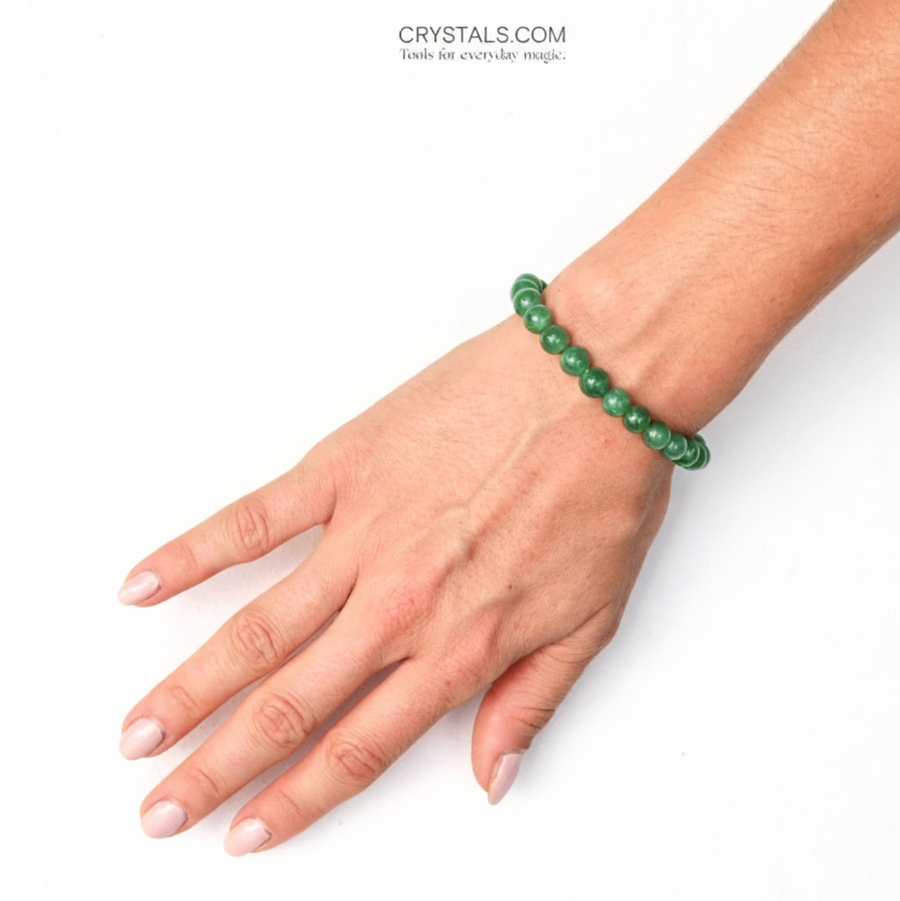

Green Aventurine Bracelet - LUCK
From $34Choose options
Crystals.com
Green aventurine is a variety of quartz (SiO₂) distinguished by aventurescence: a glittery, shimmering quality produced by tiny plate-like inclusions of fuchsite, a chrome-bearing variety of muscovite mica. Those green, reflective flakes give this...
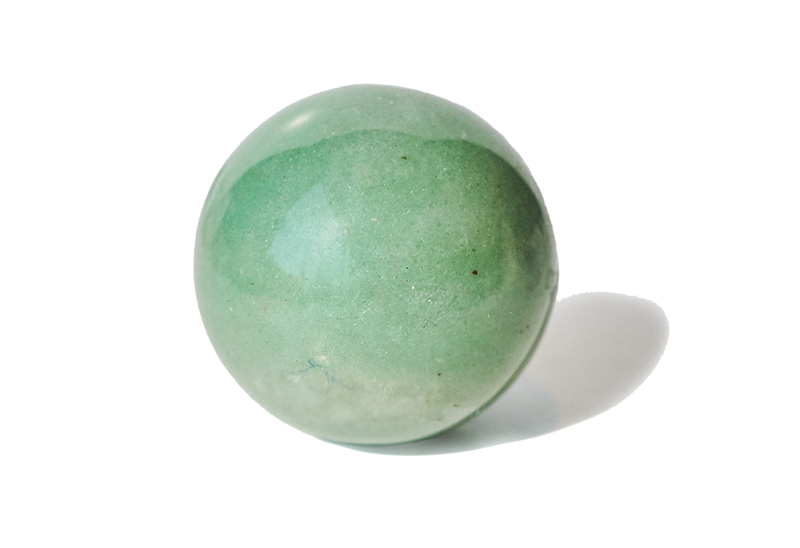
10 pieces
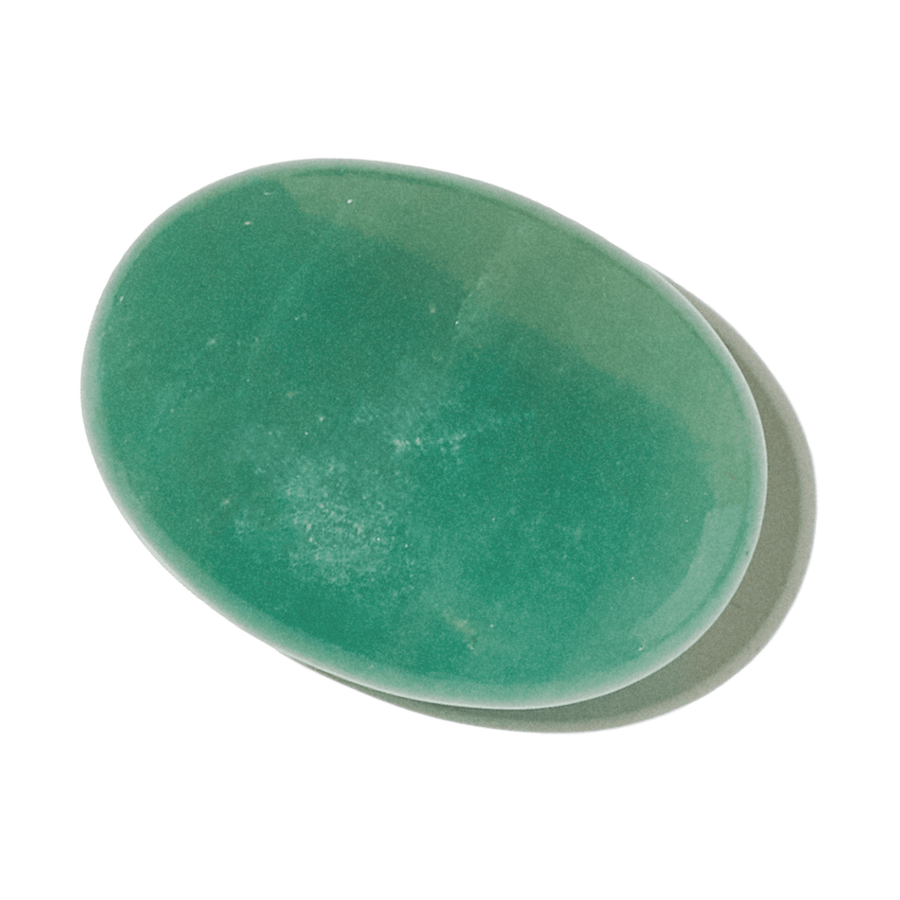

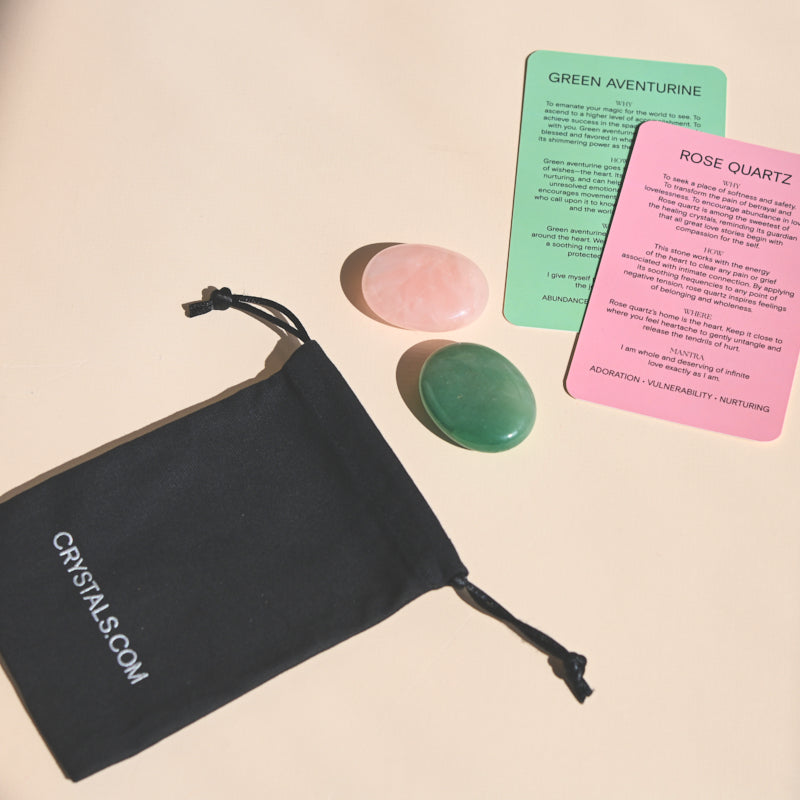

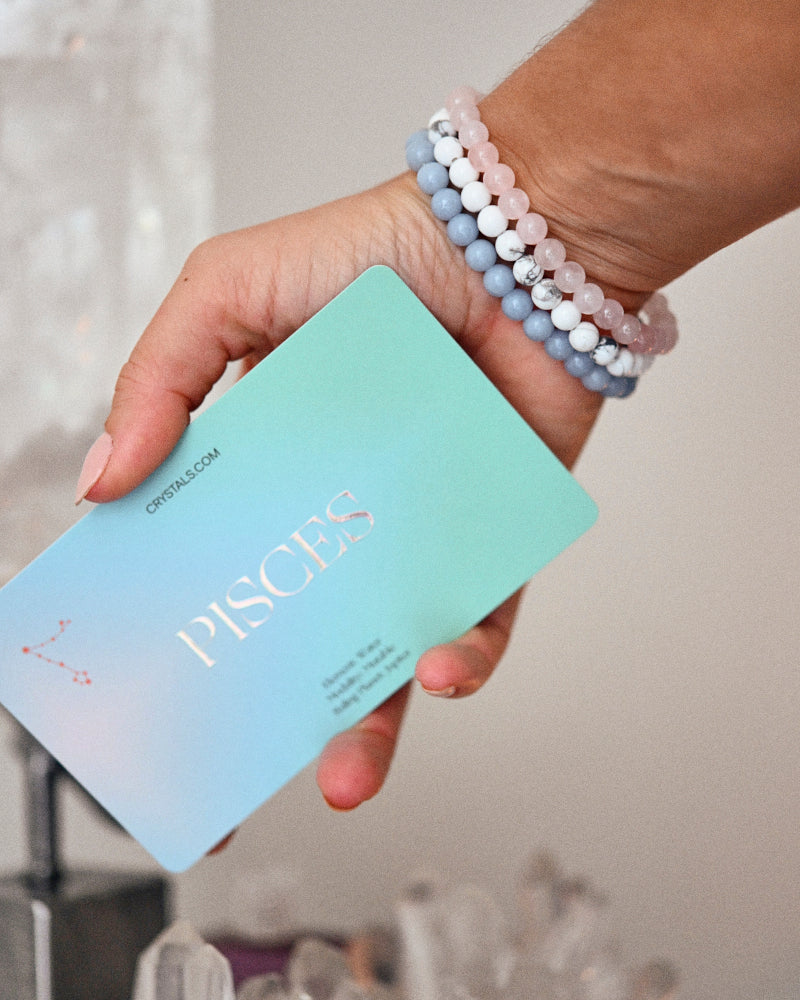

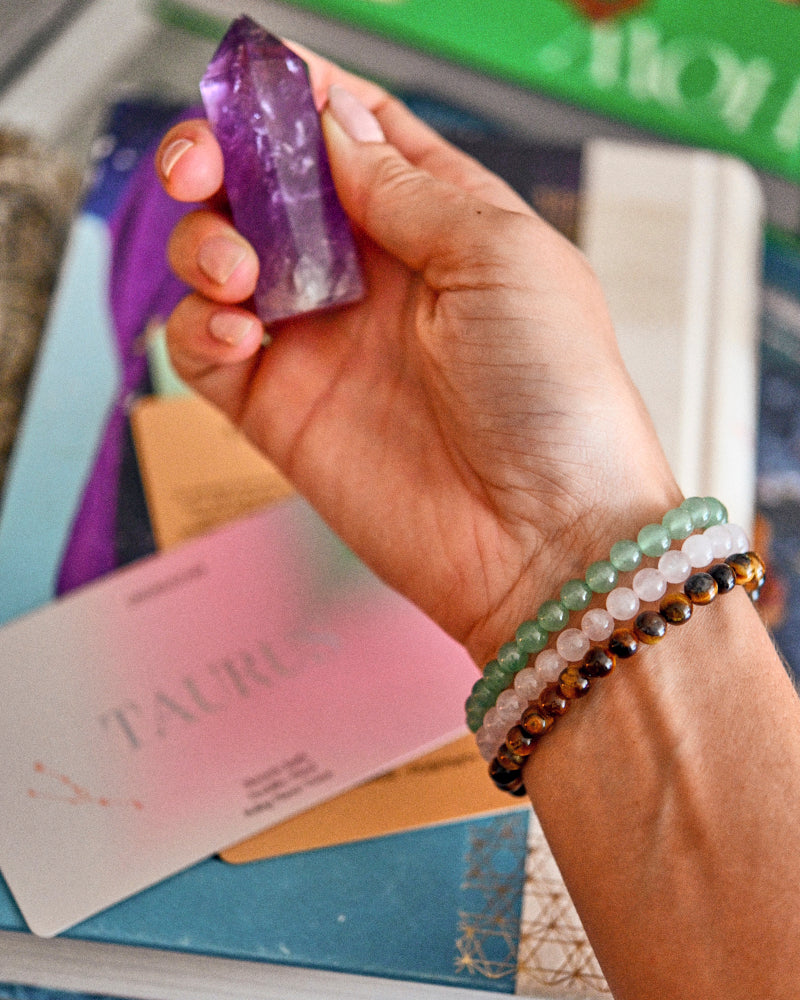

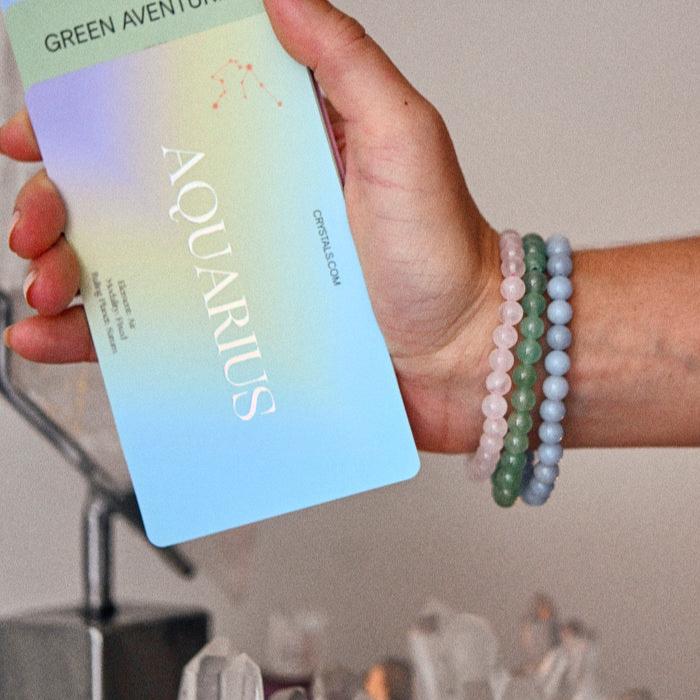




Chosen piece by piece, mostly direct from mines and suppliers I have worked with for years.
I shoot every piece myself, so a one of a kind piece is the exact piece you receive.
Packed by hand here and out in 1 to 3 business days.
Green aventurine is a variety of quartz (SiO2) distinguished by aventurescence, a glittery shimmer produced by tiny plate-like inclusions of fuchsite mica. It rates 6.5 to 7 on the Mohs scale, making it durable for both display and everyday wear. Primary sources include India, Brazil, and China.
The sparkle is called aventurescence, caused by tiny reflective platelets of fuchsite (a chrome-bearing muscovite mica) embedded throughout the quartz. Higher concentrations of fuchsite produce deeper green color and more pronounced metallic shimmer.
No. Green aventurine is a variety of quartz, while jade refers to two distinct minerals: nephrite and jadeite. They can look similar at a glance, but they have completely different chemical compositions, hardness, and internal structure. Green aventurine has a sparkly shimmer from mica inclusions that jade does not.
Very durable. At Mohs 6.5 to 7 with no cleavage, green aventurine resists scratching and chipping well. It can be safely cleaned with water and worn daily in jewelry without special precautions.
The largest deposits of green aventurine are in India, particularly the state of Tamil Nadu. Significant sources also exist in Brazil, China, and parts of Europe. Indian material is generally considered the finest for its strong color saturation and aventurescent quality.
Green Aventurine is a soothing and harmonizing crystal known for its meaning of promoting luck, prosperity, and emotional balance. It is often used in crystal healing to open and balance the heart chakra, fostering a sense of inner peace and abundance.
Green Aventurine is renowned for its properties of luck and prosperity, making it a favored crystal for manifesting abundance and opportunities. Its soothing energy also promotes emotional well-being and helps in opening and balancing the heart chakra, fostering love and harmony.
Raw Green Aventurine is a natural form of this crystal known for its vibrant green color and abundance-attracting properties. It's often used in crystal grids, meditation, or carried as a pocket stone to enhance luck and nurture growth.
Tumbled Green Aventurine is a polished form of this crystal, prized for its soothing energy and ability to promote emotional healing. It's a popular choice for those seeking balance and prosperity, and it can be used in various holistic practices or as a decorative accent.
Green aventurine is a variety of quartz (SiO₂) distinguished by aventurescence: a glittery, shimmering quality produced by tiny plate-like inclusions of fuchsite, a chrome-bearing variety of muscovite mica. Those green, reflective flakes give this stone its characteristic sparkle and depth of color. Green aventurine rates 6.5–7 on the Mohs scale, making it durable for both display and everyday wear. Primary sources include India, Brazil, and China.
The color ranges from pale mint to rich forest green depending on the density of fuchsite inclusions. Stones with higher mica concentration tend toward deeper greens with more pronounced metallic shimmer; lighter pieces have a more translucent, glassy quality. Both ends of the spectrum are represented in this collection.
Available forms include polished palm stones, towers, spheres, tumbled pieces, and crystal bracelets. For other green minerals, see our malachite, chrysocolla, and prehnite collections. For premium specimens, visit the Collector's Edition. Learn more in our guide to green aventurine. Free shipping on orders $150+.
Green aventurine is a variety of quartz containing tiny fuchsite mica inclusions that produce a sparkling effect called aventurescence. It rates 6.5–7 on the Mohs scale. The green color comes from chromium within the fuchsite, not from the quartz itself.
Green aventurine is quartz (SiO₂, Mohs 6.5–7) with mica inclusions, while jade refers to either nephrite (calcium magnesium silicate, Mohs 6–6.5) or jadeite (sodium aluminum silicate, Mohs 6.5–7). Aventurine has a sparkly, glittery quality from its mica inclusions; jade has a smooth, waxy luster without sparkle. They are different minerals that happen to share a green color.
India is the primary source of commercial green aventurine, particularly from the state of Tamil Nadu and Mysore region. Brazil and China also produce significant quantities. Indian material is generally considered the finest for its consistent color saturation and strong aventurescence.
The sparkle (aventurescence) is caused by tiny, flat platelets of fuchsite mica embedded within the quartz matrix. When light hits these reflective inclusions, it bounces off at multiple angles, creating a glittery or shimmering effect. The more densely packed the fuchsite inclusions, the stronger the sparkle.
Yes. At Mohs 6.5–7 with no cleavage, green aventurine is suitable for all jewelry types including rings. It is as durable as any other quartz variety and will not scratch from normal daily wear. Clean with warm soapy water and a soft brush.
A beautiful piece..the photo's did not do it justice. The delivery was timely and arrived in perfect condition. Thank you..this specimen is a must for any collector.
Crystals Individually wrapped
Shipped with care, excellent packaging. Great products
Very nice, one of a kind sphere. The piece matched the quality in the photos. Packaging was above average, with no damage during shipping. Tracking was easy. Everything was a positive experience.
Was expecting a bright shade of yellow, but the amber shade is just as beautiful.
Loved how it glimmers
Loved the packaging
Each Crystal came out beautifully
Will definitely find myself a frequent customer ☺️
Perfect. I love my crystals!
Beautiful! Exactly what I was hoping for/expecting!
Delivered when promised. Packaged very nicely!
Beautiful! The purple is so vibrant!
Stunning! Exceeded my expectations and arrived so quickly 💜
Web site is working like a dream, beautifully.
Amazing smoky quartz that you dug up yourself in Tennessee. It shines in my entryway & it is so special. Thank you, it is one of my most important treasures. By the way, your web site works beautifully!
Very beautiful!
Can't choose?
Tell it what you need. It picks one piece for you, in stock right now.
Sorry, looks like we don't have enough of this product.

Buy It With
$10.00 USD


