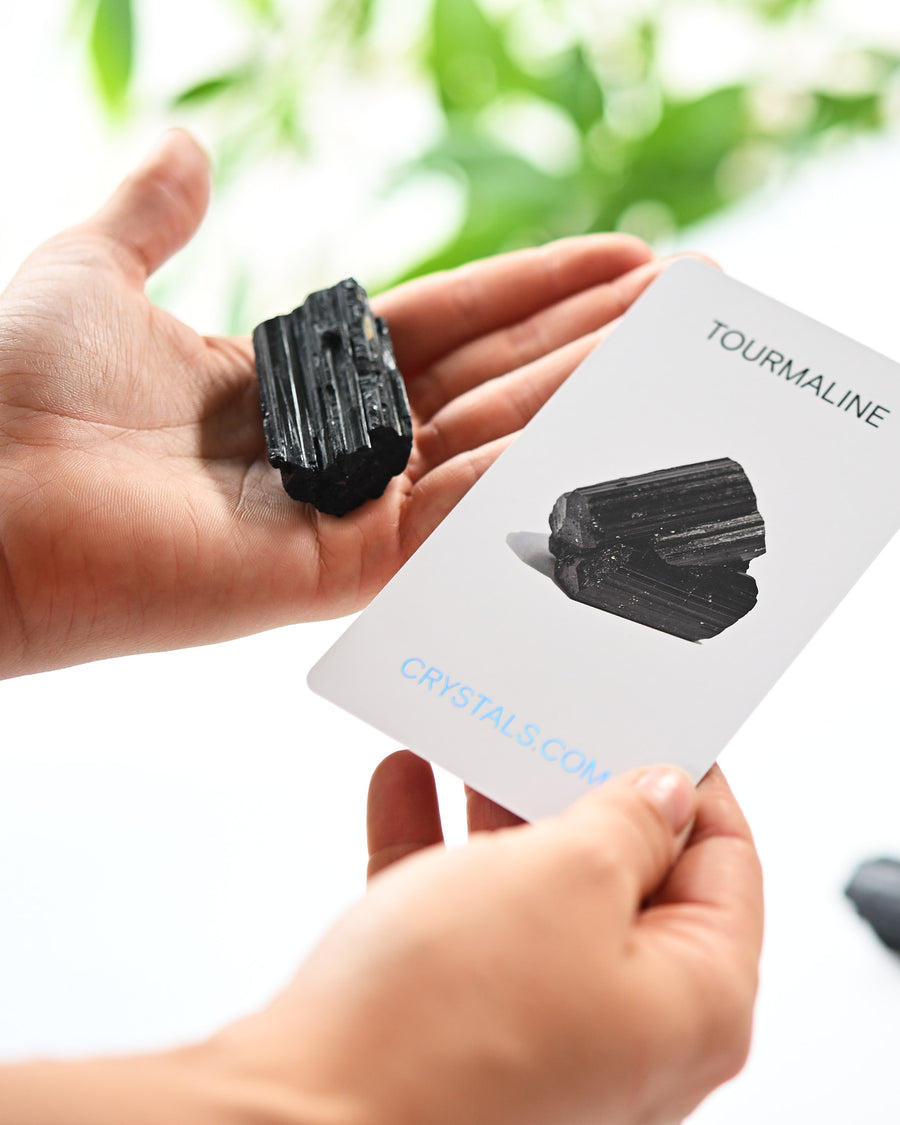

Black Tourmaline Rough - Protect
From $16Choose options
Crystals.com
Black tourmaline, known to mineralogists as schorl, is the most common member of the tourmaline family and one of the most popular collecting minerals. Its deep black color comes from iron within its complex...
7 pieces
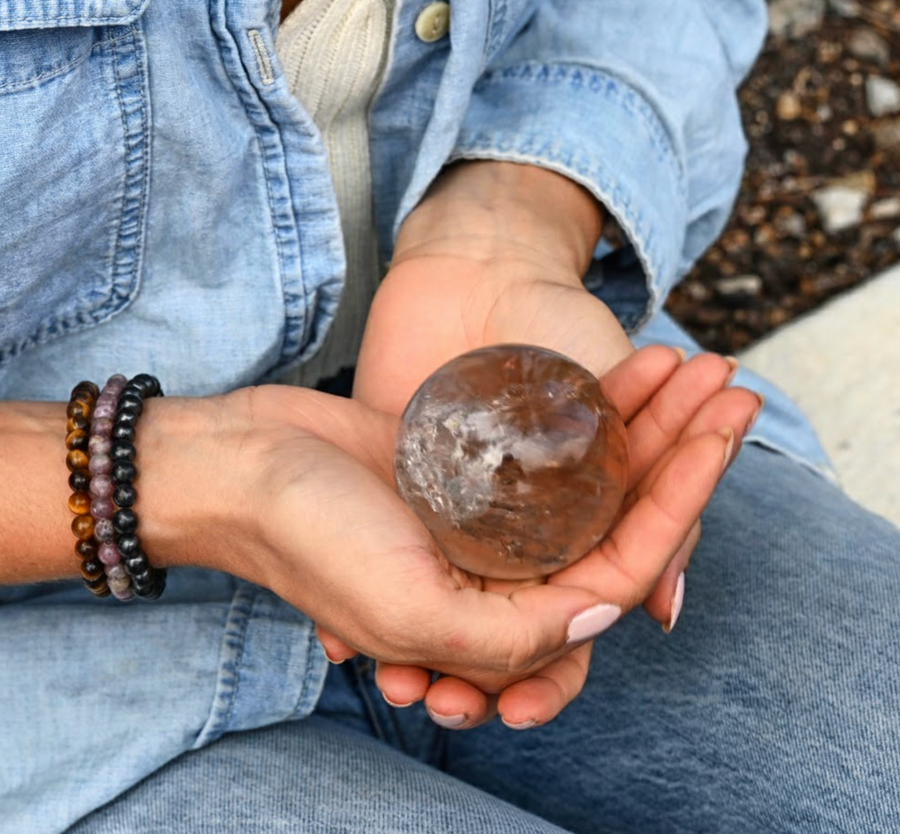

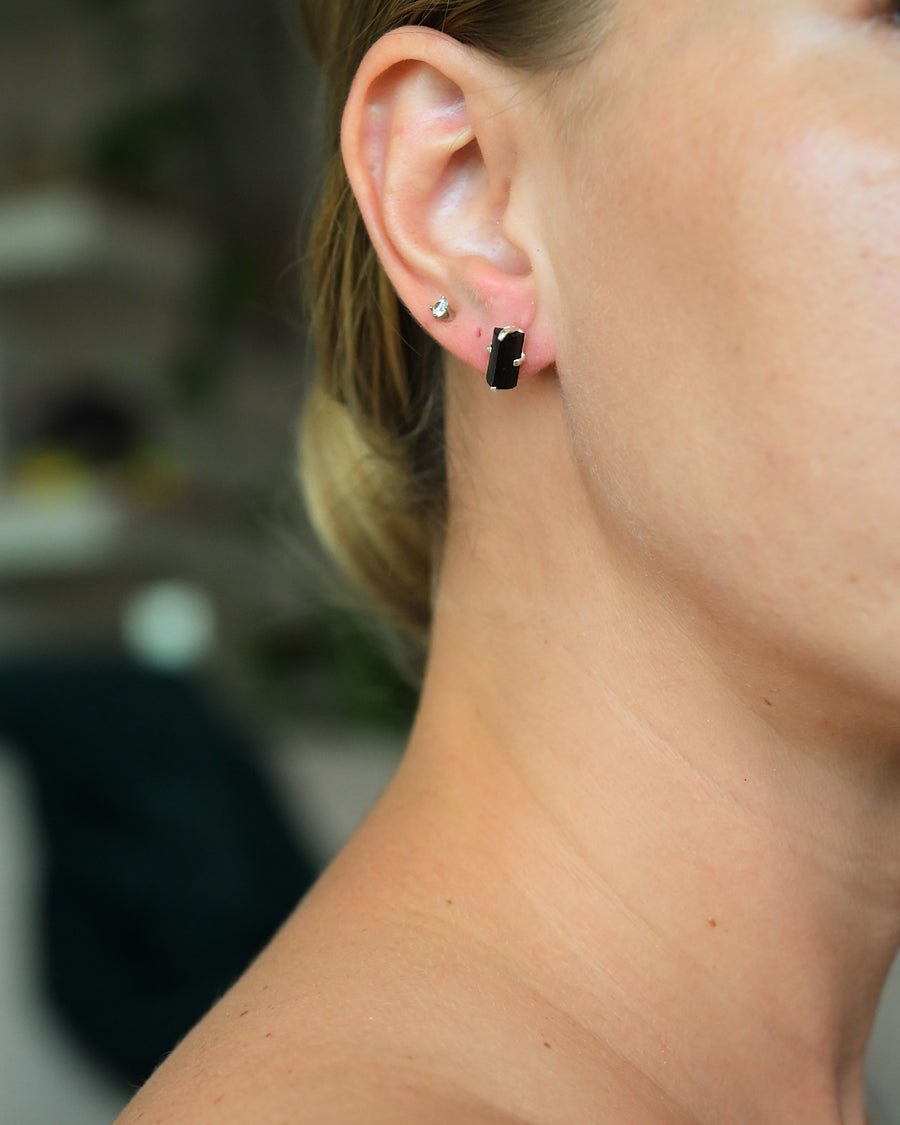

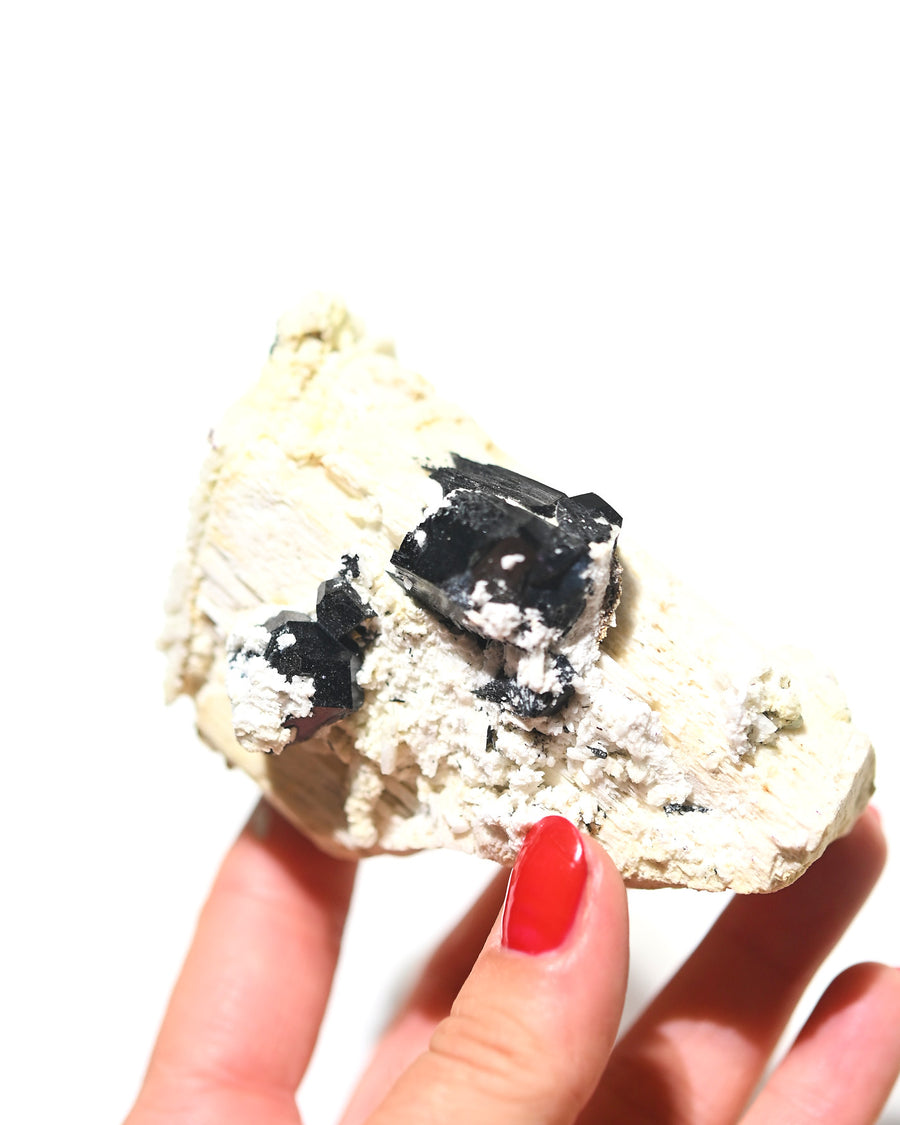

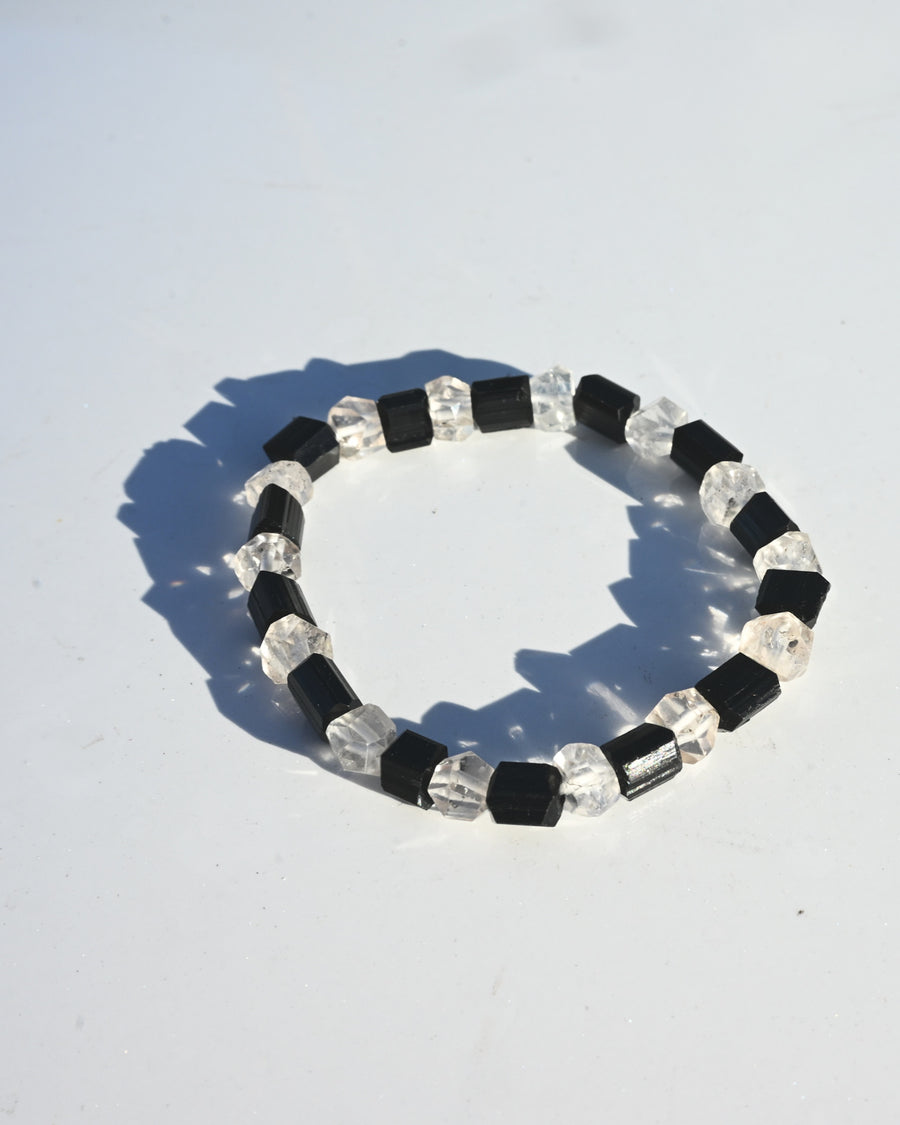


Chosen piece by piece, mostly direct from mines and suppliers I have worked with for years.
I shoot every piece myself, so a one of a kind piece is the exact piece you receive.
Packed by hand here and out in 1 to 3 business days.
Black tourmaline, also known as schorl, is the most common variety of tourmaline. It is a boron silicate mineral colored black by iron. It typically forms glossy, striated prismatic crystals in granite pegmatites. At Mohs 7–7.5, it is hard, durable, and suitable for both display and jewelry.
Major sources include Brazil (large, well-formed crystals), Madagascar, Pakistan (sharp terminated specimens), Namibia, and parts of the United States (Maine, California). Brazilian black tourmaline dominates the market for larger specimens and polished forms.
Black tourmaline is a crystalline mineral with a defined crystal structure, striated surfaces, and vitreous to matte luster. Obsidian is volcanic glass with no crystal structure, smooth conchoidal fracture, and a glassy luster. Tourmaline is harder (7–7.5 vs 5–5.5) and forms prismatic crystals, while obsidian forms amorphous masses.
Yes. At Mohs 7–7.5 with no cleavage, black tourmaline is one of the most durable dark stones available for jewelry. It resists scratching and chipping well. Black tourmaline bracelets and pendants can be worn daily without special precautions.
Black tourmaline is low-maintenance. Clean with water and a soft cloth. It does not fade in sunlight and is not sensitive to chemicals. The main consideration is that raw specimens with thin crystal terminations can be fragile at the tips — handle those carefully and display them where they will not be bumped.
Black tourmaline, known to mineralogists as schorl, is the most common member of the tourmaline family and one of the most popular collecting minerals. Its deep black color comes from iron within its complex boron silicate structure, and it typically forms glossy, striated prismatic crystals in granite pegmatites. Black tourmaline rates 7–7.5 on the Mohs hardness scale, making it exceptionally durable. Major sources include Brazil, Pakistan, Afghanistan, Madagascar, and Namibia.
One of black tourmaline's most interesting properties is piezoelectricity — it generates a small electrical charge when subjected to mechanical pressure. This makes it scientifically notable beyond its visual appeal. The elongated, columnar crystal habit with parallel striations along the c-axis is characteristic and makes even rough specimens immediately recognizable.
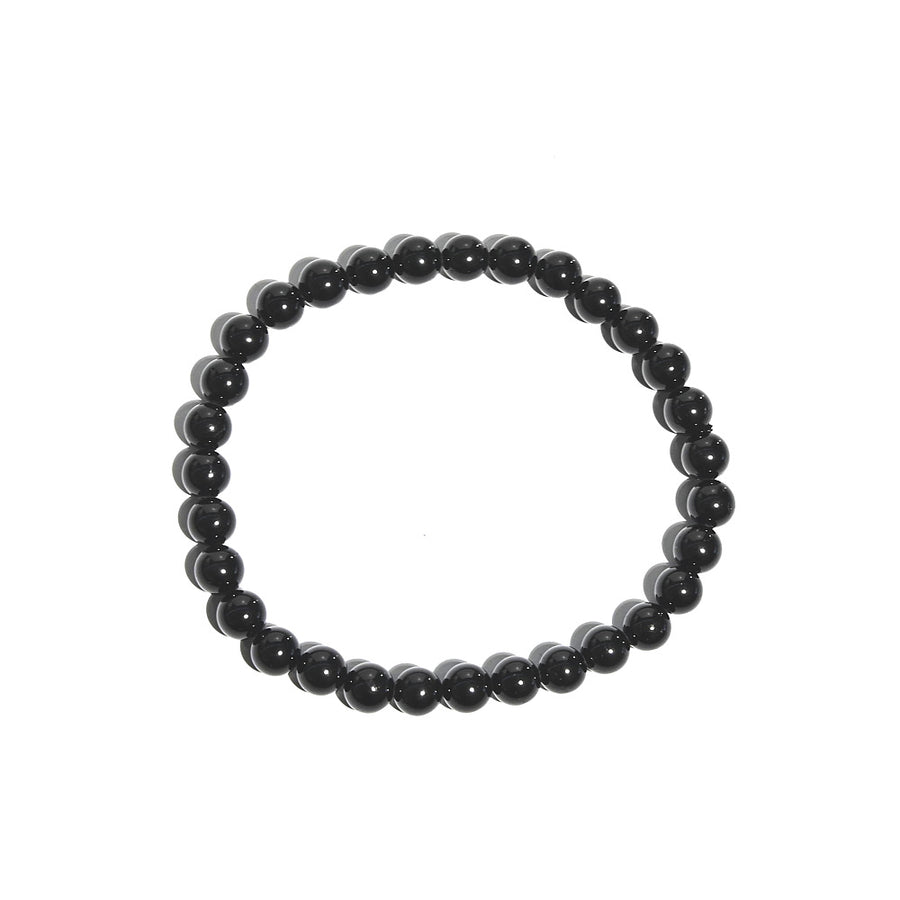
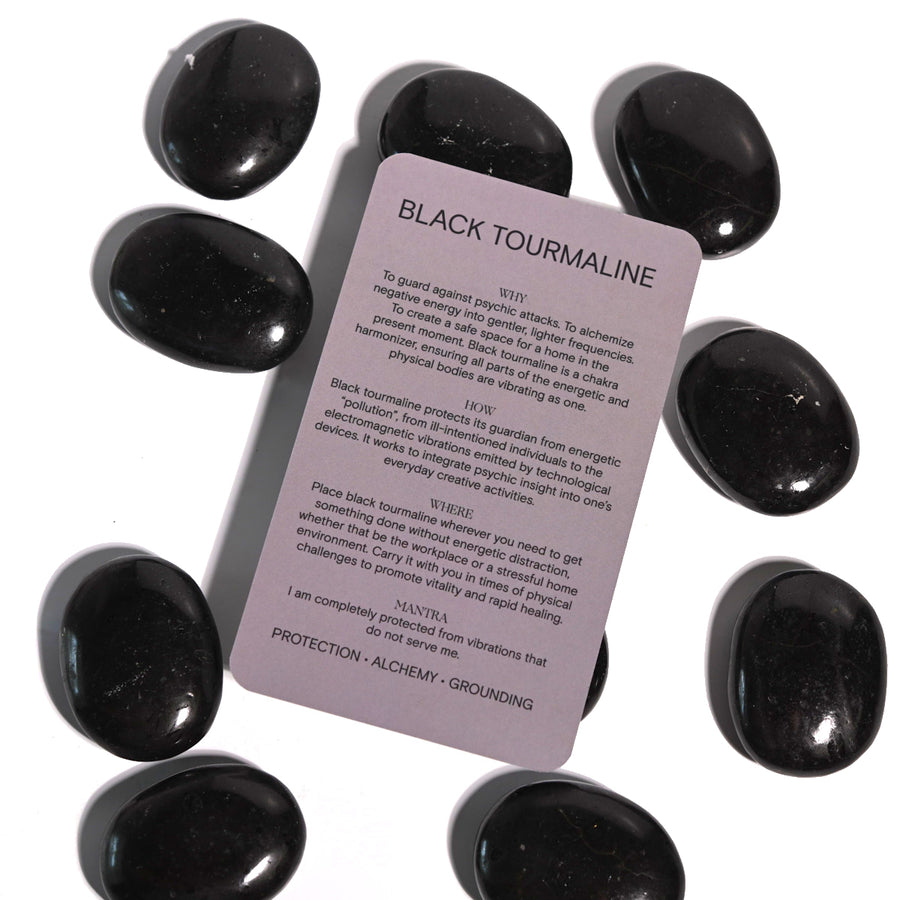
Available forms include raw specimens, polished palm stones, towers, tumbled pieces, and bracelets. For other dark minerals, see our obsidian and smoky quartz collections. Compare with other tourmaline varieties including pink, green, and watermelon. Browse our protection crystals collection for curated sets. Free shipping on orders $150+.
Black tourmaline (schorl) is an iron-rich boron silicate mineral and the most abundant member of the tourmaline group. It crystallizes in the trigonal system, forming elongated prismatic crystals with characteristic vertical striations. It rates 7–7.5 on the Mohs hardness scale.
Black tourmaline is a crystalline mineral (boron silicate, Mohs 7–7.5) with visible striations and prismatic crystal habit. Obsidian is volcanic glass — an amorphous solid (Mohs 5–5.5) with conchoidal fracture and no crystal structure. Tourmaline is harder, has piezoelectric properties, and forms defined crystal shapes.
Major sources include Brazil (Minas Gerais), Pakistan and Afghanistan (large prismatic crystals), Madagascar, Namibia, and the United States. Brazilian schorl is particularly valued for well-formed, gem-quality crystals suitable for both collecting and cutting.
Yes. At Mohs 7–7.5 with no cleavage, black tourmaline is one of the more durable collecting minerals. It is suitable for all jewelry types and will not scratch from normal daily wear. Clean with warm soapy water and a soft brush.
Black tourmaline generates a small electrical charge when subjected to mechanical pressure or temperature changes. This property — shared with quartz — results from its non-centrosymmetric crystal structure. While the charge is too small to be practically useful, it is scientifically measurable and makes tourmaline important in materials science.
Related Guides
A beautiful piece..the photo's did not do it justice. The delivery was timely and arrived in perfect condition. Thank you..this specimen is a must for any collector.
Crystals Individually wrapped
Shipped with care, excellent packaging. Great products
Very nice, one of a kind sphere. The piece matched the quality in the photos. Packaging was above average, with no damage during shipping. Tracking was easy. Everything was a positive experience.
Was expecting a bright shade of yellow, but the amber shade is just as beautiful.
Loved how it glimmers
Loved the packaging
Each Crystal came out beautifully
Will definitely find myself a frequent customer ☺️
Perfect. I love my crystals!
Beautiful! Exactly what I was hoping for/expecting!
Delivered when promised. Packaged very nicely!
Beautiful! The purple is so vibrant!
Stunning! Exceeded my expectations and arrived so quickly 💜
Web site is working like a dream, beautifully.
Amazing smoky quartz that you dug up yourself in Tennessee. It shines in my entryway & it is so special. Thank you, it is one of my most important treasures. By the way, your web site works beautifully!
Very beautiful!
Can't choose?
Tell it what you need. It picks one piece for you, in stock right now.
Sorry, looks like we don't have enough of this product.

Buy It With
$10.00 USD


