

Sagittarius Bracelet Trio
$85
Crystals.com
Garnet is a group of silicate minerals that share a common crystal structure but vary widely in chemical composition and color. While most people associate garnet with deep red, the group includes orange spessartine,...
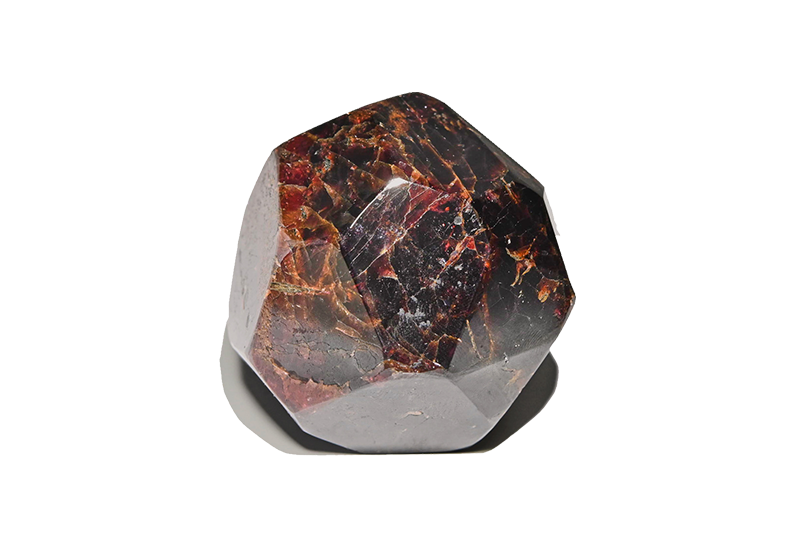
15 pieces


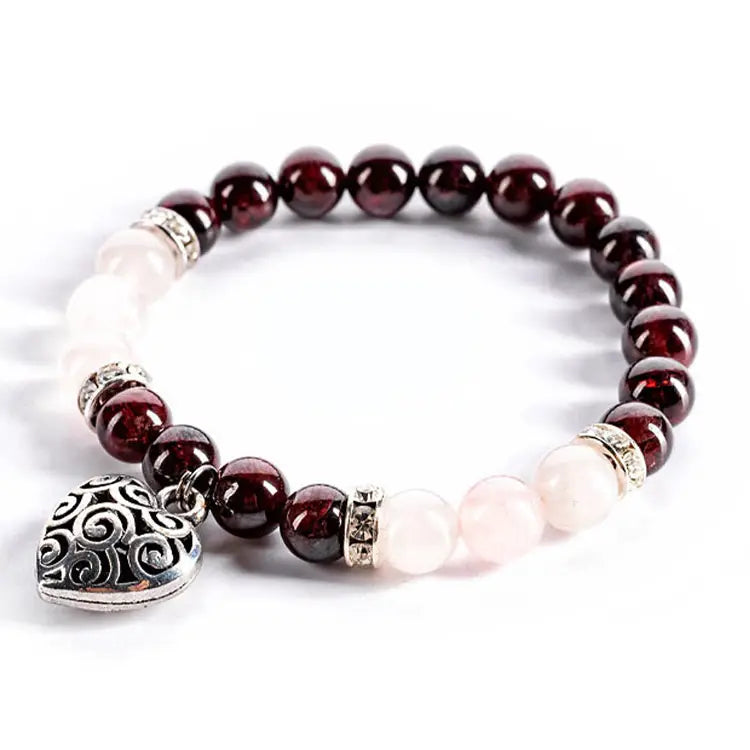

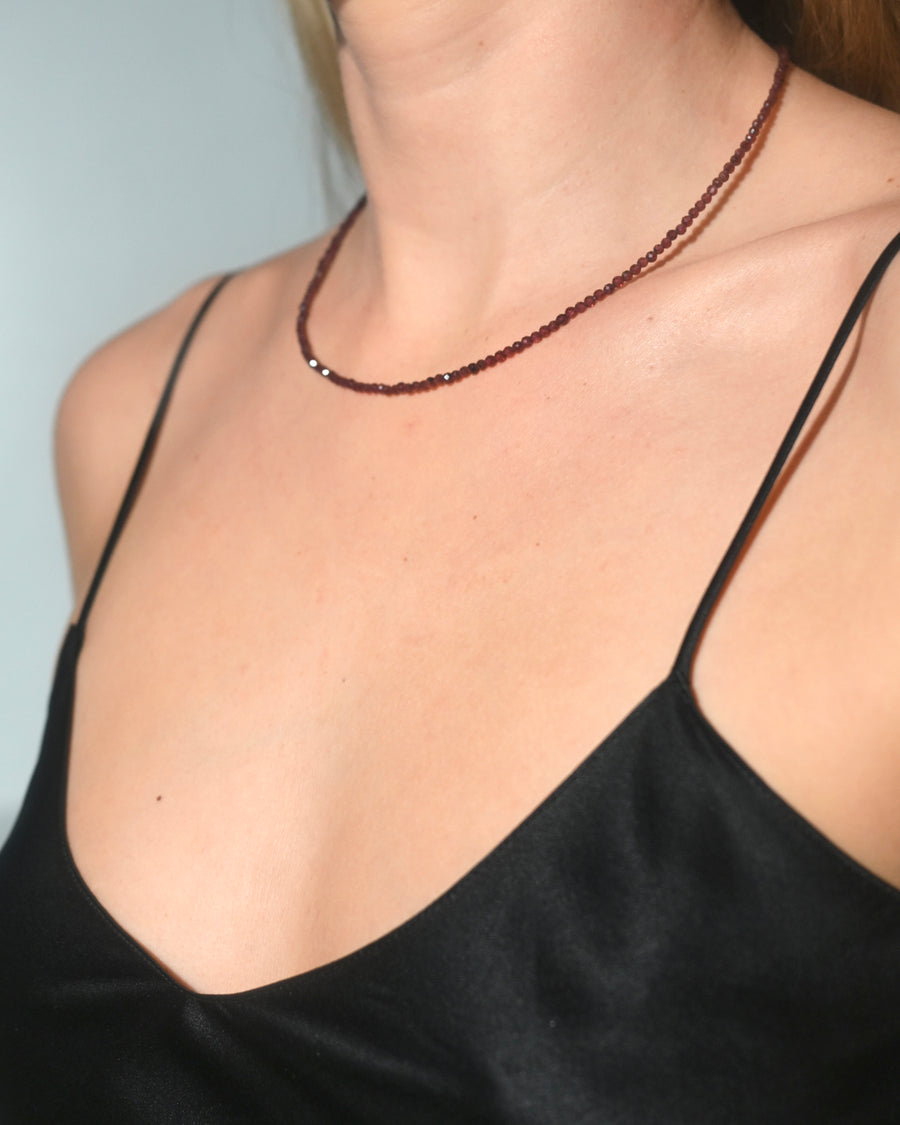


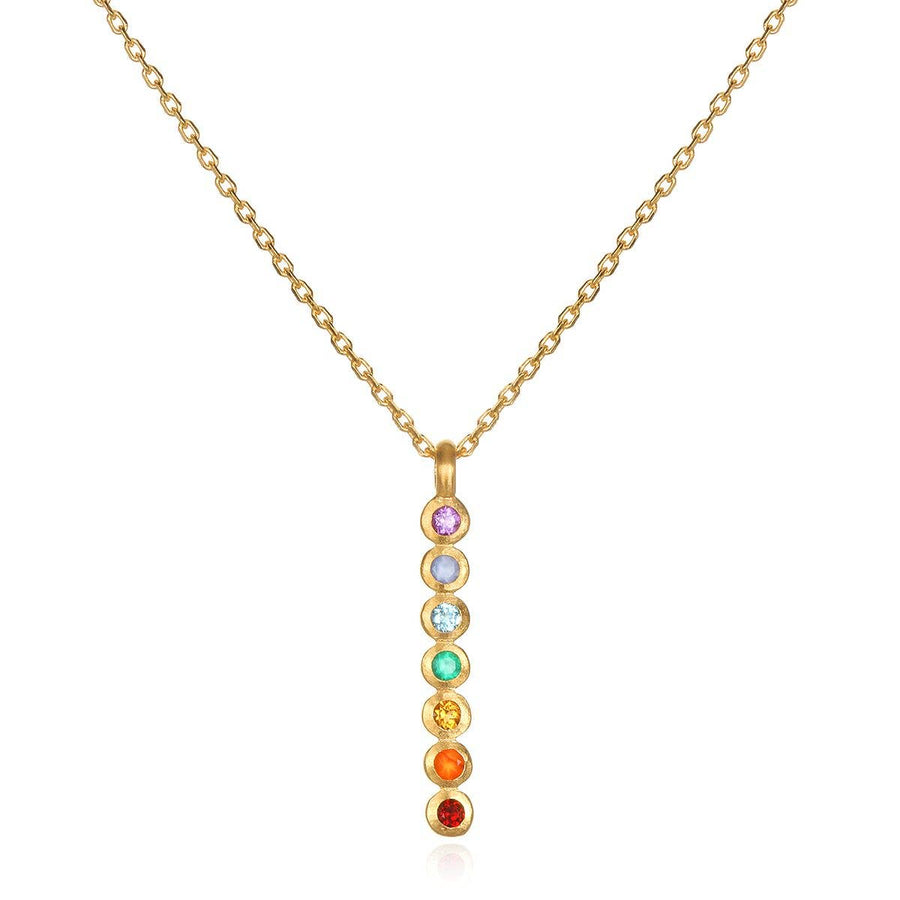


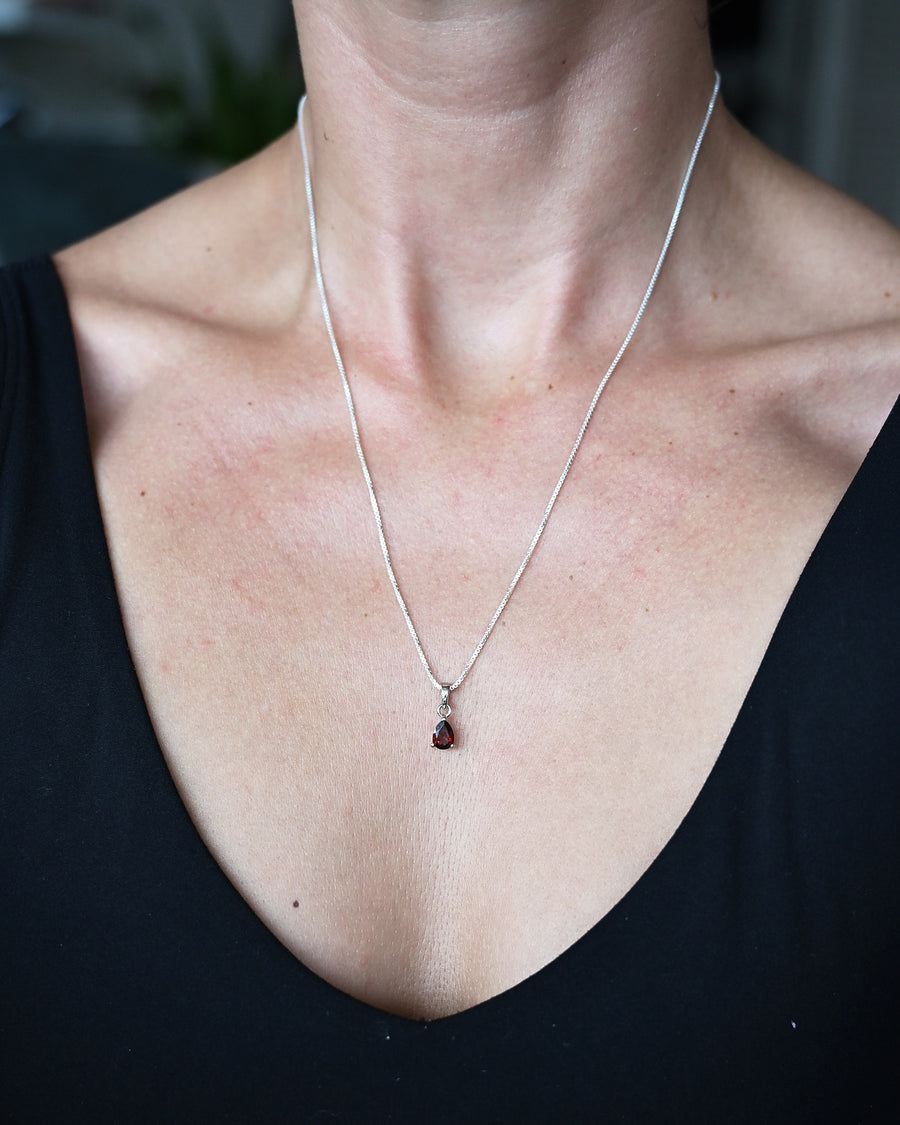

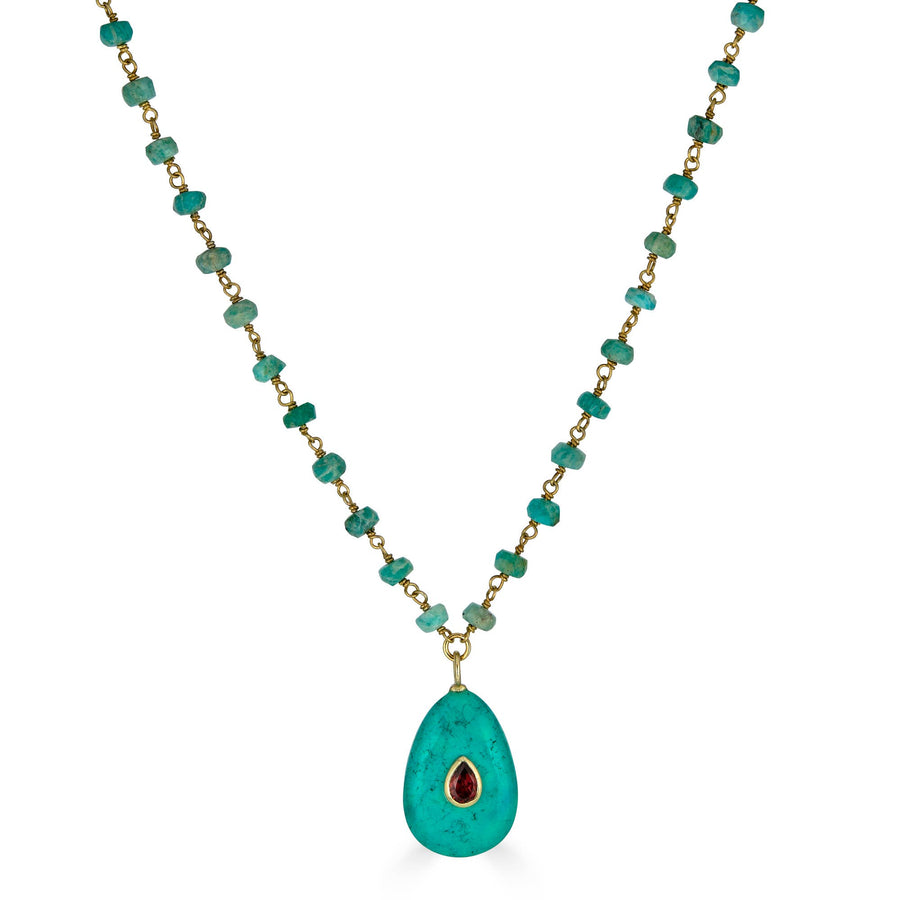


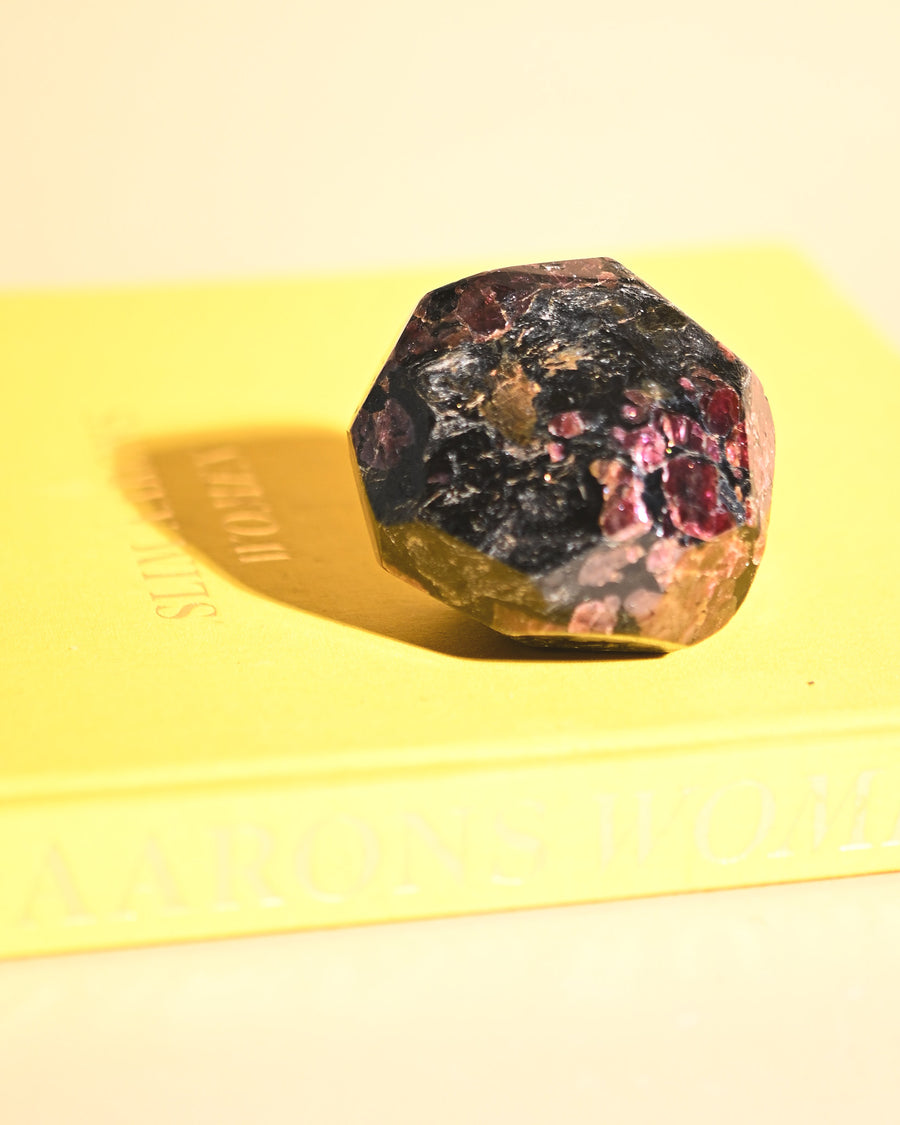

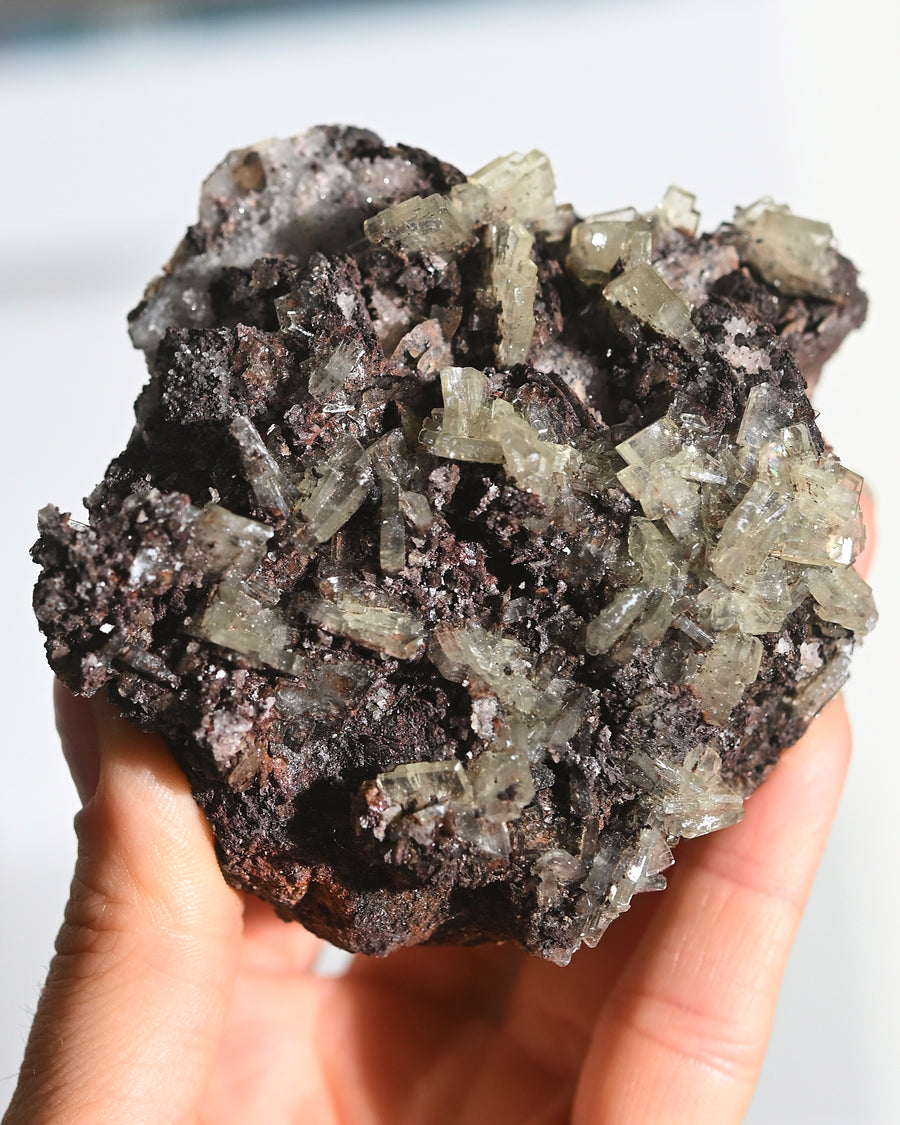

Chosen piece by piece, mostly direct from mines and suppliers I have worked with for years.
I shoot every piece myself, so a one of a kind piece is the exact piece you receive.
Packed by hand here and out in 1 to 3 business days.
Garnet is a group of silicate minerals that share a common crystal structure but vary in chemical composition. While most people associate garnet with deep red, the group includes orange (spessartine), green (tsavorite, demantoid, grossular), purple (rhodolite), and even color-changing varieties. The most common gem-quality garnets are almandine (deep red) and pyrope (purplish-red).
Garnet is mined worldwide. Major sources include India and Sri Lanka (almandine), East Africa — particularly Tanzania and Kenya (tsavorite and rhodolite), Mozambique (rhodolite and spessartine), Madagascar (various species), and Russia (demantoid from the Ural Mountains). The United States has notable deposits in Idaho, New York, and North Carolina.
Garnet ranges from 6.5 to 7.5 on the Mohs hardness scale depending on the species. Almandine and pyrope are among the hardest at 7-7.5, making them excellent for all jewelry types including rings. Garnet has no cleavage, so it resists chipping well. Clean with warm soapy water and a soft brush.
The main gem-quality garnet species are almandine (deep red, iron-rich), pyrope (purplish-red, magnesium-rich), spessartine (orange, manganese-rich), grossular (green to orange, calcium-aluminum), and andradite (which includes the prized green demantoid variety). Rhodolite is a natural blend of pyrope and almandine with a distinctive raspberry-purple color.
Yes, garnet is the traditional and modern birthstone for January. This designation dates back centuries and is recognized by both the American Gem Trade Association and Jewelers of America. The deep red varieties — almandine and pyrope — are the most traditionally associated with January.
Garnet crystal meaning encompasses passion, strength, and vitality. This exquisite gemstone is believed to invigorate the spirit, stimulate creativity, and enhance love and commitment.
Garnet crystal is widely used for its powerful energy that promotes love, passion, and courage. People often turn to garnet to enhance relationships, boost motivation, and ignite their inner fire
To charge a garnet crystal, place it under the direct light of the sun for a few hours or let it absorb the gentle glow of a full moon overnight. This natural process reenergizes the garnet, enhancing its metaphysical properties and revitalizing its energy for spiritual use.
Yes, you can safely cleanse your garnet crystal with water if you wish
Garnet pairs harmoniously with crystals like amethyst and citrine, enhancing their energies for spiritual growth and abundance.
Garnet is a group of silicate minerals that share a common crystal structure but vary widely in chemical composition and color. While most people associate garnet with deep red, the group includes orange spessartine, green tsavorite, purple rhodolite, and even color-changing varieties. The most common gem-quality garnets are almandine (deep red, iron-rich) and pyrope (purplish-red, magnesium-rich). All garnets crystallize in the cubic system and rate 6.5–7.5 on the Mohs scale.
Garnet has been used as a gemstone since the Bronze Age. Ancient Egyptians, Greeks, and Romans carved it into jewelry and intaglios. The name comes from the Latin granatum (pomegranate) because the red crystals resemble pomegranate seeds. It is the traditional January birthstone recognized by both the American Gem Trade Association and Jewelers of America.
Available forms include raw specimens, tumbled stones, palm stones, and bracelets. For other red and warm-toned stones, see our carnelian and rhodonite collections. Browse crystal jewelry for garnet pendants and rings. For collector-grade specimens, visit the Collector's Edition. Free shipping on orders $150+.
Garnet comes in virtually every color except blue. Red (almandine, pyrope), orange (spessartine), green (tsavorite, demantoid), purple-pink (rhodolite), yellow-green (grossular), and even color-changing varieties exist. The deep red varieties are most common and recognized.
Major sources include India and Sri Lanka (almandine), East Africa — Tanzania and Kenya (tsavorite, rhodolite), Mozambique (rhodolite, spessartine), Madagascar, and Russia (demantoid from the Ural Mountains). The United States has deposits in Idaho, New York, and North Carolina.
Yes. Garnet is the traditional and modern birthstone for January, a designation recognized by both the American Gem Trade Association and Jewelers of America. The deep red varieties — almandine and pyrope — are most traditionally associated with this month.
Garnet ranges from 6.5–7.5 on the Mohs scale depending on species. Almandine and pyrope are among the hardest at 7–7.5, making them excellent for all jewelry including rings. Garnet has no cleavage, so it resists chipping well.
Rhodolite is a natural blend of pyrope and almandine garnet with a distinctive raspberry-purple color. The name comes from the Greek rhodon (rose). Major sources include Tanzania, Mozambique, and Sri Lanka. Rhodolite is one of the most popular garnet varieties in fine jewelry.
A beautiful piece..the photo's did not do it justice. The delivery was timely and arrived in perfect condition. Thank you..this specimen is a must for any collector.
Crystals Individually wrapped
Shipped with care, excellent packaging. Great products
Very nice, one of a kind sphere. The piece matched the quality in the photos. Packaging was above average, with no damage during shipping. Tracking was easy. Everything was a positive experience.
Was expecting a bright shade of yellow, but the amber shade is just as beautiful.
Loved how it glimmers
Loved the packaging
Each Crystal came out beautifully
Will definitely find myself a frequent customer ☺️
Perfect. I love my crystals!
Beautiful! Exactly what I was hoping for/expecting!
Delivered when promised. Packaged very nicely!
Beautiful! The purple is so vibrant!
Stunning! Exceeded my expectations and arrived so quickly 💜
Web site is working like a dream, beautifully.
Amazing smoky quartz that you dug up yourself in Tennessee. It shines in my entryway & it is so special. Thank you, it is one of my most important treasures. By the way, your web site works beautifully!
Very beautiful!
Can't choose?
Tell it what you need. It picks one piece for you, in stock right now.
Sorry, looks like we don't have enough of this product.

Buy It With
$10.00 USD


