
Chakra balance Hematite Bracelet
$36
Crystals.com
Jasper is an opaque variety of microcrystalline quartz (chalcedony) that occurs in nearly every color and pattern found in nature. Its diversity comes from the trace minerals and organic material present during formation —...

23 pieces
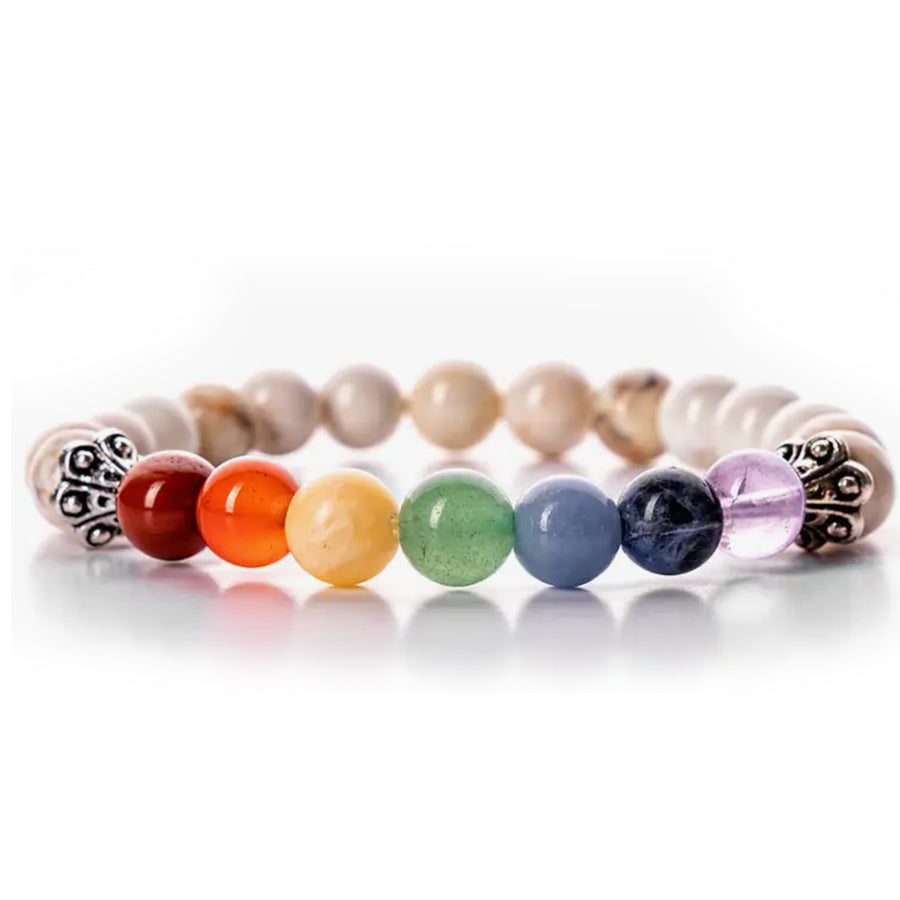

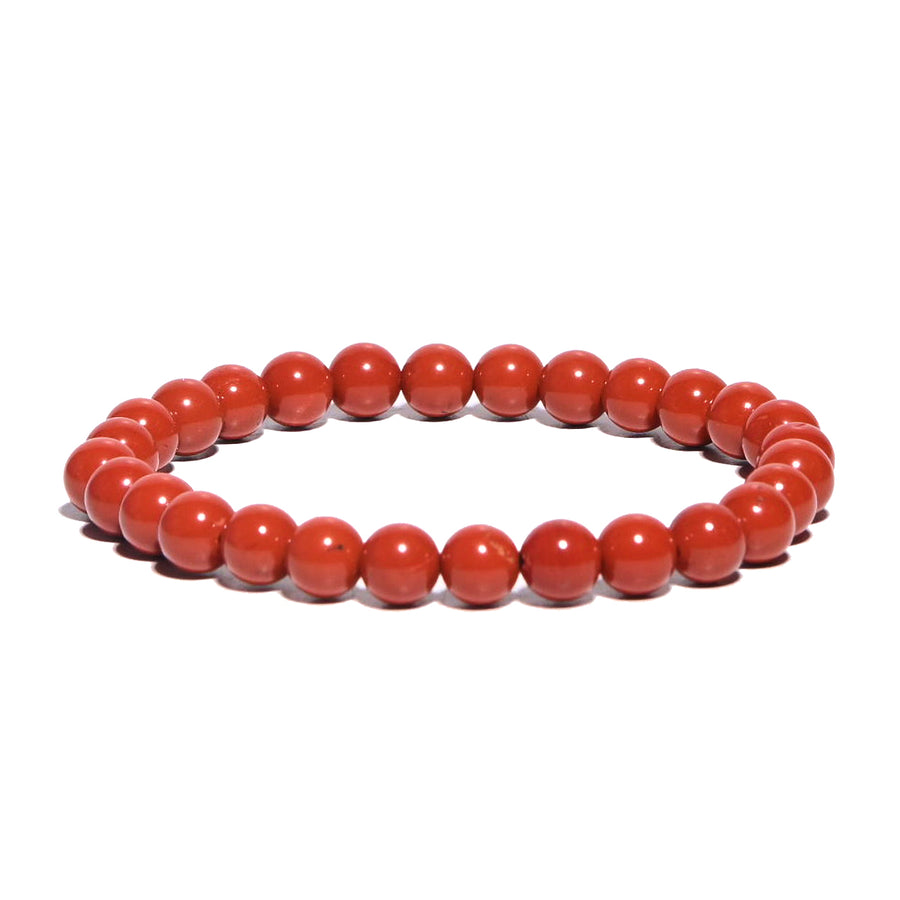

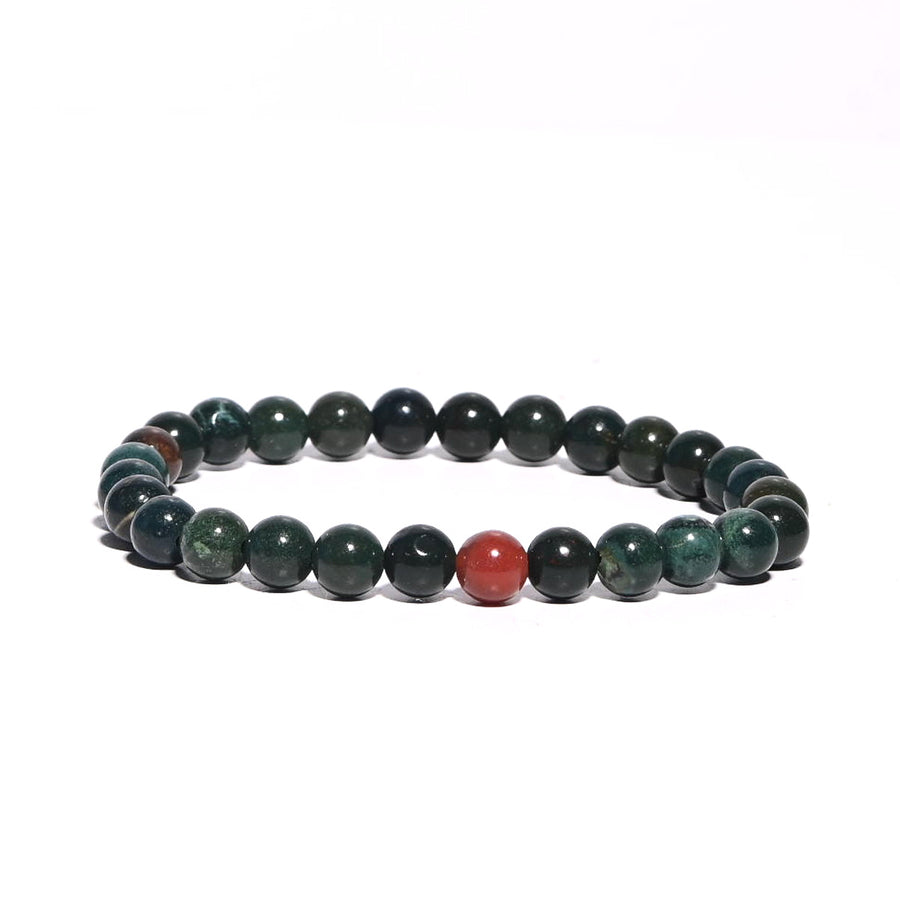


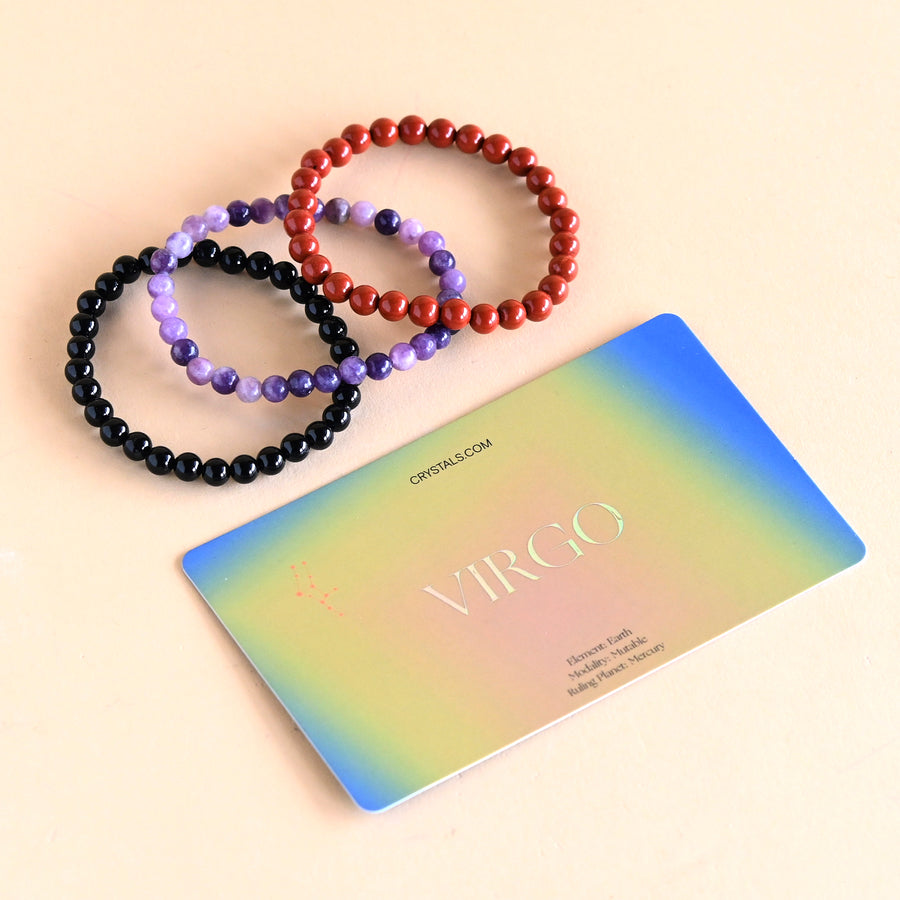


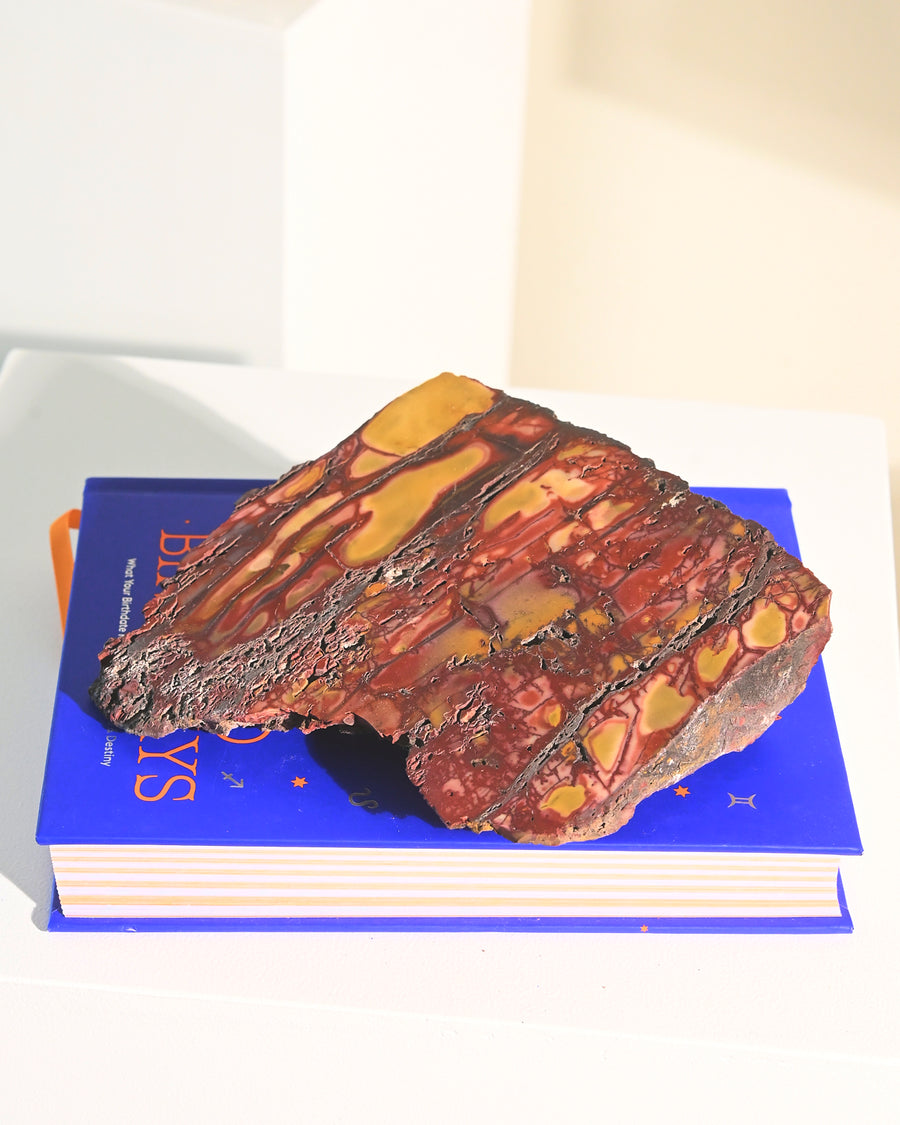


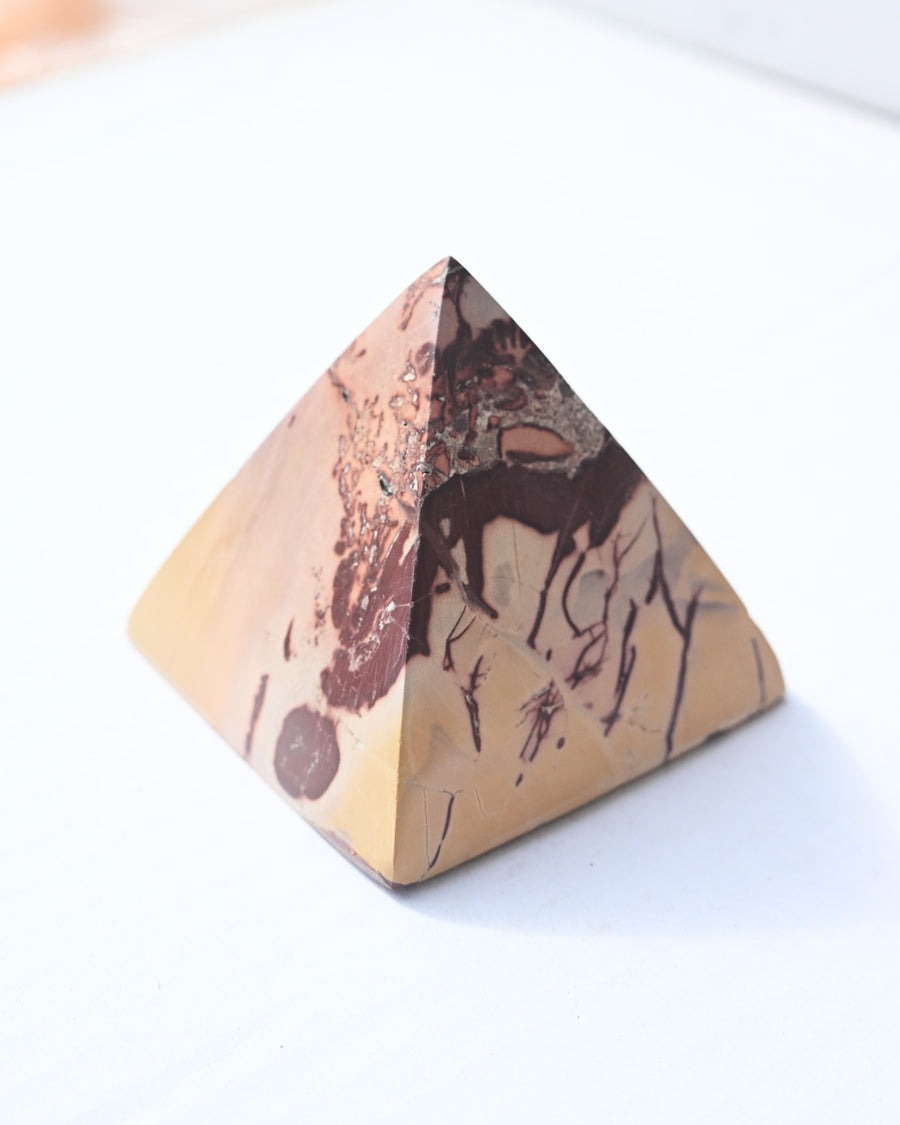

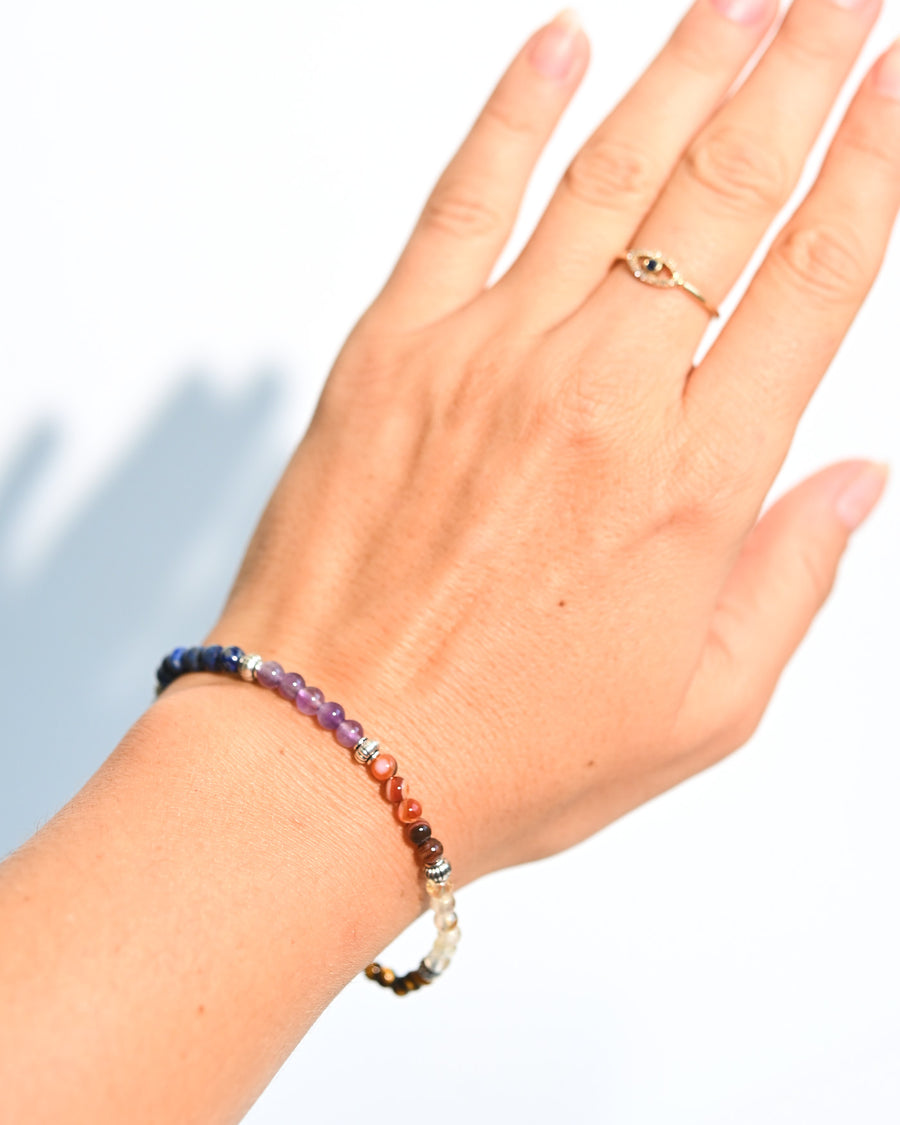


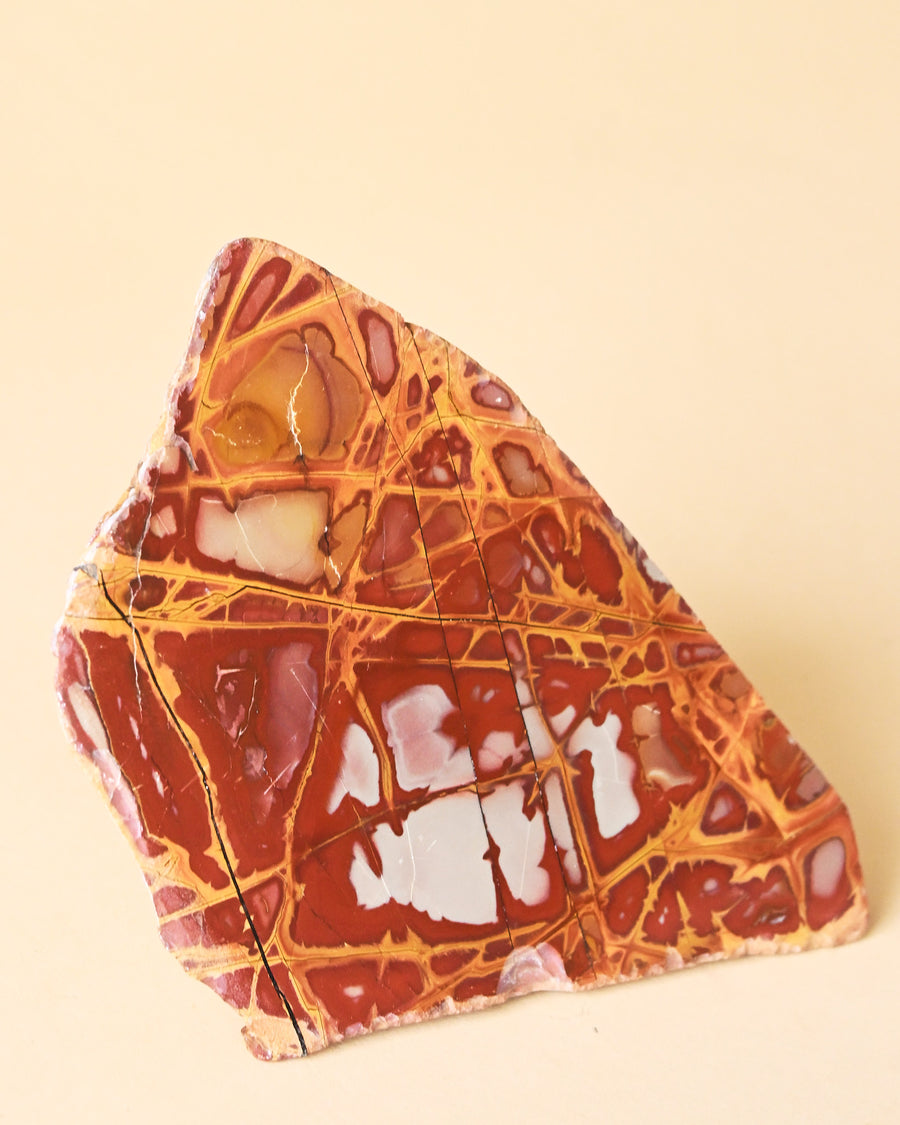


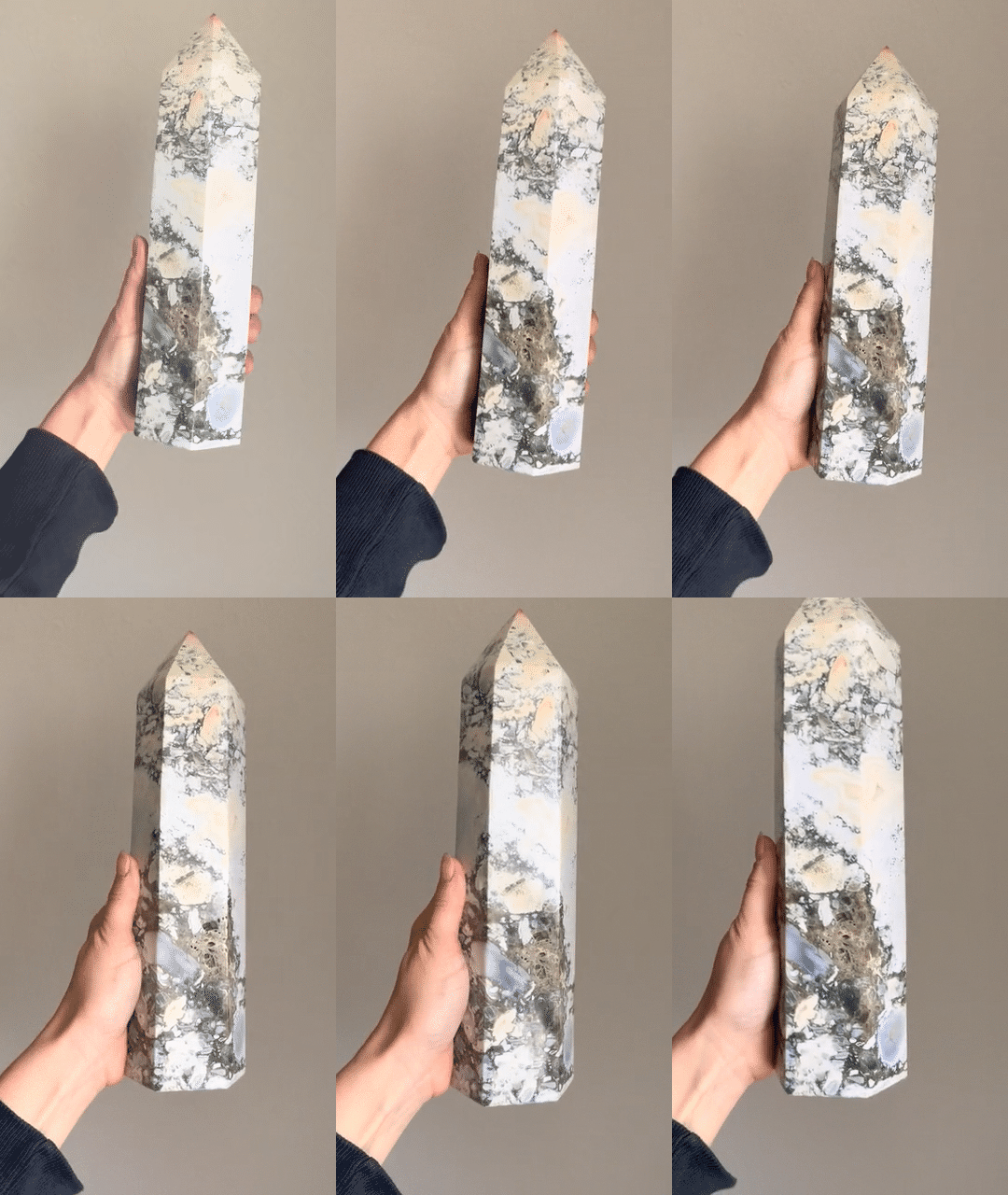


Chosen piece by piece, mostly direct from mines and suppliers I have worked with for years.
I shoot every piece myself, so a one of a kind piece is the exact piece you receive.
Packed by hand here and out in 1 to 3 business days.
Jasper is an opaque, microcrystalline variety of quartz (SiO2) that forms when silica-rich fluids permeate sedimentary or volcanic rock and crystallize within pore spaces over millions of years. Its opacity comes from a high percentage of mineral inclusions — iron oxides, clay minerals, and other impurities — that also produce jasper's wide range of colors and patterns. Jasper rates 6.5-7 on the Mohs scale.
Jasper occurs in hundreds of named varieties based on color and pattern. Common types include red jasper (colored by iron oxide), ocean jasper (orbicular patterns from Madagascar), picture jasper (landscape-like banding from Idaho), dalmatian jasper (black spots in beige matrix), and bumblebee jasper (bright yellow and orange banding from Indonesia). Each variety gets its visual character from its specific mineral inclusions and formation conditions.
Jasper is found worldwide. Notable sources include Madagascar (ocean jasper), Indonesia (bumblebee jasper), Mexico (polychrome and royal imperial jasper), Brazil (red and green jasper), India (various types), and the western United States — particularly Idaho (Bruneau canyon jasper), Oregon (Biggs jasper), and California.
Authentic jasper is opaque (you cannot see light through it even at thin edges), has a Mohs hardness of 6.5-7 (it will scratch glass), breaks with a smooth to conchoidal fracture, and feels cool and dense in the hand. It does not have a crystalline sparkle — that would indicate a different quartz variety like agate or chalcedony. Jasper's surface takes a good polish but never achieves the transparency of agate.
Jasper is durable at Mohs 6.5-7 and can be cleaned with warm soapy water and a soft brush. It is safe to get wet briefly, though prolonged soaking is unnecessary. Store away from harder minerals (topaz, corundum) that could scratch the polished surface. Jasper is stable under normal light and temperature conditions and will not fade or discolor with display.
Red jasper is a grounding stone known for its nurturing and protective qualities. It is often associated with stimulating energy, vitality, and courage while promoting emotional stability and enhancing one's connection to the Earth.
Jasper is a versatile and nurturing crystal known for its grounding and stabilizing properties. It helps promote a sense of balance, tranquility, and connection to the Earth, making it a valuable addition to any crystal collection.
Ocean Jasper, with its unique patterns and soothing energy, is often associated with the element of water. This crystal is believed to bring relaxation, emotional healing, and a deeper connection to the rhythms of the ocean, making it a wonderful choice for those seeking inner peace and tranquility.
Yellow Jasper is a bright and cheerful crystal known for its positive energy and protective qualities. It's believed to bring joy, clarity, and a sense of confidence to its users, making it an excellent choice for boosting one's mood and overall well-being.
Jasper is known for its grounding and stabilizing properties. It is often used for protection, relaxation, and nurturing.
Jasper is an opaque variety of microcrystalline quartz (chalcedony) that occurs in nearly every color and pattern found in nature. Its diversity comes from the trace minerals and organic material present during formation — iron oxides produce reds and yellows, manganese creates purples, and volcanic ash can produce the orbicular patterns seen in ocean jasper. With a Mohs hardness of 6.5–7, jasper is one of the most durable collectible stones available.
This collection includes ocean jasper from Madagascar (found in only one coastal mine, now largely depleted), Australian mookaite, red jasper, polychrome jasper from the deserts of Madagascar, picture jasper with landscape-like banding, and imperial jasper from Guadalajara, Mexico. Each variety tells a different geological story.
Jasper pairs naturally with agate — both are forms of chalcedony with overlapping formation environments. For other earth-toned minerals, see our carnelian and tiger's eye collections. Explore our $10–$100 range for affordable jasper pieces, or browse Curated Over $100 for large display specimens. Free shipping over $150.
Jasper is an opaque, microcrystalline variety of quartz (SiO₂) that forms when silica-rich fluids permeate rock and crystallize within pore spaces. Its opacity comes from a high percentage of mineral inclusions that also produce its wide range of colors and patterns. Jasper rates 6.5–7 on the Mohs scale.
Jasper occurs in hundreds of named varieties. Common types include red jasper (iron oxide), ocean jasper (orbicular patterns, Madagascar), picture jasper (landscape banding, Idaho), dalmatian jasper (black spots in beige), bumblebee jasper (bright yellow/orange, Indonesia), and polychrome jasper (multicolored, Madagascar).
Madagascar (ocean jasper, polychrome), Indonesia (bumblebee jasper), Mexico (imperial, polychrome), Brazil, India, and the western United States — particularly Idaho (Bruneau canyon), Oregon (Biggs jasper), and California.
Authentic jasper is opaque (no light passes through), has Mohs 6.5–7 hardness (scratches glass), breaks with a smooth fracture, and feels cool and dense. It does not have crystalline sparkle — that indicates agate or chalcedony. Jasper takes a good polish but never achieves transparency.
Yes. Ocean jasper comes from a single mine on the northwest coast of Madagascar that is only accessible at low tide. The deposit was discovered in 1999 and is now largely depleted. No new significant deposits have been found, making existing ocean jasper increasingly collectible and valuable.
A beautiful piece..the photo's did not do it justice. The delivery was timely and arrived in perfect condition. Thank you..this specimen is a must for any collector.
Crystals Individually wrapped
Shipped with care, excellent packaging. Great products
Very nice, one of a kind sphere. The piece matched the quality in the photos. Packaging was above average, with no damage during shipping. Tracking was easy. Everything was a positive experience.
Was expecting a bright shade of yellow, but the amber shade is just as beautiful.
Loved how it glimmers
Loved the packaging
Each Crystal came out beautifully
Will definitely find myself a frequent customer ☺️
Perfect. I love my crystals!
Beautiful! Exactly what I was hoping for/expecting!
Delivered when promised. Packaged very nicely!
Beautiful! The purple is so vibrant!
Stunning! Exceeded my expectations and arrived so quickly 💜
Web site is working like a dream, beautifully.
Amazing smoky quartz that you dug up yourself in Tennessee. It shines in my entryway & it is so special. Thank you, it is one of my most important treasures. By the way, your web site works beautifully!
Very beautiful!
Can't choose?
Tell it what you need. It picks one piece for you, in stock right now.
Sorry, looks like we don't have enough of this product.

Buy It With
$10.00 USD


