

Crystals.com
Lapis lazuli is a deep blue metamorphic rock prized for thousands of years as a gemstone, pigment, and symbol of royalty. Composed primarily of lazurite — with varying amounts of calcite, pyrite, and sodalite...
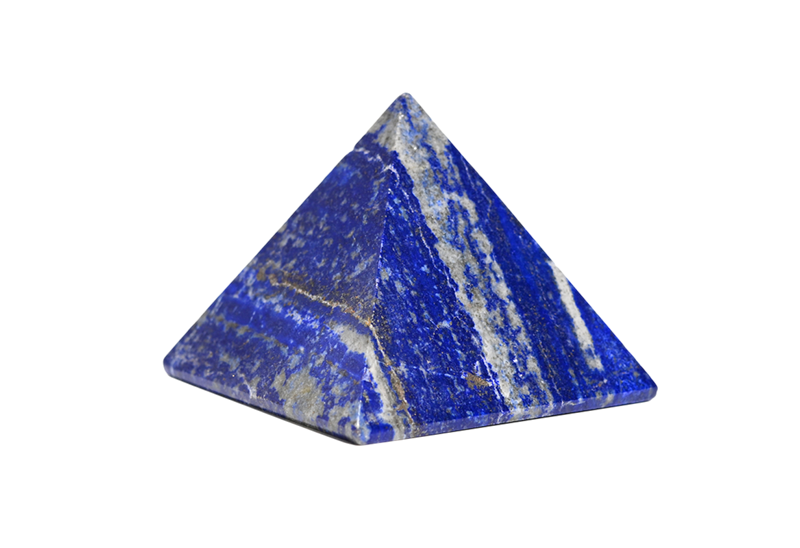
15 pieces
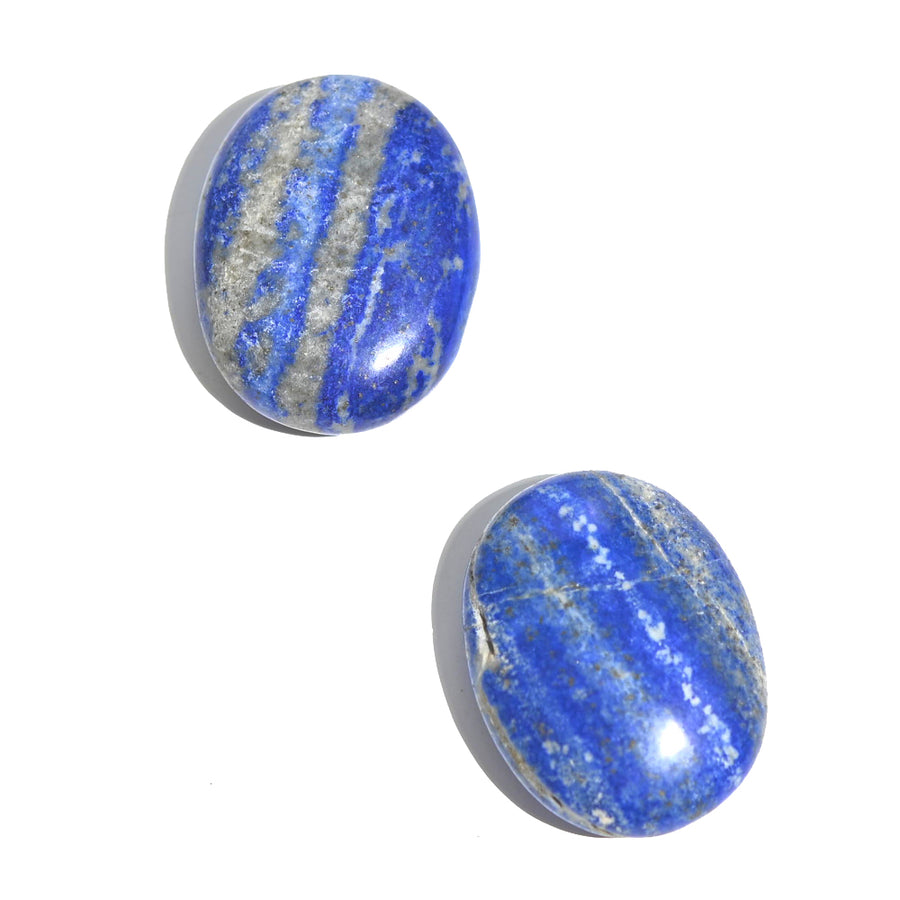


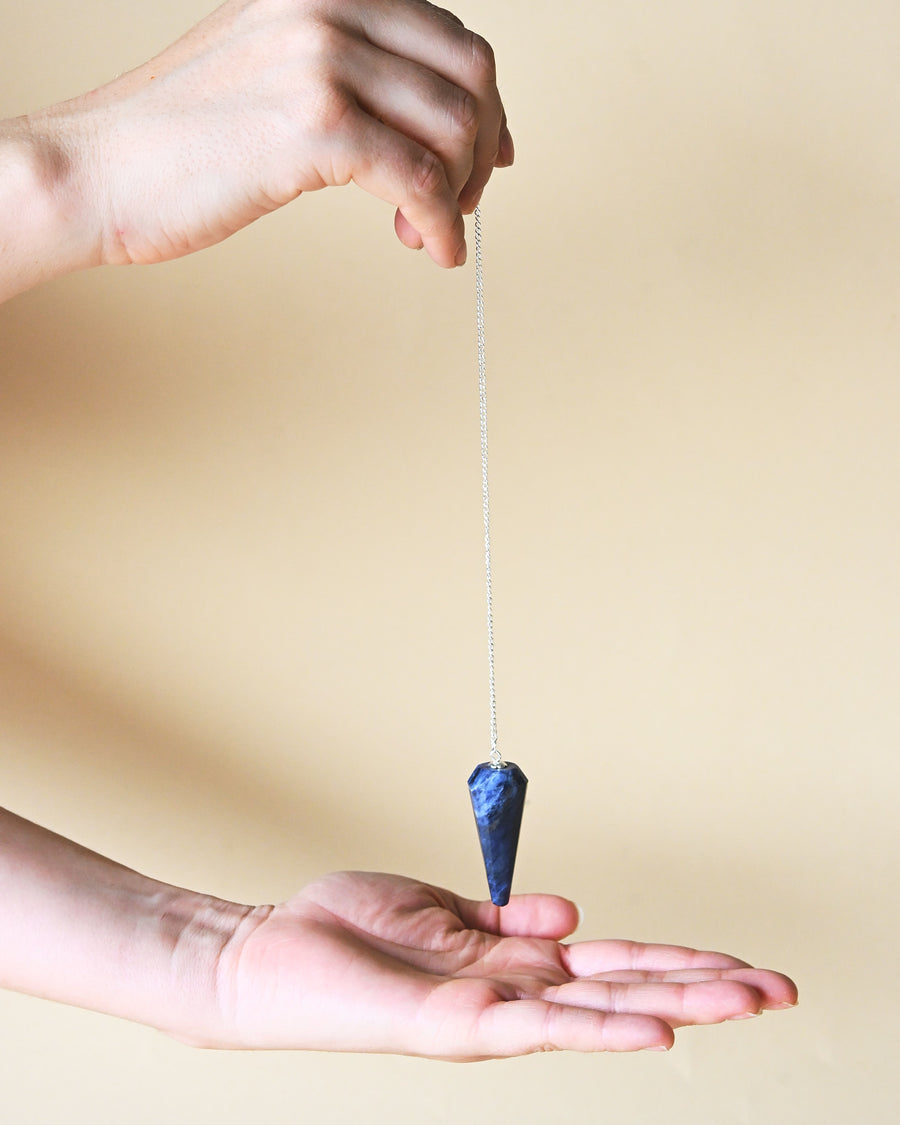

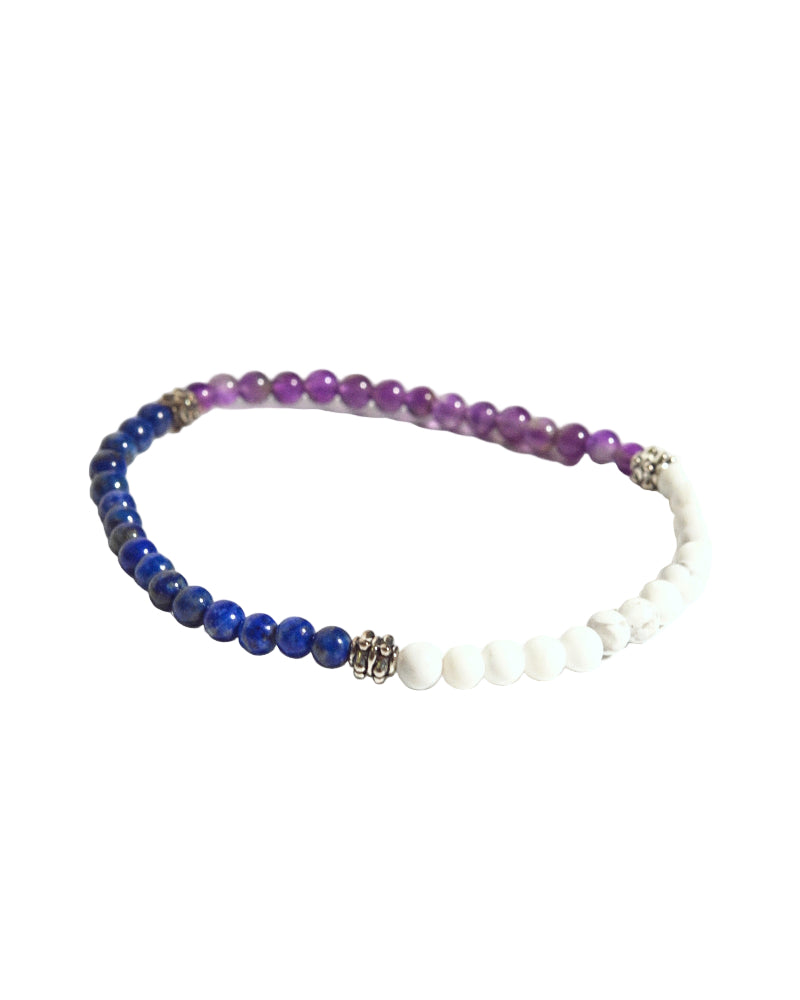

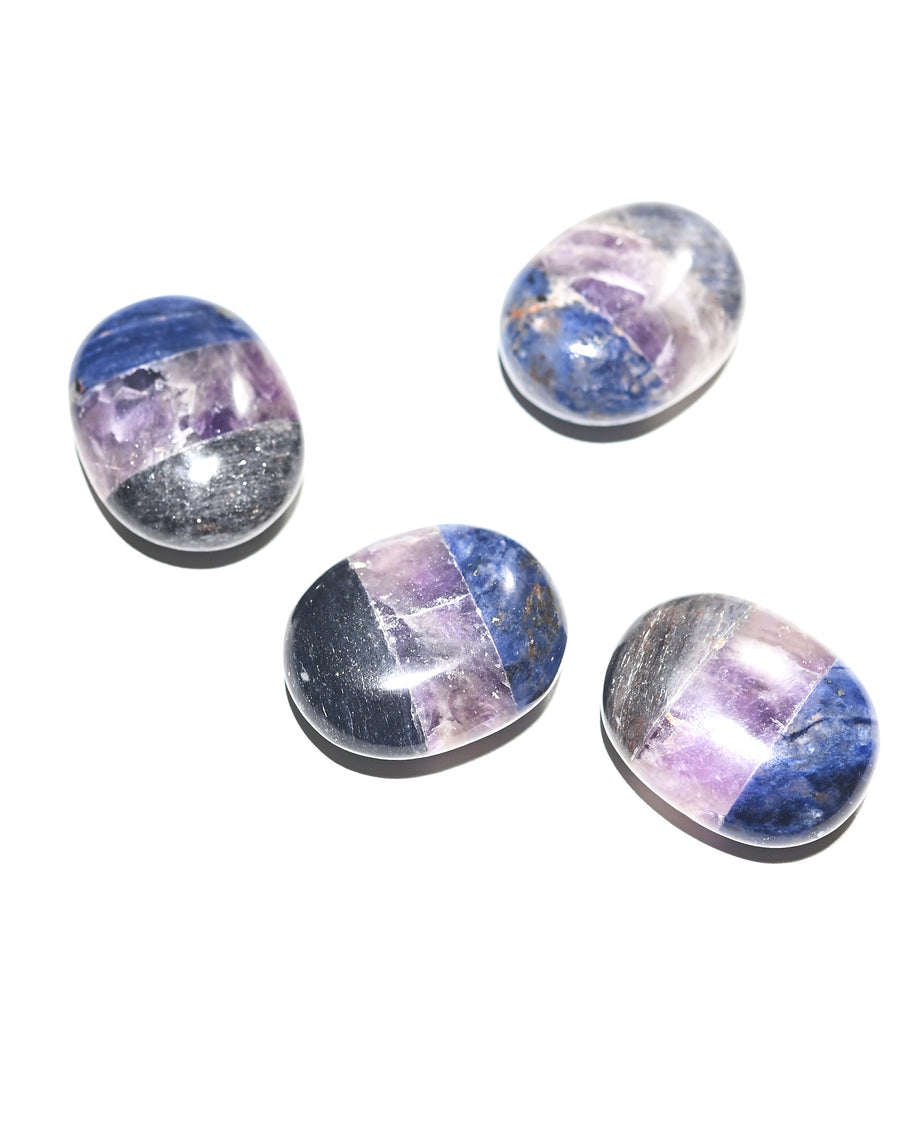





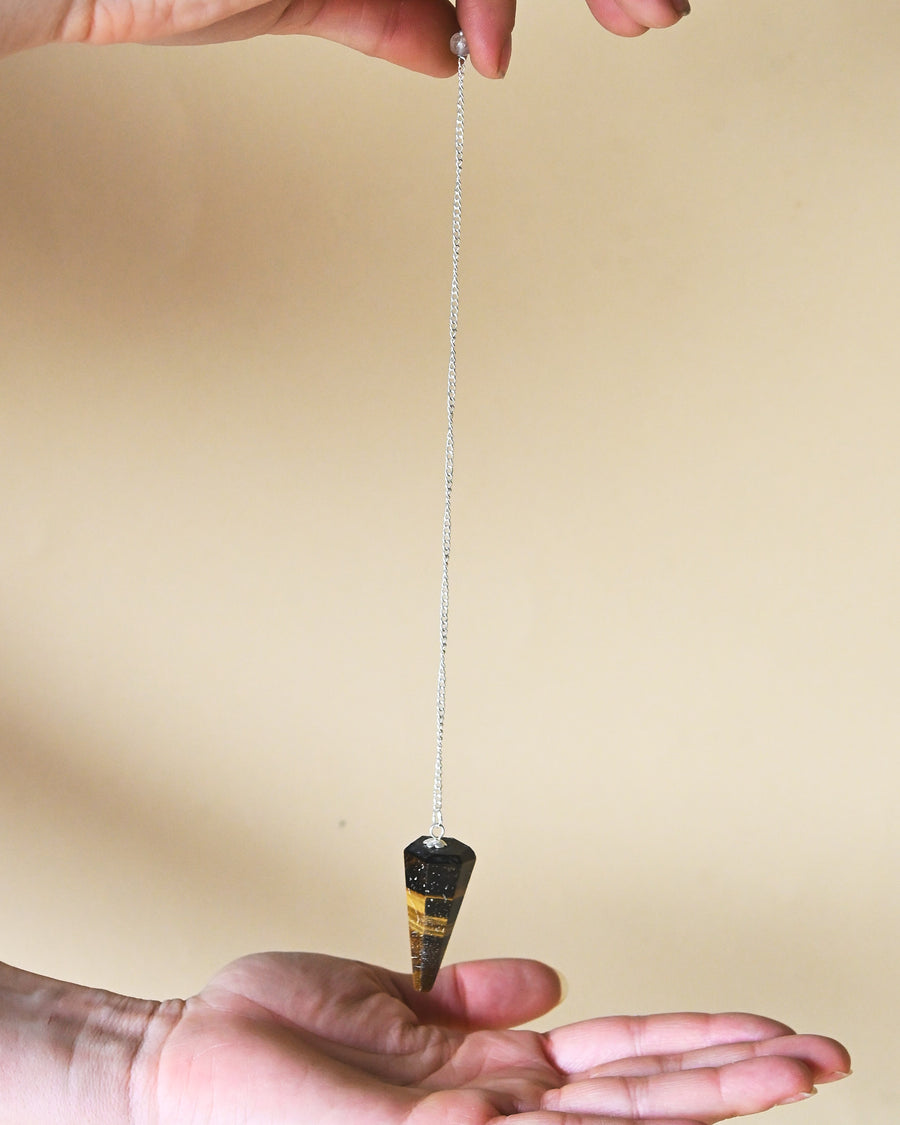


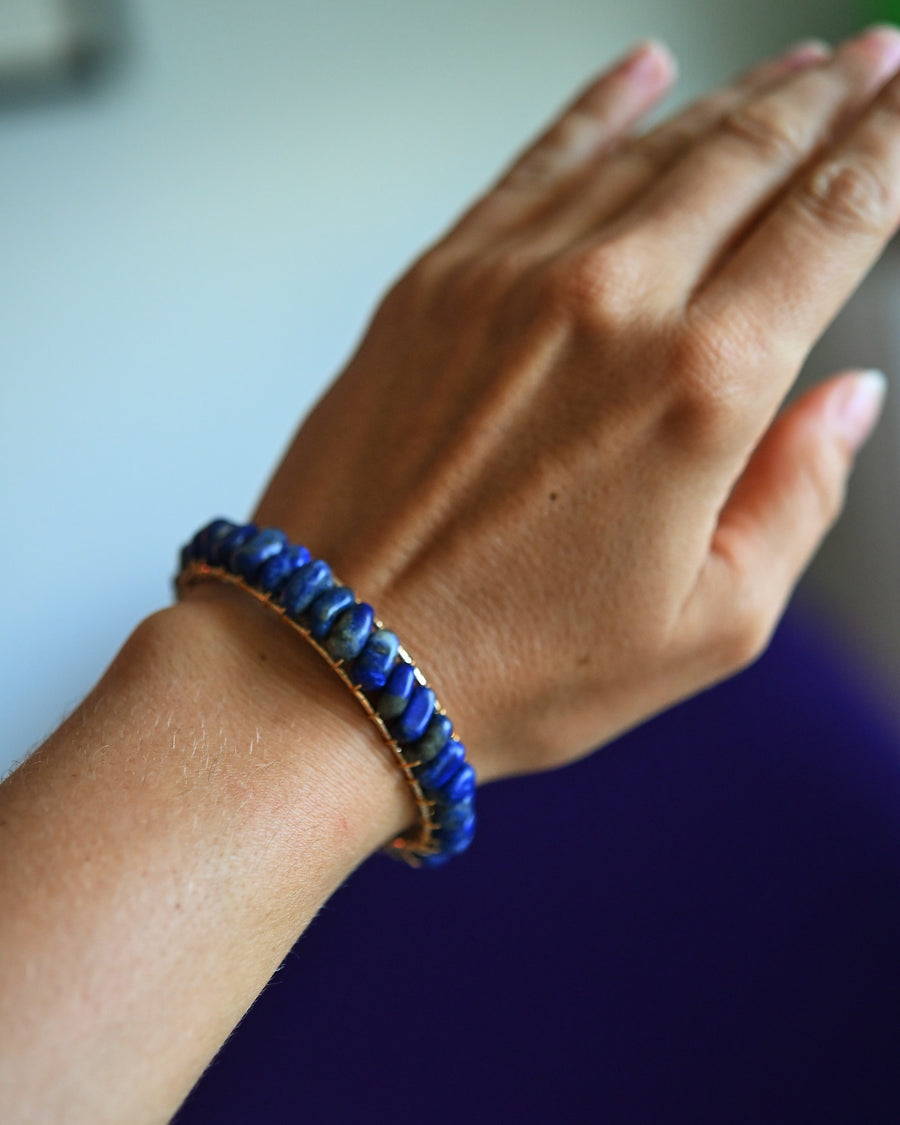

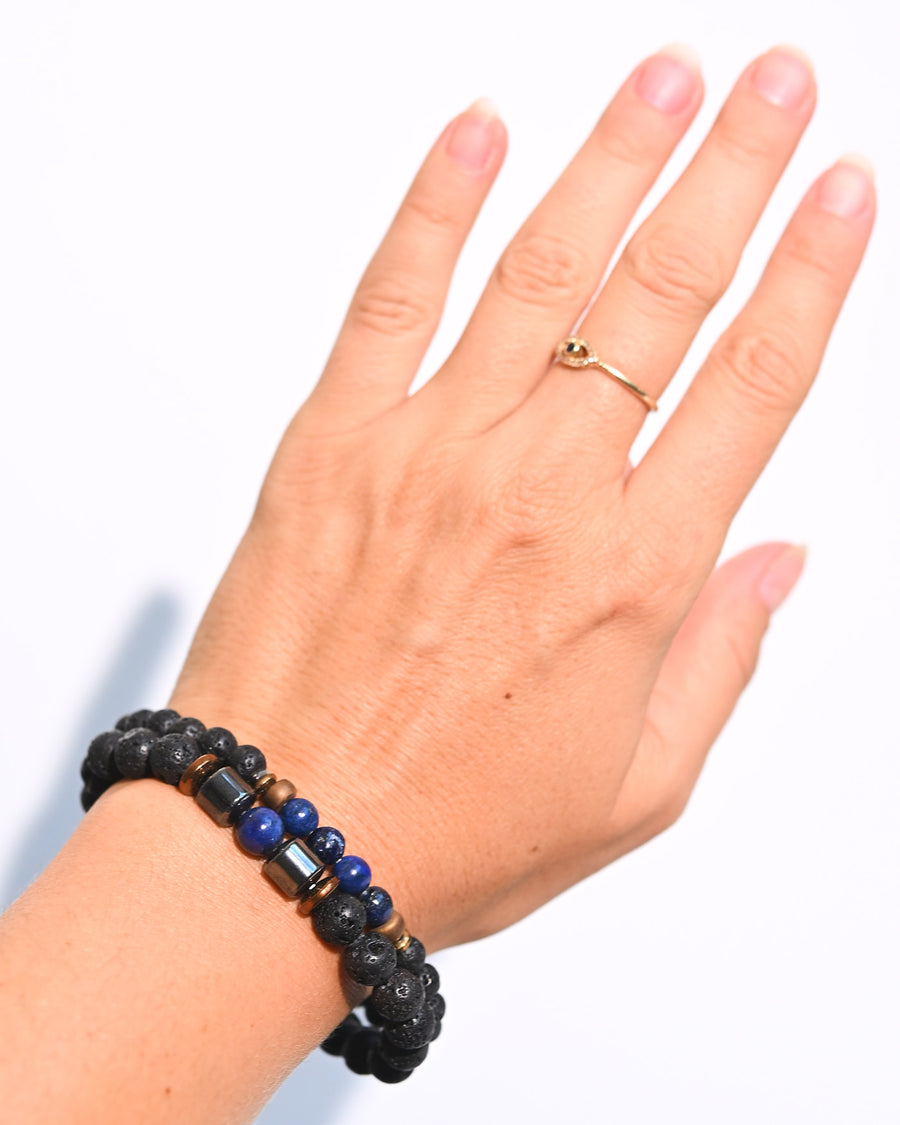

Chosen piece by piece, mostly direct from mines and suppliers I have worked with for years.
I shoot every piece myself, so a one of a kind piece is the exact piece you receive.
Packed by hand here and out in 1 to 3 business days.
Lapis lazuli is not a single mineral but a metamorphic rock composed primarily of lazurite (which gives the blue color), calcite (white veining), pyrite (golden metallic flecks), and sodalite. The best specimens have minimal calcite, intense blue from lazurite, and attractive scattered pyrite inclusions.
The finest lapis lazuli comes from the Badakhshan province of Afghanistan, where it has been mined continuously for over 6,000 years. Other sources include Chile, Russia (Lake Baikal region), Pakistan, and Myanmar. Afghan lapis remains the gold standard for deep, saturated blue with well-distributed pyrite.
No. The metallic golden flecks in lapis lazuli are pyrite (iron sulfide), not gold. However, scattered pyrite inclusions are considered desirable in lapis — they add visual contrast and sparkle against the deep blue background. Too much pyrite or large concentrated patches can reduce value.
Lapis lazuli has a Mohs hardness of 5–5.5, making it relatively soft. Clean with a soft dry cloth only. Avoid water, ultrasonic cleaners, and chemical cleaners — lazurite and calcite are both sensitive to acids. Store separately from harder stones to prevent scratching. Keep out of prolonged direct sunlight.
Genuine lapis lazuli shows natural variation in blue intensity, visible calcite veining, and real pyrite inclusions that glint metallically. Dyed howlite or sodalite (common substitutes) lack pyrite, show unnaturally uniform color, and may leave blue residue on a cotton swab dampened with acetone. All lapis at Crystals.com is verified genuine.
Lapis lazuli, with its deep blue hues and shimmering flecks of pyrite, is a captivating crystal symbolizing wisdom, truth, and inner vision. Its rich history dates back centuries, and it's cherished for its metaphysical properties, including enhancing communication and self-expression.
Lapis lazuli boasts a range of powerful properties, from promoting inner wisdom and intuition to aiding in self-expression and communication. This stunning blue crystal is also associated with enhancing mental clarity and emotional healing.
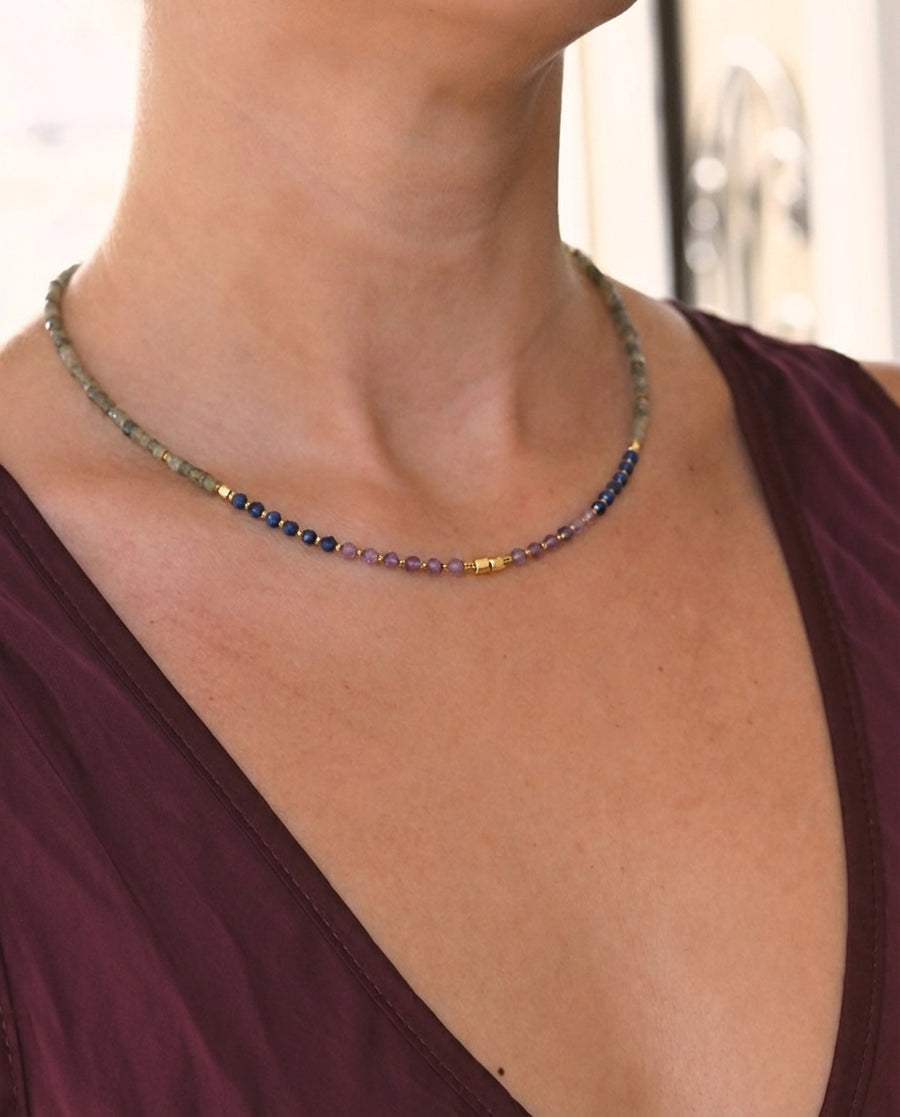
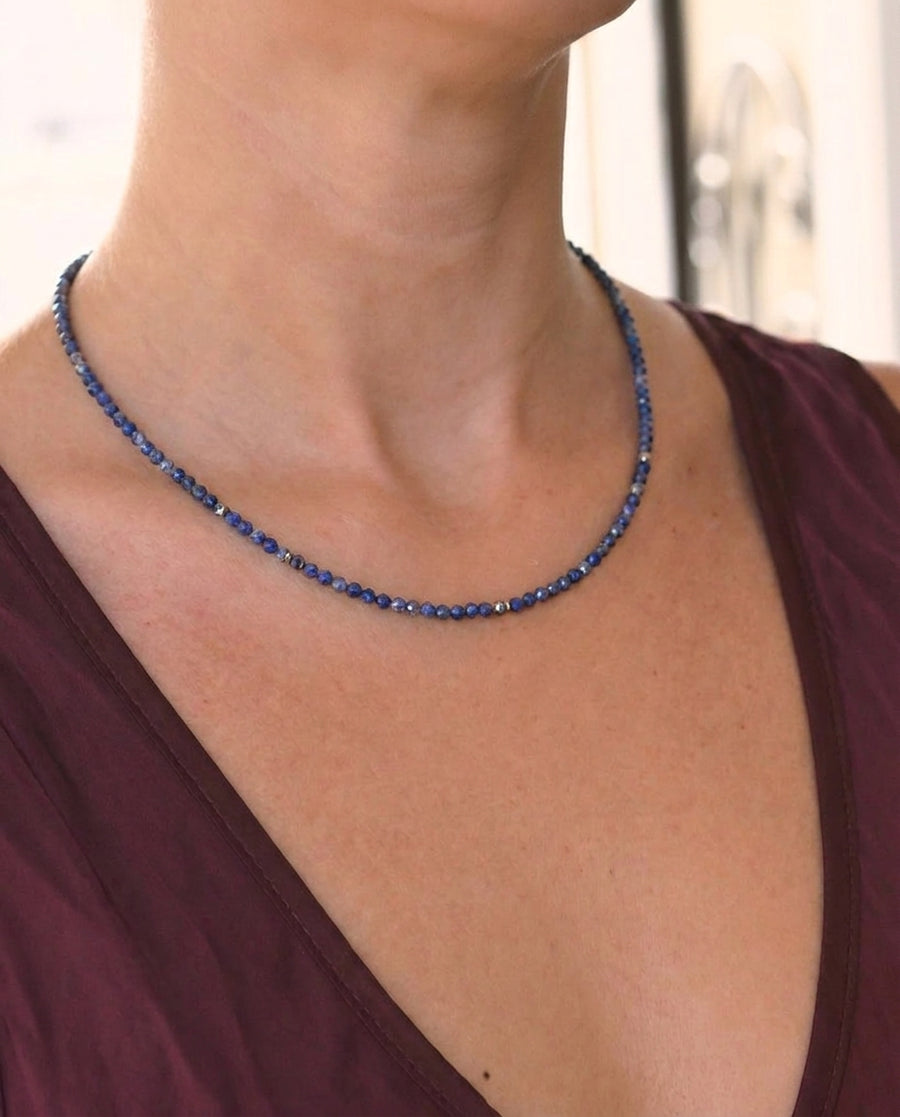
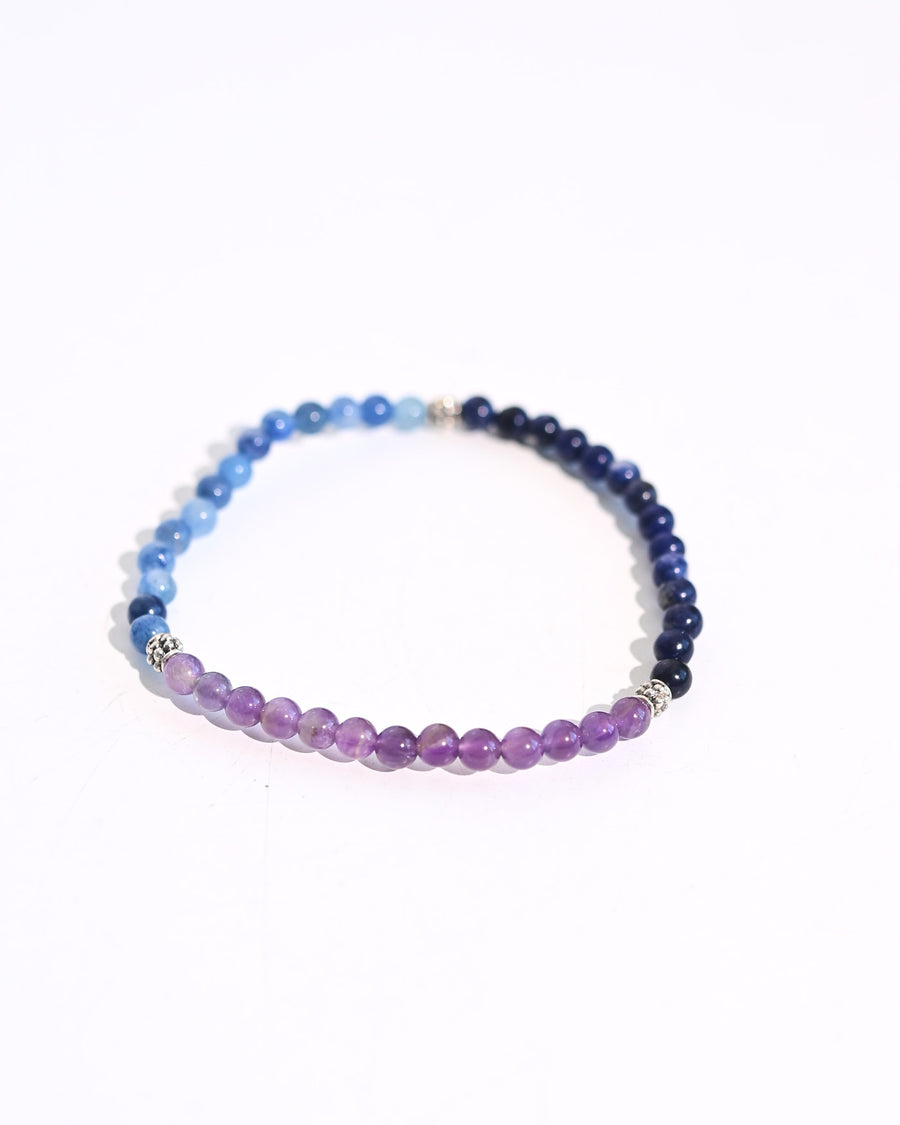
Lapis lazuli jewelry combines timeless beauty with the metaphysical properties of this stunning blue stone, making it a popular choice for those seeking both style and spiritual benefits. Discover a range of lapis lazuli jewelry pieces, from elegant necklaces to exquisite rings, that can enhance your personal style while promoting inner wisdom and self-expression.
Lapis lazuli is pronounced as "lap-is laz-oo-lee."
Lapis lazuli is a deep blue metamorphic rock prized for thousands of years as a gemstone, pigment, and symbol of royalty. Composed primarily of lazurite — with varying amounts of calcite, pyrite, and sodalite — lapis lazuli owes its rich, saturated color to sulfur within the lazurite crystal structure. Ancient Egyptians carved it into scarabs and inlaid it into the funeral mask of Tutankhamun; Renaissance painters ground it into ultramarine, the most expensive pigment of its era.
The finest lapis lazuli in the world comes from the Badakhshan province of Afghanistan, where it has been mined for over 6,000 years. Every piece in our collection is hand-selected for color saturation, minimal calcite veining, and attractive pyrite flecks. We carry raw lapis lazuli specimens, polished freeforms, towers, spheres, and cabochon-cut pieces. For blue mineral comparisons, see our sodalite, kyanite, and labradorite collections. Free shipping on orders $150+.
Lapis lazuli is a metamorphic rock — not a single mineral — composed primarily of lazurite (the blue component), calcite (white veining), pyrite (golden metallic flecks), and sometimes sodalite. The finest specimens have deep, uniform blue with minimal calcite and attractive pyrite inclusions.
The highest-quality lapis lazuli comes from the Sar-i Sang mines in Badakhshan, Afghanistan — the same source used by ancient Egyptians and Renaissance painters. Other sources include Chile (lighter blue with more calcite), Russia (Lake Baikal region), and smaller deposits in Pakistan, Canada, and Myanmar.
The golden flecks in lapis lazuli are pyrite (iron sulfide, FeS₂) — the same mineral known as fool's gold. Pyrite forms naturally within the lazurite matrix during metamorphism. A moderate sprinkling of pyrite is considered desirable and adds visual depth to the blue. Too much pyrite or calcite reduces the stone's value.
Genuine lapis lazuli has a Mohs hardness of 5–6, feels cool and dense, and shows natural variations in color. Dyed howlite or jasper (common fakes) often have overly uniform color and dye concentrated in surface cracks. Real lapis also typically contains visible pyrite flecks — fakes rarely replicate this.
Lapis rates 5–6 on the Mohs scale, making it softer than quartz. Store separately from harder minerals. Clean with a dry or slightly damp soft cloth — avoid chemicals, ultrasonic cleaners, and prolonged water exposure. Calcite in lapis is acid-sensitive, so keep away from vinegar, citrus, and acidic cleaners.
A beautiful piece..the photo's did not do it justice. The delivery was timely and arrived in perfect condition. Thank you..this specimen is a must for any collector.
Crystals Individually wrapped
Shipped with care, excellent packaging. Great products
Very nice, one of a kind sphere. The piece matched the quality in the photos. Packaging was above average, with no damage during shipping. Tracking was easy. Everything was a positive experience.
Was expecting a bright shade of yellow, but the amber shade is just as beautiful.
Loved how it glimmers
Loved the packaging
Each Crystal came out beautifully
Will definitely find myself a frequent customer ☺️
Perfect. I love my crystals!
Beautiful! Exactly what I was hoping for/expecting!
Delivered when promised. Packaged very nicely!
Beautiful! The purple is so vibrant!
Stunning! Exceeded my expectations and arrived so quickly 💜
Web site is working like a dream, beautifully.
Amazing smoky quartz that you dug up yourself in Tennessee. It shines in my entryway & it is so special. Thank you, it is one of my most important treasures. By the way, your web site works beautifully!
Very beautiful!
Can't choose?
Tell it what you need. It picks one piece for you, in stock right now.
Sorry, looks like we don't have enough of this product.


