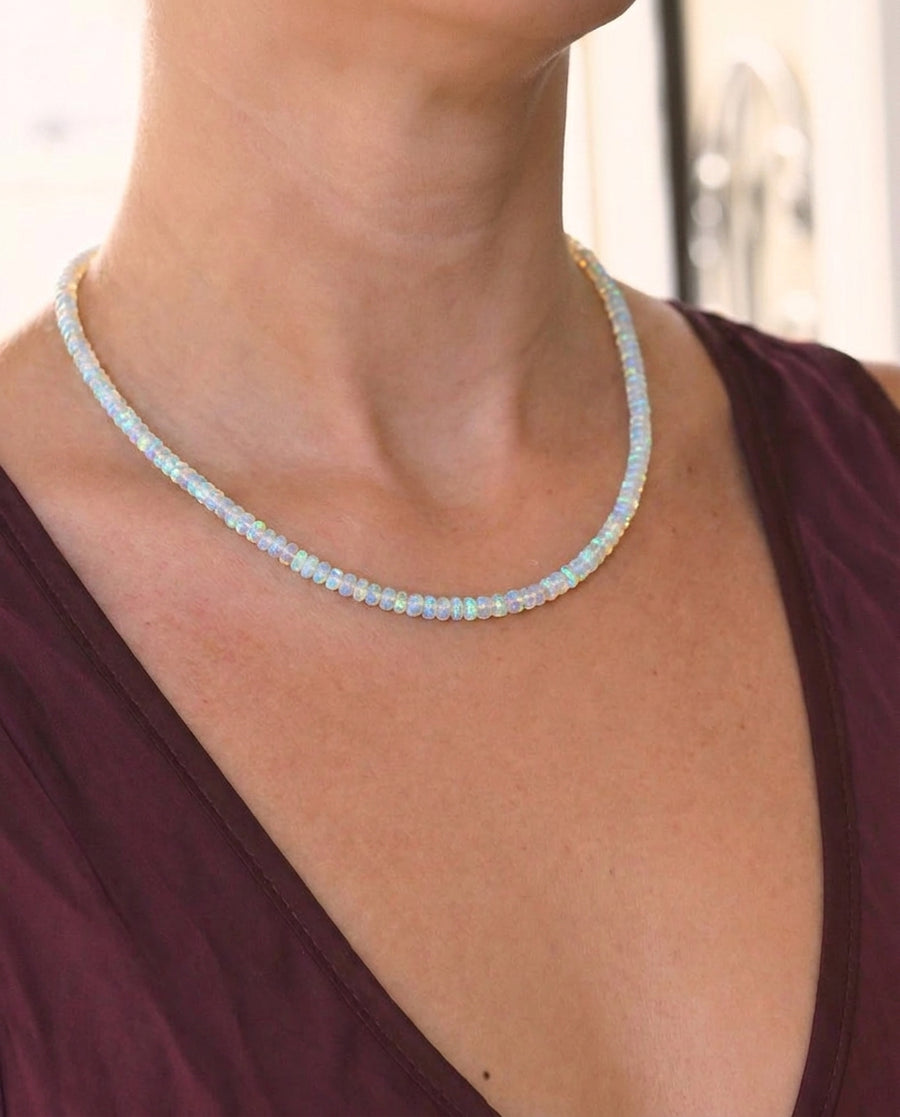

Opal Necklace
$170Choose options
Crystals.com
Opal is a hydrated amorphous silica (SiO₂·nH₂O) containing 3–21% water within its structure. Unlike most gemstones, opal is non-crystalline. Its famous play of color — the shifting rainbow flashes — is caused by diffraction...
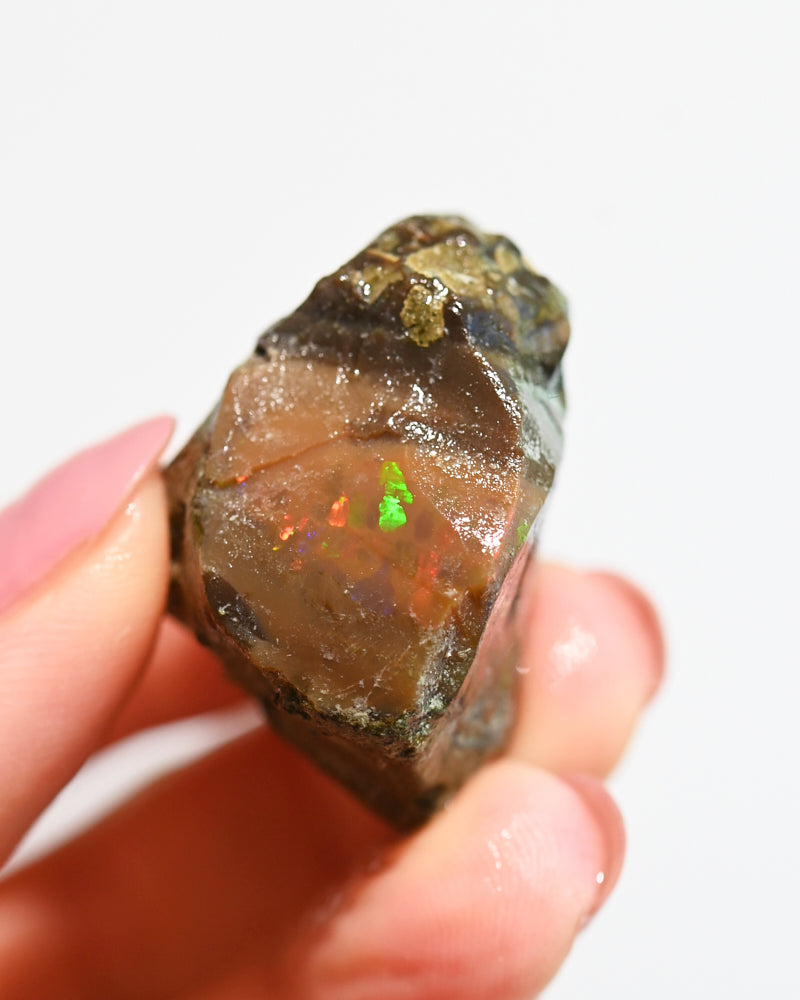
6 pieces

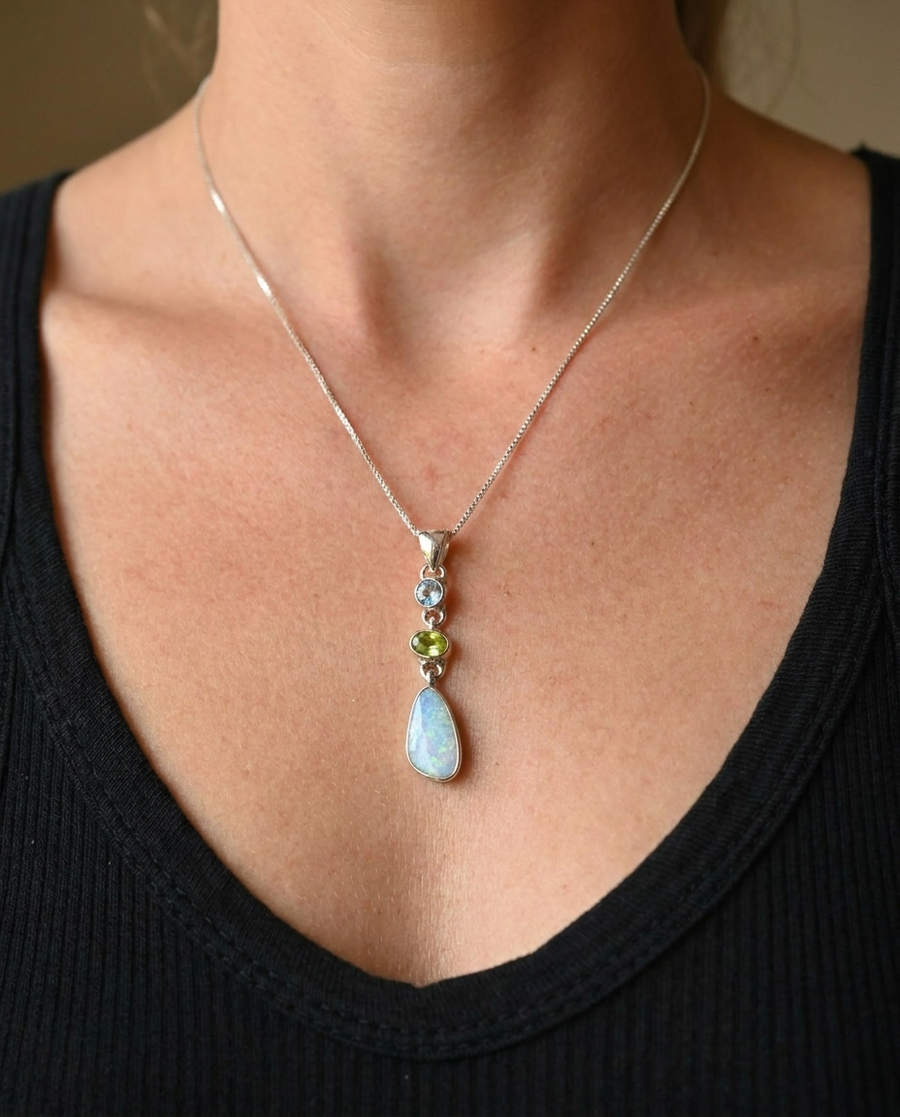

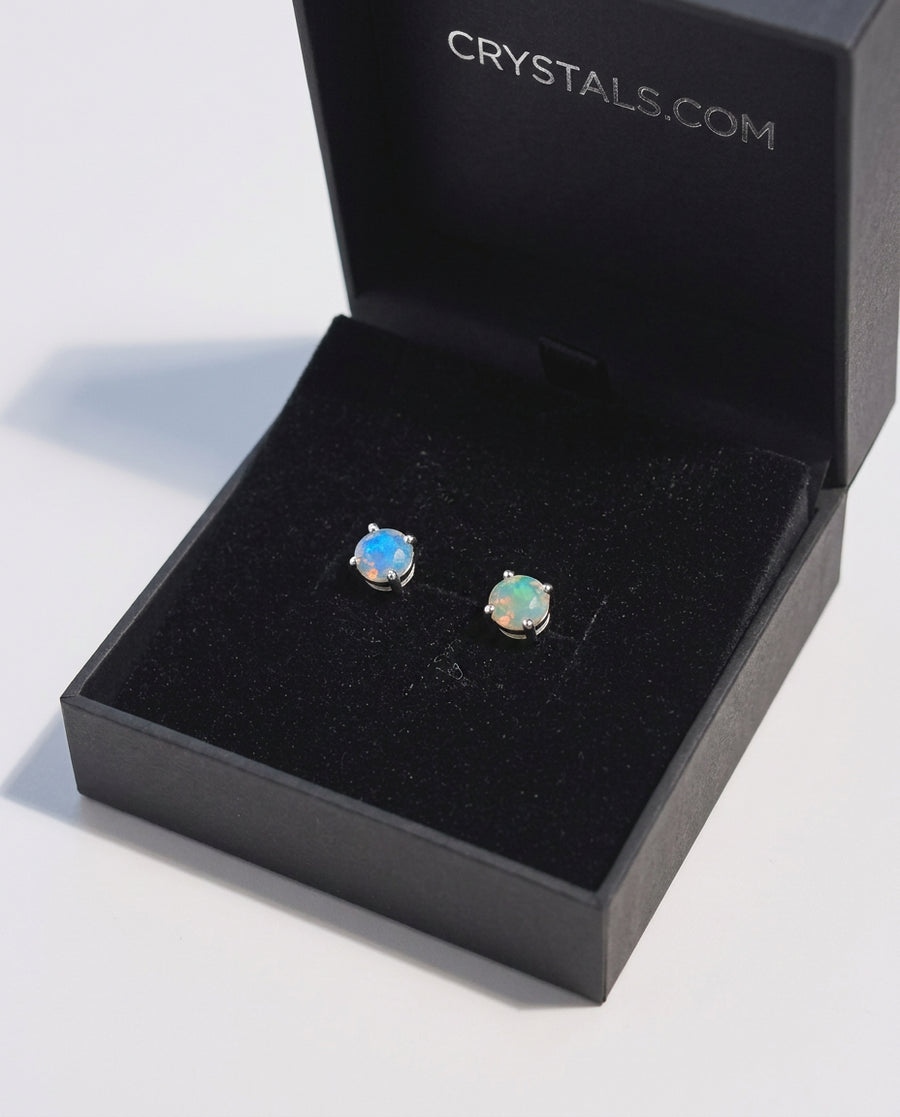

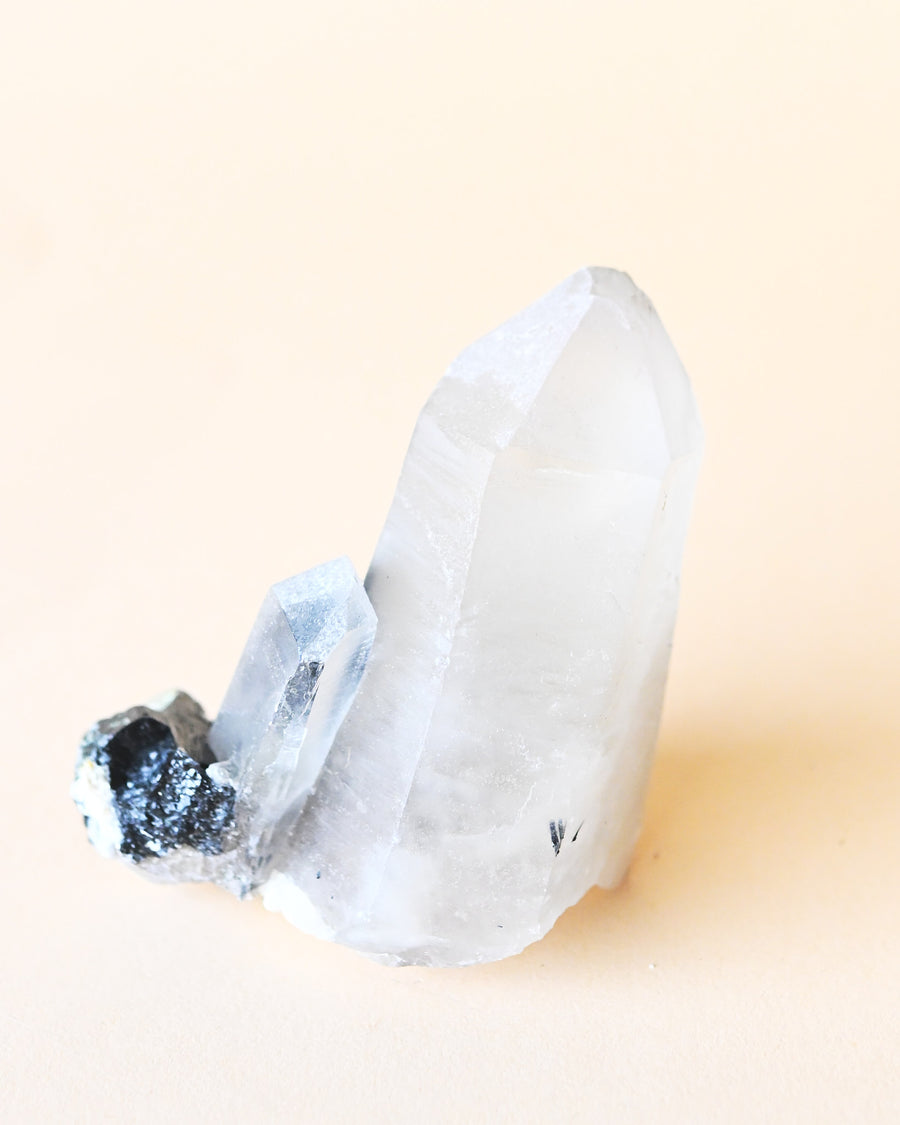

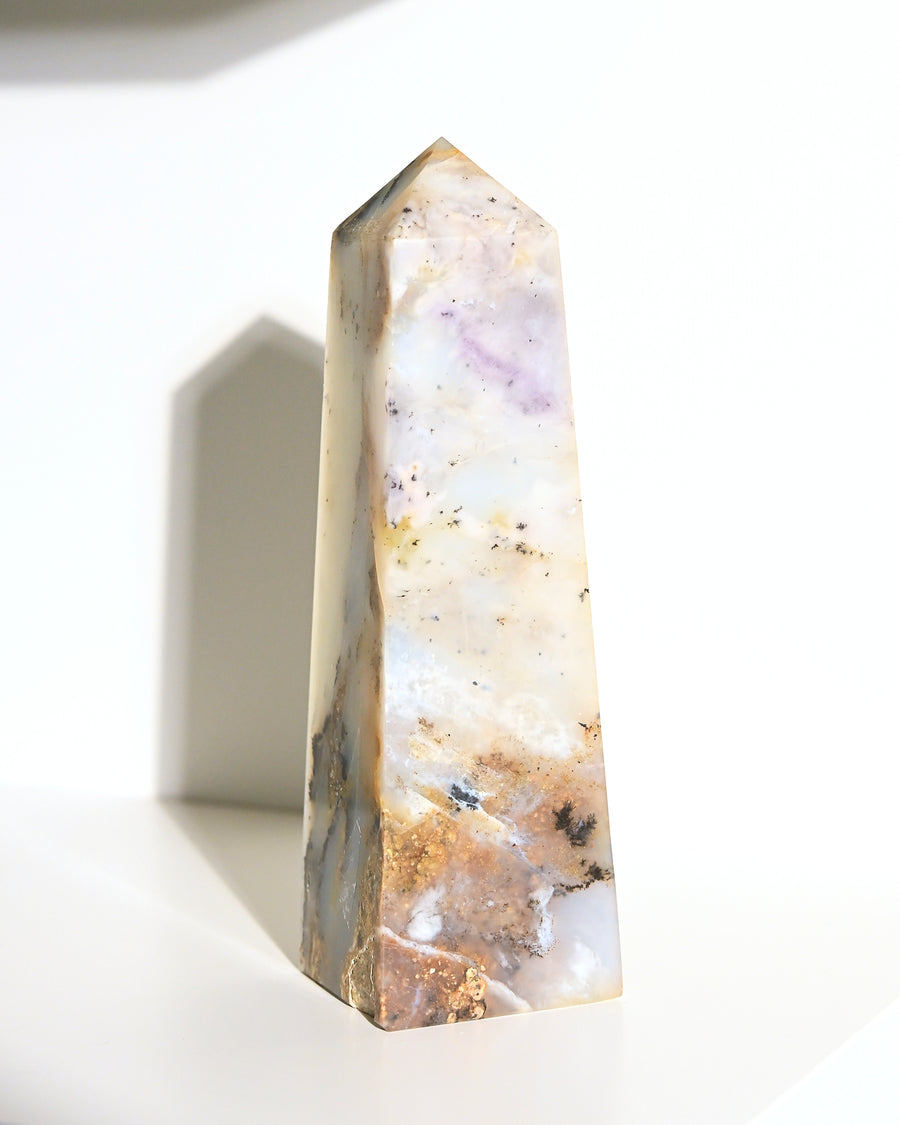

Chosen piece by piece, mostly direct from mines and suppliers I have worked with for years.
I shoot every piece myself, so a one of a kind piece is the exact piece you receive.
Packed by hand here and out in 1 to 3 business days.
Opal is a hydrated amorphous silica (SiO2·nH2O) that contains 3-21% water within its structure. Unlike most gemstones, opal is non-crystalline. Its famous play of color — the shifting rainbow flashes — is caused by diffraction of light through a regular three-dimensional array of silica spheres. When these spheres are uniform in size (150-400 nanometers) and tightly packed, white light diffracts into spectral colors. Opal rates 5.5-6.5 on the Mohs scale.
The main opal varieties are white opal (light body color with play of color), black opal (dark body color, most valuable, primarily from Lightning Ridge, Australia), boulder opal (thin opal layer on ironstone matrix, from Queensland), fire opal (transparent orange to red, from Mexico, may or may not show play of color), and common opal (no play of color, found in many colors). Ethiopian opal, a hydrophane variety, has become an important commercial source since the 2000s.
Australia produces approximately 90% of the world's precious opal. Lightning Ridge (New South Wales) is famous for black opal, Coober Pedy (South Australia) for white opal, and Queensland for boulder opal. Ethiopia's Wollo Province has become a significant source of hydrophane opal since 2008. Mexico produces fire opal from Querétaro and Jalisco states. Smaller deposits exist in Brazil, Honduras, and the United States (Nevada).
Opal contains water and can crack or craze if it dries out too quickly or experiences thermal shock. Store opal away from direct heat sources, heaters, and prolonged direct sunlight. Do not use ultrasonic or steam cleaners. Clean with a soft damp cloth only. Some collectors store valuable opal specimens in sealed containers with a damp cotton ball to maintain humidity, though this is mainly necessary in very dry climates.
Yes. Ethiopian opal is hydrophane, meaning it can absorb water and temporarily become transparent or change appearance when wet. It returns to its original state when dry. Australian opal is generally more stable and non-hydrophane. Ethiopian opal also tends to have a different body structure and can be more prone to crazing in very dry environments. Both can display spectacular play of color.
Opal is a hydrated amorphous silica (SiO₂·nH₂O) containing 3–21% water within its structure. Unlike most gemstones, opal is non-crystalline. Its famous play of color — the shifting rainbow flashes — is caused by diffraction of light through a regular array of silica spheres. When these spheres are uniform in size (150–400 nanometers), white light diffracts into spectral colors. Opal rates 5.5–6.5 on the Mohs scale.
The main varieties include white opal (light body color), black opal (dark body, most valuable, from Lightning Ridge, Australia), boulder opal (thin layer on ironstone), fire opal (transparent orange from Mexico), and pink and blue opal from Peru. Australia produces approximately 90% of the world's precious opal. Ethiopian hydrophane opal has become a significant source since 2008.
Our collection features pink opal, blue opal, and precious opal in various forms including raw specimens, polished pieces, towers, and bracelets. For other iridescent stones, see our labradorite and moonstone collections. Browse crystal jewelry for opal pendants. Free shipping on orders $150+.
Play of color is caused by light diffracting through a regular three-dimensional array of silica spheres within the opal. When these spheres are uniform in size and tightly packed, white light splits into spectral colors. The size of the spheres determines which colors appear — smaller spheres produce blues, larger ones produce reds.
White opal (light body with play of color), black opal (dark body, most valuable), boulder opal (thin layer on ironstone matrix), fire opal (transparent orange, may lack play of color), Ethiopian opal (hydrophane, absorbs water), and common opal (no play of color, found in pink, blue, and other colors).
Opal contains water and can crack if it dries out too quickly. Store away from direct heat and prolonged sunlight. Do not use ultrasonic or steam cleaners. Clean with a soft damp cloth. Some collectors store valuable opals in sealed containers with a damp cotton ball in very dry climates.
Yes. Ethiopian opal is hydrophane — it absorbs water and temporarily changes appearance when wet, returning to normal when dry. Australian opal is non-hydrophane and more stable. Ethiopian opal can be more prone to crazing in very dry environments. Both can show spectacular play of color.
Australia produces about 90% of the world's precious opal. Lightning Ridge (NSW) is famous for black opal, Coober Pedy (SA) for white opal. Ethiopia's Wollo Province has been a significant source since 2008. Mexico produces fire opal. Peru produces pink and blue common opal.
A beautiful piece..the photo's did not do it justice. The delivery was timely and arrived in perfect condition. Thank you..this specimen is a must for any collector.
Crystals Individually wrapped
Shipped with care, excellent packaging. Great products
Very nice, one of a kind sphere. The piece matched the quality in the photos. Packaging was above average, with no damage during shipping. Tracking was easy. Everything was a positive experience.
Was expecting a bright shade of yellow, but the amber shade is just as beautiful.
Loved how it glimmers
Loved the packaging
Each Crystal came out beautifully
Will definitely find myself a frequent customer ☺️
Perfect. I love my crystals!
Beautiful! Exactly what I was hoping for/expecting!
Delivered when promised. Packaged very nicely!
Beautiful! The purple is so vibrant!
Stunning! Exceeded my expectations and arrived so quickly 💜
Web site is working like a dream, beautifully.
Amazing smoky quartz that you dug up yourself in Tennessee. It shines in my entryway & it is so special. Thank you, it is one of my most important treasures. By the way, your web site works beautifully!
Very beautiful!
Can't choose?
Tell it what you need. It picks one piece for you, in stock right now.
Sorry, looks like we don't have enough of this product.

Buy It With
$10.00 USD


