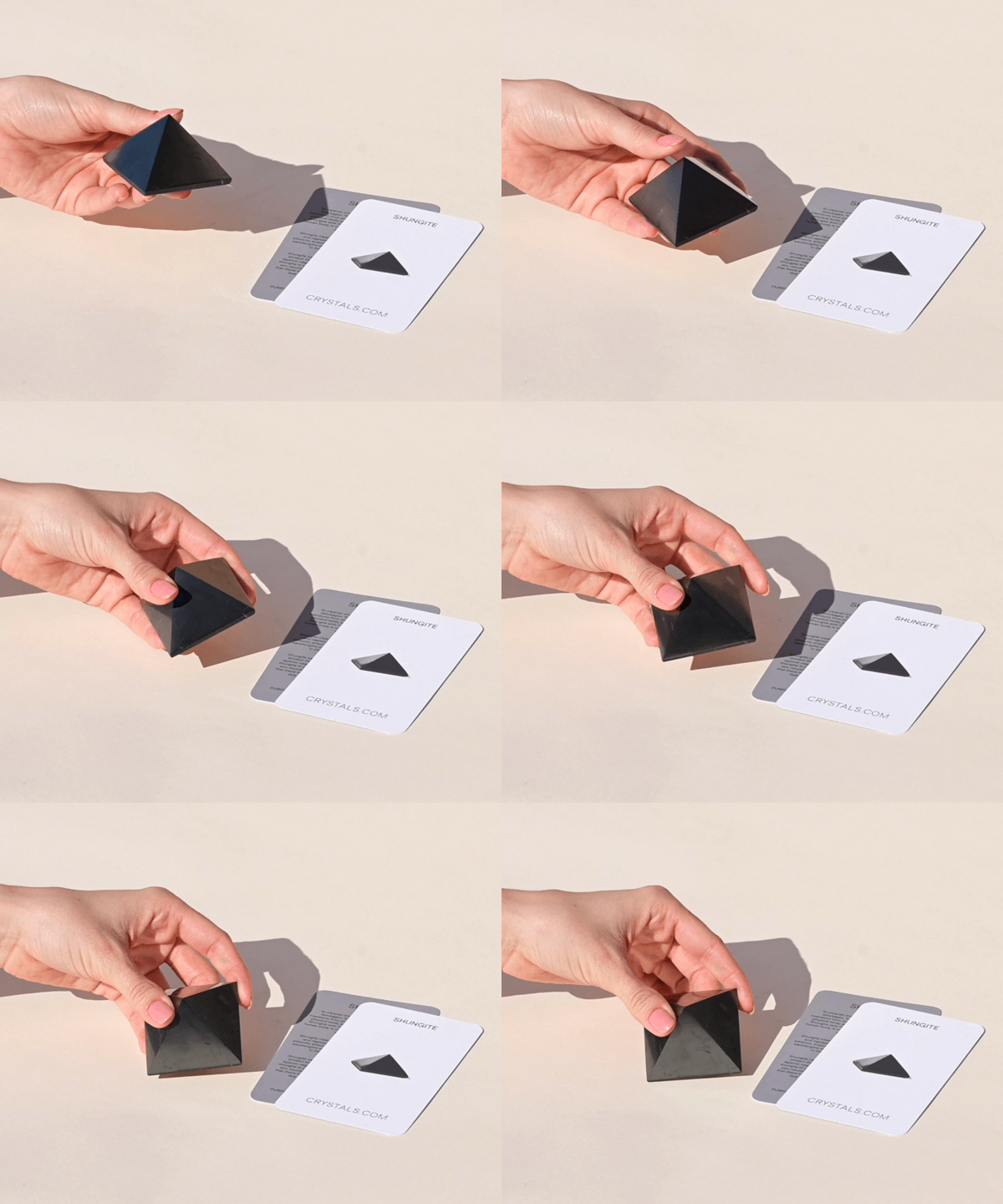

Shungite Pyramid
From $26Choose options
Crystals.com
Shungite is a carbon-rich mineraloid found almost exclusively in the Zazhoginsky deposit near Lake Onega in Karelia, Russia. It contains fullerenes — hollow, cage-like carbon molecules that were not synthesized in a laboratory until...

22 pieces
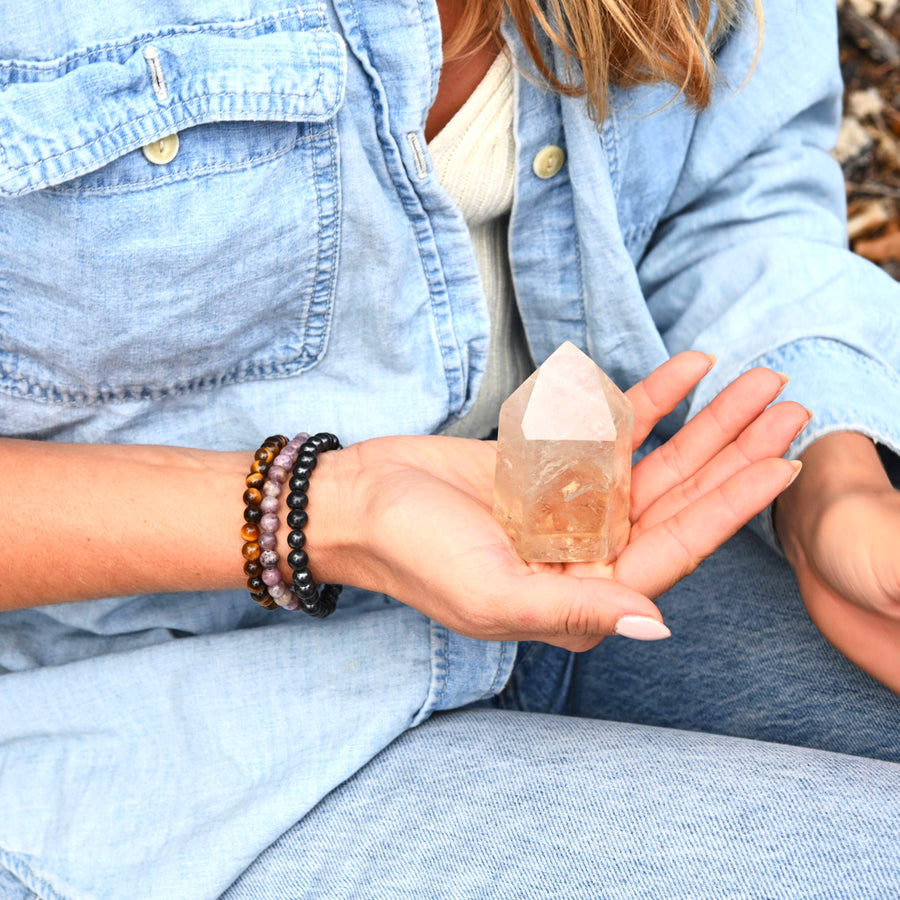

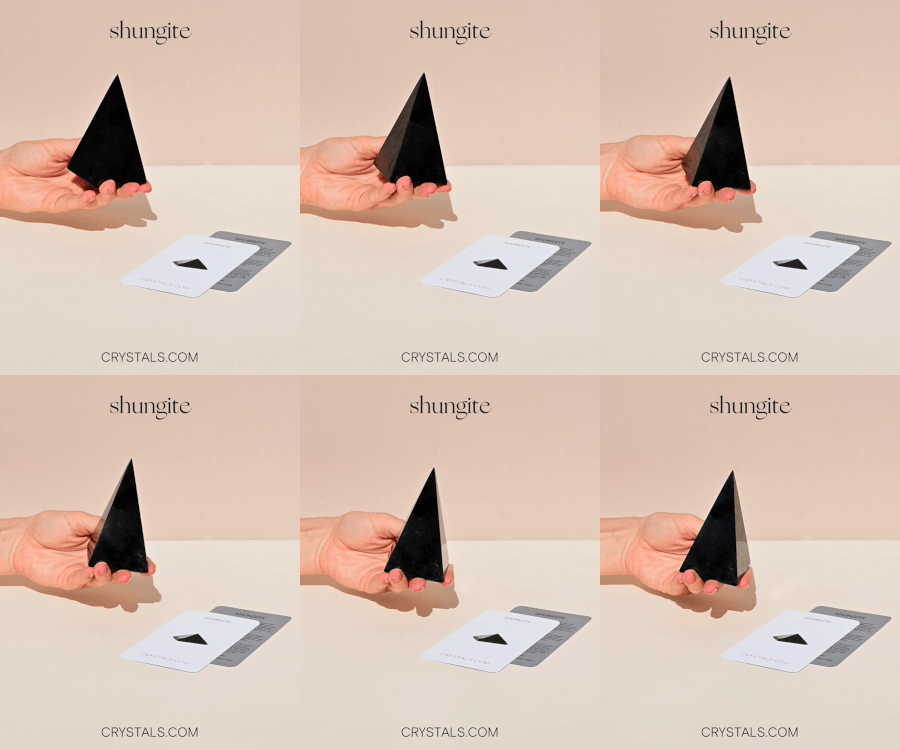

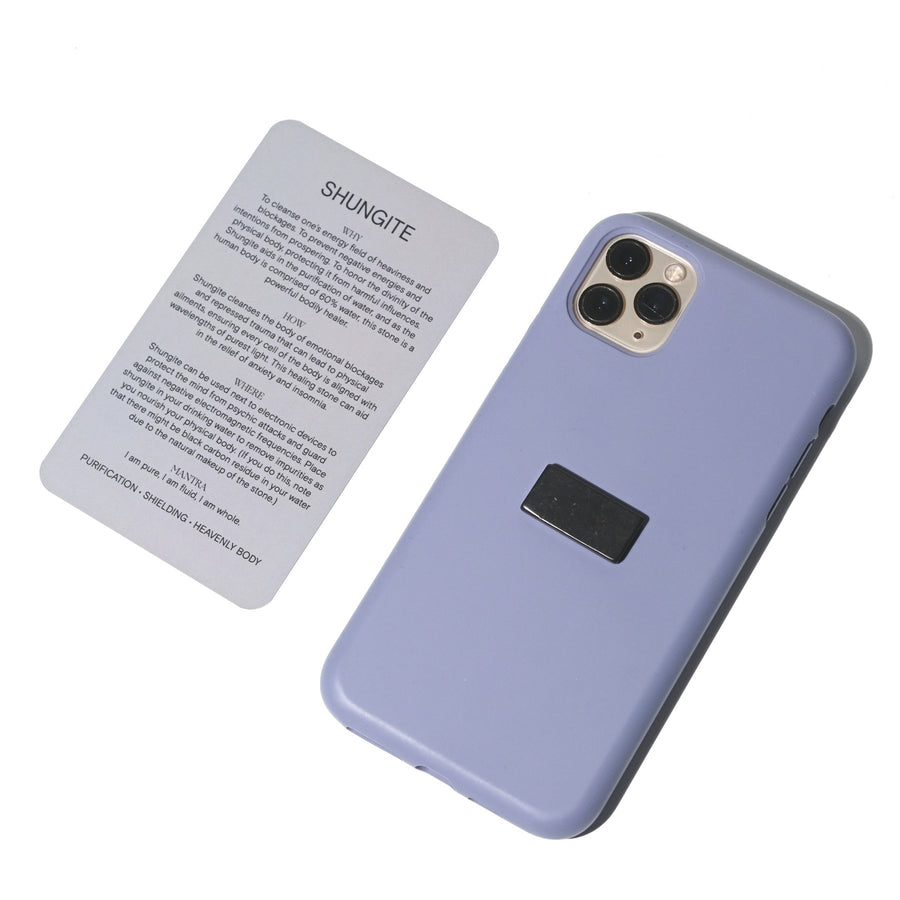

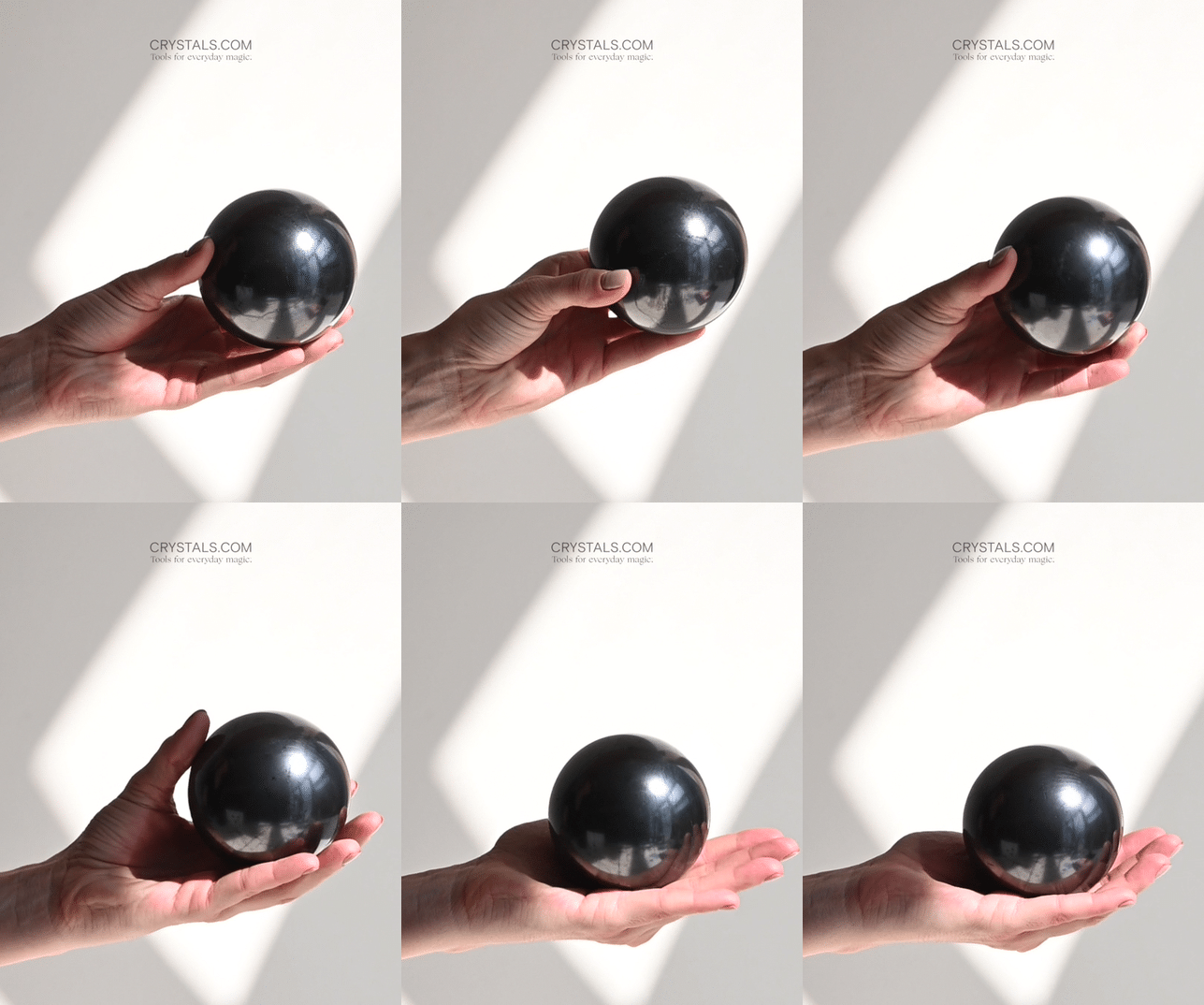

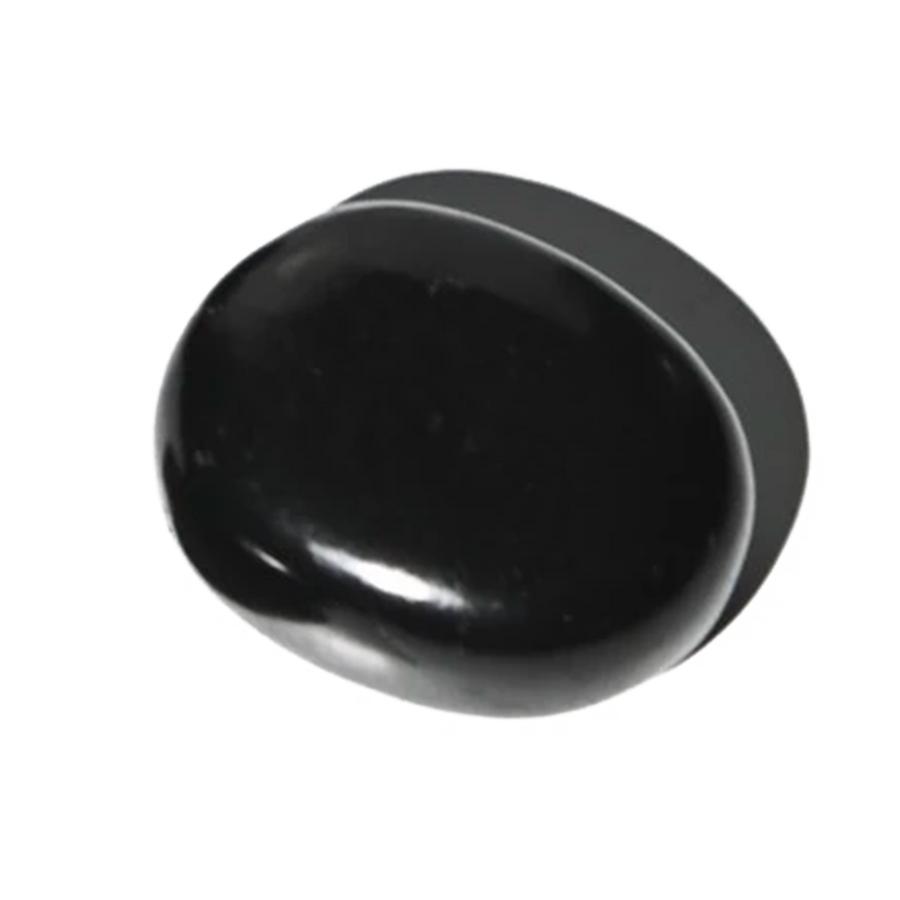


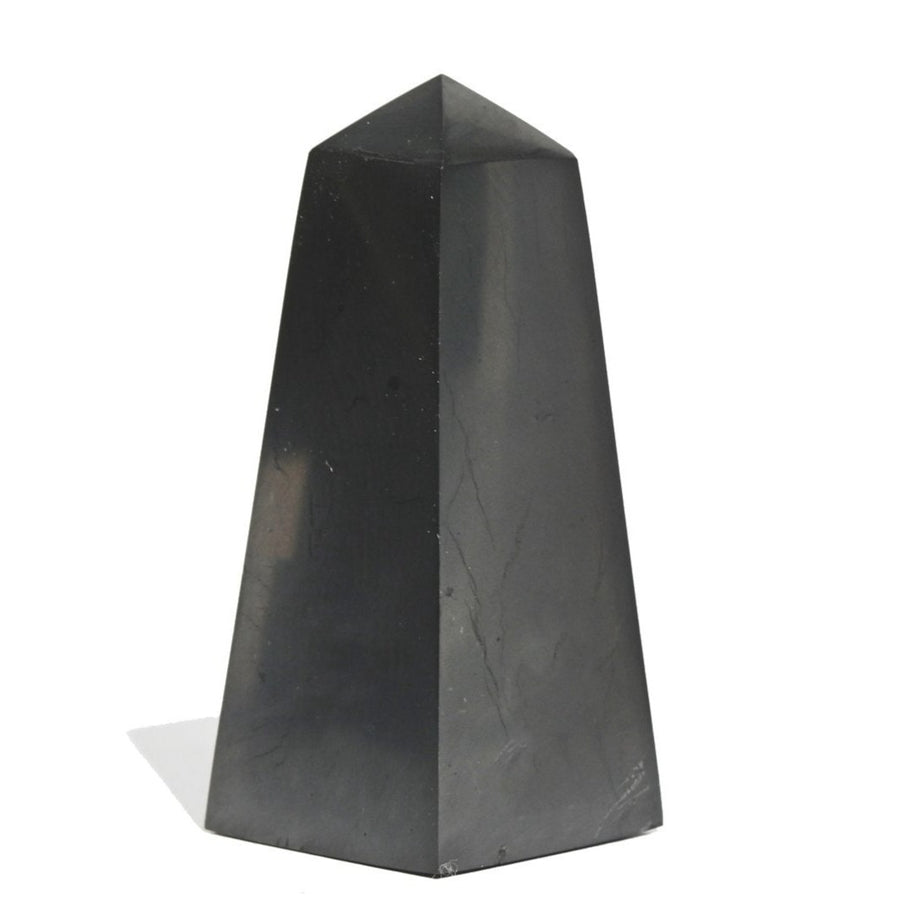


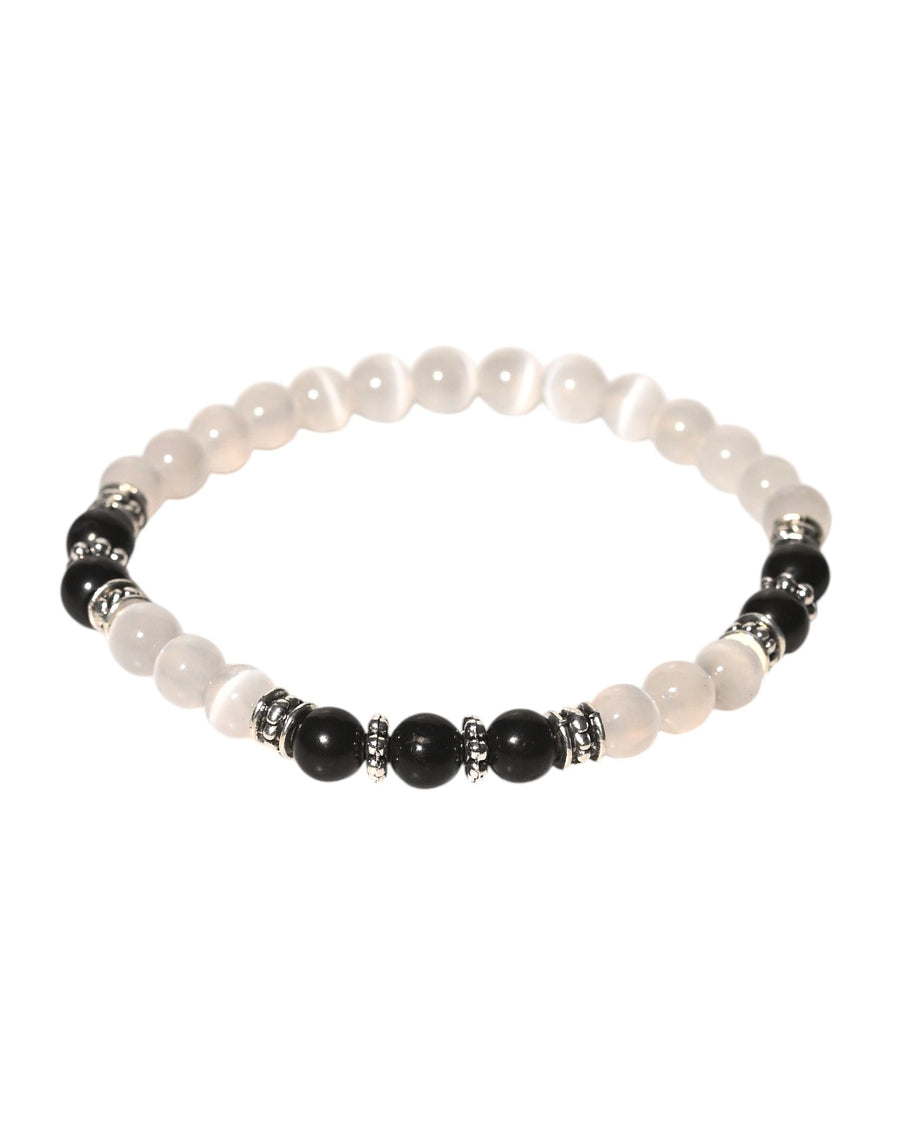


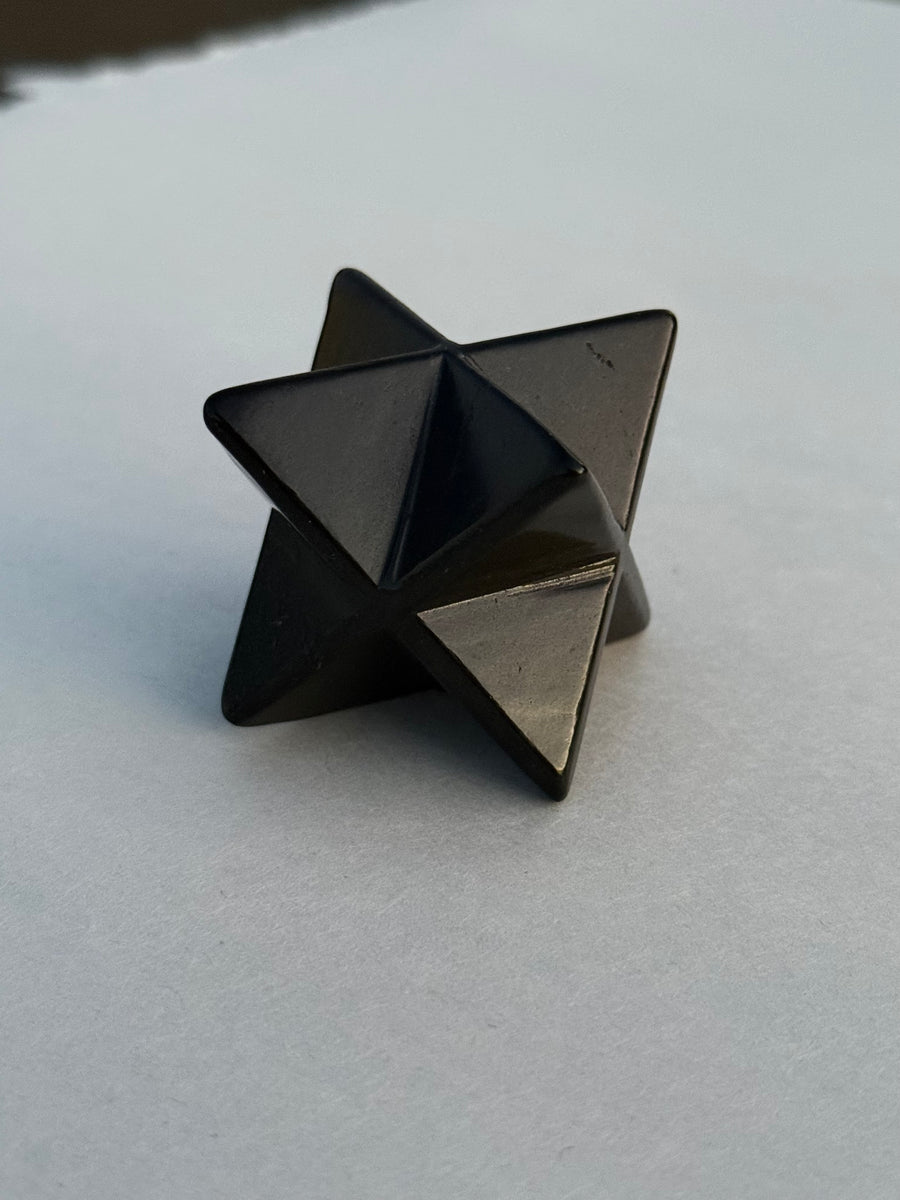


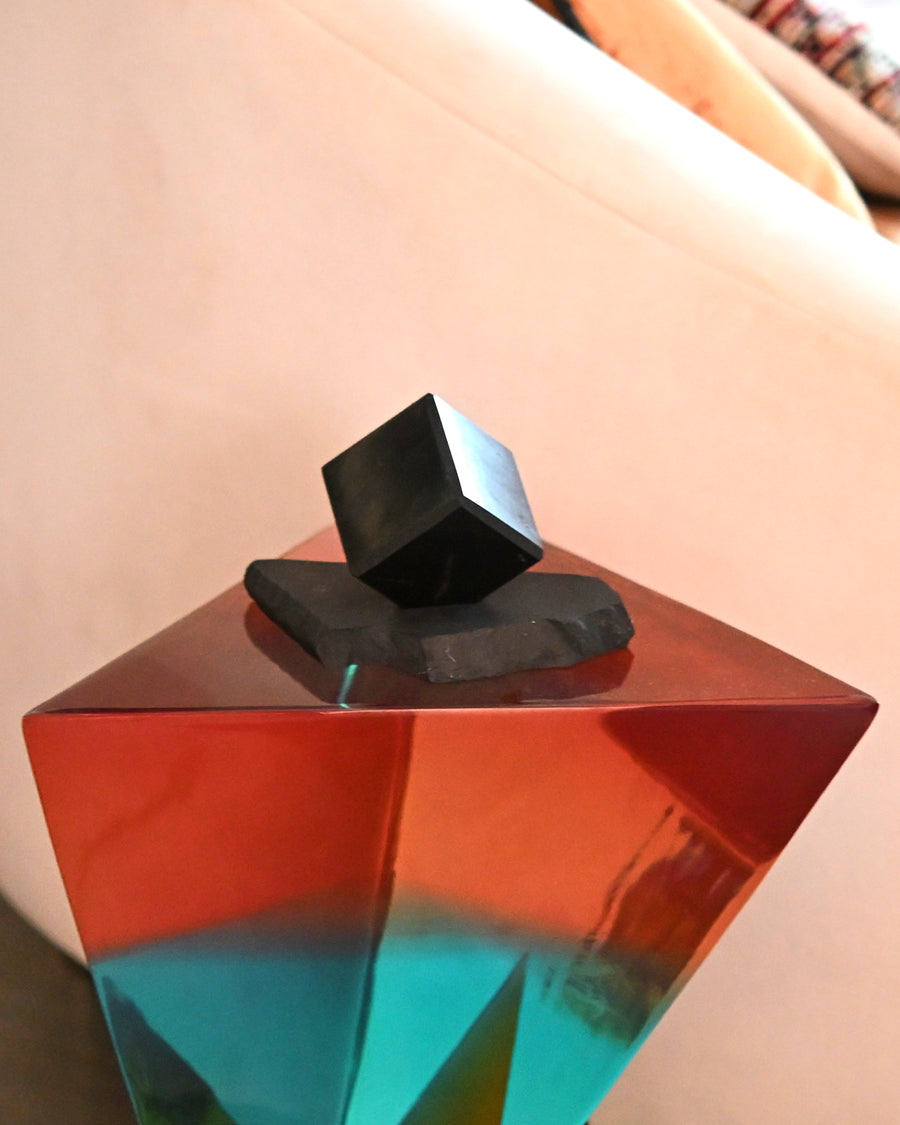

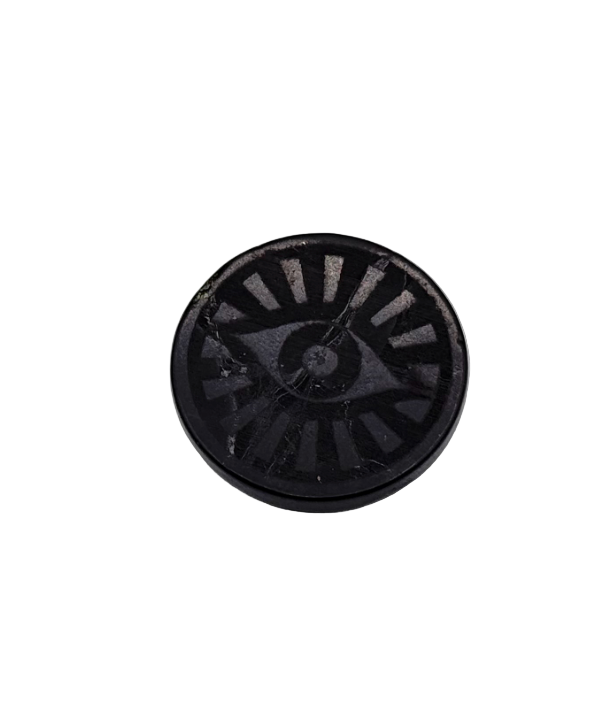

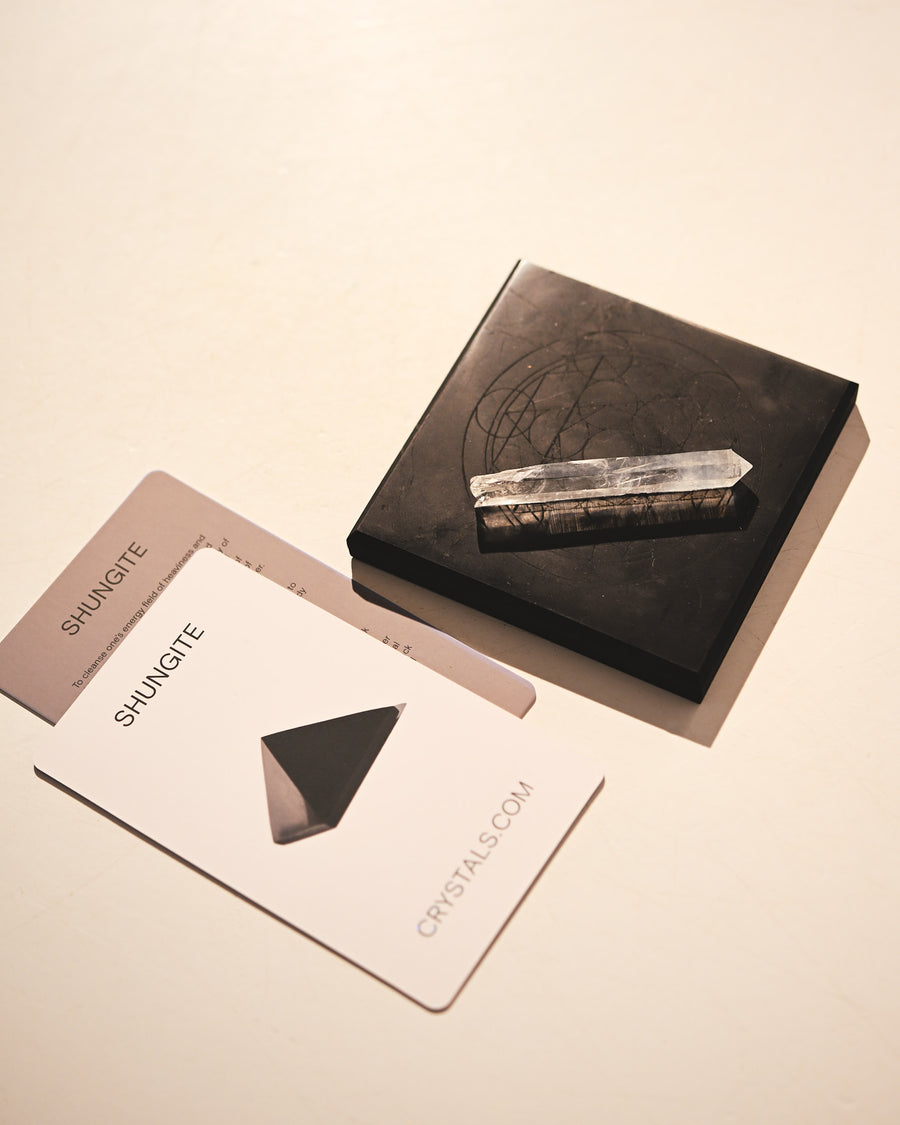


Chosen piece by piece, mostly direct from mines and suppliers I have worked with for years.
I shoot every piece myself, so a one of a kind piece is the exact piece you receive.
Packed by hand here and out in 1 to 3 business days.
Shungite is a black, carbon-rich mineraloid found almost exclusively in the Republic of Karelia, Russia, near Lake Onega. It is composed primarily of carbon in a non-crystalline (amorphous) form and is estimated to be approximately 2 billion years old, making it one of the oldest known carbon-bearing materials on Earth. Shungite rates 3.5 to 4 on the Mohs scale.
Regular shungite contains 30 to 50 percent carbon and has a matte black appearance. It is dense enough to be carved and polished into shapes like pyramids, spheres, and phone plates. Elite (noble) shungite contains 90 to 98 percent carbon and has a distinctive silvery, metallic luster. Elite shungite is much rarer, more brittle, and cannot be shaped — it is sold in natural, raw form only.
Virtually all commercial shungite comes from the Zazhoginskoye deposit near Shunga village in the Republic of Karelia, northwestern Russia. This is the only known deposit of significant size. The deposit is associated with Precambrian sedimentary rocks approximately 2 billion years old. Smaller, non-commercial occurrences of shungite-like carbon have been reported in a few other locations worldwide.
Some research has reported finding fullerenes (C60 molecules) in shungite, but this remains scientifically debated. Several peer-reviewed studies have found fullerenes in shungite samples, while others have been unable to replicate the results. The presence and concentration of fullerenes in shungite is not universally accepted in the scientific community.
Shungite is relatively soft at Mohs 3.5 to 4 and can scratch or chip if dropped on hard surfaces. Regular shungite can leave black carbon residue on hands and surfaces — this is normal and can be minimized by rinsing pieces under water when first received. Store separately from harder minerals. Shungite is water-safe and can be briefly rinsed to clean, but pat dry afterward.
Shungite is a unique carbon-based mineral found in Russia, known for its potential healing and protective properties. It's often used for its purported ability to absorb and neutralize electromagnetic radiation.
To use shungite, you can place it near electronic devices, wear it as jewelry, or make shungite-infused water, with proponents believing it helps neutralize electromagnetic radiation and promote physical well-being
To cleanse shungite, rinse it under running water, soak it in saltwater, or leave it in sunlight or moonlight for several hours to refresh its energy and properties
Shungite is believed by some to have the potential to block or absorb electromagnetic frequencies (EMF), making it popular for use as a protective tool against EMF radiation
Shungite is a carbon-rich mineraloid found almost exclusively in the Zazhoginsky deposit near Lake Onega in Karelia, Russia. It contains fullerenes — hollow, cage-like carbon molecules that were not synthesized in a laboratory until 1985, yet have existed in this ancient rock for nearly two billion years. Shungite ranges from 30–98% carbon by weight and registers 3.5–4 on the Mohs hardness scale. Its color is a deep, lustrous black with a semi-metallic sheen.
Peter the Great reportedly established a spa at Martial Waters in Karelia that utilized shungite filtration. The distinction between "regular" shungite (30–50% carbon, matte black, can be shaped and polished) and "elite" or "noble" shungite (90–98% carbon, brilliant silvery metallic luster, sold only in raw form) is an important grading consideration for collectors.
Available forms include polished spheres, pyramids, cubes, raw elite specimens, tumbled stones, palm stones, and bracelets. For other dark minerals, see our black tourmaline and obsidian collections. Browse protection crystals for curated sets. Free shipping on orders $150+.
Shungite is a black, carbon-rich mineraloid approximately 2 billion years old, found almost exclusively in Karelia, Russia. It is one of the oldest known carbon-bearing materials on Earth. Mohs hardness 3.5–4.
Regular shungite contains 30–50% carbon with a matte black appearance and can be shaped into spheres, pyramids, and other forms. Elite (noble) shungite contains 90–98% carbon with a brilliant silvery metallic luster. Elite shungite is much rarer, more brittle, and sold only in natural raw form.
Virtually all commercial shungite comes from the Zazhoginskoye deposit near Shunga village in Karelia, northwestern Russia. This is the only known deposit of significant size anywhere in the world. The deposit is associated with Precambrian sedimentary rocks approximately 2 billion years old.
Some research has reported finding fullerenes (C60 molecules) in shungite, but this remains scientifically debated. Several peer-reviewed studies found fullerenes in samples, while others could not replicate the results. The presence and concentration of fullerenes is not universally accepted in the scientific community.
Yes, regular shungite can leave black carbon residue on hands and surfaces — this is normal and simply carbon dust. Rinse pieces under water when first received to minimize this. Elite shungite is less prone to residue due to its higher carbon purity and different surface structure.
A beautiful piece..the photo's did not do it justice. The delivery was timely and arrived in perfect condition. Thank you..this specimen is a must for any collector.
Crystals Individually wrapped
Shipped with care, excellent packaging. Great products
Very nice, one of a kind sphere. The piece matched the quality in the photos. Packaging was above average, with no damage during shipping. Tracking was easy. Everything was a positive experience.
Was expecting a bright shade of yellow, but the amber shade is just as beautiful.
Loved how it glimmers
Loved the packaging
Each Crystal came out beautifully
Will definitely find myself a frequent customer ☺️
Perfect. I love my crystals!
Beautiful! Exactly what I was hoping for/expecting!
Delivered when promised. Packaged very nicely!
Beautiful! The purple is so vibrant!
Stunning! Exceeded my expectations and arrived so quickly 💜
Web site is working like a dream, beautifully.
Amazing smoky quartz that you dug up yourself in Tennessee. It shines in my entryway & it is so special. Thank you, it is one of my most important treasures. By the way, your web site works beautifully!
Very beautiful!
Can't choose?
Tell it what you need. It picks one piece for you, in stock right now.
Sorry, looks like we don't have enough of this product.

Buy It With
$10.00 USD


