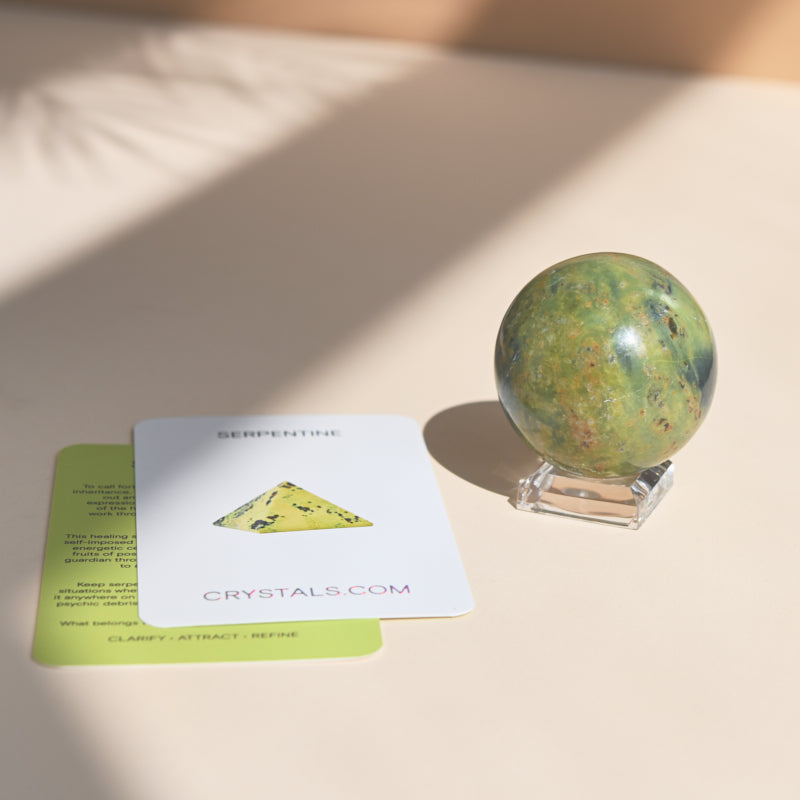
Serpentine: Meaning, Healing Properties, and Complete Guide
Serpentine is a captivating group of minerals named for their resemblance to the mottled green skin of a serpent. Found on every continent and used by civilizations spanning thousands of years, serpentine encompasses several closely related mineral species — including antigorite, lizardite, and chrysotile — that share a similar chemistry and silky, waxy luster. Colors range from olive green and forest green to yellowish-green, black-green, and occasionally white or brown, often with veining patterns that create mesmerizing organic landscapes within each piece.
Serpentine has been carved into tools, jewelry, and sacred objects since at least 4000 BCE. The ancient Assyrians used serpentine vessels for ritual purposes. In traditional Chinese medicine, serpentine was ground into powder and used in healing remedies. Indigenous peoples across the Americas recognized serpentine as a stone of protection and spiritual renewal. Today, it remains one of the most versatile and accessible healing stones available, prized for both its beauty and its powerful connection to kundalini energy and earth healing.

Geological Formation and Varieties
Serpentine forms through a process called serpentinization, where iron- and magnesium-rich minerals like olivine and pyroxene interact with water at relatively low temperatures deep within the earth's crust or along oceanic ridges. This hydration process transforms the original minerals into the serpentine group, often preserving the texture of the parent rock while completely changing its mineral composition. The result is a stone that is literally born from transformation — a fitting origin for a crystal so deeply associated with personal metamorphosis.
The most commonly encountered varieties include: New Jade (a dense, translucent serpentine that closely resembles nephrite jade and is often mistaken for it), Infinite Stone (a combination of serpentine and chrysotile from South Africa, prized for its healing energy), Atlantisite (purple stichtite embedded in green serpentine, found in Tasmania), and Verd Antique (a dark green serpentine marble used in architecture and sculpture since antiquity). Each variety carries the core serpentine energy while offering its own unique qualities.
Chakra Connections and Energy Work
Serpentine is most strongly connected to the heart chakra, where it works to clear emotional blockages and open pathways for love, compassion, and self-acceptance. However, what makes serpentine truly distinctive in the crystal world is its powerful relationship with kundalini energy — the dormant spiritual force said to rest coiled at the base of the spine like a serpent (hence the crystal's name taking on additional symbolic significance).

When used intentionally in meditation, serpentine is believed to help awaken and guide kundalini energy upward through the chakra system, promoting spiritual evolution and expanded consciousness. This is not a gentle, passive process — kundalini awakening can be intense, and experienced practitioners recommend working with serpentine gradually, starting with short meditation sessions and building over time. Pair serpentine with grounding stones like black tourmaline or smoky quartz during kundalini work to maintain stability as energy moves through the system.
Beyond kundalini work, serpentine also activates the crown chakra, creating a bridge between earthly grounding and spiritual awareness. This dual activation makes it uniquely valuable for people who want to deepen their spiritual practice without losing their connection to physical reality and daily life.
Healing Properties
Emotional Healing
Serpentine excels at helping release old emotional patterns, especially those rooted in fear of change. If you find yourself clinging to situations, relationships, or self-concepts that no longer serve your growth, serpentine gently but firmly encourages you to shed what is outdated — much like a snake sheds its skin to reveal fresh, new growth underneath. It is particularly useful for people going through major life transitions: career changes, relationship endings, relocations, or identity shifts that require letting go of who you were to become who you are becoming.
Mental Clarity
This stone promotes clear, organized thinking and helps resolve conflicting thoughts and feelings. When you are stuck in analysis paralysis or torn between competing priorities, serpentine cuts through mental fog and helps you identify the path that aligns with your deepest truth rather than your surface-level fears or desires.
Physical Associations
In crystal healing traditions, serpentine is associated with detoxification and cellular regeneration. It is often placed over the heart or solar plexus during energy healing sessions. Some practitioners also use serpentine to support digestive health and to ease the physical symptoms that sometimes accompany emotional release work.

How to Use Serpentine
Meditation: Hold serpentine over your heart or place it at the base of your spine during seated meditation. Focus on the sensation of energy moving upward through your body. Start with five-minute sessions and gradually increase as you become comfortable with the stone's energy.
Carry it daily: Keep a tumbled serpentine in your pocket during periods of significant change or transition. Its calming, stabilizing energy helps you navigate upheaval with grace rather than resistance.
Home placement: Place serpentine near the entrance of your home to create a protective, renewing energy at the threshold. In feng shui, it works well in the east sector of a room to support health and new beginnings.
Crystal pairings: Serpentine combines powerfully with clear quartz for amplified transformation, with amethyst for spiritual protection during deep work, and with black tourmaline for grounding during kundalini practices.
Care and Cleansing
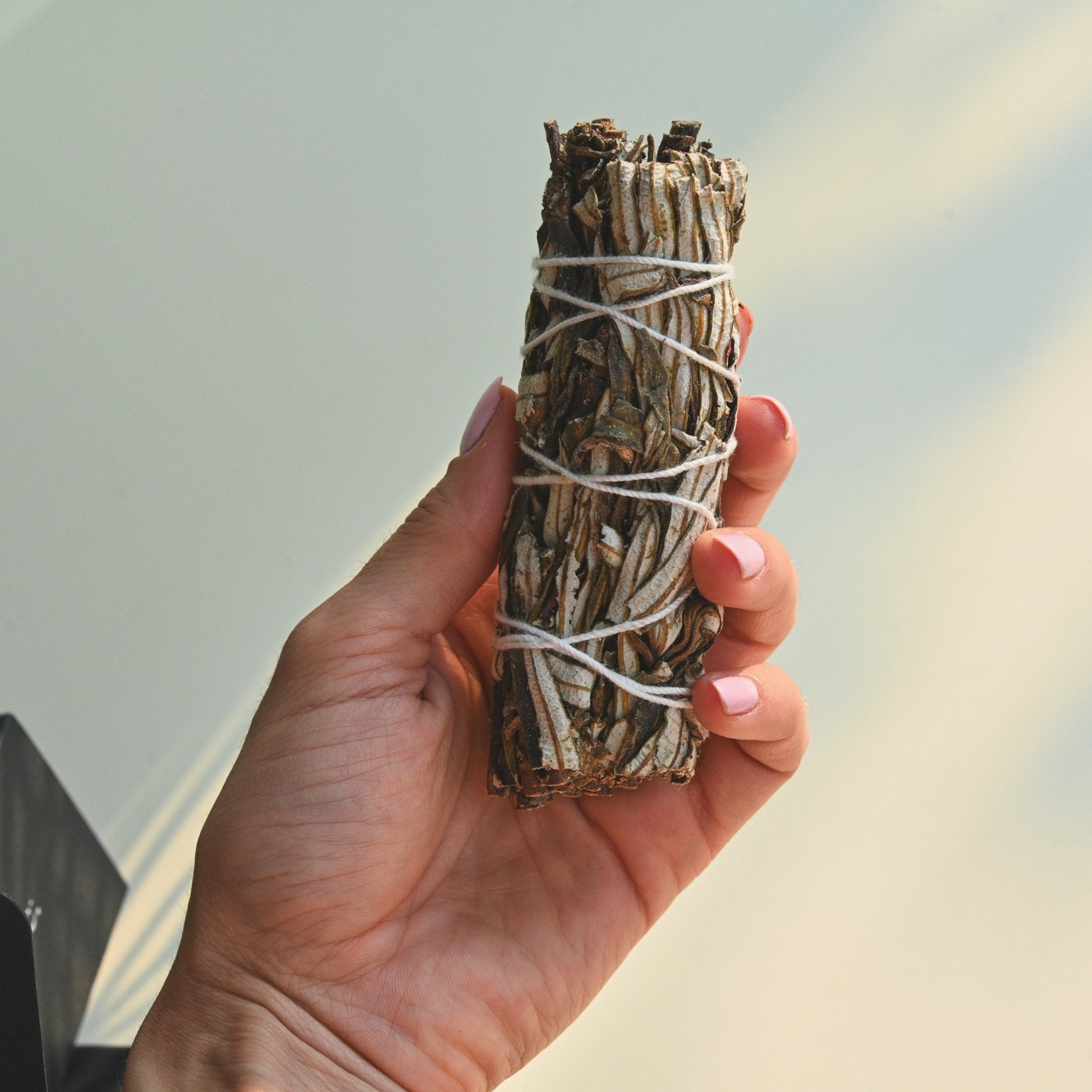
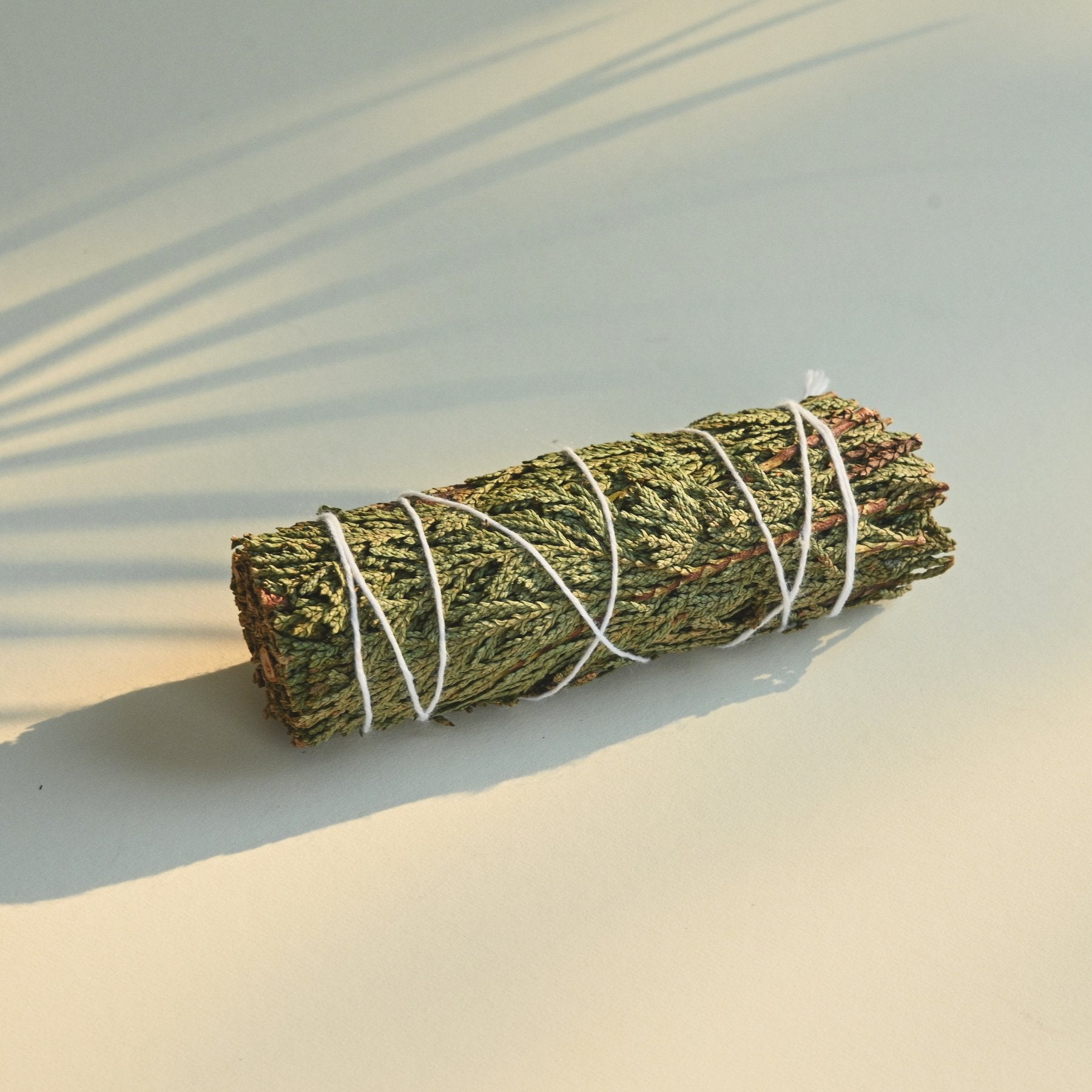
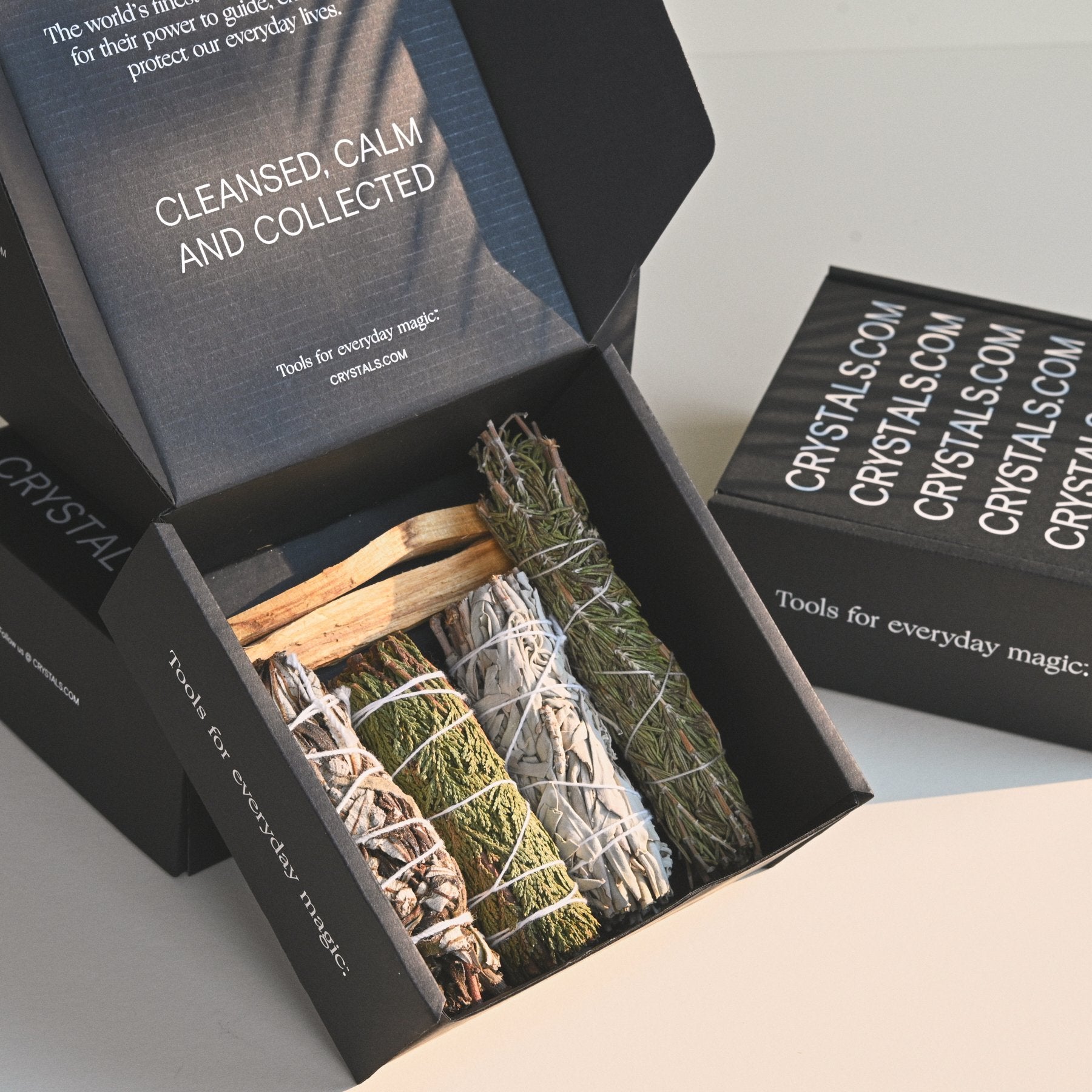
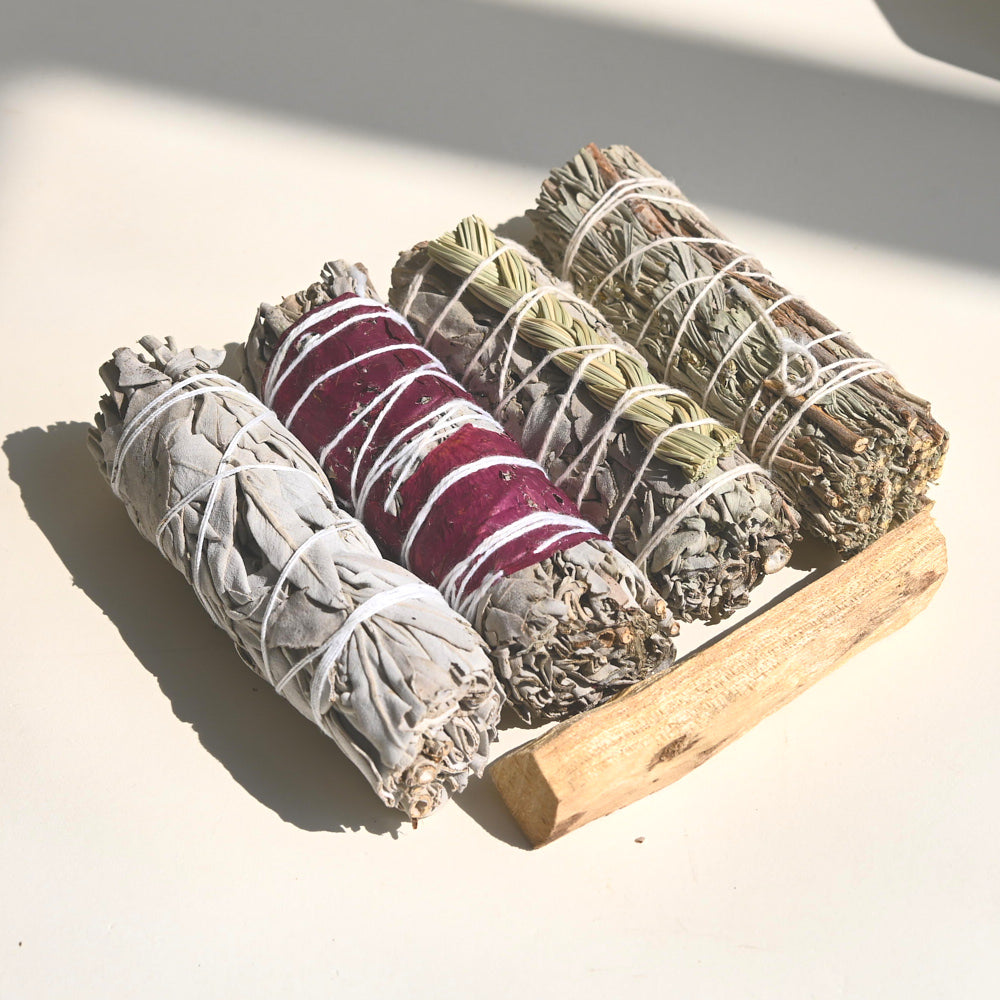
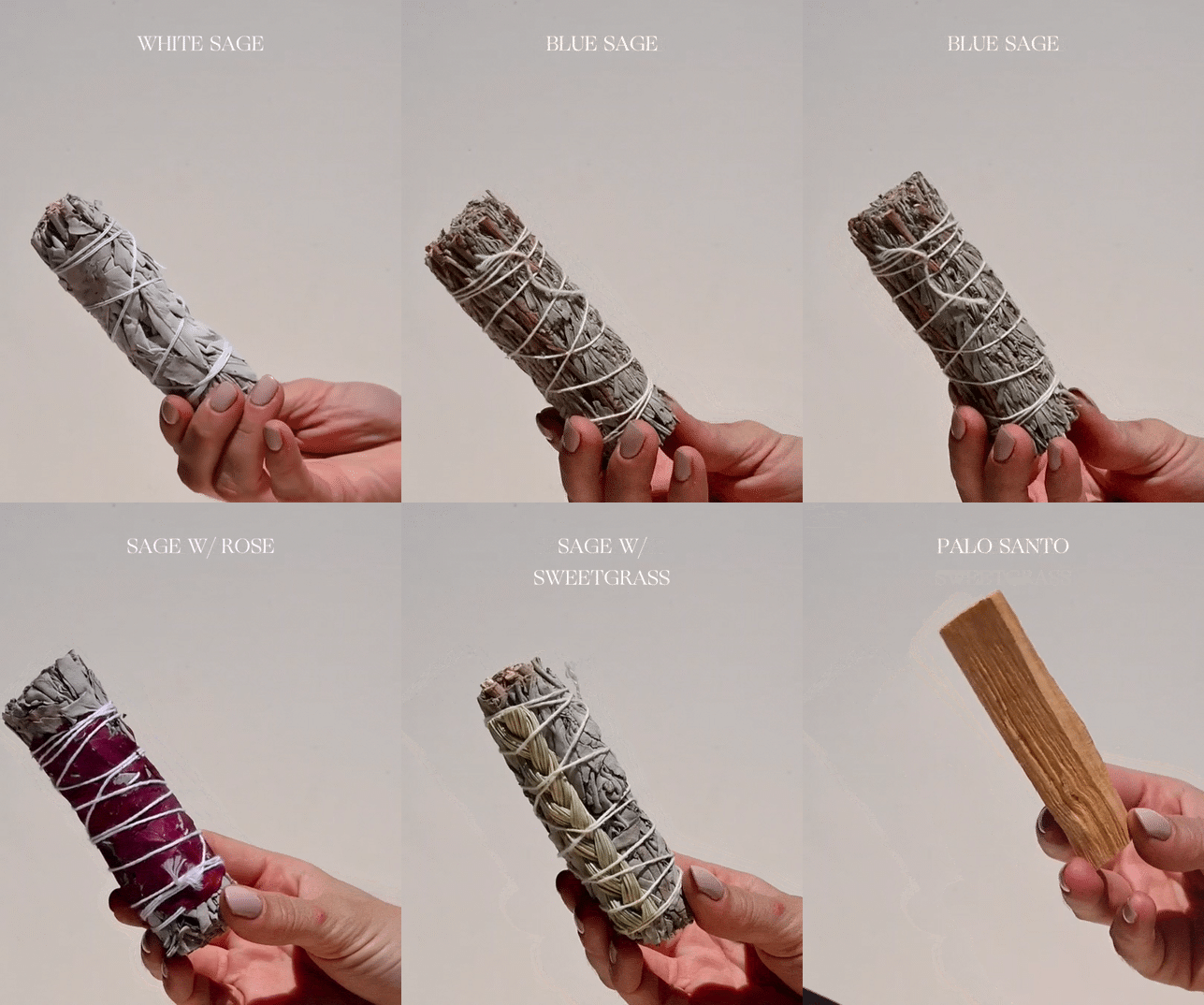
Serpentine rates 3 to 6 on the Mohs hardness scale depending on the variety, so handle it with reasonable care and store it separately from harder stones like quartz that could scratch its surface. Cleanse serpentine with running water (it is water-safe unlike some softer stones), smoke from sage or palo santo, sound vibrations, or moonlight. Avoid prolonged direct sunlight, which can fade some varieties over time. Recharge serpentine by placing it on the earth or among living plants, which amplifies its connection to nature and renewal energy.
Browse our latest arrivals to find serpentine specimens for your collection.
Join the Crystals.com Community
Get crystal guides, new arrivals, and collector insights delivered to your inbox.