

Labradorite Palm Stone
From $14Choose options
Crystals.com
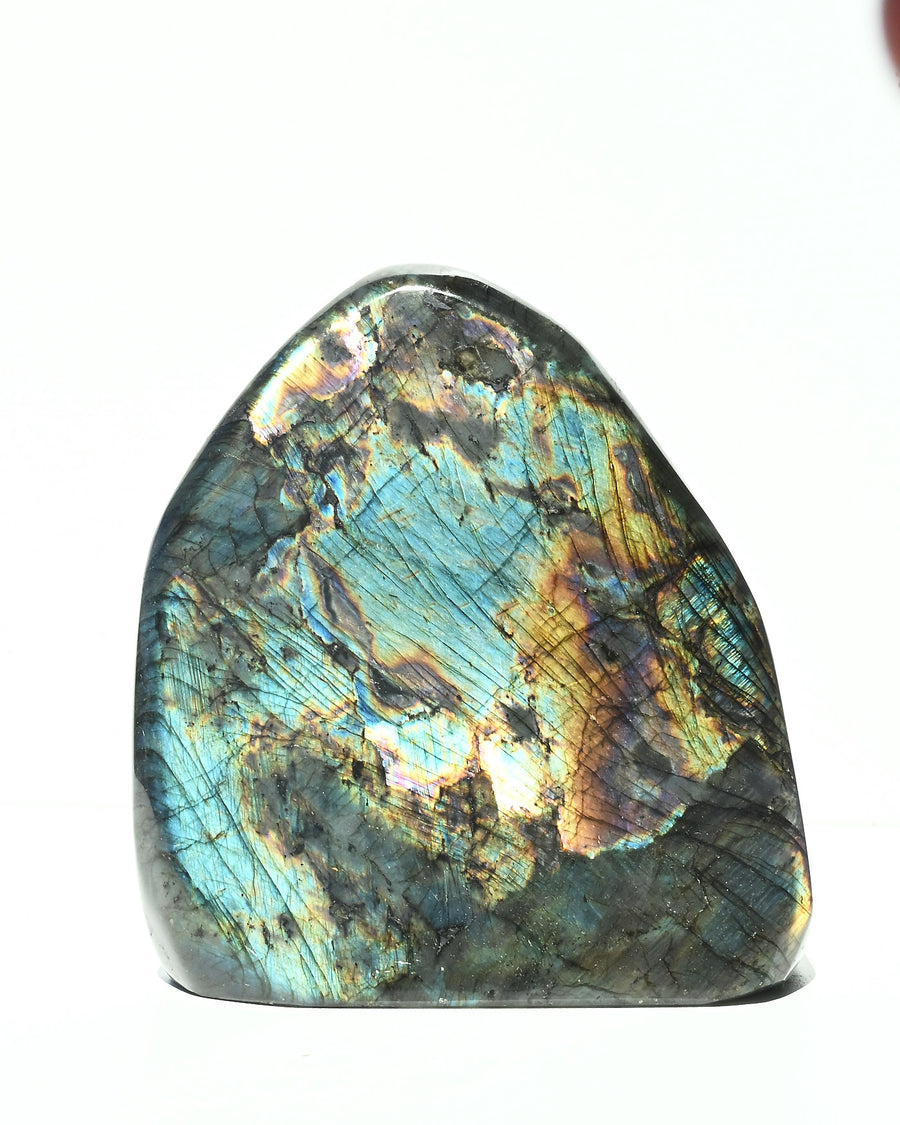
Grey until it moves, then blue and gold across the whole face. Flash is the only thing I buy on.

22 pieces
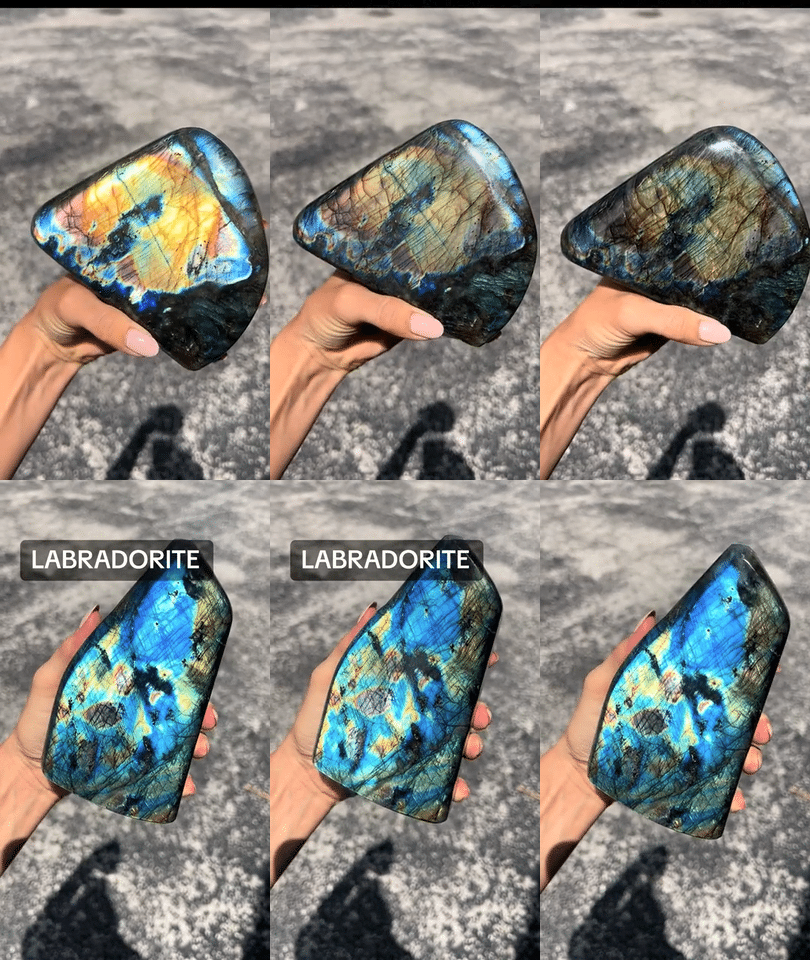


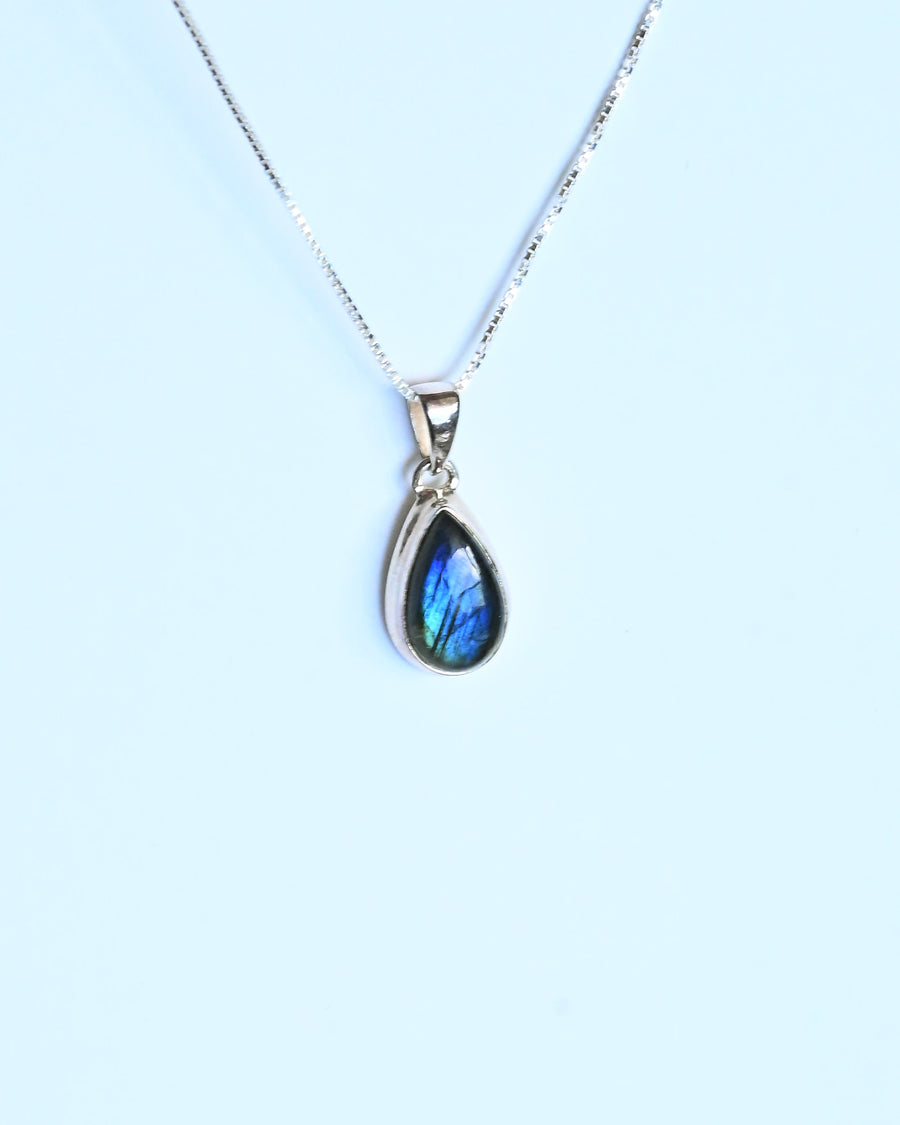

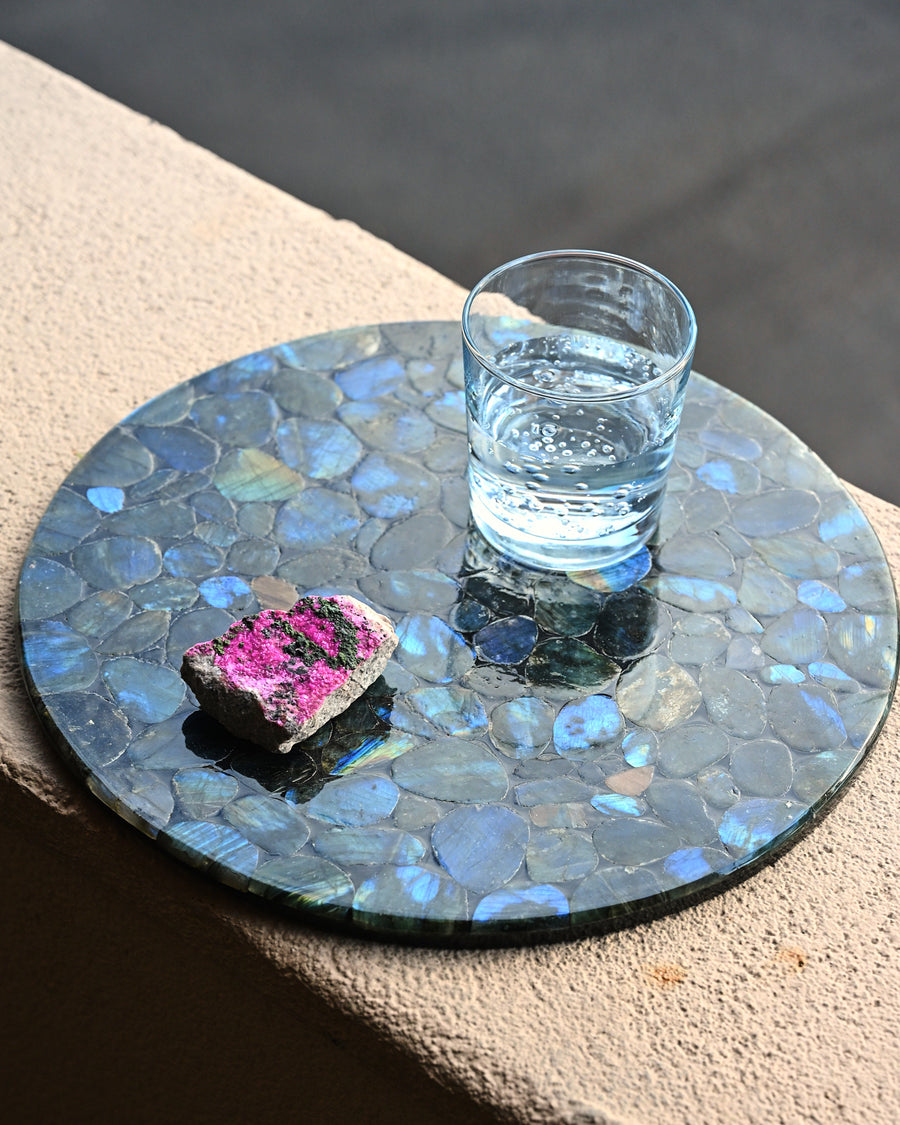

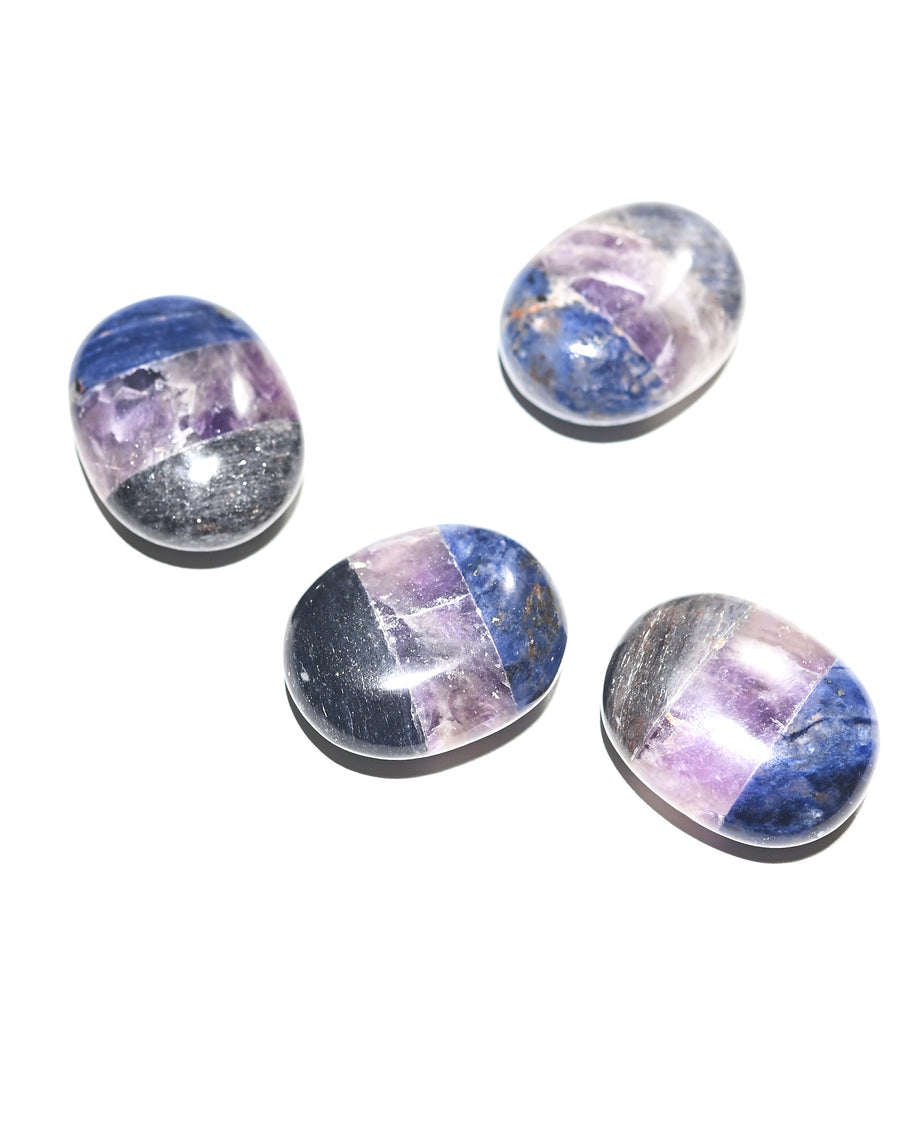







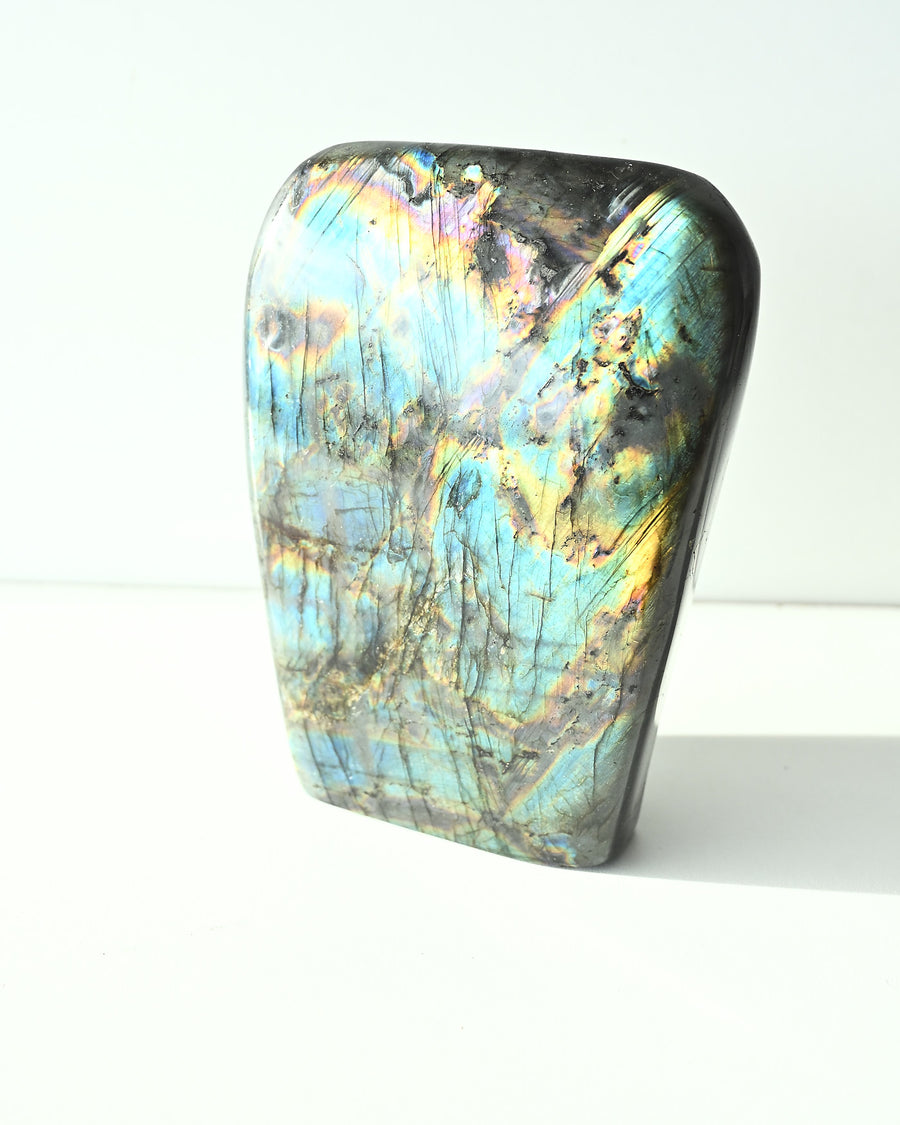

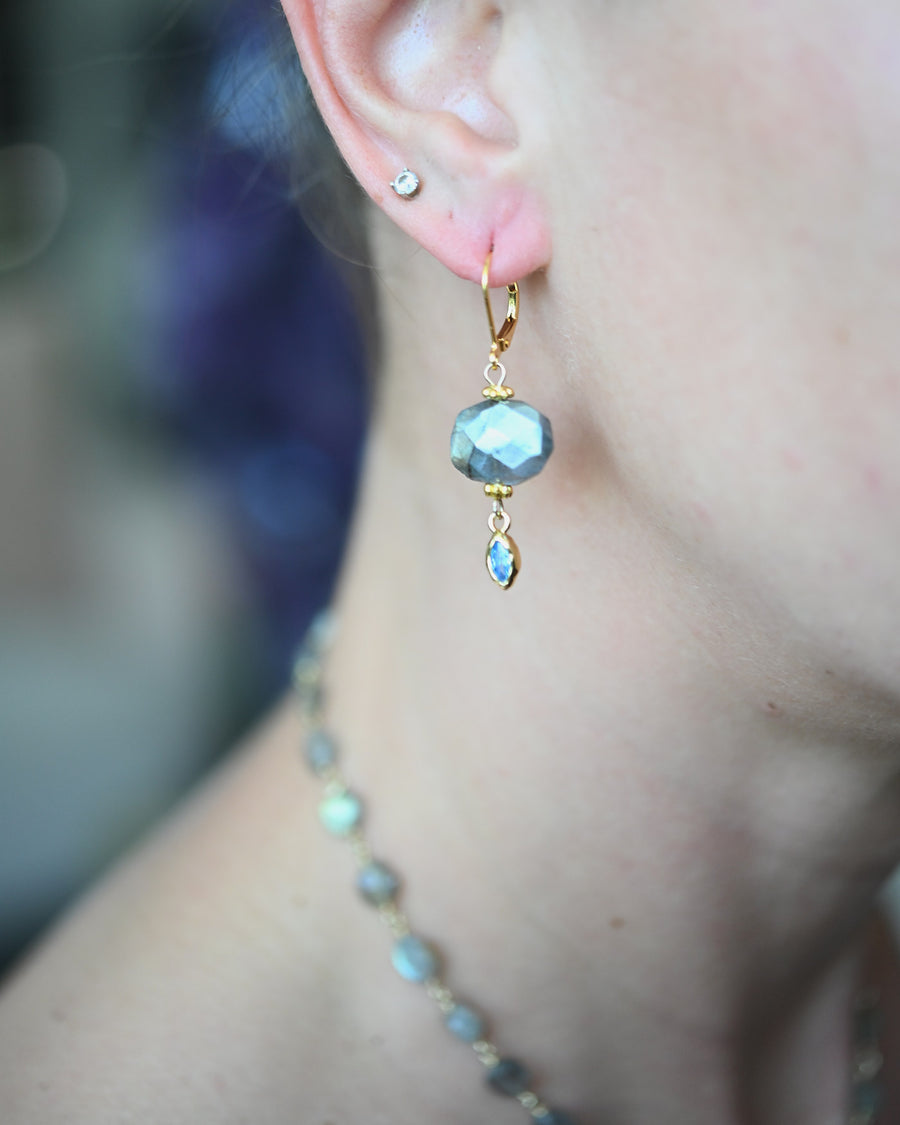


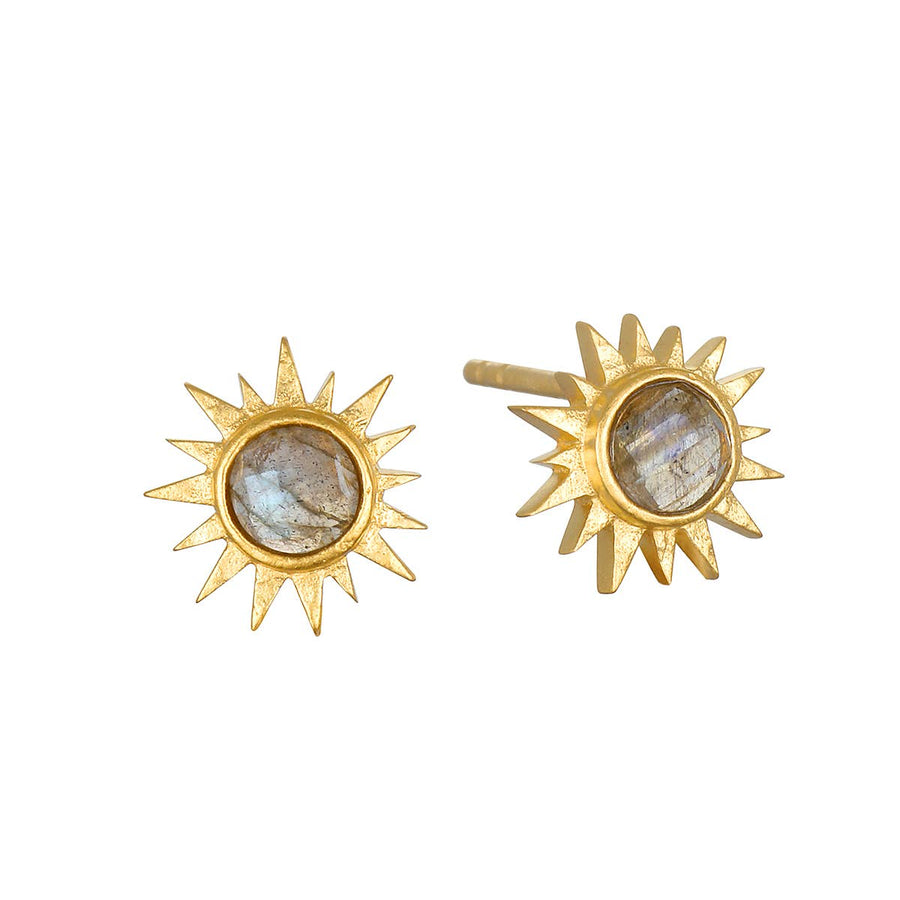

Hand-selected, mostly direct from mines and trusted suppliers I have worked with for years.
I turn every piece in my hands before it makes the cut. Weak flash does not make it.
Everything is packed by hand here and goes out in 1 to 3 business days.
Labradorescence is caused by light diffracting between microscopic layers of different feldspar compositions that formed as the mineral cooled. The spacing between these layers determines which wavelengths of light are reflected — thinner layers produce blue, while thicker layers produce reds and oranges.
Position labradorite where it catches directional light — near a window or under a lamp. The flash effect is angle-dependent, so experiment with placement until you find the sweet spot. Rotating the piece even slightly can reveal entirely different color flashes.
The finest labradorite comes from Labrador in Canada (where it was discovered in 1770), Madagascar (which produces much of today's market supply), and Finland (where a particularly vivid variety called spectrolite is found). Each locality has its own characteristic flash colors and crystal quality.
Labradorite sits at Mohs 6 to 6.5 with two cleavage planes. It works well in earrings, pendants, and bracelets for everyday wear. For rings, choose a protective setting and remove before heavy physical work. It is harder than moonstone and softer than quartz.
Spectrolite is a trade name for high-quality labradorite from Finland that displays a full spectrum of colors — not just blue and gold, but also red, orange, green, and purple. It was discovered in the 1940s and commands a premium among collectors for its unusually vivid and complete color range.
Labradorite is a versatile and mystical crystal known for its ability to enhance intuition, stimulate creativity, and provide protection against negative energies. Many people use it for personal growth, spiritual development, and gaining insight into the unseen realms.
Labradorite is primarily found in countries like Canada, Madagascar, and Finland. These regions are known for producing exquisite specimens of this mesmerizing gemstone, highly sought after for its iridescent play of colors and metaphysical properties.
Labradorite is generally safe for brief contact with water, such as using it in cleansing rituals. However, it's advisable to avoid prolonged submersion to preserve its lustrous sheen and metaphysical properties over time.
To cleanse your Labradorite crystal, you can use methods like smudging with sage, placing it under moonlight, or using a gentle stream of cool water. These practices help clear away negative energies and revitalize the stone's captivating iridescence, allowing you to fully benefit from its mystical properties.
It's a unique feldspar mineral known for its iridescent play of colors and metaphysical attributes, making it a popular choice among crystal enthusiasts and spiritual practitioners.
Labradorite is a feldspar mineral famous for its iridescent play of color known as labradorescence. This optical phenomenon occurs when light enters the stone and reflects between thin layers of different compositions within the crystal, producing flashes of blue, gold, green, and sometimes orange or purple. The finest specimens come from Labrador (Canada), Madagascar, and Finland.
Labradorescence is caused by light diffracting between microscopic layers of different feldspar compositions that formed as the mineral cooled. The spacing between these layers determines which wavelengths of light are reflected — thinner layers produce blue, while thicker layers produce reds and oranges.
Position labradorite where it catches directional light — near a window or under a lamp. The flash effect is angle-dependent, so experiment with placement. Labradorite pairs beautifully with amethyst and black obsidian. Browse our moonstone collection for another feldspar with optical effects, or see crystal jewelry for labradorite pendants and rings. Free shipping on orders $150+.
Styling notes

Moonstone
The two flash stones. Blue fire in grey, blue fire in white.
Shop the pairing →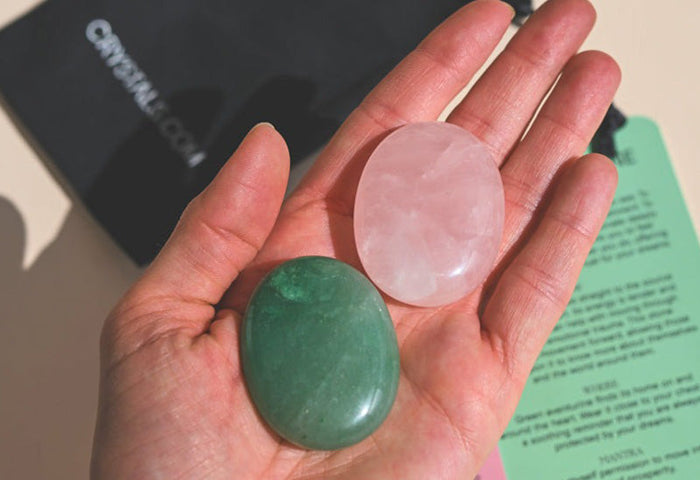
PALM STONE CRYSTALS
Labradorite is the stone people want in a hand, because the flash needs tilting.
Shop the pairing →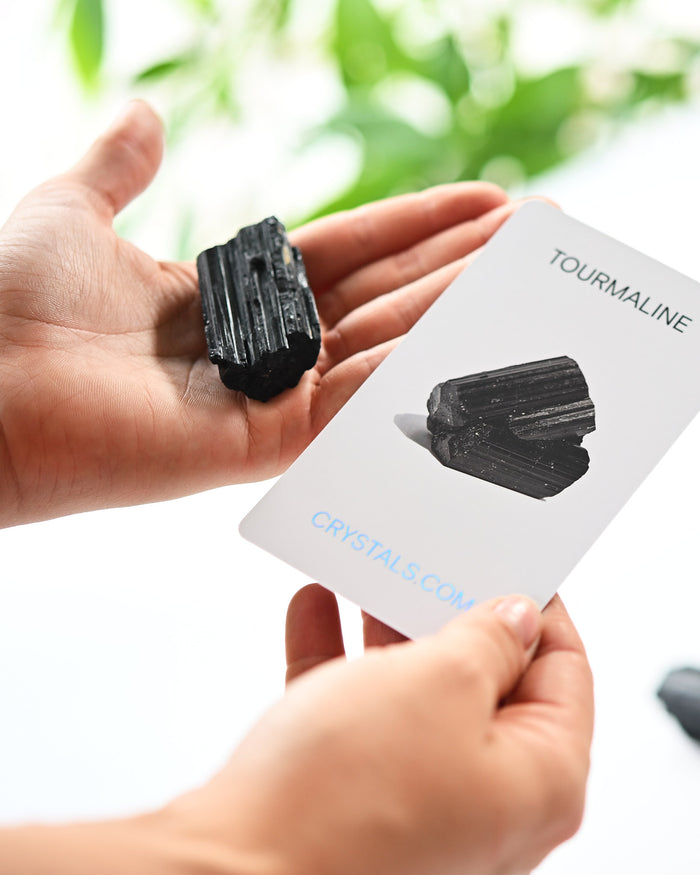
Black Tourmaline
Dark grey against true black. Labradorite only looks grey next to something blacker.
Shop the pairing → MoonstoneThe two flash stones. Blue fire in grey, blue fire in white.Shop the pairing →
Can't choose?
Tell it what you need. It picks one piece for you, in stock right now.
Sorry, looks like we don't have enough of this product.

Buy It With
$10.00 USD

