

Amethyst Cluster
From $15Choose options
Radiant energy, natural art
One of a kind formations for intentional interiors, grounding, and vibrant collective energy. The crystal exactly as it grew.

146 pieces
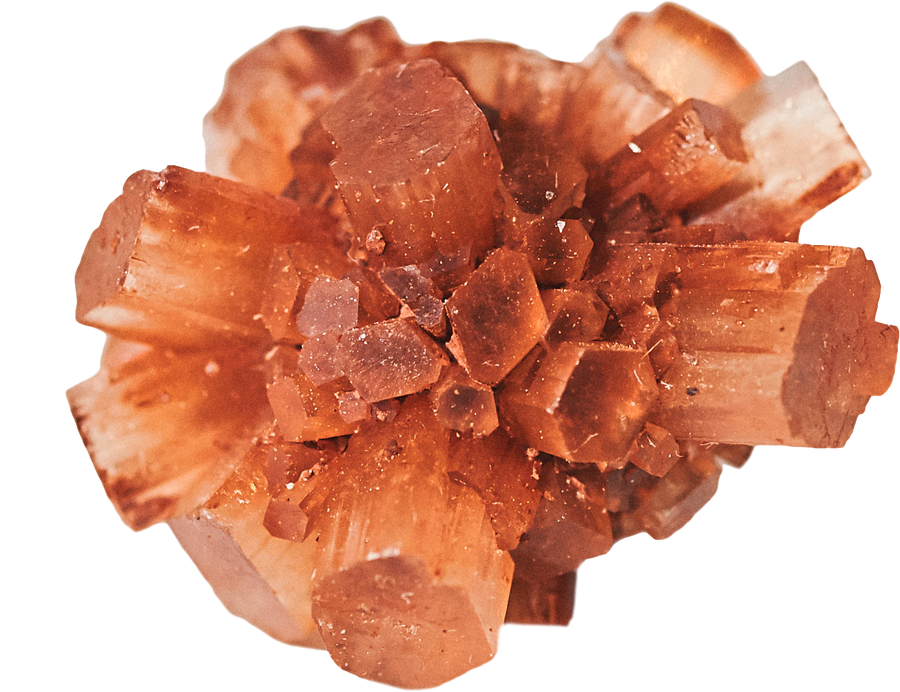


 Sold
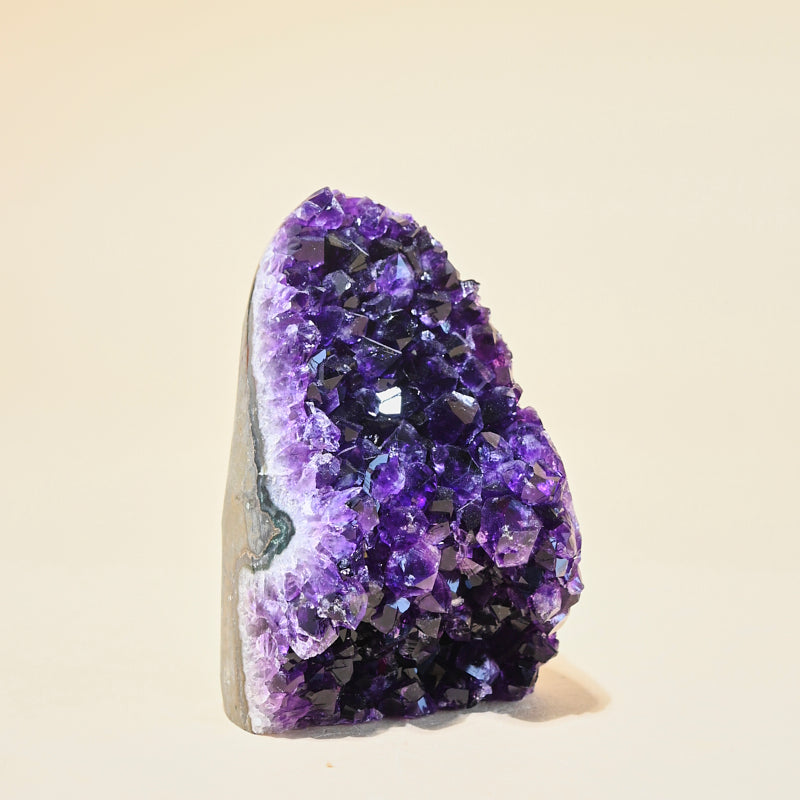
 Sold
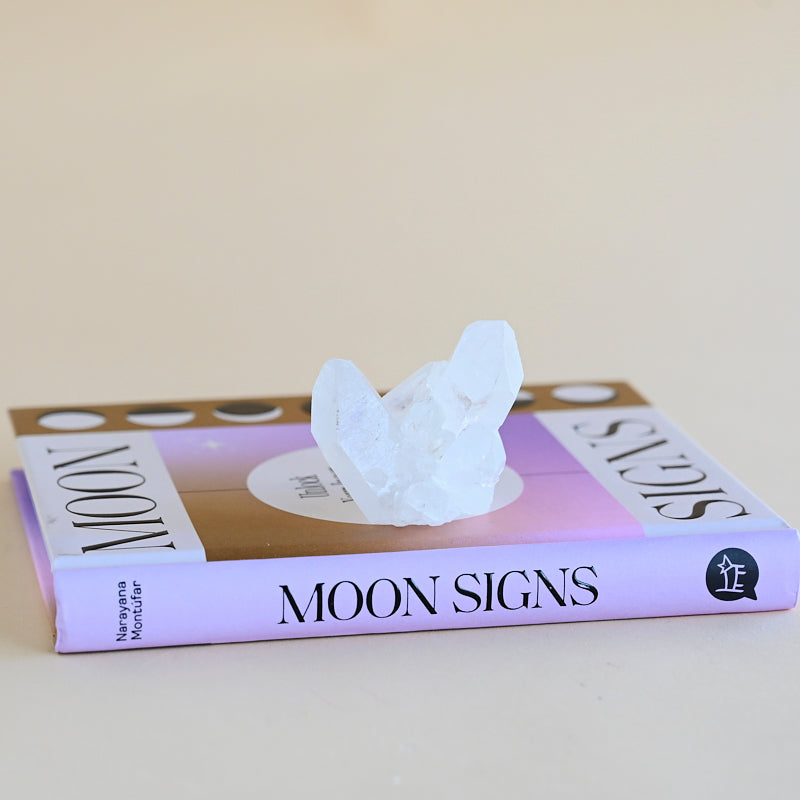


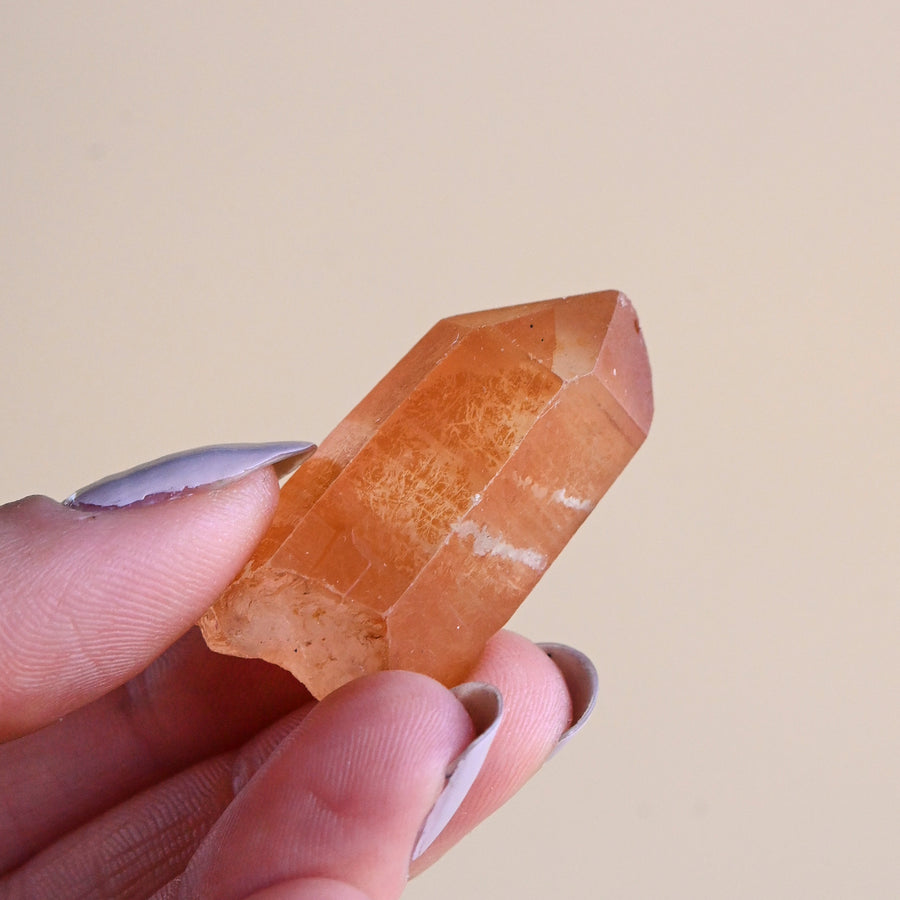


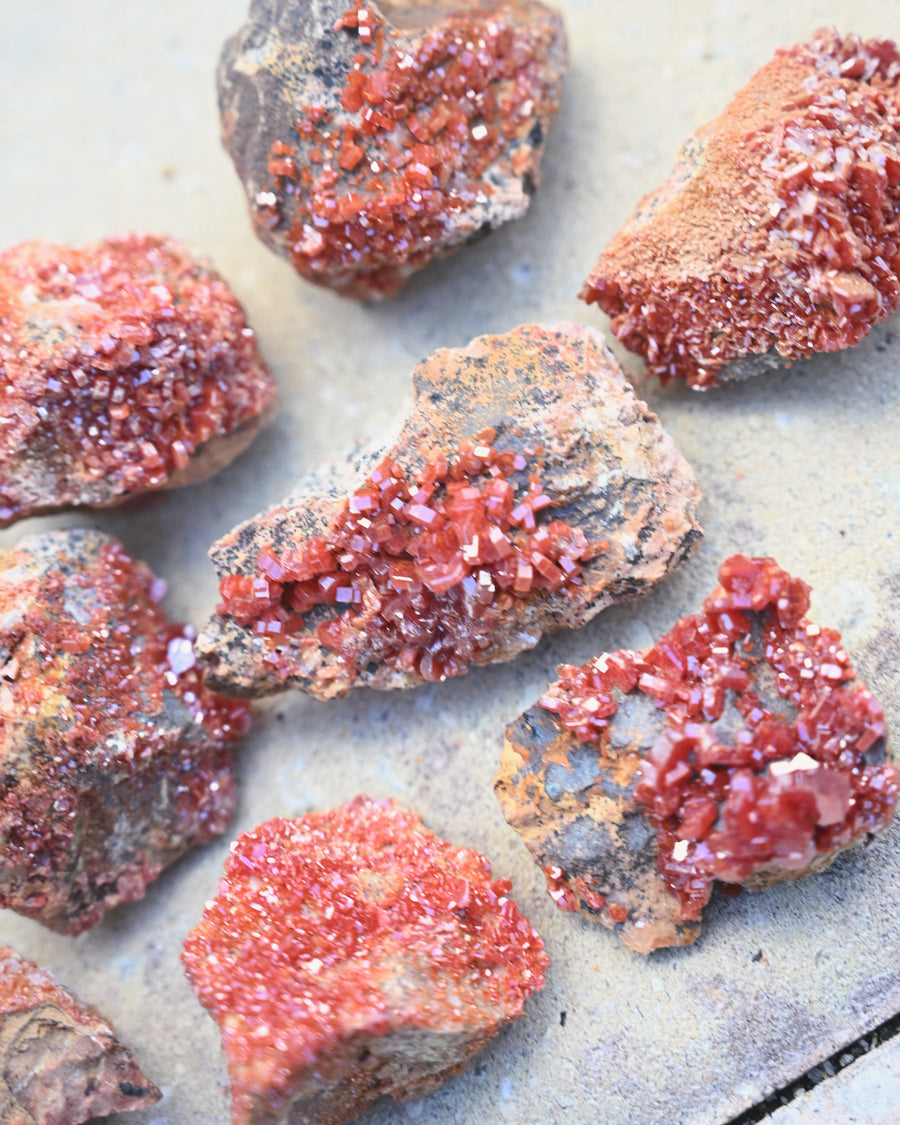

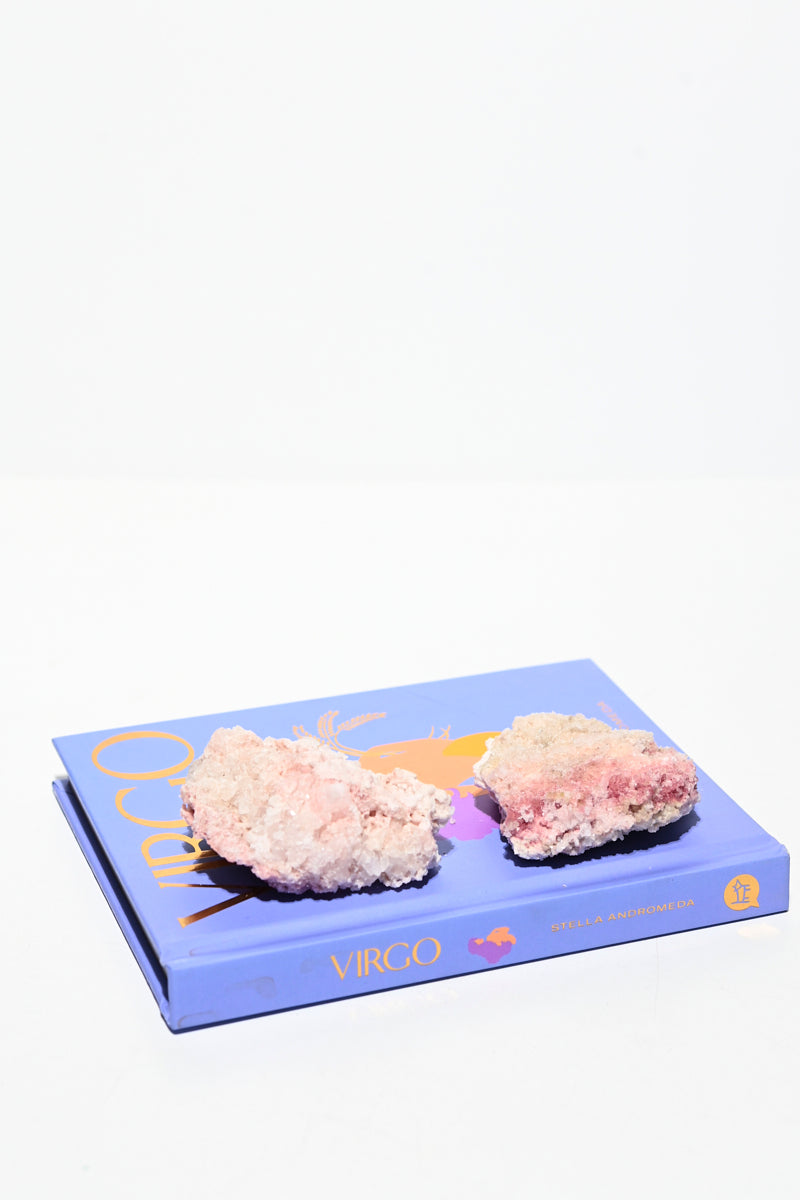


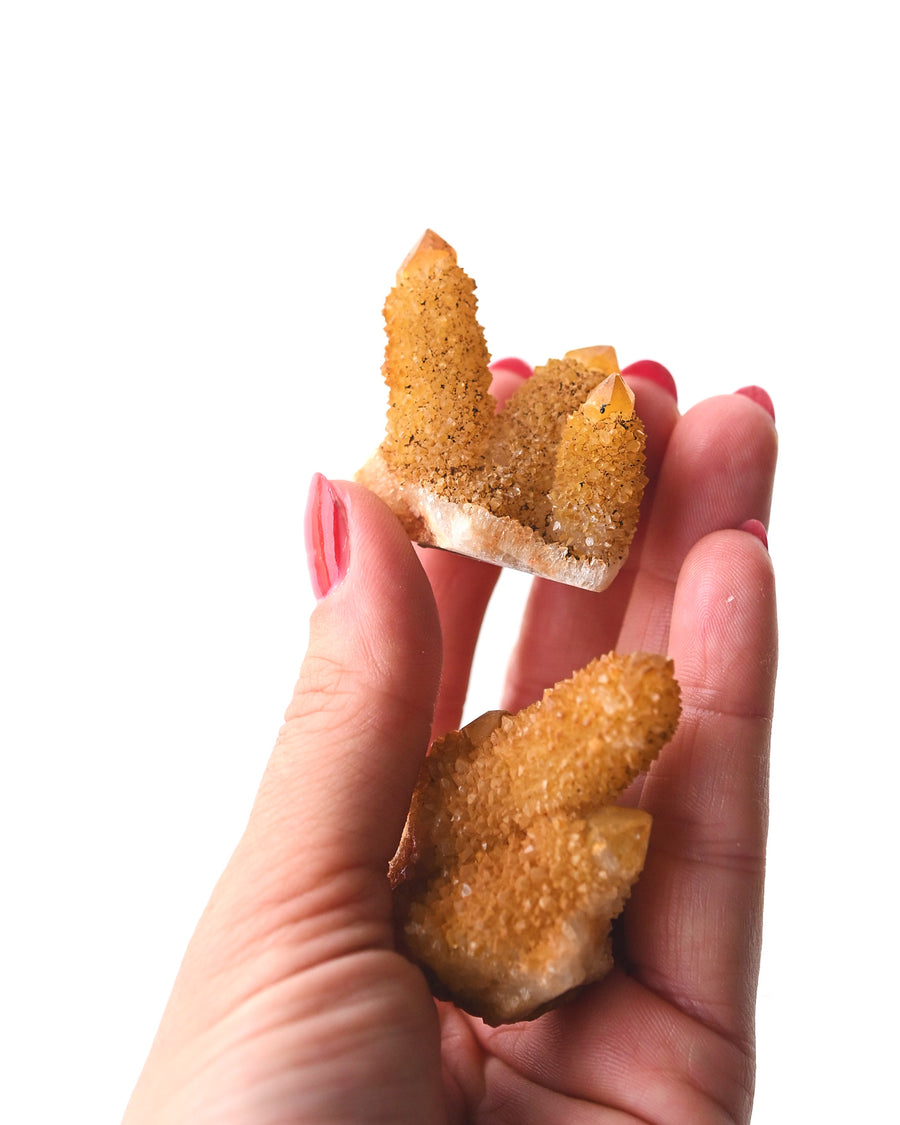


 Sold
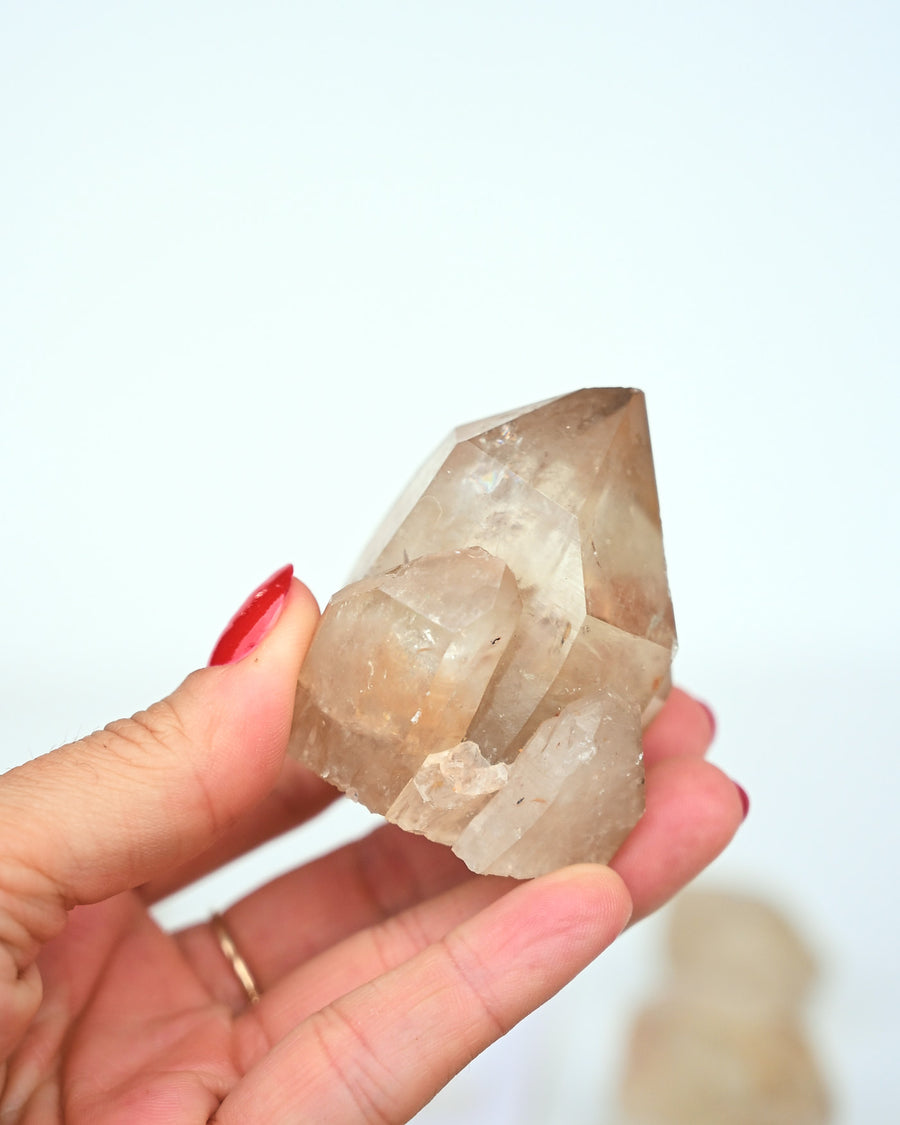


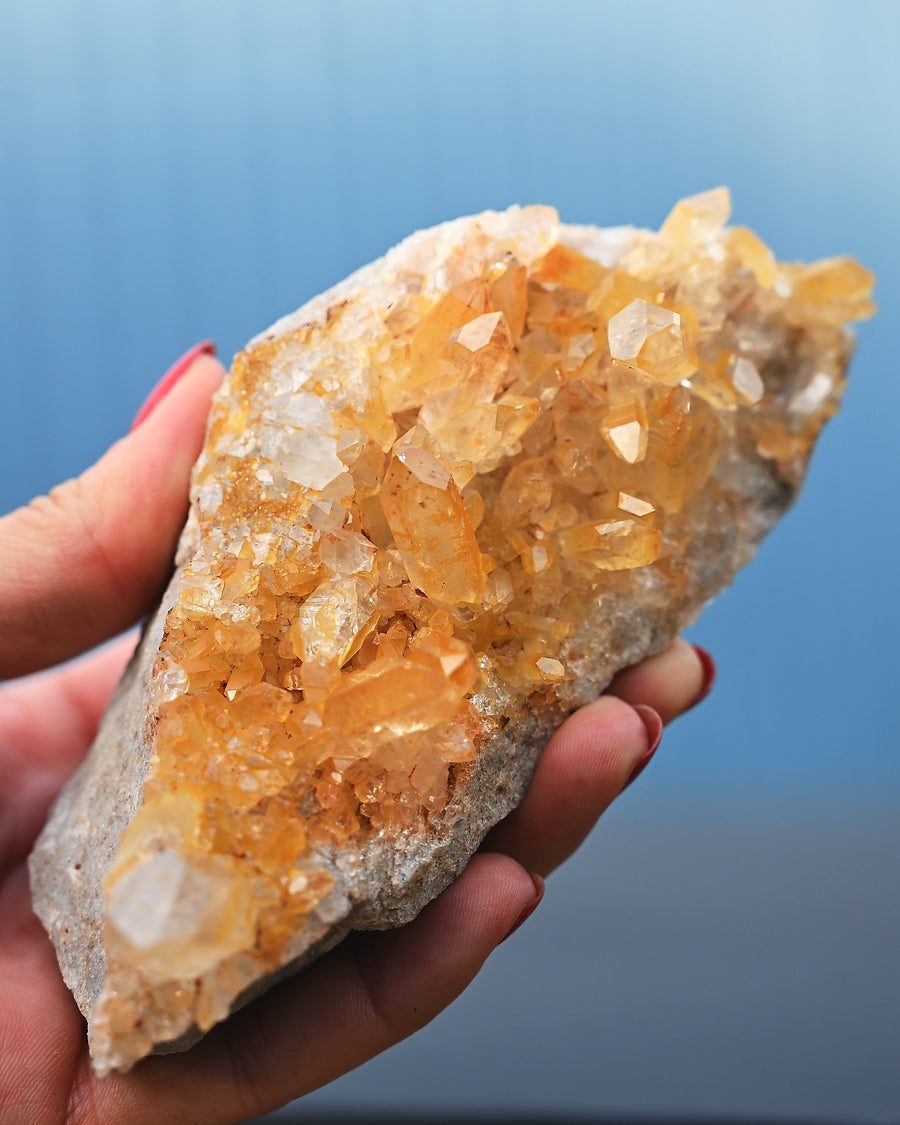
A cluster is the crystal as it grew, many points on one base. A tower is cut and polished from a larger piece. One is found, the other is made.
Clusters radiate in every direction, so they earn a central spot: a coffee table, a shelf you pass, the middle of a room rather than a corner.
Small clusters sit on a desk. Large ones are the piece a room is arranged around, and they want space on every side.
A crystal cluster is a group of crystals that grew together on a shared matrix. Common types include amethyst clusters, quartz clusters, and calcite clusters.
Crystal clusters can be displayed on shelves, mantels, or side tables. Larger specimens make stunning centerpieces. Use a stable, flat surface and avoid direct sunlight for colored stones.
Gently dust with a soft brush. For deeper cleaning, rinse briefly under lukewarm water (if the mineral is water-safe) and air dry. Avoid soaking clusters as water can damage the matrix.
Amethyst clusters are the most popular and widely collected. Clear quartz clusters and citrine clusters are also highly sought after by collectors.
Crystal clusters are powerful for amplifying energy, cleansing spaces, and promoting harmony. Their multiple points radiate energy in all directions, making them ideal for group meditation, manifestation, and home decor.
Popular crystal clusters include amethyst, clear quartz, citrine, lemurian quartz, pyrite, and calcite. Each has unique properties, but all clusters are celebrated for their natural formations and energy amplification.
Place your cluster in a central location to radiate energy throughout your home, on your desk to promote clarity and creativity, or in a meditation space to deepen your practice. Clusters are also used to charge other crystals.
A cluster is the crystal as it grew, many points on a shared base, untouched apart from being cleaned. A tower is cut and polished from a larger specimen into a single point. A cluster is the raw form, a tower is the worked one.
Crystal clusters form when multiple terminations grow from a shared matrix, creating some of the most visually striking specimens in the mineral world. The texture, dimension, and light play of a cluster is impossible to replicate — each one is a geological fingerprint shaped by millions of years of slow crystallization underground.

A Brazilian amethyst cluster — dozens of natural terminations sharing one matrix — shop this piece
This collection spans amethyst clusters from southern Brazil and Uruguay, clear quartz clusters from Madagascar and Arkansas, golden citrine formations, and rare species like apophyllite and stilbite from the Deccan Traps of India. From tabletop accents to large-format statement pieces weighing 50+ pounds, there is a cluster for every space and collection level.
Interior designers consistently choose clusters for their sculptural quality and natural drama. Browse our Curated Over $100 collection for museum-grade specimens, or explore agate and Lemurian quartz for different forms of natural artistry. Free shipping on all orders over $150.
A cluster is a group of individual crystals that grew together from the same base rock, or matrix. Instead of a single point or polished form, you get many natural terminations sharing one foundation — the way the crystals actually formed underground. Because growth is never identical twice, every cluster is one of a kind.
It depends on the species. Quartz-family clusters (amethyst, clear quartz, citrine) are hard and can be rinsed in lukewarm water and dusted with a soft brush. Softer or water-sensitive species like apophyllite, stilbite, and selenite should only be dusted dry — no water, no soaps. When in doubt, a soft dry brush or gentle compressed air is safe for everything.
Yes, over time. Amethyst's purple comes from irradiated iron centers in the quartz, and prolonged direct sun exposure can gradually lighten the color. Display amethyst clusters out of strong direct sunlight to preserve their saturation for the long term.
Look at termination quality (intact, well-formed points rather than chipped ones), color saturation and zoning, the proportion of crystal to matrix, and how the piece presents from its natural display angle. Every cluster in this collection is individually photographed, so what you see is the exact specimen you receive.
Know your crystal
Every point on a cluster grew from the same mineral-rich solution at the same time, which is why they share an angle. Nothing about the shape was decided by a person.
Styling notes
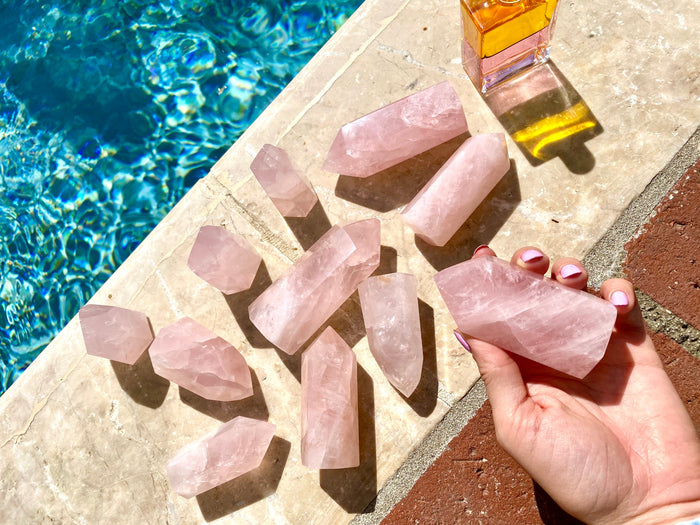
Crystal Towers
The raw form beside the cut one. Nothing shows off a cluster like a polished point next to it.
Shop the pairing →
Crystal Spheres
Many points against one smooth curve. The contrast does the styling for you.
Shop the pairing →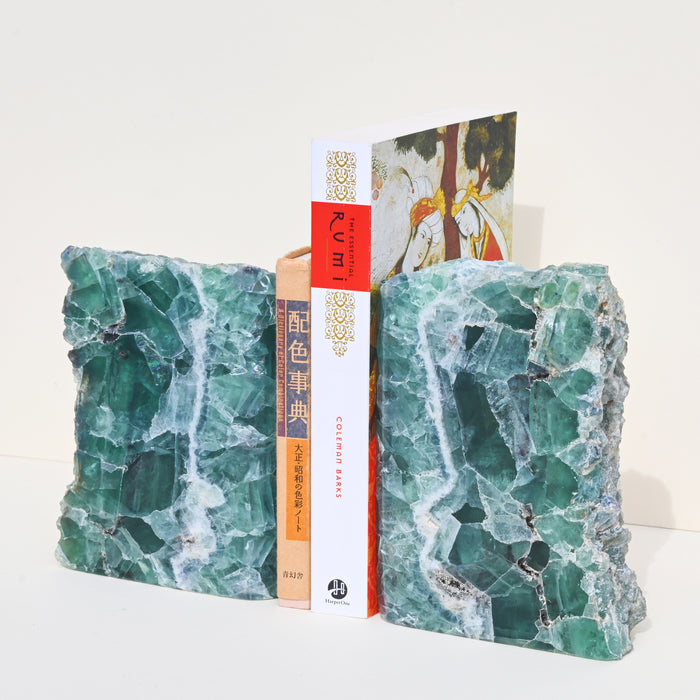
Home Decor Crystals
Clusters are the pieces people build a shelf around.
Shop the pairing →A beautiful piece..the photo's did not do it justice. The delivery was timely and arrived in perfect condition. Thank you..this specimen is a must for any collector.
Crystals Individually wrapped
Shipped with care, excellent packaging. Great products
Very nice, one of a kind sphere. The piece matched the quality in the photos. Packaging was above average, with no damage during shipping. Tracking was easy. Everything was a positive experience.
Was expecting a bright shade of yellow, but the amber shade is just as beautiful.
Loved how it glimmers
Loved the packaging
Each Crystal came out beautifully
Will definitely find myself a frequent customer ☺️
Perfect. I love my crystals!
Beautiful! Exactly what I was hoping for/expecting!
Delivered when promised. Packaged very nicely!
Beautiful! The purple is so vibrant!
Stunning! Exceeded my expectations and arrived so quickly 💜
Web site is working like a dream, beautifully.
Amazing smoky quartz that you dug up yourself in Tennessee. It shines in my entryway & it is so special. Thank you, it is one of my most important treasures. By the way, your web site works beautifully!
Very beautiful!
 Crystal TowersThe raw form beside the cut one. Nothing shows off a cluster like a polished point next to it.Shop the pairing →
Can't choose?
Tell it what you need. It picks one piece for you, in stock right now.
Sorry, looks like we don't have enough of this product.

Buy It With
$10.00 USD


