Crystals for Intuition
Crystals associated with intuition have been prized across cultures for centuries — from ancient Greek oracles who kept amethyst close during divination to Vedic traditions linking certain stones to heightened awareness. This collection brings together minerals that collectors historically connect with inner knowing, clarity, and perception.
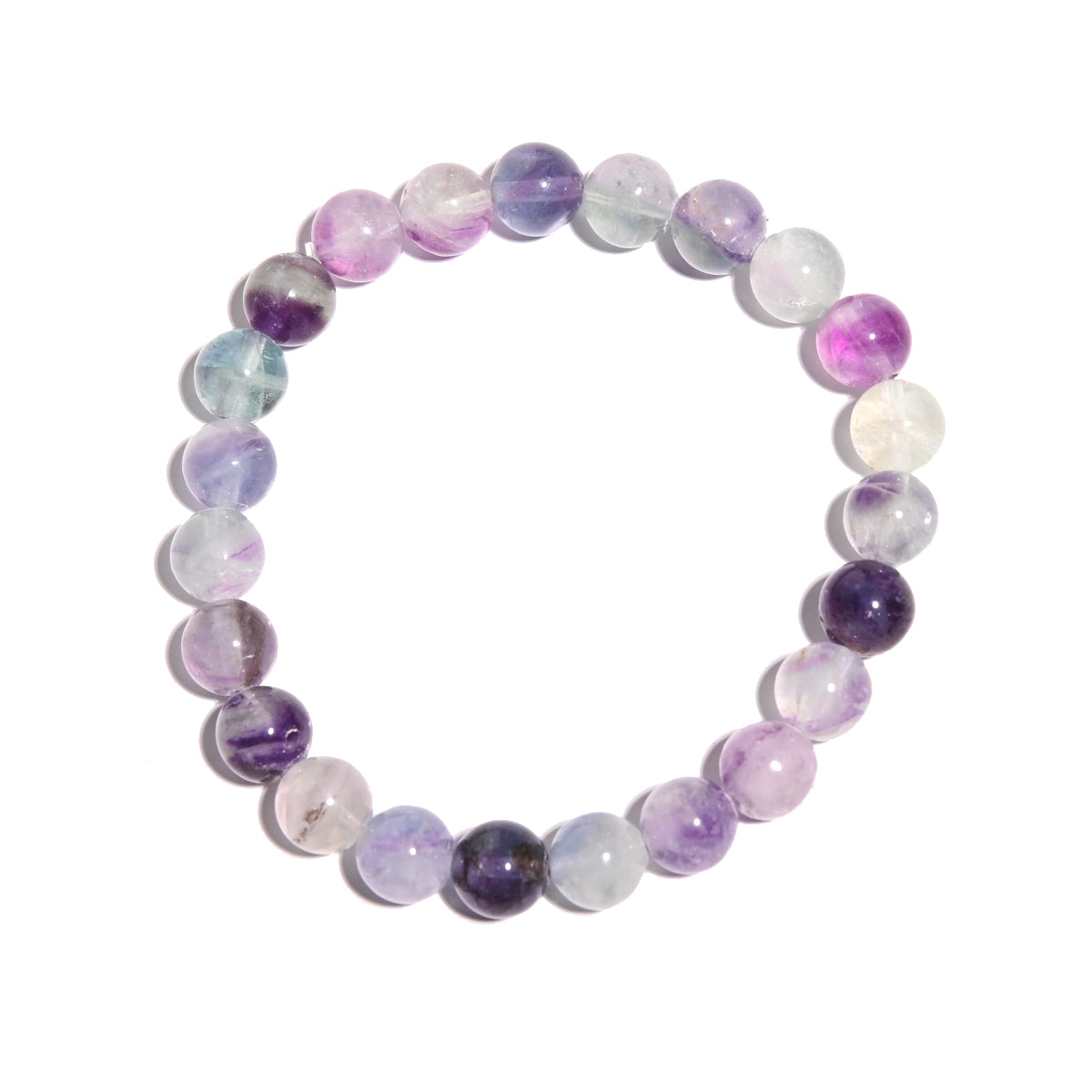
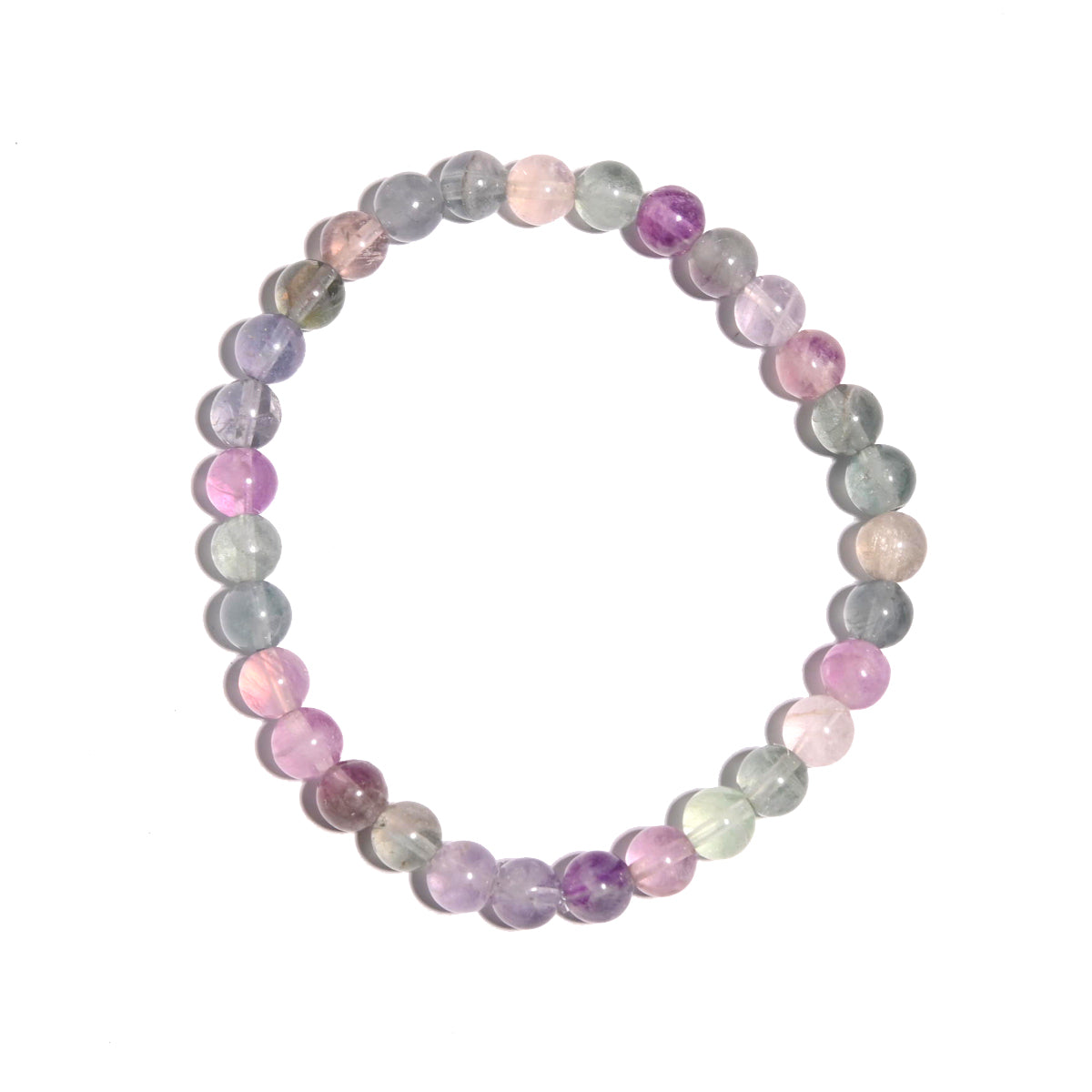
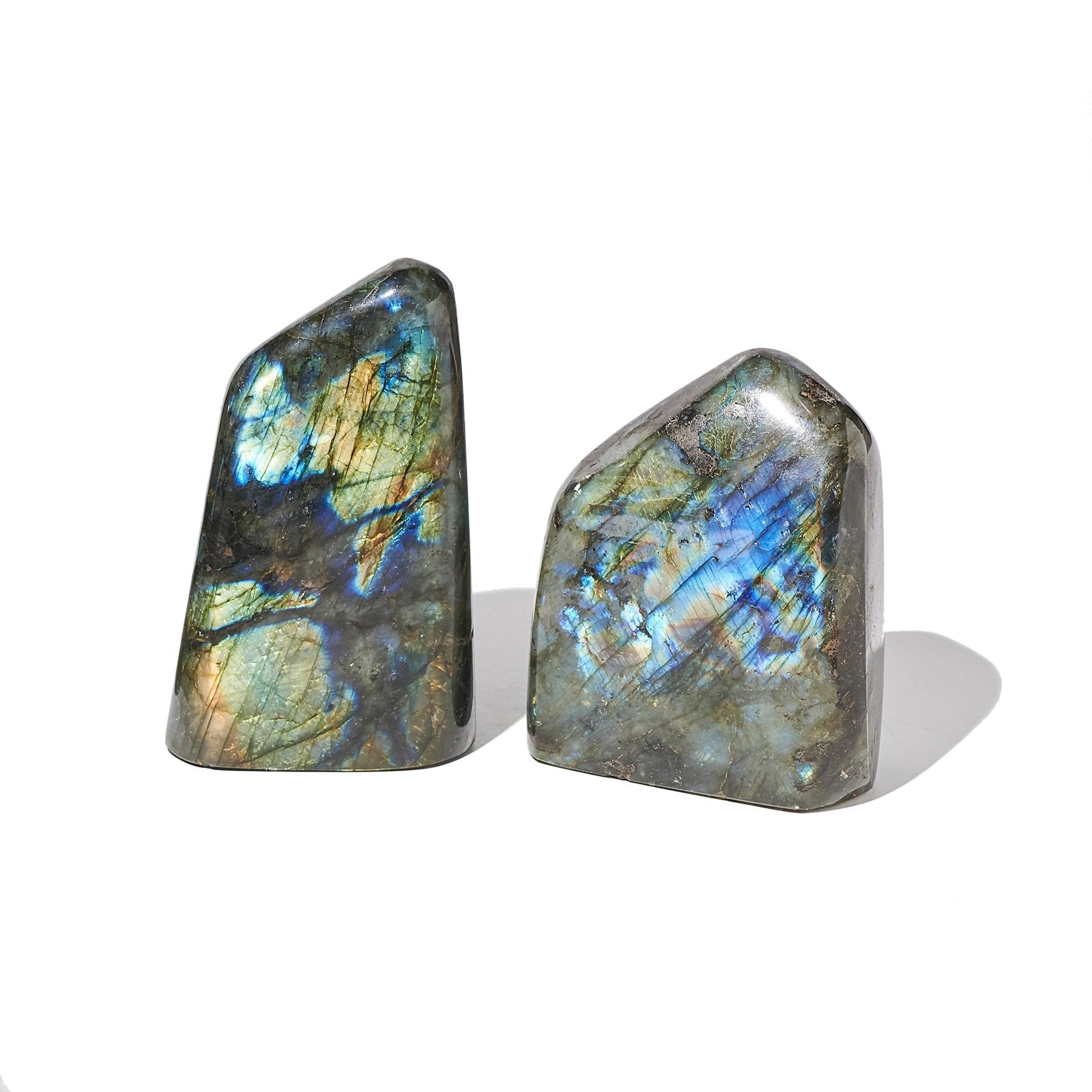
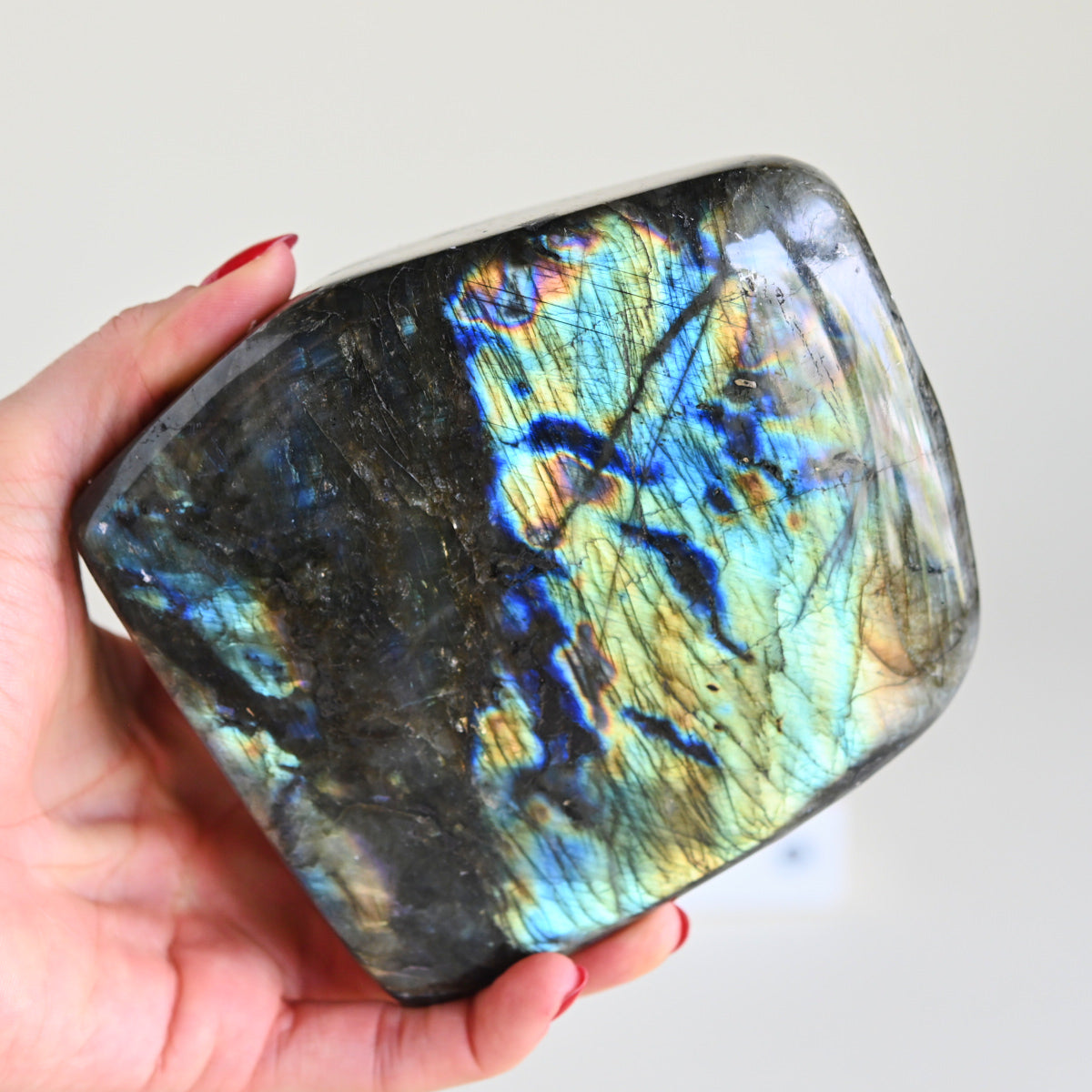
Browse standout specimens like amethyst, treasured since antiquity; labradorite, famous for its spectral flash caused by light refracting between internal layers; moonstone, an adularescent feldspar prized across South Asian and Art Nouveau traditions; fluorite, beloved for its cubic crystal habit and wide color range; and lapis lazuli, the ultramarine stone used in Renaissance pigments and Mesopotamian royal jewelry.
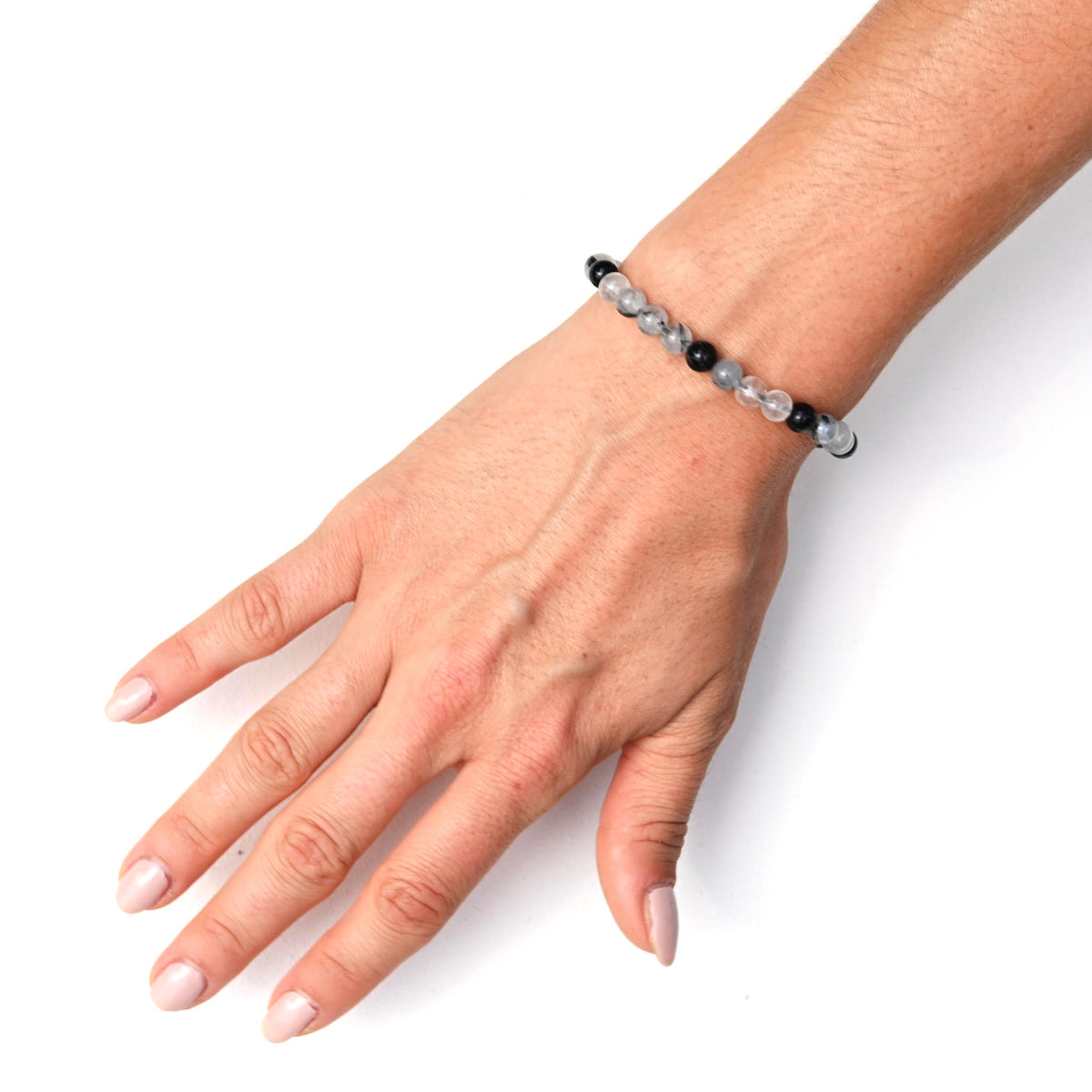
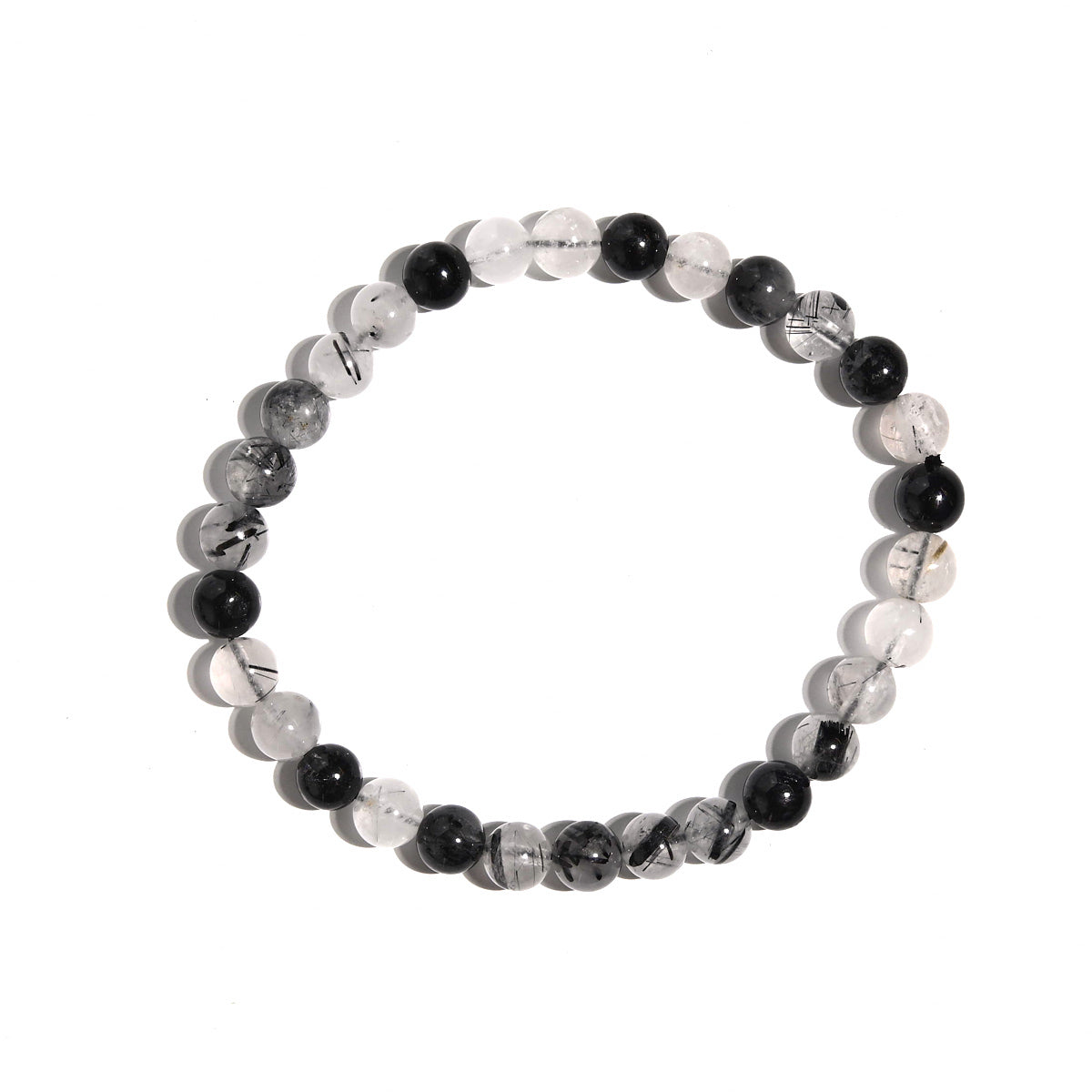
Many collectors choose these stones for meditation spaces, personal displays, or simply because they are drawn to the deep violets, electric blues, and iridescent flashes that characterize this group. Browse towers, spheres, and bracelets or take our Crystal Quiz for a personalized recommendation. Free shipping on all U.S. orders over $150.
Frequently Asked Questions
What are the best crystals for intuition?
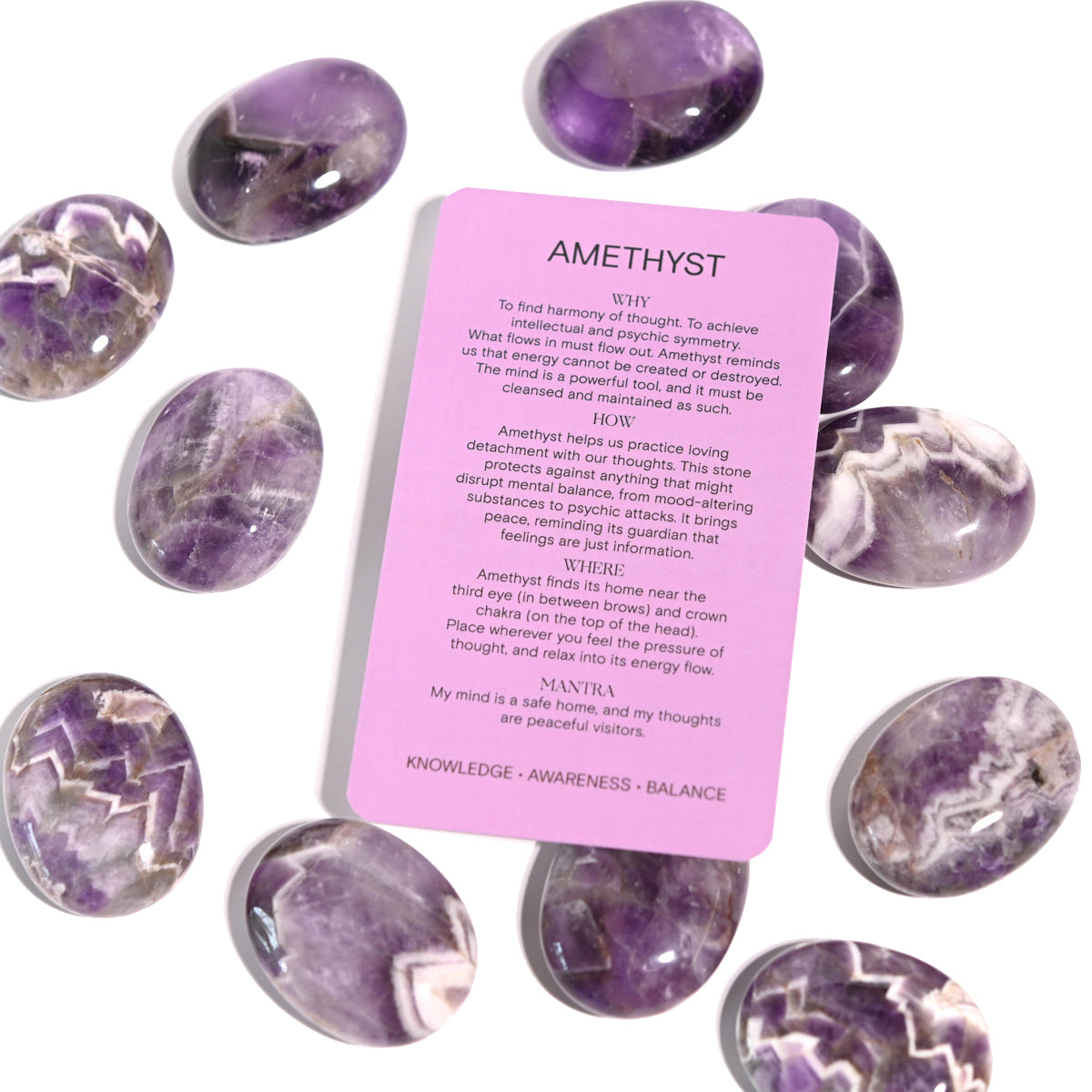
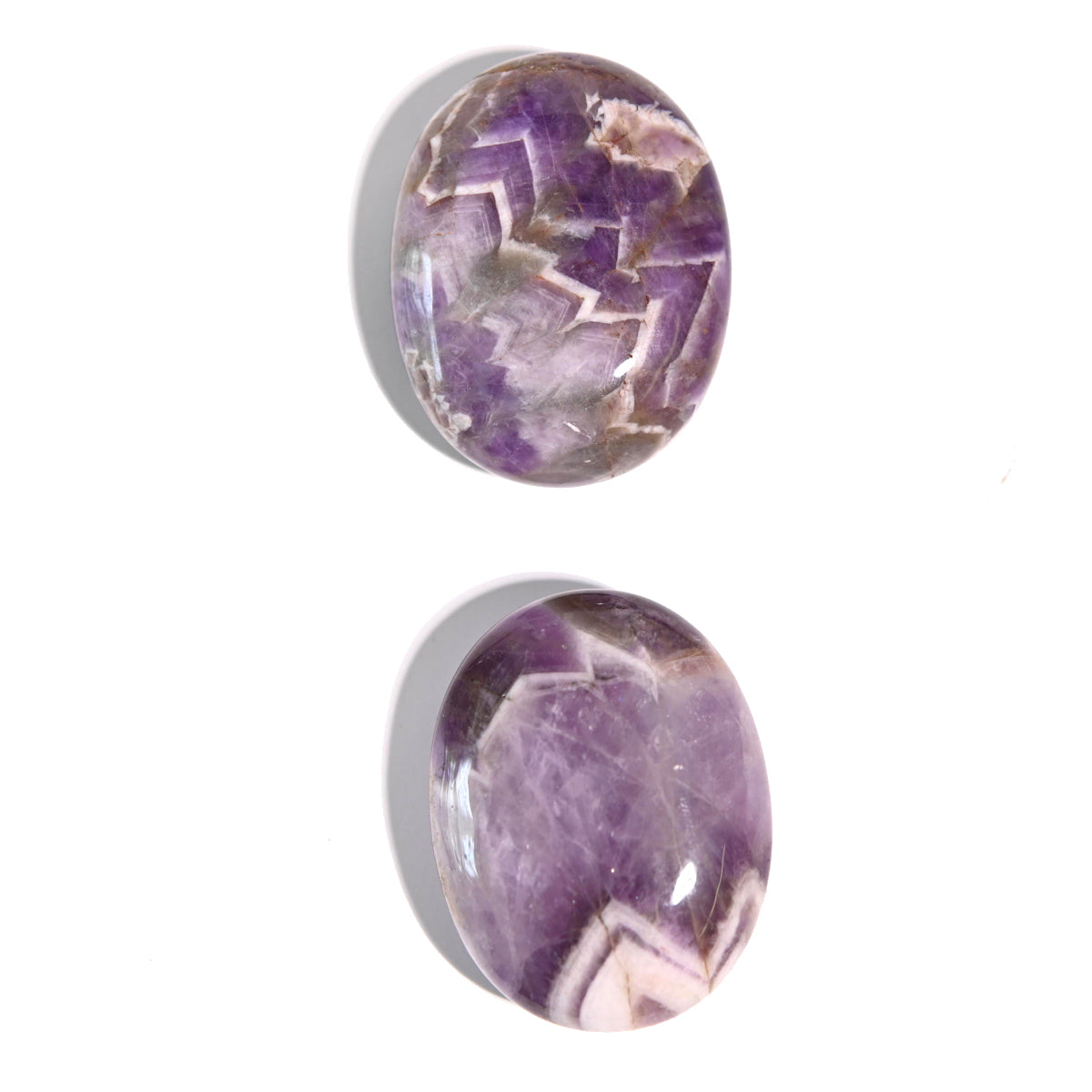
Amethyst, labradorite, moonstone, fluorite, and lapis lazuli are the most popular intuition-associated stones. Amethyst (Mohs 7) is the most versatile — available in every form from raw clusters to polished towers. Labradorite's optical phenomenon (labradorescence) makes it one of the most visually captivating stones in any collection.
What is labradorescence?
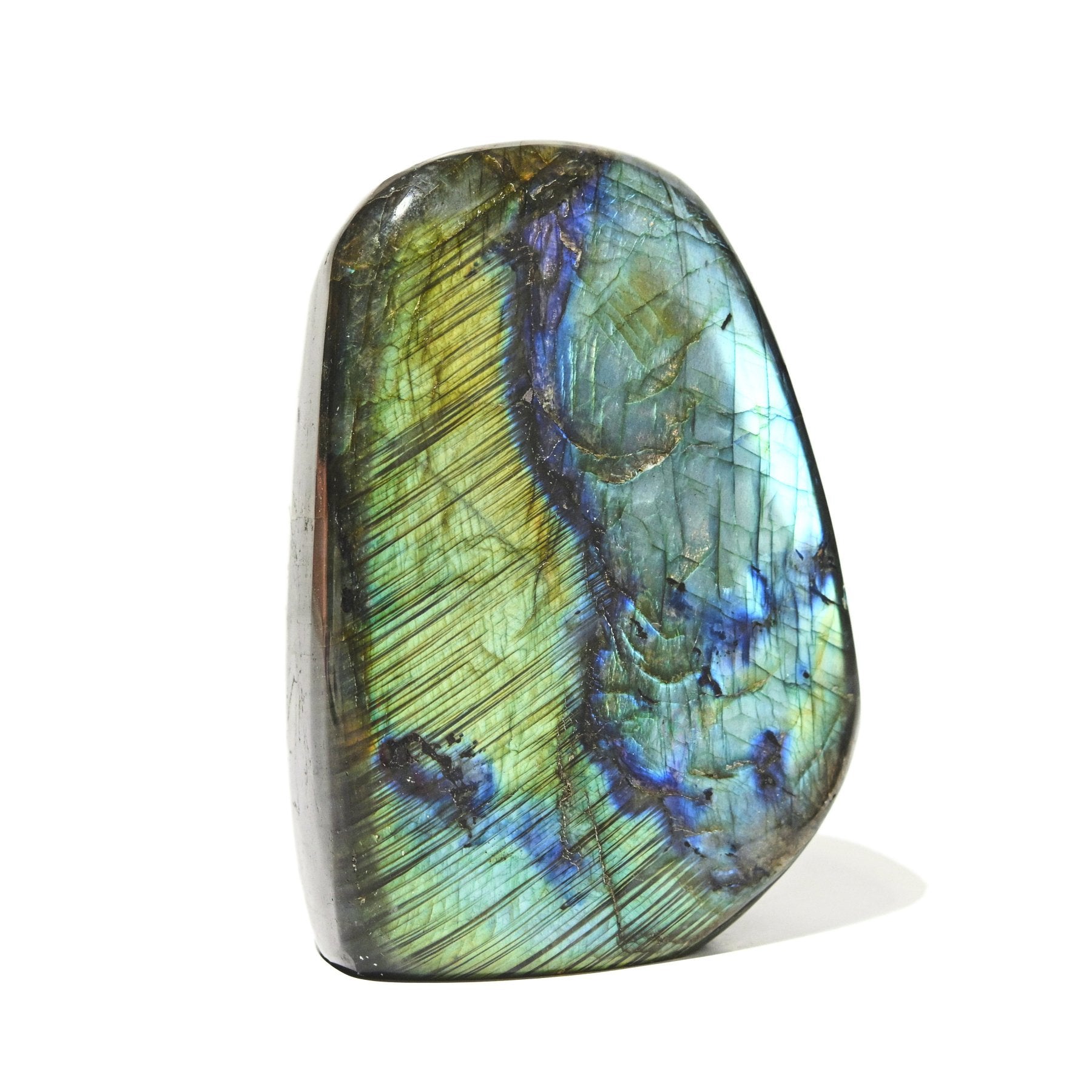
Labradorescence is an optical phenomenon unique to labradorite and related feldspars. Light enters the stone and refracts between internal layers (lamellae), producing spectral flashes of blue, green, gold, or orange depending on the viewing angle. It is caused by the same thin-film interference principle that creates color in soap bubbles.
Why is lapis lazuli associated with intuition and wisdom?
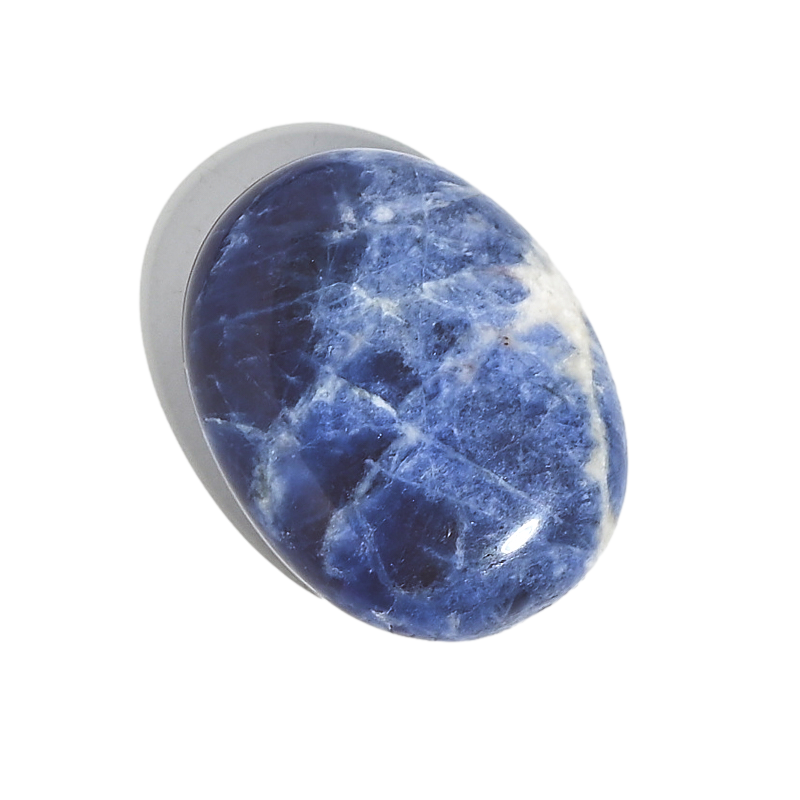
Lapis lazuli has been prized for over 6,000 years. It was the source of ultramarine pigment used by Renaissance painters and was ground into cosmetics by ancient Egyptians. The stone is a rock composed of lazurite (giving the blue), pyrite (golden flecks), and calcite (white veining). Its deep blue color and golden pyrite inclusions have been associated with night sky, wisdom, and royalty across civilizations.
How do I use intuition crystals in meditation?
Hold a smooth palm stone or tumbled specimen during seated meditation. Place a piece on your desk as a visual anchor for clarity. Many practitioners keep an amethyst cluster in their meditation space and a labradorite palm stone for daily carry. The stone serves as a tactile focal point during breathwork and stillness.
What is the difference between moonstone and labradorite?
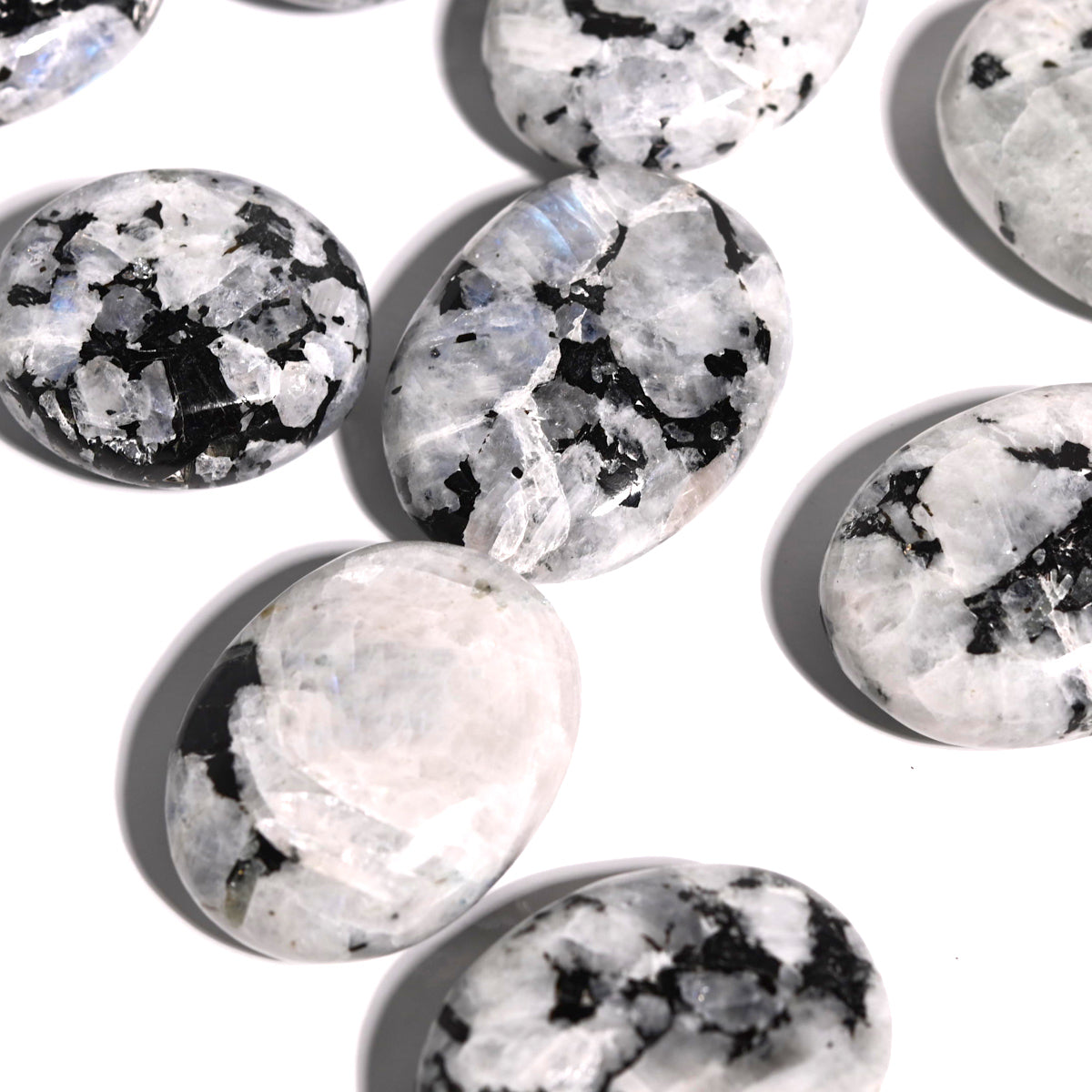
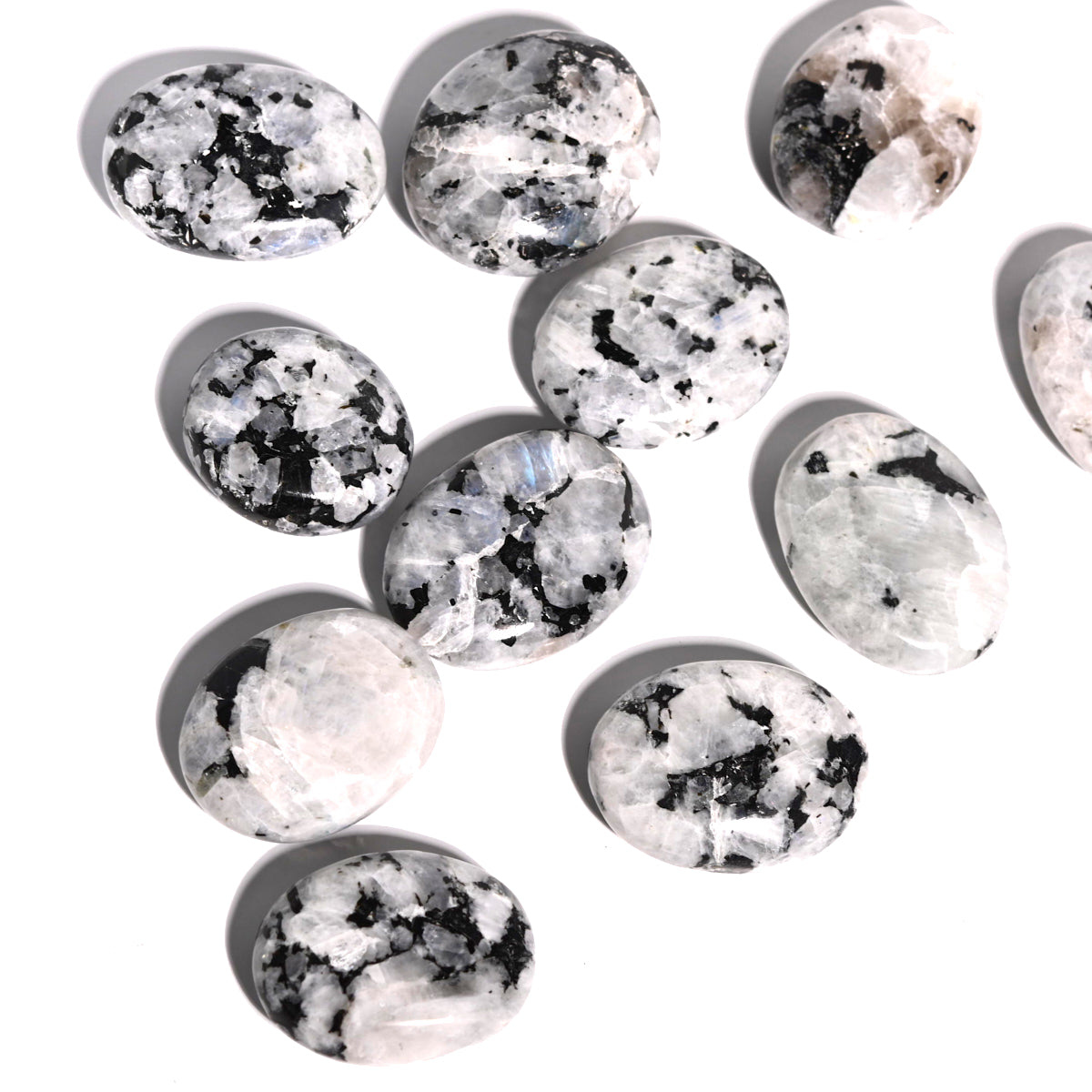
Both are feldspar minerals but with different optical effects. Moonstone displays adularescence — a soft, billowy glow that moves across the surface like moonlight on water. Labradorite displays labradorescence — vivid spectral flashes of blue, green, and gold. Moonstone is typically lighter (white, peach, gray) while labradorite has a dark gray to black base color.








Authenticity First
































Let customers speak for us
Very reputable online and they did not disappoint!
Absolutely stunning!

Absolutely stunning!

Absolutely stunning!

Absolutely stunning!

Absolutely stunning!

Absolutely stunning!

Absolutely stunning!

A very satisfied customer. Had to wait for it to be shipped, as it was included in a gem and mineral exhibit. Was worth the wait.

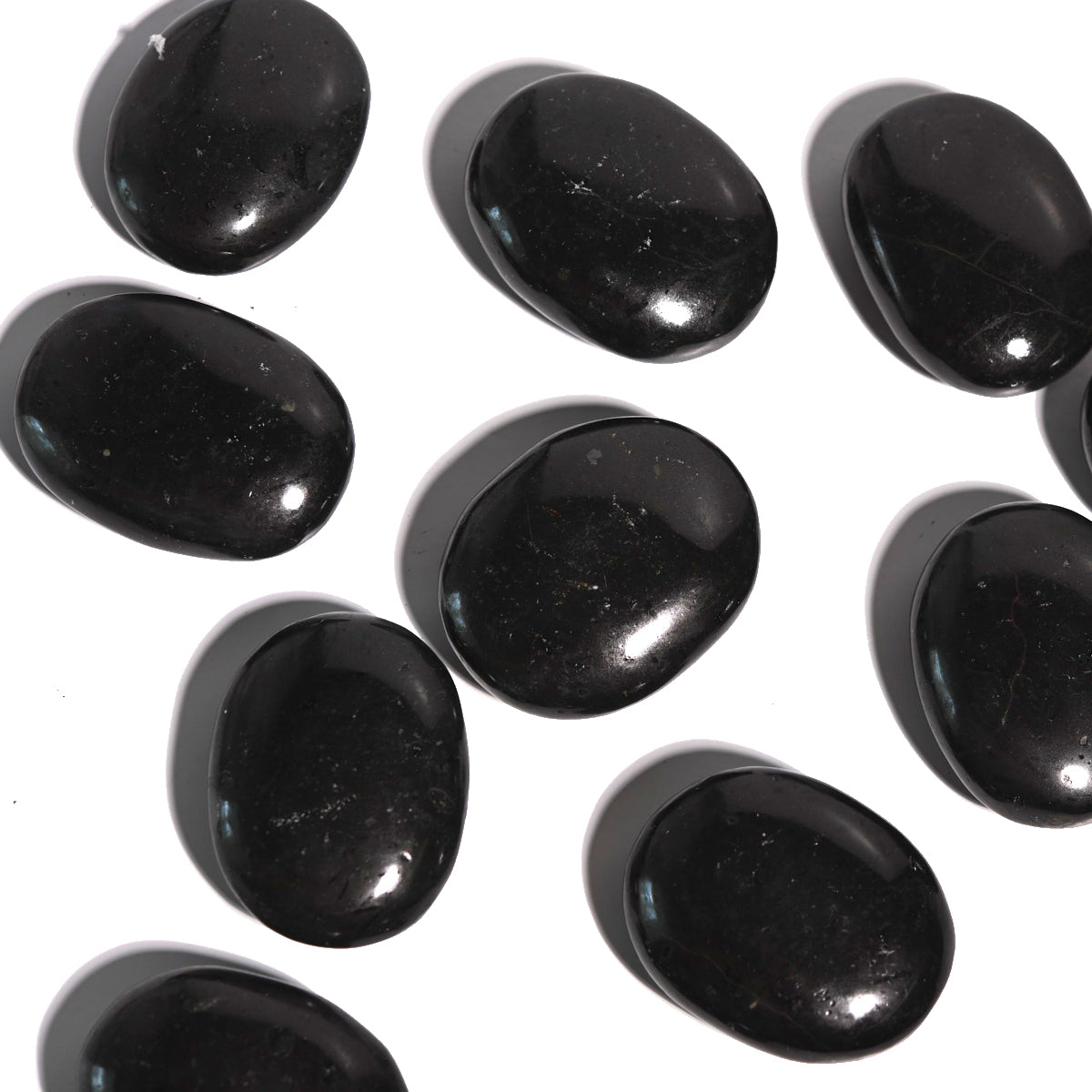
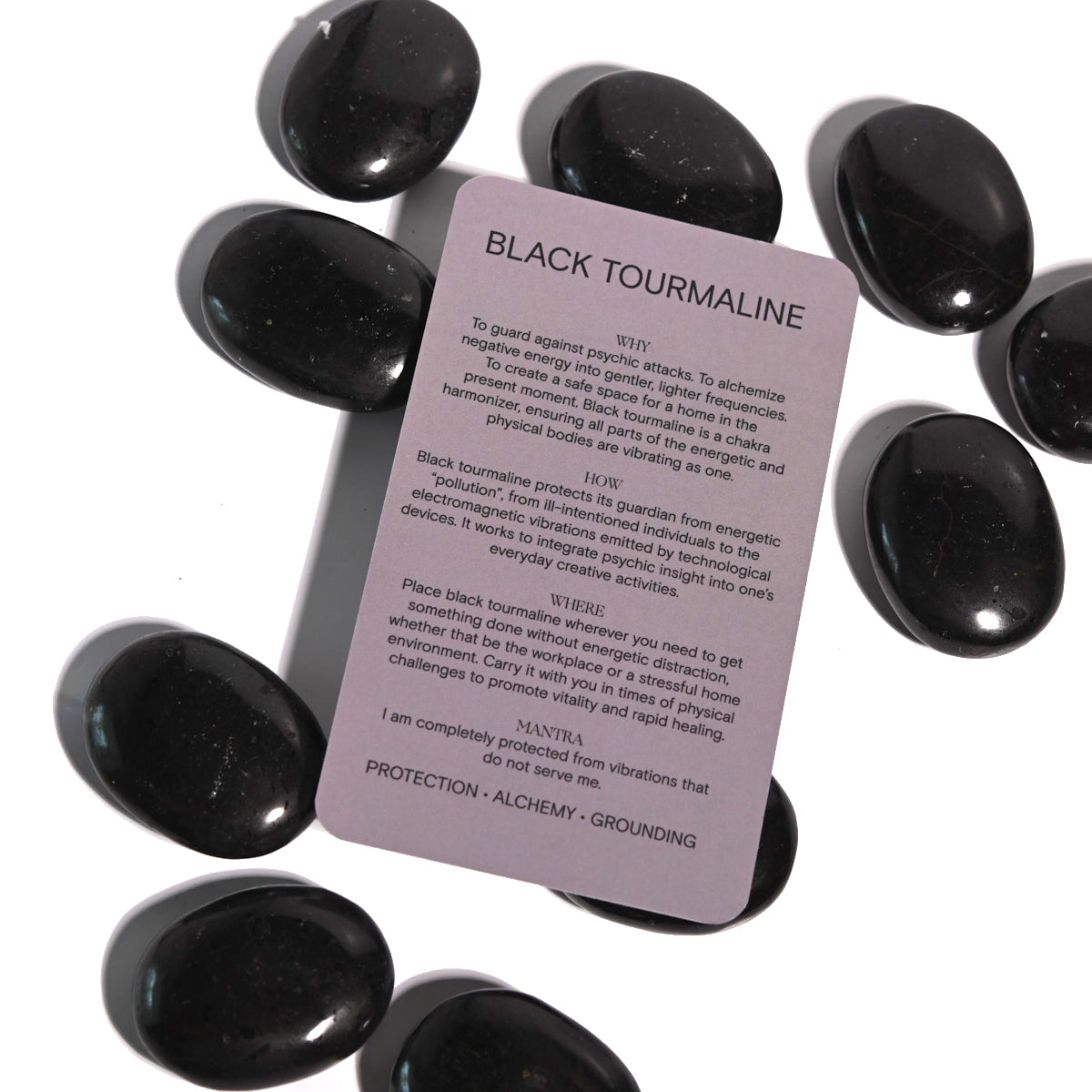
Purchased a dozen Tourmaline, loved them. And, each was beautifully wrapped and intentional. It even came with a sweet note. I would definitely buy again.

Very happy with my stone, better than I expected. Beautiful color and good weight. Definitely would buy again. This is my new go to store for stones
Love the bracelet! I’ve been looking for a new jade bracelet for a while now and this one is perfect.

The crystal is a bright deep shade of light green just like the picture. Could not be happier.

Perfect for travel

I gave this bracelet to my spouse as a gift. She has worn it 24/7 since the first day of its arrival. She says it is lovely, and she likes the meaning of the stones. She describes the energy of the stones feeling “a nice, peaceful empowerment.” I thank you for offering such wonderful stones! Both items I have bought have exceeded my expectations.

A Sanctuary of Natural Beauty
Every crystal here was discovered by hand, selected with intuition, and photographed in its true light.
One-of-a-Kind. Forever Pieces.
Let the Universe Decide


