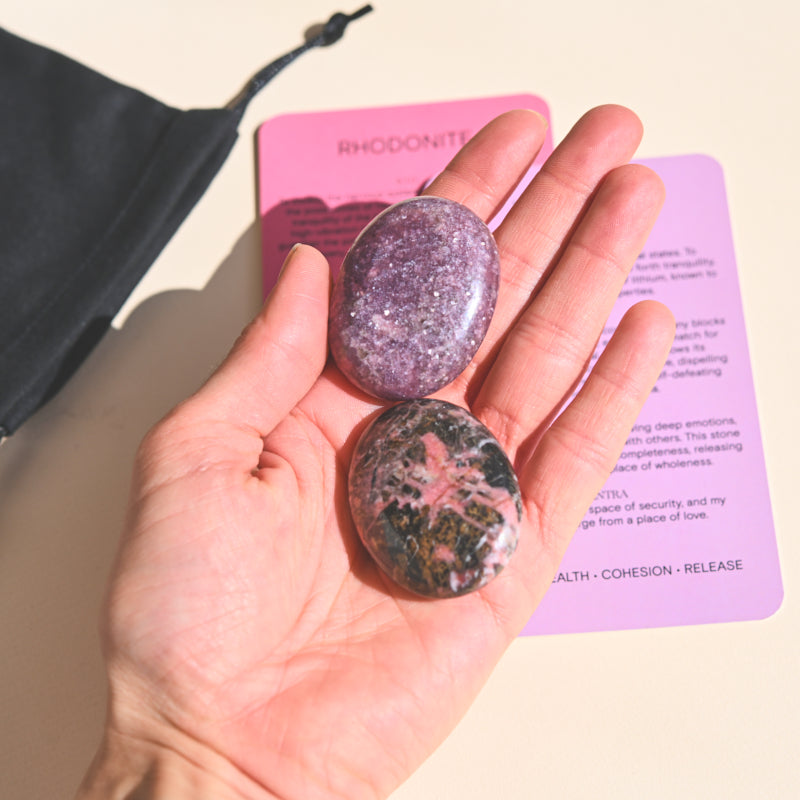

Lepidolite Palm Stone
$24
Crystals.com
Lepidolite is a lithium-bearing mica with the chemical formula K(Li,Al)₃(Si,Al)₄O₁₀(F,OH)₂. It crystallizes in the monoclinic system and ranges from soft lavender to deep purple, owing its color to trace manganese. With a Mohs hardness...
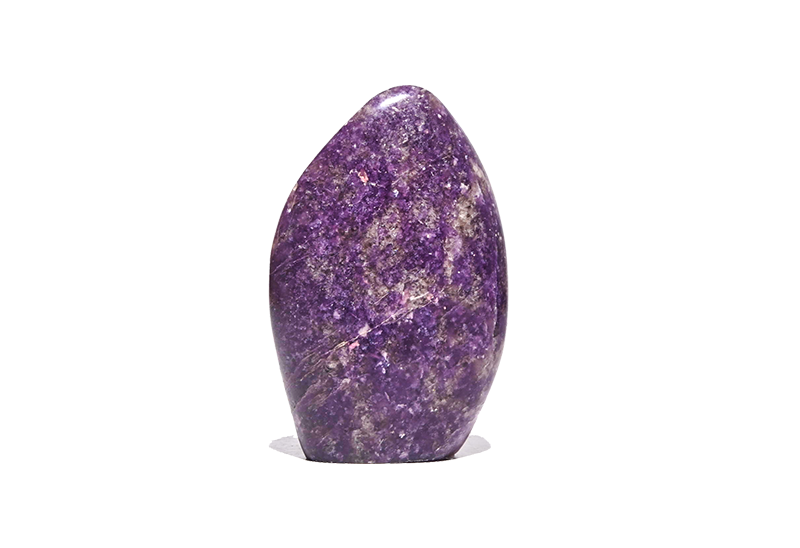
14 pieces
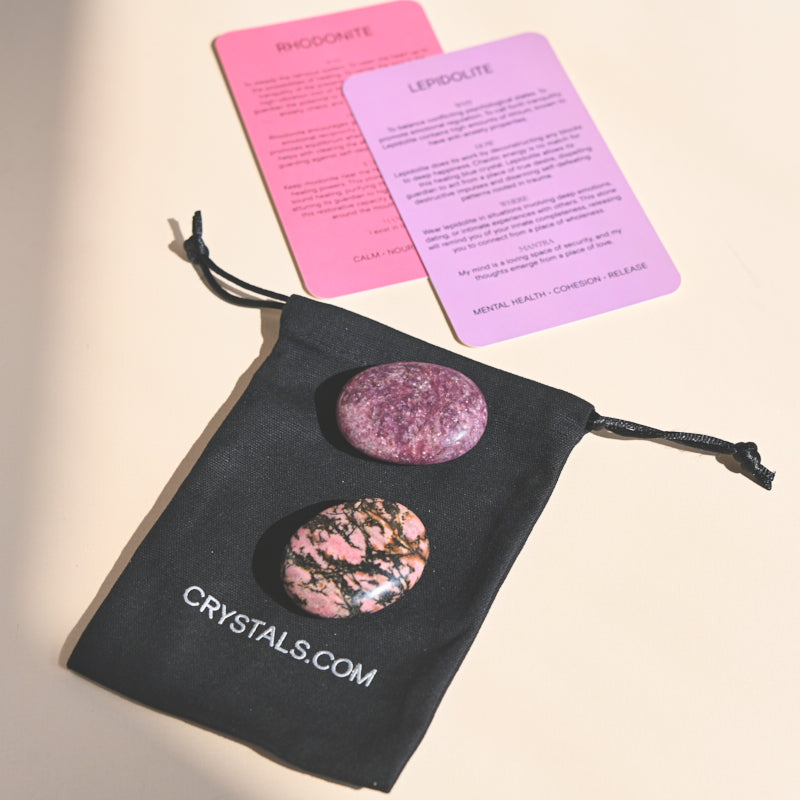


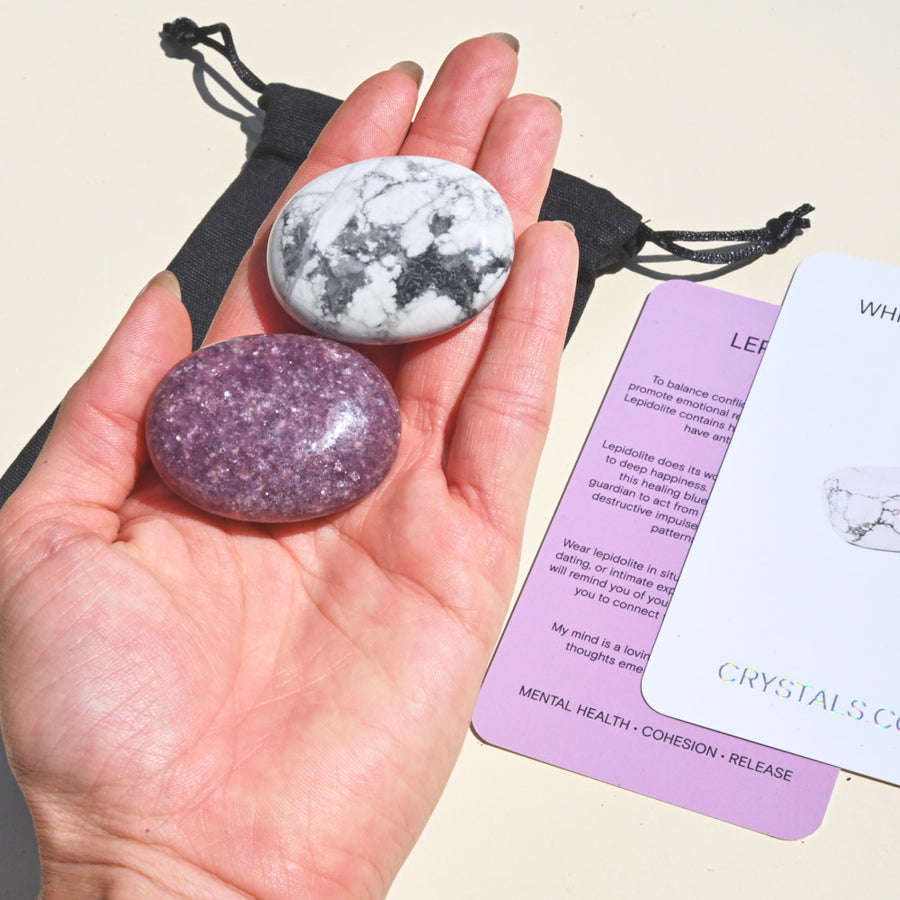


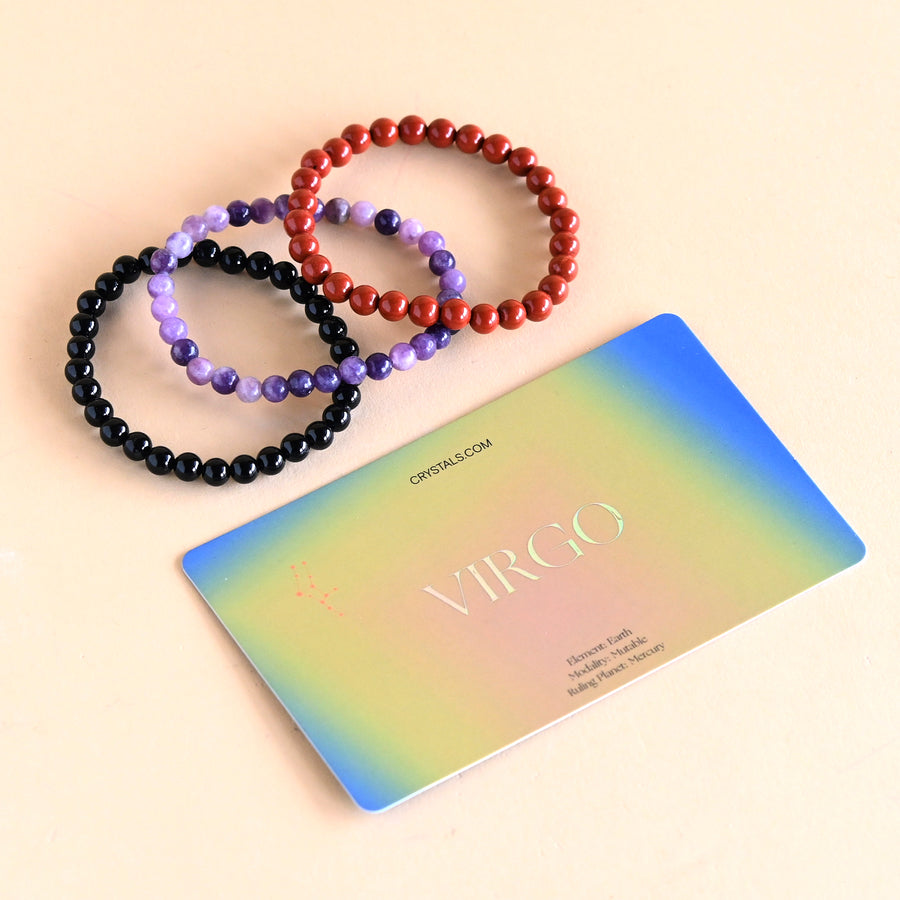
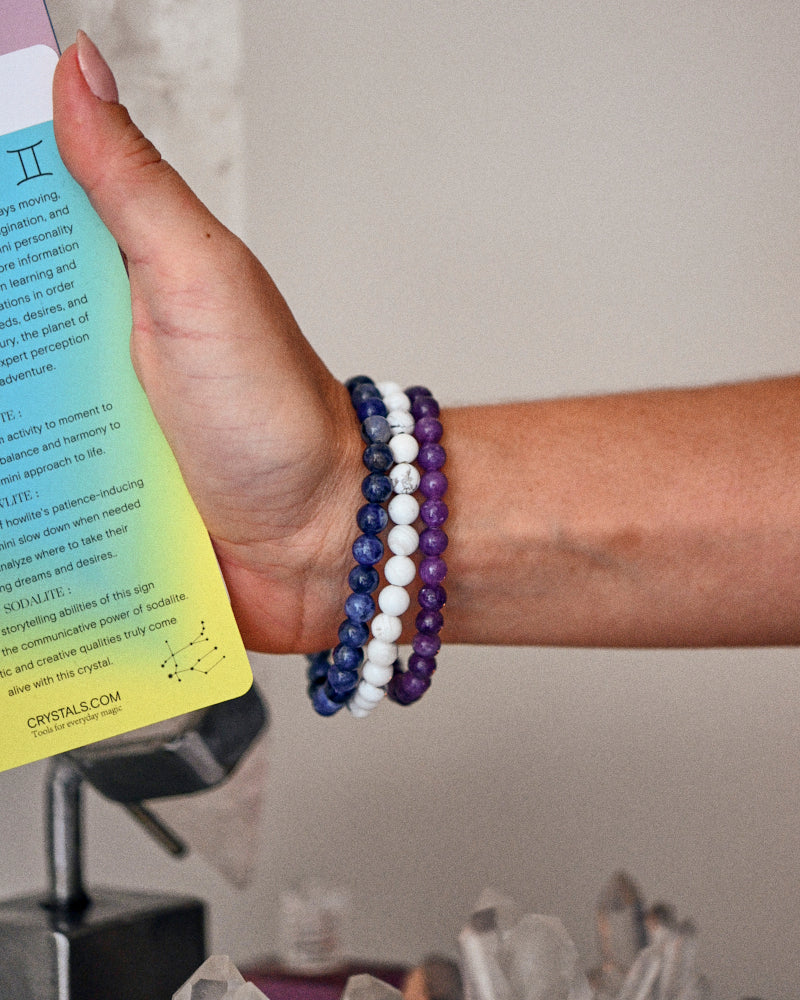
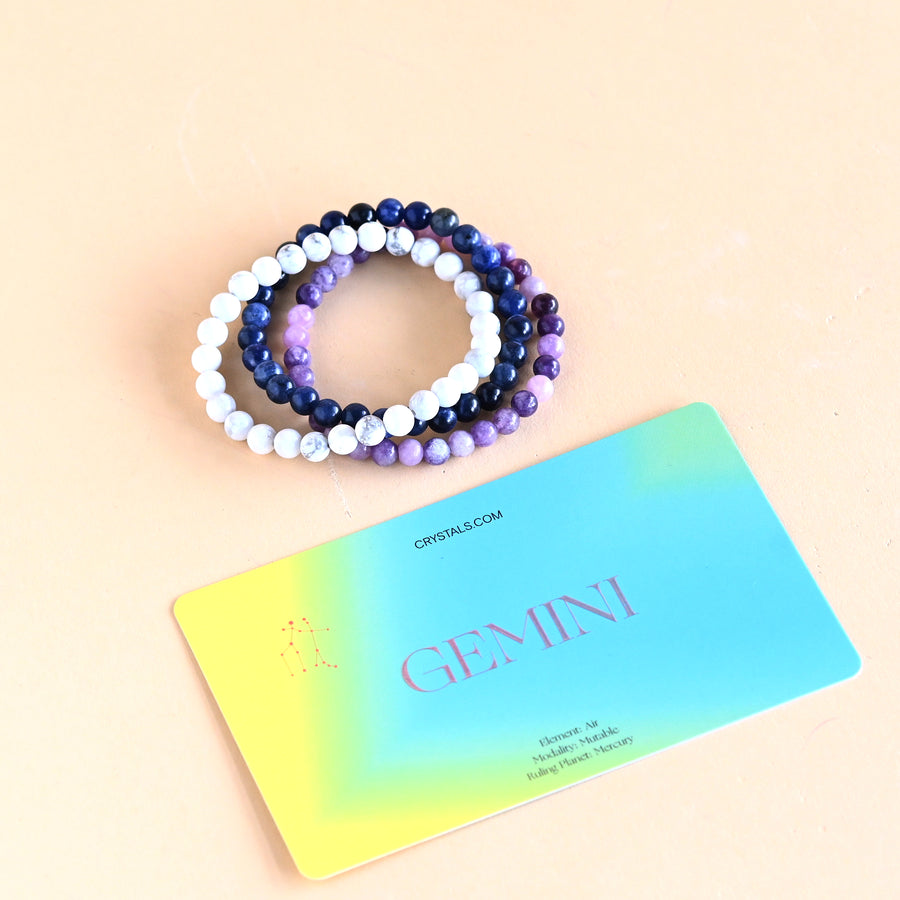


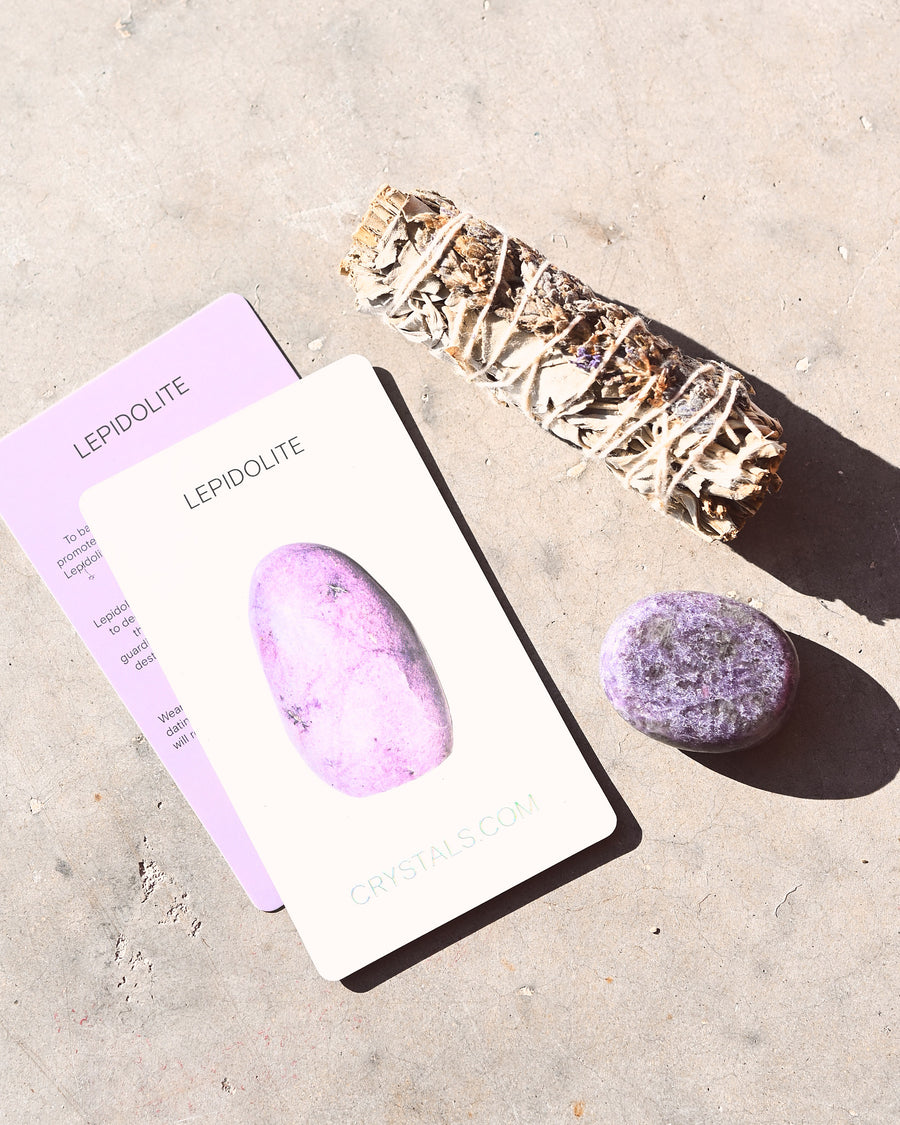

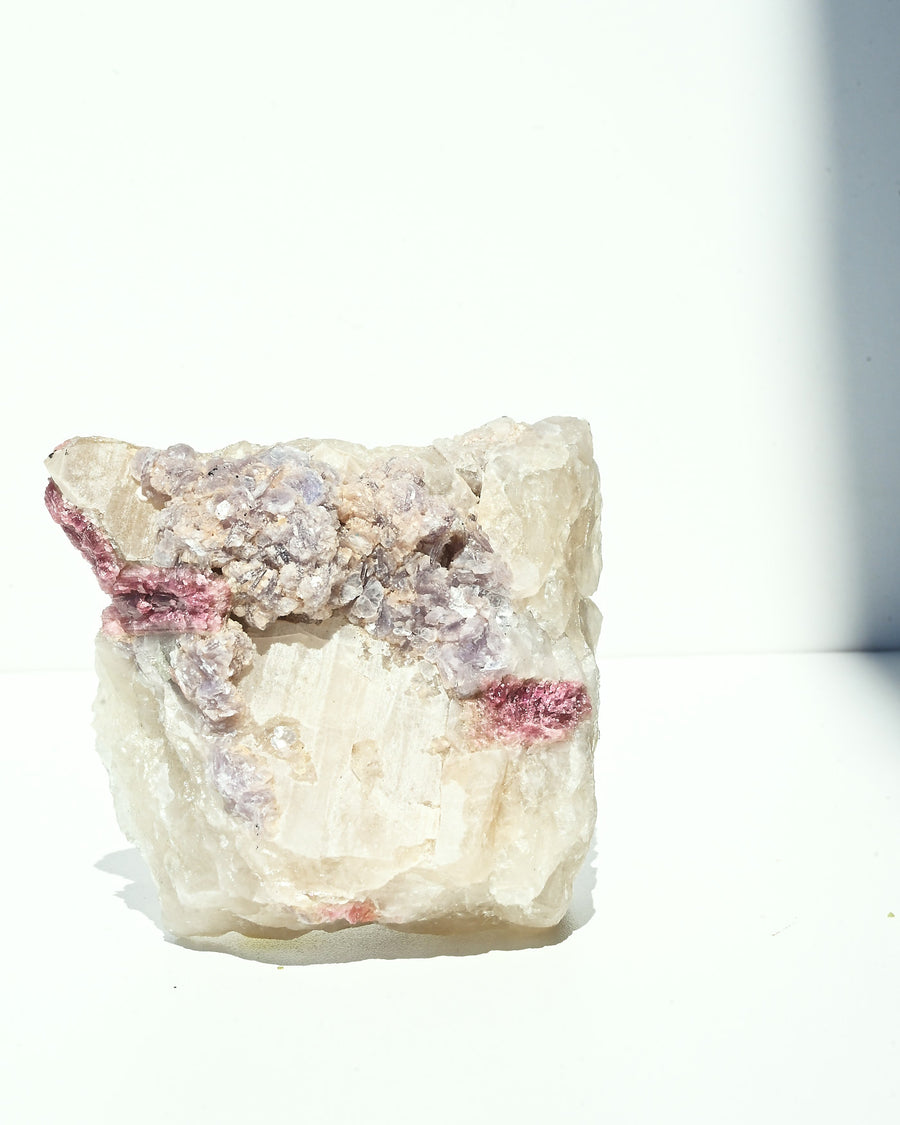

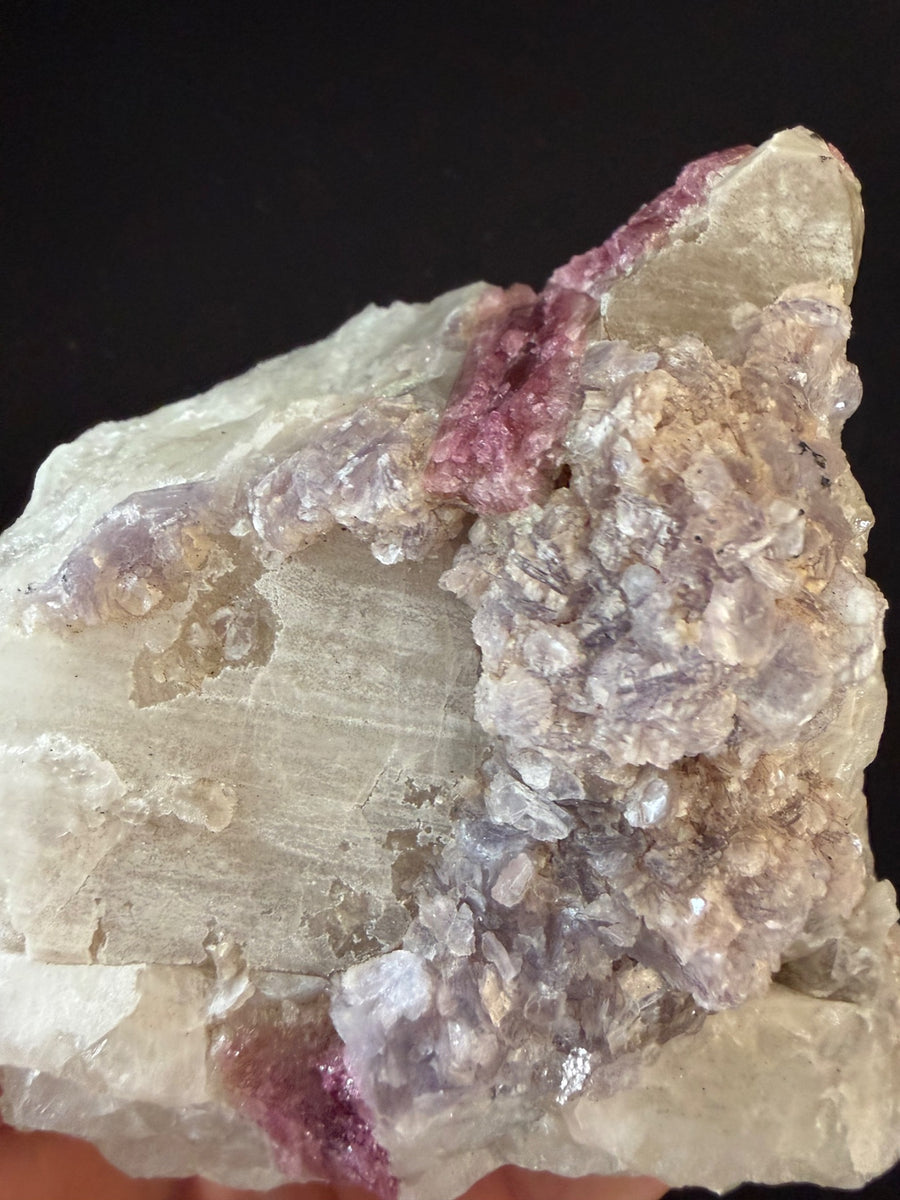

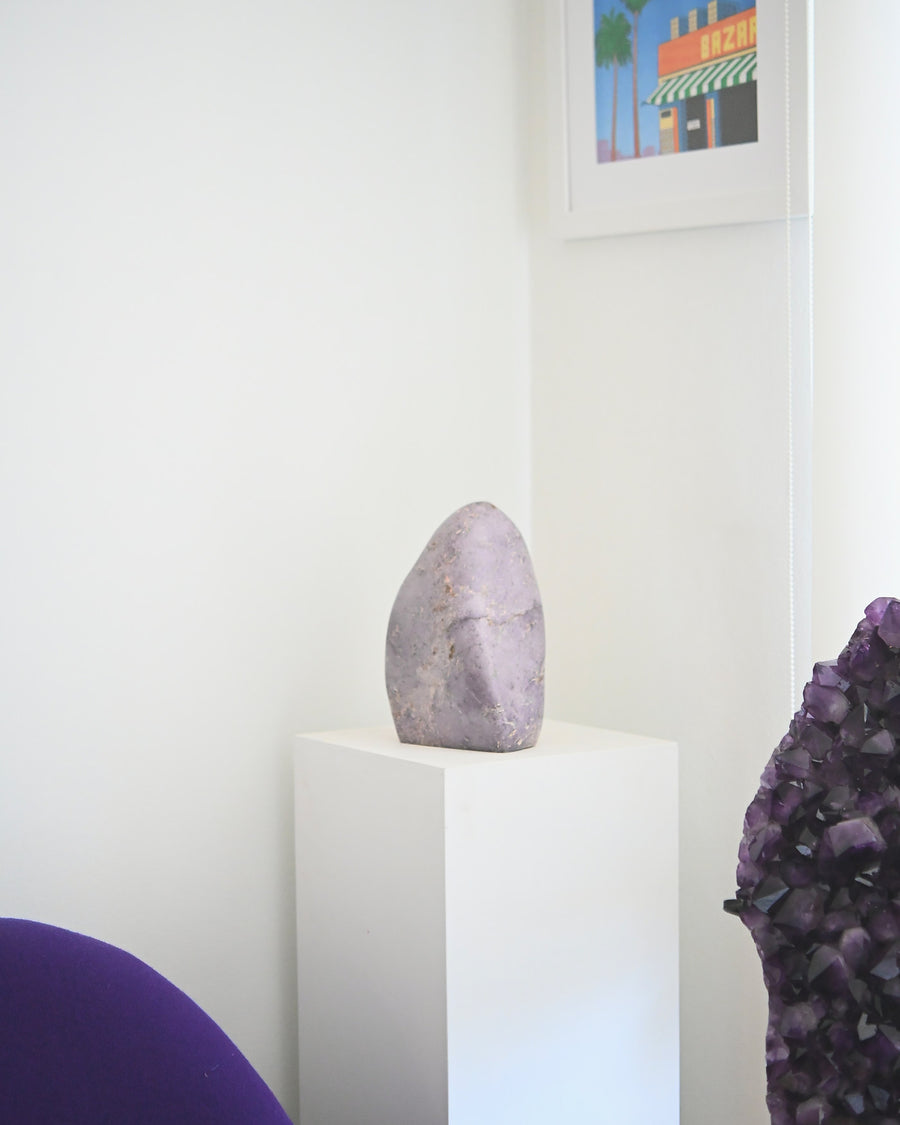

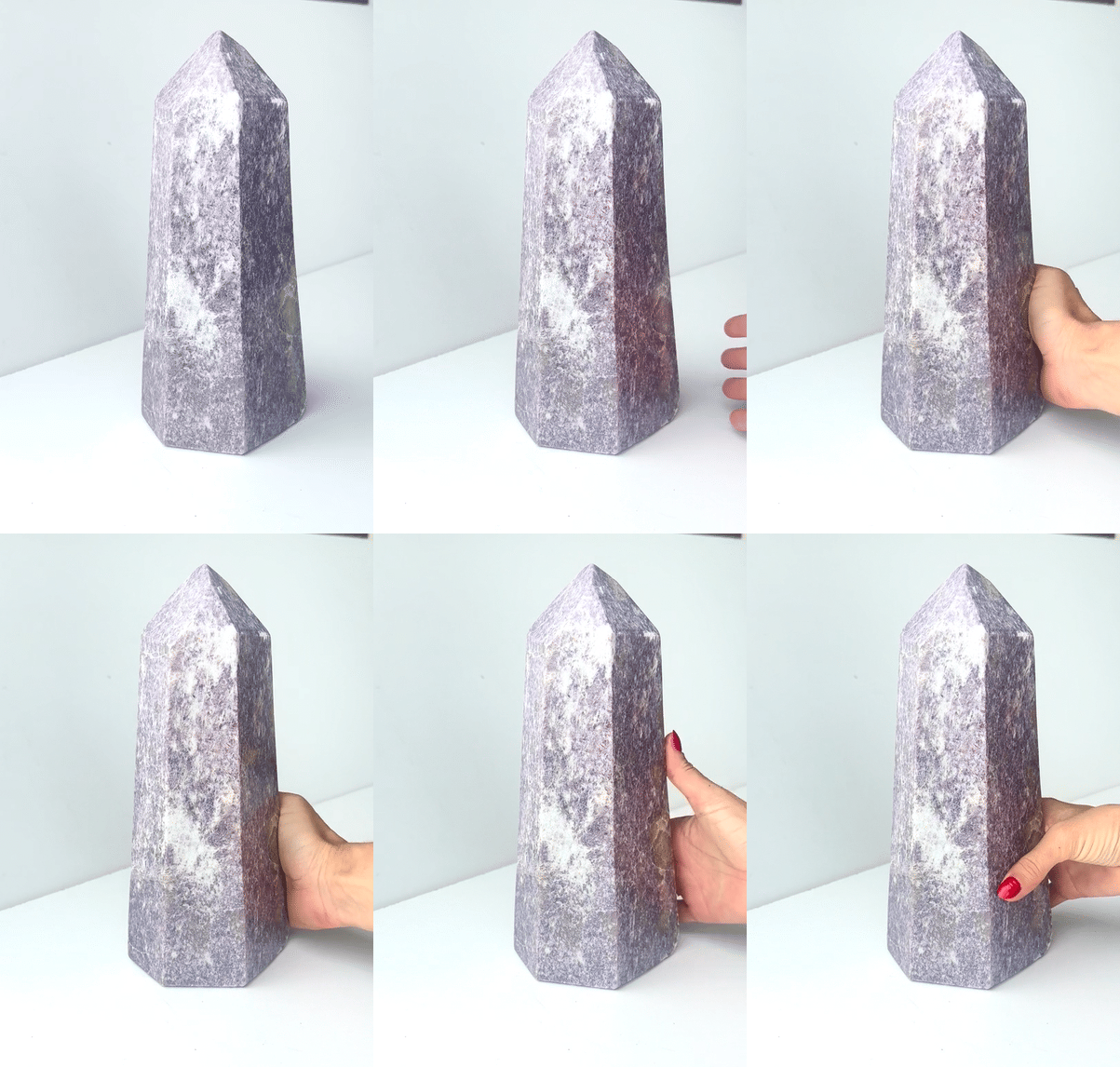


Chosen piece by piece, mostly direct from mines and suppliers I have worked with for years.
I shoot every piece myself, so a one of a kind piece is the exact piece you receive.
Packed by hand here and out in 1 to 3 business days.
Lepidolite is a lithium-bearing mica mineral with a soft lavender to purple color. It naturally contains lithium, which is the same element used in mood-stabilizing medications.
Lepidolite is moderately common but high-quality specimens with deep color and good form are less abundant. It is found in Brazil, Madagascar, and the United States.
Lepidolite should not be submerged in water. It is a mica mineral that can flake and deteriorate when exposed to moisture. Clean it with a dry soft cloth.
Lepidolite is 2.5 to 3 on the Mohs hardness scale, making it one of the softer collectible minerals. Handle it gently and store it separately from harder stones.
Lepidolite is often used for its calming and balancing properties, helping to alleviate stress, anxiety, and emotional imbalances while promoting inner peace and emotional well-being.
Lepidolite is known for its ability to reduce stress, anxiety, and emotional imbalances, fostering a sense of inner peace and emotional well-being.
Lepidolite is generally not recommended for prolonged submersion in water, as it can be sensitive to moisture and may deteriorate over time. It's best to use alternative methods for cleansing and charging this crystal.
To charge lepidolite, place it under moonlight or sunlight for a few hours, or use alternative methods like selenite or clear quartz clusters to refresh its calming and balancing properties
Lepidolite is a lithium-bearing mica with the chemical formula K(Li,Al)₃(Si,Al)₄O₁₀(F,OH)₂. It crystallizes in the monoclinic system and ranges from soft lavender to deep purple, owing its color to trace manganese. With a Mohs hardness of just 2.5–3, lepidolite is one of the softer collectible minerals. Major deposits are found in Brazil, Madagascar, the United States, and the Czech Republic.
Lepidolite was first described in the 18th century and was historically one of the primary industrial sources of lithium — the same element used in modern batteries. Its name derives from the Greek lepidos, meaning "scale," a reference to its flaky, micaceous habit. Collectors value lepidolite for its distinctive grape-to-lilac palette and its frequent association with tourmaline, quartz, and other pegmatite minerals. Fine cabinet specimens from Minas Gerais, Brazil, are especially sought after for their large, well-formed crystal books.
Our lepidolite collection includes a range of forms for every collector:
Browse below to find the perfect lepidolite piece for your collection.
Lepidolite's soft lavender tone makes it a natural fit for bedrooms and meditation spaces. Place a lepidolite sphere or palm stone on a nightstand for a calming presence, or pair it with amethyst and rose quartz for a soothing crystal trio. For wearable lepidolite, explore our crystal bracelets collection.
Both lepidolite and amethyst display purple tones, but they are distinct minerals. Amethyst is a quartz variety (Mohs 7), while lepidolite is a soft mica (Mohs 2.5-3) with a pearly, flaky texture. Lepidolite often co-occurs with tourmaline in pegmatite deposits, making mixed specimens especially desirable for collectors.
A beautiful piece..the photo's did not do it justice. The delivery was timely and arrived in perfect condition. Thank you..this specimen is a must for any collector.
Crystals Individually wrapped
Shipped with care, excellent packaging. Great products
Very nice, one of a kind sphere. The piece matched the quality in the photos. Packaging was above average, with no damage during shipping. Tracking was easy. Everything was a positive experience.
Was expecting a bright shade of yellow, but the amber shade is just as beautiful.
Loved how it glimmers
Loved the packaging
Each Crystal came out beautifully
Will definitely find myself a frequent customer ☺️
Perfect. I love my crystals!
Beautiful! Exactly what I was hoping for/expecting!
Delivered when promised. Packaged very nicely!
Beautiful! The purple is so vibrant!
Stunning! Exceeded my expectations and arrived so quickly 💜
Web site is working like a dream, beautifully.
Amazing smoky quartz that you dug up yourself in Tennessee. It shines in my entryway & it is so special. Thank you, it is one of my most important treasures. By the way, your web site works beautifully!
Very beautiful!
Can't choose?
Tell it what you need. It picks one piece for you, in stock right now.
Sorry, looks like we don't have enough of this product.

Buy It With
$10.00 USD


