Every crystal collection starts somewhere. Maybe a friend pressed a smooth tumbled stone into your palm and told you to hold it. Maybe you wandered into a shop and couldn't put something down. Maybe you've been curious for years and just haven't known where to begin.
This guide is for all of those moments. We'll walk you through the six stones we recommend to every first-time collector, explain exactly what each one does, how to use it, and what form to buy. No jargon. No overwhelm. Just a clear, honest starting point.
Why Start a Crystal Collection?
Crystals sit at an interesting intersection: they're objects of genuine geological beauty, they carry centuries of cultural significance across traditions from Ayurveda to ancient Greece, and they've become a quiet tool for a growing number of people who use them as anchors for intention and reflection.
Starting a collection isn't about belief in any single system. It's about building a more intentional relationship with your space, your rituals, and yourself. A piece of rose quartz on your nightstand is a daily reminder to soften. A black tourmaline by the front door is a prompt to leave stress outside. A citrine on your desk keeps your goals visible.
The act of choosing, placing, and caring for stones is a slow, tactile practice in a world that rarely slows down. That's reason enough.
The Essential Beginner Starter Kit
If you only start with six stones, make them these. They're widely available, durable, affordable, and each one covers a different area of life — clarity, calm, love, protection, energy, and light.
1. Clear Quartz — The Master Stone
Clear Quartz is the most versatile stone in any collection. It amplifies the energy of everything around it — other stones, intentions, emotions — and helps bring mental clarity when things feel muddled. It's often called the "master stone" because it can stand in for nearly any other crystal when you're just starting out.
How to use it: Hold it during meditation or journaling. Place it near other crystals to amplify their properties. Keep one on your desk when you need focused thinking.
Best form to buy: A raw point or small tower is ideal for directing energy. A tumbled stone is perfect for carrying in a pocket or bag.

2. Amethyst — The Stone of Peace
Amethyst is the easiest entry point for most people — its deep violet color is immediately arresting, and its energy is immediately calming. It's been used for centuries as a stone of inner peace, clarity, and protection from mental fog. It's especially well-suited for bedrooms, meditation spaces, and any environment where you want to think more clearly and feel less reactive.
How to use it: Place a cluster or raw piece in your bedroom to encourage restful sleep. Wear an amethyst bracelet when you need to stay calm under pressure. Hold a tumbled piece before a difficult conversation.
Best form to buy: A bracelet for daily wear, or a raw cluster for a shelf or nightstand. Both are equally effective — it comes down to whether you want wearable or ambient energy.


3. Rose Quartz — The Stone of Love
Rose Quartz works in all directions: outward toward other people, inward toward yourself. Its soft pink color and gentle energy are associated with compassion, forgiveness, and the kind of warmth that makes relationships — including the one you have with yourself — feel more spacious. It's one of the most universally beloved stones for a reason.
How to use it: Keep a piece in your bedroom or living room. Wear it as a bracelet on days when you need more patience. Gift it freely — it's one of the best introductory stones to share with others.
Best form to buy: A bracelet, a heart-shaped palm stone, or a small sphere. The sphere shape, in particular, radiates energy evenly in all directions — beautiful on a shelf.
4. Black Tourmaline — The Protector
Black Tourmaline is the boundary stone. Dense, grounding, and deeply dark, it's the crystal people reach for when they want a sense of energetic protection — from difficult people, draining environments, or their own spiraling thoughts. It's been used in protective practices across cultures for centuries and remains one of the most requested stones we carry.
How to use it: Place a piece near your front door or the entry points of your home. Keep a tumbled stone in your bag when you're traveling or heading into a high-stress situation. It's particularly effective on desks and workspaces that feel heavy.
Best form to buy: Raw is ideal for placing in the home. A tumbled piece works best for carrying. Unlike more fragile stones, black tourmaline is hardy and takes everyday wear well.

5. Citrine — The Energizer
Citrine is one of the few crystals that carries an inherently uplifting, solar quality. Its warm amber-to-golden color mirrors its energy: bright, motivating, forward-moving. It's long been associated with abundance, optimism, and creative drive — and it's one of the most beautiful stones to display in natural light, where it practically glows.
How to use it: Place it in your workspace, near a window, or anywhere you want to encourage forward momentum. Wear it on days when energy feels low or motivation is lagging. It's also a popular stone for wealth corners in feng shui practice — the far left corner of a room as you enter.
Best form to buy: A raw point, a small cluster, or a bangle. Natural citrine (as opposed to heat-treated amethyst sold as citrine) tends to be pale yellow to smoky orange — if it's bright orange or rust-colored, it's likely been treated.
6. Selenite — The Cleanser
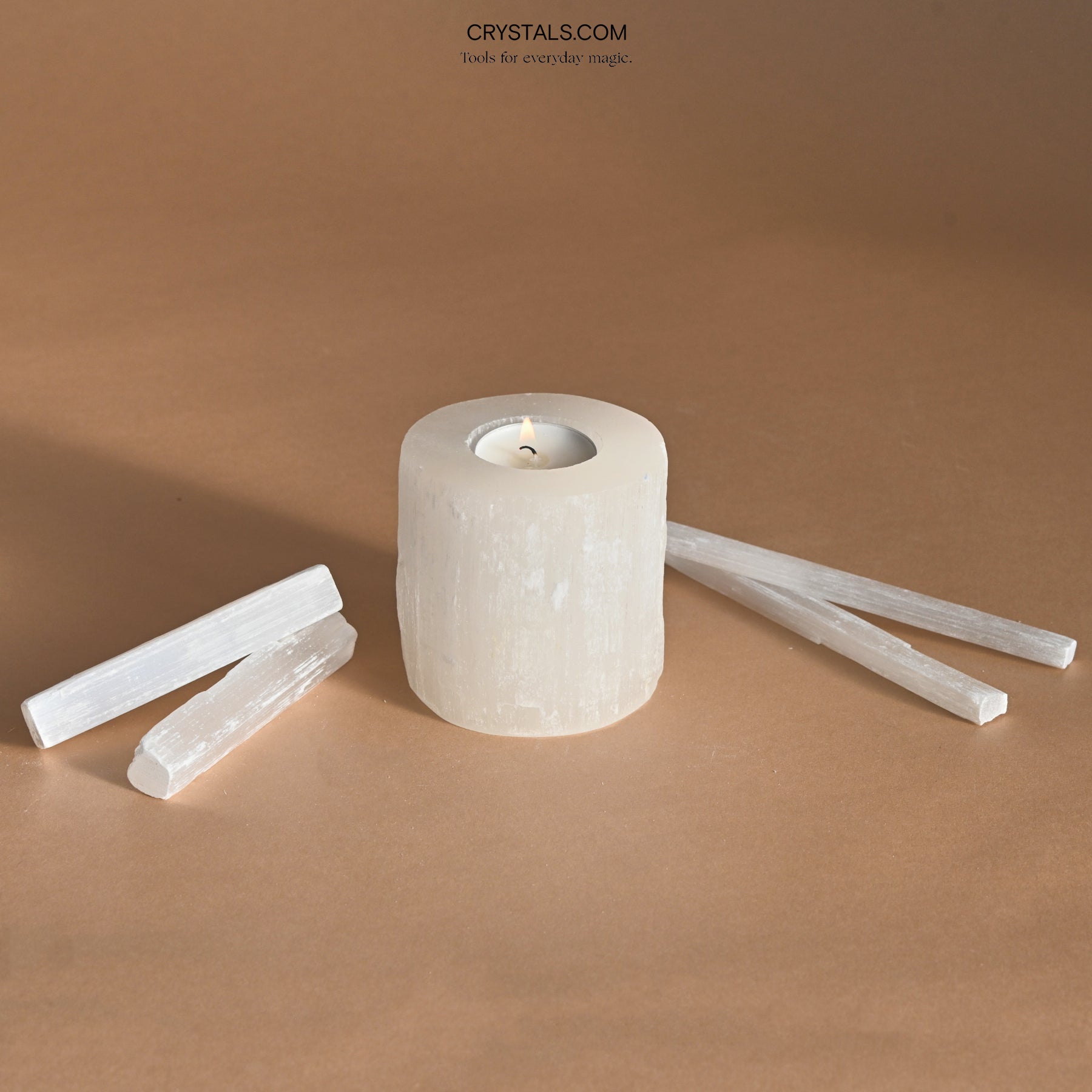
Selenite is named for Selene, the Greek goddess of the moon, and it looks the part: silky white, semi-translucent, with a soft luminosity that reads as almost lunar in the right light. It's one of the few stones associated with cleansing other crystals — many practitioners use a selenite plate or bowl to clear and reset their collection. It's also associated with mental clarity, calm, and bringing light into dark spaces.
How to use it: Place other stones on a selenite charging plate overnight. Set a wand or tower on your nightstand. Use it in any space that needs to feel lighter and calmer.
Best form to buy: A flat plate (for charging other stones) or a tower. Note: selenite is water-soluble — keep it dry. Do not submerge it in water or leave it in a humid bathroom.

How to Cleanse and Charge Your Crystals
This is the question every beginner asks, and the answer is simpler than most guides make it sound. Crystals pick up energy from their environments — and from the hands, emotions, and spaces they pass through before reaching you. Cleansing is a way of resetting that slate so you start fresh.
The most reliable and universally safe cleansing methods are:
- Moonlight: Leave stones on a windowsill or outside under the full moon overnight. Works for every crystal, no exceptions.
- Sound: A singing bowl, tuning fork, or even a clear handbell can cleanse an entire collection at once through vibration.
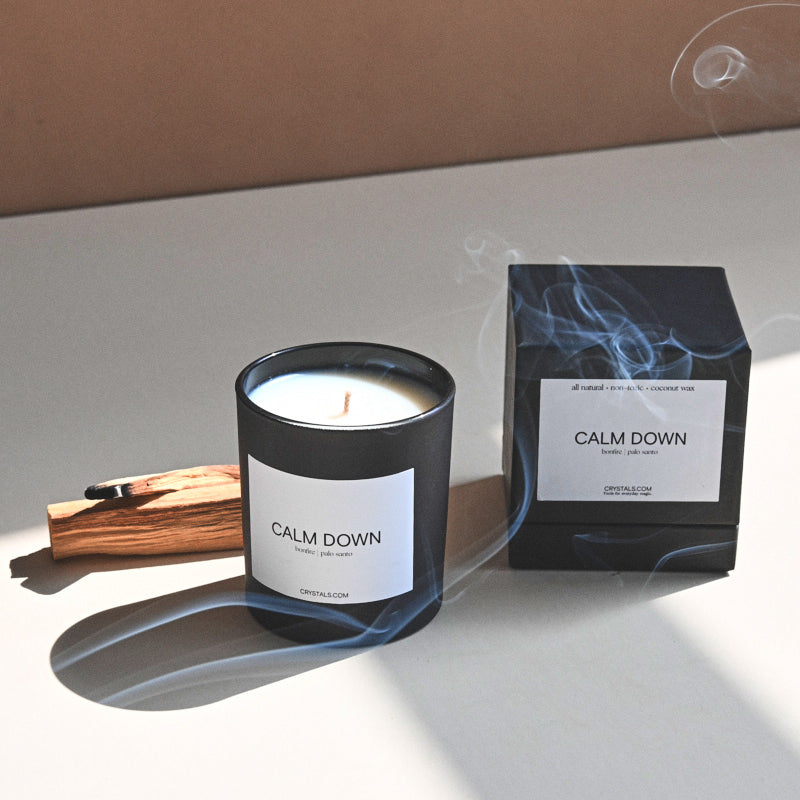
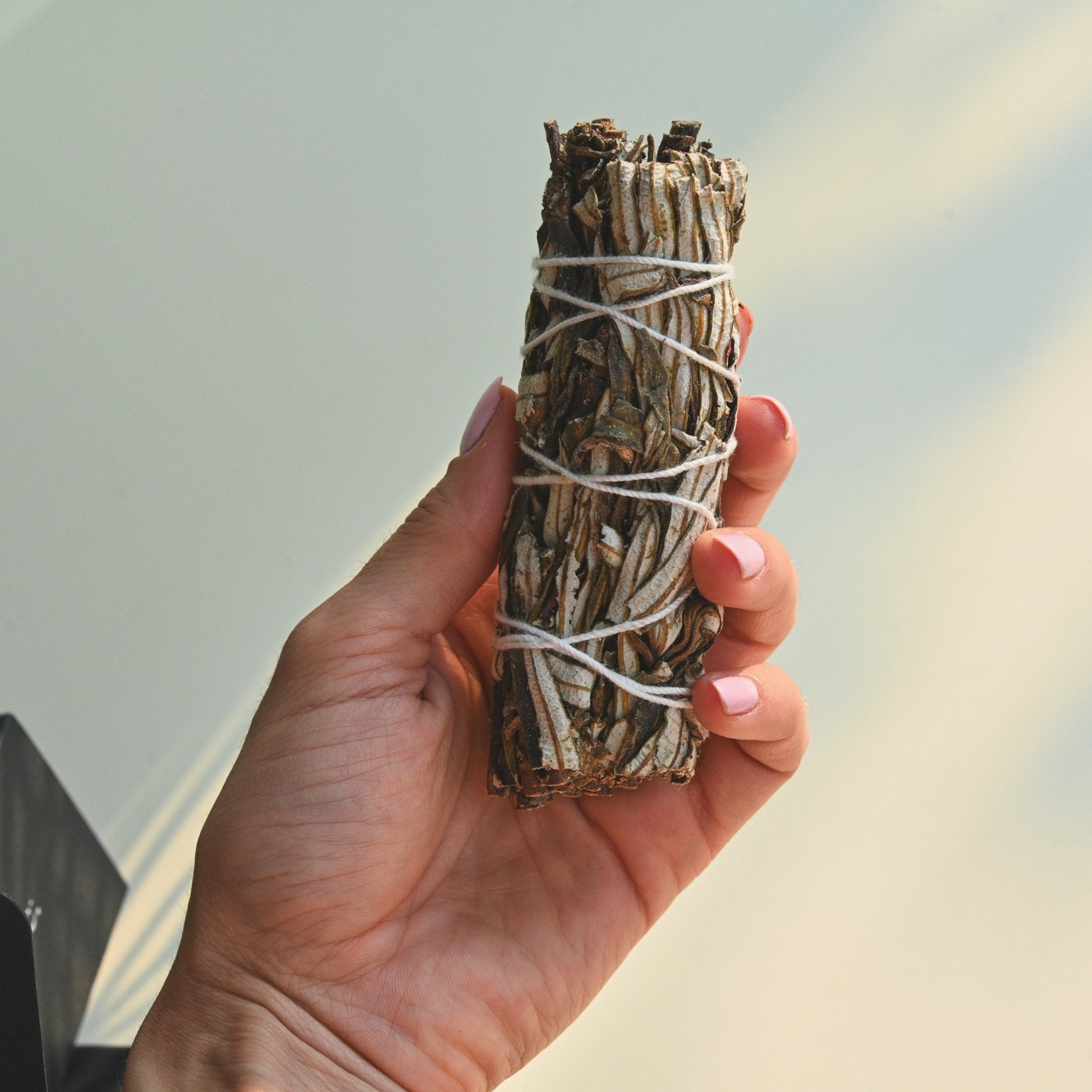
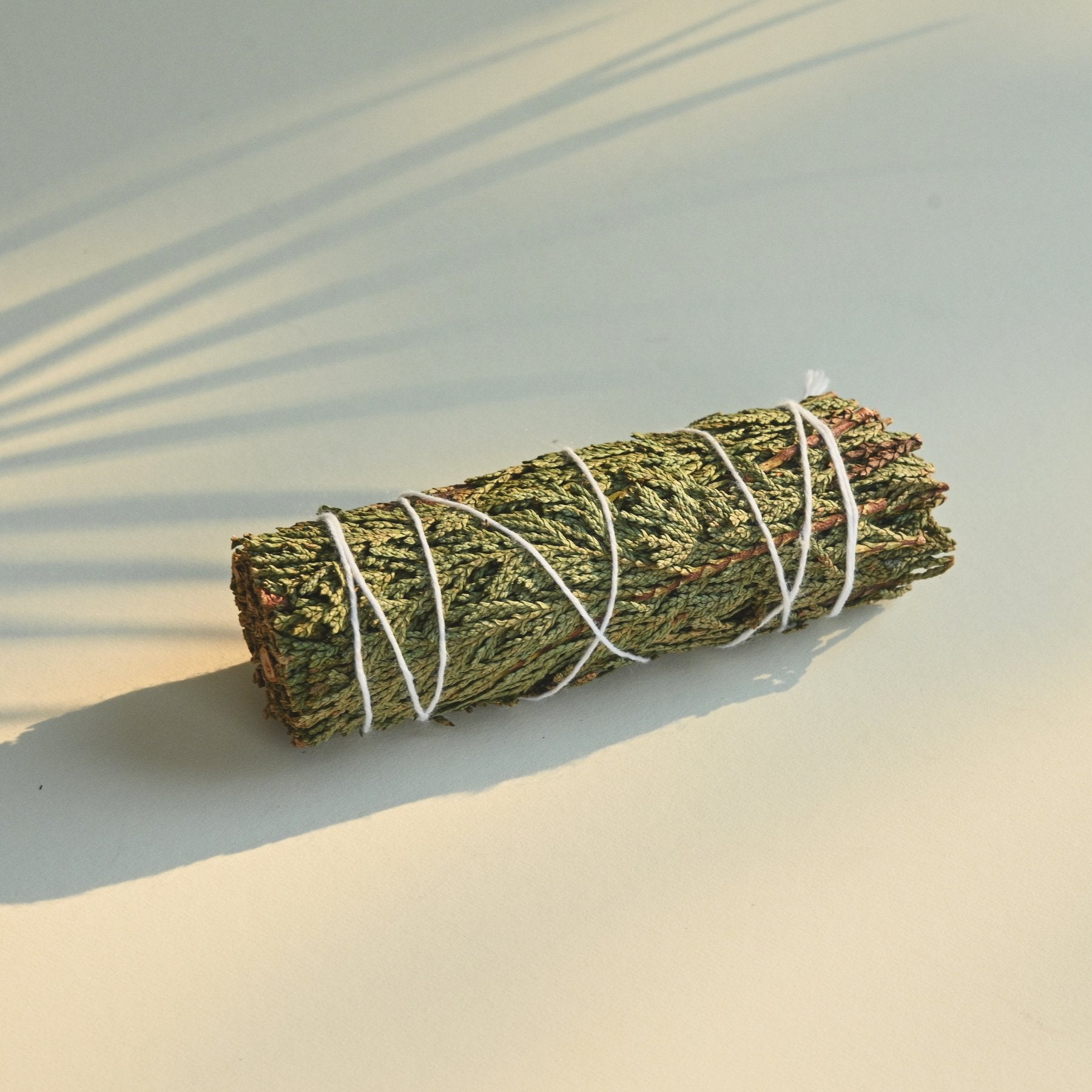
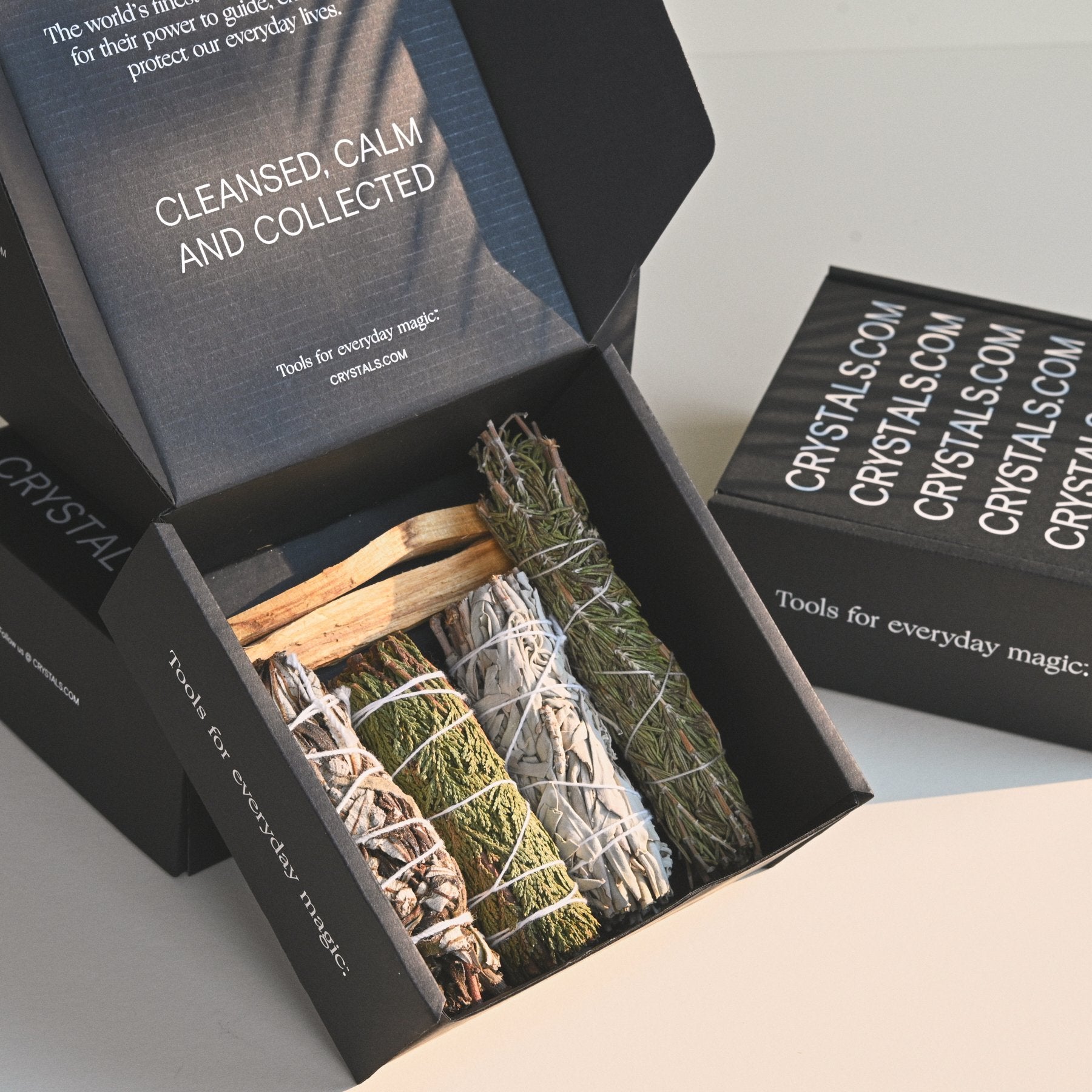
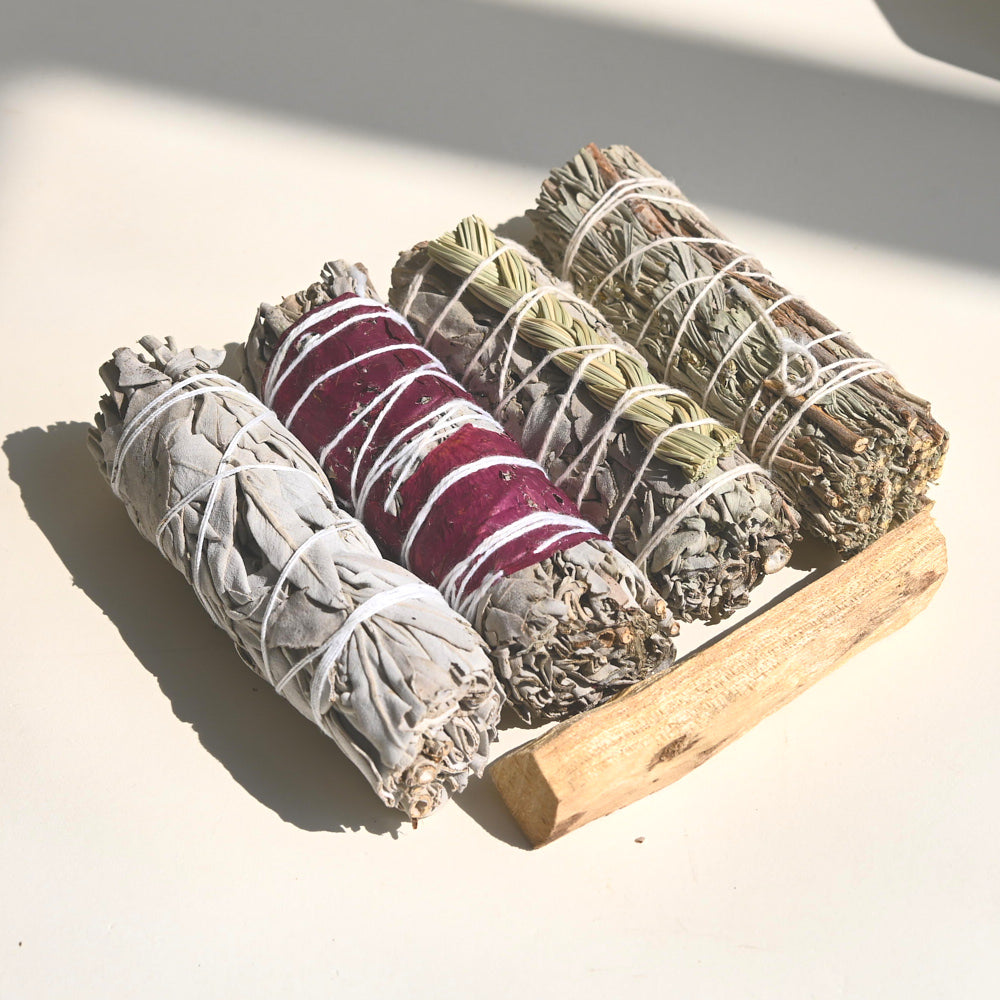
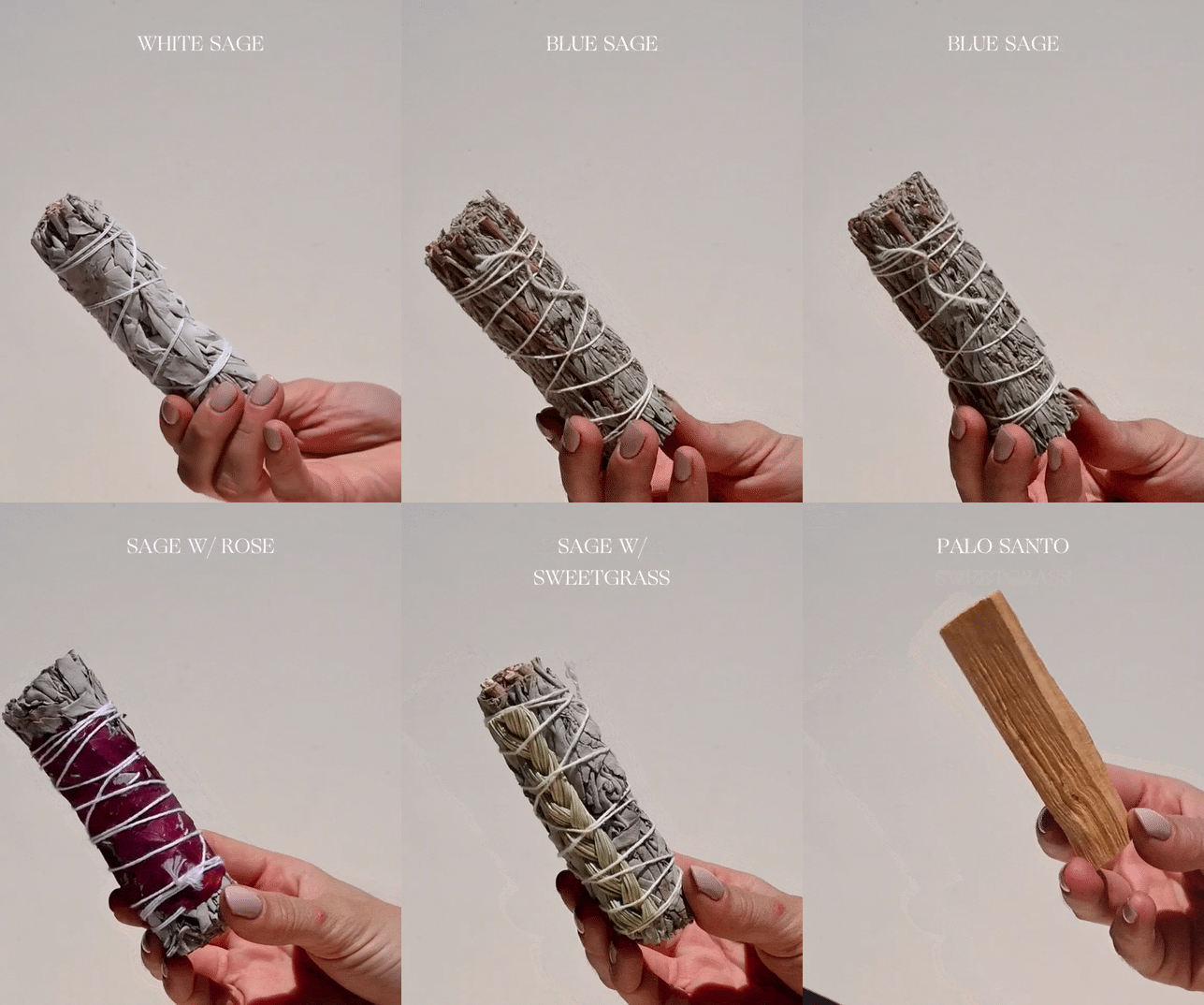
- Smoke: Passing a stone through the smoke of sustainably sourced herbs (palo santo, cedar, rosemary) is a traditional cleansing method across many cultures.
- Selenite: Place stones on a selenite charging plate for several hours or overnight.
- Sunlight: Brief exposure (1-2 hours) works for darker stones. Avoid prolonged sunlight for amethyst, rose quartz, and citrine, which can fade.
Water is the method most beginners reach for first — and it works for many stones, but not all. Some dissolve, crack, or rust with water exposure. Before submerging anything, check our complete guide.
Complete guide: How to Cleanse and Charge Crystals Safely →
How to Choose Your First Crystal
There are three reliable frameworks for choosing a first stone, and none of them is more correct than the others. Use whichever feels most natural.
Follow Your Intuition
Pick the one you keep looking at. The one your hand moves toward. The one that catches you off guard. Intuitive resonance is real — even if the explanation for it is more aesthetic than mystical. If you're drawn to a stone, that's information worth acting on.
Start With Intention
Know what you want more of right now — clarity, calm, connection, protection, energy — and choose the stone most associated with that quality. Our guide to choosing crystals by intention walks through this in detail.
Use Your Birthstone
Birthstones are one of the oldest frameworks for connecting people to specific minerals. Modern birthstone lists pair each month with one or two stones based on a combination of historical tradition and practical availability. It's a low-friction starting point — especially as a gift. Our crystal quiz can also point you in the right direction if you'd rather be guided.
Crystal Placement in the Home
Where you put your stones matters as much as which ones you choose. A few starting principles:
- Bedroom: Amethyst, selenite, and rose quartz support rest and emotional ease. Avoid activating stones like citrine unless you want more energy in that space.
- Workspace/desk: Clear quartz for clarity, citrine for motivation, black tourmaline to absorb tension from difficult interactions.
- Entryway: Black tourmaline at the front door acts as an energetic filter — a common placement in many crystal traditions.
- Living room: Rose quartz and clear quartz create a warm, open atmosphere for shared space.
For a full room-by-room guide, read: Crystal Feng Shui: Where to Place Crystals in Your Home →

Common Mistakes Beginners Make
- Buying too many at once. It's tempting to grab twenty stones in your first sitting. Start with three to six. Live with them. Get to know them before expanding.
- Never cleansing them. Crystals that haven't been cleansed since purchase carry the energy of everyone who handled them before you — including storage, shipping, and retail display.
- Putting water-sensitive stones in water. Selenite, malachite, kyanite, pyrite, and several others should never be submerged. Check before you cleanse.
- Leaving stones in direct sun indefinitely. Many crystals, especially color-saturated ones, will fade over months of direct sun exposure. Rotate them or keep them away from south-facing windows.
- Buying dyed or synthetic stones without knowing it. Vivid "aura" crystals are natural quartz electroplated with metal vapors — beautiful, but different from natural color. Bright neon dyes are a giveaway for treated stones. When in doubt, ask.
- Thinking you chose wrong. There are no wrong first stones. The one you picked is the right one for now.
Not Sure Where to Start?
Take our two-minute crystal quiz and we'll match you with the stones that fit your life right now — by intention, energy, and what you're working through.
Take the Crystal Quiz →Frequently Asked Questions
What is the best crystal for a complete beginner?
Clear Quartz is the most universally recommended starting point because it amplifies intention, supports clarity, and works alongside any other stone. Amethyst is a close second for its calming properties and approachable energy.
How many crystals should a beginner start with?
Three to six is the ideal range. Enough to cover different areas of life (clarity, protection, love, energy), but not so many that you feel overwhelmed or can't form a meaningful relationship with any of them.
Do I need to cleanse my crystals when I first get them?
Yes. New crystals have passed through many hands — miners, shippers, distributors, retail staff — before reaching you. A simple cleanse (moonlight, smoke, or sound) resets their energy before you begin working with them.
What's the difference between raw and tumbled crystals?
Raw crystals are in their natural form — unpolished, with rough surfaces and often irregular shapes. Tumbled stones have been polished smooth in a rock tumbler. Both carry the same mineral properties. Raw stones tend to feel more potent to many practitioners; tumbled stones are more pocket-friendly and easier to handle daily.
Can I wear multiple crystal bracelets at once?
Absolutely. Stacking crystal bracelets is one of the most popular ways to combine stones for layered intention. Pair complementary stones — amethyst and selenite for calm, citrine and clear quartz for energy — and wear them on the left wrist (traditionally the receiving side) or right (traditionally the giving side). Read our bracelet stacking guide for combination ideas.
Are crystals safe for people with anxiety?
Crystals are not a medical treatment and should never replace professional care. That said, many people find that stones like amethyst, lepidolite, and selenite support a calmer mental state as part of a broader self-care practice. Read our guide on crystals for anxiety for more.