
Crystals.com
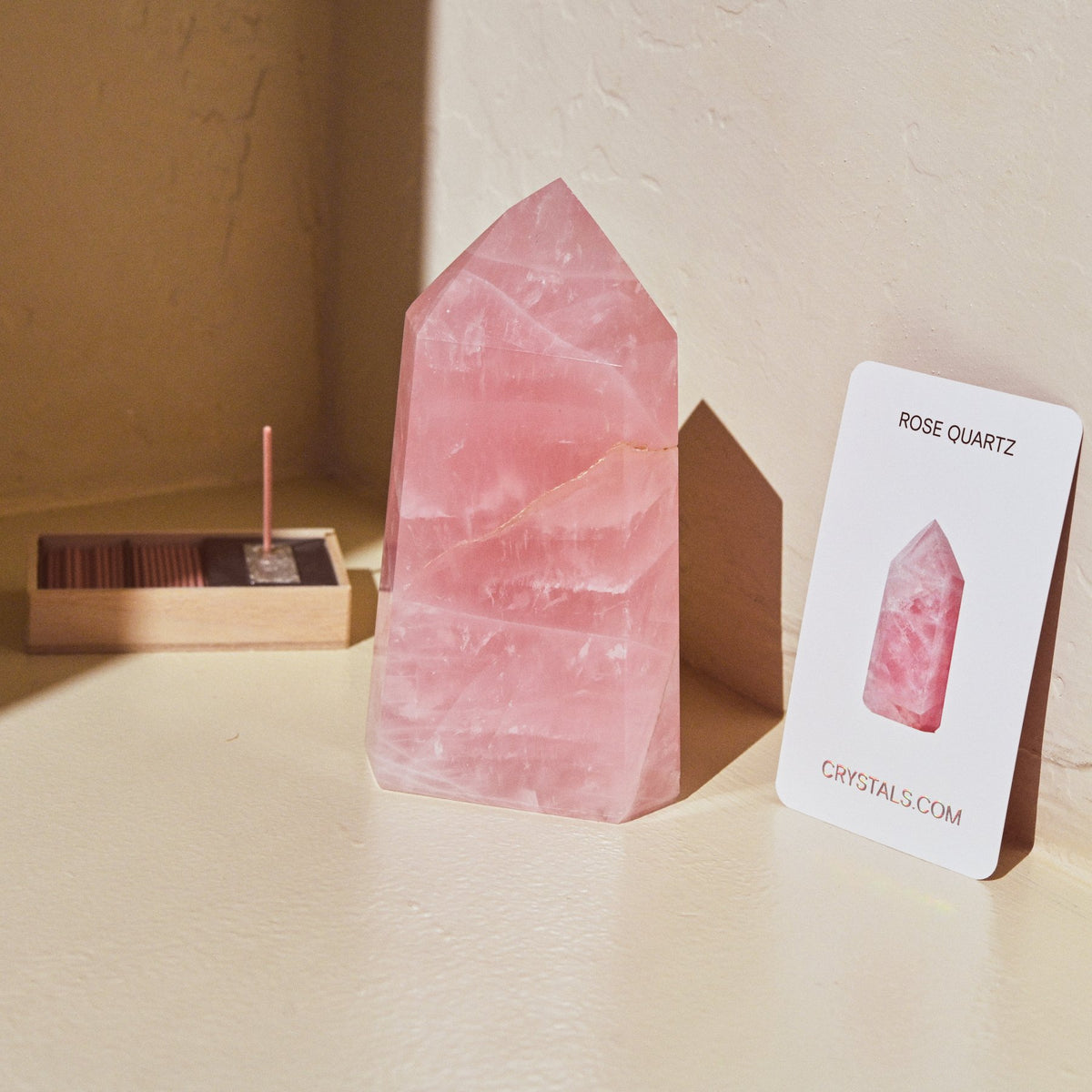
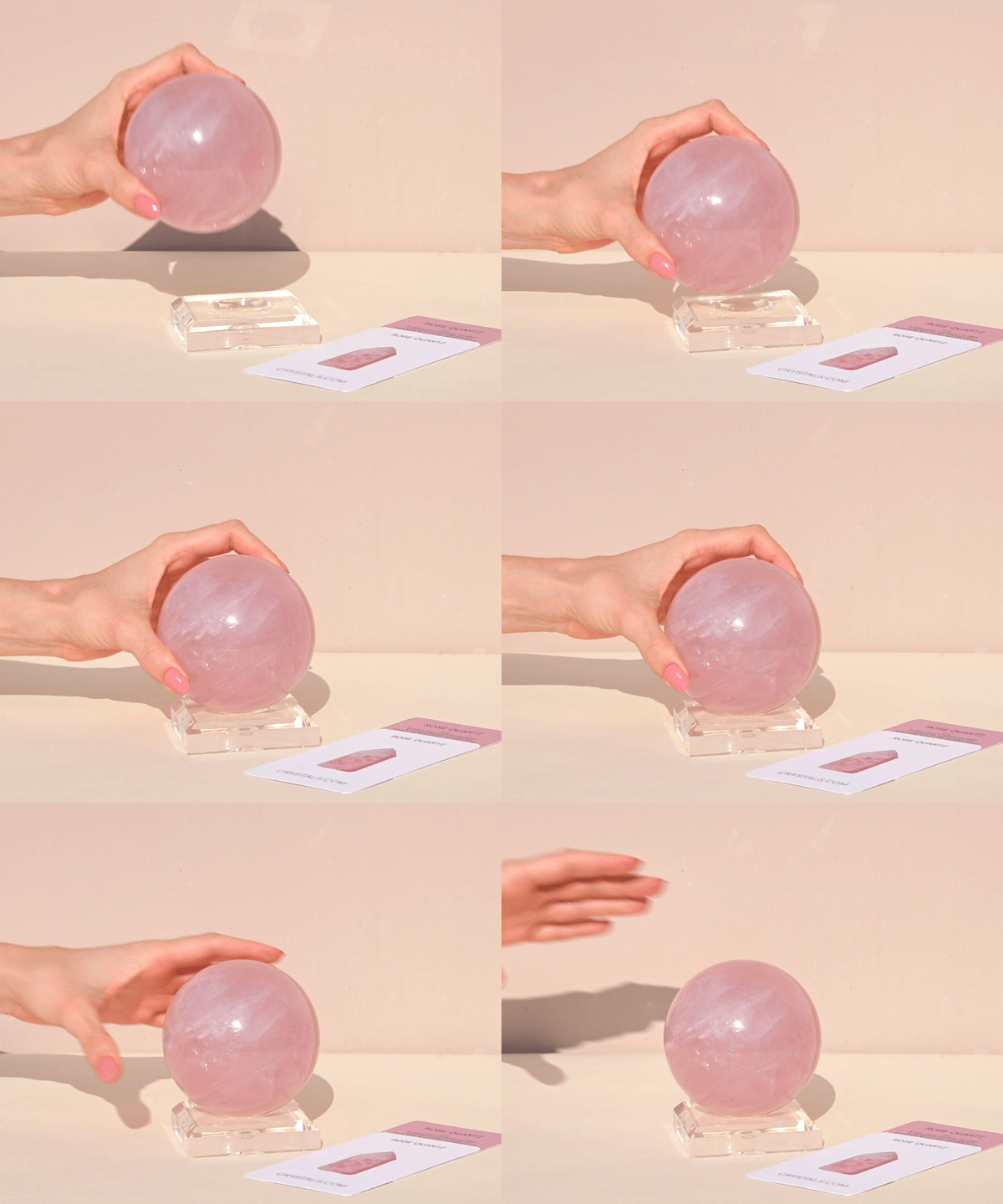
Soft, quiet pink that reads as sculpture rather than crystal. I choose pieces with real depth of colour.
29 pieces


 Sold












 Sold

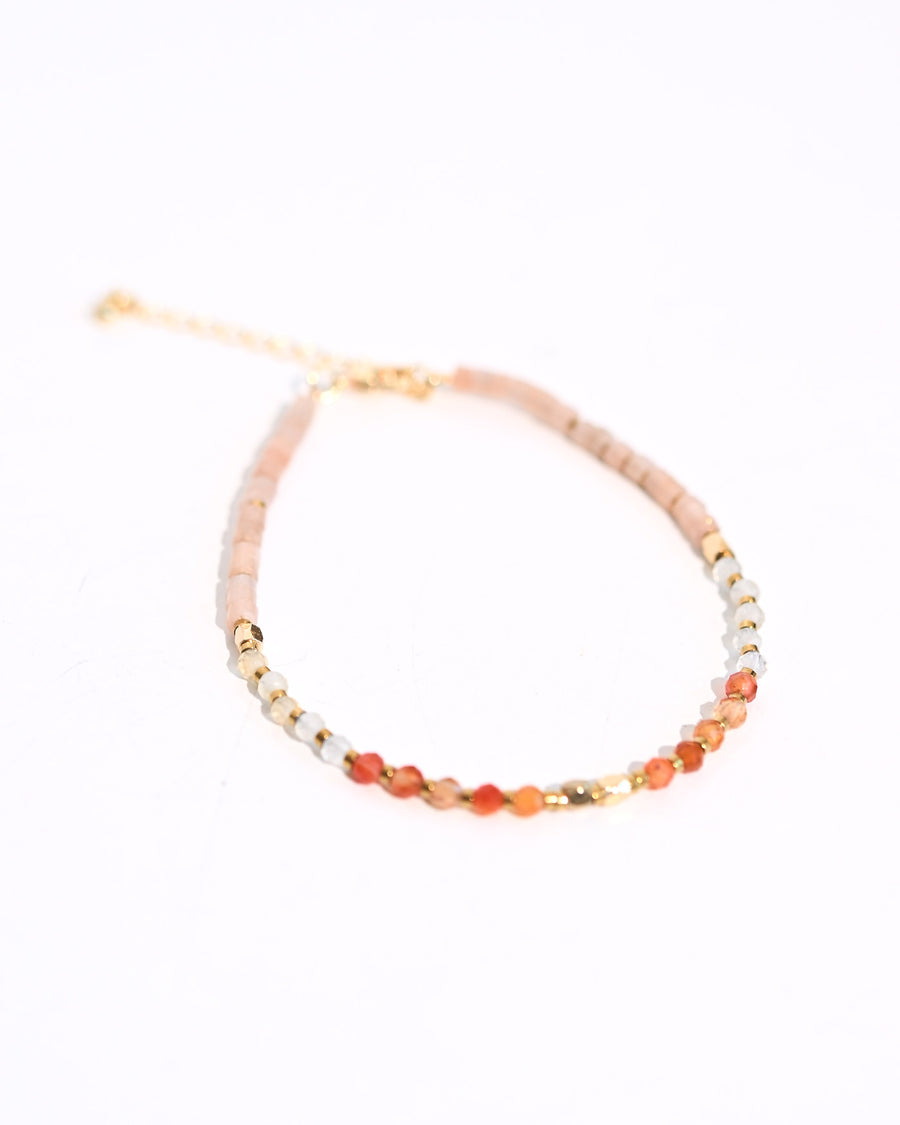
 Sold


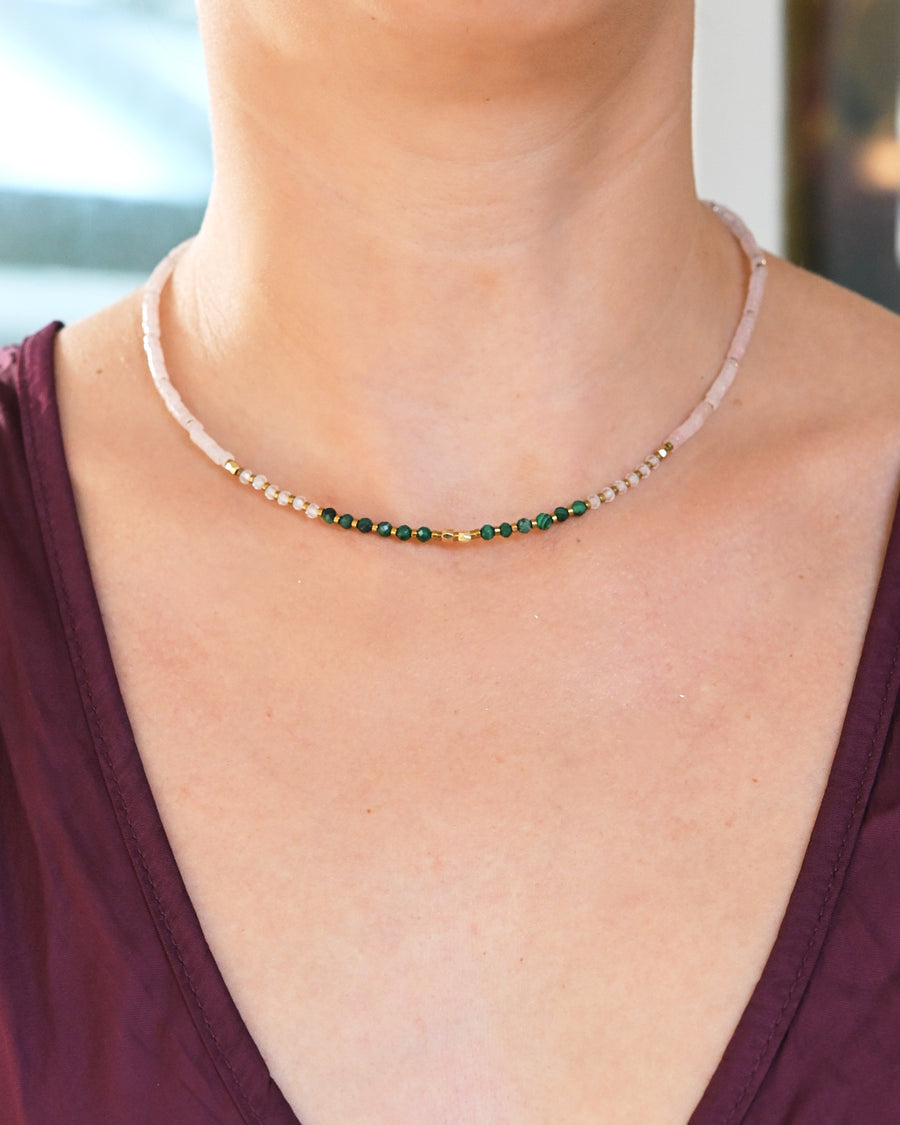
 Sold

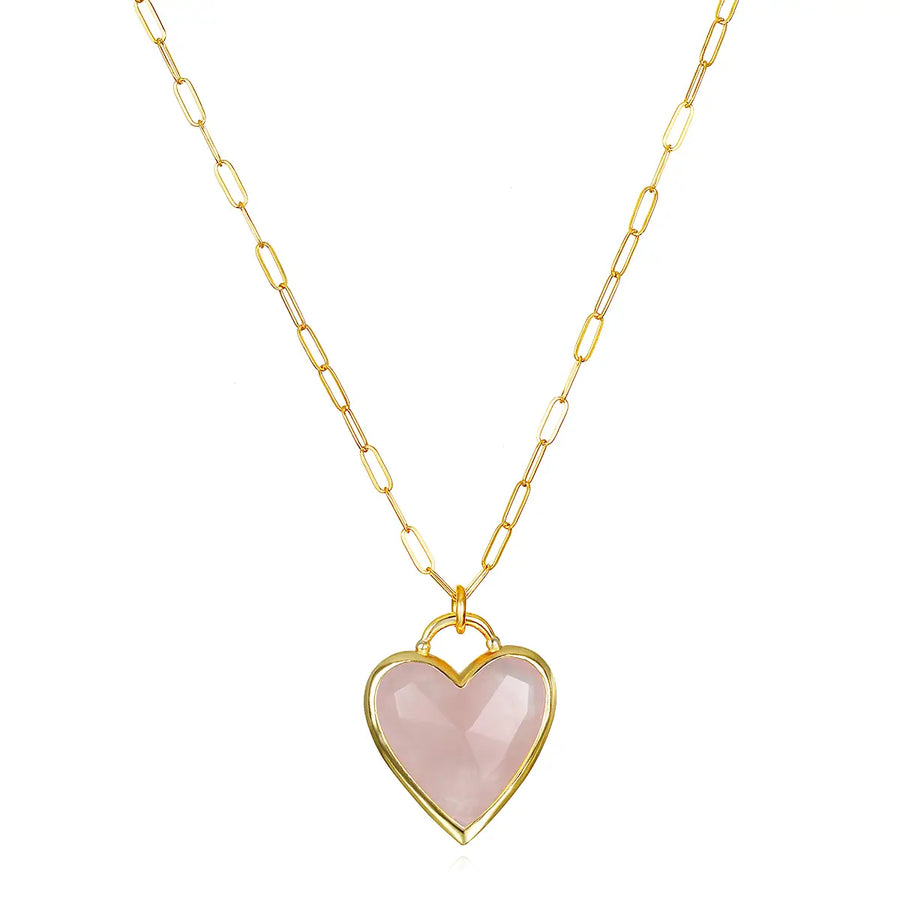
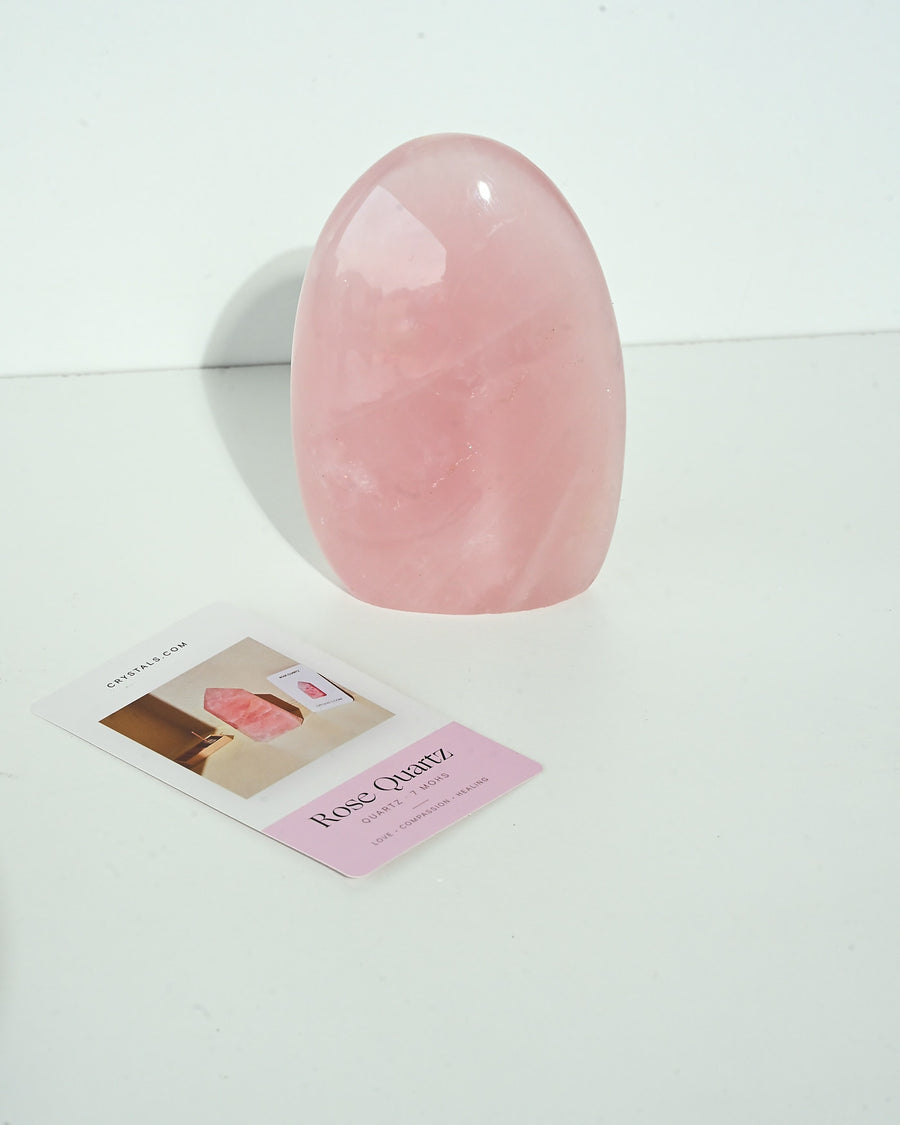

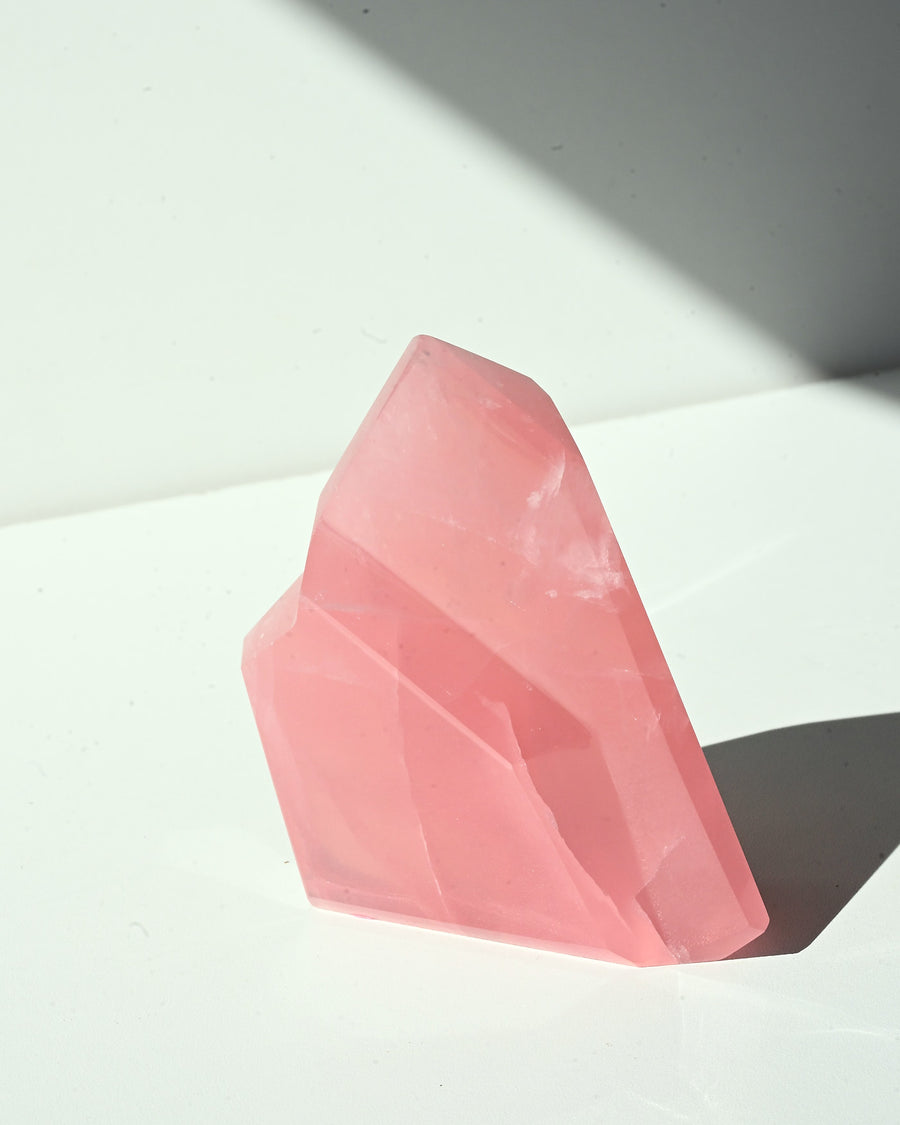

Mostly direct from trusted family-run mines in Brazil, Uruguay and more.
I pass on anything chalky or flat. Colour and finish have to hold up in daylight.
Everything is packed by hand here and goes out in 1 to 3 business days.
Rose Quartz, known as the "Love Stone," is believed to emit gentle, loving energy that promotes self-love, compassion, and emotional healing. Many turn to Rose Quartz to attract love, deepen existing relationships, and foster a sense of inner peace and harmony
Rose Quartz is generally safe for water use; however, it's essential to exercise care, as prolonged exposure may affect the crystal's appearance over time. A brief soak or rinsing is typically considered safe for using Rose Quartz in water.
To charge your Rose Quartz, place it under the gentle light of a full moon overnight or let it bask in the sunlight for a few hours. This natural process reenergizes the crystal's loving and healing properties, enhancing its effectiveness for your spiritual and emotional well-being.
Rose Quartz is found in various locations worldwide, with notable deposits in countries like Brazil, Madagascar, South Africa, and the United States.
Rose Quartz symbolizes love, compassion, and emotional healing. This gentle yet powerful crystal is often associated with matters of the heart, promoting self-love, deepening relationships, and fostering an overall sense of harmony and inner peace.
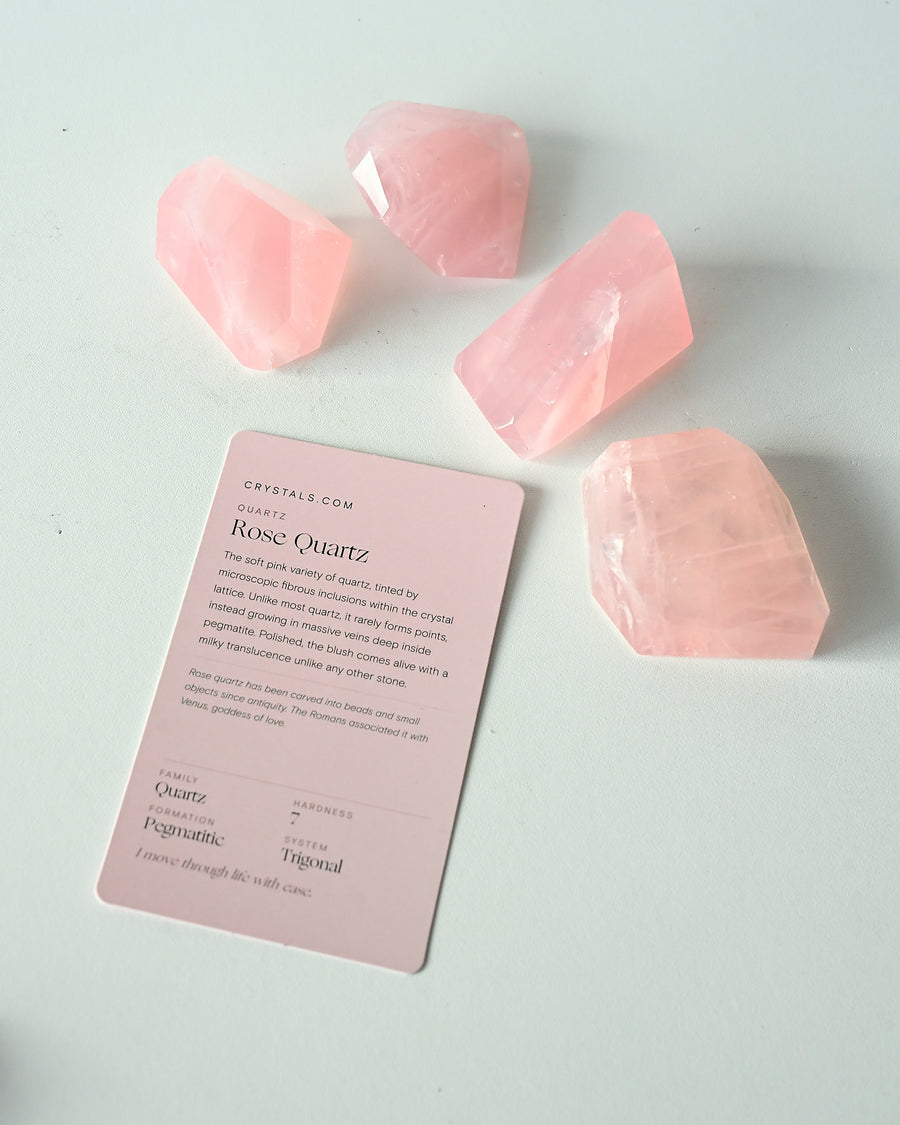
Rose quartz is a variety of macrocrystalline quartz (silicon dioxide, Mohs 7) whose signature blush color comes from microscopic inclusions of dumortierite, a fibrous aluminum borosilicate mineral distributed throughout the crystal lattice. Unlike many pink minerals that owe their color to trace metal ions, rose quartz carries its hue from these fine, light-scattering fibers. The result is a soft, milky translucency that distinguishes it immediately from other pink stones.
Every piece of rose quartz for sale here has been personally sourced for natural, undyed color. No heat treatment, no artificial enhancement. You are seeing the stone as it formed. If you collect broadly across the quartz family, rose quartz pairs naturally with amethyst, another quartz variety with its own distinct inclusion chemistry. Browse raw clusters, polished spheres, freeforms, and rose quartz jewelry cut from quality rough. These rose quartz crystals ship free on orders over $150, and also make considered crystal gifts for anyone drawn to fine minerals.
Rose quartz forms within pegmatites and hydrothermal veins as silicon dioxide crystallizes slowly under heat and pressure. The current consensus attributes the color in most commercial rose quartz to submicroscopic fibers of dumortierite or a structurally similar mineral, which scatter light and produce the characteristic pink tone without the stone being visually transparent.
A distinct and much rarer material, called simply "pink quartz," is colored by a different mechanism entirely: lattice-level defects tied to aluminum and phosphorus impurities, often activated by natural irradiation. True pink quartz forms as well-terminated crystals rather than massive material, is sensitive to light, and commands collector prices well above standard rose quartz. The two are sometimes confused in trade, but they are mineralogically different.
The world's primary sources for rose quartz are Brazil (Minas Gerais), Madagascar (known for particularly saturated and sometimes asteriated material), and the Black Hills of South Dakota. Smaller deposits occur in Mozambique, India, and Namibia.
Translucency. The finest rose quartz allows some light to pass through, revealing internal structure and depth of color. Translucent pieces with even color distribution are the benchmark for quality.
Color depth. Rose quartz ranges from barely-there blush to a saturated, almost violet-tinged pink. Deeper color is generally less common in larger pieces, which makes saturated freeforms and spheres more noteworthy when you find them.
Asterism. Certain rose quartz, particularly from Madagascar, contains dense, oriented needles of rutile. When cut as a cabochon or sphere, these needles produce a six-rayed star across the surface under direct light. Star rose quartz is a legitimately collectible optical phenomenon.
Form. Raw rough and natural clusters preserve the stone's original growth context. Polished spheres display color and asterism evenly. Freeforms and towers are shaped by hand but retain natural faces where the lapidary chooses to leave them.
Explore the full quartz family through our amethyst collection, or shop finished pieces in crystal jewelry. Looking for something to give? Our crystal gifts guide covers a range of price points. Orders over $150 ship free.
Every specimen personally chosen
On orders over $150
Direct from trusted miners
Microscopic inclusions of dumortierite, a fibrous aluminum borosilicate mineral, distributed throughout the crystal structure. These fibers scatter light and produce the characteristic diffuse pink tone. This is distinct from iron-colored minerals like rhodonite, and also different from the rarer "pink quartz," which gets its color from aluminum and phosphorus lattice defects.
No. Rose quartz is massive (no distinct crystal faces), opaque to translucent, colored by dumortierite inclusions, and light-stable. Pink quartz forms as well-terminated crystals, is colored by lattice-level defects, and is photosensitive. Pink quartz is significantly rarer and typically found only in collector-focused markets.
Standard rose quartz, colored by dumortierite inclusions, is considered light-stable under normal display conditions. It does not carry the same fading risk as amethyst, fluorite, or the rarer pink quartz variety. Keeping specimens out of direct afternoon sun is reasonable practice for any collection.
Genuine rose quartz feels cold to the touch initially, has a Mohs hardness of 7 (it will scratch glass), and shows a consistent, slightly cloudy pink color throughout rather than surface-only color. Dyed material often shows color concentrated in cracks or surface pits. If a pink stone is perfectly transparent with no milkiness, it is likely not rose quartz at all.
Know your crystal
Rose quartz owes its soft pink to microscopic fibers of a dumortierite-like mineral — thousands of times thinner than a hair — scattering light inside the stone. It's why the glow looks hazy from every angle.
Styling notes
 MoonstoneBlush and pearl. Soft, tonal, made for the nightstand.Shop the pairing →
Can't choose?
Tell it what you need. It picks one piece for you, in stock right now.
Sorry, looks like we don't have enough of this product.

Buy It With
$10.00 USD


